

Review · ROME
Rome on a Table: Roman Pasta and Wine Tasting
Roman food is at its best when it looks simple. This two-hour evening tasting puts that idea on the plate with carbonara, amatriciana, and cacio e pepe, then pairs each dish with wines from Lazio. Host Ally brings in the stories behind the recipes, local grapes, and Roman drinking customs.
I like the small group of no more than 12, which gives the tasting room a friendly, conversational feel. I also like the location, just a five-minute walk from the Vatican Museums, making this an easy addition to a sightseeing day. The main consideration is that three pasta dishes and four wines make this a full meal, but not a broad tour of Roman cuisine.
Key points
- Three Roman pasta classics: Taste carbonara, amatriciana, and cacio e pepe, with each dish matched to a Lazio wine.
- A short walk from the Vatican: The meeting point at Beef Bazaar on Via Germanico is about five minutes from the Vatican Museums.
- Roman food and wine together: Learn how wine appeared in ancient rituals, banquets, and ordinary Roman life.
- Friendly, small-scale format: The group is capped at 12 people, a good size for questions and conversation.
- A proper Italian finish: Choose limoncello, sambuca, or a local amaro as your digestivo.
- A useful evening schedule: The tasting begins at 6:30 pm and lasts about two hours.
Three Roman pasta dishes, four Lazio wines
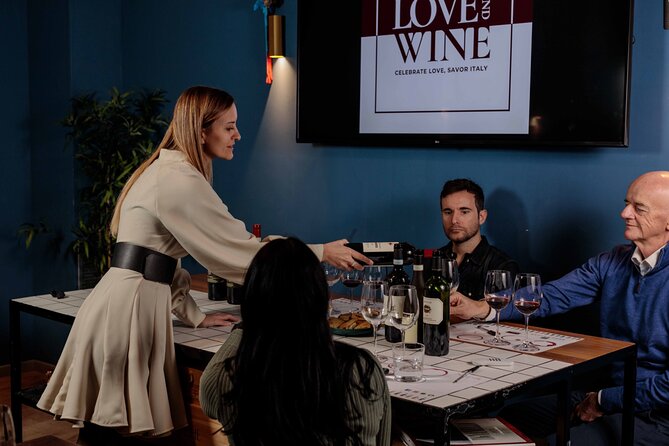
The heart of the experience is a focused tasting of three dishes that define the Roman table. Carbonara brings eggs, cheese, and pork together in a sauce that depends more on technique than on a long ingredient list. Amatriciana adds tomato and its savory pork flavor. Cacio e pepe reduces Roman cooking to cheese, pepper, pasta, and careful control of the cooking water.
You do not simply receive three bowls of pasta with wine poured beside them. The host explains why each dish tastes the way it does and how its character changes beside a particular bottle. That makes the meal more useful than a standard dinner. You leave with a better sense of what to order in Rome and why certain wines work with certain foods.
The exact bottles can vary, but the experience highlights Lazio varieties such as Malvasia, Syrah, and Cesanese. These wines help connect your meal to the area around Rome rather than treating Italian wine as one large, indistinct category.
I especially like this approach for people who know Italian food but do not know much about Lazio wine. Rome gets plenty of attention for its monuments, but its nearby wine country is less familiar to many visitors. Here, the food provides an easy path into that subject.
More Pasta Classes with Wine in Rome
- Rome: Pasta & Tiramisu Class with Fine Wine by the Vatican
★ 4.9 · 4,852 reviews - Rome: Pasta Making Class with Wine, Limoncello, and Dessert
★ 4.9 · 3,177 reviews - Rome Cooking Class: Make Pasta and 3 Spritz Cocktails
★ 5.0 · 2,937 reviews
Starting near the Vatican at 6:30 pm
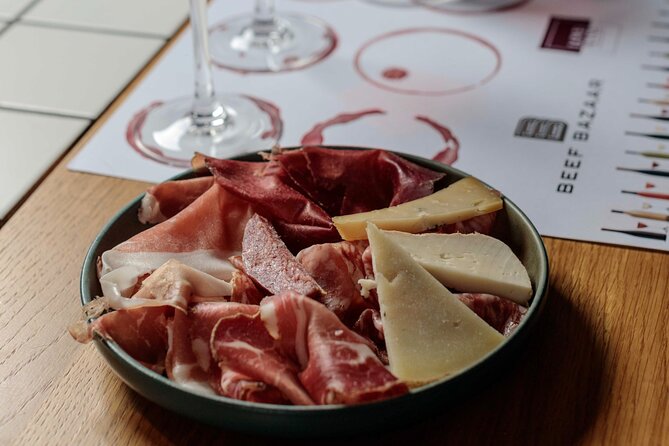
You meet at Beef Bazaar, Via Germanico 136, at 6:30 pm. The location is about a five-minute walk from the Vatican Museums, so the tasting can fit neatly after an afternoon visit. That timing also gives you a chance to move from sightseeing into a slower evening meal without crossing the city.
The meeting point returns you to the same place at the end. Since the activity lasts about 120 minutes, you should finish around 8:30 pm, though the actual end can depend on the pace of the group and the conversation.
The Vatican-area location is convenient, but it is not the same as dining in a quiet trattoria on a side street far from the sights. You are choosing ease and a prepared tasting rather than a wandering food crawl. If you already have dinner plans elsewhere, the pasta portions and wine can make this a substantial commitment.
Bring your mobile ticket and arrive with enough time to find Via Germanico. The activity is near public transportation, which helps if you are coming from another part of Rome. Service animals are allowed.
A sparkling beginning and the story of Roman wine
The tasting starts with a sparkling local wine while Ally introduces the subject. This first glass sets the tone: the evening is meant to be social and accessible, not a formal examination of wine vocabulary.
Ally is described as cheerful, approachable, and comfortable answering questions. That matters because wine tastings can become stiff when the host assumes everyone already knows the basics. Here, the emphasis is on making the subject understandable, so you can ask about grapes, aromas, food matches, or Roman customs without feeling out of place.
The historical part covers wine in Roman rituals, banquets, and daily life. That context gives the tasting more shape. Wine was not only something served with dinner. It was part of social customs and public life, and the discussion helps explain why food and wine remain such a strong part of Roman identity.
The host also shares stories about Roman culinary traditions. The carbonara section, in particular, includes its surprising origins and practical tips for making the sauce properly. You are not promised a cooking class, but you do get useful insight into why carbonara succeeds or fails.
Carbonara, amatriciana, and cacio e pepe in sequence
The meal moves through three pasta dishes, each with its own personality.
Same flour, a different shape to roll:
- 3 in 1 Cooking Class near Navona: Fettuccine, Ravioli & Tiramisu
★ 5.0 · 7,376 reviews - Rome: 3-in-1 Fettuccine, Ravioli, and Tiramisu Cooking Class
★ 4.9 · 2,704 reviews - Rome: Fettuccine Pasta Cooking Class in Rome’s City Center
★ 4.8 · 2,414 reviews - Learn to Make Pasta & Tiramisu with Wine and Limoncello Included
★ 5.0 · 2,345 reviews
Carbonara
Carbonara is often the dish people most want to understand. Its smooth texture can seem mysterious because the sauce is created without cream. The host explains the method and the background of the recipe, giving you more than a quick taste.
The pairing also shows why wine selection matters. Carbonara is creamy, salty, and savory, so a wine served with it needs to refresh the palate without overpowering the dish. You can pay attention to how the wine changes the impression of the egg and cheese as you eat.
Amatriciana
Amatriciana brings a more pronounced tomato note and a rustic character. Its story is tied to the evolution of Roman cooking and to the town of Amatrice in Lazio. The dish gives the tasting a different shape from carbonara, with acidity and tomato changing the balance of the meal.
This is also where the regional theme becomes especially clear. Amatriciana is not just a generic Italian pasta. It is part of the food culture surrounding Rome and Lazio, and the wine pairing helps place it in that setting.
Cacio e pepe
Cacio e pepe is the simplest-looking plate of the three, but it can be technically demanding. Cheese, pepper, and pasta must come together smoothly, and the cooking water plays an important role.
The dish is a good reminder that Roman cuisine often depends on restraint. There is nowhere to hide behind a long list of ingredients. The host explains the simple brilliance of the recipe and lets you see how a small number of well-handled components can make a memorable dish.
Taken together, the three pastas create a sensible progression. You move from the creamy richness of carbonara to the tomato and pork notes of amatriciana, then to the direct, peppery flavor of cacio e pepe. The wine pairings give you a reason to notice those differences instead of treating the meal as three similar courses.
What makes the wine selection useful
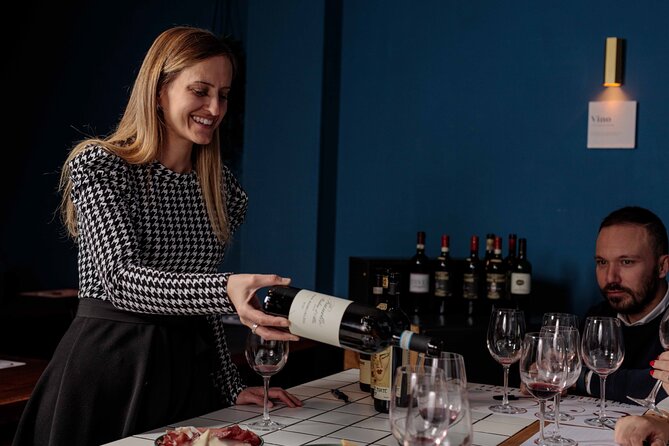
The four wines come from Lazio, the region that surrounds Rome. That focus is one of the strongest reasons to book this instead of ordering random Italian wines at dinner.
You learn about local grapes including Malvasia, Syrah, and Cesanese. The point is not to memorize a list. It is to understand that Lazio produces wines with their own regional identity, and that grape, place, and food can be considered together.
The reviews of Ally’s related tastings repeatedly point to her ability to explain wine in clear language. One Roman participant even arrived thinking they already knew the wines of their own city and still found new information. That is a useful sign for both beginners and people who already have some wine experience.
The format also includes stories and personal anecdotes rather than only technical facts. I find that approach more memorable. You may forget the exact name of a grape, but you are more likely to remember why a certain bottle worked with a salty pasta or how wine fit into Roman social life.
Four wines over two hours is enough variety to keep the tasting interesting, but it is not a full survey of Lazio wine. If you want a vineyard visit, cellar tour, or advanced tasting class, this is not that. It is a city-based introduction paired with a satisfying meal.
The private room and small-group atmosphere
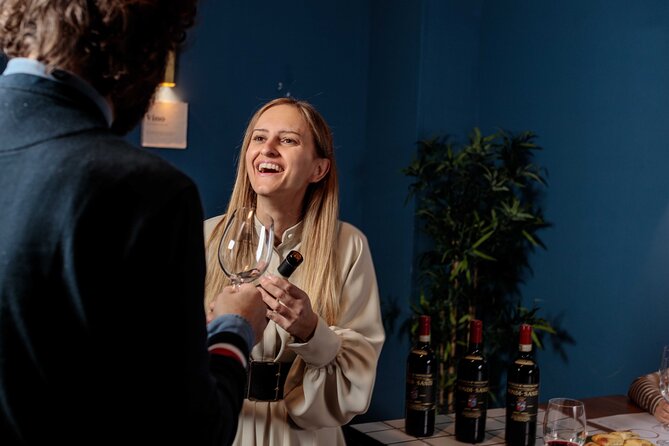
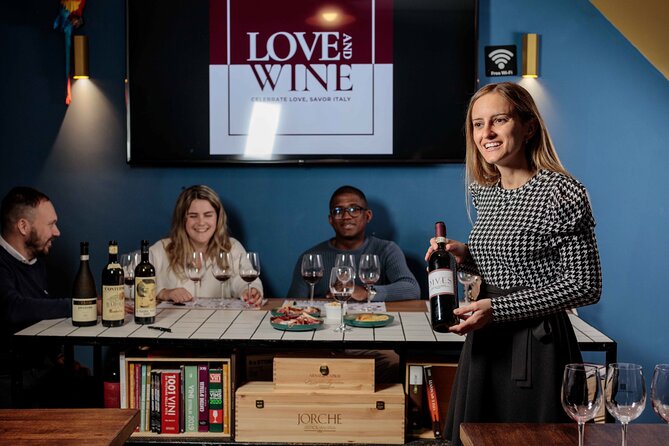
The tasting takes place in a stylish private room near the Vatican. That gives the event a set, comfortable setting rather than a series of stops around the city.
The maximum group size is 12. That is small enough for direct questions and a shared conversation, while still giving the evening some social energy. Previous feedback describes the atmosphere as welcoming and relaxed, with English explanations and the option of Italian in some sessions.
This format works especially well for couples, solo visitors who want a social meal, and small groups looking for something more organized than restaurant dining. It can also suit people who feel unsure about wine tastings, since the host’s tone is intended to be friendly rather than formal.
The tradeoff is that you do not choose every dish or bottle yourself. The experience has a planned menu and a planned sequence. That is helpful if you want the evening handled for you, but less ideal if you have strict dietary requirements or want a highly customized meal. The supplied details do not list dietary substitutions, so ask before booking if that is important to you.
Finishing with a Roman digestivo
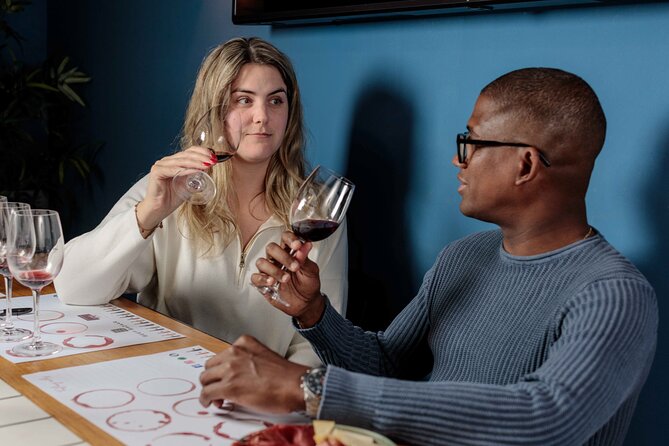
After the pasta and wine, you choose a traditional Italian digestivo: limoncello, sambuca, or a local amaro. This final drink gives the meal a distinctly Italian closing note.
Each choice has a different character. Limoncello is citrusy, sambuca is sweet and aromatic, and amaro is usually more herbal and bitter. The choice lets you end the evening according to your taste rather than receiving one fixed pour.
The digestivo is also part of the social rhythm of an Italian meal. It is not presented as another major tasting course, but as a final moment to sit, talk, and raise a glass. With the group capped at 12, this can be one of the more relaxed parts of the evening.
Is the $86.73 price good value?
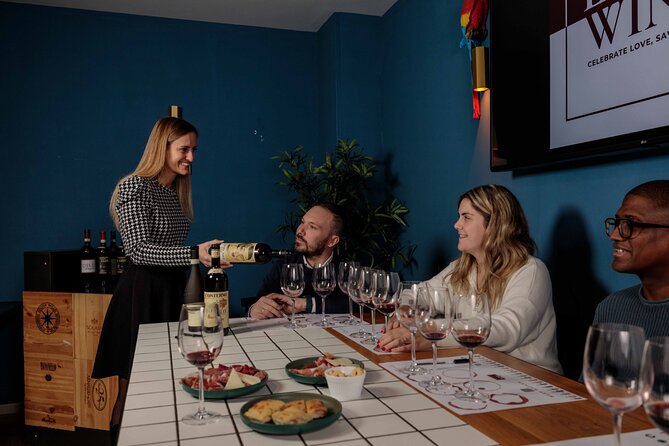
At $86.73 per person, the experience costs more than ordering one pasta and a glass of wine at a casual Roman restaurant. But the price includes three pasta dishes, four selected wines, guided explanations, a private-room setting, and a final digestivo.
I consider that fair value for someone who wants both dinner and a lesson in Roman food and wine. You are paying for selection, pairing, and interpretation, not only ingredients. The five-minute walk from the Vatican also saves time and makes the experience easy to fit into a sightseeing day.
The value is weaker if you are mainly looking for the cheapest possible meal or if you already have strong plans for dinner. It is also less suitable if you want a large menu of dishes beyond pasta. This is a focused tasting, not an all-purpose food tour.
The experience is often booked well ahead, with an average booking lead time of 63 days. That suggests you should reserve early if the 6:30 pm timing matters during a short visit.
Who should book this Roman pasta tasting?
I would point this experience toward:
- First-time visitors who want a clear introduction to Roman pasta
- Wine beginners who prefer friendly explanations over technical lectures
- Couples looking for an easy evening near the Vatican
- Solo visitors who like a small shared meal
- Food lovers who want local Lazio wines rather than only famous Italian labels
- Anyone interested in the link between ancient Roman customs and modern dining
I would hesitate if you dislike pasta, do not drink wine, need a highly flexible menu, or want a walking tour with several outdoor stops. The experience is seated, structured, and centered on three specific dishes.
The event can also work for a special occasion. Related private tastings have been arranged for wedding groups, and the setting is described as carefully prepared and welcoming. Still, the standard experience is built for a small shared group, not necessarily a private booking.
Booking details worth knowing
Confirmation is sent at the time of booking, and the ticket is mobile. The group maximum is 12 people, and the activity starts at Beef Bazaar, Via Germanico 136, Rome.
Free cancellation is available if you cancel at least 24 hours before the local start time. Cancellations or changes made inside that 24-hour window are not accepted for a refund.
Because the tasting includes four wines, plan your route home before you sit down. The activity is near public transportation, but the provided details do not specify a return transfer or hotel drop-off.
Should you book it?
Book this if you want a compact, food-centered evening that teaches you how Rome eats and how Lazio makes wine. The combination of three iconic pastas, four regional wines, a small group, and an engaging host gives the two hours a clear purpose.
I would choose it over a standard dinner if you enjoy asking questions and want to understand the dishes in front of you. I would skip it if you need a broad food tour, a vineyard setting, or a cheap and casual meal. For most visitors staying near the Vatican, though, it is a practical way to turn a familiar pasta dinner into a more informed Roman experience.
FAQ
Where does the tasting begin?
The experience begins at Beef Bazaar, Via Germanico 136, 00192 Rome, Italy.
How long does the experience last?
The tasting lasts approximately two hours.
What time does it start?
The scheduled start time is 6:30 pm.
How close is the meeting point to the Vatican Museums?
The private tasting room is described as about a five-minute walk from the Vatican Museums.
Which pasta dishes are included?
You taste carbonara, amatriciana, and cacio e pepe.
How many wines are included?
The experience includes four selected wines from Lazio, with discussion of grapes such as Malvasia, Syrah, and Cesanese.
What digestivo choices are available?
You can choose limoncello, sambuca, or a local amaro.
How many people can join the group?
The activity has a maximum of 12 participants.
Can I cancel for a full refund?
Yes. You can cancel at least 24 hours before the experience start time for a full refund. Changes or cancellations made less than 24 hours before the start time are not accepted.
Fresh off the board around Rome
- Spritz and Pasta! Spritz, Fettuccine & Tiramisù★ 5.0 · 2 reviews
- Trastevere Food Tour with Pasta-Making Class★ 5.0 · 5 reviews
- Rome: Pasta and tiramisu class with wine pairing at Come Na Vorta★ 5.0 · 30 reviews
- Traditional Pasta Cooking Class with Tiramisu Small Group★ 5.0 · 7 reviews
- Top Class in Fettuccine, Ravioli, and Tiramisu★ 5.0 · 7 reviews
- The Pasta Factory Class★ 4.5 · 21 reviews
- The Original Fettuccine Alfredo Experiences in Roma★ 4.5 · 38 reviews
- Italian Pasta & Dessert Class in Historic Center (3-Course Meal)★ 5.0 · 2 reviews
Pasta Classes with Wine, class by class.

Pasta & Tiramisu Class with Fine Wine by the Vatican
Read our review →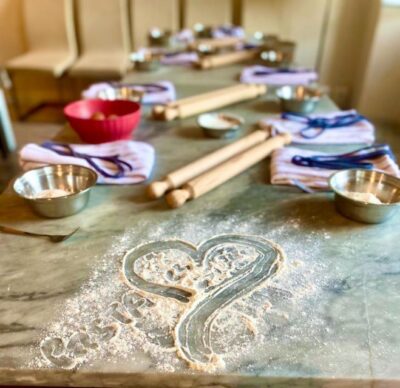
Pasta Making Class with Wine, Limoncello, and Dessert
Read our review →
Rome Cooking Class: Make Pasta and 3 Spritz Cocktails
Read our review →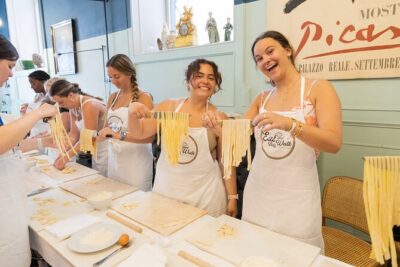
Learn to Make Pasta & Tiramisu with Wine and Limoncello Included
Read our review →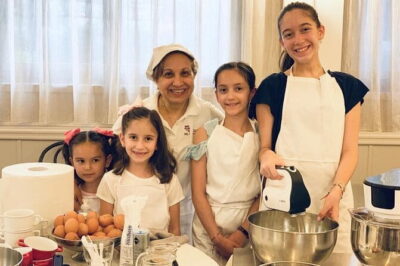
Cooking Class Pasta & Tiramisu Making Unlimited Wine
Read our review →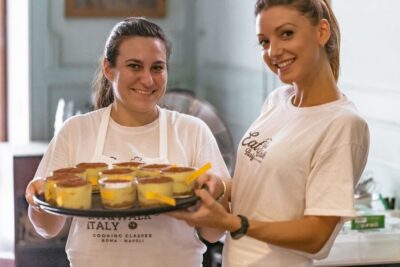
Fettuccine & Tiramisù: Cooking Class with Wine & Limoncello
Read our review →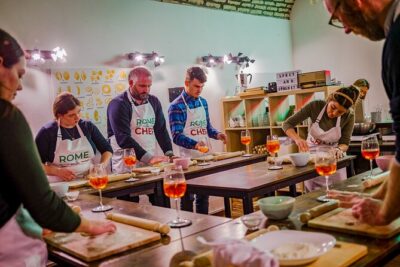
Pasta Cooking Class Near the Colosseum with 3 Spritz Cocktails
Read our review →Lists this class appears in