
Review · FLORENCE
Florence: Pasta Cooking Class with Unlimited Wine
The memorable part comes before the first bite: you make pasta inside a 1200s medieval tower near Brunelleschi’s Dome, a setting tied to the family of Dante Alighieri’s wife. A chef leads you from flour to finished dish, with no cooking gear or special skill required.
I like the three-hour, hands-on format, and I like that your work becomes the meal rather than a demonstration you simply watch. The unlimited Tuscan wine and soft drinks also make the $21 price unusually generous. The one caution is pace: the class can move quickly, so you may need to keep up during shaping and cooking.
Key points at a glance
- Cook in a medieval tower: The school is inside a 1200s stone tower a short distance from Brunelleschi’s Dome.
- Make three fresh pastas: The class may include ravioli, tortelli, and pappardelle, with the exact selection subject to the day’s plan.
- Follow a real chef: Instructors named in recent sessions include Andrea, Victoria, Antonio, and Valentino.
- Eat everything you prepare: Your handmade pasta is served with sauces such as butter and sage, arrabbiata, or Tuscan ragù.
- Wine is included: Tuscan wine and unlimited soft drinks are part of the experience.
- Strong value at $21: You receive a three-hour class, ingredients, equipment, instruction, and a full meal.
Cooking Pasta Inside Florence’s Medieval Tower
Florence is full of grand churches, polished museums, and famous paintings. This class gives you a different way to meet the city. Instead of only looking at Renaissance treasures, you handle one of Italy’s most useful traditions: turning flour and other basic ingredients into dinner.
The cooking school occupies a stone medieval tower from the 1200s. It is near Brunelleschi’s Dome, so the location adds a memorable sense of place without requiring a separate countryside trip. The tower is also linked to the family of Dante Alighieri’s wife, giving the room a literary connection as well as an architectural one.
You should not expect a formal museum visit or a long historical talk. The tower is the working setting for the class. Its value is simple: you cook in a genuinely old Florence building rather than in a modern classroom with no connection to the city around you.
That setting matters most if you want food to be part of your sightseeing. You still need to focus on dough, fillings, sauces, and timing, but the stone walls and central Florence location give the meal a clear sense of place.
More Pasta Classes with Wine in Florence
- Florence: Pasta & Tiramisu Cooking Class with Unlimited Wine
★ 4.9 · 6,708 reviews - Florence: Pasta Cooking Class with Unlimited Wine
★ 5.0 · 6,413 reviews - Florence: Cooking Class Pasta & Tiramisu Making Unlimited Wine
★ 5.0 · 2,234 reviews
What Happens During the Three-Hour Class
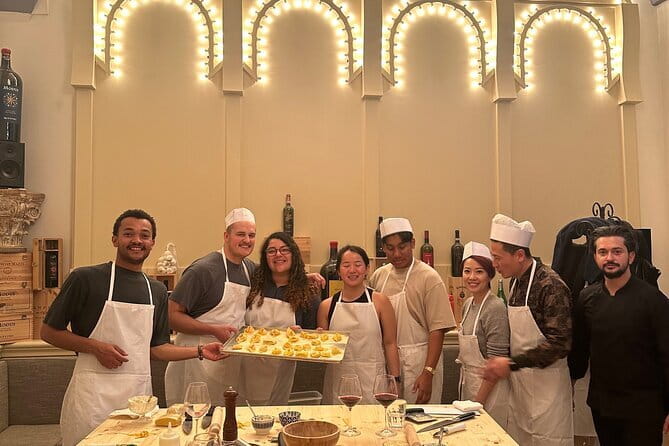
The class begins with the basics. A chef explains the process and stays involved as you work, rather than leaving you to copy a recipe from a screen. All ingredients and equipment are supplied, so you only need to arrive ready to cook and eat.
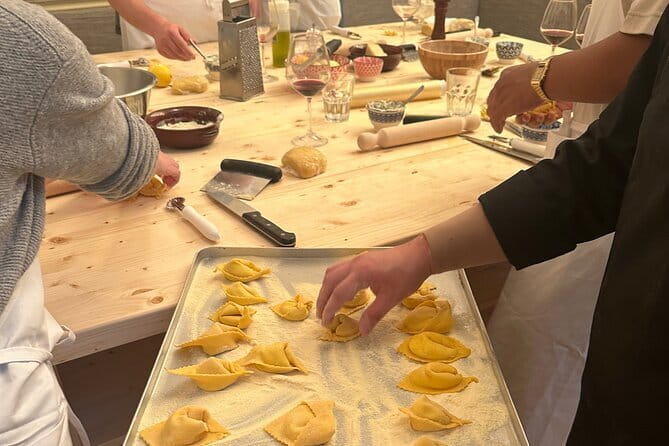
The central task is making three types of fresh pasta. The examples given are ravioli, tortelli, and pappardelle. Ravioli and tortelli require attention to filling, sealing, and avoiding trapped air. Pappardelle calls for a different approach, since the dough is cut into broad ribbons rather than filled parcels.
This variety makes the class more useful than a single-pasta lesson. You see how one basic dough can lead to different shapes and textures. You also learn that stuffed pasta and broad ribbons require different handling, even when they begin with similar ingredients.
The chef demonstrates each stage, then helps you apply it. Andrea, Victoria, Antonio, and Valentino are among the instructors who have led recent classes. The teaching style can vary by chef, but the format is clearly active: you mix, shape, prepare, and cook rather than simply watch.
The group may prepare three or four pasta items, depending on the day’s arrangement. The class is designed so that everything you make is eaten at the end, giving the work a useful purpose. You are not carrying a box of unused dough back to your hotel.
From Flour to Ravioli, Tortelli, and Pappardelle
Fresh pasta sounds easy until you have to get the texture right. Dough that is too dry can crack. Dough that is too soft can stick. Stuffed pasta needs a firm seal, while pappardelle needs even cutting so the ribbons cook at roughly the same rate.
That is where a chef-led class helps. You can ask for help as you work, and the instructor can offer small corrections before a minor mistake becomes a ruined batch. One especially useful detail from the class format is the personal guidance offered around the table. Antonio, for example, is described as checking individual pasta and suggesting ways to improve it.
Ravioli and tortelli also bring a social element to the lesson. You need to decide how much filling to use, where to press the edges, and how to shape the pasta cleanly. These are small tasks, but they give families and groups something practical to do together.
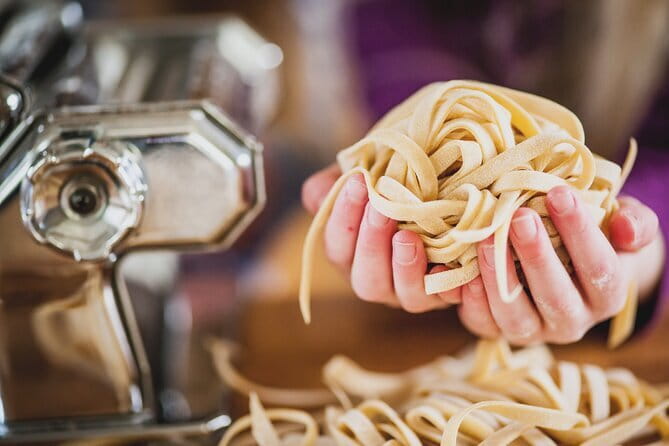
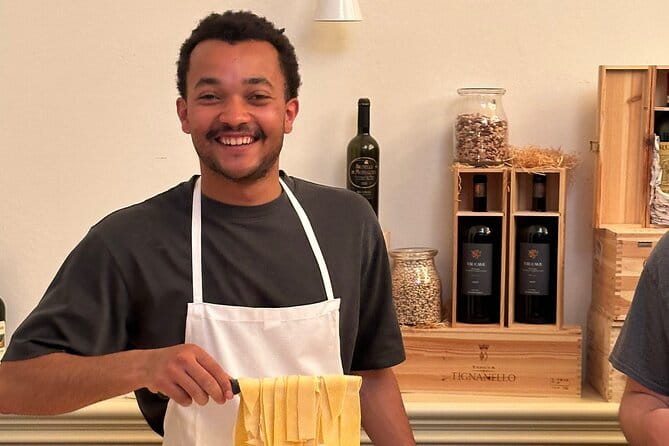
Pappardelle offers a welcome change of pace. Once the dough is prepared, you cut wide strips and see how fresh pasta differs from dried noodles. The finished result is substantial and well suited to a hearty sauce.
The class is not presented as advanced culinary training. You should expect clear instruction rather than professional-level technique. That makes it a good choice for first-time pasta makers, though anyone seeking a quiet, slow workshop may find the group pace lively.
Three Sauces Turn the Lesson Into Dinner
The pasta is paired with sauces prepared during the class. Possibilities include butter and sage, arrabbiata, and an old-fashioned Tuscan ragù. These choices cover three different styles: a light herb and butter sauce, a spicy tomato sauce, and a slower, meat-based Tuscan preparation.
This is one of the strongest parts of the experience because sauce changes how you understand the pasta shape. A broad pappardelle ribbon works differently with ragù than a delicate filled pasta served with butter and sage. Arrabbiata adds a sharper, tomato-based contrast.
You are not only learning to shape pasta. You are also seeing why Italian cooking pairs particular forms with particular sauces. The meal therefore feels more complete than a plate of plain noodles at the end of a lesson.
The exact menu can vary, so do not book expecting one fixed combination down to every ingredient. The advertised examples give you a good idea of the style, but the chef may organize the class around a slightly different selection.
Same flour, a different shape to roll:
- Florence Pizza or Pasta Class with Gelato Making at a Tuscan Farm
★ 5.0 · 6,801 reviews - Pastamania – Florence Pasta Making Class
★ 5.0 · 3,050 reviews - Florence: Pizza or Pasta Class with Gelato at a Tuscan Farm
★ 4.9 · 1,181 reviews - Florence: Premium Pasta and Gelato Cooking Class
★ 4.9 · 877 reviews
Unlimited Tuscan Wine and a Full Meal

The price includes Tuscan wine and unlimited soft drinks. Wine is available during the experience, so the class has a relaxed meal-and-cooking character rather than the feel of a strict lesson.
You still need to pace yourself. Three hours of cooking, tasting, and drinking can pass quickly, and unlimited wine is best treated as a choice rather than a challenge. Soft drinks provide an easy alternative for children, non-drinkers, and anyone who wants to stay focused on the cooking.
The practical value is hard to ignore. At $21 per person, you receive instruction, ingredients, use of all equipment, wine or soft drinks, and the food you prepare. In central Florence, that is a strong deal even before you count the unusual tower setting.
Price alone should not be your only test. The experience works best if you actually want to participate. If you would rather sit down to a polished restaurant meal with no flour on your hands, a cooking class is not the right use of your evening. If you want dinner plus a skill you can repeat at home, the value improves considerably.
A Lively Class That Works for Families
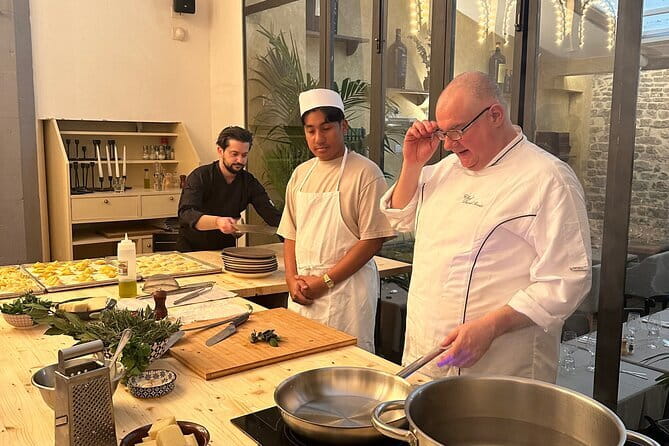
The atmosphere appears to be active and social. A family with two teenage daughters described the session as fun, with the class using a playful call-and-response style around the chef. Another family joined with a son, and the age range included young children through middle-aged adults.
That mix is useful to know. You do not need to arrive as a serious cook, and you should expect a room where people are learning at different speeds. Children can take part in shaping and cutting, while adults can focus on dough texture and sauce preparation.
The class can also suit couples and friends looking for an activity that gives you something to talk about afterward. You share the work, eat the results, and leave with a clearer idea of how fresh pasta is made.
The drawback is that a group setting may not give you unlimited individual attention. The chef moves around the room and provides help, but the class has a schedule to maintain. One participant found that the instructions could move fast, even though they remained clear.
My advice is to listen closely at the start of each stage, then ask for help quickly if your dough or filling does not look right. Waiting until the whole group has moved on can make it harder to catch up.
The English-Speaking Chefs Make a Difference
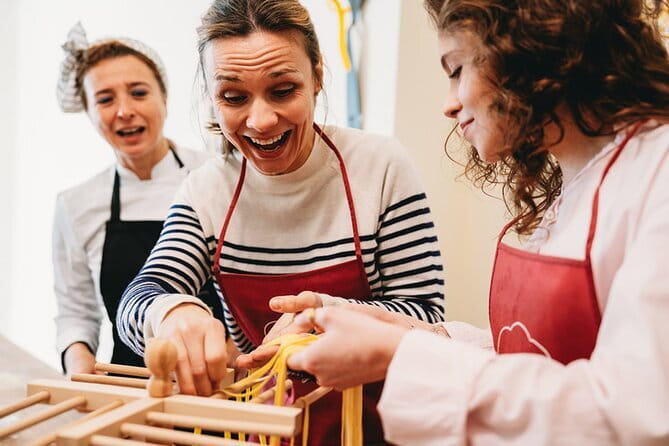
The class is led in English by a live chef instructor. Names associated with recent sessions include Andrea, Victoria, Antonio, and Valentino. The most useful quality is not a particular personality, but the fact that the chef works directly with the class and gives practical corrections.
A good cooking instructor needs to keep several things moving at once: demonstration, dough preparation, shaping, sauce work, and cooking. The strongest sessions appear to combine clear direction with humor and personal help. That balance is especially valuable when the group includes both children and adults.
You should also expect some variation from one session to another because different chefs may have different styles. Andrea was praised for sharing useful information and keeping the class fun. Victoria brought humor to a session that produced three pastas. Antonio was described as kind and attentive, while Valentino was especially helpful with a family group.
Those details suggest a friendly teaching culture, but they do not guarantee that every chef will run the class in exactly the same way. Go in expecting a practical lesson with a social mood, not a scripted performance.
Who Should Book This Florence Cooking Class?
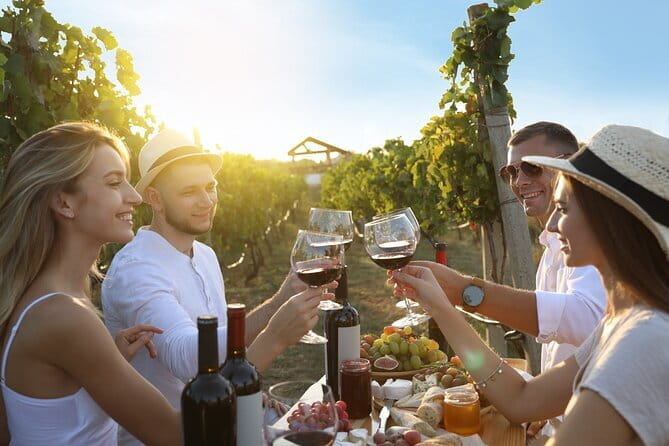
I would recommend this experience to several types of visitors:
- First-time pasta makers who want direct guidance from a chef.
- Families with children or teenagers who need an activity more active than sightseeing.
- Couples and friends who want a shared meal with a local food focus.
- Budget-conscious visitors who want a substantial three-hour activity for $21.
- Food-focused visitors who want to understand fresh pasta, sauces, and Italian kitchen habits.
- People with dietary needs, provided they explain those needs when booking.
Vegetarian and other dietary options are supported, but you should notify the provider in advance. The available information does not give a full list of substitutions, so do not wait until you arrive to explain an allergy or special diet.
The class is wheelchair accessible. The meeting point can vary by the option booked, so check the exact location before setting out. Because the school is near Brunelleschi’s Dome, it should fit naturally into a day spent around central Florence, but the confirmed meeting instructions should guide your route.
How It Fits Into a Florence Itinerary
Three hours is long enough to feel worthwhile without taking an entire day. You can place it between sightseeing plans, but remember that the duration includes instruction, cooking, and eating. Avoid scheduling a museum entry immediately afterward if you dislike rushing.
The central location near the Dome makes the class easy to combine with Florence’s main sights. You might spend the morning around the cathedral complex, attend the cooking class, then continue through the historic center. The exact meeting point varies, so allow enough time to find the tower rather than assuming the school is directly at the cathedral.
This is also a useful choice near the end of a Florence stay. The class gives you one last meal in the city and a technique you can try at home. One participant used it as a farewell activity, which makes sense: you finish with food, wine, and a practical memory instead of another pass through a gallery.
Booking, Cancellations, and Dietary Notes
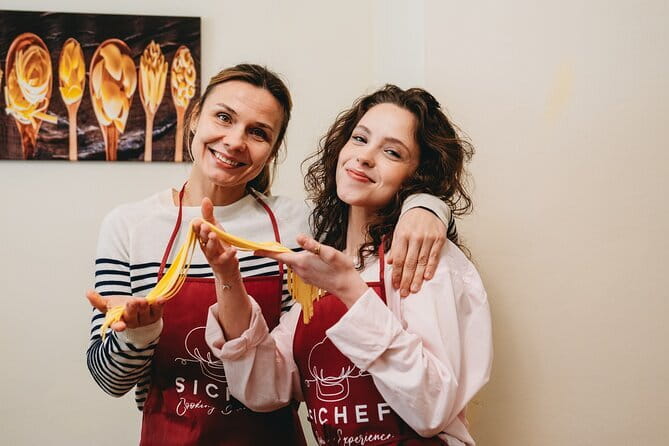
The activity offers free cancellation up to 24 hours before the scheduled start for a full refund. You can also reserve now and pay later, which helps if your Florence plans are still shifting.
The language is English, and a live guide leads the session. Vegetarian and other dietary needs can be supported when stated at booking. Wheelchair access is available.
Check availability for the starting time and confirm the meeting point for your chosen option. Those details can vary, and arriving at the wrong tower or selecting a time that conflicts with another booking would erase much of the convenience.
Should You Book It?
Book this class if you want an active food experience, not just another restaurant reservation. The combination of a 1200s tower, three fresh pastas, chef instruction, a full meal, and Tuscan wine gives you a lot for $21.
I would be more cautious if you want a quiet, highly personalized workshop or if you dislike group activities. The pace may feel quick, and the exact pasta shapes and sauces can vary. Still, for families, first-time cooks, couples, and budget-minded food lovers, this is one of the easier Florence activities to recommend.
FAQ
How long does the pasta cooking class last?
The class lasts three hours, including instruction, preparation, cooking, and eating.
How many types of pasta will I make?
You will prepare three types of fresh pasta. Examples include ravioli, tortelli, and pappardelle, though the exact selection may vary.
Do I eat the pasta I make?
Yes. The experience includes eating everything prepared during the class.
Is wine included in the price?
Yes. Tuscan wine is included, and soft drinks are available without limit.
Is the class taught in English?
Yes. The experience has a live English-speaking guide and chef instructor.
Can I join if I have dietary requirements?
Vegetarian and other dietary options are available. Tell the activity provider about your needs when booking.
Is the cooking school wheelchair accessible?
Yes, the activity is listed as wheelchair accessible. The meeting point may vary depending on the option you book.
Fresh off the board around Florence
- Hands on Deluxe Traditional 4-course dinner with fresh pasta★ 5.0 · 15 reviews
- The Art of Pasta and Wine Tasting with Local Sommelier★ 5.0 · 16 reviews
- Vegan Cooking Class in Florence: Pasta Making & Wine!★ 5.0 · 2 reviews
- Gluten free pasta and dessert class 6 guests max★ 5.0 · 2 reviews
- Tuscan Pasta Masterclass Small-Group Cooking Experience★ 5.0 · 17 reviews
- Cooking class and home made pasta in Florence with LA VIVANDIERA!★ 5.0 · 5 reviews
- MaMa Florence: The Art of Corzetti – Hands-On Pasta Class★ 5.0 · 15 reviews
- Hands-On Pasta Making Class in Central Florence with Patrizia★ 5.0 · 5 reviews
Pasta Classes with Wine, class by class.
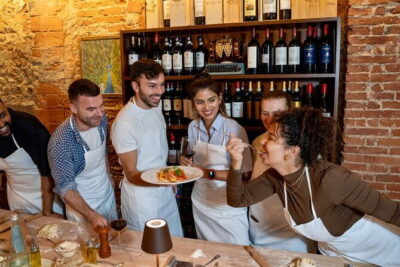
Pasta & Tiramisu Cooking Class with Unlimited Wine
Read our review →
Pasta & Tiramisu Class with Fine Wine by the Vatican
Read our review →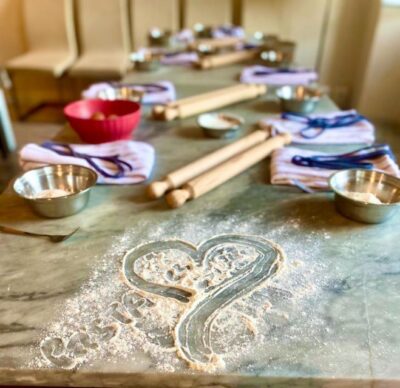
Pasta Making Class with Wine, Limoncello, and Dessert
Read our review →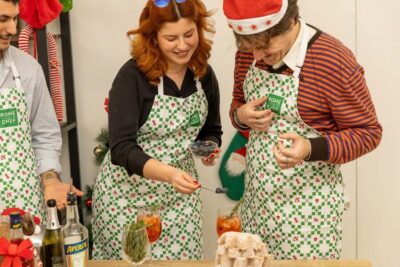
Rome Cooking Class: Make Pasta and 3 Spritz Cocktails
Read our review →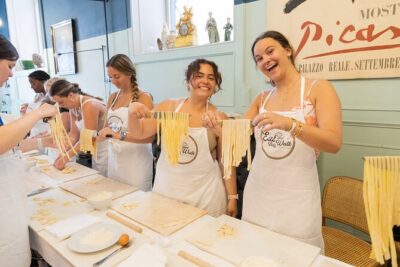
Learn to Make Pasta & Tiramisu with Wine and Limoncello Included
Read our review →
Fettuccine & Tiramisù: Cooking Class with Wine & Limoncello
Read our review →
Pasta Cooking Class Near the Colosseum with 3 Spritz Cocktails
Read our review →
Enjoy Spritz and Pasta Making in Piazza Navona
Read our review →Lists this class appears in