
Review · ROME
Traditional Pasta Cooking Class with Tiramisu Small Group
The best part of this Rome experience is that dinner is not simply served to you. You make it yourself, from tiramisu and pasta dough to shaping the noodles and pairing them with a homemade sauce. The class begins with pasta and tiramisu background, then moves into practical work with a professional chef.
I like the small-group limit of 12, which gives the class a more personal feel than a large demonstration. I also like that you eat the pasta you prepare, rather than taking home a small sample after watching someone else cook. The main consideration is timing: the class begins at 4:30 pm and lasts about three hours, so it fills much of your late afternoon and evening.
Key points to know
- You make both courses: Prepare traditional tiramisu and fresh pasta from scratch, then sit down to eat them.
- The group is capped at 12: A modest class size allows the chef to offer step-by-step help.
- Past instructors include Alma and Stefania: The chef assigned to your class may vary, but both names appear in the experience feedback.
- A glass of prosecco starts the class: Wine and bottled water are also included with dinner.
- The meeting point is central Rome: Start at Via dei Capocci 26, with public transportation nearby.
- The price covers more than a demonstration: At $71.97 per person, ingredients, equipment, instruction, and your meal are included.
Why this class works better than another restaurant dinner
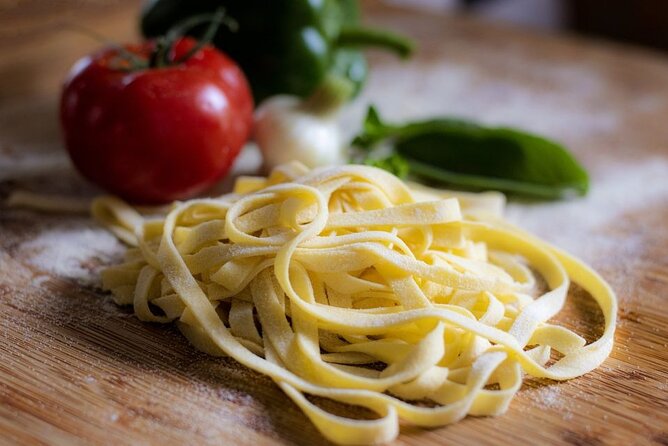
Rome gives you no shortage of places to eat pasta. A cooking class makes sense when you want a useful skill along with your meal. Here, you learn techniques you can repeat at home, then taste the results while the process is still fresh in your mind.
I especially like the order of the class. You begin with a short introduction to pasta and tiramisu, learn about ingredient choices, and then start cooking. That progression keeps the experience grounded. You are not thrown straight into a bowl of flour without knowing what you are trying to achieve.
The class also offers a break from the usual sightseeing rhythm. After a morning of ancient ruins, churches, and busy streets, three hours at a cooking table gives you a slower way to experience Rome. It is still social and active, but the focus shifts from looking at the city to making something with your hands.
The setting is not described in detail, so you should book this for the food and instruction rather than for a grand dining room or scenic view. The reward is the work itself, followed by a meal you helped create.
More Tiramisu Classes in Rome
- 3 in 1 Cooking Class near Navona: Fettuccine, Ravioli & Tiramisu
★ 5.0 · 7,376 reviews - Rome: Pasta & Tiramisu Class with Fine Wine by the Vatican
★ 4.9 · 4,852 reviews - Rome: 3-in-1 Fettuccine, Ravioli, and Tiramisu Cooking Class
★ 4.9 · 2,704 reviews
Arriving at Via dei Capocci at 4:30 pm
The experience starts at Via dei Capocci 26, 00184 Rome. Public transportation is nearby, which helps if you are coming from another part of the city. Hotel pickup and drop-off are not included, so you need to make your own way to the meeting point.
Give yourself enough time to locate the address. Rome’s streets can be confusing, and arriving late to a hands-on class may mean missing the opening explanation or the first preparation step. Your confirmation is provided when you book, so keep the meeting details available on your phone.
The class ends back at the meeting point after roughly three hours. That makes the schedule easy to plan around. You can arrange a later dinner reservation, though you may not want one after eating the pasta and tiramisu you prepared.
The late afternoon start is useful in warm weather. One past participant particularly liked having the class as an indoor activity away from the heat. It can also work well on a day when you want a break between sightseeing and Rome’s evening scene.
Prosecco, pasta background, and the first kitchen lessons
The class opens with a glass of prosecco and a short explanation of pasta and tiramisu. This is not presented as a long lecture. The value is in giving you a little context before you begin handling ingredients.
You also learn about choosing ingredients for better results. That part matters more than it might sound. Italian cooking often depends on a short list of basic ingredients, so quality and proportion make a visible difference. A good class should help you understand not only what to do, but why a certain ingredient or method works.
The opening drinks help set a relaxed tone. Prosecco is included, along with cooking utensils and all ingredients needed for the class. You are not expected to bring equipment or shop for supplies before arriving.
The small group matters here. With no more than 12 people, you have a better chance of seeing the chef’s technique and asking for help. The class feedback repeatedly points to patient, step-by-step instruction, with Alma and Stefania receiving particular praise for guiding people through the process.
Do not expect a private lesson. Twelve people is still a group, and the amount of individual attention can depend on how many people attend and how much help each person needs. Still, the limit is modest enough to make this feel more involved than a large cooking show.
Making tiramisu before the pasta
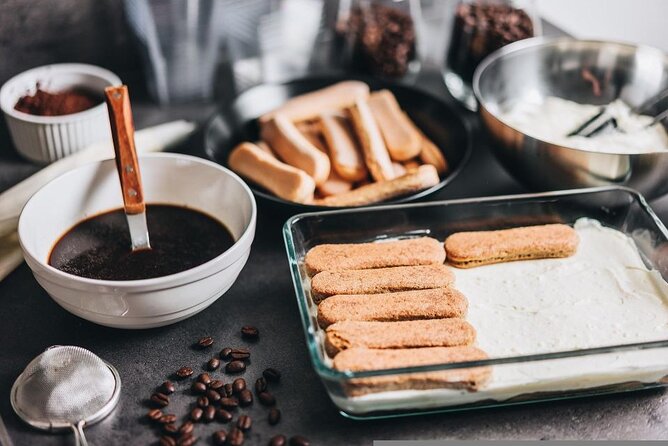
Tiramisu comes first. Under the chef’s direction, you work through the steps of making the dessert, then let it set while you turn to the pasta.
That order is smart. Tiramisu needs time to rest, so preparing it at the beginning gives it a chance to reach the right texture by the time dinner arrives. It also means you are not trying to finish two dishes at once at the end of the class.
You will learn the method step by step rather than simply watching the chef assemble a finished dessert. This is one of the most useful parts for anyone hoping to repeat the dish at home. The instructions are meant to be practical, and several class participants were able to leave with a recipe they felt comfortable making for friends and family.
Tiramisu also gives the class a nice change of pace. Pasta dough requires active work, flour, and shaping. The dessert begins with a more measured set of preparations, allowing you to settle into the class before the hands-on pasta work starts.
The experience does not promise a choice of tiramisu variations. You should expect to learn the traditional preparation presented by the chef rather than a menu of modern versions. That is a plus if you want a classic Italian dessert, but less useful if you are looking for advanced pastry techniques.
Same flour, a different shape to roll:
- Rome: Pasta Making Class with Wine, Limoncello, and Dessert
★ 4.9 · 3,177 reviews - Rome Cooking Class: Make Pasta and 3 Spritz Cocktails
★ 5.0 · 2,937 reviews - Rome: Fettuccine Pasta Cooking Class in Rome’s City Center
★ 4.8 · 2,414 reviews - Learn to Make Pasta & Tiramisu with Wine and Limoncello Included
★ 5.0 · 2,345 reviews
Rolling, shaping, and cooking fresh pasta
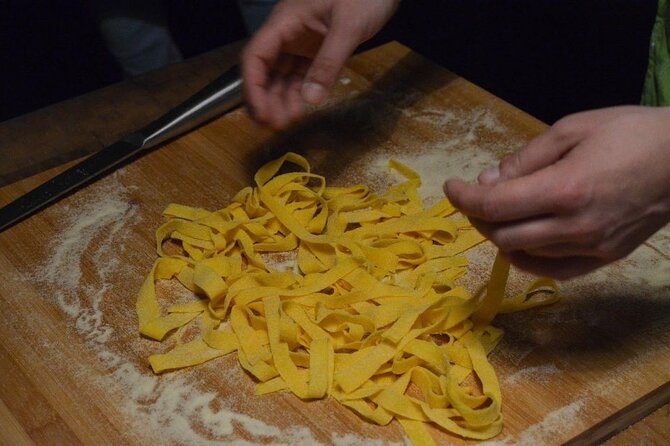
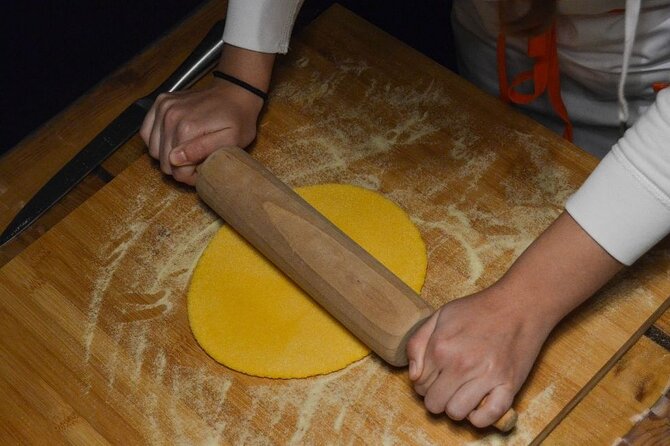
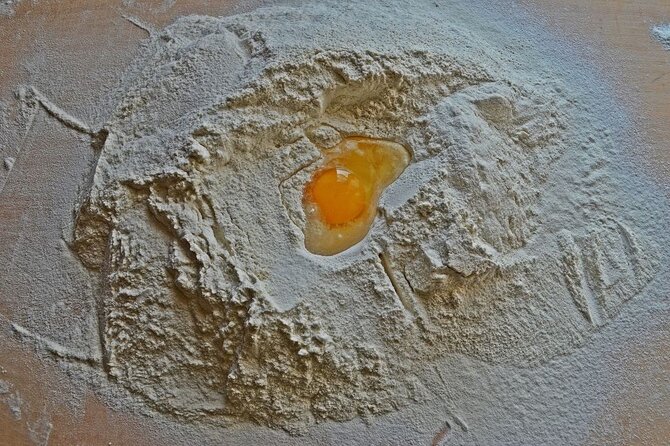
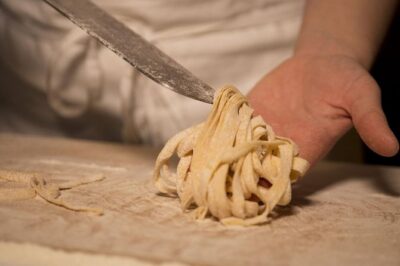
Once the tiramisu is setting, you prepare fresh pasta dough. This is the heart of the class. You learn how to combine the ingredients, work the dough, and shape the pasta with the chef’s help.
Fresh pasta is satisfying because the stages are visible. You start with basic ingredients, develop the dough, and then turn it into something ready for the pot. The process is also forgiving in a way a formal demonstration is not. If your dough needs attention, the chef can show you what to adjust.
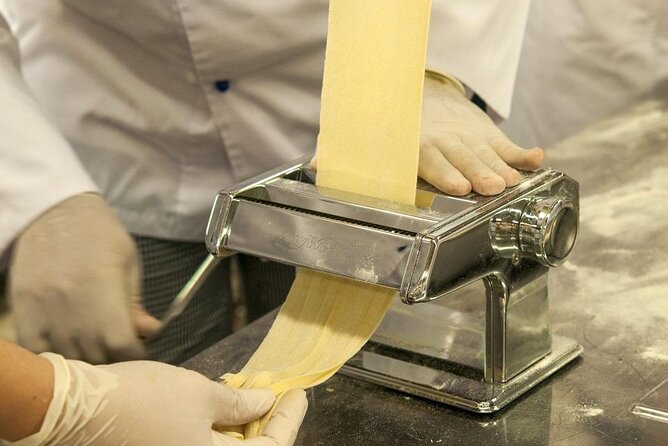
The class includes cooking utensils and ingredients, so you can focus on technique rather than equipment. You will not need to bring a pasta machine or special tools.
Shaping the pasta is likely to be one of the most social parts of the afternoon. People work beside one another, compare results, and learn by watching the chef correct small problems. The class feedback describes plenty of conversation, laughter, and even singing during the cooking. That gives you a clear sense of the mood: active and friendly rather than stiff or formal.
The chef then helps you select a homemade sauce to go with the pasta. A simple tomato sauce was specifically praised in the class feedback, and that choice makes sense. A straightforward sauce lets the texture and flavor of the fresh pasta remain important. You should not expect a large sauce tasting menu, but you can expect guidance on pairing the pasta with an appropriate homemade sauce.
Eating the pasta you prepared
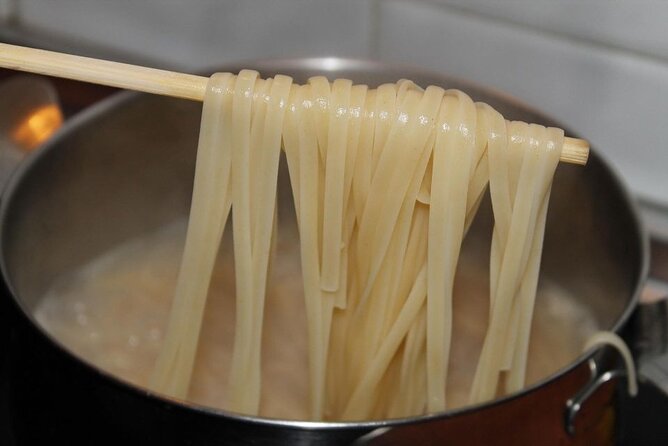
After the cooking is finished, you sit down to eat the pasta with the chef. This is more than a final reward. It lets you judge the texture, sauce, and seasoning while you still remember how each stage was handled.
The meal includes the pasta you made together with the chef, a glass of wine, and a bottle of water. Prosecco is included at the start. Some class feedback also describes coffee and limoncello at the end, but those drinks are not listed among the guaranteed inclusions, so I would treat them as possible extras rather than part of the firm package.
The meal is best understood as a shared cooking-class dinner, not a full restaurant tasting menu. You are paying for instruction, ingredients, equipment, drinks, and the meal. The food is the result of your work, which makes the final plate more meaningful than an ordinary bowl of pasta.
You may find that the meal feels casual and communal. That suits the format. The focus is on what you have learned and made, not on formal service or a long sequence of courses.
Is $71.97 a fair price?
At $71.97 per person, this class sits in a reasonable range for a three-hour food activity in Rome. The price includes a professional chef, all ingredients, utensils, prosecco, wine, water, and dinner. That is a stronger package than a simple demonstration where you watch the cooking but do not eat what you prepare.
Value depends on what you want from the evening. If your main goal is the cheapest possible meal, a supermarket picnic or casual trattoria will cost less. If you want a polished, multi-course dining experience, this class may not provide that style of evening.
I think the price works best for people who value instruction and participation. You are also paying for the chance to take home techniques for fresh pasta and tiramisu. The skills are simple enough to repeat, which gives the experience some value after you leave Rome.
The maximum group size of 12 helps support the price. You are not paying for a private chef, but you are also not entering a huge classroom. If the chef gives the same patient, step-by-step help described by past participants, the small group should make the instruction feel worthwhile.
Who should book this Rome cooking class?
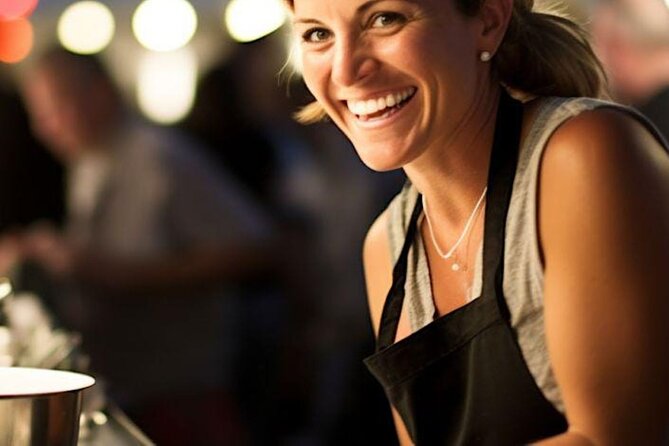
This experience suits couples, families, and solo visitors who enjoy making food together. It is also a good choice for people who want a relaxed afternoon activity and do not want another walking tour.
Families should note that the class is about three hours long. Children who enjoy hands-on cooking may have a fine time, but the supplied information does not give a minimum age or specific child policy. Ask before booking if age rules matter to your group.
Couples can use it as a shared evening activity. You prepare the meal together, have wine with dinner, and finish close to the place where you started. It offers more interaction than sitting across from each other in a restaurant.
Solo visitors may find the small group helpful. The format naturally creates conversation, and the cooking gives everyone an easy subject to talk about. Still, the class is social by design, so it may not suit someone seeking a quiet or private meal.
This is also a strong pick for repeat visitors to Rome. You do not need another tour of the Colosseum to have a worthwhile afternoon. Learning to make fresh pasta and tiramisu gives you a different connection to Italian food and a skill you can use after the trip.
Practical details before you reserve
The activity is offered in English and includes a mobile ticket. You receive confirmation at the time of booking. The start time is 4:30 pm, and the activity returns to the same meeting point.
Plan to arrive ready to participate. The class is not a passive food tasting, so comfortable clothing and a willingness to work with ingredients will make the afternoon easier. The experience information does not specify dietary accommodations, allergies, or accessibility details. If any of those affect your booking, contact the provider before reserving.
The provider is RomAbout Tours. The class requires a minimum number of participants, so it can be canceled if that threshold is not reached. In that case, you are offered another date or experience, or a full refund.
You can cancel for a full refund up to 24 hours before the start time. Cancellations or changes made less than 24 hours before the class are not refunded or accepted. The cut-off follows local Rome time, so keep that in mind if you are arranging the booking from another time zone.
Final call: book it for the hands-on meal
I would book this class if you want to do more than eat pasta in Rome. The strongest reasons are the small group, the patient step-by-step format, and the fact that you eat the dishes you prepare. The combination of fresh pasta, tiramisu, prosecco, wine, and a three-hour schedule gives you a full, useful afternoon.
I would skip it if you prefer a formal restaurant meal, dislike group activities, or need a class with clearly stated dietary and accessibility arrangements. Also remember that the chef may be Alma, Stefania, or another instructor, so a particular teacher cannot be guaranteed.
For most food-loving visitors, $71.97 is a fair price for instruction plus dinner. You leave with a meal in you, a better sense of how these dishes are made, and recipes you can try on your own kitchen table.
FAQ
Where does the cooking class start?
The class starts at Via dei Capocci 26, 00184 Rome, Italy.
What time does the class begin?
The start time is 4:30 pm.
How long does the experience last?
The class lasts approximately three hours.
What food will I learn to make?
You will learn to make tiramisu and fresh pasta, then choose a homemade sauce to serve with the pasta.
Do I eat the food I prepare?
Yes. Dinner includes the pasta you make together with the chef, as well as the tiramisu prepared during the class.
Are drinks included?
A glass of prosecco, a glass of wine, and a bottle of water are included. Coffee and limoncello have been described in class feedback, but they are not listed as guaranteed inclusions.
How many people can join the class?
The class has a maximum of 12 travelers.
Is hotel pickup included?
No. Hotel pickup and drop-off are not included, so you need to reach the meeting point yourself.
More Small Group Pasta Classes in Rome
- Rome Small Group Pasta Making Class with Wine and Italian Chef
★ 5.0 · 295 reviews - Rome Cooking Class: Gelato and Fettuccine Small Group Experience
★ 5.0 · 128 reviews - Small-Group Pasta Making steps from the Vatican Museums
★ 5.0 · 44 reviews - Rome: Small Group Pasta cooking class near Piazza Navona
★ 4.9 · 8 reviews
Fresh off the board around Rome
- Spritz and Pasta! Spritz, Fettuccine & Tiramisù★ 5.0 · 2 reviews
- Trastevere Food Tour with Pasta-Making Class★ 5.0 · 5 reviews
- Rome: Pasta and tiramisu class with wine pairing at Come Na Vorta★ 5.0 · 30 reviews
- Top Class in Fettuccine, Ravioli, and Tiramisu★ 5.0 · 7 reviews
- The Original Fettuccine Alfredo Experiences in Roma★ 4.5 · 38 reviews
- The Pasta Factory Class★ 4.5 · 21 reviews
- Italian Pasta & Dessert Class in Historic Center (3-Course Meal)★ 5.0 · 2 reviews
- Private 4 Roman Pastas Tasting Tour in Rome★ 5.0 · 6 reviews
Tiramisu Classes, class by class.
3 in 1 Cooking Class near Navona: Fettuccine, Ravioli & Tiramisu
Read our review →
Pasta & Tiramisu Cooking Class with Unlimited Wine
Read our review →
Pasta & Tiramisu Class with Fine Wine by the Vatican
Read our review →
3-in-1 Fettuccine, Ravioli, and Tiramisu Cooking Class
Read our review →
Learn to Make Pasta & Tiramisu with Wine and Limoncello Included
Read our review →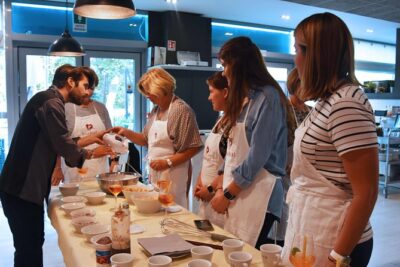
Become a Masterchef in Rome: Pasta, Ravioli and Tiramisù Class
Read our review →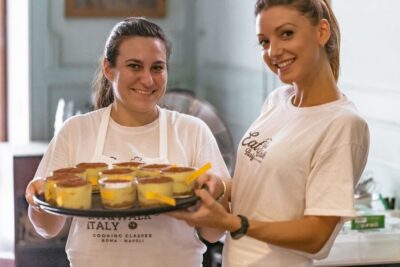
Fettuccine & Tiramisù: Cooking Class with Wine & Limoncello
Read our review →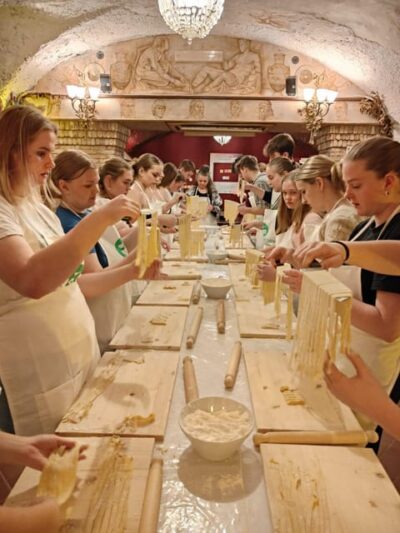
Pasta & Tiramisu Cooking Class near the Spanish Steps
Read our review →Lists this class appears in