
Review · ROME
Rome: Pasta Cooking Class with Wine, Coffee, and Limoncello
Rome’s best food lessons often begin with a simple pile of flour and eggs. In this three-hour class, you work from raw ingredients to tagliatelle, fettuccine, and ravioli, then sit down to eat what you made. Chef Marco leads the session with clear instructions, Italian stories, and plenty of humor.
I like two things right away: you make the pasta yourself, rather than watching a chef perform, and the $50 price includes lunch, wine, coffee, limoncello, recipes, and a participation certificate. The main consideration is location: you must make your own way to the YellowSquare Rome reception, since transportation is not included.
Key points at a glance
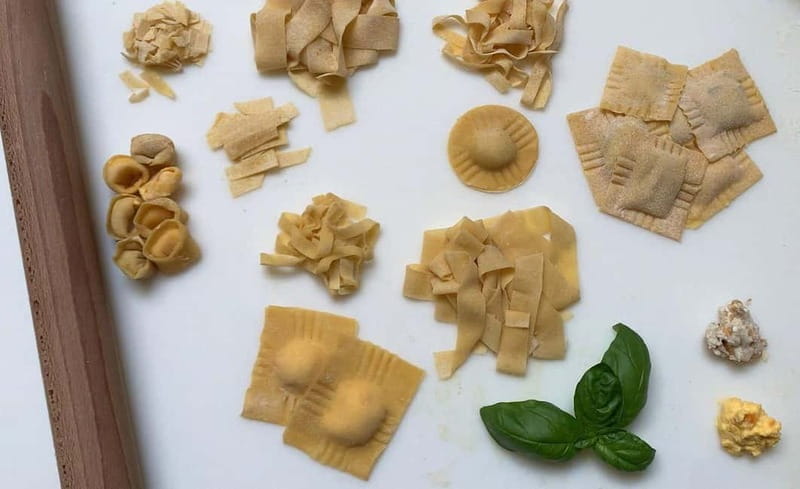
- Three pasta styles in one class: Make tagliatelle, fettuccine, and ravioli from scratch.
- Chef Marco leads the lesson: He teaches in English or Italian and mixes practical steps with stories about Italian food.
- A full meal is included: Eat the pasta you prepare with different sauces and enjoy a glass of Italian wine.
- No previous cooking skill required: The class is designed for beginners who want to work with their hands.
- A classic Roman finish: Coffee and limoncello close the meal.
- Good value at $50: Recipes, a certificate, food, wine, coffee, and limoncello are all part of the price.
Starting at YellowSquare Rome with Chef Marco
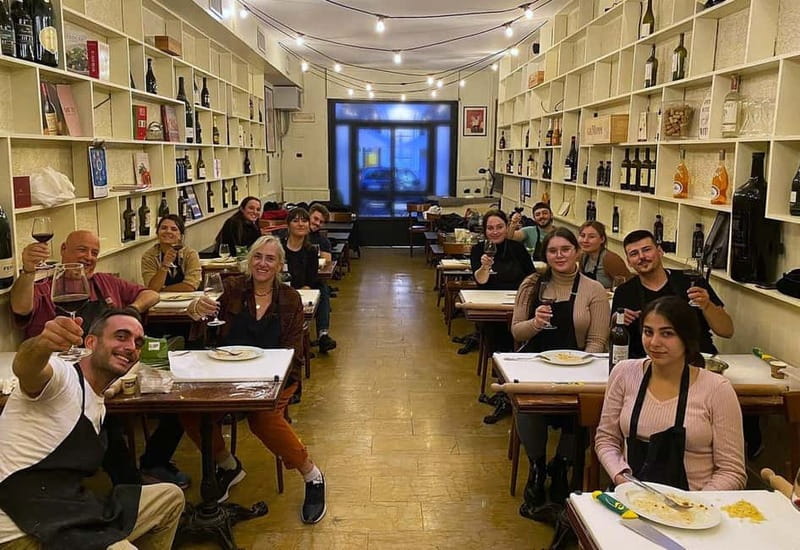
Your meeting point is the reception at YellowSquare Rome. That detail matters because the class does not include transportation, so you need to plan your route there before the start time. Check the available starting times when booking and leave yourself enough time to arrive without rushing.
The class is taught in English or Italian. Chef Marco is the named instructor, and the experience depends heavily on his teaching style. He explains each stage step by step, with a funny, relaxed approach that helps take the pressure off beginners.
You are not expected to arrive with pasta-making skills. The point is to learn the basic process from the beginning, including the dough, the shaping, and the ravioli filling. If you have never made fresh pasta, this is the sort of class that gives you a useful starting point without turning lunch into a cooking exam.
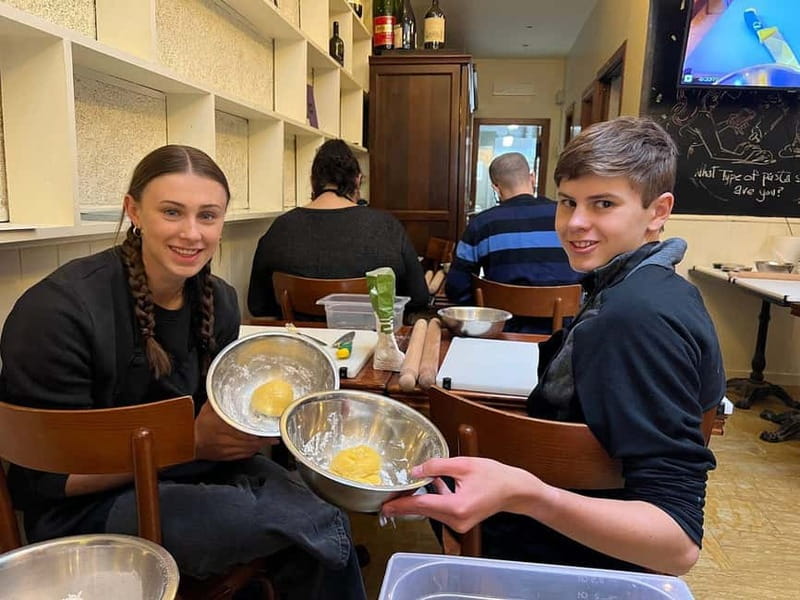
The class also has a social side. You meet other people around a shared worktable, learn a few food customs, and have a meal together afterward. That makes it a good choice for solo visitors, couples, and anyone who wants a break from sightseeing that still feels closely tied to Italian culture.
More Pasta Classes with Wine in Rome
- Rome: Pasta & Tiramisu Class with Fine Wine by the Vatican
★ 4.9 · 4,852 reviews - Rome: Pasta Making Class with Wine, Limoncello, and Dessert
★ 4.9 · 3,177 reviews - Rome Cooking Class: Make Pasta and 3 Spritz Cocktails
★ 5.0 · 2,937 reviews
Turning flour and eggs into fresh pasta
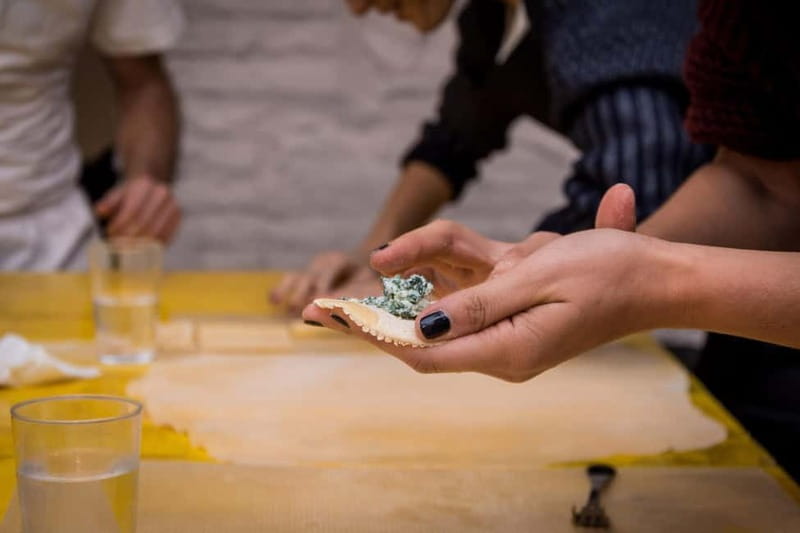
The first practical stage is preparing homemade pasta from scratch. You learn how the dough comes together, then work it by hand before shaping it into different forms. The appeal is simple: you can see and feel the change from basic ingredients to something ready for the pot.
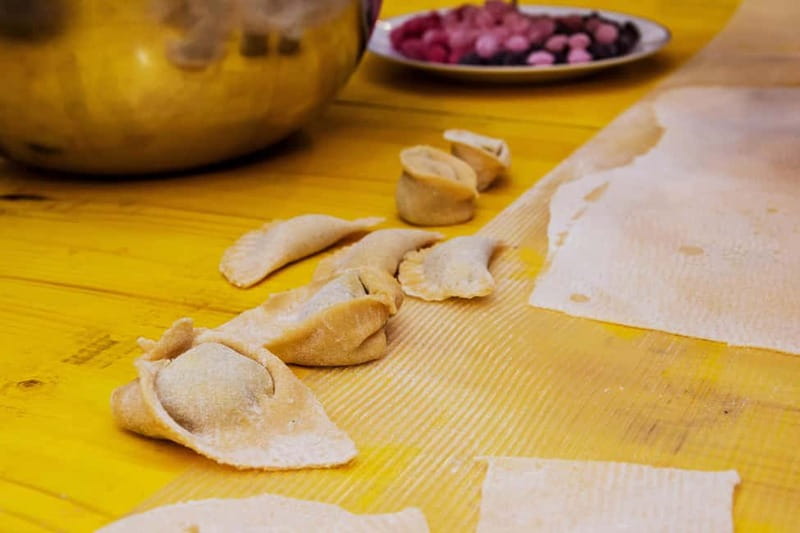
The class includes three named pasta types: tagliatelle, fettuccine, and ravioli. Tagliatelle and fettuccine are long, ribbon-shaped pastas, while ravioli adds a filled pasta to the lesson. That combination gives you more than one technique to take home.
The long pasta teaches you about rolling and cutting. Ravioli adds another task, since you prepare a filling and seal the pasta around it. These are useful skills for your own kitchen because they show how one dough can become several different dishes.
Chef Marco also prepares an authentic sauce while sharing stories about Italian food. This is a smart balance. You get direct practice with the pasta, while the chef handles a sauce and gives you a clearer sense of how the finished meal is put together.
You should expect some hands-on work rather than a polished restaurant demonstration. Your pasta may not all look identical, and that is part of the point. The class is about learning a repeatable method, not producing perfectly matched pieces for a food photograph.
Eating the pasta you just made
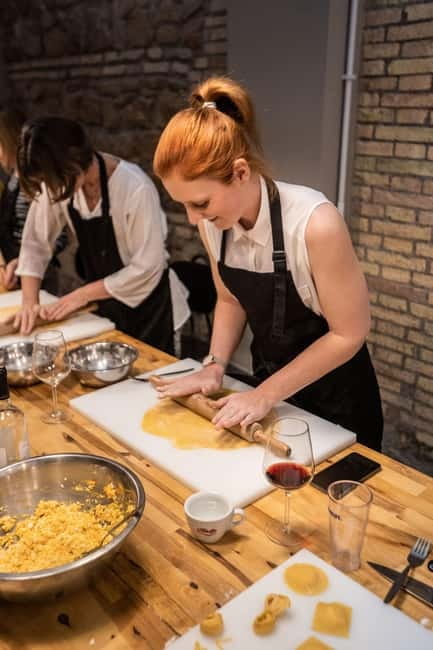
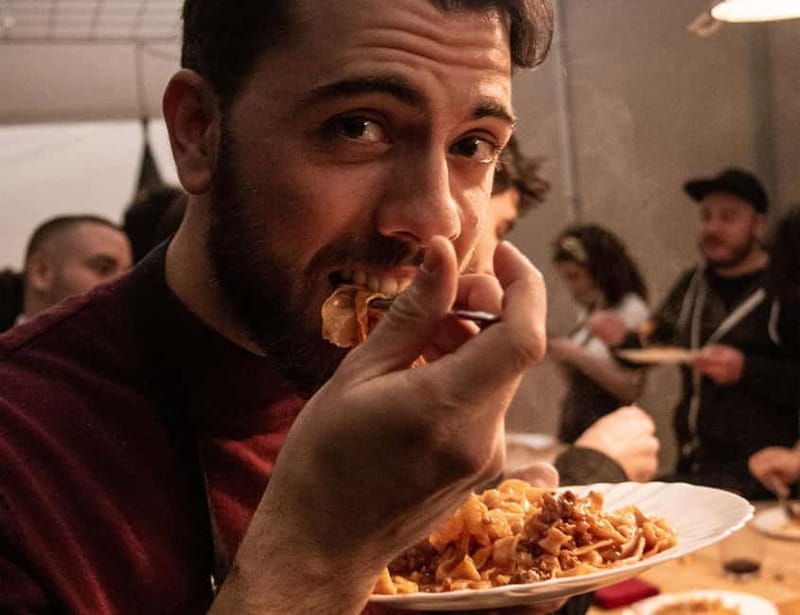
After the preparation, you taste the pasta with different condiments. This is the payoff, but it is also useful instruction. Fresh pasta changes the way a sauce feels, and tasting several preparations helps you understand why shape and texture matter.
The meal includes a glass of Italian wine. It is not described as a wine-tasting class, so think of the wine as part of the lunch rather than a separate lesson. Still, it adds a pleasant Italian table ritual to the experience and gives you time to talk with the other people in the class.
I like that lunch uses the pasta you have just made. You are not simply given a plate of food after a demonstration. You have followed the process from dough to finished meal, which makes the final dish more satisfying and gives the class a clear beginning, middle, and end.
The exact sauces and condiments are not specified in the details provided. You can expect to taste the pasta with preparations selected for the lesson, but you should not book this expecting a fixed menu with named ingredients. If you have food allergies or dietary restrictions, ask the provider before booking, since no special-diet information is provided.
Coffee, limoncello, and time around the table
The class finishes with coffee and limoncello. This small closing ritual helps the experience feel like a meal with a lesson attached, rather than a workshop that ends as soon as the cooking is done.
Coffee gives you a familiar Italian finish, while limoncello adds a sweet, lemon-flavored drink after lunch. The portion and style are not specified, so it is best to treat both as included tastings rather than plan around them as major servings.
This final stage is also when the social part of the class has room to breathe. You have already worked together, eaten together, and heard stories from the chef. For many people, that informal time is just as valuable as the pasta techniques.
You also receive pasta recipes and a participation certificate. The recipes are the practical souvenir. The certificate is a light extra, useful if you enjoy collecting reminders of your activities or want a small memento of the class.
Same flour, a different shape to roll:
- 3 in 1 Cooking Class near Navona: Fettuccine, Ravioli & Tiramisu
★ 5.0 · 7,376 reviews - Rome: 3-in-1 Fettuccine, Ravioli, and Tiramisu Cooking Class
★ 4.9 · 2,704 reviews - Rome: Fettuccine Pasta Cooking Class in Rome’s City Center
★ 4.8 · 2,414 reviews - Learn to Make Pasta & Tiramisu with Wine and Limoncello Included
★ 5.0 · 2,345 reviews
What makes the $50 price worthwhile
At $50 per person, the value is strong if you want both an activity and a meal. The price covers a local chef, three hours of instruction, the pasta you prepare, lunch, a glass of wine, coffee, limoncello, recipes, and a certificate.
You are also paying for the setting and the guidance. Buying pasta at a Roman shop would cost far less, but it would not teach you how to make the dough or shape ravioli. A restaurant meal might also cost less or more depending on where you eat, but it would not give you a skill to take home.
The class is particularly good value for people who would otherwise book a separate food tour and lunch. You get culture through food, conversation with a local chef, and a complete meal in one three-hour block.
The price does not include transportation to YellowSquare Rome. That is the main extra cost to remember. You should also check the start time carefully, since the activity lasts three hours and may affect other plans for the day.
Who will get the most from this class
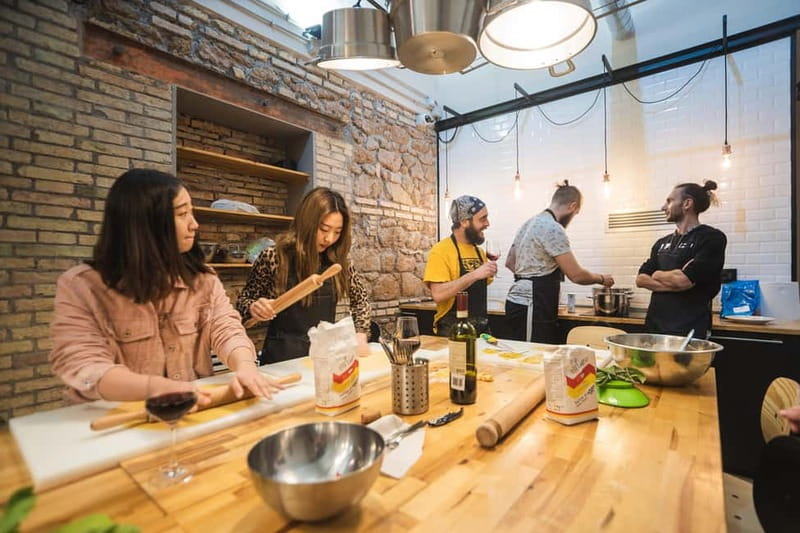
This class suits you if you want to do something active in Rome instead of only visiting monuments. It works well for couples, friends, families with older children, and solo visitors who enjoy meeting people over food.
It is also a good pick for beginners. The class does not require previous experience, and Chef Marco’s teaching is built around clear, step-by-step instructions. You do not need to know Italian cooking terms before you arrive.
Food lovers will appreciate the range of techniques. You are not making just one type of pasta, so the lesson gives you a wider introduction to fresh pasta at home. The recipes make it easier to try again after your trip.
This may not be the right choice if you want a quiet, private meal or a highly formal cooking school. The class has a social format, and the available information does not promise a private session. It is also not ideal if you are looking for a long wine lesson, since wine is included as part of lunch rather than taught as its own subject.
The language choice is English or Italian. If you need another language, this class may not fit your needs.
Practical timing and booking advice
Set aside the full three hours. The schedule includes an introduction, an explanation of the dishes, pasta preparation, tasting, lunch, and the final coffee and limoncello. Trying to squeeze in a major sightseeing visit immediately afterward could leave you checking the clock instead of enjoying the meal.
You can reserve now and pay later, which helps if your Rome plans are still changing. Free cancellation is available up to 24 hours in advance for a full refund. Those terms are useful, but you should still check the exact booking conditions and start time before confirming.
Since transportation is not included, use YellowSquare Rome as your planning anchor. The meeting point is the reception, not a general neighborhood meeting spot. That should make arrival fairly simple once you have mapped your route.
The class has a perfect rating from seven verified bookings, with especially strong praise for Marco’s humor, clear teaching, cooking skill, and relaxed approach. The comments also describe the pasta as a highlight of the Rome trip and call the price more than fair. A small sample cannot predict every class, but the repeated focus on Marco’s teaching gives you a useful clue about what matters most here.
How this compares with a restaurant meal
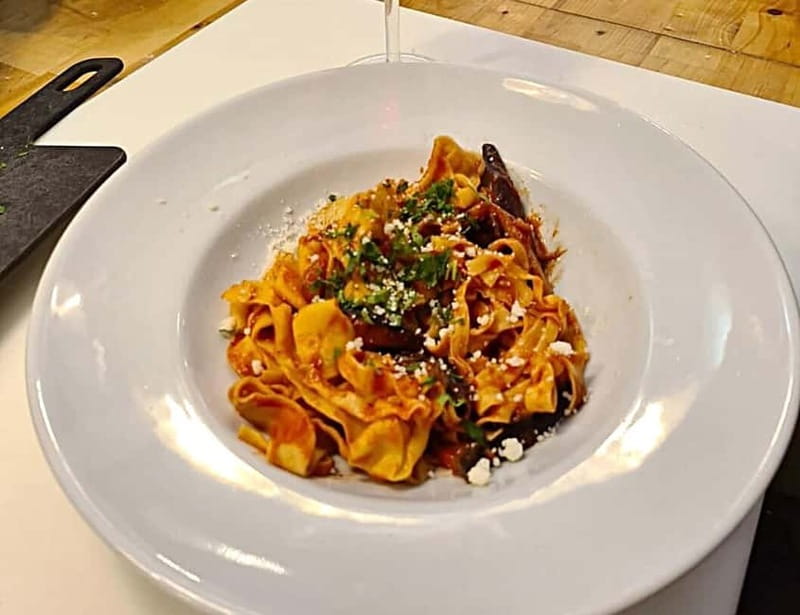
A restaurant lets you sit down immediately. This class asks you to work first, but that work changes the meal. You notice the texture of fresh pasta differently when you have made the dough and shaped the pieces yourself.
It also gives you a better connection to everyday Italian food. Pasta is not presented as a complicated dish reserved for experts. You see how a few basic ingredients become several familiar forms, then learn how those forms are served.
The tradeoff is time. A meal in Rome can take an hour or two, while this class uses three hours. If your schedule is packed with major sights, that may feel like a large block. If you want a slower afternoon centered on food, the length is part of the value.
I would choose this over a standard pasta lunch if you want to bring a skill home. I would choose a restaurant instead if your main goal is to sample several Roman dishes quickly.
Final decision: should you book it?
Book this class if you want hands-on pasta making, a friendly chef, and a meal built into the activity. The combination of three pasta styles, wine, coffee, limoncello, recipes, and a $50 price makes it an appealing choice for a first food experience in Rome.
Chef Marco is the strongest reason to book. His humor and clear, step-by-step style are repeatedly praised, and those qualities matter when you are learning dough and ravioli for the first time.
Skip it if you want a private lesson, a formal culinary course, or a detailed wine program. Also check the meeting point and timing before booking, since you must arrange your own transportation and give the class its full three hours.
For most visitors who want to eat well and learn something useful, this is a practical, good-value way to spend part of a Rome day. You leave with a full meal in you, recipes in hand, and enough pasta know-how to say, quite truthfully, that you cooked Italian.
FAQ
Where does the pasta class meet?
The meeting point is the YellowSquare Rome reception.
How long does the activity last?
The activity lasts three hours.
How much does the class cost?
The listed price is $50 per person.
Which types of pasta will I make?
You will make tagliatelle, fettuccine, and ravioli.
Do I need previous cooking experience?
No. Previous experience is not required.
Which languages are available?
The instructor teaches in English and Italian.
What food and drinks are included?
The class includes a pasta meal, a glass of Italian wine, coffee, and limoncello.
Is transportation included?
No. Transportation to and from the meeting point is not included.
Fresh off the board around Rome
- Spritz and Pasta! Spritz, Fettuccine & Tiramisù★ 5.0 · 2 reviews
- Trastevere Food Tour with Pasta-Making Class★ 5.0 · 5 reviews
- Rome: Pasta and tiramisu class with wine pairing at Come Na Vorta★ 5.0 · 30 reviews
- Top Class in Fettuccine, Ravioli, and Tiramisu★ 5.0 · 7 reviews
- Traditional Pasta Cooking Class with Tiramisu Small Group★ 5.0 · 7 reviews
- The Pasta Factory Class★ 4.5 · 21 reviews
- The Original Fettuccine Alfredo Experiences in Roma★ 4.5 · 38 reviews
- Italian Pasta & Dessert Class in Historic Center (3-Course Meal)★ 5.0 · 2 reviews
Pasta Classes with Wine, class by class.
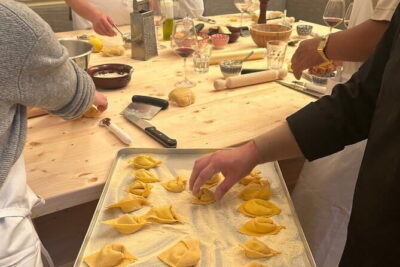

Pasta & Tiramisu Class with Fine Wine by the Vatican
Read our review →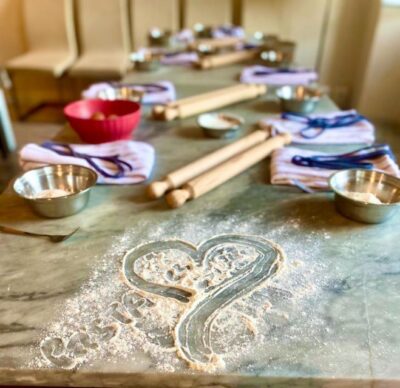
Pasta Making Class with Wine, Limoncello, and Dessert
Read our review →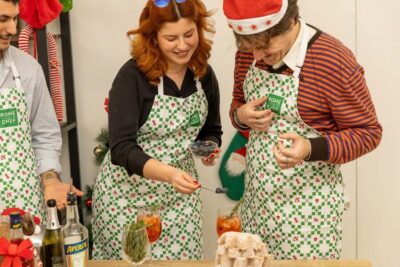
Rome Cooking Class: Make Pasta and 3 Spritz Cocktails
Read our review →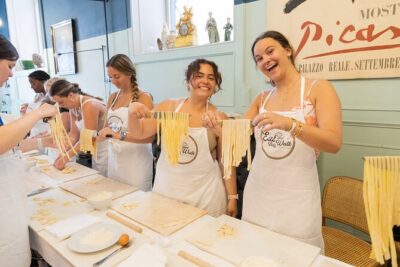
Learn to Make Pasta & Tiramisu with Wine and Limoncello Included
Read our review →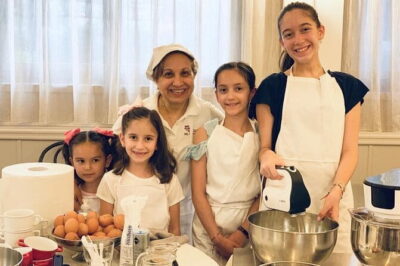
Cooking Class Pasta & Tiramisu Making Unlimited Wine
Read our review →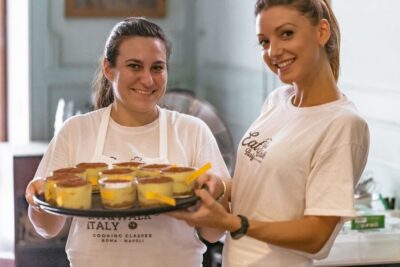
Fettuccine & Tiramisù: Cooking Class with Wine & Limoncello
Read our review →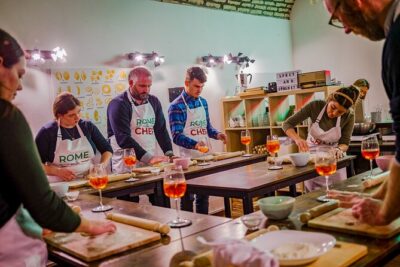
Pasta Cooking Class Near the Colosseum with 3 Spritz Cocktails
Read our review →Lists this class appears in