Review · ROME
Rome: Pasta Making Class with Wine, Limoncello, and Dessert
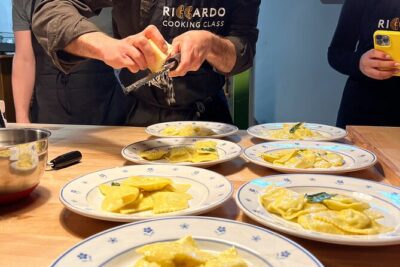
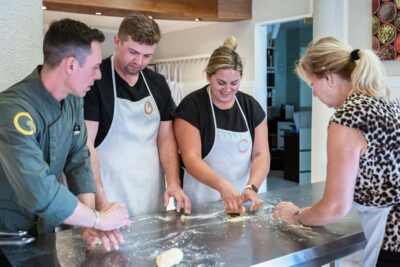
Fresh pasta is the main event here, and you do not simply watch a chef perform. You mix flour and eggs, work the dough, roll it thin, and shape ravioli, tortelli, and fettuccine before sitting down to eat the results. I like the genuinely hands-on format, and I like that the class ends at a communal table rather than with a quick taste at your work station.
The location is another plus: Palazzo Grazioli, a short walk from the Pantheon and Piazza Venezia, gives the lesson a memorable Roman setting. The main consideration is dietary: this class cannot accommodate vegan, gluten-free, or lactose-free diets, and people with nut allergies are advised not to book.
Key points at a glance
- Three pasta shapes in three hours: Make two filled pastas, ravioli and tortelli, plus fettuccine.
- Central Rome setting: The school is on Via della Gatta, close to the Pantheon and Piazza Venezia.
- Small English-speaking class: Groups are limited to 10, with instructors such as Fabrizio, Olga, Giorgio, Christian, and Marco.
- Your pasta becomes dinner: The class cooks the pasta and serves it with tomato sauce and fresh butter and sage sauce.
- A sociable finish: Organic Tuscan wine, dessert, and a shot of limoncello turn the lesson into a relaxed meal.
- Recipes go home with you: English recipe booklets help you repeat the dishes in your own kitchen.
Making pasta inside Palazzo Grazioli
This class begins in one of Rome’s most useful sightseeing zones. Via della Gatta is only a few minutes from the Pantheon and Piazza Venezia, so you can fit the lesson into a day of central Rome without arranging transport across town.
The entrance is at Via della Gatta 14. Ring the bell marked Pastamania and head into the cooking school at the back corner of Palazzo Grazioli. Look for the marble cat statue that gives the street its name. It is a small detail, but it makes the meeting point easier to recognize and adds a touch of local character before the cooking even starts.
The setting matters because it keeps this from feeling like a cooking activity in an anonymous conference room. You are in an old Roman palazzo, yet the experience remains practical and relaxed. You do not need a formal culinary background, and the instructors are used to complete beginners.
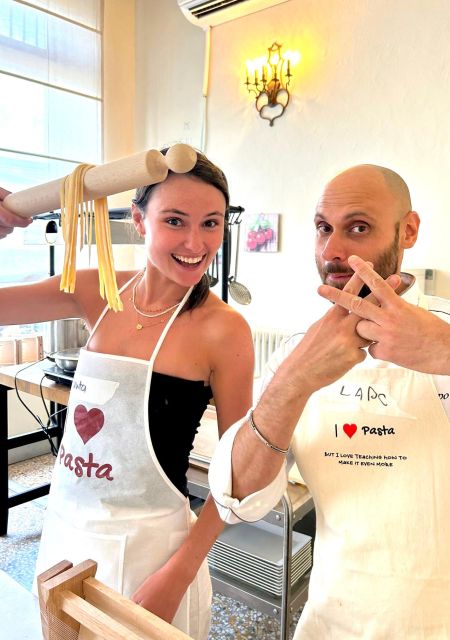
The class is conducted in English, and the teaching style appears to be warm and active rather than highly technical. Fabrizio, Olga, Giorgio, Christian, Marco, Martina, and other instructors lead sessions, so the exact personality of the class depends on the day. Across the many sessions, the strongest pattern is clear: the chef explains each step, walks around the table, checks individual work, and offers help before a beginner gets stuck.
That individual attention is especially useful when the dough feels too dry, the pasta sheet is too thick, or a filling is not being sealed properly. You are not left to copy a demonstration from across the room. The group limit of 10 keeps the class small enough for questions and hands-on guidance.
More Fresh Pasta Workshops in Rome
- Enjoy Spritz and Pasta Making in Piazza Navona
★ 5.0 · 1,681 reviews - Pasta Making & Wine Tasting with Dinner in Frascati from Rome
★ 5.0 · 1,326 reviews - Rome: Pasta Making with Wine Tasting and Dinner in Frascati
★ 4.9 · 979 reviews
Flour, eggs, and a rolling pin
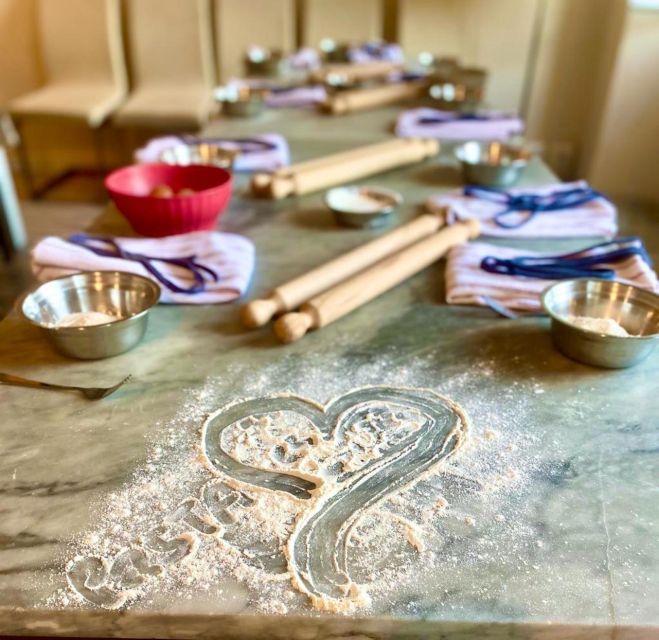
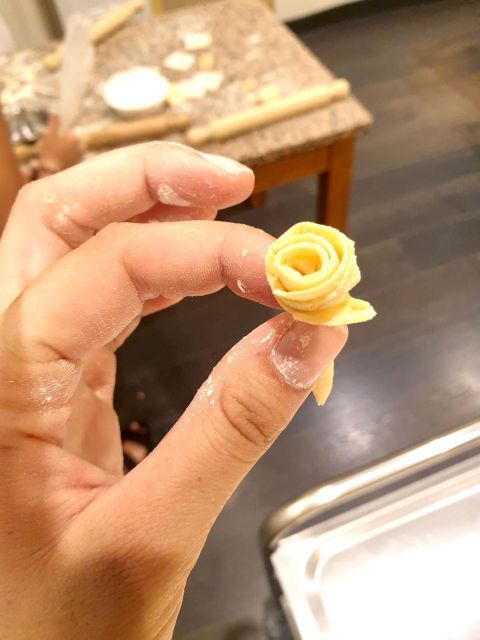
The lesson starts with the basic pasta dough. You put on an apron, gather your flour and eggs, and work the mixture by hand. It is a simple process, but the texture changes as you knead, and that is where the class earns its keep. A recipe can tell you measurements. A good instructor can show you what the dough should feel like.
You then roll the dough with a traditional rolling pin and prepare it for several shapes. Do not expect a polished restaurant kitchen where every sheet looks perfect. The fun is in making the pasta yourself, including the occasional uneven edge or slightly irregular shape. Your chef helps you move forward without turning the session into a test.
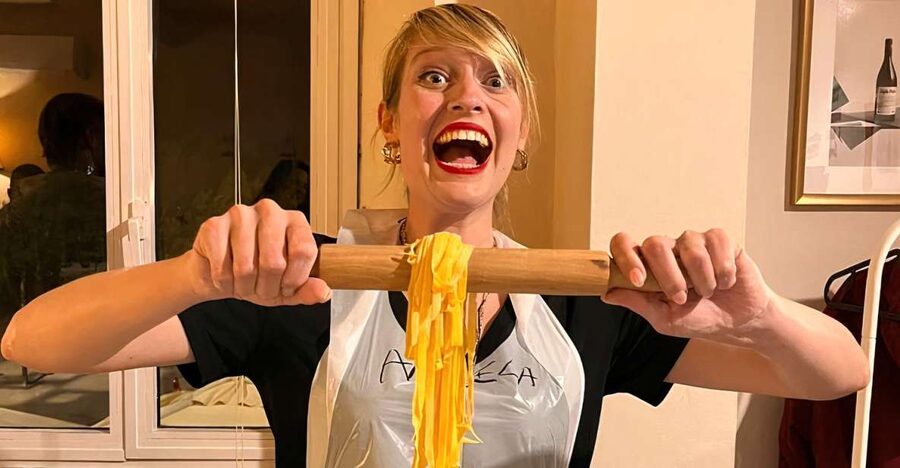
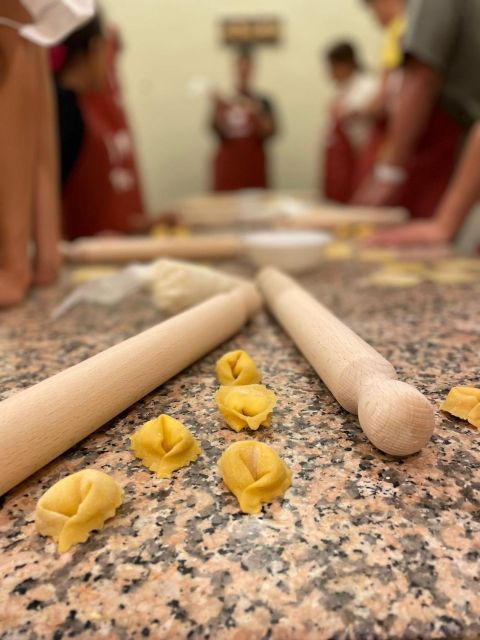
The three pasta types give the class useful variety. Fettuccine teaches you to manage a long, flat sheet and cut it into ribbons. Ravioli and tortelli introduce filling, folding, and sealing. Those filled shapes require more care, since air pockets or loose edges can cause trouble in the pot.
This is also where the instructors add cooking advice beyond the basic recipe. Giorgio is repeatedly praised for answering questions and explaining the process clearly. Olga is described as patient and careful with each stage, while Christian brings a playful style that helps the room relax. Fabrizio is particularly good at checking each person’s progress, according to the specific experiences provided.
The recipes are not merely a demonstration souvenir. You receive English recipe booklets to take home, so you can try the dough and shapes again. That makes the class more useful than a one-time meal, especially if you have a rolling pin waiting in your kitchen.
Two sauces and one shared pot
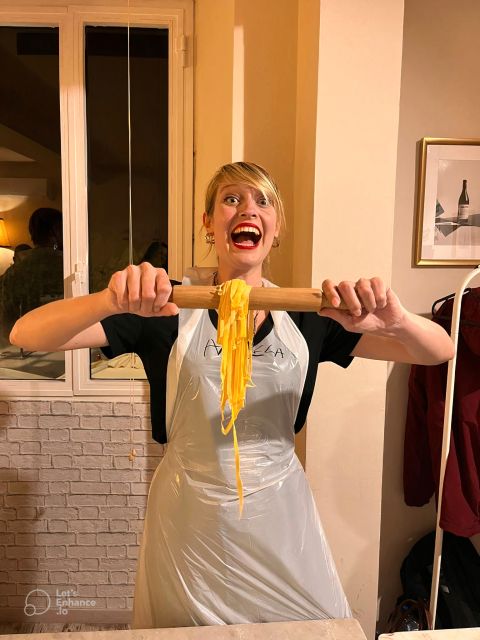
You prepare your pasta individually, but the cooking is done together. The school places everyone’s work into the same pot, much as a family might do at home. This creates a natural change of pace: the busy table work gives way to a shared dinner.
The signature tomato sauce has been simmering in advance, so it is ready when the pasta is cooked. Your instructor also prepares the butter and sage sauce for the ravioli and tortelli in front of you. This is a worthwhile part of the class because sauce is not treated as an afterthought. You see how the delicate filled pasta is paired with a simple sauce that will not overpower it.
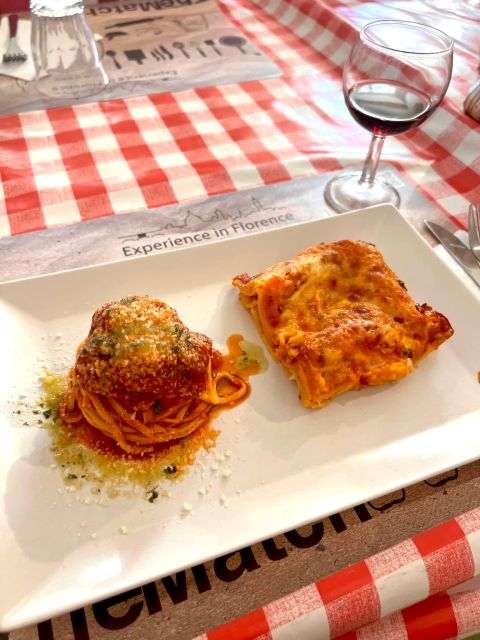
Once cooked, the pasta is served as the meal. The portion is not just a token sample, which is why I would arrive hungry. One participant specifically noted that there was plenty of food, and others described the finished pasta as among the best they had eaten in Italy. I would not promise that every batch will be identical, since handmade pasta depends on the group’s work, but the format gives you a real meal from what you made.
The cooking stage also lets you watch the chef finish the dishes. If your pasta needs a little longer or your filled pieces need careful handling, the instructor manages that part. You get the satisfaction of making the food without having to worry that a first attempt will end in an overcooked dinner.
Wine, dessert, and the Roman table
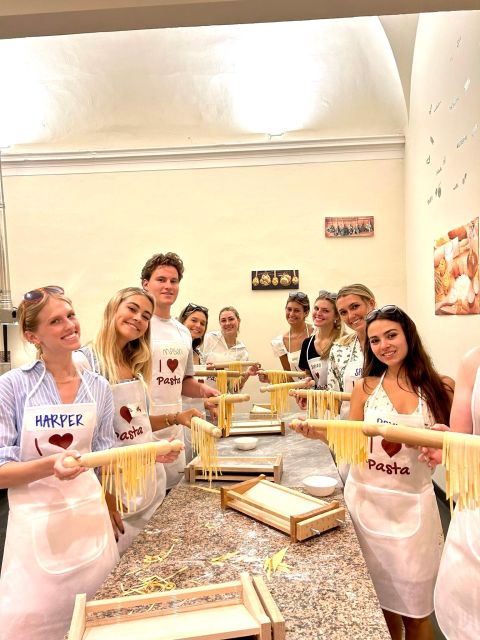
After the pasta is ready, everyone gathers around a large communal table. This is one of the best parts of the three-hour format. You have time to eat, talk, compare pasta shapes, and meet people from different countries rather than rushing away as soon as the demonstration ends.
The included wine is Dalle Nostre Mani, an organic Tuscan wine produced on the provider’s own farm. It is a modest but thoughtful addition to the meal, and it fits the Italian home-style feel of the evening. Wine is included, but only people of legal drinking age are served alcohol.
You do not have to drink wine to take part in the social side. One participant who does not drink noted that alternatives were available. Still, you should tell the provider about your needs when booking rather than assuming every substitute will suit you.
Dessert and limoncello close the class. The dessert varies in the descriptions, with chocolate salami mentioned in one session and cake mentioned in the general plan. The limoncello is served as a shot, giving the final minutes a distinctly Italian finish. If you are driving, avoid the alcohol, and remember that the class does not include extra food or drinks beyond what is provided.
The table setting is not a formal restaurant service. It is closer to a friendly cooking-school dinner, with the chef still involved and people chatting across the table. That is a strength if you want company and conversation. It may be less appealing if you prefer a quiet meal or a strictly private activity.
More Pasta Classes with Wine in Rome
- Rome: Pasta & Tiramisu Class with Fine Wine by the Vatican
★ 4.9 · 4,852 reviews - Rome Cooking Class: Make Pasta and 3 Spritz Cocktails
★ 5.0 · 2,937 reviews - Learn to Make Pasta & Tiramisu with Wine and Limoncello Included
★ 5.0 · 2,345 reviews - Fettuccine & Tiramisù: Cooking Class with Wine & Limoncello
★ 4.9 · 2,103 reviews
Why the three-hour length works
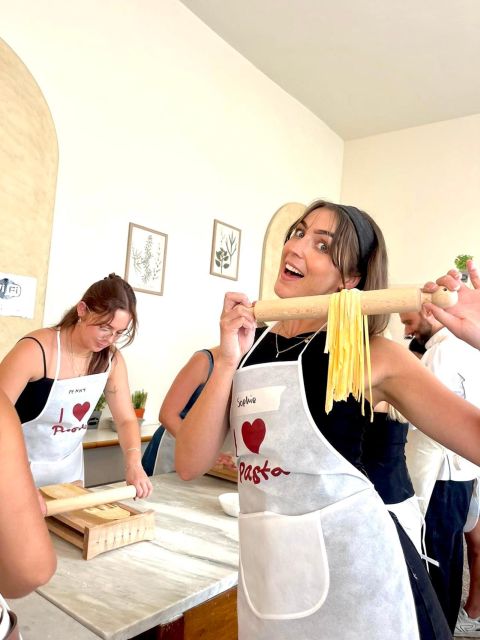
Three hours sounds long for a pasta lesson, but the schedule has a sensible rhythm. The opening explanation gives you the basic method. The hands-on work takes time because you make three shapes. The cooking and meal then provide a proper ending rather than an abrupt goodbye.
A shorter class might show you one shape and send you away with a small tasting. Here, you get repeated practice with dough, rolling, filling, cutting, and cooking. You also have enough time to ask questions and watch the sauces being prepared.
The activity works well in the afternoon or evening. Since the school is near major sights, you can visit the Pantheon or Piazza Venezia before class, then walk to Via della Gatta. It also fits a rainy-day plan, though the indoor setting means you are choosing food and company instead of another museum.
The small-group limit of 10 is important. Pasta making requires table space, and the instructor needs to reach everyone. A larger group could make the class cheaper to operate, but it would reduce the amount of help available. There is also a minimum number required for the session to run. If that minimum is not reached, the provider contacts you with another time, date, or a refund.
Is $48 good value in Rome?
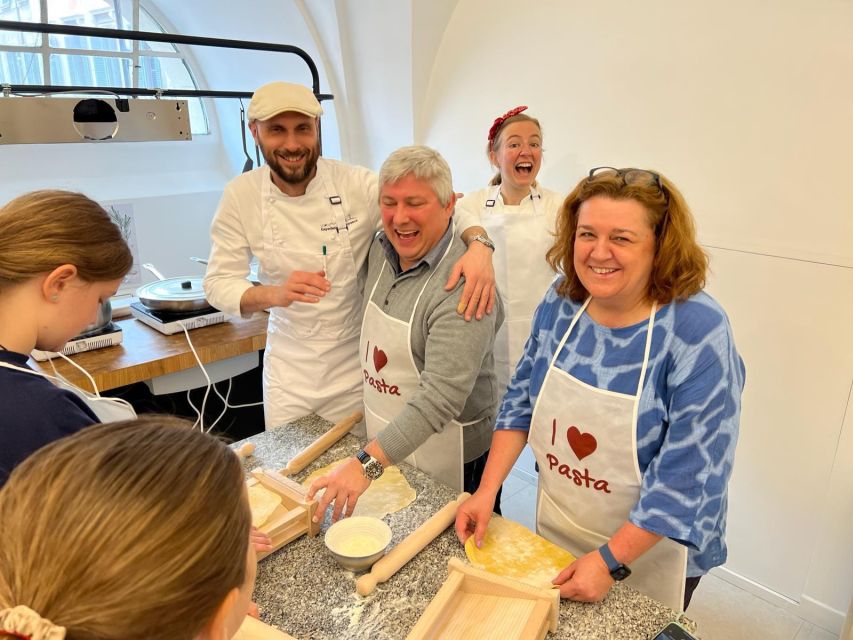
At $48 per person, the class offers more than a basic cooking demonstration. The price includes the instructor, ingredients and pasta making, the meal, Tuscan wine, dessert, limoncello, and the recipe booklet. You are also paying for a central location and three hours of guided activity.
I consider that good value if you want both dinner and an experience. A restaurant meal would feed you, but it would not teach you how to make three pasta shapes or give you a recipe booklet. A cheaper food activity might offer a tasting, but not the same amount of hands-on work.
The value is strongest for couples, friends, families, and solo visitors who enjoy meeting people. Families can include children from age 8, and the activity has worked for groups spanning several generations. One family ranging from age 20 to 75 enjoyed the format together, which gives you a good sense of its broad appeal.
It is also a good option for older children and teenagers who might tire of another church or ancient monument. They get a clear task, a meal they helped make, and an activity that does not require prior cooking skill. Children still need to be comfortable standing, working at a table, and following food-safety instructions.
The value drops if you have strict dietary limits. The class can support some vegetarian and other dietary needs, but it cannot accommodate vegan diets, gluten sensitivity, lactose intolerance, or nut allergies. Ask before booking if your diet is not straightforward.
Practical details before you book
Wear comfortable clothing suitable for cooking. Flour, dough, and sauce are part of the activity, so this is not the moment for delicate clothing or shoes that you cannot stand in comfortably for several hours.
The class is not suitable for wheelchair users or people with mobility impairments. Smoking is not allowed. Hotel pickup and drop-off are not included, so you need to make your own way to Via della Gatta 14.
You can cancel up to 24 hours in advance for a full refund, and the reserve-now, pay-later option gives you some flexibility while planning Rome. Check the available start times carefully, since the exact schedule changes.
The experience has a 4.9 rating from 3,177 reviews, and 87 percent of ratings for transport-related service are perfect. The more useful point than the numbers is the consistency of the teaching. Names change from session to session, but the same qualities keep appearing: patience, humor, clear instruction, and active help at the table.
Who should book this pasta class?
Book it if you want to do something beyond sightseeing and you like the idea of learning through food. It is especially good for first-time pasta makers, since the instructors explain the process without assuming that you know how dough should feel or how filled pasta should be sealed.
It suits couples who want a shared activity, friends who enjoy a social evening, and families with children aged 8 or older. Solo visitors can also fit in easily because the communal table gives you an easy way to meet people.
I would be more cautious if you want a quiet, private dinner, a polished chef’s tasting menu, or a lesson focused on advanced technique. This is a friendly group class with conversation, laughter, and a shared meal. It is about making good pasta and enjoying the process, not earning a professional cooking qualification.
Should you book it?
I would book this class if you have three hours in central Rome and want a meal that comes with a story. The combination of three pasta shapes, helpful English-speaking chefs, organic Tuscan wine, dessert, limoncello, and recipes to take home gives the $48 price real substance.
Before paying, check the dietary rules and mobility limits. If those are not a problem, this is one of the better ways to turn an ordinary Roman dinner into something you helped create. Arrive ready to work, ask questions, and eat a generous meal afterward.
FAQ
Where does the pasta-making class take place?
The class takes place at the activity provider’s cooking school at Via della Gatta 14, 00186 Rome, inside Palazzo Grazioli. The entrance is at the back corner of the palazzo.
How do I find the meeting point?
Go directly to Via della Gatta 14 and ring the bell marked Pastamania. The nearby marble cat statue is another useful landmark, since it gives Via della Gatta its name.
How long does the experience last?
The experience lasts three hours. Starting times vary, so you should check availability when booking.
Which types of pasta will I make?
You will make ravioli, tortelli, and fettuccine. Ravioli and tortelli are filled pasta shapes, while fettuccine is cut into long ribbons.
Is the class taught in English?
Yes. The listed instruction language is English.
What food and drinks are included?
The class includes the pasta meal you prepare, sauce, Tuscan wine, dessert, and a shot of limoncello. Additional food and drinks are not included.
Is wine served to everyone?
Wine is served only to participants of legal drinking age. Alternatives may be available for people who do not drink alcohol, but you should mention this when booking.
Can children join the class?
Participants must be at least 8 years old.
Can the class accommodate dietary restrictions?
Some dietary options, including vegetarian choices, are available. The class cannot accommodate vegan diets, gluten sensitivity, lactose intolerance, or nut allergies. Tell the provider about dietary needs when booking.
Is the class accessible for wheelchair users?
No. The activity is not suitable for wheelchair users or people with mobility impairments.
Can I cancel the booking?
You can cancel up to 24 hours in advance for a full refund. A reserve-now, pay-later option is also available.
What should I wear?
Wear comfortable clothing suitable for cooking. Smoking is not allowed during the activity.
Fresh off the board around Rome
- Spritz and Pasta! Spritz, Fettuccine & Tiramisù★ 5.0 · 2 reviews
- Trastevere Food Tour with Pasta-Making Class★ 5.0 · 5 reviews
- Rome: Pasta and tiramisu class with wine pairing at Come Na Vorta★ 5.0 · 30 reviews
- Top Class in Fettuccine, Ravioli, and Tiramisu★ 5.0 · 7 reviews
- Traditional Pasta Cooking Class with Tiramisu Small Group★ 5.0 · 7 reviews
- The Pasta Factory Class★ 4.5 · 21 reviews
- The Original Fettuccine Alfredo Experiences in Roma★ 4.5 · 38 reviews
- Private 4 Roman Pastas Tasting Tour in Rome★ 5.0 · 6 reviews
Fresh Pasta Workshops, class by class.

Enjoy Spritz and Pasta Making in Piazza Navona
Read our review →
Pasta Making & Wine Tasting with Dinner in Frascati from Rome
Read our review →
The Secrets to Learn Fresh Pasta and Tiramisù in a Glam Home
Read our review →
Handmade Pasta & Dessert Class with Unlimited Wine
Read our review →