Review · ROME
Rome Pasta Making Class with Italian Sauces and Wine Included
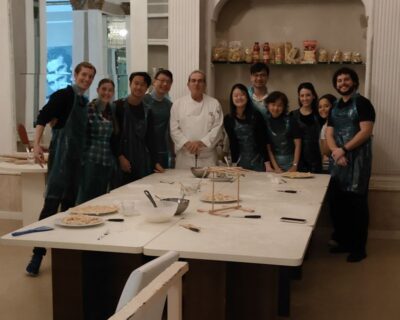
Fresh pasta is the heart of this three-hour Rome cooking class. You work with Chef Riccardo’s team to mix, roll, shape, and cook several pastas, then sit down together to eat them with wine. Depending on the class, you may make ricotta ravioli, fettuccine, spaghetti alla chitarra, tortellini, or cappelletti.
I like the small-group format, capped at 10 people, and the practical teaching from instructors such as William, Leo, Riccardo, and Rocco. I also like that you learn the reasons behind the sauces, not just the steps. The main thing to consider is the location in Gianicolense, outside Rome’s most familiar sightseeing core, so you need to allow time to reach the meeting point.
Key points at a glance
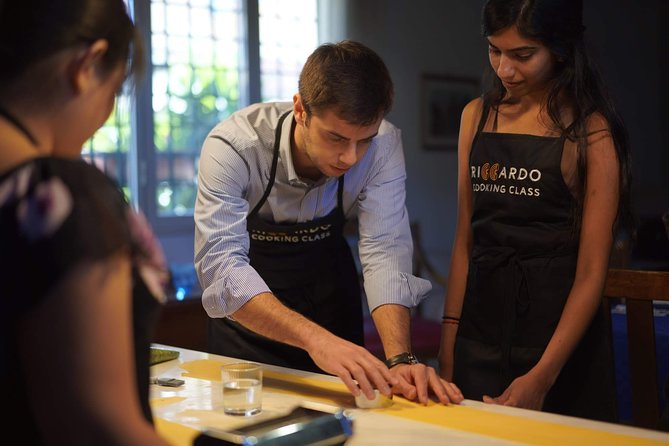
- Three handmade pastas: Roll and shape fresh dough into dishes such as ravioli, fettuccine, and spaghetti alla chitarra.
- Classic Roman sauces: Prepare sauces including arrabbiata, carbonara, cacio e pepe or gricia-style sauce, and butter with sage.
- A real hands-on lesson: You make the dough, cut the pasta, shape filled pasta, and help prepare the sauces.
- Wine and coffee included: Eat the food you make as a shared Italian meal, with complimentary wine and coffee.
- Small class size: The maximum is 10 people, which gives the instructor room to help with technique.
- Private class option: A private booking can accommodate special menus such as vegetarian, vegan, gluten-free, or dairy-free recipes.
Starting at the Gianicolense cooking space
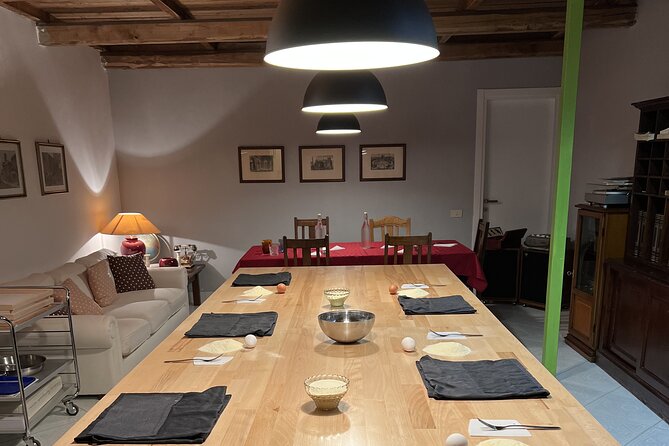
The class begins at Circonvallazione Gianicolense 418, in Rome’s 00151 postal district. The activity ends at the same meeting point. The venue is described as either Riccardo’s grandmother’s house or The Cooking Lab, depending on the arrangement.
This setting matters. You are not meeting at a grand restaurant designed mainly for tourists. The point is to cook in a home-style environment, with the food and the people at the center of the experience. The kitchen is reported to be clean and well organized, and the small class size helps keep it personal.
The location is near public transportation, but it is not beside the Colosseum, Trevi Fountain, or Pantheon. Plan your route before class and leave a little spare time. Rome’s traffic and transit can be unpredictable, and arriving calm is a better start than rushing in with flour already on your shirt.
Classes are offered in English. The instructors named in the available information include Chef Riccardo, William, Leo, and Rocco. The teaching style seems to be friendly and active, with room for questions, jokes, and adjustments for different cooking abilities.
More Fresh Pasta Workshops in Rome
- Rome: Pasta Making Class with Wine, Limoncello, and Dessert
★ 4.9 · 3,177 reviews - Enjoy Spritz and Pasta Making in Piazza Navona
★ 5.0 · 1,681 reviews - Pasta Making & Wine Tasting with Dinner in Frascati from Rome
★ 5.0 · 1,326 reviews
Making dough from scratch
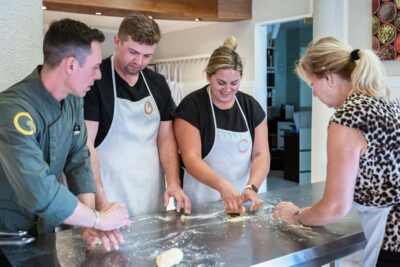
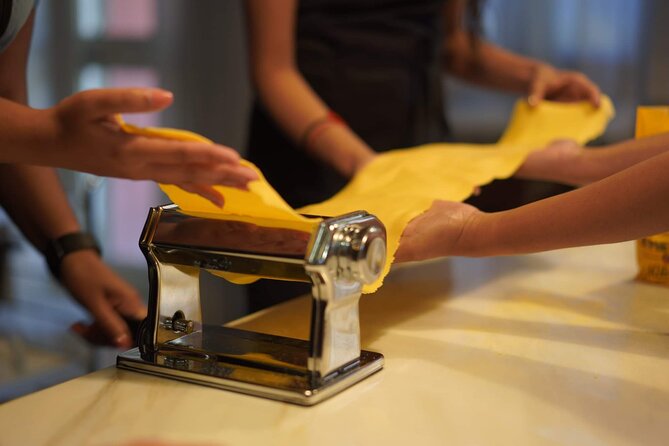
The central lesson begins with pasta dough. You mix, knead, roll, and shape the dough rather than simply watching a chef perform the work. That distinction is important. A demonstration can be entertaining, but working the dough yourself gives you a better sense of texture and timing.
The instructors focus on practical judgment. One useful lesson is to cook by taste rather than blindly following a fixed quantity. That is sound Italian kitchen advice. Flour absorbs moisture differently, dough changes with humidity, and sauces often need adjustment as they cook.
You do not need to arrive as a serious home cook. The class is designed for beginners, yet it also gives experienced cooks useful technique tips. You might find that the hardest part is not making the dough but learning how thin to roll it, how firmly to seal filled pasta, and how to keep cut noodles from sticking.
The process is also social. You work beside other people, compare shapes, and help with several parts of the meal. For couples, families, and friends, this shared task can be more memorable than another restaurant dinner where someone else does all the work.
Three pastas, not just one demonstration
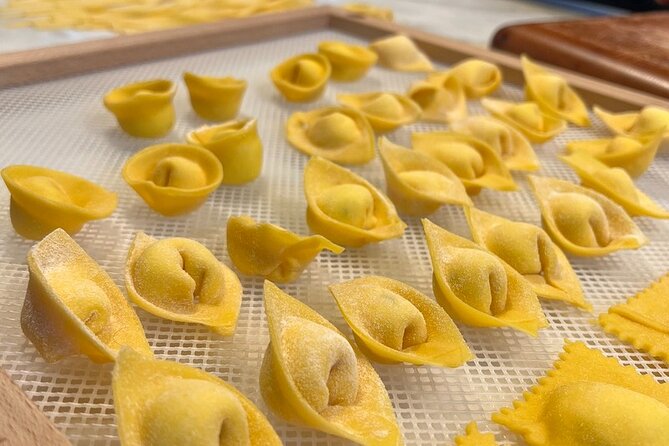
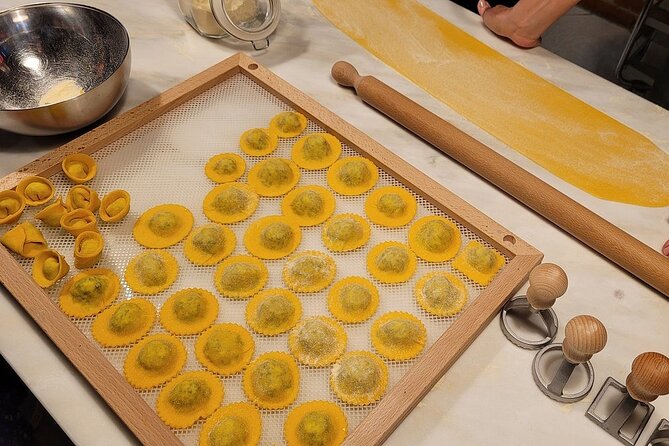
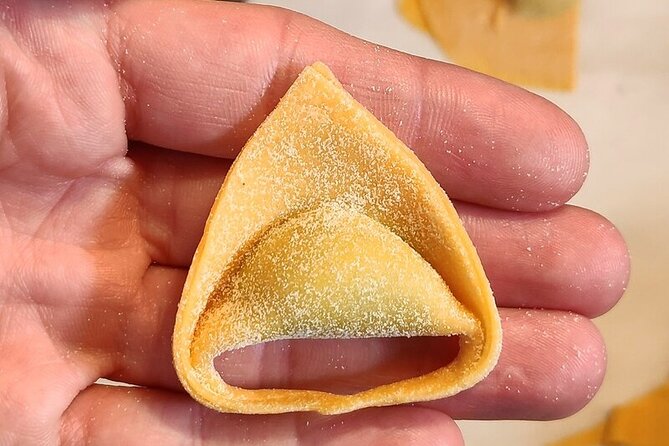
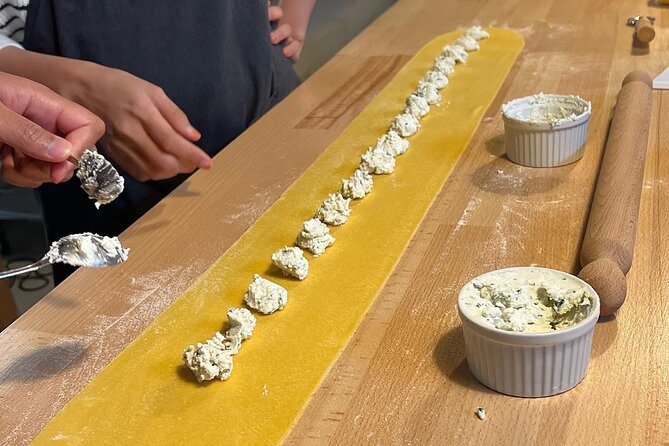
The sample menu includes ricotta-filled ravioli, fresh handmade fettuccine, and spaghetti alla chitarra. Other possible shapes include tortellini and cappelletti. The exact selection may change, but the format is clear: you make several kinds of pasta during the class.
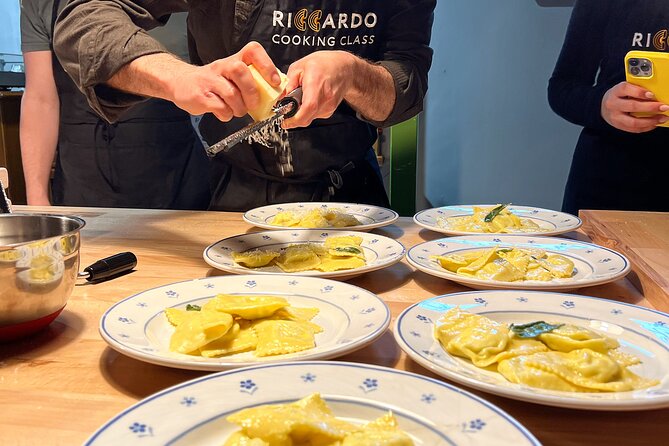
Ravioli gives you a lesson in filled pasta. You need to place the ricotta mixture carefully, press out air, and seal the edges without tearing the dough. It is a useful skill to learn because the same method applies to many stuffed pastas.
Fettuccine shows you how rolled dough becomes long, broad noodles. The pasta must be cut evenly, and you learn how fresh noodles differ from dried pasta in both texture and cooking time.
Spaghetti alla chitarra adds another Roman touch. The name refers to the stringed tool used to cut the dough into square-edged strands. It is a more distinctive experience than simply feeding dough through a standard pasta cutter, and it gives you a connection to an old regional method.
The class has enough variety to keep the three hours moving. You are not repeating one shape over and over, but you are also not racing through a dozen recipes. For many people, three pastas offer the right balance between learning and eating.
Roman sauces and the reasons behind them
The sauce portion is just as important as the pasta. The sample menu lists carbonara, arrabbiata, and butter and sage sauce. Other combinations may include cacio e pepe or a gricia-style sauce, with choices influenced by dietary needs and personal preference.
Arrabbiata provides the sharp, tomato-based option. It is simple but unforgiving. The balance of tomato, garlic, and heat matters, and a good class shows you how a few ingredients can produce a strong sauce without unnecessary additions.
Carbonara is a useful lesson in timing and texture. The sauce depends on careful heat control so that the egg and cheese become creamy rather than scrambled. You learn why the pasta water matters and why the sauce should be judged by consistency, not just by a written recipe.
Cacio e pepe and gricia-style sauces teach a different lesson. They rely on a short ingredient list, so technique carries more weight. Cheese, pepper, rendered pork in the nonvegetarian version, and starchy pasta water need to come together at the right moment.
Butter and sage sauce is paired with the ravioli in the sample menu. Its simplicity lets the filled pasta remain the focus. It is also a practical home recipe because it takes little time once the pasta is ready.
The class may not serve every sauce listed on every booking. The information describes a sample menu and possible variations. If a specific sauce matters to you, ask when booking rather than assuming it will be included.
More Pasta Classes with Wine in Rome
- Rome: Pasta & Tiramisu Class with Fine Wine by the Vatican
★ 4.9 · 4,852 reviews - Rome Cooking Class: Make Pasta and 3 Spritz Cocktails
★ 5.0 · 2,937 reviews - Learn to Make Pasta & Tiramisu with Wine and Limoncello Included
★ 5.0 · 2,345 reviews - Fettuccine & Tiramisù: Cooking Class with Wine & Limoncello
★ 4.9 · 2,103 reviews
Sitting down to eat what you made
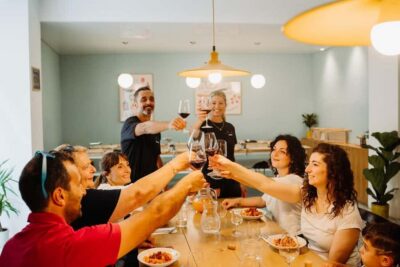
After the cooking, you eat the meal together at the meeting point. Wine and coffee are included, and the food you prepare forms the main meal. You are not merely taking a small sample before heading off to find dinner.
This shared table is one of the best parts of the format. You have spent time kneading dough and shaping pasta with the group, so the final meal feels earned. It also gives you a chance to compare the finished sauces and see how each pasta shape holds them.
Wine is served during the meal, and some class arrangements may begin with a cheese tasting and prosecco. Because the exact food and drink sequence can vary, treat those details as possible features rather than fixed promises. The confirmed booking information should be your guide.
The class also provides recipes for the pasta and sauces, sent afterward by mail according to the supplied information. That adds real value. A cooking class is much more useful when you can reproduce the meal at home instead of relying on memory after a long day in Rome.
How the instructors shape the experience
The teaching team is a major part of the appeal. William is described as lively, professional, and generous with practical tips. Leo is noted for patience, humor, and a warm manner, qualities that help people who feel unsure around dough or kitchen tools.
Riccardo is the chef behind the experience, and Rocco is also named as an instructor. The class seems to allow instructors to adjust their approach to the group. Beginners can get close guidance, while experienced cooks can ask more detailed questions about tools, dough, and sauce technique.
That flexibility is worth more than a polished lecture. You can ask why a sauce thickened too quickly, how to seal ravioli, or which pasta shape works best with a certain sauce. The teaching is meant to leave you able to try the recipes again, not just impressed for an afternoon.
The tone is informal. You should expect a social cooking session rather than a quiet technical seminar. If you want a strict, restaurant-style demonstration with little participation, this may not be your ideal choice. If you like learning by doing, the format fits well.
Is the $95.53 price a good value?
At $95.53 per person, this is not the cheapest meal in Rome. It is also more than the cost of buying pasta at a market and eating a simple plate at a neighborhood restaurant.
The value comes from the combination of instruction, ingredients, several dishes, wine, coffee, and a full shared meal. You also leave with techniques and recipes that can be used again. Compared with paying separately for a pasta dinner and a short demonstration, the price is reasonable for a three-hour activity.
I would judge the value by your interests. If you want a memorable food activity, enjoy meeting people, and would like to learn recipes you can repeat at home, the cost is easier to justify. If you are mainly looking for the cheapest way to eat pasta, choose a restaurant instead.
Group discounts are available. A private class is also possible, and that upgrade may be worthwhile for families or groups with special dietary needs. Private bookings can be arranged around gluten-free, dairy-free, vegetarian, vegan, gnocchi, risotto, tiramisu, or other special requests.
Dietary needs and private booking choices
The regular class includes a vegetarian option, but the information does not promise that every dietary request can be handled in the shared format. Tell the provider about allergies or restrictions before the class.
For a gluten-free or dairy-free menu, or a fully vegan class, book privately and arrange the menu in advance. The same applies if you specifically want gnocchi, risotto, tiramisu, or a recipe not included in the standard plan.
Do not wait until you arrive to mention an allergy. Pasta dough, cheese, eggs, and sauces can involve several ingredients, and the kitchen needs time to prepare a safe alternative. A private class also gives you more control over the menu and pace.
Who will enjoy this Rome pasta class?
I would recommend it to couples looking for a break from sightseeing, families with older children or teenagers, and friends who want an activity that produces dinner. It also suits solo visitors who enjoy a social setting and are comfortable joining a small group.
The class works for both new cooks and experienced home cooks. Beginners get direct help with dough and shaping, while confident cooks can focus on sauce texture, pasta tools, and small technique details.
It may be less suitable if you have limited mobility or dislike standing and working in a kitchen, although the supplied information does not provide detailed accessibility guidance. Ask the operator about your specific needs before booking.
The three-hour duration is long enough to feel substantial but short enough to fit into a Rome itinerary. I would avoid placing it immediately before a major timed attraction. Give yourself room for the class to run slightly over, especially if the group is enjoying the meal and conversation.
Booking 44 days ahead is the average pattern, so popular dates may fill early. Free cancellation is available if you cancel at least 24 hours before the start time. Cancellations or changes made later are not refunded or accepted.
Should you book Riccardo’s pasta class?
Book it if you want to do more than eat Roman food. You will make several pasta shapes, prepare classic sauces, learn practical kitchen judgment, and sit down with wine to eat the result. The strongest reasons to choose it are the hands-on format, small class size, and instructors such as William and Leo, who bring humor and patience to the lesson.
Think twice if you want a central Rome activity or a very specific menu without arranging a private class. Gianicolense takes planning, and the regular menu may vary.
For most food-focused visitors, I think this is a strong use of half a day. You get a meal, a social experience, and skills that can continue working for you long after your Roman holiday ends.
FAQ
Where does the pasta class meet?
The listed meeting point is Circonvallazione Gianicolense 418, 00151 Rome, Italy. The class may take place at Riccardo’s grandmother’s house or at The Cooking Lab.
Where does the activity end?
The activity ends back at the meeting point.
How long does the class last?
The class lasts approximately three hours.
What pastas can I learn to make?
Possible pastas include ravioli, fettuccine, tortellini, cappelletti, spaghetti alla chitarra, and other fresh handmade shapes. The sample menu includes ricotta-filled ravioli, fettuccine, and spaghetti alla chitarra.
Which sauces are included?
The sample menu includes carbonara, arrabbiata, and butter and sage sauce. Depending on the group and menu, options may also include cacio e pepe or a gricia-style sauce.
Is wine included?
Yes. Complimentary wine and coffee are included with the meal you prepare.
Is the class available in English?
Yes. The class is offered in English.
Can I request a special dietary menu?
Special menus, including vegetarian, vegan, gluten-free, and dairy-free options, can be arranged with a private class. You should inform the provider about allergies or dietary restrictions before booking.
What is the cancellation policy?
You can cancel at least 24 hours before the start time for a full refund. Cancellations or changes made less than 24 hours before the experience are not accepted for a refund.
Fresh off the board around Rome
- Spritz and Pasta! Spritz, Fettuccine & Tiramisù★ 5.0 · 2 reviews
- Trastevere Food Tour with Pasta-Making Class★ 5.0 · 5 reviews
- Rome: Pasta and tiramisu class with wine pairing at Come Na Vorta★ 5.0 · 30 reviews
- Top Class in Fettuccine, Ravioli, and Tiramisu★ 5.0 · 7 reviews
- Traditional Pasta Cooking Class with Tiramisu Small Group★ 5.0 · 7 reviews
- The Pasta Factory Class★ 4.5 · 21 reviews
- The Original Fettuccine Alfredo Experiences in Roma★ 4.5 · 38 reviews
- Italian Pasta & Dessert Class in Historic Center (3-Course Meal)★ 5.0 · 2 reviews
Fresh Pasta Workshops, class by class.
Pasta Making Class with Wine, Limoncello, and Dessert
Read our review →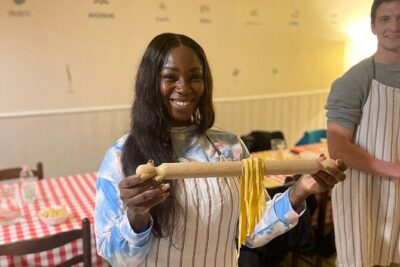

Enjoy Spritz and Pasta Making in Piazza Navona
Read our review →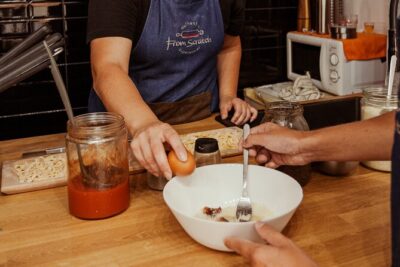
Pasta Making & Wine Tasting with Dinner in Frascati from Rome
Read our review →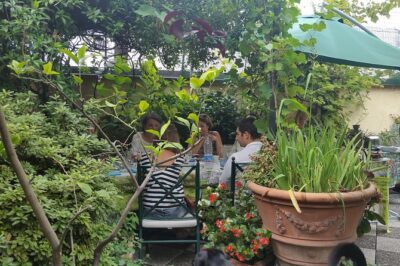
The Secrets to Learn Fresh Pasta and Tiramisù in a Glam Home
Read our review →