
Review · FLORENCE
Florence: Highlights Cooking Class with Italian Pastas
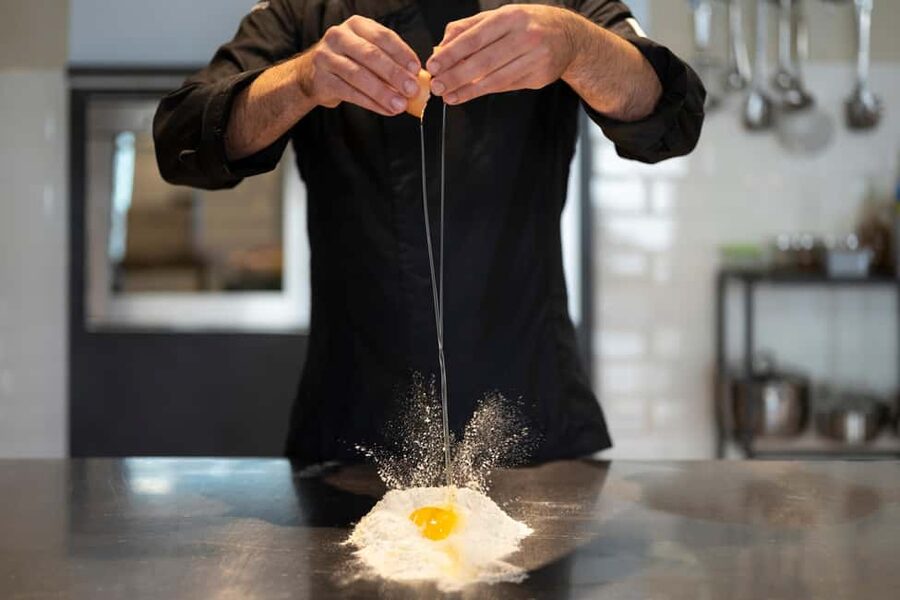
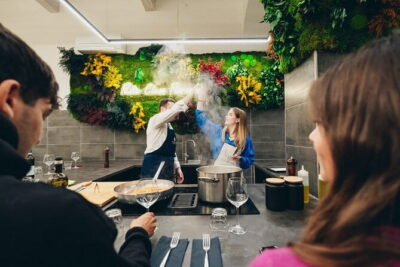
The best part of this Florence class is that you do the work. You make pasta by hand, shape ravioli, prepare gnocchi, stir sauces, and finish with panna cotta before sitting down to eat in a large room from the 1700s. It is a cooking lesson that ends as a proper meal, not a quick taste at a counter.
I like the hands-on format, since you are not simply watching a chef perform. I also like the mix of dishes: fettuccine, ravioli, gnocchi, sauces, and dessert give you several useful recipes to take home. The main consideration is that anyone with gluten intolerance or celiac disease cannot participate because of possible contamination, and transfers are not included.
Key points to know before booking
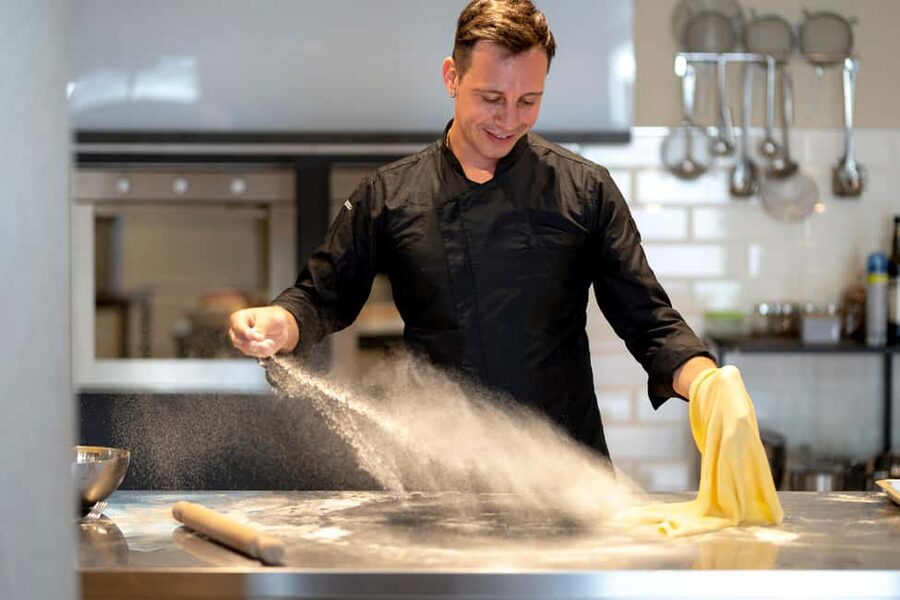
- You make several dishes yourself: The class can include ravioli, fettuccine, gnocchi, ragù, seasonal sauces, and panna cotta.
- The morning class begins at 10:45 a.m.: It runs on Tuesdays, Thursdays, and Saturdays and lasts three hours.
- You eat what you prepare: The final tasting includes red and white wine and natural water in a historic dining room.
- Francesco has received special praise: His attentive instruction helped make one class feel relaxed and well organized.
- Vegetarian cooking is available: Severe gluten intolerance and celiac disease are exclusions.
- The central Florence location is easy to reach: Look for red house numbers and the large orange C on the main window.
Making pasta instead of watching a demonstration
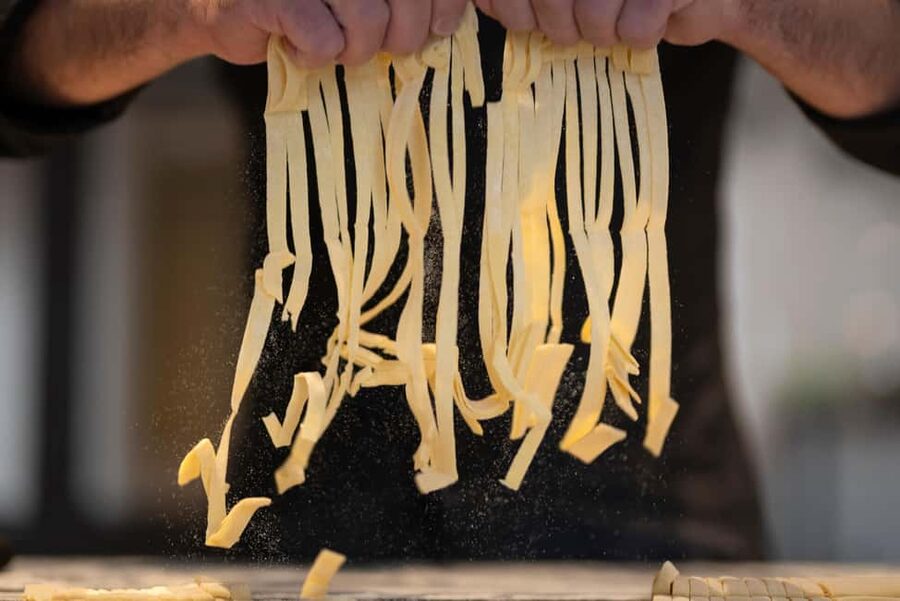
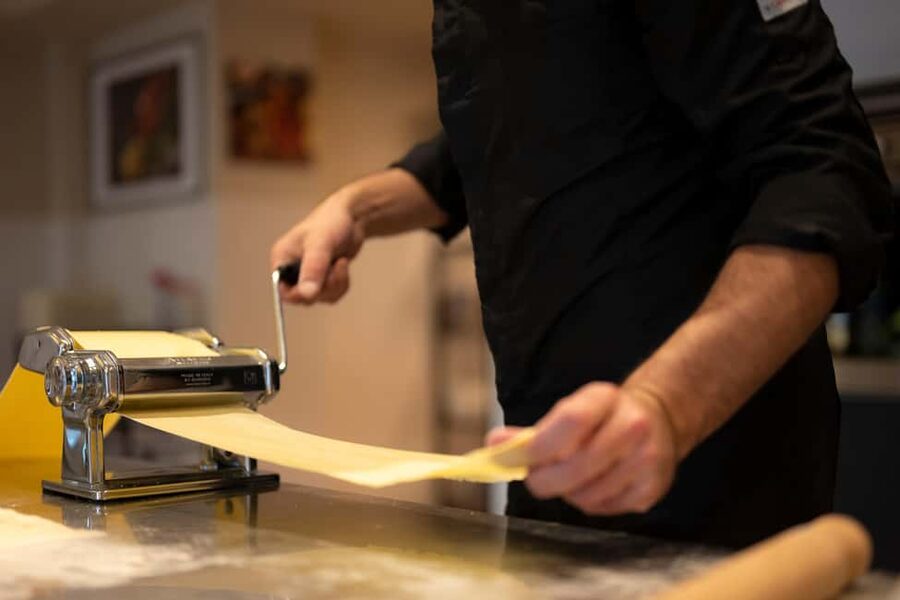
Many cooking classes look hands-on in their descriptions but turn into a chef’s show once the flour hits the table. This one is specifically built around participation. You work with Italian flour and eggs, follow the chefs’ instructions, and prepare the food as part of the group.
That matters because fresh pasta is less mysterious when you make it yourself. You get a feel for the dough, see how pasta shapes differ, and learn techniques you can repeat in your own kitchen. The class is aimed at shared enjoyment rather than professional training, so you do not need advanced cooking skills.
The three-hour format gives the lesson enough time to move beyond a single plate. In the morning class, the planned menu includes ravioli, fettuccine, gnocchi, Tuscan ragù, seasonal vegetable sauces, and panna cotta. The exact balance can depend on the class and the chefs, but you should expect more than one type of pasta and more than one sauce.
The afternoon class also includes several pasta preparations and adds sauces that work well with dried pasta at home. That is useful for cooks who want practical ideas rather than a complicated one-time recipe. You may leave with techniques for a full meal, but do not expect to package the food and take it with you. One diner specifically found the portion generous and wished there had been an option to carry leftovers away.
More pasta classes around Florence:
- Florence: Pasta Cooking Class with Unlimited Wine
★ 4.9 · 10,285 reviews - Florence Pizza or Pasta Class with Gelato Making at a Tuscan Farm
★ 5.0 · 6,801 reviews - Florence: Pasta & Tiramisu Cooking Class with Unlimited Wine
★ 4.9 · 6,708 reviews
From flour and eggs to ravioli, fettuccine, and gnocchi
The class begins with basic ingredients, not a prepared kit. The focus on quality raw materials and locally sourced products gives the meal a strong Italian foundation, but the real value is the process.
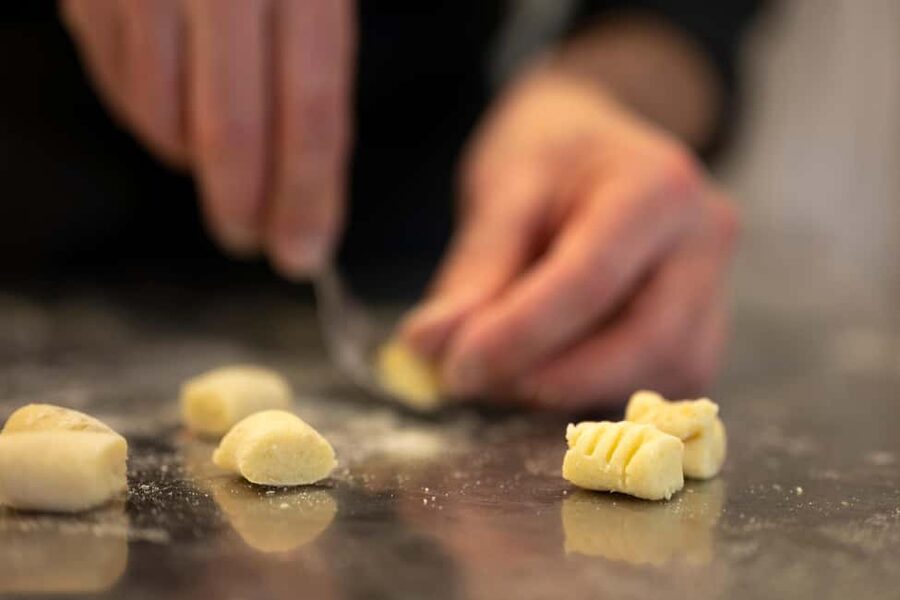
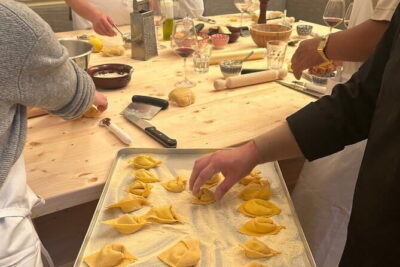
Fettuccine teaches you how fresh pasta behaves when cut into broad ribbons. Ravioli adds the extra steps of filling, sealing, and shaping. Gnocchi changes the texture completely, giving you a chance to work with a softer dough and understand why gentle handling matters.
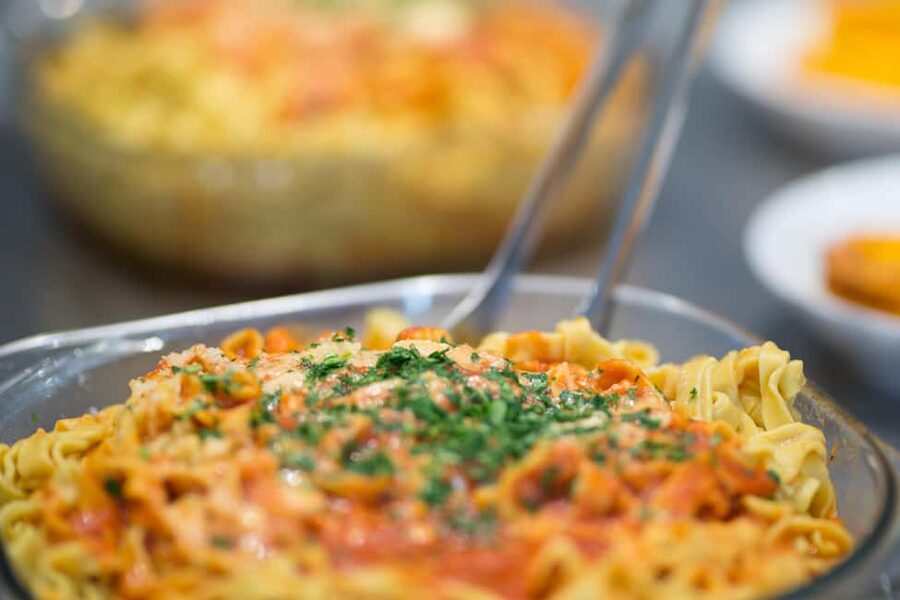
The recipes listed for the class include ricotta and spinach ravioli, fettuccine with tomato sauce, and gnocchi with Bolognese sauce. These dishes make a sensible trio. You get a filled pasta, a ribbon pasta, and a potato-based dumpling, each paired with a different style of sauce.
The sauces are not an afterthought. You may work with Tuscan ragù, tomato sauce, Bolognese, and seasonal vegetable preparations. The afternoon class places particular attention on sauces that can be used later with dry pasta. That makes the class more useful after your holiday, since dried pasta and a simple sauce are easier to reproduce on a busy evening than a full handmade pasta spread.
If you cook often, you will likely appreciate the practical range. If you rarely cook, the number of dishes may feel like a lot to absorb in one sitting. Bring your attention, ask questions, and keep the recipe booklet close afterward.
A relaxed class with real chefs at the table
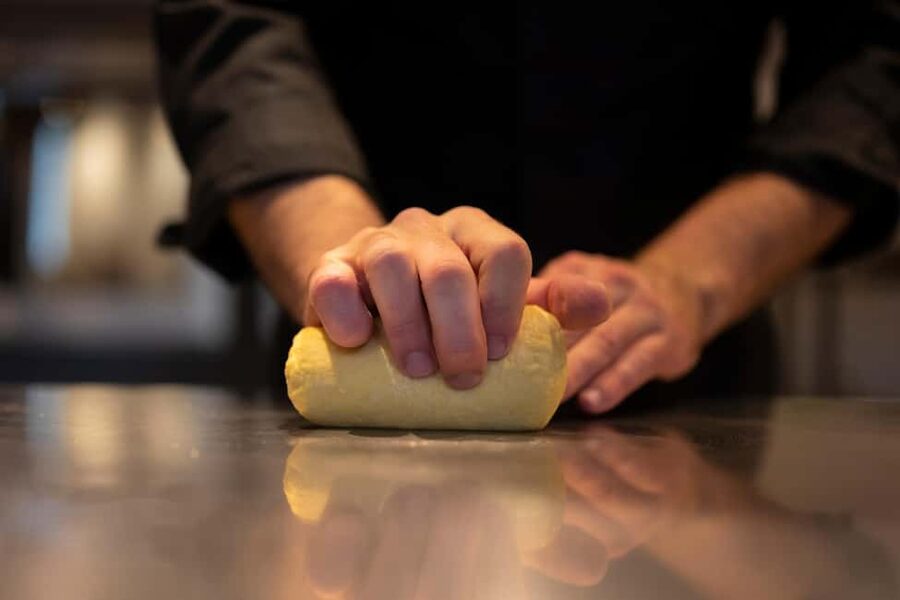
The staff follows the class throughout, and the kitchens are fully equipped and organized. That does not mean the activity feels formal or stiff. The tone is built around working together, eating together, and having fun with the process.
Francesco received special praise for helping create a comfortable, well-run session. The available information does not identify every chef by name, so you should not book expecting a particular instructor unless the provider confirms that person’s schedule. The class is taught in Italian and English, with Spanish and German possible depending on chef availability. Those languages are not guaranteed at every session.
This is a good choice for couples, families, friends, and school groups. A class in April was used successfully with students, who took part in the shared work and found the activity engaging. A couple also described the chef as very attentive, which points to the personal help available during the cooking.
Still, the experience depends partly on group rhythm. You will be sharing the kitchen and dining space, so it is not a private lesson. That can be part of the fun, but anyone seeking quiet one-on-one instruction should ask about the format before booking.
Eating in a Florence dining room from the 1700s
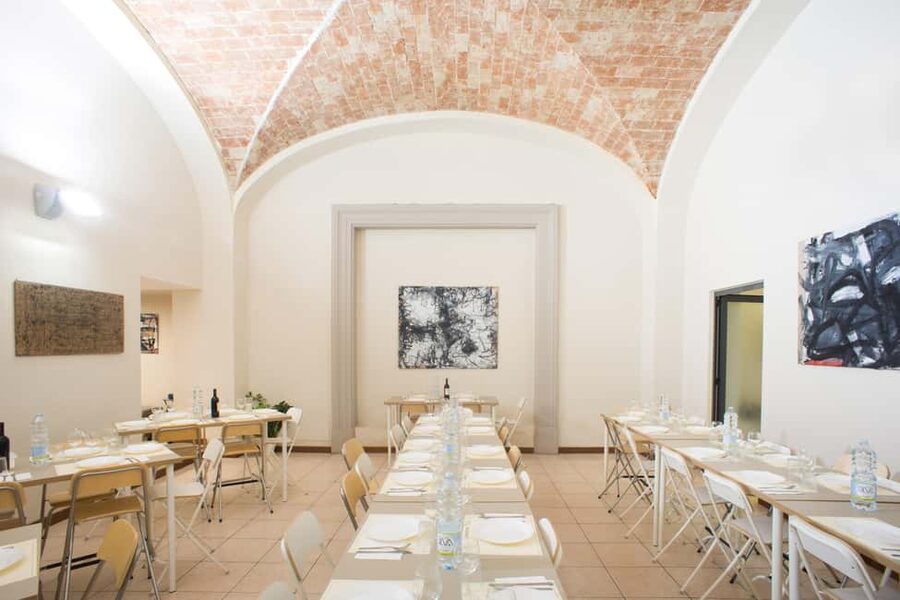
After the cooking, you sit down to taste the meal in a large dining room dating from the 1700s. This changes the mood from lesson to lunch or dinner. You are not balancing a plate while standing at a counter. You get a proper place to sit, eat, and talk about the dishes you just made.
Red and white wine are included, along with natural water. The wine pairing is simple but welcome, especially because the meal includes several courses and sauces. You should not treat this as a wine seminar. The focus remains on the food, with wine adding to the meal rather than taking over the class.
Panna cotta provides a sweet finish. It is a traditional Italian dessert and a useful addition to the lesson because it shows that the class is not limited to pasta. You finish with a complete menu rather than a plate of noodles alone.
Portions appear to be substantial. One diner found the meal so generous that taking leftovers home would have been appealing. The tradeoff is that you need to arrive ready for a large meal and pace yourself during the tasting. Extra Parmesan was not provided in one session, so do not assume that every condiment or add-on will be available at the table.
Same flour, a different shape to roll:
- Florence: Pasta Cooking Class with Unlimited Wine
★ 5.0 · 6,413 reviews - Pastamania – Florence Pasta Making Class
★ 5.0 · 3,050 reviews - Florence: Cooking Class Pasta & Tiramisu Making Unlimited Wine
★ 5.0 · 2,234 reviews - Florence: Pizza or Pasta Class with Gelato at a Tuscan Farm
★ 4.9 · 1,181 reviews
Recipes you can actually use at home
The recipe booklet is one of the strongest practical extras. It is provided in your own language at the end of the experience, giving you a better chance of repeating the dishes after returning home.
A good cooking class should answer the question: can I make this again without the chef beside me? This one gives you several starting points. Fresh pasta may become a weekend project, while the tomato, Bolognese, or vegetable sauces can be adapted for ordinary dried pasta.
The recipe booklet also helps with memory. After three hours of flour, fillings, sauces, and dessert, details can blur. Written instructions let you revisit the proportions and steps when you are back in your own kitchen.
I would take a few mental notes about texture and timing rather than relying only on the booklet. Watch how the chefs handle dough, seal ravioli, and manage sauces. Those small visual cues are often the hardest part to capture on paper.
Morning or afternoon class?
The morning class begins at 10:45 a.m. and is held on Tuesdays, Thursdays, and Saturdays. It lasts three hours, so you should finish around early afternoon. This schedule works well if you want a substantial lunch and still have time for Florence sightseeing later.
The morning menu specifically includes ravioli, fettuccine, gnocchi, Tuscan ragù, seasonal vegetable sauces, and panna cotta. It offers a broad introduction to Italian cooking in one sitting.
The afternoon class costs €72 per person. The supplied details do not provide a fixed afternoon starting time or a complete weekly schedule, so check availability before choosing it. It includes different pasta preparations and additional sauces designed for use with dried pasta at home.
The morning class is listed at €68 per person, while the afternoon class is €72. The headline price of $72 reflects the approximate booking price supplied for the experience, but the actual charge may appear in euros. Check the current amount at booking, especially if your payment card uses another currency.
Is €68 to €72 fair value?
For three hours, a meal, wine, ingredients, chef instruction, a historic dining room, and a recipe booklet, the price is reasonable for Florence. You are paying for both the activity and the food, not just a short demonstration.
The value improves if you make use of the recipes afterward. A single pasta dinner can cost less if you cook at home, but this class also gives you guided practice, several dishes, and a social experience in central Florence. It is especially worthwhile if you want a souvenir you can use rather than another small object in your luggage.
The price does not include hotel pickup or drop-off. Since the location is in central Florence and well connected by public transport, that is not a major problem for most people, but you must arrange your own way there.
You should also factor in the cost of your time. Three hours is long enough to feel like a main activity rather than a quick break between museums. If your Florence schedule is tightly packed, the class may require more planning than a short tasting.
Finding the central Florence meeting point
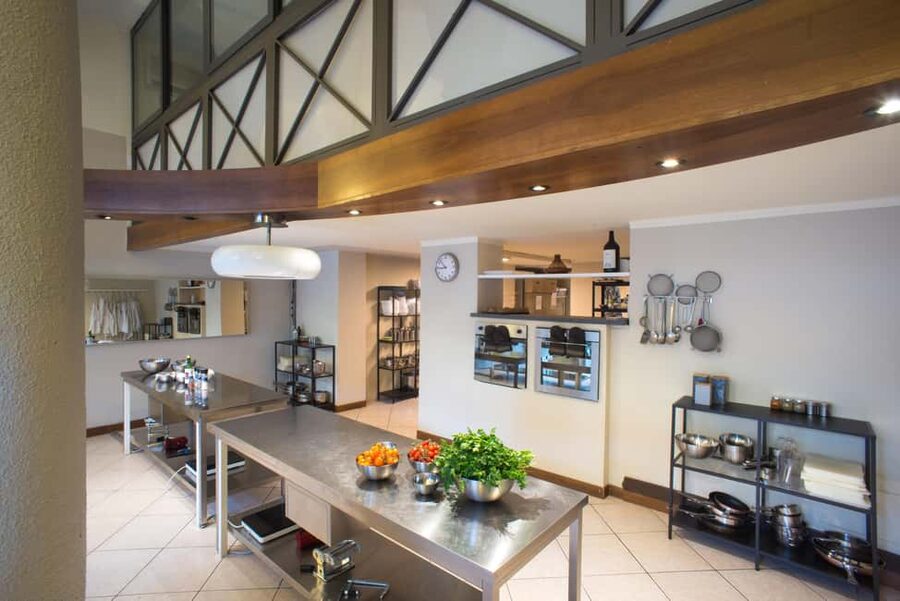
The meeting point is identified by red house numbers. Look for the large orange C on the main window with the company name. Arrive 10 minutes early, since finding an unfamiliar address while carrying cooking bags or navigating Florence streets can take longer than expected.
Wear comfortable clothing suitable for cooking. The activity involves handling flour, eggs, dough, sauces, and food preparation, so your best sightseeing outfit is not necessary. Transfers are not included, and the class does not provide hotel pickup or drop-off.
The central position is convenient for combining the class with other plans. The morning session can lead into lunch and afternoon sightseeing. The afternoon session may work better after a morning in Florence, but you need to confirm the start time when you check availability.
Dietary and accessibility limits
Vegetarian options are available, which makes the class workable for people who do not eat meat. The menu includes vegetable sauces, but you should still state your dietary needs when booking or contacting the provider.
The class is not suitable for people with gluten intolerance or celiac disease because of probable contamination. This is a firm safety issue, not a minor menu adjustment. Gluten-free participants should choose another activity rather than assume that substitutions will be possible.
The experience is also not suitable for wheelchair users, and electric wheelchairs are specifically not allowed. The available information does not describe the exact physical layout, so anyone with other mobility concerns should contact the provider before paying.
Cancellation is flexible: you can cancel up to 24 hours in advance for a full refund. Reserve now and pay later is also available, allowing you to hold a place without paying immediately.
Who will enjoy this class most?
I would choose this for you if you want to learn by doing and enjoy a shared meal afterward. Couples get a cooperative activity, families get something more active than another museum, and friends can turn the class into the centerpiece of an afternoon.
It also suits people who want to bring Italian cooking home. The range of pasta shapes and sauces gives you more to work with than a class focused only on pizza or one pasta recipe.
You may want to skip it if you dislike group activities, have a strict gluten-free diet, need wheelchair access, or want to take your food home. The portion is generous, but the meal is eaten at the venue. The class is also not a private chef lesson, and language support beyond Italian and English depends on availability.
Should you book the Florence pasta class?
Book it if you want a practical, social Florence experience with a full meal at the end. The hands-on work, broad menu, attentive staff, wine, and recipe booklet make the €68 to €72 price sensible, especially for couples and first-time pasta makers.
Choose the morning session if the 10:45 a.m. start and Tuesday, Thursday, or Saturday schedule fit your plans. Pick the afternoon option if you want extra sauce ideas for dry pasta, but confirm its exact time and language support first.
My main advice is simple: arrive early, wear comfortable clothes, pace yourself at the meal, and do not expect leftovers or a gluten-free setup. If those limits work for you, this is a useful and enjoyable way to spend three hours in Florence.
FAQ
How long does the cooking class last?
The class lasts three hours.
Where is the cooking class located?
It takes place in central Florence, with good public transport connections. Look for red house numbers and a large orange C on the main window.
What time does the morning class begin?
The morning class begins at 10:45 a.m.
On which days is the morning class held?
The morning class is held on Tuesdays, Thursdays, and Saturdays.
How much does the class cost?
The morning class costs €68 per person. The afternoon class costs €72 per person. The approximate listed price is $72 per person, so check the current amount when booking.
Is hotel transportation included?
No. Hotel pickup and drop-off are not included.
Which languages are available?
The instructors speak Italian and English. Spanish and German may be available depending on chef availability, but they are not guaranteed.
Is there a vegetarian option?
Yes. A vegetarian option is available.
Can someone with celiac disease join the class?
No. The class is not suitable for people with gluten intolerance or celiac disease because of probable contamination.
What is included after the cooking?
You eat the food you prepare with red and white wine and natural water. You also receive a recipe booklet in your own language.
Fresh off the board around Florence
- Hands on Deluxe Traditional 4-course dinner with fresh pasta★ 5.0 · 15 reviews
- The Art of Pasta and Wine Tasting with Local Sommelier★ 5.0 · 16 reviews
- Vegan Cooking Class in Florence: Pasta Making & Wine!★ 5.0 · 2 reviews
- Gluten free pasta and dessert class 6 guests max★ 5.0 · 2 reviews
- Tuscan Pasta Masterclass Small-Group Cooking Experience★ 5.0 · 17 reviews
- Cooking class and home made pasta in Florence with LA VIVANDIERA!★ 5.0 · 5 reviews
- MaMa Florence: The Art of Corzetti – Hands-On Pasta Class★ 5.0 · 15 reviews
- Hands-On Pasta Making Class in Central Florence with Patrizia★ 5.0 · 5 reviews
Florence Pasta Classes, class by class.
Florence Pizza or Pasta Class with Gelato Making at a Tuscan Farm
Read our review →
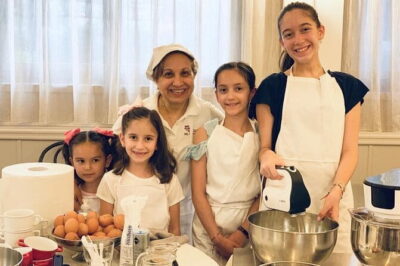
Cooking Class Pasta & Tiramisu Making Unlimited Wine
Read our review →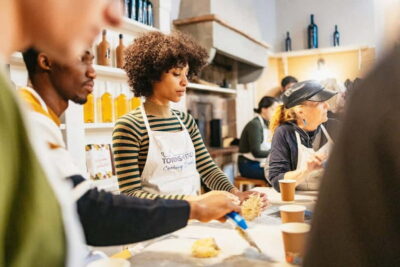
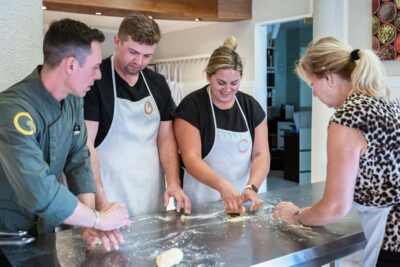
Handmade Pasta & Dessert Class with Unlimited Wine
Read our review →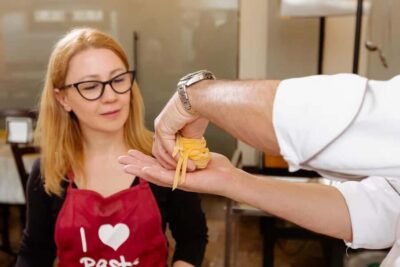
Pasta Cooking Class: Mastering Nonna’s Recipes
Read our review →Lists this class appears in