
Review · SARDINIA
Olbia: pasta workshop with tasting
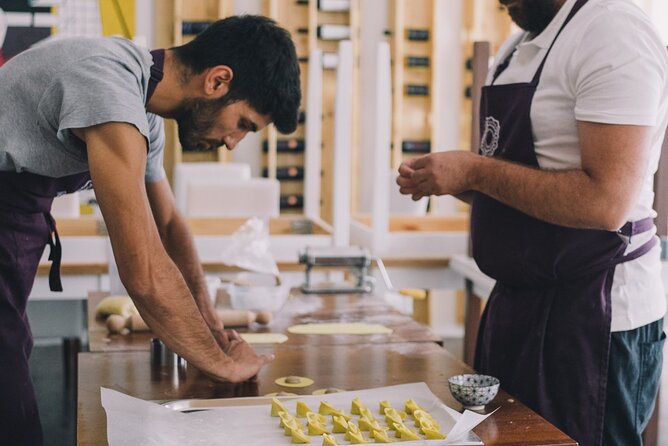
The best part of this Olbia experience is that you do not simply watch Sardinian food being made. You work the dough yourself, shaping pasta recipes tied to different parts of the island, then sit down to eat the results. Malloreddus and culurgiones are the stars, with ravioli and gnocchi also part of the pasta lesson.
I like the balance between hands-on cooking and a relaxed meal, and I like the way each pasta shape comes with its own story and local identity. Isabella is described as a friendly, welcoming host, which matters when you are trying something new in a small group. The main consideration is the price: at $126.89 per person, this makes the most sense if you value instruction, food, and a four-hour cultural activity rather than simply a meal.
Key points to know before booking
- Make Sardinian pasta by hand: Learn traditional methods for malloreddus, ravioli, gnocchi, and culurgiones.
- Taste your own cooking: The workshop ends with lunch or dinner based on the pasta you prepare.
- Try an Ogliastra specialty: Culurgiones are filled with potatoes, pecorino cheese, and mint.
- Learn regional food stories: Each pasta type has its own shape, history, and curious detail.
- Enjoy a small-group format: The maximum group size is 15 people.
- Plan around the afternoon start: Meet at 4:00 pm in Olbia and allow about four hours.
Shaping Sardinia at the pasta table
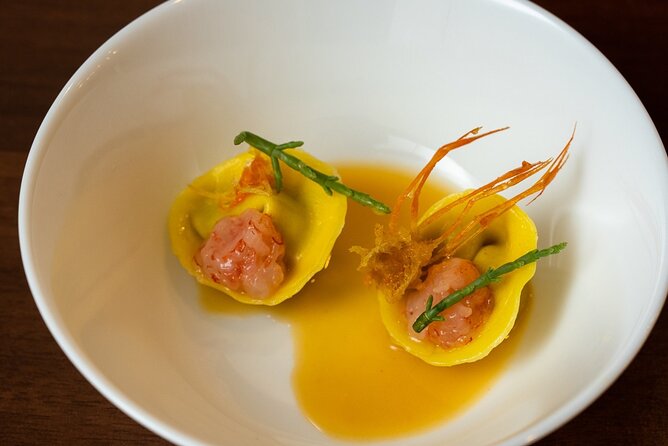
This is a cooking lesson with a clear sense of place. In Olbia, on Sardinia’s northeastern coast, you learn recipes that reach beyond one town. The pasta forms introduce you to food traditions from across the island, including the culurgiones associated with Ogliastra in central eastern Sardinia.
I like that the lesson focuses on several shapes rather than one basic recipe. You may work with gnocchi, ravioli, malloreddus, and culurgiones, each requiring a different touch. That gives the afternoon a useful rhythm: you are not repeating one task for four hours, but learning how Sardinian cooks turn simple ingredients into distinct dishes.
The workshop is offered in English, so you can follow the guidance without needing to understand Italian cooking terms. An expert host leads the session and offers practical tips you can use later in your own kitchen. The promise is not just a demonstration. You are expected to put your hands in the dough.
That makes this especially appealing if you like food experiences that leave you with a skill, not just a photograph. You can pay attention to texture, shaping, and filling as you work. The pace should also suit a mixed group, since the afternoon is described as both educational and relaxing.
More pasta classes around Italy:
- Florence: Pasta Cooking Class with Unlimited Wine
★ 4.9 · 10,285 reviews - 3 in 1 Cooking Class near Navona: Fettuccine, Ravioli & Tiramisu
★ 5.0 · 7,376 reviews - Florence Pizza or Pasta Class with Gelato Making at a Tuscan Farm
★ 5.0 · 6,801 reviews
Malloreddus brings a taste of everyday Sardinia
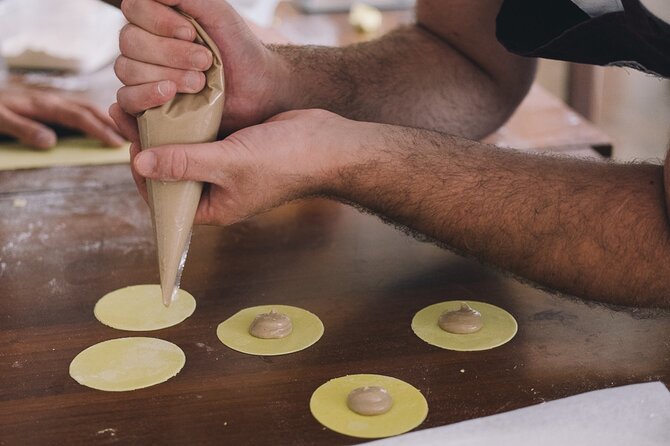
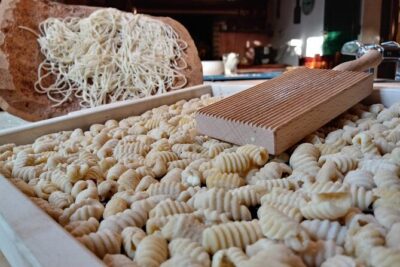
One of the featured dishes is malloreddus, also called gnocchetti. These small pieces are made with semolina flour and water, then shaped like thin, striped shells. The ridges are not just decoration. They help the pasta hold onto sauce, which makes the shape practical as well as attractive.
For you, malloreddus offers a good introduction to Sardinian pasta making. The ingredients are simple, but the shaping gives the dish its character. You can see how a basic dough becomes a recognizable regional food through pressure, rolling, and repetition.
The sample menu lists malloreddus as a main course. Since you eat the products you prepare, this dish forms part of the reward at the end of the lesson. The meal is not a separate restaurant stop. It grows directly out of the work you have done at the table.
I find that connection important. A pasta tasting can feel detached from the cooking process, but here you have a reason to notice the shape and texture. You know what went into making it because you helped make it.
Culurgiones tell a more specific regional story
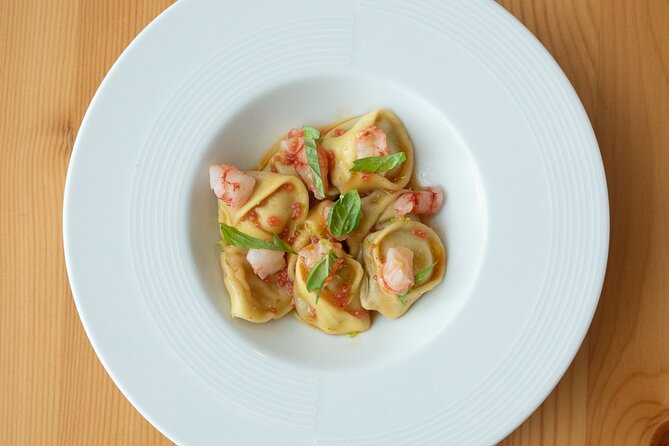
Culurgiones give the class its strongest link to Ogliastra. This specialty from central eastern Sardinia is usually filled with potatoes, pecorino cheese, and mint. The filling is hearty, savory, and different from the tomato or meat sauces many visitors may associate with Italian pasta.
The dish also gives you a chance to handle filled pasta, which requires more care than shaping a small shell. You need to keep the filling contained and close the dough properly. The experience description points to the distinctive character of culurgiones, so expect attention to the dish’s traditional form and the details that make it different from ordinary ravioli.
I like this part of the menu because it shows that Sardinian cooking is not one single style. Olbia is your base, but the food lesson reaches into another part of the island. A recipe can carry regional identity through its ingredients, shape, and preparation.
The potato, pecorino, and mint combination also gives you something memorable to compare with the other pasta on the plate. Malloreddus is small and ridged, while culurgiones are filled and tied to a particular Sardinian area. That contrast makes the meal more interesting than a plate of similar pasta shapes.
From gnocchi and ravioli to the final meal
Gnocchi and ravioli are also part of the workshop. The information provided does not specify their fillings, sauces, or exact preparation order, so you should not expect a fixed list of every course beyond the sample dishes. The lesson can include several traditional forms, with the final menu shaped around what you prepare.
That flexibility may be a strength. You get to focus on technique instead of treating the class like a rigid cooking show. The host can give tips as you work, and the group can move through different shapes at a comfortable pace.
After the pasta preparation, you sit down for lunch or dinner featuring the food made during the class. The meal is described as traditional Sardinian cooking presented in a modern way, with fresh and local products. That suggests a meal designed to connect familiar island recipes with a contemporary presentation.
For me, the meal is where the activity earns much of its value. You are not paying only for a recipe lesson. You are also receiving a prepared dining experience, with your own pasta at the center. The result is more substantial than a short tasting, though you should still think of it as a food workshop first and a full restaurant meal second.
Same flour, a different shape to roll:
- Florence: Pasta & Tiramisu Cooking Class with Unlimited Wine
★ 4.9 · 6,708 reviews - Florence: Pasta Cooking Class with Unlimited Wine
★ 5.0 · 6,413 reviews - Rome: Pasta & Tiramisu Class with Fine Wine by the Vatican
★ 4.9 · 4,852 reviews - Rome: Pasta Making Class with Wine, Limoncello, and Dessert
★ 4.9 · 3,177 reviews
A four-hour afternoon in Olbia
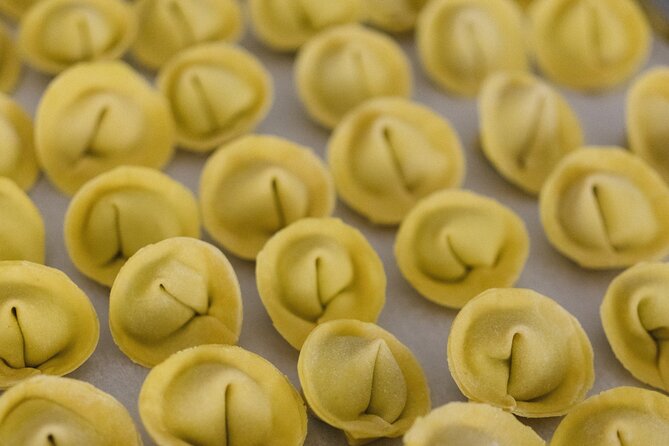
The workshop begins at 4:00 pm and lasts about four hours. That timing makes it easy to fit into an Olbia day without giving up the morning or early afternoon. It also places the meal later in the day, so you should plan for the session to function as dinner or a late meal.
You meet at Via Dettori 6, 07026 Olbia, in the Gallura area of Sardinia. The activity ends back at the same meeting point. Public transportation is nearby, which can simplify the journey if you are staying in Olbia and do not have a car.
I would allow extra time to find the address, particularly if you are unfamiliar with the streets around the meeting point. The published start time is specific, and a hands-on class works best when you arrive ready to begin rather than rushing in late.
A four-hour duration is long enough for instruction, preparation, tasting, and conversation. It is not a quick tourist stop. If you prefer fast sightseeing with several stops, this may feel slow. If you want one focused afternoon built around food and local tradition, the length is sensible.
Why the small group matters
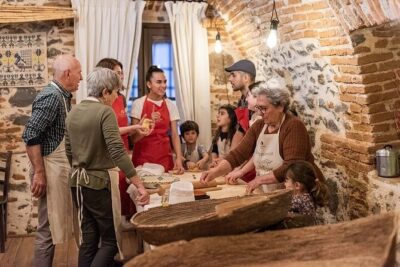
The maximum group size is 15 people. That is not a private lesson, but it is small enough for the class to remain manageable. Pasta making requires table space and occasional help with shaping or filling, so a limited group should make it easier to follow the host’s advice.
A smaller class also gives the afternoon a social side. You can cook with family or friends, compare shapes, and share the final meal. The experience is specifically suited to groups who want to do something together rather than split up for separate sightseeing.
The feedback connected to the experience describes the afternoon as a mix of learning and relaxation. That is a useful way to think about the format. You need enough attention to follow the techniques, but the setting is also meant to feel friendly and unhurried. Isabella is singled out as a warm host, and that personal touch can make a real difference in a cooking class.
Still, group size is a maximum, not a guarantee that the session will feel like a private class. If you need one-to-one instruction or want to set the pace entirely yourself, this format may not be ideal. For most people, the 15-person limit is a reasonable compromise between social energy and personal help.
Is $126.89 a fair price?
At $126.89 per person, this is not a bargain pasta lunch. The value comes from the combination of several elements: about four hours of activity, English-language guidance, hands-on instruction, multiple Sardinian pasta types, and a meal made with fresh local products.
I would compare it with the cost of a standard meal plus a separate cooking class. You are getting both in one afternoon, although the experience is not described as a formal restaurant tasting menu. If you mainly want to eat pasta, you can find cheaper options. If you want to understand how the pasta is made and take part in the process, the price is easier to justify.
The class also offers something a normal meal cannot. You learn why malloreddus has its ridged shell shape and why culurgiones are associated with Ogliastra. Those details give the food context, and the practical instruction may stay with you after the holiday.
I would book it for a food-centered day, especially if you are traveling with family or friends and want an activity everyone can share. Solo visitors can also enjoy it, but the social value is strongest when you like meeting people around a table.
Practical details that can affect your plans
You receive confirmation at the time of booking, and the activity is offered with a mobile ticket. The class is in English, which removes a major barrier for English-speaking visitors.
Free cancellation is available up to 24 hours before the 4:00 pm start time for a full refund. Changes or cancellations made less than 24 hours before the start are not accepted and are not refunded. The cut-off follows local time, so check your timing carefully if you are booking close to the date.
The experience requires good weather and a minimum number of participants. If poor weather or low enrollment causes cancellation, you are offered another date or experience, or a full refund. That is worth remembering when building a tightly packed Sardinia itinerary.
The provided details do not specify accessibility arrangements, dietary substitutions, exact sauces, or the full menu. If any of those points matter to you, ask the provider, Escursì, before booking. The published sample menu includes malloreddus and culurgiones, with culurgiones usually filled with potatoes, pecorino cheese, and mint.
Who will enjoy this Olbia cooking class?
I would recommend this workshop to you if you like regional food, enjoy practical activities, and want a slower afternoon in Olbia. It suits families and groups of friends particularly well because everyone can take part in the preparation and share the meal afterward.
It is also a good choice if you want more than the standard Sardinian food checklist. Instead of only ordering a local dish, you learn how different pasta shapes connect with different parts of the island. The food becomes a way to understand Sardinia’s regional variety.
You may want to skip it if you dislike cooking with a group, prefer a short activity, or are looking for a low-cost meal. The four-hour commitment and price require genuine interest in the process. This is not simply a restaurant reservation with a quick demonstration added on.
Should you book the pasta workshop?
Book this Olbia experience if you want to make, learn, and eat in one afternoon. The strongest reasons are the hands-on work, the focus on several Sardinian pasta types, and the chance to taste your own malloreddus and culurgiones in a modern local meal.
The main question is value. At $126.89, you should be ready to pay for instruction and atmosphere as well as food. For a family, friend group, or curious food lover, the personal welcome from a host such as Isabella and the relaxed four-hour format make the cost easier to accept. For a quick meal or a strict budget, choose something simpler.
FAQ
Where does the Olbia pasta workshop begin?
The meeting point is Via Dettori, 6, 07026 Olbia, in Sardinia’s Gallura area. The activity ends back at the meeting point.
What time does the workshop start?
The scheduled start time is 4:00 pm.
How long does the experience last?
The workshop lasts approximately four hours.
Which pasta dishes can I learn to make?
The experience includes traditional Sardinian pasta such as gnocchi, ravioli, malloreddus, and culurgiones. The sample menu lists malloreddus and culurgiones as main dishes.
What are culurgiones filled with?
Culurgiones are usually filled with potatoes, pecorino cheese, and mint. They are a specialty of Ogliastra in central eastern Sardinia.
How many people can join the workshop?
The activity has a maximum of 15 participants. It is offered in English and includes a mobile ticket.
Fresh off the board around Italy
- Vicenza: Pasta & Tiramisu Cooking Class at a Local’s Home★ 5.0 · 5 reviews
- Verona: Pasta & Tiramisu Cooking Class at a Local’s Home★ 5.0 · 16 reviews
- Volterra: Fresh Pasta Cooking Class at a Tuscan Farmhouse★ 5.0 · 33 reviews
- Verona: Tortellini Cooking Class and Lunch with Mamma Ivana★ 5.0 · 20 reviews
- Verona: My Granny’s secrets making gnocchi★ 5.0 · 7 reviews
- Verona: Prosecco and Pasta Making Class at a Local’s Home★ 5.0 · 10 reviews
- Verona: Pasta Cooking Class with Wine Tasting★ 5.0 · 4 reviews
- Venice: Pasta Carbonara Cooking Class with Wine★ 5.0 · 3 reviews
Sardinia Pasta Classes, class by class.
Alghero Home Cooking Pasta Class at a Farmhouse with Wine
Read our review →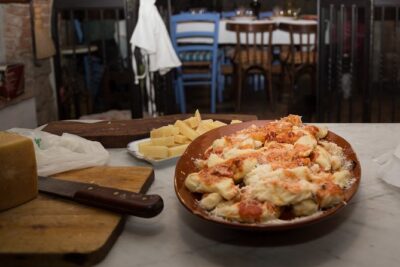
Cooking Class in a Secret Courtyard – Culurgiones (Sardinian Pasta)
Read our review →
Small group Pasta and Tiramisu at Local Home in Olbia
Read our review →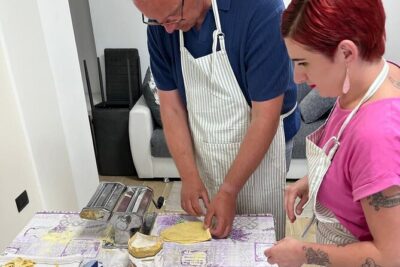
Cagliari Cooking Class: Sardinian Ravioli, Wine & Local Flavors
Read our review →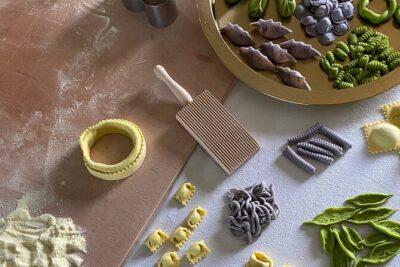
Blue Experience – Cooking Lesson ” Make Pasta , Live Longer “
Read our review →Lists this class appears in