
Review · ROME
Small-Group Pasta Making steps from the Vatican Museums
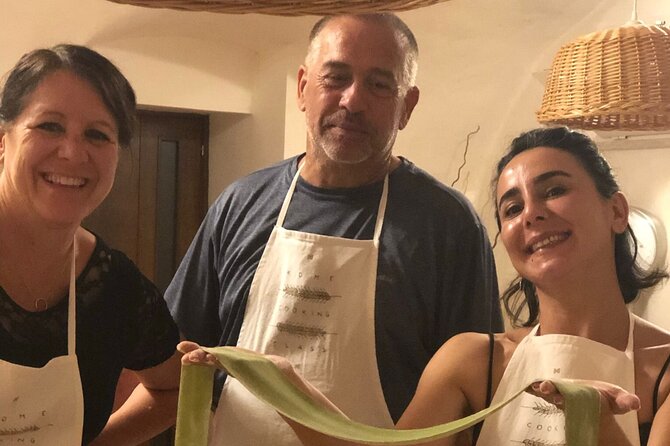
Fresh pasta is the main event here, but the setting gives the class extra flavor. You meet Romina in a former Vatican granary just a short walk from St. Peter’s Basilica, then work through green ravioli, fettuccine, and Roman sauces before sitting down to eat. It is a cooking lesson with a meal attached, not just a demonstration.
I like the small maximum of eight people, which gives Romina room to guide you and answer questions. I also like the easy timing choice: book lunch between Vatican visits or come back for dinner. The main consideration is that the class may feel more like an introduction than a full cooking workshop, since some guests spend more time watching than cooking.
Key points to know
- Former Vatican granary: The class takes place in a historic kitchen near St. Peter’s Basilica, making it easy to pair with a Vatican visit.
- Romina leads the class: Her patient, friendly teaching style is a major part of the experience.
- Two pasta dishes: You work with fresh dough for green ravioli and homemade fettuccine.
- Roman sauces and starters: The meal includes Amatriciana, bruschetta, seasonal ingredients, and a dessert.
- Food and wine included: Sparkling wine and nibbles begin the class, followed by local wine with the meal.
- Small group format: No more than eight people attend, though the hands-on time may be limited for some participants.
A pasta class beside St. Peter’s Basilica
The location is one of the strongest reasons to consider this experience. The meeting point is on Borgo Angelico, near the Vatican and within walking distance of St. Peter’s Basilica. You are not heading across Rome to a distant cooking school. Instead, you can fit the class neatly into a day focused on Vatican sights.
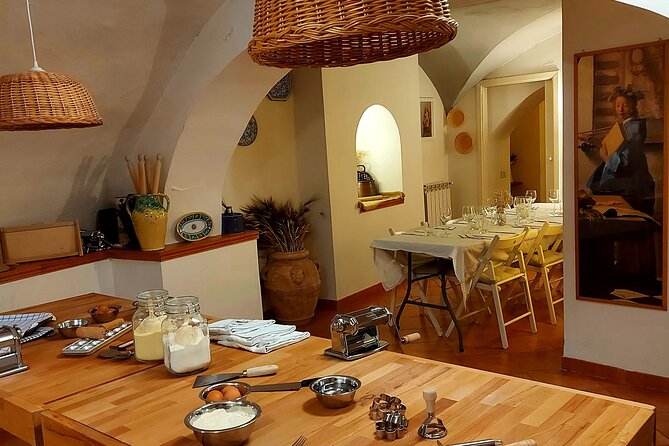
The kitchen occupies a building that once served as the Vatican granary. That detail gives the setting a useful sense of place without turning the class into a history lecture. You are learning about Roman food in a space tied to the city’s religious and civic past.
For many people, the timing will be especially handy. A lunch class can serve as a pleasant break after a morning at the Vatican Museums. A dinner class works well after a day of sightseeing, though you should allow enough time to reach the meeting point without rushing.
The activity returns to the same meeting point, so there is no complicated transfer at the end. Public transportation is nearby, but the information provided does not specify a particular station or route. Use the address on your booking confirmation and allow time to find the kitchen.
More Fresh Pasta Workshops in Rome
- Rome: Pasta Making Class with Wine, Limoncello, and Dessert
★ 4.9 · 3,177 reviews - Enjoy Spritz and Pasta Making in Piazza Navona
★ 5.0 · 1,681 reviews - Pasta Making & Wine Tasting with Dinner in Frascati from Rome
★ 5.0 · 1,326 reviews
Meeting Romina over sparkling wine and snacks
The class begins with a warm welcome, sparkling wine, and small nibbles. This is more than a polite opening. It gives the group time to settle in, meet one another, and get comfortable before the flour comes out.
Romina is central to the experience. Her teaching style is described as gracious, patient, and good-humored, and that matters in a cooking class. Fresh pasta can make even a confident home cook feel clumsy at first. A host who keeps the mood light helps you try, adjust, and try again.
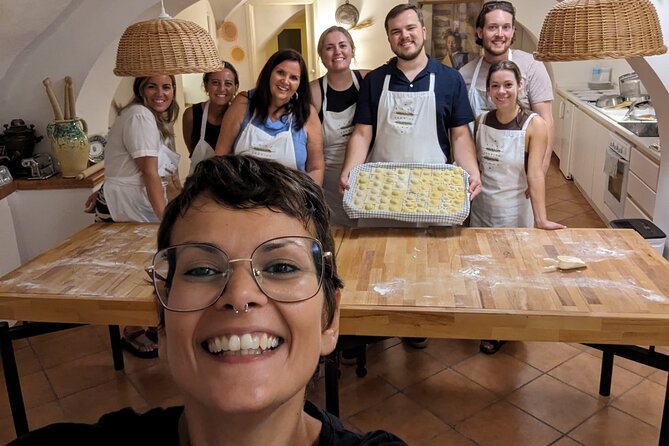
The group size is limited to eight people. That is small enough for the instructor to offer individual help, and it also gives you a chance to talk with the other cooks. One particularly appealing setup is a class shared by a few couples and small family groups, rather than a large room where you are watching from the back.
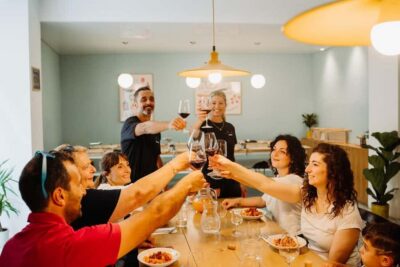
The social side is part of the value. You are not only following instructions. You are sharing wine, making food, and later eating at the same table. That makes the three hours feel like a Roman meal with a cooking lesson woven through it.
Making green ravioli and fettuccine
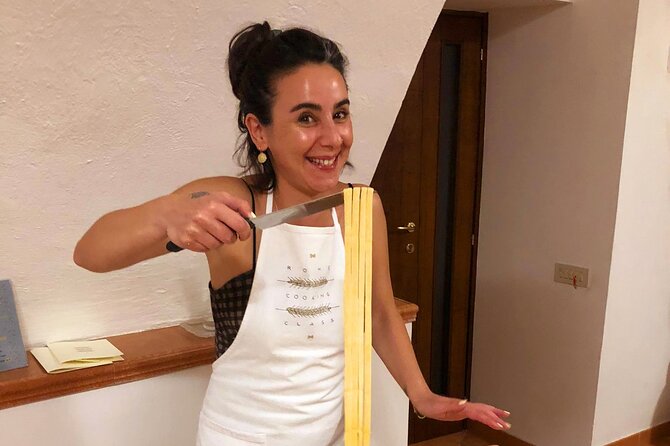
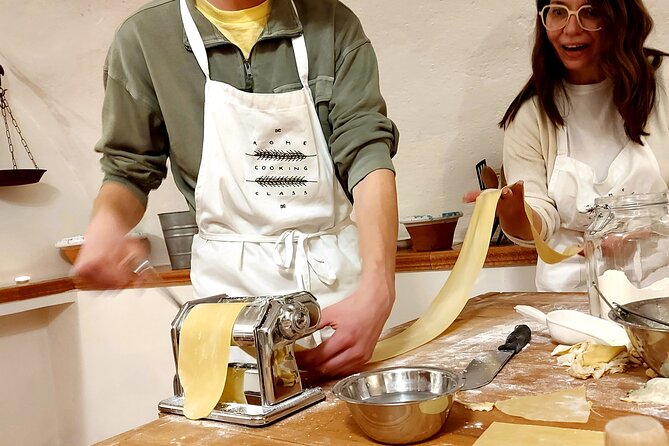
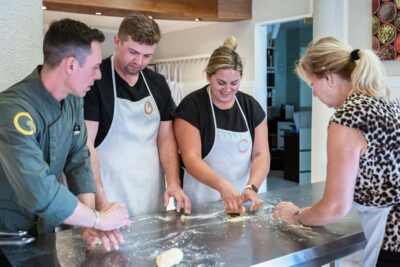
The practical work centers on fresh pasta dough. You learn how to make and roll the dough, then use it for green ravioli and homemade fettuccine. This gives you two different pasta shapes and two different ways to handle fresh dough.
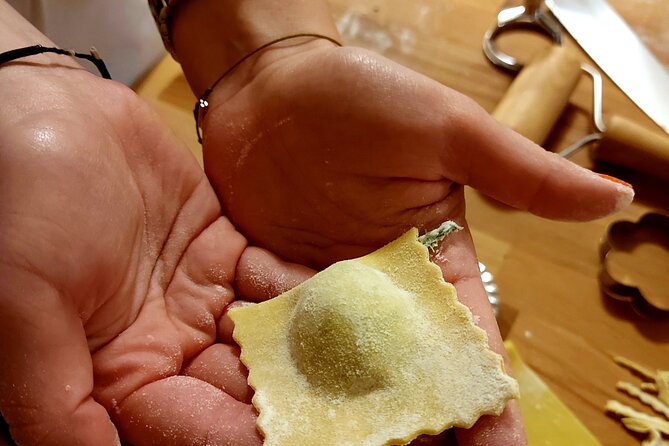
The green ravioli is filled with the ingredients listed for the class, including cheese and lemon zest, then served with fresh cherry tomato sauce and basil. The combination should appeal to cooks who like a lighter, fresher plate alongside the heavier Roman sauces.
You also prepare fettuccine with traditional Amatriciana sauce. Amatriciana is one of Rome’s best-known pasta preparations, built around a bold tomato flavor and a savory finish. Here, the value is not only in eating it. You get to see how fresh pasta changes the texture of a familiar Roman dish.
The meal also includes bruschetta with cheese, roasted peppers, and olives. This gives you something to eat while the pasta work is underway and adds a simple starter to the menu. Dessert is either tiramisù or strawberries and cream.
One point deserves careful attention. The class description presents a full menu, but the hands-on work may not cover every item equally. The clearest practical expectation is that you make the pasta dough and shape the pasta, while Romina handles some of the sauce preparation and cooking.
That arrangement works well if you want guidance without spending three hours at the stove. It may disappoint you if your main goal is to make every sauce and cook every course yourself. One participant felt that only about 25 minutes of the class was directly hands-on and would have preferred to perform each step at the same time as the instructor.
So, think of this as an introductory pasta-making class with a hosted meal, not a professional kitchen workshop. You will learn useful techniques, but you may spend a good part of the session listening, watching, and waiting for the pasta to cook.
Roman sauces, seasonal food, and useful kitchen lessons
The class aims to explain Italian food culture as well as teach recipes. Romina shares practical tips and historical context while guiding you through traditional Roman dishes such as Amatriciana, Cacio e Pepe, and Carbonara.
The available menu specifically includes Amatriciana with the fettuccine. Cacio e Pepe and Carbonara are presented as part of the Roman cooking focus, but the information does not confirm that both are prepared during every class. Keep that distinction in mind when you book.
Seasonal ingredients are used for the starters. That matters because Italian home cooking often depends less on a long ingredient list and more on using a few good items at the right time. The class gives you a taste of that approach through bruschetta, roasted peppers, olives, cheese, tomatoes, and basil.
You also receive a recipe booklet at the end. That is a useful touch for anyone hoping to repeat the experience at home, although the booklet may not include every pasta dish made during the class. If you want to recreate both the ravioli and the fettuccine, ask Romina for any missing instructions before you leave.
Same flour, a different shape to roll:
- 3 in 1 Cooking Class near Navona: Fettuccine, Ravioli & Tiramisu
★ 5.0 · 7,376 reviews - Rome: Pasta & Tiramisu Class with Fine Wine by the Vatican
★ 4.9 · 4,852 reviews - Rome Cooking Class: Make Pasta and 3 Spritz Cocktails
★ 5.0 · 2,937 reviews - Rome: 3-in-1 Fettuccine, Ravioli, and Tiramisu Cooking Class
★ 4.9 · 2,704 reviews
The meal is part of the lesson
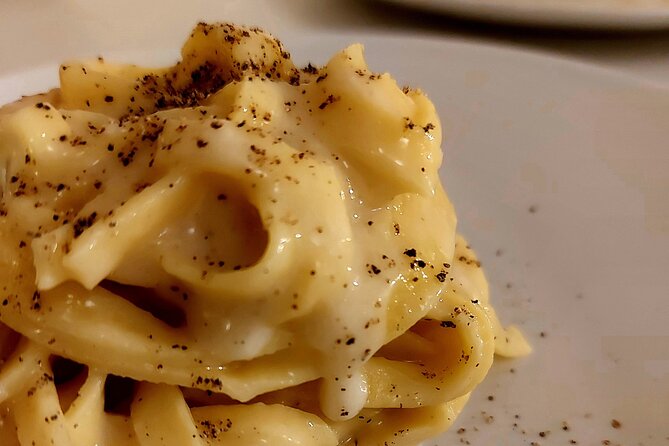
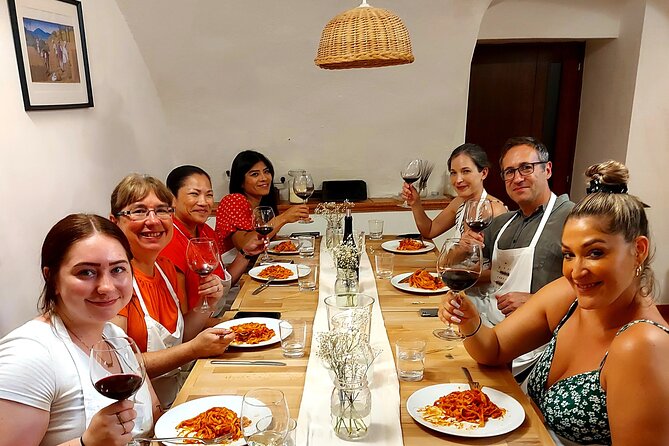
After the cooking, you sit down to eat the food you helped prepare. This is where the class earns much of its appeal. You are not carrying a box of uncooked pasta away or watching a chef serve a dish you never touched. You get to taste the result with local wine and continue the conversation around the table.
The meal includes the green ravioli, fettuccine with Amatriciana, bruschetta, and dessert. Sparkling wine begins the experience, and carefully selected local wine accompanies the meal. For a visitor, this makes the class feel closer to a hosted Roman lunch or dinner than a quick instructional stop.
The food is also a good reason to book this instead of a standard restaurant meal. You get familiar Roman flavors, but you see how the dishes come together and learn enough to try them again. The combination of making and eating gives the meal more meaning.
Families may find this especially rewarding. Children who are old enough to work with dough can take part, and the class has a relaxed social format. One family found that the children enjoyed it more than any other meal in Rome and later planned to hold a pasta-making party at home.
Couples and friends should also enjoy the format. You can work together, meet other people at the table, and leave with a shared activity rather than another restaurant reservation. The three-hour length gives the meal room to unfold instead of forcing everything into a short demonstration.
Is $96.12 a fair price?
At $96.12 per person, this is not a budget meal. You are paying for instruction, ingredients, sparkling wine, nibbles, wine with the meal, a starter, two pasta preparations, and dessert. The location near the Vatican also makes the experience easy to add to a sightseeing day.
The value depends on what you want from a cooking class. If you mainly want an enjoyable Roman meal in a small group, with some pasta-making and a friendly host, the price is reasonable. You are getting several hours of activity rather than paying restaurant prices for one course.
If you measure value by how many minutes you spend cooking, be more cautious. The class is not fully hands-on from start to finish. Some of the sauces and cooking are handled by Romina, and the focus is on learning the basic pasta process rather than preparing every dish independently.
I would recommend it most strongly to someone who values food, conversation, and a convenient Vatican location together. A serious home cook looking for detailed instruction on dough, fillings, sauces, and timing may want a more technical class.
The high rating and strong recommendation rate fit the experience’s main strengths: Romina, the welcoming kitchen, the food, and the chance to eat what you make. The one less enthusiastic assessment is useful because it points to the only real mismatch: hands-on expectations.
Lunch between Vatican visits or dinner after sightseeing
A lunch session is a smart choice if you have a Vatican Museums visit in the morning. The kitchen is only a short walk from St. Peter’s Basilica, so the class can give you a proper meal and a change of pace after museum rooms and church interiors.
Do not treat the class as a quick stop between tightly scheduled tickets. It lasts about three hours, and the meal is part of the experience. Build in enough time to enjoy the food and conversation.
Dinner is better if you prefer a slower evening activity. You can spend the day seeing Rome and then settle into the kitchen without trying to fit another major sight afterward. Since the class ends where it begins, you can make your onward plans from the same central area.
The activity is offered in English, so you can follow the instructions and ask questions directly. Confirmation is provided at booking, and free cancellation is available if you cancel at least 24 hours before the start time. Changes or cancellations inside that 24-hour window are not accepted for a refund. The class also requires a minimum number of participants, so a cancellation by the provider may result in another date, another experience, or a full refund.
Who will enjoy this pasta class most?
I would choose this experience for:
- First-time cooking-class participants who want a relaxed introduction to fresh pasta.
- Couples and friends looking for a social Roman evening.
- Families with children who enjoy making food together.
- Vatican visitors who want a convenient lunch close to St. Peter’s Basilica.
- Food-focused visitors who prefer a meal with a story and some participation.
- Home cooks who want basic pasta skills and inspiration for a future meal.
I would pause before booking if you want every participant to prepare every course from beginning to end. The class offers instruction and participation, but it does not promise that you will make all the sauces, starters, and desserts yourself.
Should you book it?
Book this class if you want a friendly, well-located introduction to Roman cooking, especially if Romina’s warm teaching style and the shared meal appeal to you. The small group, former Vatican granary, fresh pasta, wine, and easy pairing with Vatican sightseeing make it a strong choice for many visitors.
Go in with the right expectation. You are signing up for a social pasta lesson and a generous meal, not an intensive chef-training session. If you are comfortable watching some steps while taking part in the dough and pasta work, the $96.12 price can be worthwhile. If you need constant hands-on instruction, ask for more detail before booking.
FAQ
Where does the pasta-making class meet?
The meeting point is on Borgo Angelico, 00193 Rome, Italy, near St. Peter’s Basilica and the Vatican.
Where does the experience end?
The class ends back at the meeting point.
How long does the experience last?
The activity lasts approximately three hours.
Is the class offered in English?
Yes. The experience is offered in English.
How many people can join the class?
The group has a maximum of eight travelers.
Is lunch or dinner available?
Yes. You can choose a lunch or dinner class to fit your schedule.
What food is included?
The sample menu includes green ravioli, homemade fettuccine with Amatriciana sauce, bruschetta, and either tiramisù or strawberries and cream.
Are drinks included?
Yes. The experience begins with sparkling wine and nibbles, and local wine is served with the meal.
Can I cancel for a full refund?
Yes, if you cancel at least 24 hours before the experience start time. Cancellations made less than 24 hours before the start time are not refunded.
More Small Group Pasta Classes in Rome
- Rome Small Group Pasta Making Class with Wine and Italian Chef
★ 5.0 · 295 reviews - Rome Cooking Class: Gelato and Fettuccine Small Group Experience
★ 5.0 · 128 reviews - Rome: Small Group Pasta cooking class near Piazza Navona
★ 4.9 · 8 reviews - Traditional Pasta Cooking Class with Tiramisu Small Group
★ 5.0 · 7 reviews
Fresh off the board around Rome
- Spritz and Pasta! Spritz, Fettuccine & Tiramisù★ 5.0 · 2 reviews
- Trastevere Food Tour with Pasta-Making Class★ 5.0 · 5 reviews
- Rome: Pasta and tiramisu class with wine pairing at Come Na Vorta★ 5.0 · 30 reviews
- Traditional Pasta Cooking Class with Tiramisu Small Group★ 5.0 · 7 reviews
- Top Class in Fettuccine, Ravioli, and Tiramisu★ 5.0 · 7 reviews
- The Pasta Factory Class★ 4.5 · 21 reviews
- The Original Fettuccine Alfredo Experiences in Roma★ 4.5 · 38 reviews
- Italian Pasta & Dessert Class in Historic Center (3-Course Meal)★ 5.0 · 2 reviews
Fresh Pasta Workshops, class by class.
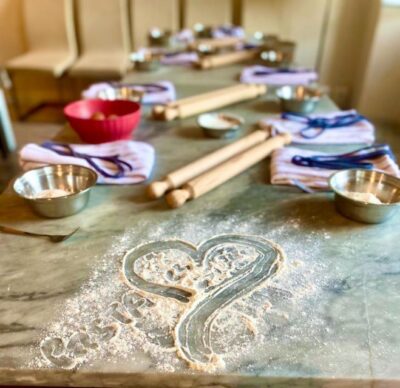
Pasta Making Class with Wine, Limoncello, and Dessert
Read our review →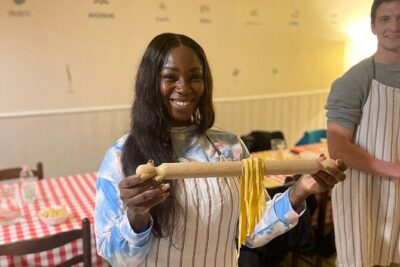

Enjoy Spritz and Pasta Making in Piazza Navona
Read our review →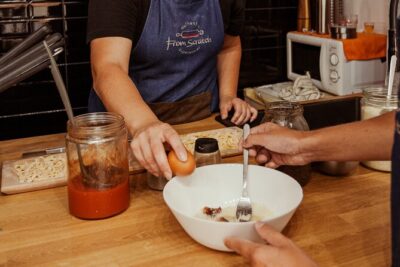
Pasta Making & Wine Tasting with Dinner in Frascati from Rome
Read our review →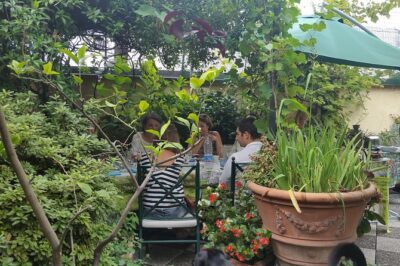
The Secrets to Learn Fresh Pasta and Tiramisù in a Glam Home
Read our review →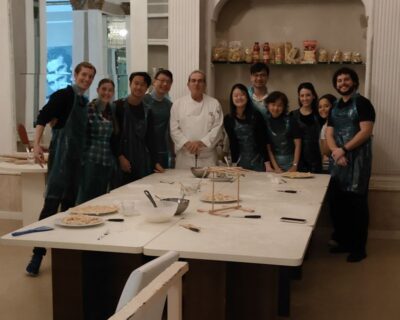
Handmade Pasta & Dessert Class with Unlimited Wine
Read our review →Lists this class appears in