
Review · FLORENCE
Premium Pasta and Gelato Cooking Class in Florence
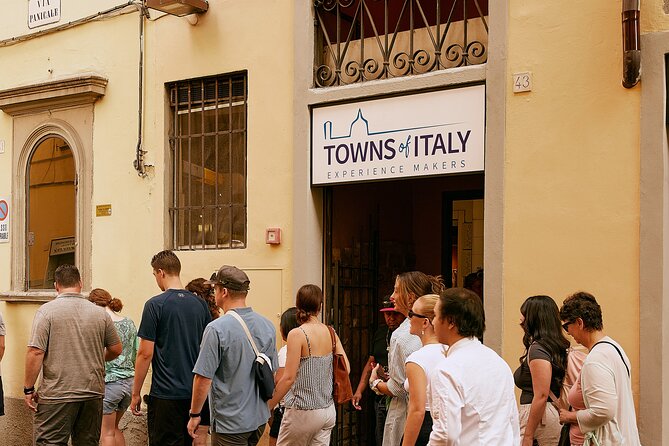
Fresh pasta is the real star here. In about three hours, you work with dough, shape filled ravioli, cut tagliatelle, and sit down to eat what you made. The class takes place at Towns of Italy on Via Panicale, a handy location near public transportation.
I like the beginner-friendly teaching and the fact that you get two pasta shapes rather than one. I also like the wine, digital recipe booklet, and graduation certificate, small touches that make the class feel like an event rather than just a meal.
The main point to understand before booking is the gelato. It is included as a chef-led demonstration, not always as a hands-on project, and sauces may also be demonstrated rather than prepared by every participant. That difference matters if you are booking mainly to make gelato yourself.
Key Points at a Glance
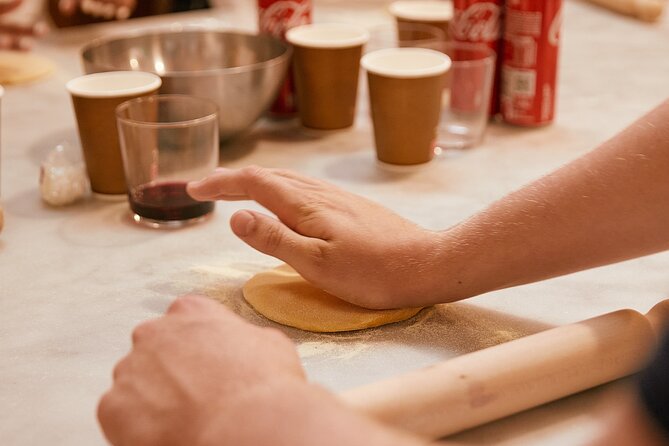
- Two fresh pasta projects: Make tagliatelle and filled ravioli from scratch, then eat them with sauces such as pesto, tomato, or a creamy regional recipe.
- Gelato is demonstrated: You learn the process and taste the result, but the gelato portion is not always hands-on.
- A relaxed three-hour format: Choose an afternoon or evening session, with wine for adults and soft drinks for children.
- Friendly, lively instruction: Past instructors have included John, Roberta, Lisa, Victoria, Alice, Alicia, and others, so the exact teaching style can vary.
- Useful take-home extras: You receive digital recipes and a graduation certificate.
- Important food limits: Vegetarian participation is supported with advance notice, but the class is not suitable for people with celiac disease.
Turning Flour Into Dinner in Central Florence
This class gives you one of the most satisfying kinds of Florence souvenirs: a skill you can use at home. You are not just watching a chef plate pasta. You handle the dough, learn how it should feel, and see how a simple mixture of flour and eggs becomes dinner.
The class centers on two pasta dishes. First comes filled pasta, generally ravioli made with a filling prepared from scratch and paired with a sauce chosen to suit it. Then comes tagliatelle, cut from fresh dough and served with a seasonal sauce. Depending on the session, that sauce may be pesto, pummarola, or a creamy regional preparation.
That menu works well for beginners because each shape teaches a different lesson. Ravioli requires care with filling, sealing, and avoiding trapped air. Tagliatelle is more forgiving and lets you practice rolling and cutting. You get a useful introduction to both the delicate and practical sides of pasta making.
The final dish is gelato, usually vanilla or chocolate. The chef explains the process and prepares it as a demonstration. You may taste the finished dessert, but do not book this class expecting every participant to churn a separate batch.
More Gelato Making Classes in Florence:
- Florence Pizza or Pasta Class with Gelato Making at a Tuscan Farm
★ 5.0 · 6,801 reviews - Florence: Pizza or Pasta Class with Gelato at a Tuscan Farm
★ 4.9 · 1,181 reviews - Florence: Premium Pasta and Gelato Cooking Class
★ 4.9 · 877 reviews
What the Three Hours Actually Look Like
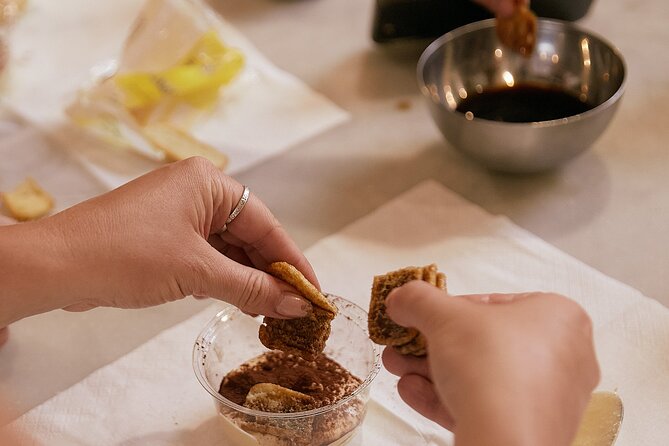
The advertised duration is about three hours, though individual sessions can run a little longer. The pace depends on the group, the instructor, and how much time is spent answering questions or helping at the worktables.
You begin at the Florence cooking school on Via Panicale 43/r. The activity starts and ends at this same meeting point, so you do not need to arrange transport between a kitchen and a restaurant. The location is near public transportation, but transport to and from the school is not included.
The chef introduces the ingredients and the basic method before the hands-on work begins. This is where a good instructor makes a big difference. Several instructors named in the feedback, including John, Roberta, Lisa, Victoria, Alice, Alicia, and others, were praised for being patient, funny, and clear. The instructor assigned to your session may be different, so you should expect a shared teaching style rather than a guaranteed particular chef.
After the dough is made, you work through the two pasta shapes. The best part of the class is the correction you get while your hands are on the dough. You can watch a recipe online, but a chef can show you when the dough is too dry, when a ravioli edge needs more pressure, or when pasta has been rolled thin enough.
The group size can reach 20 people. That is large enough to create a social evening, but it also means you may not receive constant individual attention. The smaller sessions described in the feedback, including one group of about 12, were especially suited to personal guidance. If your class is full, expect to share equipment and wait briefly at some stages.
Once the pasta is ready, the group sits down to eat. The pleasure comes from knowing exactly how the food was made. It is also a useful chance to compare your finished pasta with the chef’s example and ask last-minute questions.
Ravioli, Tagliatelle, and the Sauces
The filled pasta portion gives you the most direct lesson in Italian technique. You prepare the filling, place it carefully, fold the dough, and seal the edges. Too much filling can split the pasta. Too little can leave it flat and dull. The chef’s help is most useful here, especially if you have never worked with fresh dough.
Tagliatelle offers a different kind of practice. You roll the dough and cut it into long ribbons. The finished pasta is commonly paired with pesto, tomato sauce, or a creamy regional sauce, with the exact choice depending on the class.
One detail to keep in mind: not every sauce may be made by every person at the table. Several comments praised the finished food but noted that the sauces were taught by demonstration rather than prepared hands-on by the group. If you want a class focused on making sauces from the first chop to the final simmer, ask for clarification before booking.
The menu is suitable for vegetarians if you notify the provider in advance. The class is not suitable for people with celiac disease. Food intolerances and allergies should be reported before the session, not when you arrive.
The Gelato Lesson Requires Clear Expectations
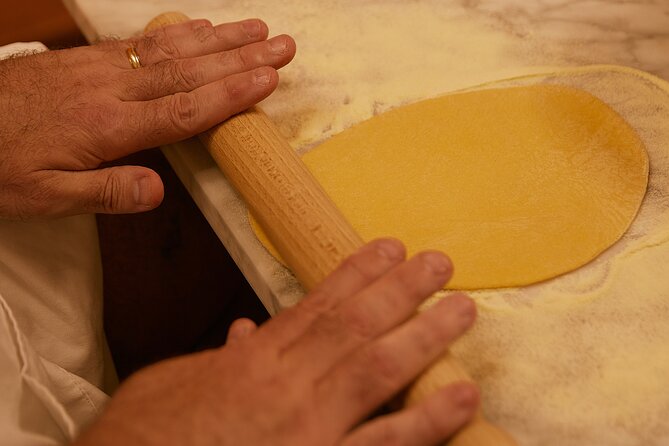
The gelato demonstration is the one part of the experience that needs careful explanation. The class includes gelato, but the listed format is a demonstration. In practical terms, the chef shows how the mixture is made and discusses the process, then you taste the dessert.
Some descriptions of the class make it sound like a full pasta and gelato workshop. That can lead to disappointment if you are expecting to measure, mix, and freeze gelato yourself. I would book it for the pasta first and treat the gelato as a useful extra.
The dessert is generally Italian vanilla or chocolate gelato. The chocolate version has been described as decadent, while the vanilla offers a simpler test of texture and flavor. You may also receive advice about good local gelato shops, though recommendations can vary by instructor.
For many people, the demonstration is enough. Gelato production involves equipment, chilling time, and a different workflow from pasta. Keeping it as a chef-led segment allows the class to cover two pasta dishes within the three-hour schedule. Still, the distinction should be clear before you pay.
More pasta classes around Florence:
- Florence: Pasta Cooking Class with Unlimited Wine
★ 4.9 · 10,285 reviews - Florence: Pasta & Tiramisu Cooking Class with Unlimited Wine
★ 4.9 · 6,708 reviews - Florence: Pasta Cooking Class with Unlimited Wine
★ 5.0 · 6,413 reviews - Pastamania – Florence Pasta Making Class
★ 5.0 · 3,050 reviews
Wine, Certificates, and Recipes
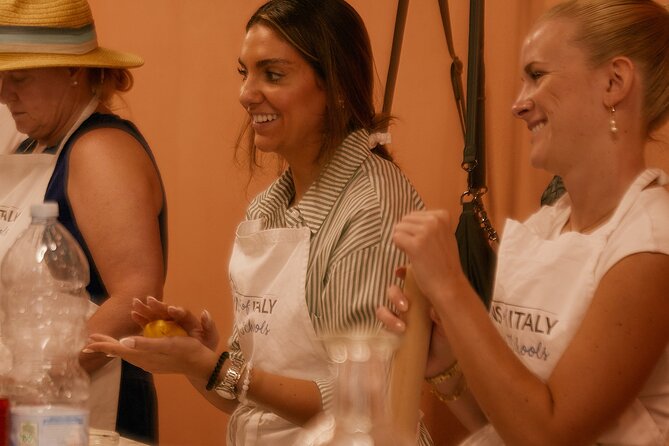
Wine is included for adults, and soft drinks are available for children. The drinks help turn the meal into a relaxed social occasion, especially in the evening class. You should not think of the wine as a major part of the value, but it is a pleasant inclusion when comparing this class with similar cooking activities.
At the end, you receive a graduation certificate. It is a lighthearted souvenir, not a professional qualification, but children and families often enjoy the ceremony. The digital recipe booklet is more useful in the long run. Save it somewhere easy to find before returning home, because the real value of a cooking class is being able to repeat the dishes in your own kitchen.
The recipes also give you a framework rather than just a list of ingredients. You learn how the dough should behave, how the pasta is shaped, and how the sauce should complement it. That practical knowledge is what helps a first-time pasta maker feel ready to try again.
A Class That Can Be Fun, but Depends on the Chef
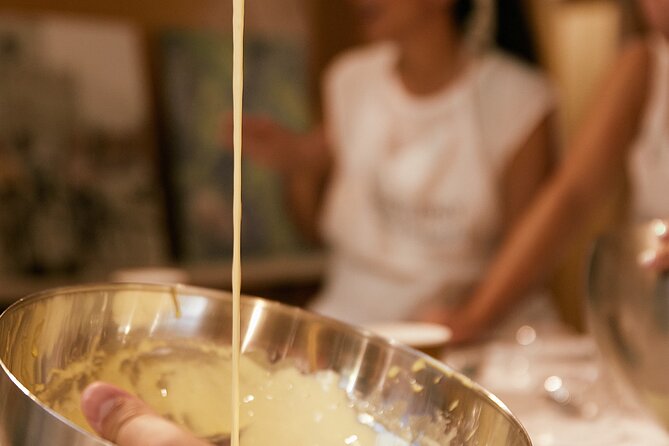
The strongest sessions seem to combine instruction with humor. Chefs such as Lisa, Roberta, John, Victoria, and Alicia have been praised for making people laugh while still explaining the cooking clearly. One especially successful class was described as both personal and homey, with about 12 people and plenty of wine during the evening.
That tone matters. Pasta making involves repetition, and a warm instructor can keep the room involved while dough rests or pasta is cut. Children can take part, and several families found the activity enjoyable for younger cooks.
The experience is not guaranteed to feel the same with every chef. One negative account described an argumentative and disengaged instructor, while another found the class boring for adults and children alike. Those comments are a small minority beside the overall five-star rating and 99 percent recommendation, but they point to a real issue: the quality of the class depends heavily on the person leading it.
The exact chef is not promised when you book. If you have a particular instructor in mind because of a prior recommendation, confirm availability rather than assuming that person will teach your session.
Choosing Afternoon or Evening
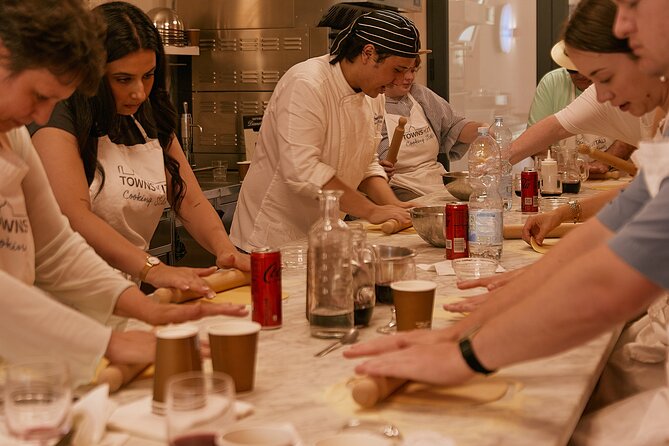
The choice of afternoon or evening gives you useful flexibility. An afternoon class fits well on a day when you want a substantial meal before an evening stroll. It can also be easier for families with younger children.
The evening class has a more social feel. Wine is flowing, the finished meal replaces dinner, and the cooking becomes part of the night’s entertainment. If you want a relaxed date activity or a shared experience with a sister, spouse, or friends, the evening timing may suit you best.
Allow extra time around the three hours. The official duration is approximate, and the group may take longer to finish, eat, and receive certificates. Do not schedule a tight museum reservation immediately afterward.
Is $62.30 a Fair Price?
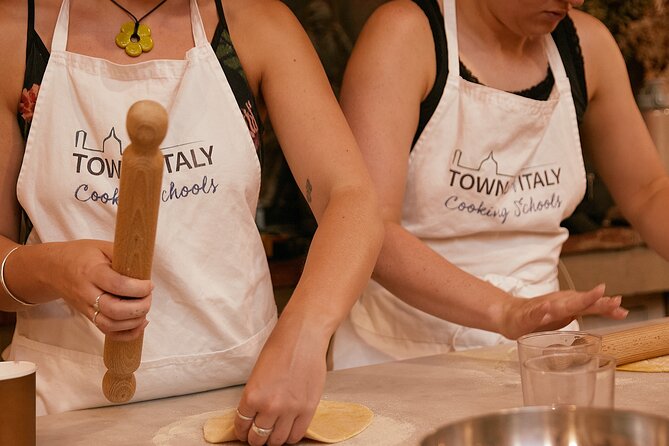
At $62.30 per person, the price is reasonable if you value the instruction and the meal together. You receive a professional-led class, two fresh pasta dishes, a gelato demonstration, drinks, digital recipes, and the chance to eat the results. A restaurant meal alone would give you the food, but not the skill or the hands-on activity.
The value is strongest for first-time pasta makers. You are paying for correction, timing, and the confidence to repeat the process at home. The digital recipe booklet adds something lasting, while the certificate makes the evening feel more memorable for families.
The value is weaker if you mainly want to make gelato or sauces by yourself. The class does not promise a fully hands-on gelato workshop, and sauce preparation may be partly demonstrated. In that case, compare it with a class that focuses on one subject in greater depth.
There is also the question of group size. A class of 12 may feel worth more than a class of 20 because you can receive more direct help. Even so, the price remains fair for a central Florence activity that includes dinner and drinks.
Who Should Book This Florence Cooking Class?
I would recommend it to first-time pasta makers, couples, families, and friends who want an activity with a meal at the end. It is especially good for people who learn by doing and want practical advice they can use at home.
It also suits vegetarians with advance notice. Children and teenagers under 18 can join, but they must be accompanied by at least one adult. The family-friendly format is supported by the chance for children to make pasta themselves, though younger children may find a long demonstration less engaging.
You should think twice if you have celiac disease, since the class is not suitable. You should also reconsider if you dislike group activities, need a quiet cooking lesson, or want every dish and sauce to be prepared entirely by your own hands.
Pets are not permitted. The activity is offered in English, and confirmation is sent at booking. You can cancel for a full refund up to 24 hours before the local start time. Changes or cancellations made inside that window are not accepted and are not refunded.
My Verdict: Book for the Pasta, Enjoy the Gelato
This is a practical and cheerful Florence activity with a strong focus on fresh pasta. The best reasons to book are the two pasta shapes, the chance to eat your work, the take-home recipes, and the instructors who turn a basic lesson into a fun evening.
Book it with clear expectations. The gelato is a demonstration, not necessarily a hands-on project, and sauces may be shown rather than made by the whole group. If that sounds fine, $62.30 buys you a useful skill, a meal, wine or soft drinks, and a memorable few hours near the center of Florence.
FAQ
How long does the pasta and gelato class last?
The class lasts approximately three hours, though the exact timing can vary. The activity begins and ends at the Towns of Italy cooking school on Via Panicale 43/r in Florence.
Is the gelato hands-on?
The gelato portion is a chef-led demonstration. You should not assume that each participant will make a separate batch of gelato.
What pasta dishes are included?
The class includes filled fresh pasta, generally ravioli, and fresh tagliatelle. Sauces may include pesto, pummarola, or a creamy regional recipe, depending on the session.
Is the class suitable for vegetarians?
Yes. Vegetarian participation is supported, but you should inform the provider in advance.
Can children join the class?
Yes. Children and teenagers under 18 must be accompanied by at least one adult. Soft drinks are available for children.
Can I cancel for a full refund?
You can cancel at least 24 hours before the local start time for a full refund. Cancellations or changes made less than 24 hours before the experience are not accepted and are not refunded.
Fresh off the board around Florence
- Hands on Deluxe Traditional 4-course dinner with fresh pasta★ 5.0 · 15 reviews
- The Art of Pasta and Wine Tasting with Local Sommelier★ 5.0 · 16 reviews
- Vegan Cooking Class in Florence: Pasta Making & Wine!★ 5.0 · 2 reviews
- Gluten free pasta and dessert class 6 guests max★ 5.0 · 2 reviews
- Tuscan Pasta Masterclass Small-Group Cooking Experience★ 5.0 · 17 reviews
- Cooking class and home made pasta in Florence with LA VIVANDIERA!★ 5.0 · 5 reviews
- MaMa Florence: The Art of Corzetti – Hands-On Pasta Class★ 5.0 · 15 reviews
- Hands-On Pasta Making Class in Central Florence with Patrizia★ 5.0 · 5 reviews
Gelato Making Classes, class by class.
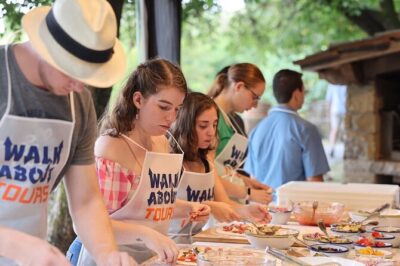
Florence Pizza or Pasta Class with Gelato Making at a Tuscan Farm
Read our review →
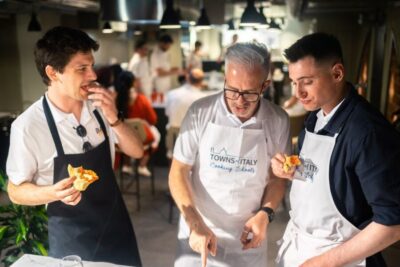
Pizza or Pasta and Gelato-Making Class with Wine
Read our review →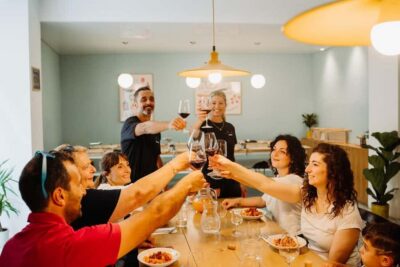
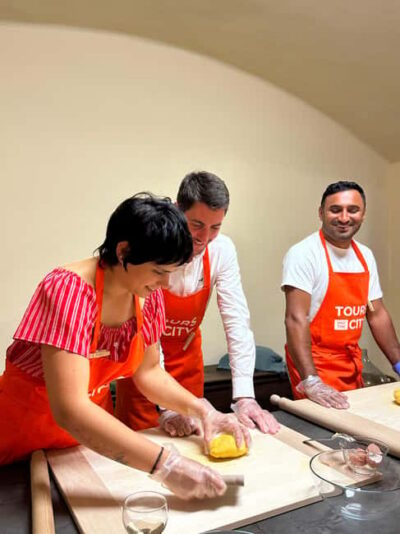
Pasta Cooking Class, Ragu, Spritz, Wine & Gelato
Read our review →
Super Fun Pasta & Gelato Class by Vatican with Wine + Oil Tasting
Read our review →
Milan Culinary Experience: Pasta & Gelato or Tiramisù Class
Read our review →
Pasta, Ravioli, and Gelato Class in a Glamorous Home
Read our review →Lists this class appears in