
Review · ROME
Pasta Making and Tiramisù Cooking Class in Rome
Fresh pasta and tiramisu make a fine Roman evening, especially when you get to knead the dough yourself and eat the results soon after. This class takes place near Piazza Navona, beginning with Prosecco and Italian antipasti, then moving through pasta, sauces, dessert, and dinner.
I like the practical format: you learn two pasta shapes, two Roman sauces, and a tiramisu you can repeat at home. I also like the friendly teaching style, with instructors such as Simone, Marco, Alessandro, David, and Sara praised for patience, humor, and clear directions.
The main caution is space and sound. The cooking school may run two classes at once, and one account found the kitchen tight and hard to hear in. The maximum is 15 people, but the feel can vary by chef, group size, and the evening’s setup.
Key Points at a Glance
- Two pastas, two sauces: You work with fresh dough and learn classic Roman sauce techniques rather than simply watching a demonstration.
- Tiramisu is part of the lesson: The dessert is made during the class, not added as an afterthought.
- Dinner is included: You sit down to eat your pasta and tiramisu with wine, soft drinks, and bottled water.
- Central Rome setting: The meeting point is on Corso del Rinascimento, close to Piazza Navona and public transportation.
- Friendly, hands-on instruction: Chefs including Simone, Marco, Alessandro, David, and Sara are praised for humor, patience, and useful cooking tips.
- Good family option: Children as young as 6 and 10 have taken part successfully with their families.
Making Pasta Near Piazza Navona
This is not a sightseeing tour with a quick cooking stop. It is a focused food class in central Rome, held in a cooking school described as occupying a charming 17th-century building.
You meet at Corso del Rinascimento 65, near Piazza Navona. The class is scheduled to begin at 5:30 pm and lasts about two and a half hours. The school may be a short walk from the initial meeting point, so read the directions carefully and allow a little extra time. The cooking activity ends back at the meeting point.
The location works well for an evening plan. You can spend the afternoon around the Pantheon or Piazza Navona, arrive for class, then finish with dinner already taken care of. Since the class itself includes a full meal, you do not need to squeeze in a restaurant reservation afterward.
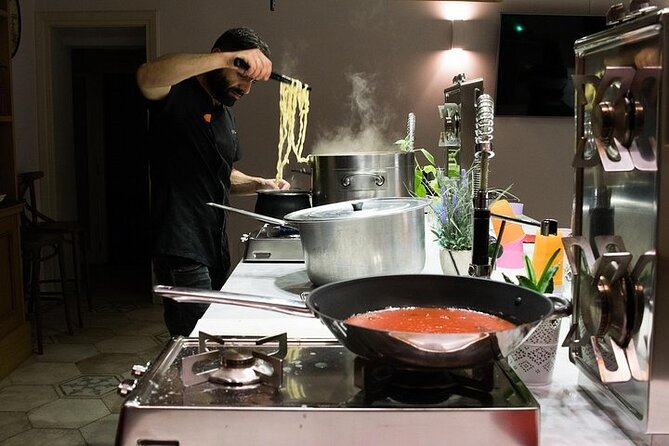
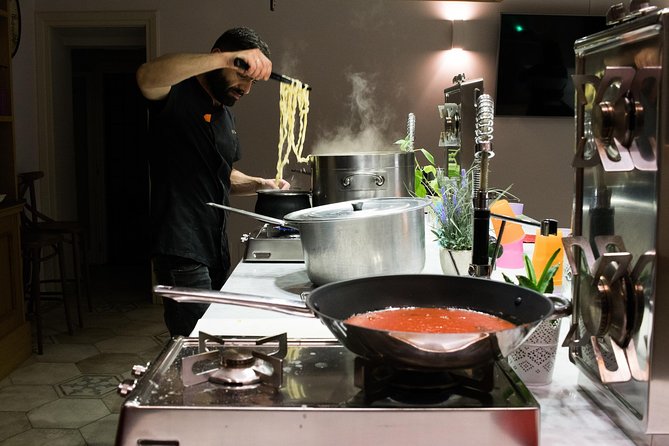
The room has professional-grade equipment and a proper kitchen setup. That matters because you are not simply mixing ingredients at a table. You knead and shape the dough by hand, work through the cooking process, and see how the sauces come together.
More Fresh Pasta Workshops in Rome
- Rome: Pasta Making Class with Wine, Limoncello, and Dessert
★ 4.9 · 3,177 reviews - Enjoy Spritz and Pasta Making in Piazza Navona
★ 5.0 · 1,681 reviews - Pasta Making & Wine Tasting with Dinner in Frascati from Rome
★ 5.0 · 1,326 reviews
Prosecco, Antipasti, and a Gentle Start
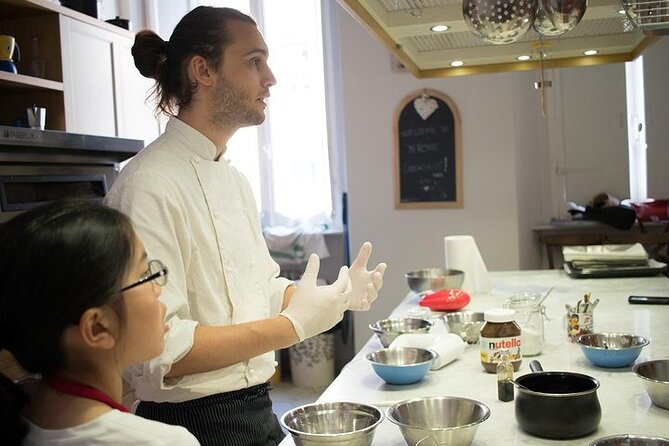
The evening begins with a glass of Prosecco, light refreshments, and Italian appetizers. This opening gives the group time to settle in before the flour appears. It also takes the edge off the first few minutes, when you may be meeting the people at your table.
The class is taught in English by a local chef. The teaching style is meant to be relaxed and social, with step-by-step instructions rather than a formal culinary lecture. Chefs such as David and Alessandro have been praised for keeping the pace clear and making beginners feel comfortable.
You do not need advanced kitchen skills. The class suits someone who has never made pasta, but it can still be enjoyable if you already cook. The useful part for experienced cooks is the explanation of why certain ingredients work together, how one base sauce can lead to several variations, and which substitutions make the recipes easier at home.
The opening drink and antipasti are modest rather than a separate meal. Think of them as a warm welcome before the main work begins. The substantial eating comes later, after the pasta has been made and cooked.
Kneading Dough and Shaping Two Pastas
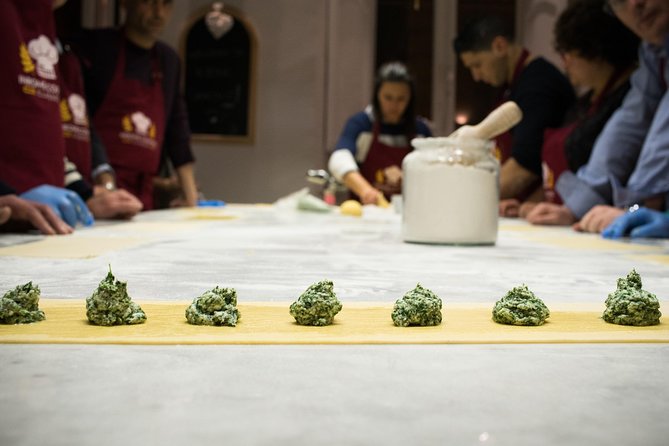
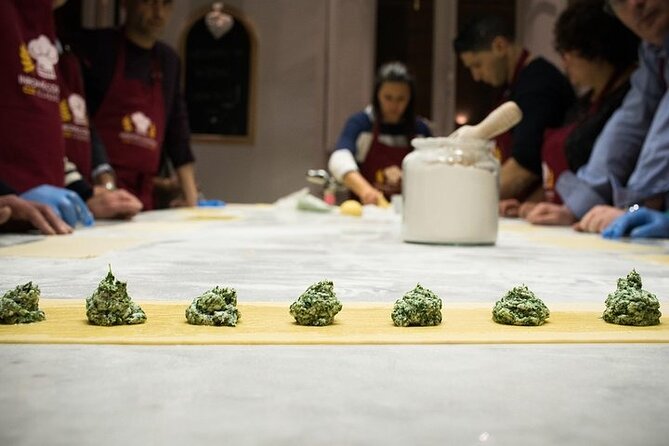
The central lesson is hands-on fresh pasta. You knead the dough by hand, then shape two types of pasta. The exact pair may vary, but examples from the class include spaghetti, fettuccine, and ravioli.
This is where the class earns its keep. You feel the dough change under your hands, learn how it should look, and get direct help when the texture is not quite right. A chef can correct a sticky or firm dough far more usefully than a recipe card can.
The class also gives you a sense of proportion and technique. You learn how the ingredients interact, how to handle the dough, and how to form the pasta without treating every step as a mysterious Italian secret. That makes the recipes more useful once you return home.
Families should note that children have done well in this setting. One family brought children aged 6 and 10, while another included children aged 10 and 13. The work is tactile and social, though younger children will need adult help and attention.
The pasta-making stage may feel crowded if two classes are running in the same kitchen. One poor experience found the room loud and difficult to follow, even with the instructor nearby. That appears to be an exception rather than the normal pattern, but it is a fair concern if you need a quiet, spacious lesson.
Two Roman Sauces, Not Just One Recipe
You also prepare two traditional Roman pasta sauces. The point is not only to produce the evening’s meal, but to understand how Roman pasta depends on a few well-handled ingredients.
The class may go beyond the planned sauces when the group asks for it or when dietary needs require changes. One session included four sauces and allowed a participant to request an additional version. That flexibility will depend on the chef and the group, so do not treat it as guaranteed, but it shows that the instructors can adapt.
The lesson includes useful home-cooking advice. You may learn how to build different sauces from one base, how to adjust the preparation, and how to make substitutions when certain ingredients are hard to find. This is more valuable than a cooking class that produces a nice dinner but leaves you unable to repeat it.
The meal is cooked after the preparation is finished. Timing can vary, but one evening ran from 5:30 until about 8 or 8:30 pm. Plan your night around that window rather than booking a show or timed attraction immediately afterward.
More Tiramisu Classes in Rome
- 3 in 1 Cooking Class near Navona: Fettuccine, Ravioli & Tiramisu
★ 5.0 · 7,376 reviews - Rome: Pasta & Tiramisu Class with Fine Wine by the Vatican
★ 4.9 · 4,852 reviews - Rome: 3-in-1 Fettuccine, Ravioli, and Tiramisu Cooking Class
★ 4.9 · 2,704 reviews - Learn to Make Pasta & Tiramisu with Wine and Limoncello Included
★ 5.0 · 2,345 reviews
Tiramisu Made Before Dinner
Tiramisu gives the class a welcome change of pace. You prepare the creamy dessert while learning something about its background and method. It is a manageable recipe for beginners and a useful addition to the pasta lesson because you leave with both a main course and a dessert to recreate.
Several participants found the tiramisu surprisingly easy to make. That is good news if you want a recipe with a high chance of success at home. The class also covers ingredient choices and possible substitutions, which can help when your local shop does not carry the exact Italian product.
The dessert is prepared during the class, then served as part of the meal. You are not merely handed a finished portion. That small distinction makes the activity feel like a cooking lesson rather than a dinner with a token demonstration.
Sitting Down to Eat What You Made
Once the cooking is done, you move to an elegant dining room for a proper meal. The menu is essentially a two-course lunch or dinner: fresh pasta with the sauces you prepared, followed by homemade tiramisu.
Wine, soft drinks, and bottled water are included, along with the opening Prosecco. The meal is served in a social setting, and the dining portion gives you time to talk with the chef and the other people at your table.
The food quality depends on the group’s pace and the final cooking. Most accounts describe the meal as delicious, but one person found the pasta undercooked and average. That is worth keeping in mind. Hands-on classes are not restaurants with a separate kitchen team, and the final dish can reflect the group’s experience level.
Still, the included meal adds real value. At $119.77 per person, you are paying for instruction, ingredients, drinks, and dinner in a central Rome location. A comparable restaurant meal might cost less, but it would not teach you how to make the pasta or provide recipes for future use. A private cooking lesson would likely cost more, while a simple demonstration would offer less direct involvement.
The Chefs Make the Difference
The strongest part of this experience is the instructors. Simone is described as patient and kind, with a way of coaching each person through the process. Marco is praised for explaining how to make better noodles, answering questions, and handling allergy concerns carefully.
Alessandro is known for an engaging, funny teaching style. David has been praised for clear directions and patience, while Sara is described as cheerful, encouraging, and attentive to technique. Francesco brings humor and energy, and Fabio has worked successfully with a mixed-age family group. Max is noted for his passion and ability to keep the lesson interesting.
You may not get to choose your chef, so do not book based on one particular name. The useful takeaway is that the class has several instructors with a warm, social approach. The chef’s personality matters here because the evening involves a lot of conversation, group timing, and shared work.
The class can also be a pleasant way to meet English-speaking people while in Rome. Several sessions have brought together couples, families, solo visitors, and friends. If you prefer a silent, highly technical lesson, this may feel too social. If you like learning while chatting over wine, it should suit you well.
Group Size, Sound, and Comfort
The maximum group size is 15 people. In practice, the kitchen may use two chefs with as many as nine people per class, and some groups have been as small as eight.
That size allows direct help at the table, but it does not guarantee an intimate private lesson. A larger or split session can make the room feel lively. One dissatisfied participant found two classes in a tight space and had trouble hearing the instructor. The operator acknowledged the concern and explained that the cooking school uses a roughly 1,180-square-foot kitchen.
Most of the available feedback is very positive, but this practical warning should not be ignored. If you have hearing difficulties, dislike noise, or want a very calm class, ask about the group setup before booking if possible. It may also help to arrive on time so you are not trying to find your place after the instructions begin.
The school offers vegetarian and gluten-free options. Tell the provider about dietary needs when booking, and repeat the information at the start of class. One chef made a point of preventing cross-contamination for an allergy, but the details of accommodation are not specified, so you should confirm what can be done for your particular needs.
Who Should Book This Class?
I would choose this for couples looking for a shared evening activity, families wanting something more active than another museum, and solo visitors who enjoy meeting people over food. It is also a good fit if you want a Roman meal without spending the whole evening deciding where to eat.
Beginners should feel at home. The chefs explain each step, and the recipes are designed to be practical enough for home kitchens. Children can take part, but the class is still a two-and-a-half-hour activity, so younger children need adults who can help them stay involved.
This may not suit you if you want a private lesson, a quiet room, or a guaranteed specific chef. It also may not be the best choice for someone who wants an advanced culinary course. The emphasis is on fun, clear technique, social time, and a satisfying meal.
The central location is another plus. After class, you are already in one of Rome’s most walkable areas, with Piazza Navona nearby. Transportation is not included, but the meeting point is close to public transportation, and no hotel pickup is offered.
Booking Details and Value
The listed price is $119.77 per person. That includes the cooking lesson, food tasting, a two-course meal, bottled water, soft drinks, alcoholic drinks, and recipes for later use.
The price makes the most sense if you value both dinner and instruction. You are not paying only for a plate of pasta. You are paying for ingredients, kitchen access, an English-speaking chef, hands-on practice, drinks, and a prepared evening in a central location.
The activity is often booked well in advance, with an average booking lead time of 52 days. That suggests you should reserve ahead, especially if your Rome dates are fixed. Confirmation is sent within 48 hours, subject to availability.
Free cancellation is available if you cancel at least 24 hours before the start time. Changes or cancellations inside that window are not accepted for a refund. The experience is offered with a mobile ticket, which makes arrival simpler.
Should You Book It?
Book this class if you want to make real pasta, learn two sauces and tiramisu, then sit down to eat with wine in central Rome. The best reasons to go are the hands-on format, warm instructors, useful recipes, and the fact that dinner is built into the lesson.
I would hesitate only if you need a quiet room, guaranteed personal space, or a highly advanced course. The occasional crowding and sound issue is real, and the final pasta depends on the group’s cooking pace.
For most people, the combination of food, instruction, and an easy evening schedule makes $119.77 reasonable. You leave with a full meal, a better grasp of Roman pasta, and recipes that can bring a little Rome back into your own kitchen.
FAQ
Where does the cooking class meet?
The meeting point is Corso del Rinascimento 65, 00186 Rome, Italy.
What time does the class start?
The scheduled start time is 5:30 pm.
How long does the experience last?
The class lasts about two hours and 30 minutes. One session finished around 8 or 8:30 pm.
What language is the class offered in?
The class is offered in English and led by an English-speaking chef.
What food will I make?
You will make two types of fresh pasta, two authentic Roman sauces, and homemade tiramisu.
Is dinner included?
Yes. You eat the pasta and tiramisu you make during the class. The package includes a two-course meal, food tasting, and light refreshments.
Are drinks included?
Yes. The experience includes Prosecco, Italian appetizers, wine, soft drinks, bottled water, and other alcoholic beverages listed with the activity.
Are vegetarian and gluten-free options available?
Yes. Vegetarian and gluten-free options are available. You should provide your dietary information when booking.
How many people can attend?
The activity has a maximum of 15 participants.
Can I cancel for a full refund?
Yes, if you cancel at least 24 hours before the local start time. Cancellations or changes made less than 24 hours before the start are not accepted for a refund.
Fresh off the board around Rome
- Spritz and Pasta! Spritz, Fettuccine & Tiramisù★ 5.0 · 2 reviews
- Trastevere Food Tour with Pasta-Making Class★ 5.0 · 5 reviews
- Rome: Pasta and tiramisu class with wine pairing at Come Na Vorta★ 5.0 · 30 reviews
- Top Class in Fettuccine, Ravioli, and Tiramisu★ 5.0 · 7 reviews
- Traditional Pasta Cooking Class with Tiramisu Small Group★ 5.0 · 7 reviews
- The Pasta Factory Class★ 4.5 · 21 reviews
- The Original Fettuccine Alfredo Experiences in Roma★ 4.5 · 38 reviews
- Italian Pasta & Dessert Class in Historic Center (3-Course Meal)★ 5.0 · 2 reviews
Tiramisu Classes, class by class.
3 in 1 Cooking Class near Navona: Fettuccine, Ravioli & Tiramisu
Read our review →
Pasta & Tiramisu Cooking Class with Unlimited Wine
Read our review →
Pasta & Tiramisu Class with Fine Wine by the Vatican
Read our review →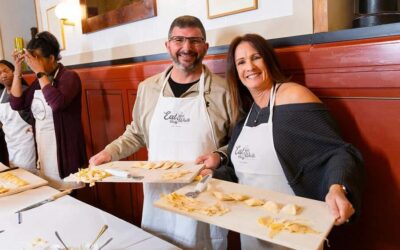
3-in-1 Fettuccine, Ravioli, and Tiramisu Cooking Class
Read our review →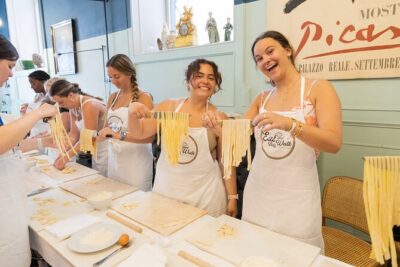
Learn to Make Pasta & Tiramisu with Wine and Limoncello Included
Read our review →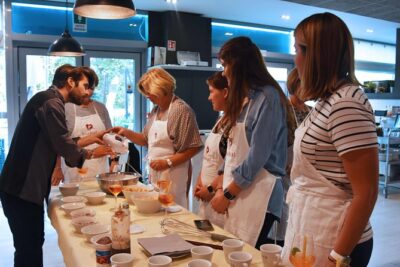
Become a Masterchef in Rome: Pasta, Ravioli and Tiramisù Class
Read our review →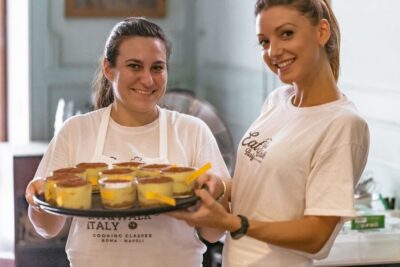
Fettuccine & Tiramisù: Cooking Class with Wine & Limoncello
Read our review →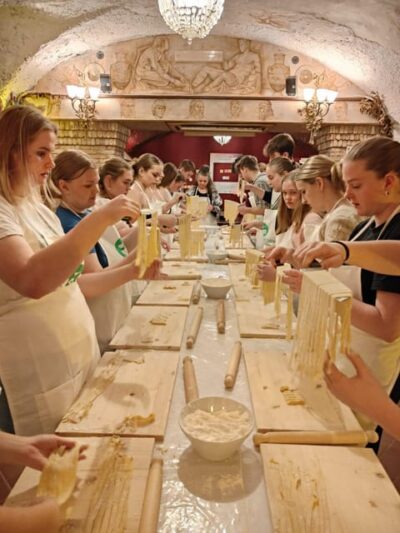
Pasta & Tiramisu Cooking Class near the Spanish Steps
Read our review →Lists this class appears in