
Review · NAPLES
Naples: Pasta and Tiramisu Cooking Class with Local Chef
The best part of this Naples cooking class is that you do not simply watch someone prepare dinner. You work the dough, shape ravioli, layer tiramisu, and then sit down to eat the results. I like the hands-on pasta making and the friendly guidance from chefs such as Enzo, Mauro, Isa, and Maurizio. I also like that the $24 price includes a full meal, a drink, water, and small tastes of limoncello and meloncello.
The main thing to keep in mind is that the class may not make every element entirely from scratch. One recent participant noted that some preparation was already handled, which is common in a short, affordable class. Still, you make and eat two kinds of pasta and tiramisu, so you get plenty of practical work for the price.
Key points to know before booking
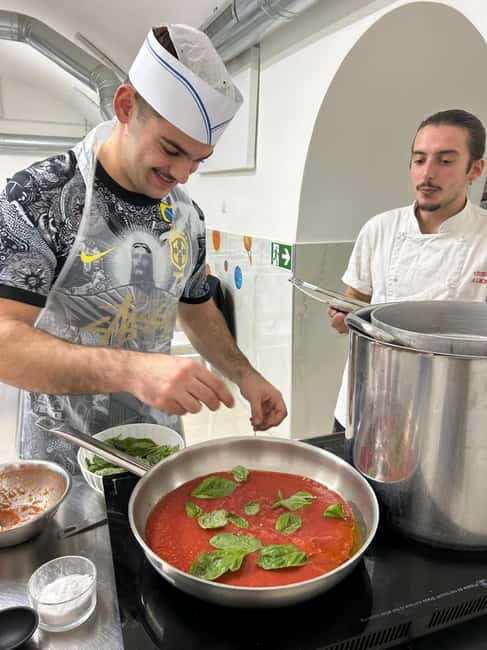
- Three classic dishes in three hours: Prepare fettuccine Alfredo, ricotta ravioli with San Marzano DOP tomato sauce, and tiramisu.
- A meal is included: Eat the food you make, with unlimited water and your choice of a soft drink, beer, or glass of white or red wine.
- Chefs set the tone: Enzo, Mauro, Isa, and Maurizio are among the instructors praised for their humor, patience, and clear teaching.
- Good value at $24: The class includes ingredients, drinks, tastings, recipes by QR code, and a personalized diploma.
- No kitchen skills needed: You receive an apron and chef’s hat, and the class is designed for beginners and all ages.
- Plan to eat lightly beforehand: The finished meal is substantial, especially when you add pasta, ravioli, tiramisu, and drinks.
What the Naples cooking class is really like
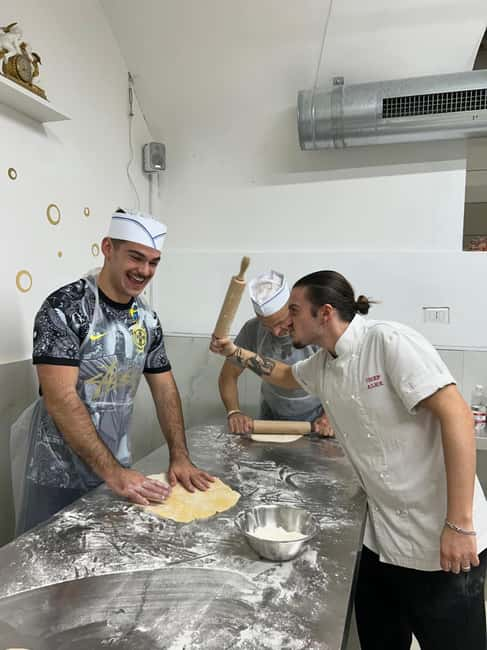
This is a friendly, food-first activity built around the pleasure of making dinner with your own hands. You enter a bright Neapolitan kitchen, meet your chef, put on an apron and hat, and begin with the basics.
The class is taught in Italian, English, French, or Spanish, so you can choose the language that suits your group. No previous cooking experience is required. The pace is meant to keep beginners comfortable, while still giving you enough work to feel that you made something rather than simply assembled a prearranged meal.
I especially like the balance of food and conversation. The chef explains the methods, but also shares stories and facts about Neapolitan food traditions. That makes the class more useful than a recipe demonstration and more relaxed than a formal culinary course.
Instructor names can vary by session. Enzo has been praised for bringing humor and local food stories into the class, while Mauro has been described as kind and patient. Isa and Maurizio have also led sessions that kept the mood lively without making the lesson feel rushed.
More Tiramisu Classes in Naples
- Naples: Pasta Cooking Class with Tiramisù and a Drink
★ 4.6 · 415 reviews - Napolitan Secrets: Pasta & Tiramisù Class for Food Lovers
★ 4.9 · 189 reviews - Hands-On Pasta Making and Traditional Tiramisu Workshop
★ 4.5 · 71 reviews
Kneading dough and making fresh fettuccine
The first major task is fresh pasta dough. You learn how to combine and work the dough until it becomes smooth and elastic, then stretch it with the tools provided, including rolling pins.
This is the most satisfying part for many people because the change is easy to see. At the start, you have a rough mixture. By the end, you are handling a soft sheet that can be rolled and cut into pasta.
The class uses the dough for fettuccine Alfredo. The chef demonstrates how to finish the dish with a smooth, creamy result. You do not need to arrive knowing how to judge pasta dough. The point is to follow the chef’s instructions, feel the texture, and learn a method you can repeat at home.
I would not choose this class if you want a serious lesson in every branch of Italian pasta making. In three hours, the chef has to keep the group moving. But for a first introduction, the process is practical and manageable.
The pasta section also gives you a useful sense of timing. You are not just learning ingredients. You are seeing how dough, shaping, sauce, and serving fit together in one meal.
Shaping ricotta ravioli by hand
Next comes ravioli, which changes the rhythm of the class. Fettuccine is about working and cutting a larger sheet of dough. Ravioli requires smaller portions, careful filling, and neat sealing.
You fill the pasta parcels with fresh ricotta and spices, then close them by hand. The chef helps you avoid the usual problems, such as leaving air inside or failing to seal the edges properly.
The ravioli is served with a sauce made from San Marzano DOP tomatoes. This detail matters because the sauce is not treated as an afterthought. The chef prepares the sauces with the group, giving you a chance to see how the pasta and topping are meant to work together.
I like this part because it gives you a different kind of kitchen skill. You learn control and patience rather than simply repeating the same motion. A slightly uneven ravioli is part of the fun, and the final plate still feels personal.
The dish is also a good fit for families and groups of friends. Everyone can take part, and younger cooks can focus on filling or sealing with an adult nearby. Minors under 18 must be accompanied by an adult.
Building tiramisu with mascarpone and coffee
The dessert provides a welcome change from the pasta work. You prepare mascarpone cream and learn how to get the texture right before assembling the layers.
The tiramisu uses coffee-soaked savoiardi, also known as ladyfingers, followed by mascarpone cream and a dusting of cocoa. The chef explains the proportions and shows you how to build the dessert so it holds together rather than becoming too wet.
This is a useful home cooking lesson because tiramisu looks simple, but small choices affect the result. Too much coffee can make the biscuits collapse. Too little cream can leave the dessert dry. The class focuses on the consistency and layering that make the finished dish pleasant to eat.
I like that tiramisu is prepared alongside the pasta rather than treated as a quick sample at the end. It gives the experience a proper beginning, middle, and finish. You work with dough, make a filled pasta, then switch to a no-bake dessert.
The dessert is also practical for less experienced cooks. You are not expected to use complicated equipment or advanced techniques. You mainly learn how to prepare the cream, soak the biscuits, layer the components, and finish with cocoa.
Same flour, a different shape to roll:
- Naples: Pasta Making Class with Starter and Drink
★ 4.9 · 1,060 reviews - Naples Pasta Class: Fettuccine & Ravioli with Grandma’s Recipe
★ 5.0 · 506 reviews - Amazing Pizza and Pasta Class at Savio’s kitchen cooking school
★ 5.0 · 104 reviews - Learn To Make Fresh Pasta With Love in Naples
★ 5.0 · 77 reviews
Sitting down to eat your own work
At the end, you sit down and eat the fettuccine Alfredo, ravioli with San Marzano tomato sauce, and tiramisu. This is more than a tasting. It is a complete meal.
The class includes unlimited water and one soft drink, beer, or glass of white or red wine. You also receive tastes of limoncello and meloncello, two sweet liqueurs that add a distinctly Italian finish.
The meal is generous enough that you should not schedule a large dinner immediately afterward. Several people found the food filling, especially because the menu includes two pasta dishes, dessert, and a drink.
Eating together is also where the social side of the class pays off. You have spent the session working at the same tables, and the final meal gives you time to chat and hear more about Neapolitan food customs from the chef.
I would not expect restaurant-level plating. This is a cooking class, not a fine dining reservation. The reward is the connection between the work and the meal. You can point to the pasta and say, in effect, I helped make that.
What the $24 price includes
At $24 per person, this class offers unusually strong value if you want both an activity and a meal. The fee includes:
- The three-hour cooking lesson
- Ingredients for pasta, ravioli, sauces, and tiramisu
- Hands-on preparation and use of rolling pins
- A chef’s hat and apron
- Tasting of the finished dishes
- Unlimited water
- A soft drink, beer, or glass of white or red wine
- Limoncello and meloncello tastes
- A personalized pasta and tiramisu diploma
- A QR code with the recipes
- Free luggage deposit
If you bought a pasta meal and dessert in Naples, you would pay for the food but not receive the instruction, recipes, or activity. The class therefore works well for budget-conscious visitors who want an evening meal with something to do.
The low price does come with a tradeoff. You should not assume that every step, ingredient, or sauce will be made entirely from the beginning in front of you. One participant noted that some parts were prepared in advance. That is not unusual for a class designed to fit pasta, ravioli, tiramisu, and dinner into three hours.
For most people, the value is in the combination. You get enough cooking to learn the main techniques, enough food for a full meal, and a few extras to make the experience feel festive.
The pace, group feel, and teaching style
The class has a relaxed, social character. The chef guides you through each stage, so you are not left guessing what to do next. The instructors are also part of the entertainment, sharing local anecdotes and keeping the tone light.
Group size can vary. One February session had only four people, which allowed plenty of room for individual attention. A larger class may feel less personal, so this is worth considering if close instruction is your top priority.
I would expect a little waiting while other people finish a step. That is normal in a shared cooking class, especially when everyone is shaping ravioli or preparing the same dough. The upside is that you can watch other methods, compare results, and enjoy the social setting.
The instructors have received especially strong praise for being funny, patient, and easy to follow. That matters for beginners. A chef who moves too quickly can turn a simple recipe into a source of stress. Here, the emphasis is on making the process approachable.
You can wear comfortable clothing, which is sensible since you will be handling dough and working at a kitchen table. The provided apron helps, but comfortable clothes remain the better choice.
Who should book this experience
I recommend this class to couples, families, solo visitors, and small groups of friends who want a meal tied to local food culture. It is particularly good for first-time cooks because the chef gives you the structure you need.
Families with teenagers should find plenty to do. Three teenagers took part in one session and enjoyed both the cooking and the meal. The mix of kneading, cutting, filling, and layering keeps the activity from feeling repetitive.
Solo visitors can also fit in easily because the class creates a natural social setting. You do not need to arrange your own group or know anyone beforehand. The shared meal gives you an easy way to talk with other participants.
I would choose another activity if you want advanced instruction, a long lesson focused on one regional recipe, or a completely scratch-made kitchen experience from start to finish. This class is best understood as an affordable introduction with a satisfying dinner attached.
Tips for getting the most from the class
Eat a light lunch or early meal before arriving, but do not come hungry enough to rush through the cooking. You will have several substantial dishes at the end.
Keep your schedule relaxed. The class lasts three hours, and the meal is part of the experience. You will get more from it if you are not watching the clock.
Ask questions while the dough is in front of you. The most useful lessons are often small ones, such as how the dough should feel, how tightly to seal ravioli, or how much coffee the ladyfingers can absorb.
Take the recipe QR code seriously. It gives you a way to repeat the dishes at home while the techniques are still fresh in your mind. The personalized diploma is a playful souvenir, but the recipes are the part you are most likely to use.
If you have food allergies or dietary restrictions, confirm that the class can accommodate them before booking. The supplied information does not specify substitutions or a dedicated alternative menu.
Free luggage deposit is helpful if you are moving through Naples with bags. Still, keep valuable items with you and follow the provider’s instructions for storage.
Cancellation is flexible up to 24 hours before the activity for a full refund, and you can reserve now and pay later. That is useful when your Naples schedule is still taking shape.
Should you book this Naples pasta class?
Book it if you want a cheerful, affordable activity that combines cooking, local conversation, and a full meal. The strongest reasons are the hands-on pasta work, the ravioli shaping, the tiramisu lesson, and the fact that drinks and recipes are included in the $24 price.
I would especially choose it for a family evening, a casual date, or a first visit to Naples when you want more than another restaurant meal. The class is beginner-friendly and receives a 4.9 out of 5 rating from 50 ratings, with particular praise for the chefs’ humor, patience, and ability to explain the food.
Skip it if you are seeking a highly technical culinary course or insist that every component be made entirely from scratch. For everyone else, this is a generous three-hour introduction to Italian kitchen traditions, with a plate of pasta and tiramisu waiting at the end.
FAQ
How long does the Naples pasta and tiramisu class last?
The cooking class lasts three hours.
What dishes will I prepare?
You will prepare fresh fettuccine Alfredo, ricotta ravioli with San Marzano DOP tomato sauce, and tiramisu with mascarpone cream, coffee-soaked savoiardi, and cocoa.
Do I need cooking experience?
No. The class is designed for beginners, and no previous cooking experience is required.
Which languages are available?
The instructors teach in Italian, English, French, or Spanish.
Is a meal included?
Yes. You eat the fettuccine, ravioli, and tiramisu prepared during the class.
Are drinks included?
Yes. The experience includes unlimited water plus a soft drink, beer, or glass of white or red wine. Limoncello and meloncello tastes are also included.
Are ingredients and cooking equipment provided?
Yes. Ingredients, rolling pins, a chef’s hat, and an apron are provided.
Are children allowed to join?
The class is suitable for all ages. Anyone under 18 must be accompanied by an adult.
Do I receive the recipes?
Yes. You receive a QR code containing the recipes to take home.
Can I cancel the booking?
You can cancel up to 24 hours in advance for a full refund. You can also reserve now and pay later.
More Chef-Led Pasta Classes in Naples
- Pasta and Tiramisu Cooking Class with Local Chef in Naples
★ 5.0 · 58 reviews - Rome Cooking Class: Make Pasta, Dine & Drink Wine With Local Chef
★ 5.0 · 1,263 reviews - 2-in-1 Pasta and Tiramisu Cooking Masterclass in Rome
★ 5.0 · 832 reviews - Pasta Fettuccine, Ravioli and Tiramisu MasterClass
★ 5.0 · 391 reviews
Fresh off the board around Naples
- Naples Hands-on Cooking Class: Gnocchi, Ravioli, Tiramisu & Wine★ 4.5 · 18 reviews
- Pasta Fresca Gnocchi and Ravioli a Napoli★ 5.0 · 2 reviews
- Private Pasta & Tiramisu Class at a Cesarina’s home with tasting in Ercolano★ 5.0 · 2 reviews
- Discovering Gragnano PGI pasta and the Valle dei Mulini★ 5.0 · 3 reviews
- Private Fettuccine Alfredo and Ravioli Class Grandma recipe★ 4.0 · 2 reviews
- Homemade Pasta And Seafood Cooking Class with Dinner★ 5.0 · 5 reviews
- Private Italian Pasta Masterpieces Class: Ravioli, Tortellini and Fettuccine★ 5.0 · 8 reviews
- Neapolitan pasta homemade Cooking Lesson★ 4.5 · 4 reviews
Tiramisu Classes, class by class.
3 in 1 Cooking Class near Navona: Fettuccine, Ravioli & Tiramisu
Read our review →
Pasta & Tiramisu Cooking Class with Unlimited Wine
Read our review →
Pasta & Tiramisu Class with Fine Wine by the Vatican
Read our review →
3-in-1 Fettuccine, Ravioli, and Tiramisu Cooking Class
Read our review →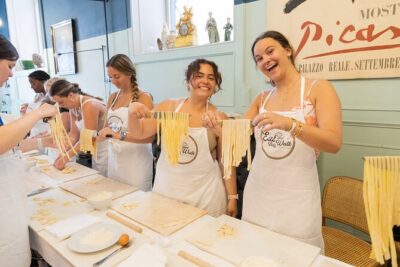
Learn to Make Pasta & Tiramisu with Wine and Limoncello Included
Read our review →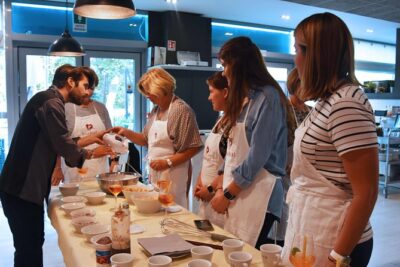
Become a Masterchef in Rome: Pasta, Ravioli and Tiramisù Class
Read our review →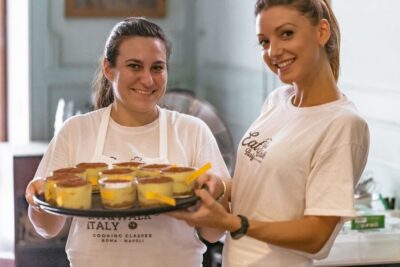
Fettuccine & Tiramisù: Cooking Class with Wine & Limoncello
Read our review →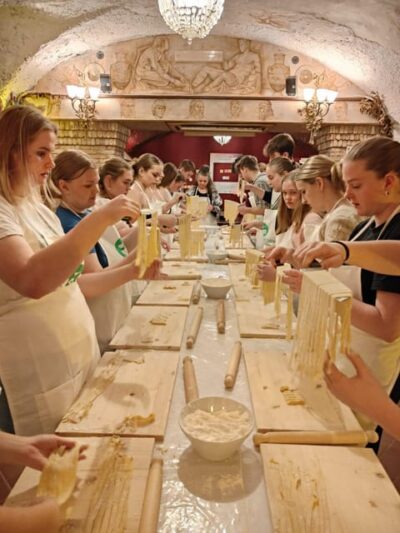
Pasta & Tiramisu Cooking Class near the Spanish Steps
Read our review →Lists this class appears in