
Review · ROME
2-in-1 Pasta and Tiramisu Cooking Masterclass in Rome
Fresh pasta is the heart of this three-hour Roman cooking class, but the real appeal is the full meal you help create. You make tiramisu first, prepare pasta from scratch while it chills, then sit down to eat with wine and limoncello. Depending on the session, chefs such as Marzia, Giovanna, Gio, Angela, Sunny, or Juan lead the work.
I like the small group of no more than 14 people, which gives you a better chance to get hands-on help. I also like the useful focus on two Roman sauces, carbonara and cacio e pepe, rather than a vague lesson in Italian cooking. The main drawback is dietary: gluten-free, vegan, and dairy-free diners cannot be accommodated, and lactose intolerance is also a problem.
Key points
- Make the whole meal yourself: Prepare tiramisu, fresh fettuccine, and a Roman pasta sauce.
- Learn two classic sauces: The class covers carbonara or cacio e pepe, with guidance on technique and ingredients.
- Drinks are part of the experience: Expect prosecco, local wine, limoncello, water, and soft drinks, with alcohol-free choices available.
- Family-friendly format: Children and teenagers can take part, and the cooking is designed for all skill levels.
- Small-group teaching: The maximum group size is 14, so the chef can offer practical help.
- Plan around dietary limits: The menu contains gluten and dairy, and there are no vegan or dairy-free options.
What You Actually Cook in Three Hours
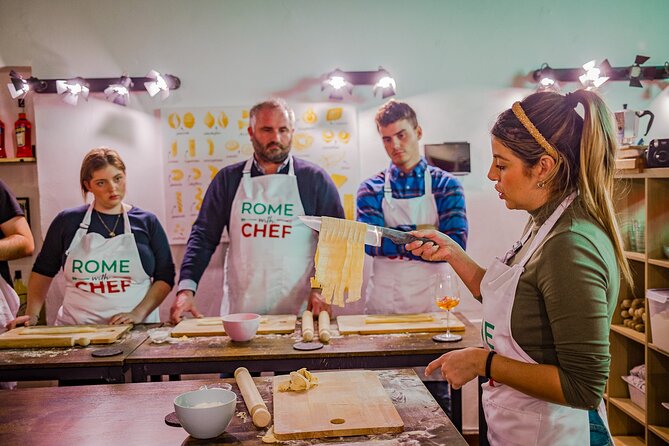
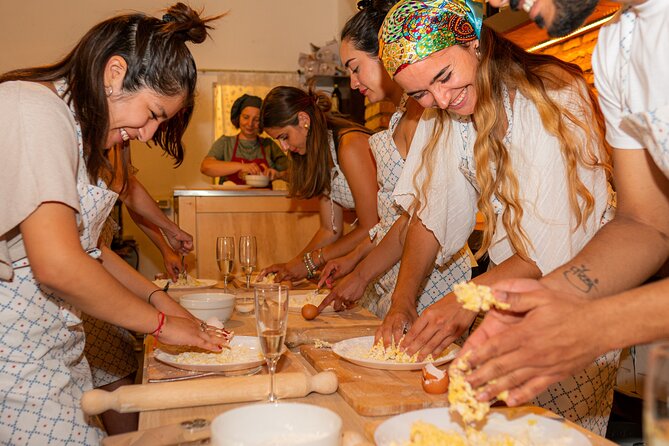
This is not a demonstration where you sit back and watch a chef do all the work. You take part in the main steps, then eat the finished dishes at the same meeting point.
The class begins with tiramisu. You prepare the creamy dessert and add a shot of Tia Maria, although an alcohol-free version is available for children. It then goes into the refrigerator while you turn to the pasta.
That order makes good kitchen sense. Tiramisu needs time to chill, and the waiting period becomes useful preparation time rather than dead time. You get two different types of work in one session: careful dessert assembly followed by the more physical process of mixing and shaping pasta.
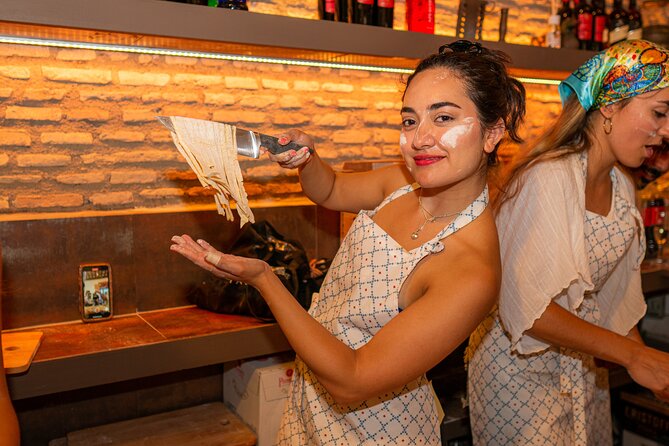
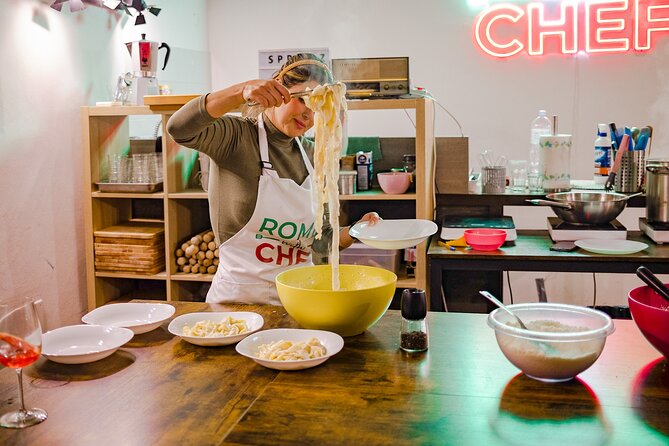
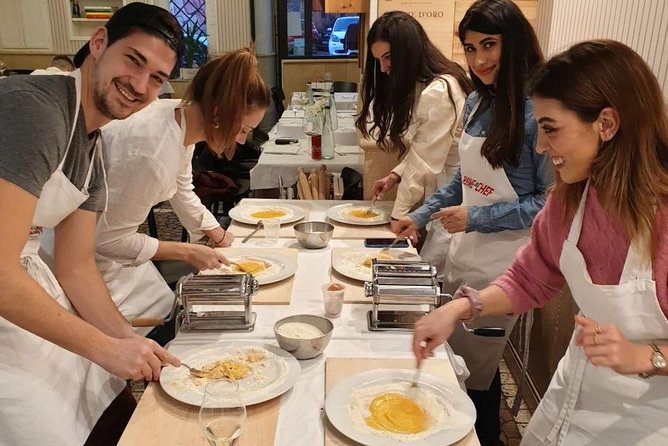
The pasta portion centers on fresh fettuccine. With the chef’s help, you work from the dough stage toward noodles ready for cooking. The point is not simply to produce a plate of pasta. You learn a method you can repeat at home, including how to handle the dough and pair it with a Roman sauce.
Depending on the class setup, you make carbonara or cacio e pepe. These sauces look simple on a menu, but both reward careful technique. Carbonara depends on balancing egg, cheese, and cured pork without scrambling the sauce. Cacio e pepe depends on cheese, pepper, and pasta water coming together into a smooth coating rather than a clumpy one.
That practical focus is one of the strongest reasons to book. You are learning dishes that are closely tied to Rome and simple enough to attempt again after your holiday.
More Chef-Led Pasta Classes in Rome
- Rome Cooking Class: Make Pasta, Dine & Drink Wine With Local Chef
★ 5.0 · 1,263 reviews - Pasta Fettuccine, Ravioli and Tiramisu MasterClass
★ 5.0 · 391 reviews - Fettuccine and Tiramisu Masterclass in the Heart of Rome
★ 5.0 · 366 reviews
Why Carbonara and Cacio e Pepe Matter
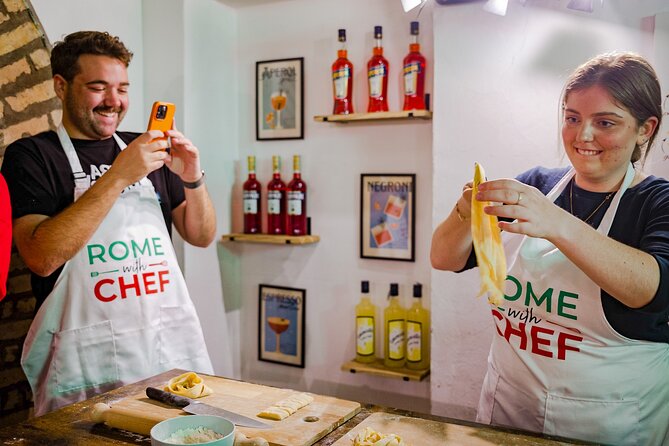
Roman cooking is often at its best when the ingredient list is short. Carbonara and cacio e pepe are good examples. They do not hide behind a long list of additions, so the method matters.
Carbonara gives you a richer, fuller sauce built around egg and cheese. Cacio e pepe is more spare, with cheese and black pepper doing most of the work. If you are hoping to compare both sauces in one class, check the exact session details before booking, since the advertised menu presents carbonara or cacio e pepe rather than promising both every time.
The class is especially useful for home cooks who have tried these sauces and ended up with a dry, greasy, or lumpy result. A chef can show you the timing and consistency to look for, which is harder to learn from a printed recipe alone.
You also receive a recipe ebook to take home. That matters because cooking classes move quickly, and it is easy to remember the fun but forget the proportions. The ebook gives you a better chance of recreating the meal in your own kitchen.
Tiramisu First, Then the Pasta
The tiramisu is more than a final sweet course added for variety. It gives the class a second lesson in Italian cooking and lets you work on a dish that requires little baking but still rewards good balance.
You make a creamy tiramisu with an extra kick from Tia Maria. The dessert is not described as heavily sweet, which suits the traditional style. If you prefer a very sugary finish, this may taste more restrained than expected. The alcohol-free version makes it workable for children, but anyone with strict dietary restrictions still needs to check the ingredients carefully.
While the dessert chills, the class moves to pasta. This change of pace keeps the session active. Families often value this part because children can take part in shaping and preparing the food rather than waiting through a long lecture.
The food is prepared in a traditional Roman kitchen, and the instruction comes from a local chef. The teaching style can vary by chef, but the strongest sessions are described as clear, patient, and playful. Marzia is frequently praised for keeping the class both organized and fun, while Giovanna, Gio, Angela, Sunny, and Juan are also highlighted for their friendly instruction and easy explanations.
A Social Meal With Prosecco and Limoncello
The drinks are not an afterthought. You begin with a glass of prosecco, enjoy local wine during the cooking, and finish with limoncello. Water and soft drinks are available, and non-alcoholic choices can be provided.
That setup gives the class a relaxed social rhythm. You are working beside people from different places, then sitting down together to eat the food made during the lesson. The meal is shared, but the preparation is still hands-on.
The drink service is also part of the value of the $78.60 price. You are not paying only for instruction and ingredients. The package includes a full meal, several drinks, the chef-led lesson, and a recipe ebook. In central Rome, that can compare well with the cost of a standard restaurant dinner, especially if you value the practical lesson.
Still, do not book this as a quiet tasting. The atmosphere is social, and the class includes group cooking, conversation, and shared eating. If you want a private lesson or a highly formal culinary course, this is probably not the right fit.
More Tiramisu Classes in Rome
- 3 in 1 Cooking Class near Navona: Fettuccine, Ravioli & Tiramisu
★ 5.0 · 7,376 reviews - Rome: Pasta & Tiramisu Class with Fine Wine by the Vatican
★ 4.9 · 4,852 reviews - Rome: 3-in-1 Fettuccine, Ravioli, and Tiramisu Cooking Class
★ 4.9 · 2,704 reviews - Learn to Make Pasta & Tiramisu with Wine and Limoncello Included
★ 5.0 · 2,345 reviews
What the Small Group Size Changes
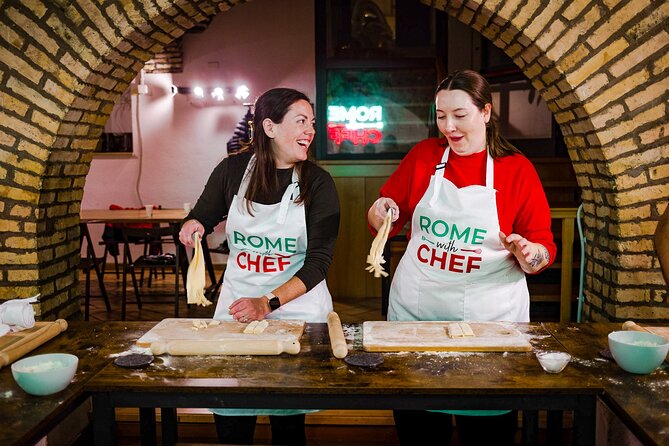
The maximum group size is 14 people. That is small enough for a personal feel without making the activity private.
In a cooking class, group size affects how much you actually do. With a large crowd, you might only stir a bowl or watch a demonstration. Here, the format is designed to involve you in making the pasta and tiramisu, while the chef moves around to help.
For families, this is useful. Children and teenagers have been included in the cooking rather than treated as spectators. The class can work well for a parent and child, a group of friends, or a mixed-age family looking for something different from another museum visit.
The size also gives you a chance to ask about technique. You can ask how to avoid common pasta mistakes, how to get the sauce consistency right, or how to repeat the tiramisu at home. The quality of that interaction depends on the chef and the pace of the particular class, but the group limit gives it a fair chance.
Who Will Enjoy This Rome Cooking Class
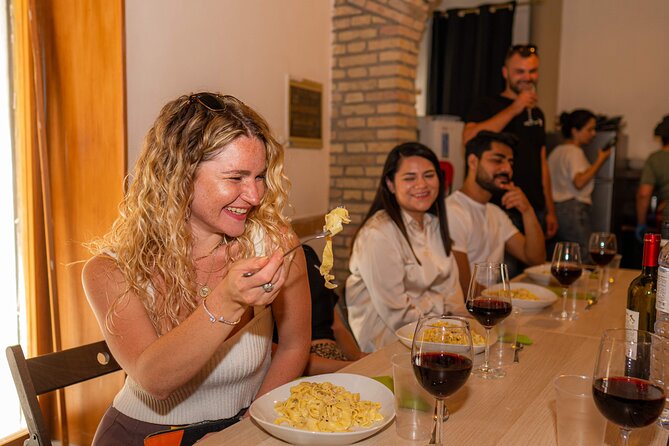
I would recommend this experience most strongly to you if you want a practical activity with a meal at the end. It suits first-time pasta makers, confident home cooks, couples, families, and teenagers.
It is also a good choice for a hot afternoon because the class gets you indoors and gives you a break from Rome’s streets. One family described it as a useful way to escape the heat while still doing something tied to local food and culture.
You do not need advanced cooking skills. The instruction is built for all levels, and the chefs are expected to guide you through each stage. The class is also suitable if you want a memorable evening activity rather than another sightseeing stop.
It may be less suitable if you have a strict schedule. The stated length is about three hours, and the shared meal and conversation are part of the experience. Allow extra time around the scheduled start and finish rather than booking a train, show, or timed attraction immediately afterward.
Location, Meeting Point, and Timing
The listed meeting point is Via Cesare Balbo, 25, 00184 Rome. The class ends back at the meeting point, and the area is near public transportation.
The meeting location can occasionally change. If that happens, the replacement location is said to be within a five-minute walk, with advance notice provided. Read the final confirmation carefully so you do not go to the wrong kitchen.
The activity is offered in English. Confirmation is provided at booking, and the class is often reserved well ahead of time, with bookings averaging about 40 days in advance. That pattern suggests you should not leave a popular date until the last week, especially if you need a particular time or want to attend as a family.
Dietary Limits You Need to Take Seriously
This is not a flexible menu. The pasta contains gluten, the tiramisu and sauces use dairy, and the class does not offer vegan, gluten-free, or dairy-free alternatives.
The provider specifically says it cannot accommodate coeliac disease, gluten intolerance, vegan diets, or lactose intolerance. You can advise the provider of other dietary requirements ahead of time, but do not assume that every restriction can be solved in the kitchen.
This point is important enough to check before paying. A vegetarian option may sometimes be possible, and one family found the staff considerate about keeping meat and vegetarian ingredients separate, but the advertised menu is built around traditional pasta, cheese, and dairy-based preparations. Ask in advance if your needs fall outside the standard menu.
Is $78.60 a Fair Price?
At $78.60 per person, this is not the cheapest food activity in Rome. It is also more than the cost of simply ordering carbonara at a trattoria.
The value comes from what is bundled into the session. You get about three hours of instruction, hands-on preparation, a meal, prosecco, wine, limoncello, water, soft drinks, and a recipe ebook. You are also paying for a local chef’s help and a small group rather than just buying dinner.
I think the price is fair if you will use the skills afterward. Fresh pasta and Roman sauces are practical dishes, and the recipe ebook makes the class more useful once you return home. If you only want to eat tiramisu and pasta, a restaurant will be simpler and probably less expensive.
Group discounts may be available, which can help families or friends booking together. The class also offers free cancellation up to 24 hours before the start time. Cancellations inside that window are not refunded, and late changes are not accepted. If the minimum number is not met or poor weather causes cancellation, you are offered another date, another activity, or a full refund.
The Best Reasons to Book
The strongest part of this experience is its balance. You get a lesson, a meal, drinks, and a distinctly Roman menu in one booking.
I especially like that the class teaches dishes you can realistically make at home. Carbonara, cacio e pepe, fresh fettuccine, and tiramisu are not just restaurant curiosities. With a little practice, they can become part of your own cooking routine.
The teaching also appears to be a major part of the experience. Marzia is repeatedly singled out for being patient, funny, and clear. Other chefs, including Giovanna, Gio, Angela, Sunny, Juan, Shivi, and Jem, are praised for keeping people involved and explaining each stage well. The exact guide will depend on your date, but the format is built around an engaging chef rather than a scripted lecture.
The Main Reasons to Think Twice
The dietary restrictions are the clearest concern. If you cannot eat gluten or dairy, or if you follow a vegan diet, this class is not suitable.
You should also be comfortable with a group setting and alcohol-centered extras. Non-alcoholic drinks are available, and children can receive an alcohol-free tiramisu, but prosecco, wine, and limoncello are part of the advertised experience.
Finally, the class is popular and may fill early. That is less a flaw than a planning issue, but it matters if your Rome visit has fixed dates. Booking ahead gives you a better chance of finding a workable session.
Should You Book It?
Book this class if you want to do more than take photos of Roman food. You will make pasta, practice a classic sauce, prepare tiramisu, eat the results, and leave with recipes you can try again.
I would choose it for a family day, a relaxed evening with friends, or an early trip activity that helps you understand the food you will see throughout Rome. I would skip it if you need a special diet, dislike group cooking, or prefer a short and quiet meal.
For most pasta lovers who can eat gluten and dairy, the combination of hands-on work, local drinks, friendly chefs, and a small group makes $78.60 a reasonable Rome experience.
FAQ
How long does the pasta and tiramisu class last?
The class lasts approximately three hours.
Where does the class begin?
The listed meeting point is Via Cesare Balbo, 25, 00184 Rome, Italy.
Where does the activity end?
The class ends back at the meeting point.
Is the class offered in English?
Yes, the experience is offered in English.
What pasta will I make?
You will make fresh fettuccine with guidance from the chef.
Which Roman sauces are included?
The class teaches carbonara or cacio e pepe, depending on the session.
Is tiramisu included?
Yes, you prepare a creamy tiramisu. An alcohol-free version is available for children.
Are drinks included?
Yes. The package includes prosecco, local wine, limoncello, water, and soft drinks. Non-alcoholic options are available.
Can people with dietary restrictions join?
The class cannot accommodate coeliac disease, gluten intolerance, vegan diets, or lactose intolerance. There are no gluten-free, vegan, or dairy-free options.
What is the cancellation policy?
You can cancel at least 24 hours before the start time for a full refund. Cancellations or changes made less than 24 hours in advance are not accepted for a refund.
Fresh off the board around Rome
- Spritz and Pasta! Spritz, Fettuccine & Tiramisù★ 5.0 · 2 reviews
- Trastevere Food Tour with Pasta-Making Class★ 5.0 · 5 reviews
- Rome: Pasta and tiramisu class with wine pairing at Come Na Vorta★ 5.0 · 30 reviews
- Top Class in Fettuccine, Ravioli, and Tiramisu★ 5.0 · 7 reviews
- Traditional Pasta Cooking Class with Tiramisu Small Group★ 5.0 · 7 reviews
- The Pasta Factory Class★ 4.5 · 21 reviews
- The Original Fettuccine Alfredo Experiences in Roma★ 4.5 · 38 reviews
- Italian Pasta & Dessert Class in Historic Center (3-Course Meal)★ 5.0 · 2 reviews
Tiramisu Classes, class by class.
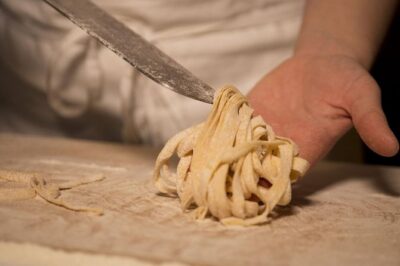
3 in 1 Cooking Class near Navona: Fettuccine, Ravioli & Tiramisu
Read our review →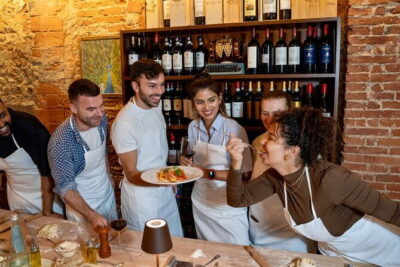
Pasta & Tiramisu Cooking Class with Unlimited Wine
Read our review →
Pasta & Tiramisu Class with Fine Wine by the Vatican
Read our review →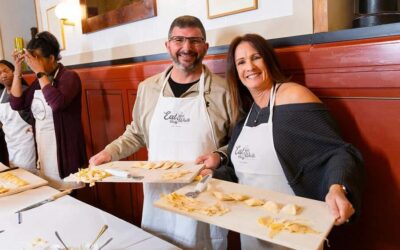
3-in-1 Fettuccine, Ravioli, and Tiramisu Cooking Class
Read our review →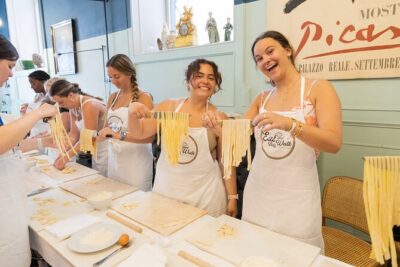
Learn to Make Pasta & Tiramisu with Wine and Limoncello Included
Read our review →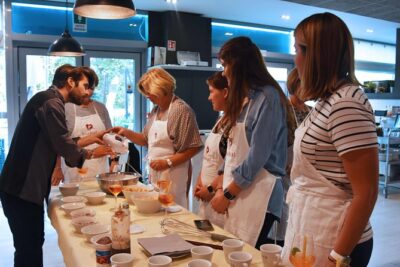
Become a Masterchef in Rome: Pasta, Ravioli and Tiramisù Class
Read our review →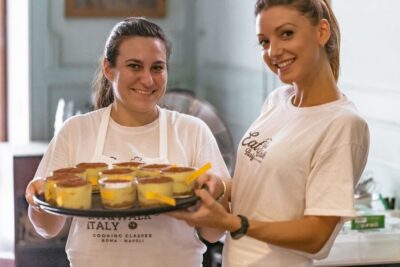
Fettuccine & Tiramisù: Cooking Class with Wine & Limoncello
Read our review →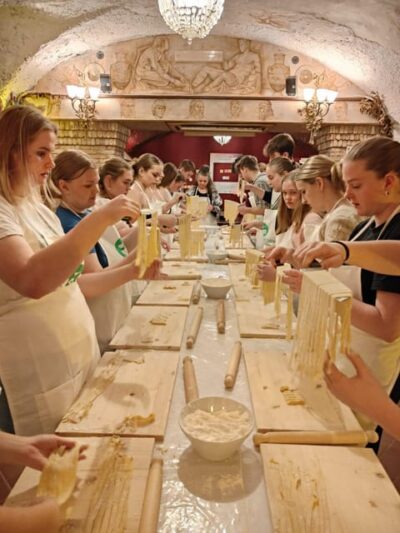
Pasta & Tiramisu Cooking Class near the Spanish Steps
Read our review →Lists this class appears in