
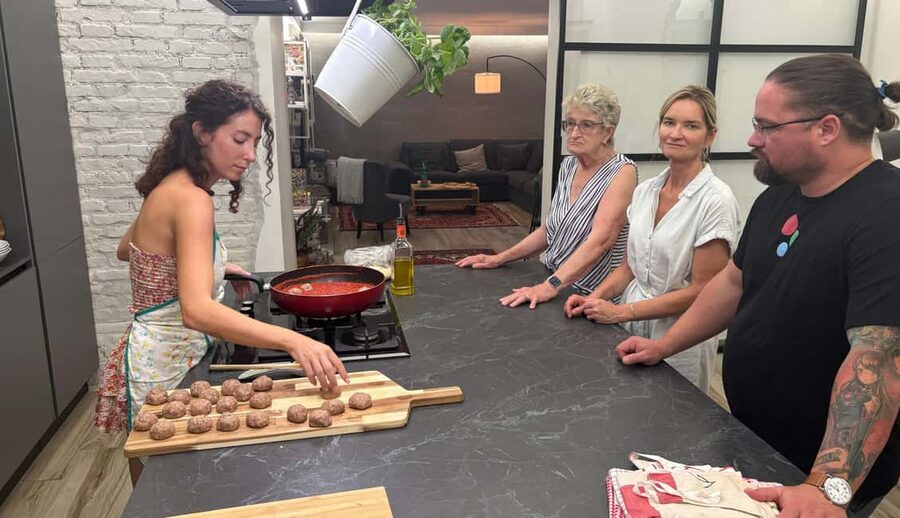
Review · ROME
Gnocchi & Meatballs | Cooking class & dinner at my place
Roman cooking is at its best when it is shared around a table, and this four-hour class puts that idea to work. You begin with prosecco, pizza, cold cuts, and cheese, then prepare gnocchi alla Romana, meatballs in tomato sauce, and stuffed zucchini before sitting down to eat it all.
I like the small group of six and the chance to ask Ginevra about Roman food, family traditions, and local customs while you cook. I also like that the recipes are practical enough to repeat at home, rather than being a one-off kitchen show. The main drawback is the menu: it is not suitable for vegans, vegetarians, people with gluten intolerance, or anyone needing a celiac-safe meal.
Key points
- Roman home cooking: Prepare gnocchi alla Romana, meatballs, tomato sauce, and stuffed zucchini.
- A meal from start to finish: Aperitif, cooking, dinner, Italian wine, sweets, and local liqueur are included in the four-hour flow.
- Ginevra as your host: Ask about family recipes, Roman traditions, and local food customs in English or Italian.
- Small setting: The class accepts no more than six participants, making conversation and hands-on help easier.
- Flexible menu planning: Lactose-free options can be arranged, but a fully vegetarian or celiac-safe menu is not available.
- Useful for home cooks: The dishes are designed to be easy to reproduce after you return home.
A Roman dinner built in a home kitchen
This experience is less about watching a chef perform and more about taking part in a meal. Ginevra welcomes you into her home, where the evening moves from aperitif to preparation, then from kitchen work to a shared dinner.
That order matters. You get to know the food before you eat it. You see how several familiar Italian dishes fit together, and you have time to ask why the ingredients and methods matter. The result is not just a plate of pasta or a quick demonstration. It is a lesson in how a Roman household meal can unfold.
The class is offered in English and Italian. That makes it workable for English-speaking visitors, while those with some Italian can enjoy the extra pleasure of hearing food and family stories in their original language.
With a maximum of six people, you should have a better chance to follow each step and ask questions than you would in a large cooking school. The experience can feel especially personal for couples, friends, or families with older children, though the minimum age is 15.
More Ravioli and Gnocchi Classes in Rome
- 3 in 1 Cooking Class near Navona: Fettuccine, Ravioli & Tiramisu
★ 5.0 · 7,376 reviews - Rome: 3-in-1 Fettuccine, Ravioli, and Tiramisu Cooking Class
★ 4.9 · 2,704 reviews - Rome: Fettuccine Pasta Cooking Class in Rome’s City Center
★ 4.8 · 2,414 reviews
Starting with prosecco and Roman aperitivo
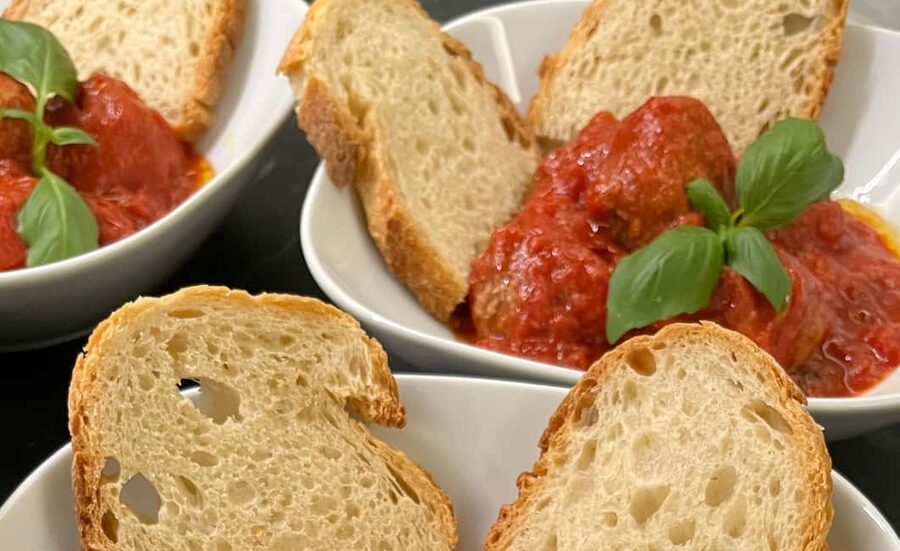
The first course is not a formal cooking task. You begin with a typical aperitif of prosecco, pizza, cold cuts, and cheese.
This is a smart start to the evening. In Italy, aperitivo is a social bridge between arriving and eating. It gives you a chance to settle in, meet the other participants, and talk with Ginevra before handling ingredients.
The food also gives you an early taste of the evening’s style. This is home cooking with a social side, not a technical examination. You can expect the opening spread to be more about sharing and conversation than about learning a single recipe.
Alcohol is part of the experience, with wine later accompanying dinner and local liqueur served at the end. If you do not drink, you may want to clarify available alternatives when arranging the menu. Alcohol and drugs are not allowed beyond the planned food and drink service.
Making gnocchi alla Romana
The main cooking work includes gnocchi alla Romana, a Roman dish that differs from the more familiar potato gnocchi. The class description identifies this as one of the central recipes, and the preparation forms part of the lesson in Roman family cooking.
This is useful for home cooks because it takes you beyond the standard restaurant dishes many people already know. You are not simply learning a generic Italian menu. You are working with a recipe tied to Rome and the surrounding Lazio region.
Ginevra presents the dish as something you can make again at home. That makes the class a good fit if you want practical cooking ideas rather than a polished demonstration that is hard to repeat in an ordinary kitchen.
The gnocchi and sauces contain no traces of meat, which may help some people with dietary preferences. However, the full menu is not vegetarian, since meatballs are also part of the meal. If you need a meat-free dinner, this is not the right class.
Preparing meatballs and homemade tomato sauce
The second major dish is meatballs with homemade tomato sauce. This is the kind of food where small choices can affect the final result, so it offers a useful chance to ask about family methods and Roman habits.
The tomato sauce is prepared as part of the class rather than treated as a ready-made topping. That gives you a clearer sense of how the meatballs and sauce work together. You can ask questions as you go, including questions about local traditions and the way the food is served at home.
The meal also includes stuffed zucchini. This adds another preparation to the evening and gives the menu a vegetable dish alongside the gnocchi and meatballs.
Expect a full menu rather than a short lesson followed by a small tasting. The class lasts four hours, and the food is intended to become dinner. One verified participant described leaving very full, which is a useful warning for anyone planning a late evening afterward. Arrive hungry, but not so hungry that you cannot enjoy the aperitif first.
Same flour, a different shape to roll:
- Rome: Pasta & Tiramisu Class with Fine Wine by the Vatican
★ 4.9 · 4,852 reviews - Rome: Pasta Making Class with Wine, Limoncello, and Dessert
★ 4.9 · 3,177 reviews - Rome Cooking Class: Make Pasta and 3 Spritz Cocktails
★ 5.0 · 2,937 reviews - Learn to Make Pasta & Tiramisu with Wine and Limoncello Included
★ 5.0 · 2,345 reviews
Sitting down to eat what you prepared
At the end of the preparation, you sit together and eat the dishes made during the class. The dinner is accompanied by Italian wine and finishes with typical sweets and local liqueur.
This shared meal is the heart of the experience. You have already spent time preparing the food, so dinner has a clear sense of occasion. It also gives you more time to talk with Ginevra about Roman culture and traditions.
The private-home setting changes the pace. You are not being moved through a large venue or rushed toward the next activity. The maximum of six participants supports a more personal exchange, though the exact feel will depend on the makeup of your group and whether you book with friends.
One verified booking described the private aspect as a major part of the experience. That is worth keeping in mind if you want a meal with a local host rather than a standard restaurant reservation. You should still confirm the arrangement for your booking if having the space to yourself is important.
What makes Ginevra’s approach useful
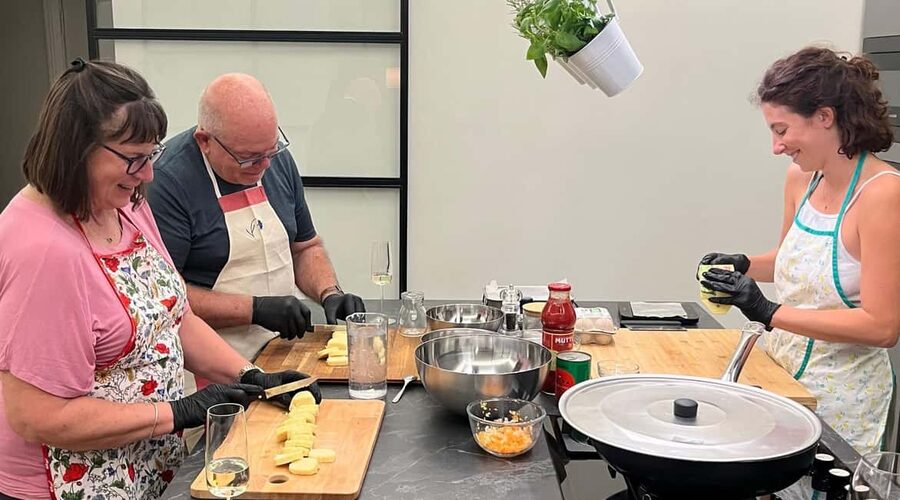
Ginevra is the named host and instructor, and she teaches in English and Italian. Her role covers more than showing you how to combine ingredients. She also provides a chance to ask about local culture and family traditions while the food is being prepared.
That personal exchange may be the strongest reason to choose this class. Sonya, from the United States, described Ginevra as a master of her craft and praised the chance to learn and eat authentic Italian dishes. The important point for you is not simply the praise itself. It is that the class is built around the host’s own cooking traditions, so the evening has a personal starting point.
You should come ready to ask questions. Useful topics might include how the recipes change between families, how the dishes are served, and which parts of the meal are easiest to repeat at home. The experience specifically encourages questions about local culture and traditions, so curiosity is part of the format.
The language choice is also practical. English support removes much of the worry for visitors who do not speak Italian, while Italian speakers can take part more fully in the language of the kitchen.
Is the menu suitable for your diet?
You need to check the menu before booking if food restrictions matter to you.
A lactose-free menu can be requested. You should provide that information in advance so the host has time to plan suitable ingredients and substitutions.
A fully vegetarian menu is not available, even though the gnocchi and sauces do not contain traces of meat. The meatballs remain part of the planned dinner, so vegetarians and vegans should choose another activity.
The class is also not suitable for people with gluten intolerance or for anyone who needs a meal designed for celiac disease. This is an important limit, since gnocchi and the opening pizza may involve gluten. Do not assume that a simple ingredient change will make the whole menu safe.
Food preferences and intolerances should be shared before the class. The host can establish the menu with you, but only within the limits listed for this experience.
Timing, location, and group size
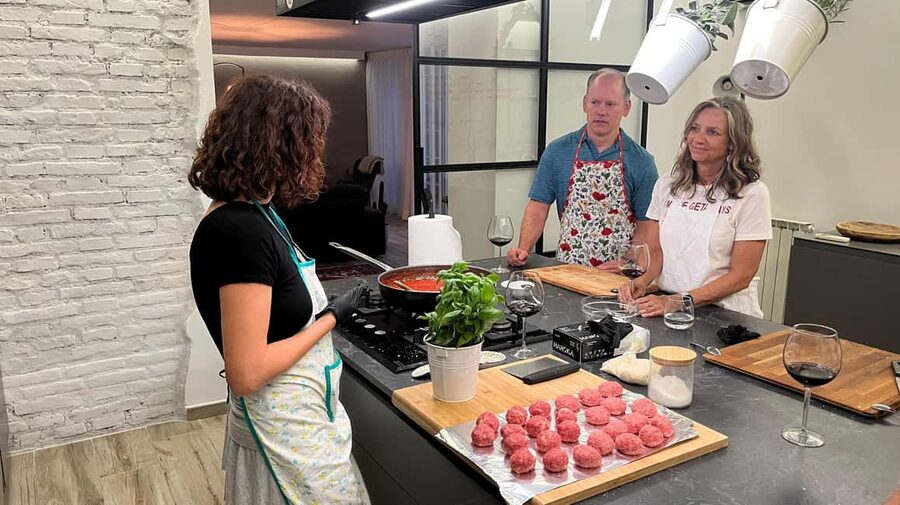
The experience lasts four hours, but a start time is not fixed in the information provided. You need to check availability for the date you want.
The meeting point is a home address in Lazio. On arrival, use the intercom for Apartment 3, listed under Tipaldi-Mannucci. If you have trouble finding the address, contact Ginevra.
The published coordinates are 41.92771911621094, 12.487957954406738. Save them before leaving your hotel, especially if you are relying on a phone connection that may not work well when you arrive.
The class is limited to six participants. That size is small enough to support conversation and individual questions, but you should not assume every booking will be fully private unless you confirm it. Janne, from Denmark, specifically valued the private character of the experience and found the meal filling, which suggests that the intimate format can be a major part of the appeal.
People with mobility impairments and wheelchair users should not book this activity. It is also not recommended for people over 75, according to the stated suitability information. Children under 15 are not accepted.
The value of a four-hour home meal
No price is provided here, so I cannot judge the exact cost against other Rome cooking classes. I can still explain what you are paying for: four hours with a local host, a full meal, wine, aperitif, dessert, liqueur, hands-on preparation, and conversation about Roman culture.
That is a stronger value proposition than a short demonstration followed by a small tasting. You are getting several courses and a social evening, not only a recipe lesson.
The value is best for you if you care about personal contact and food you can repeat at home. If you only want to learn one quick pasta recipe, a shorter class may suit you better. If you want a full evening built around Roman dishes and a host’s family cooking traditions, the length makes sense.
The class also includes the food you prepare, so you do not need to arrange a separate dinner afterward. In fact, you may not want to. The meal is generous enough that you should plan your schedule around it rather than treating it as a light stop before another reservation.
Free cancellation is available up to 24 hours before the experience for a full refund, and you can reserve now and pay later. Those terms help if your Lazio plans are still shifting, but you should still check the exact booking conditions for your date.
Who should book this Roman cooking class?
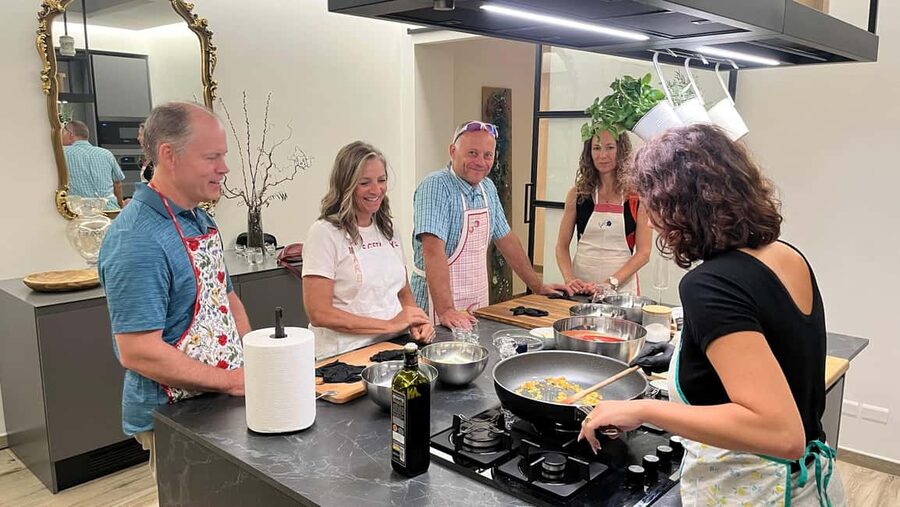
I would choose this for adults, older teenagers, couples, and small groups of friends who want food and conversation in equal measure. It suits people who like to participate, ask questions, and sit down to a meal after working in the kitchen.
It is especially useful if you want to learn dishes beyond the usual tourist menu. Gnocchi alla Romana, meatballs with homemade tomato sauce, and stuffed zucchini give you a broader look at Roman home cooking.
You should skip it if you need a vegan, vegetarian, gluten-free, or celiac-safe meal. You should also look elsewhere if you need wheelchair access or if a four-hour dinner feels too long for your schedule.
Should you book Gnocchi and Meatballs at Ginevra’s home?
Book this class if you want a personal Roman food lesson that ends with a substantial home-cooked dinner. The small group, English and Italian instruction, family recipes, and open conversation about local traditions give it more character than a basic cooking demonstration.
The strongest reasons to go are the practical menu and the host-led setting. You learn several dishes, eat what you make, and leave with recipes you can try again. The main caution is dietary: this menu cannot be made fully vegetarian, vegan, or celiac-safe.
For the right eater, this is a warm, social way to spend four hours in Lazio. Come hungry, tell Ginevra about allergies or preferences in advance, and leave room for the sweets and liqueur at the end.
FAQ
How long does the cooking class and dinner last?
The experience lasts four hours.
Where does the activity take place?
It takes place at the host’s home in Lazio. On arrival, use the intercom for Apartment 3, listed under Tipaldi-Mannucci.
What dishes will I prepare?
You will prepare gnocchi alla Romana, meatballs with homemade tomato sauce, and stuffed zucchini.
Is dinner included?
Yes. At the end of the cooking session, you sit together and eat the food you prepared.
What drinks and finishing dishes are included?
The experience begins with prosecco. Dinner is accompanied by Italian wine and ends with typical sweets and local liqueur.
What languages does the instructor speak?
The instructor speaks English and Italian.
How many people can join?
The maximum group size is six participants.
Can I request a lactose-free menu?
Yes. A lactose-free menu can be requested, but you should inform the host in advance.
Is a vegetarian or vegan menu available?
A fully vegetarian menu is not available, and the activity is not suitable for vegans. The gnocchi and sauces do not contain traces of meat, but the full menu includes meatballs.
Is the experience suitable for people with gluten intolerance or celiac disease?
No. The activity is not suitable for people with gluten intolerance or for people with celiac disease.
What is the cancellation policy?
You can cancel up to 24 hours in advance for a full refund. Reserve now and pay later is also available.
More Pasta Classes with Dinner in Rome
- Pasta Making & Wine Tasting with Dinner in Frascati from Rome
★ 5.0 · 1,326 reviews - Rome: Pasta Making with Wine Tasting and Dinner in Frascati
★ 4.9 · 979 reviews - Pasta&Tiramisu Workshop: Craft Your Dinner with Free Flowing Wine
★ 5.0 · 121 reviews - Rome: Pasta Cooking Class, Dinner & Wine in Authentic Restaurant
★ 5.0 · 38 reviews
Fresh off the board around Rome
- Spritz and Pasta! Spritz, Fettuccine & Tiramisù★ 5.0 · 2 reviews
- Trastevere Food Tour with Pasta-Making Class★ 5.0 · 5 reviews
- Rome: Pasta and tiramisu class with wine pairing at Come Na Vorta★ 5.0 · 30 reviews
- Top Class in Fettuccine, Ravioli, and Tiramisu★ 5.0 · 7 reviews
- Traditional Pasta Cooking Class with Tiramisu Small Group★ 5.0 · 7 reviews
- The Original Fettuccine Alfredo Experiences in Roma★ 4.5 · 38 reviews
- The Pasta Factory Class★ 4.5 · 21 reviews
- Italian Pasta & Dessert Class in Historic Center (3-Course Meal)★ 5.0 · 2 reviews
Ravioli and Gnocchi Classes, class by class.
3 in 1 Cooking Class near Navona: Fettuccine, Ravioli & Tiramisu
Read our review →
3-in-1 Fettuccine, Ravioli, and Tiramisu Cooking Class
Read our review →
Fettuccine Pasta Cooking Class in Rome’s City Center
Read our review →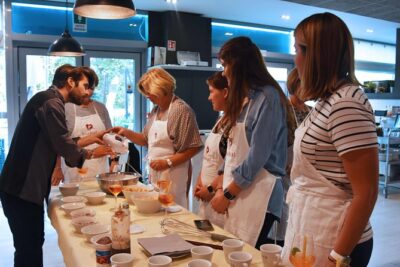
Become a Masterchef in Rome: Pasta, Ravioli and Tiramisù Class
Read our review →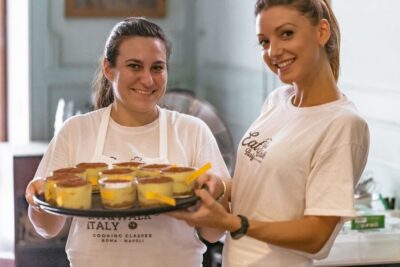
Fettuccine & Tiramisù: Cooking Class with Wine & Limoncello
Read our review →
Rome Pasta and Tiramisu Class: Ravioli, Fettuccine & Fine Wine 5*
Read our review →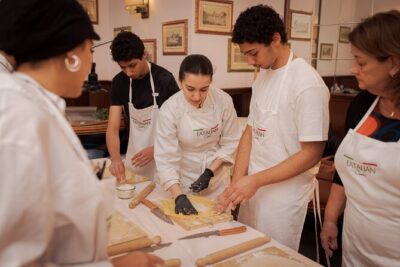
Pasta Cooking Class in Rome – Fettuccine Class in Piazza Navona
Read our review →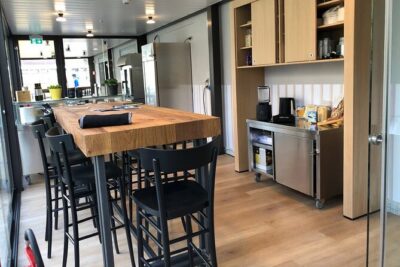
Lists this class appears in