
Review · FLORENCE
Florence: Pasta Cooking Class with Tiramisu & Gift Apron
The best part of this Florence cooking class is that you do not just watch someone twirl pasta. You knead dough, roll it thin, shape ravioli and rigatoni, then sit down to eat the results with wine. The gift apron adds a cheerful touch, and the class gives solo visitors an easy way to share a table without needing a dinner companion.
I like the clear, practical teaching and the chance to learn dishes you can repeat at home. I also like the meal at the end: your work becomes pappardelle with tomato and basil, spinach and ricotta ravioli with butter and sage, and tiramisu. The main caution is group size. With as many as 18 people, some sessions may feel crowded or hard to hear, and the tiramisu can be more of a demonstration than a fully individual project.
Key points to know before booking
- Three classic dishes: Make fresh pappardelle, spinach and ricotta ravioli, and tiramisu.
- Hands-on pasta work: Practice kneading, rolling, filling, sealing, shaping, and cooking timing.
- Wine included: Regional red and white wine is served during the class and meal, with water and soft drinks available on request.
- Friendly for solo visitors: The shared table and guided format make it easy to come alone.
- Group size matters: The class may include up to 18 people, though some sessions are smaller.
- Take-home value: You receive digital recipes and a gift apron, so the lesson can continue in your own kitchen.
Making pasta at Borgo Pinti
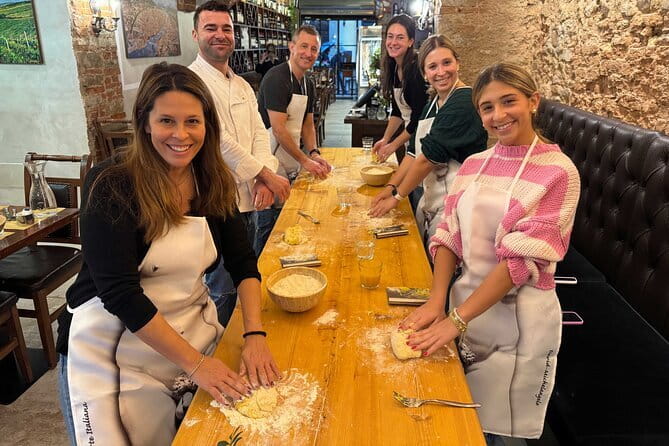
The class meets at La Carbonata Del Porrati on Borgo Pinti, 95R, a short walk from central Florence sights and near public transportation. It takes place in the back of an operating restaurant, rather than in a formal culinary school. That setting gives the evening a casual, social feel, though it can also mean a little less space around the worktable.
The format lasts about two and a half hours. After meeting the instructor and settling in, you move into the hands-on portion. Local chefs have included Kevin, Rafa, Maggie, Leonardo, and other members of the teaching team. The exact instructor may vary, but the teaching style is meant to be friendly, direct, and practical.
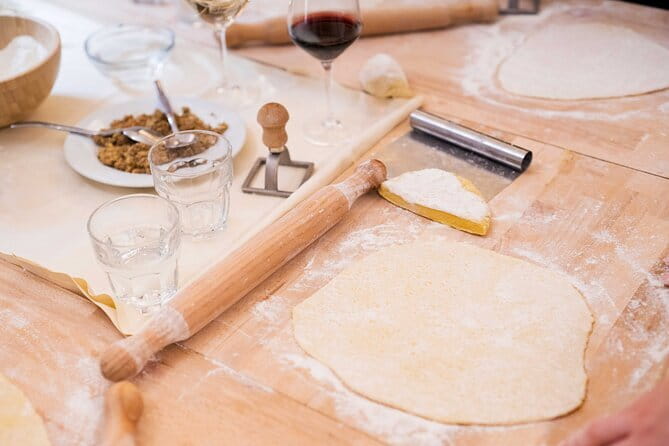
You begin with fresh pasta dough. This is where the class earns its keep. The important lesson is not simply combining flour and eggs. You learn how the dough should feel, how long to knead it, and how thin to roll it. Those small judgments matter more at home than memorizing a recipe.
The chef demonstrates each step, then gives you time to copy it. Ask questions as you work. If your dough feels too dry, your filling leaks, or your pasta sticks, this is the moment to get help. Instructors such as Rafa and Kevin have been praised for keeping the mood light while still giving useful corrections.
More Tiramisu Classes in Florence
- Florence: Pasta & Tiramisu Cooking Class with Unlimited Wine
★ 4.9 · 6,708 reviews - Florence: Cooking Class Pasta & Tiramisu Making Unlimited Wine
★ 5.0 · 2,234 reviews - Pasta and Tiramisu Cooking Class with optional Local Market Tour
★ 5.0 · 515 reviews
From dough to pappardelle and ravioli
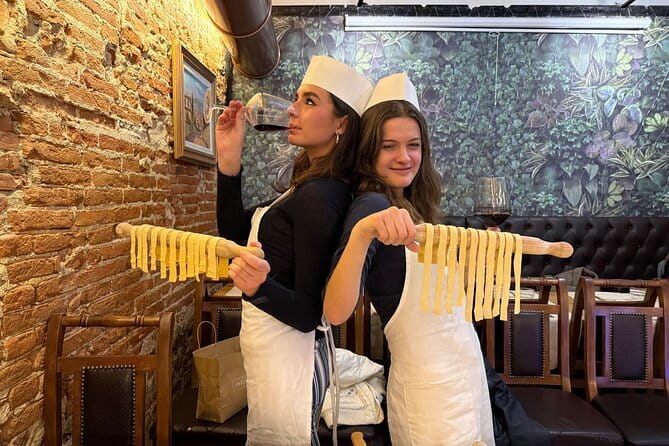
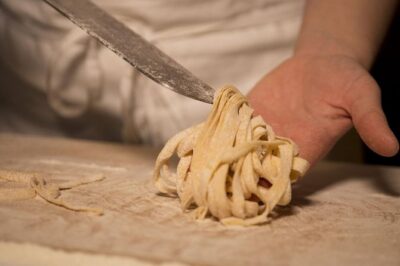
The pasta menu gives you two different lessons in shape and texture. Pappardelle are broad Tuscan ribbons, usually cut wider than tagliatelle. They are satisfying to make because you can see the dough change from a rough ball into a smooth sheet, then into long, generous strips.
The planned sauce is San Marzano tomato with basil. The finished dish is simple by design. A tomato sauce lets you taste the pasta itself, and it gives you a reliable meal to recreate at home. The sauces are prepared ahead because some require a long, slow cooking time. That means you are learning pasta technique, not making every part of dinner from the beginning.
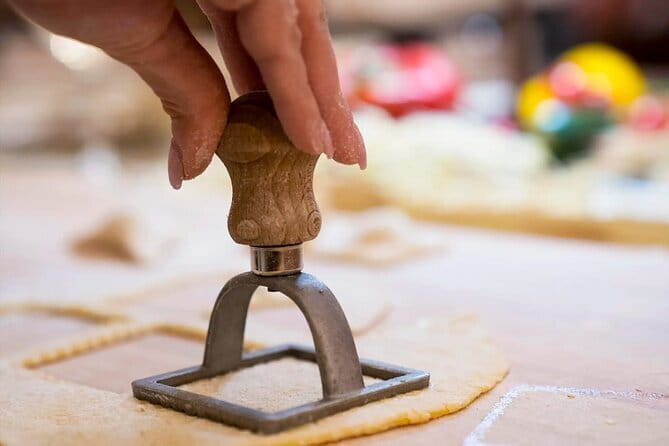
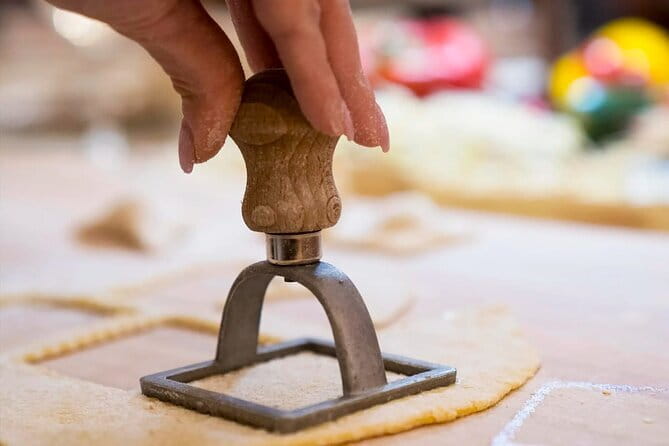
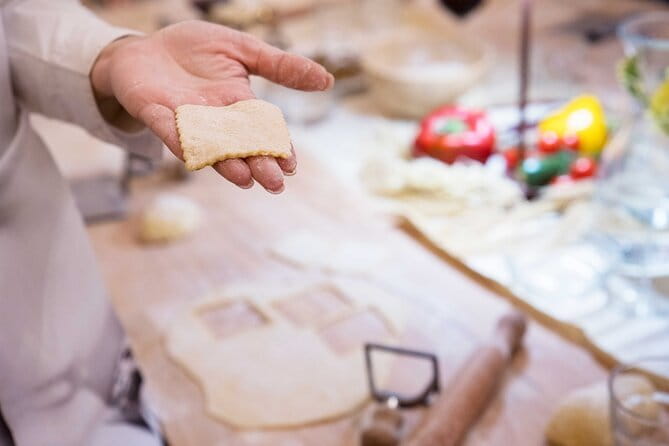
Ravioli bring a different set of skills. You work with spinach and ricotta filling, then learn how to place it, seal the pasta, and remove air pockets. A good seal matters. If the edges are not pressed firmly, the ravioli can open in the cooking water.
The usual finish is butter and sage. It is a classic combination that rewards delicate pasta because the sauce is light. You also learn about cooking timing, which is essential with fresh pasta. Fresh ravioli cook quickly, and the difference between tender and overdone can be only a short moment.
One particularly useful detail is that the pasta you make is collected, cooked, and served as part of the meal. In a well-run session, you are not simply handed a random plate from the kitchen. The point is to taste the result of your own work. Still, the pace can vary. A larger group may mean more waiting while everyone reaches the same stage.
The tiramisu lesson
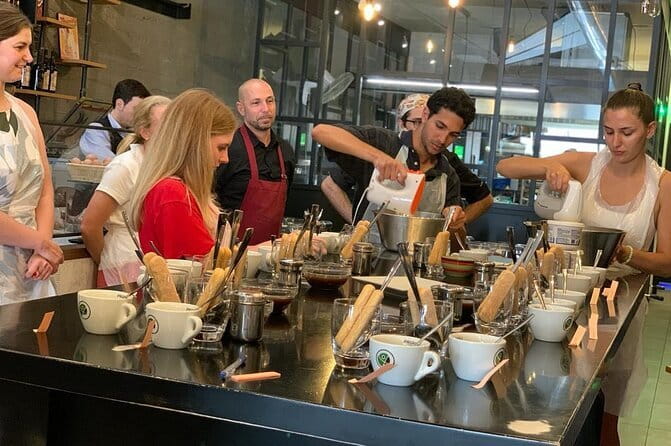
Tiramisu is a major reason many people choose this class. The recipe uses mascarpone, whipped cream, fresh eggs, ladyfingers, and coffee. You learn how to build a stable mascarpone cream and how to keep the espresso flavor balanced rather than harsh.
The format here deserves a clear warning. The planned experience describes tiramisu as a from-scratch activity, but some sessions have treated it mainly as a chef demonstration, with the prepared dessert shared at the table. If making your own individual tiramisu is essential to you, ask the instructor at the start how this part will be handled.
Even as a demonstration, the tiramisu lesson has value. The useful points are the texture of the cream, the amount of coffee, and the order of layering. These are the details that decide if tiramisu is firm and balanced or soggy and heavy. The finished dessert is served after the pasta, giving you a sweet end to a substantial meal.
Wine, conversation, and the shared table
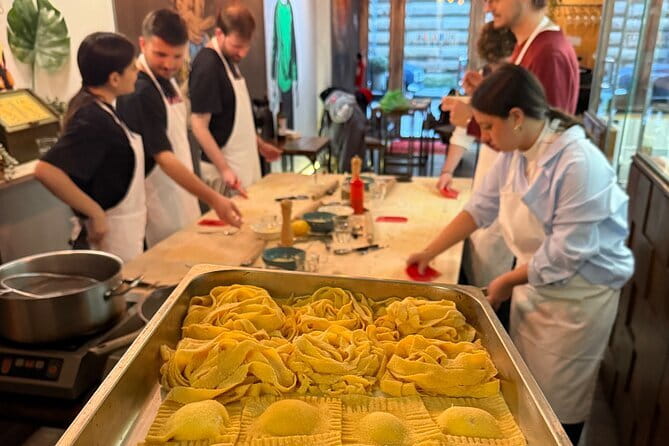
Regional wine is included during the class and meal. Red and white wine are available, and more can be served within the included offering. Water and soft drinks can be requested. This is a social class, not a quiet cooking lecture, and the wine helps people talk across the table.
That social side is especially useful if you are in Florence alone. You have a built-in activity, a shared meal, and clear points of conversation. The apron can also work as an easy icebreaker. You are all trying to shape pasta, compare results, and figure out when the next step begins.
The wine policy also calls for some common sense. It is described as unlimited, but that does not mean you need to drink heavily. One session was disrupted when a participant drank too much and became ill. That affected the group and the restaurant. Pace yourself, especially because you still need to follow instructions and get safely back to your accommodation.
The restaurant also has a wine window, which provides a distinctive photo opportunity. It is a small detail, but it adds local character to the meeting place and gives you something to notice before or after class.
Same flour, a different shape to roll:
- Florence: Pasta Cooking Class with Unlimited Wine
★ 4.9 · 10,285 reviews - Florence Pizza or Pasta Class with Gelato Making at a Tuscan Farm
★ 5.0 · 6,801 reviews - Florence: Pasta Cooking Class with Unlimited Wine
★ 5.0 · 6,413 reviews - Pastamania – Florence Pasta Making Class
★ 5.0 · 3,050 reviews
How much personal help will you get?
The answer depends on the size of your session. The maximum is 18 people, while some classes have had about 12. A group of 12 can still feel personal when the chef and assistant circulate steadily. At 18, the worktable may feel tight, and it may be harder to hear every explanation.
This is not a private lesson. You should expect to share equipment, work beside other people, and sometimes wait for the next instruction. The advantage is a lively table and a lower price. The tradeoff is less one-to-one attention than you would receive in a small workshop.
Several instructors have been singled out for combining patience with humor. Maggie and Leonardo, for example, have been described as kind but firm about the steps. Rafa has been praised for answering questions while keeping the class moving. These qualities matter because pasta making can quickly become confusing if the chef gives a demonstration and then leaves everyone to guess.
If you want the best chance of hearing everything, arrive ready to begin and stay near the instructor during demonstrations. Ask for clarification right away instead of waiting until the class has moved on. If your party has children, note that older children have enjoyed the activity, but the pace and hot cooking stages may be less suited to very young kids.
What you actually eat
The meal is not an extra restaurant course added after the class. It is the payoff for the work at the table. The intended menu includes:
- Pappardelle with San Marzano tomato and basil
- Spinach and ricotta ravioli with butter and sage
- Tiramisu with mascarpone, whipped cream, eggs, ladyfingers, and coffee
The portions are designed as a full meal, and the wine continues at the table. The food is generally praised for being delicious, though one session found the seasoning a little light. That is a useful reminder that restaurant-style finishing may differ from your own taste.
The meal also helps you judge your progress. You can feel the difference between pasta rolled too thick and pasta rolled correctly. You can see how a neat ravioli seal holds during cooking. You can taste how a simple sauce supports fresh noodles. These are practical lessons, not just pleasant dinner talk.
The sauces may already be prepared when you arrive. This is not a flaw, but it is important to understand the scope. The class focuses on fresh pasta, ravioli, and tiramisu technique. It does not promise that you will make every sauce from start to finish during the two and a half hours.
Price and practical value at $45.66
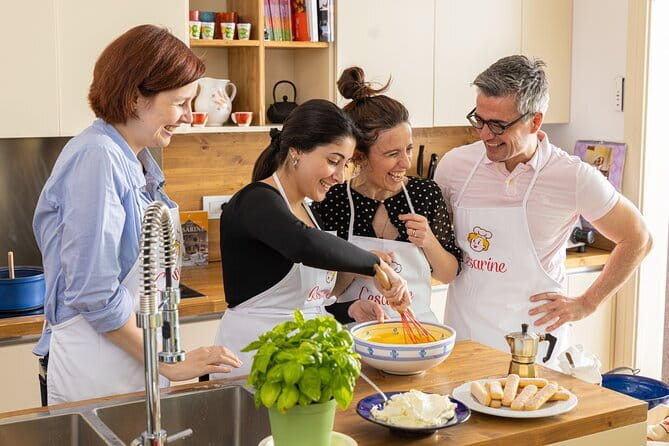
At $45.66 per person, the class is a strong value if you want both dinner and instruction. The price includes the chef-led lesson, ingredients, equipment, the pasta and ravioli meal, tiramisu, wine during the class and meal, water or soft drinks on request, a digital recipe booklet, and a gift apron.
A comparable restaurant dinner could cost a large part of that amount without giving you a skill to take home. The apron and recipes add modest value, but the main savings come from combining an activity with a full meal and drinks.
The value is weaker if you want a quiet, highly polished cooking school or a private chef. You may have to share workspace, listen over the room, and accept that some elements, especially tiramisu, can be demonstrated rather than completed by each participant.
The class is also best when you have enough time afterward. One session began late because an earlier class ran over, leaving the group rushed at the end. If you have a train, airport transfer, or timed reservation immediately afterward, leave a generous buffer. The advertised duration is approximately two and a half hours, not a guarantee that every session will start and end exactly on the minute.
Who will enjoy this Florence cooking class?
I would recommend it most for first-time visitors who want a relaxed introduction to Italian food. It works well for couples, families with older children, groups of friends, and solo people looking for an evening activity with built-in company.
It is also a smart choice for anyone who wants to cook Italian food at home. The lessons on dough texture, rolling thickness, filling, sealing, and timing are more useful than a simple demonstration. You leave with recipes and a better sense of what your hands should be doing.
Families should think about the pace and the group size. Children around 11 and 13 have enjoyed making ravioli and pappardelle, but the class may feel rushed if it starts late. Very young children are less likely to get much from the technical parts and may have trouble with the two and a half hour format.
I would hesitate if you dislike group activities, do not drink wine, or expect to make every component from scratch. Wine is included, but you do not need to drink it. The bigger issue is that the experience depends on the energy and size of the room.
Booking, timing, and cancellation
The meeting point is La Carbonata Del Porrati at Borgo Pinti, 95R, in Florence. The class ends at the same location, so you arrange your own way there and back. It is near public transportation, but hotel pickup and drop-off are not included.
A mobile ticket is accepted, and the activity is offered in English. Vegetarian options are available, but tell the provider about dietary needs in advance. Confirmation is provided when you book.
This class is often reserved about a month ahead, so popular dates may disappear before your trip. You can cancel for a full refund up to 24 hours before the local start time. Cancellations or changes inside that window are not refunded or accepted.
Should you book it?
Book this class if you want to learn real pasta basics, share a lively meal, and keep the evening reasonably affordable. The strongest reasons are the hands-on dough work, the chance to eat what you make, the included wine, and the recipes you can use at home.
Before paying, be comfortable with three conditions: the group may reach 18 people, the class can occasionally run late, and tiramisu may be partly a demonstration. If those limits are acceptable, this is a useful and sociable way to spend an evening in Florence, especially on your first night or if you are exploring alone.
FAQ
Where does the Florence pasta class meet?
The class meets at La Carbonata Del Porrati, Borgo Pinti, 95R, 50121 Florence, Italy.
How long does the class last?
The experience lasts approximately two hours and 30 minutes.
What dishes will I make?
The planned menu includes pappardelle with tomato and basil, spinach and ricotta ravioli with butter and sage, and tiramisu.
Is the class conducted in English?
Yes. The experience is offered in English.
Is wine included?
Yes. Regional wine is served during the class and meal. Water and soft drinks are available on request.
Can I join if I am traveling alone?
Yes. The shared cooking table and meal make the class suitable for solo visitors.
Is cooking experience required?
No. The class is designed for beginners and includes step-by-step instruction.
How many people can join the class?
The maximum group size is 18 people.
Are vegetarian options available?
Yes. Vegetarian options are available. You should share your dietary needs in advance.
Do I receive anything to take home?
Yes. You receive a digital recipe booklet and a gift apron.
Is transportation included?
No. Hotel pickup, drop-off, and private transportation are not included. The class ends at the meeting point.
Can I cancel for a refund?
Yes. You can receive a full refund if you cancel at least 24 hours before the experience start time. Cancellations within 24 hours are not refunded.
Fresh off the board around Florence
- Hands on Deluxe Traditional 4-course dinner with fresh pasta★ 5.0 · 15 reviews
- The Art of Pasta and Wine Tasting with Local Sommelier★ 5.0 · 16 reviews
- Vegan Cooking Class in Florence: Pasta Making & Wine!★ 5.0 · 2 reviews
- Gluten free pasta and dessert class 6 guests max★ 5.0 · 2 reviews
- Tuscan Pasta Masterclass Small-Group Cooking Experience★ 5.0 · 17 reviews
- Cooking class and home made pasta in Florence with LA VIVANDIERA!★ 5.0 · 5 reviews
- MaMa Florence: The Art of Corzetti – Hands-On Pasta Class★ 5.0 · 15 reviews
- Private Pasta & Tiramisu Class at Cesarina’s home in Florence★ 5.0 · 28 reviews
Tiramisu Classes, class by class.
3 in 1 Cooking Class near Navona: Fettuccine, Ravioli & Tiramisu
Read our review →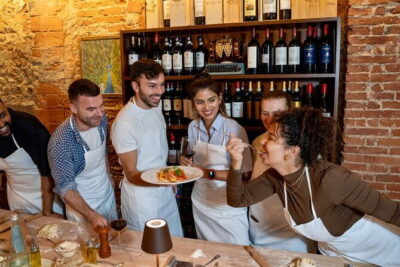
Pasta & Tiramisu Cooking Class with Unlimited Wine
Read our review →
Pasta & Tiramisu Class with Fine Wine by the Vatican
Read our review →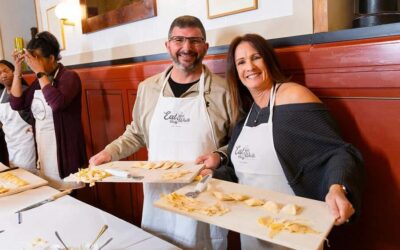
3-in-1 Fettuccine, Ravioli, and Tiramisu Cooking Class
Read our review →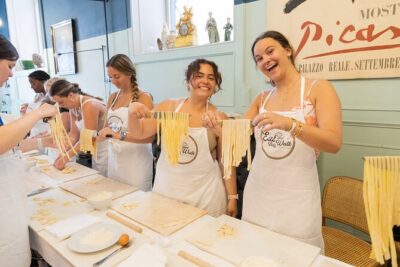
Learn to Make Pasta & Tiramisu with Wine and Limoncello Included
Read our review →
Become a Masterchef in Rome: Pasta, Ravioli and Tiramisù Class
Read our review →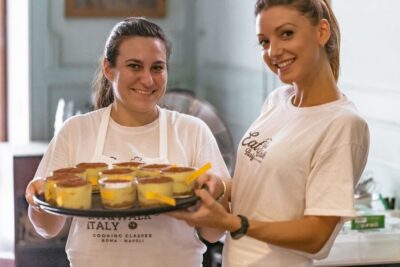
Fettuccine & Tiramisù: Cooking Class with Wine & Limoncello
Read our review →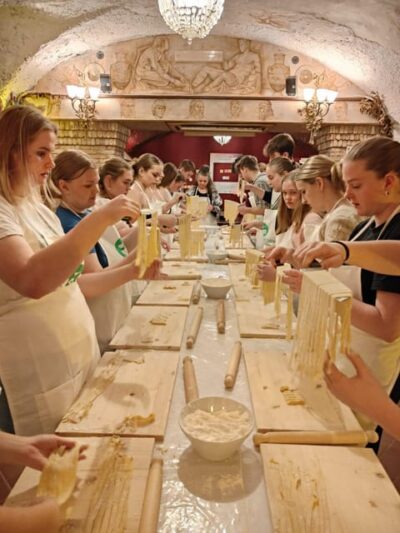
Pasta & Tiramisu Cooking Class near the Spanish Steps
Read our review →Lists this class appears in