Review · ROME
Farmer’s Market and Pasta Making with Italian Wine
Rome’s best food lesson may begin not at a cooking school, but beneath the statue of Giordano Bruno in Campo de’ Fiori. You start with the market, choosing bread, cheese, meat, and vegetables before heading to a kitchen near the Turtle Fountain. Then you turn those ingredients into pasta, ravioli, and an Italian dessert.
I like the market stop because it connects your meal to real Roman food shops, including Norcineria Viola and Forno Campo de’ Fiori. I also like the small group, capped at 12 people, which gives the chef room to help beginners instead of leaving you to guess your way through the dough.
The main consideration is the price: at $150.51 per person, this is not a cheap meal. It makes better value if you want a four-hour food experience with instruction, wine, ingredients, and lunch, rather than a simple restaurant booking.
Key points to know before booking
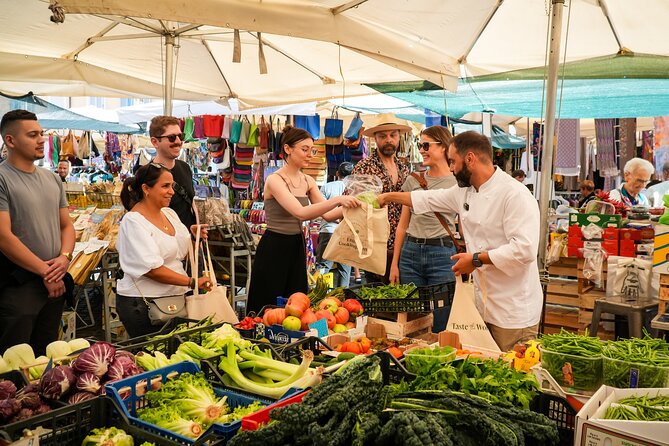
- Start at Campo de’ Fiori: Meet at the Monumento a Giordano Bruno at 9:45 a.m. and begin with a market visit.
- Shop like a local cook: Pick up fresh ingredients, including bread, meats, cheeses, and vegetables, with guidance from your chef.
- Cook in the Jewish Ghetto: The kitchen is near the Turtle Fountain at Piazza Mattei, a short walk from the market.
- Make a full meal: Expect handmade pasta and ravioli, plus a traditional Italian dessert. The exact menu can vary.
- Wine is included: Italian wine is served during the cooking and meal portion of the experience.
- Small groups matter: No more than 12 people take part, making this a good choice for first-time cooks and families.
Starting with Roman food at Campo de’ Fiori
The meeting point is the Monumento a Giordano Bruno in Piazza Campo de’ Fiori. The class begins at 9:45 a.m., so arrive with enough time to find the statue and gather without rushing.
Campo de’ Fiori is a useful starting point because it gives you more than a quick cooking demonstration. You see where some of the ingredients come from, learn about Roman food traditions, and help select the food that will later appear on your plate.
Your chef leads the shopping. The supplied information names Norcineria Viola for meats and cheeses and Forno Campo de’ Fiori for bread. That detail matters. Instead of being handed a prepared basket of anonymous ingredients, you get a look at the places that help shape the meal.
The market portion also gives the class a social rhythm. You are not sitting silently at a counter from the first minute. You are walking, looking, tasting, and making choices with the rest of the group.
One past class included breakfast at the bakery, along with prosciutto, cheeses, cookies, and pizza picked up during the market visit. Those extras are not promised as a fixed menu, so I would treat them as possible surprises rather than guaranteed courses. Still, they show how the morning can feel like a food outing before the formal cooking begins.
More Fresh Pasta Workshops in Rome
- Rome: Pasta Making Class with Wine, Limoncello, and Dessert
★ 4.9 · 3,177 reviews - Enjoy Spritz and Pasta Making in Piazza Navona
★ 5.0 · 1,681 reviews - Pasta Making & Wine Tasting with Dinner in Frascati from Rome
★ 5.0 · 1,326 reviews
From market stalls to the kitchen near Piazza Mattei
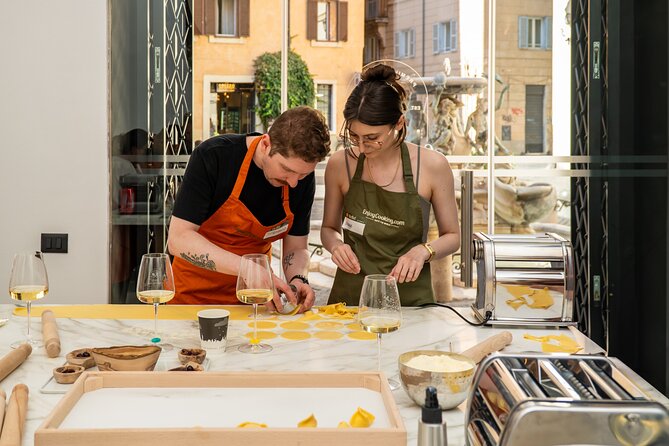
After Campo de’ Fiori, you head to the cooking kitchen near the Turtle Fountain in the Jewish Ghetto at Piazza Mattei. The kitchen is described as a short walk from the market, which keeps the experience centered in Rome’s historic core rather than sending you across the city.
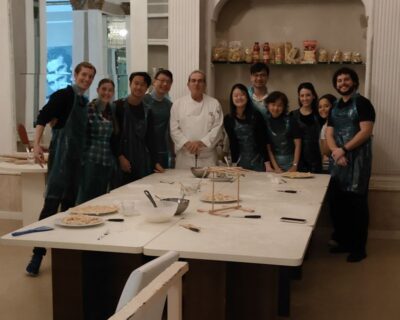
The kitchen itself is part of the appeal. One class participant described it as spectacular, and the setting gives the group a proper place to work, eat, and spend time together. You will use premium cooking equipment and fresh ingredients, with the chef guiding the work.
The route between the two locations is practical as well as scenic. You begin in a market square, then continue into one of central Rome’s older neighborhoods. The activity ends back at the meeting point, so you should plan your day around a return to Campo de’ Fiori rather than assuming the class finishes at Piazza Mattei.
Hotel pickup and drop-off are not included. You need to make your own way to Campo de’ Fiori, though the meeting point is near public transportation. The central location makes this easier than a class outside the city center, but you still need to allow time for Rome’s streets and morning crowds.
Making pasta, ravioli, and dessert from scratch
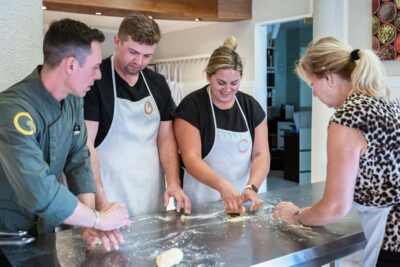
The heart of the class is hands-on cooking. You are not simply watching a chef prepare lunch while you take notes. You work with the ingredients and receive direct help throughout the process.
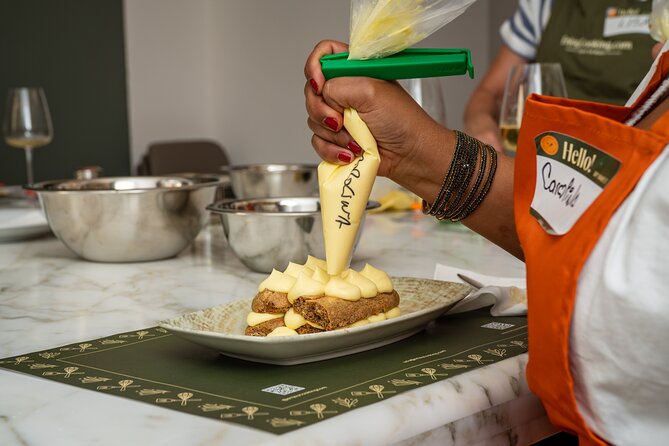
The planned highlights include handmade pasta, ravioli, and a traditional Italian dessert. That is a satisfying combination because it covers dough, filling, shaping, and something sweet at the end. You get a sense of how a Roman meal is built, rather than learning one isolated recipe.
The chef’s role is especially important for beginners. The class is designed to make the process simple and fun, even if you do not cook often. That makes it suitable for families and first-time pasta makers, not just people who already know their way around a kitchen.
The exact dishes may change. One class produced fresh pasta, veal cotoletta, salad, and tiramisu. Another included gelato, supplì, and pizza. The core promise is a pasta-making experience with dessert, but the additional dishes can depend on the chef, the market ingredients, or the day’s menu.
That flexibility can be a plus. You may get a broader meal than expected, with classic Roman foods such as supplì or cotoletta appearing alongside the pasta. The tradeoff is that you should not book this expecting one rigid menu down to the last ingredient.
The experience also leaves room for photos and short videos. One class participant found it easy to capture the cooking process, which can be useful if you want a visual memory of shaping pasta or preparing dessert. Just keep your phone from becoming the main activity. The pleasure here is working with the food.
Meeting Alessandro, Max, or another local chef
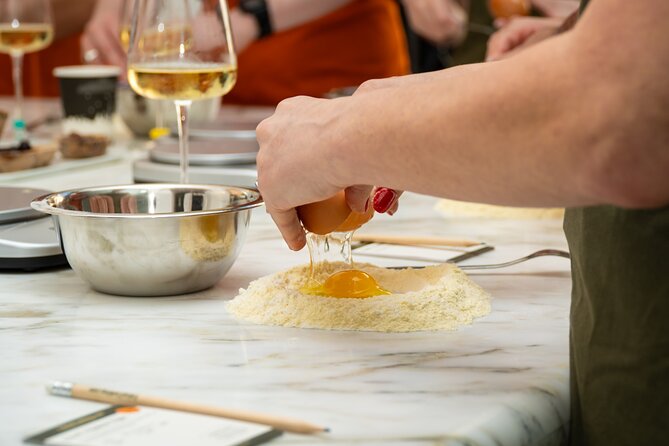
The chef is the person who can make or break a cooking class. Two chefs named in the supplied experiences are Alessandro and Max.
Alessandro was described as warm, funny, passionate, and welcoming, with a gift for making everyone feel at home from the start. Max brought strong knowledge of the local area and Italian cooking to both the shopping and kitchen portions.
Because different class dates may have different chefs, you should not assume that Alessandro or Max will lead your particular session. The useful point is that the class depends heavily on personal instruction rather than a large, impersonal demonstration.
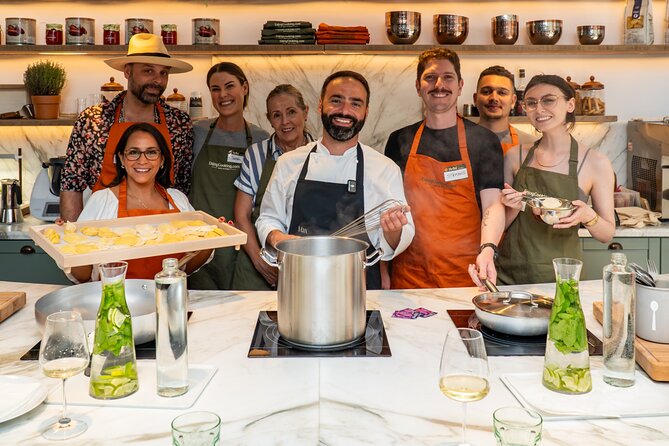
A group maximum of 12 is a good size for this format. It is large enough for a sociable meal and small enough for the chef to watch the work. If your dough needs help, or you are unsure how to shape the ravioli, there should be a reasonable chance of getting attention.
I would still expect some shared tasks rather than a private lesson. A small group does not mean one chef devoted to each person. It means a more personal setting than a big class, with room for questions and conversation.
More Pasta Classes with Wine in Rome
- Rome: Pasta & Tiramisu Class with Fine Wine by the Vatican
★ 4.9 · 4,852 reviews - Rome Cooking Class: Make Pasta and 3 Spritz Cocktails
★ 5.0 · 2,937 reviews - Learn to Make Pasta & Tiramisu with Wine and Limoncello Included
★ 5.0 · 2,345 reviews - Fettuccine & Tiramisù: Cooking Class with Wine & Limoncello
★ 4.9 · 2,103 reviews
The meal is part of the value
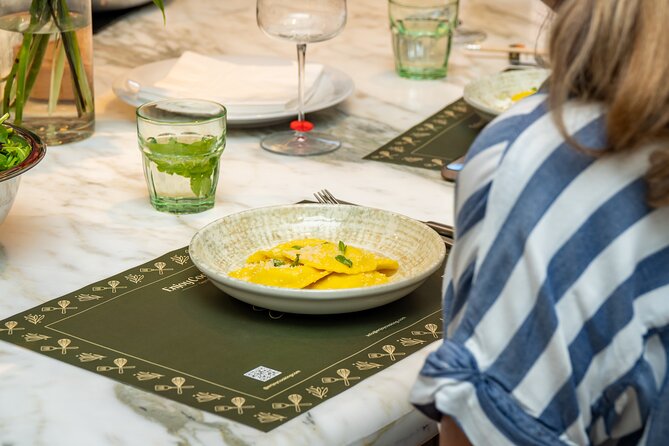
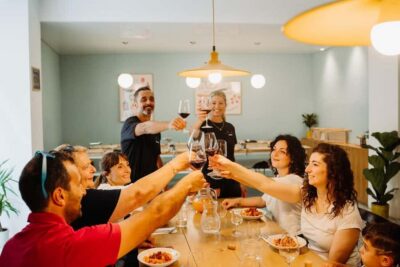
Once the cooking is finished, you sit down and eat what you have prepared. This is more satisfying than receiving a certificate or a small taste at the end. You see the result of the morning’s work on the table, then enjoy it as a proper meal.
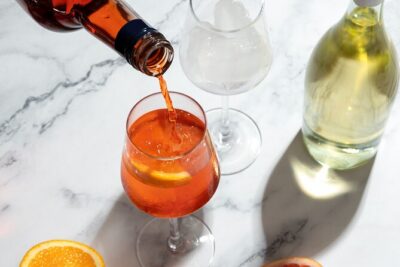
Fine Italian wine is included throughout the experience. That adds to the social side of the class and helps make the four hours feel like a long Roman lunch with a lesson attached. If you do not drink alcohol, the supplied details do not specify alternatives, so check with the provider before booking if that matters to you.
The meal can be more substantial than pasta and dessert alone. The dishes described from past sessions include veal cotoletta, salad, tiramisu, gelato, supplì, and pizza. These are examples rather than a guaranteed menu, but they suggest that the cooking session can turn into a generous feast.
This is where the price needs a fair reading. At $150.51, you are paying for more than food. The cost covers a four-hour activity, a market visit, a local chef, cooking instruction, kitchen use, fresh ingredients, wine, and a sit-down meal.
If you want only to learn how to roll pasta, a shorter class could cost less. If you want a morning that combines shopping, cooking, eating, and conversation in central Rome, the package is easier to justify. I would compare it with the cost of a good lunch plus a separate food activity, not with the price of a bowl of pasta.
Who will enjoy this class most
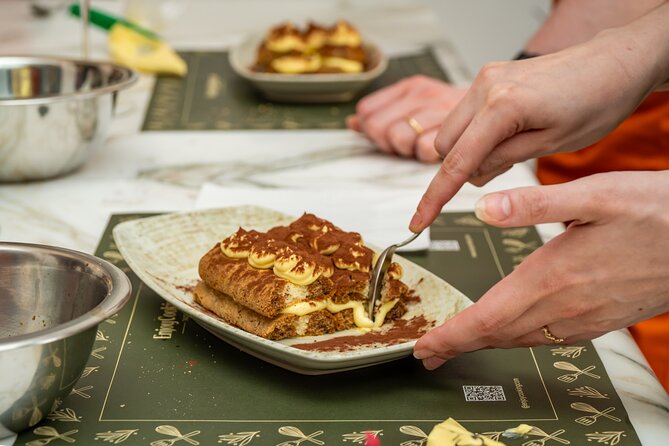
This experience fits people who want to connect food with place. You see the market, buy ingredients, walk through the city center, cook in the Jewish Ghetto, and eat the result. It gives you a fuller picture of Roman food than a restaurant meal alone.
Families should find the format approachable. The cooking is made simple for beginners, and the hands-on work gives children something to do. The class runs for about four hours, though, so younger children may need patience for the market, cooking, and sit-down meal.
It also works well for couples, friends, and solo visitors who enjoy meeting people around a table. A group of up to 12 creates enough company without turning the class into a crowd.
I would be less likely to choose it for someone who wants a quiet morning or a tightly scheduled sightseeing tour. The pace includes shopping, instruction, eating, and conversation. It is a food experience first, not a quick activity to squeeze between major monuments.
You should also be comfortable with a menu that may shift. The experience promises handmade pasta, ravioli, and dessert, but the extra dishes are not fixed. If you have strict dietary needs, ask before booking, since the supplied details do not explain substitutions.
Timing, meeting point, and cancellation rules
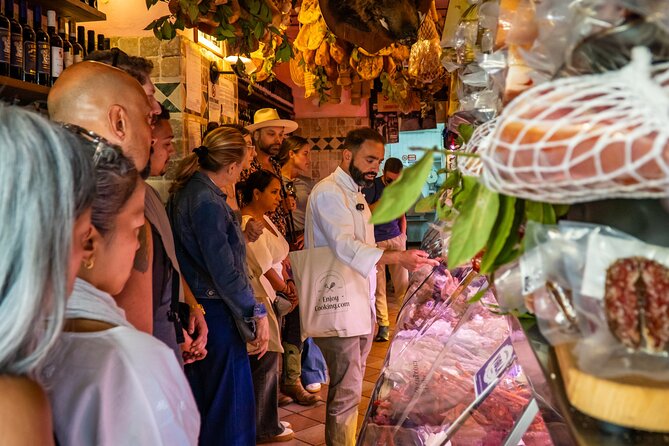
The class starts at 9:45 a.m. at the Giordano Bruno monument in Campo de’ Fiori. A mobile ticket is provided, and confirmation arrives when you book.
The activity lasts about four hours and ends back at the meeting point. Since pickup and drop-off are not included, plan your route to and from Campo de’ Fiori yourself. Public transportation is nearby.
The maximum group size is 12 people. That limit is one of the better practical features, especially for a class that involves shaping pasta and preparing several dishes.
Free cancellation is available if you cancel at least 24 hours before the local start time. Cancellations made within 24 hours are not refunded, and late changes are not accepted. Tips are not included, so bring that extra cost into your planning if you feel the chef provided good service.
Is $150.51 a fair price in Rome?
The price is high enough that you should know what kind of day you are buying. This is not a bargain cooking lesson, and it is not meant to be one.
The value comes from the combination. You get a guided market visit, ingredients chosen during that visit, instruction from a local chef, use of a well-equipped kitchen, wine, and a meal. The setting in central Rome also means you do not lose much sightseeing time getting to an outlying cooking school.
I think the price works best for someone who would otherwise spend money on both a food tour and a memorable lunch. It works less well if your main goal is simply to eat cheaply or learn one recipe.
The fact that the experience is offered in English is useful for international visitors. It removes the language barrier during the market shopping and cooking steps, where clear instructions matter most.
Should you book this pasta class?
I would book this class if you want more than a meal and like the idea of getting your hands dirty with Roman food. The strongest reasons are the market start, the small group, and the full sit-down meal with wine afterward.
You should think twice if $150.51 feels steep, if you need a guaranteed menu, or if you have less than half a day available. The activity takes about four hours, and the meal is part of the schedule rather than a quick finish.
For families, first-time cooks, couples, and food-focused visitors, this is a strong Rome activity. You get a real connection between the market and the plate, plus the pleasant reward of eating what you made. Just confirm any dietary concerns in advance and remember that the chef and extra dishes may vary by date.
FAQ
Where does the experience begin?
It begins at the Monumento a Giordano Bruno in Piazza Campo de’ Fiori, Rome.
What time does the class start?
The start time is 9:45 a.m.
How long does the experience last?
The experience lasts approximately four hours.
Where does the cooking take place?
The cooking takes place in a kitchen near the Turtle Fountain at Piazza Mattei in Rome’s Jewish Ghetto.
What food will I make?
The experience includes handmade pasta, ravioli, and a traditional Italian dessert. Additional dishes can vary, with examples including veal cotoletta, salad, tiramisu, gelato, supplì, and pizza.
Is wine included?
Yes. Fine Italian wine is included throughout the experience.
How large is the group?
The activity has a maximum of 12 travelers.
Is hotel pickup included?
No. Hotel pickup and drop-off are not included. The meeting point is near public transportation.
Can I cancel for a refund?
Yes. You can cancel at least 24 hours before the local start time for a full refund. Cancellations or changes made less than 24 hours before the start are not refunded or accepted.
More Market and Cooking Classes in Rome
- Rome: Pasta Cooking Class with Market Visit and Wine
★ 4.9 · 277 reviews - Kitchen of Mamma: Pasta Cooking Class with market visit in Rome
★ 5.0 · 140 reviews - Farmers’ Market Shopping with Cooking Class and Pasta Making
★ 5.0 · 91 reviews - Rome: Testaccio Food & Market Tour with Pasta & Wine
★ 5.0 · 38 reviews
Fresh off the board around Rome
- Spritz and Pasta! Spritz, Fettuccine & Tiramisù★ 5.0 · 2 reviews
- Trastevere Food Tour with Pasta-Making Class★ 5.0 · 5 reviews
- Rome: Pasta and tiramisu class with wine pairing at Come Na Vorta★ 5.0 · 30 reviews
- Top Class in Fettuccine, Ravioli, and Tiramisu★ 5.0 · 7 reviews
- Traditional Pasta Cooking Class with Tiramisu Small Group★ 5.0 · 7 reviews
- The Pasta Factory Class★ 4.5 · 21 reviews
- The Original Fettuccine Alfredo Experiences in Roma★ 4.5 · 38 reviews
- Italian Pasta & Dessert Class in Historic Center (3-Course Meal)★ 5.0 · 2 reviews
Fresh Pasta Workshops, class by class.
Pasta Making Class with Wine, Limoncello, and Dessert
Read our review →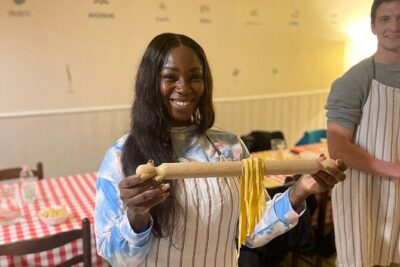
Enjoy Spritz and Pasta Making in Piazza Navona
Read our review →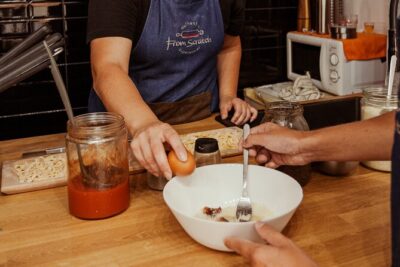
Pasta Making & Wine Tasting with Dinner in Frascati from Rome
Read our review →
The Secrets to Learn Fresh Pasta and Tiramisù in a Glam Home
Read our review →