
Review · FLORENCE
Share Your Pasta Love in a Local’s Home in Florence
The best part of this Florence experience is simple: you enter a real local kitchen, make pasta with your own hands, then eat it at the same table. Hosts such as Donatella and Ivana bring patience and warmth to the lesson, and one host even taught three kinds of pasta during a honeymoon visit. I like the friendly, home-based setting, and I like that the class gives you practical techniques for mixing, kneading, and shaping dough. The main drawback is the short 90-minute schedule, especially if you hope to make several pasta shapes at a relaxed pace.
I also like the modest group size of up to 20 people, since it gives the class a social feel without turning it into a private lesson. The aperitivo, dessert in some homes, and wine served at one bottle per three people add value. Still, the host and exact home can vary, so the atmosphere and menu may not be identical from one date to another.
Key points at a glance
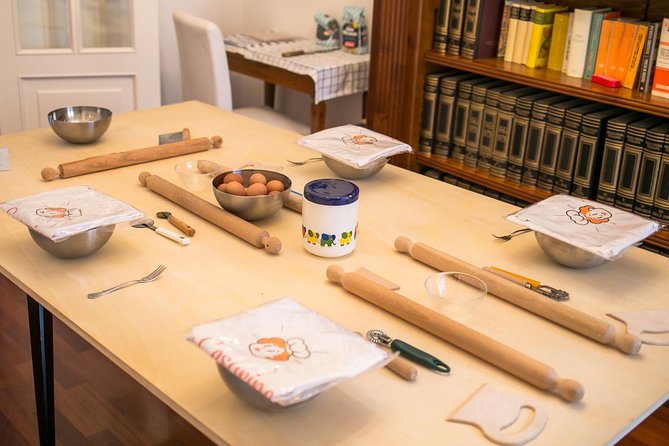
- You cook in a Florentine home: This is a personal kitchen experience, not a demonstration in a restaurant classroom.
- You make fresh pasta by hand: Expect to mix, knead, roll, and shape dough with guidance from a local host.
- Regional dishes may include pici, tortelli, and pappardelle: The exact pasta depends on the home and session.
- The meal includes an aperitivo and wine: You begin with a small appetizer and finish with the pasta you helped prepare.
- The class lasts about 90 minutes: It suits a quick cultural activity, but the pace may feel brisk.
- The group can reach 20 people: You’ll meet other pasta makers, though this is not designed as a private class.
A Florentine kitchen instead of a cooking school
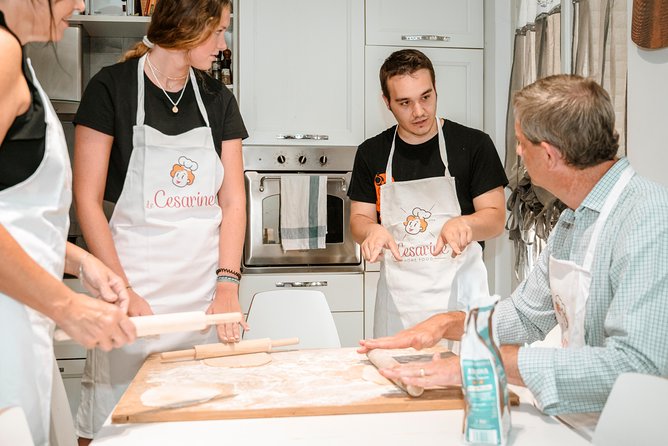
Many Florence cooking classes take place in polished studios built for demonstrations. This one takes you into a private home. That change matters. You are not simply watching a cook explain pasta. You are sitting in the setting where the food is actually made and served.
The meeting point is on Via Quintino Sella in Florence, and the activity finishes back at the same point. The exact home may differ by booking, but the format remains centered on a local host, a home kitchen, and a shared meal.
I find this style of class especially useful if you want more than a recipe. You get a glimpse of Italian hospitality, household cooking, and the social side of a meal. The conversation may become as memorable as the food, particularly if you enjoy meeting people from other countries while working at the same table.
The tradeoff is that a private home is less predictable than a commercial school. Kitchen space, views, seating, and the host’s teaching style can vary. That is part of the appeal, but it also means you should not expect a perfectly standardized production.
More Home Cooking Classes in Florence:
- Private Pasta & Tiramisu Class at Cesarina’s home in Florence
★ 5.0 · 28 reviews - Pastamama, Home Cooking Classes at Grace’s Home
★ 5.0 · 521 reviews - Small Group Pasta and Tiramisu Class at Local’s Home in Venice
★ 4.5 · 236 reviews
The first welcome: aperitivo and local flavor
The experience opens with an Italian welcome, a small appetizer, and an aperitivo. This gives you something to eat while the host introduces the kitchen and the plan for the class.
An aperitivo is more than a pre-dinner drink. In Italy, it is a social pause before the main meal, and it sets the tone for the evening. Here, it helps the group settle in before everyone begins handling flour and dough.
The opening course also makes the class feel like a meal rather than a technical workshop. If you are traveling with a partner, family member, or friend, this is a nice way to start talking with the people around you. One particularly warm account of the experience included wine and dessert as well as pasta, though dessert should not be treated as guaranteed for every session.
The exact appetizer is not specified, so you should expect a small introduction to local flavors rather than a full first course. The main event is still the pasta you make yourself.
Mixing and kneading dough by hand
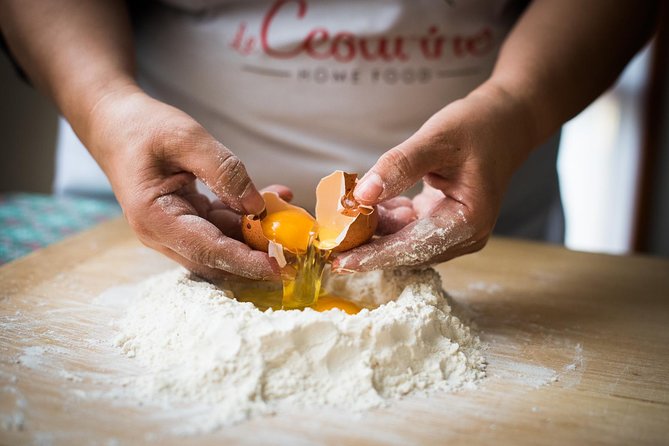
After the welcome, you roll up your sleeves. The host guides you through the basic stages of fresh pasta: mixing the ingredients, kneading the dough, and preparing it for shaping.
This hands-on part is the main reason to book. You are not just taking notes while someone else works. Your hands learn how the dough feels, which is often more useful than memorizing a list of measurements.
A good host can also help you avoid common mistakes. You may learn how to bring the dough together, how much pressure to use while kneading, and how to work patiently rather than rushing to the shaping stage. The available information does not give a fixed recipe, so I would not book this expecting a printed formula for one exact dish. Book it for the technique and the chance to practice.
The teaching style appears to be a strong point. Donatella is described as patient and clear, while Ivana is described as a careful teacher who made three types of homemade pasta and encouraged conversation throughout the class. Those details suggest that the quality of the host matters greatly here. You may receive more than a basic cooking lesson if you ask questions and take part fully.
Choosing the pasta: pici, tortelli, or pappardelle
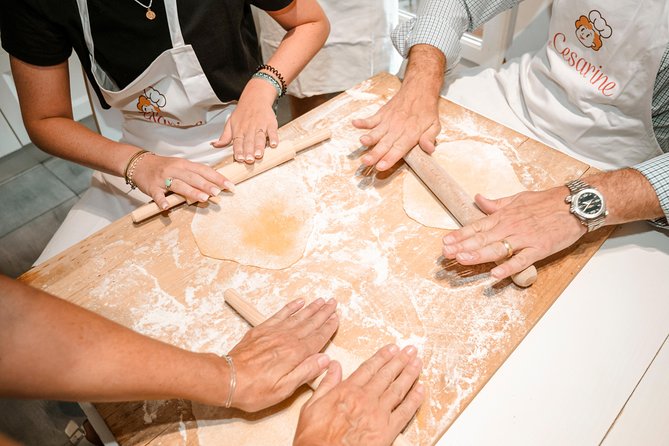
The sample regional dishes include pici, tortelli, and pappardelle. Each gives you a different lesson.
Pici is a thick, hand-rolled Tuscan pasta. It is rustic and relatively direct, since the dough is shaped into long strands by hand. If the class prepares pici, you will get a clear sense of how much pasta can depend on touch and even pressure.
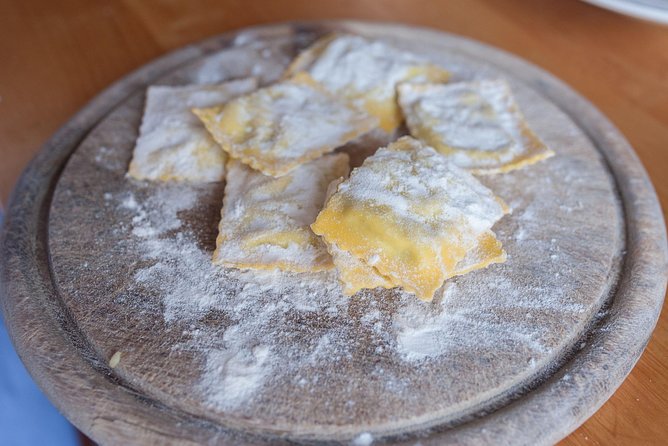
Tortelli brings a filled-pasta element. You may work with pasta sheets, filling, folding, and sealing. One especially successful session focused on tortellini from scratch, and the careful instruction made it suitable even for someone taking a cooking class for the first time. Filled pasta takes more patience than simple strands, but it also gives you a more distinctive skill to take home.
Pappardelle is broad and hearty, with a rustic look that fits Tuscan cooking. It usually gives you practice rolling and cutting wide ribbons. Tagliatelle may also appear, since the experience describes it as one of the possible classic pasta shapes.
The menu is sample-based, not fixed. If you have your heart set on one specific shape, confirm it before booking if that option is important to you. Otherwise, the changing menu is part of the home-cooking format.
More pasta classes around Florence:
- Florence: Pasta Cooking Class with Unlimited Wine
★ 4.9 · 10,285 reviews - Florence Pizza or Pasta Class with Gelato Making at a Tuscan Farm
★ 5.0 · 6,801 reviews - Florence: Pasta & Tiramisu Cooking Class with Unlimited Wine
★ 4.9 · 6,708 reviews - Florence: Pasta Cooking Class with Unlimited Wine
★ 5.0 · 6,413 reviews
From work surface to shared table
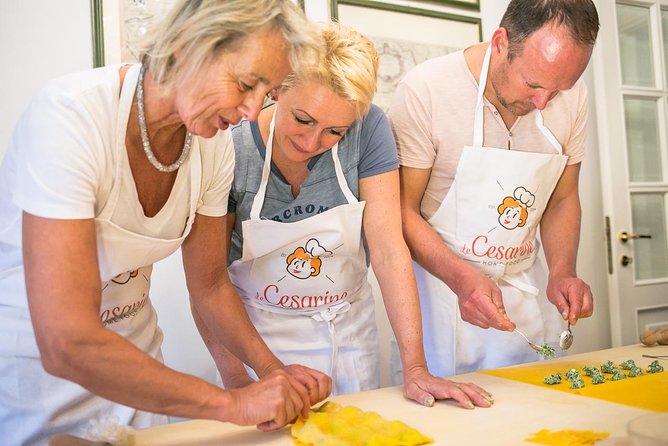
Once the pasta is ready, the group gathers around the table to eat it. This transition is what makes the class feel personal. You have handled the food, watched it come together, and then sit down to enjoy the result.
The meal is paired with local wine, with one bottle provided for every three people. That is enough for a modest shared serving, not an unlimited wine experience. If you do not drink, the class is still built around the food and social setting, but the wine is part of the stated meal format.
The dining portion also gives you time to speak with the host. The most appealing accounts describe hosts who welcomed people into their homes, offered extra touches, and made the meal feel like a social occasion. Ivana and her husband were especially warm hosts in one session, and the home setting helped make that visit a highlight of a honeymoon.
I would allow yourself to slow down during the meal, even though the full activity lasts only about an hour and a half. The cooking stage may be brisk, but the shared table is where the cultural part of the experience comes through most clearly.
What the 90-minute schedule means
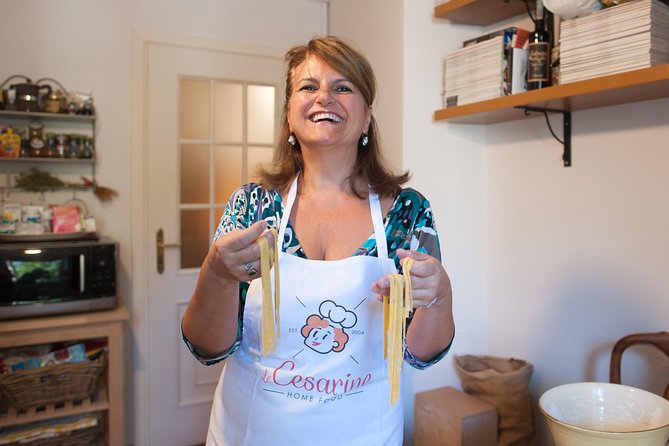
Ninety minutes is convenient. You can fit the class into a day of sightseeing without giving up half your afternoon or evening. It also works well for families with older children, couples, and people who want one focused food activity in Florence.
At the same time, 90 minutes is not a long culinary course. You will not have endless time to practice every pasta shape, discuss every regional sauce, or repeat each step until it feels effortless. With a group of up to 20, the host must keep the lesson moving.
I would see the schedule as an introduction rather than professional training. You get the core process, a regional dish, and a meal. If you want a detailed chef’s course with several sauces, extensive knife work, or a long market visit, this is not the right format.
The compact timing is best for first-time pasta makers. You can try the craft without committing to a full-day class. It also leaves room for an afternoon at a museum or an evening stroll after the meal.
Group size, setting, and the social side
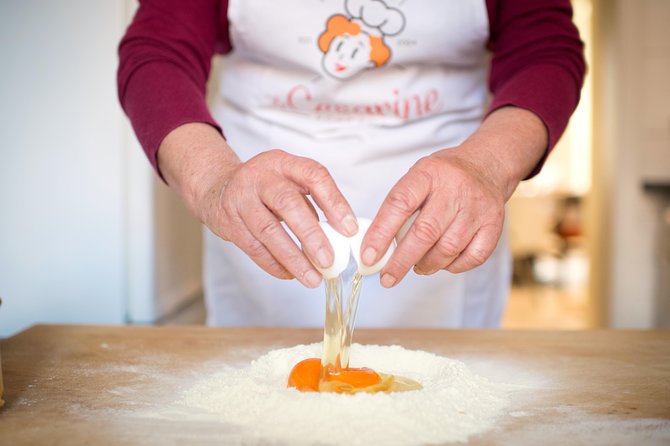
The maximum group size is 20 people. That is large enough to create a lively table and small enough to preserve the feeling of a shared activity. Still, it is not an intimate private class, and you may not receive constant one-to-one attention.
The group format can work well for solo visitors and couples who want to meet people. It is also a good fit for friends or families with teenage and adult children. Young children may find the kneading and shaping fun, but the provided information does not specify an age range, so families should check before booking.
A group of 20 also affects the kitchen experience. You may work in pairs or share preparation space, depending on the home. That is normal for a social cooking class, but it means you should expect cooperation rather than a personal workstation for every step.
The most distinctive part is still the home itself. Some sessions may offer appealing views, and one account described the setting and estate views as an added pleasure. Since the exact host and home can vary, treat views as a possible bonus, not a promise.
Is $70.89 a fair price?
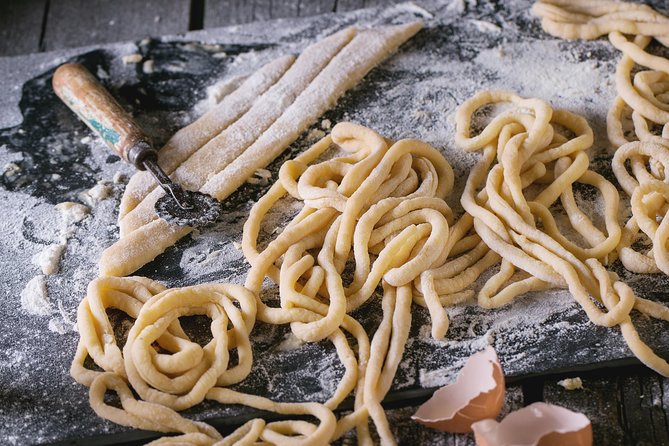
At $70.89 per person, the price is reasonable if you value the full package: a local host, hands-on instruction, an aperitivo, the pasta meal, and shared wine. You are paying for food and a cultural meeting, not just a plate of pasta.
The value improves if you would otherwise book both a cooking lesson and a separate meal. Here, the two are combined, and the meal is made in a personal home rather than served in a standard restaurant. The chance to learn techniques you can use later also adds something beyond the single evening.
The price is less compelling if your main goal is simply to eat inexpensive fresh pasta. Florence has many restaurants where you can do that with less time and effort. This experience earns its price through participation and hospitality.
Because the group can reach 20, I would not compare the cost with a private chef lesson. It is better understood as a small-group cultural activity with food at its center. If your budget allows one special meal experience in Florence, this is a sensible candidate for couples, food-focused visitors, and anyone who likes making things rather than only looking at them.
Who should book this pasta class?
I would recommend it most strongly to:
- Couples looking for a relaxed shared activity
- First-time pasta makers who want patient guidance
- Families with teenage or adult children
- Solo visitors who enjoy meeting people around a table
- Anyone interested in Tuscan food beyond restaurant menus
- Visitors who want a home setting instead of a formal cooking studio
It is less suitable if you need a fully private lesson, a fixed menu, or a long technical course. It may also disappoint you if you expect a large meal with several courses, since the main food is the fresh pasta and the opening appetizer is small.
The class is offered in English, which makes the instructions accessible to English-speaking participants. Confirmation arrives at booking, service animals are allowed, and the meeting point is near public transportation. You receive a mobile ticket, so there is no need to handle a paper voucher.
Free cancellation is available up to 24 hours before the start time for a full refund. Changes or cancellations made inside that 24-hour window are not accepted for a refund, so keep the local start time in mind when making plans.
My call: book it for the home and the hands-on work
Book this experience if you want to knead dough, shape pasta, share wine, and spend time with a local host in a private home. The best moments are likely to come from the personal teaching and the meal that follows, not from a long list of dishes.
I would choose it over a standard cooking demonstration, especially for a couple or a family with older children. Just keep your expectations realistic: the class is short, the group may include as many as 20 people, and the pasta shape and host can vary.
If possible, ask about the planned pasta before you commit, particularly if you want filled pasta such as tortelli. Otherwise, let the host’s menu be part of the surprise. At $70.89, you get a practical taste of Florentine home cooking and a social evening that feels more personal than simply booking another restaurant table.
FAQ
Where does the pasta-making experience start?
It starts at Via Quintino Sella, Firenze, Italy.
Where does the activity end?
The activity ends back at the meeting point.
How long does the experience last?
It lasts approximately one hour and 30 minutes.
What pasta dishes might be prepared?
The sample regional pasta dishes include pici, tortelli, and pappardelle. Tagliatelle and ravioli are also described as possible pasta styles.
Is the class offered in English?
Yes. The experience is offered in English.
How many people can join the class?
The maximum group size is 20 people.
Is wine included?
Yes. The meal includes local wine, with one bottle provided for every three people.
Does the experience include food before the pasta?
Yes. It begins with a small appetizer and an aperitivo.
Is a mobile ticket available?
Yes. The experience includes a mobile ticket, and confirmation is received at the time of booking.
Can I cancel for a full refund?
Yes. You can cancel at least 24 hours before the start time for a full refund. Cancellations or changes made less than 24 hours before the start time are not accepted for a refund.
Fresh off the board around Florence
- Hands on Deluxe Traditional 4-course dinner with fresh pasta★ 5.0 · 15 reviews
- The Art of Pasta and Wine Tasting with Local Sommelier★ 5.0 · 16 reviews
- Vegan Cooking Class in Florence: Pasta Making & Wine!★ 5.0 · 2 reviews
- Gluten free pasta and dessert class 6 guests max★ 5.0 · 2 reviews
- Tuscan Pasta Masterclass Small-Group Cooking Experience★ 5.0 · 17 reviews
- Cooking class and home made pasta in Florence with LA VIVANDIERA!★ 5.0 · 5 reviews
- MaMa Florence: The Art of Corzetti – Hands-On Pasta Class★ 5.0 · 15 reviews
- Hands-On Pasta Making Class in Central Florence with Patrizia★ 5.0 · 5 reviews
Home Cooking Classes, class by class.
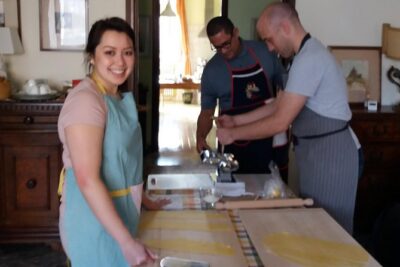
Pastamama, Home Cooking Classes at Grace’s Home
Read our review →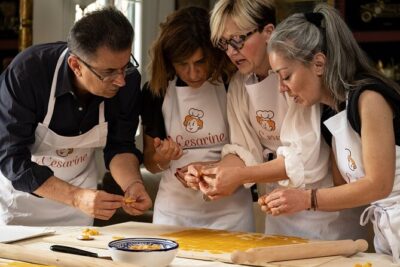
Small Group Pasta and Tiramisu Class at Local’s Home in Venice
Read our review →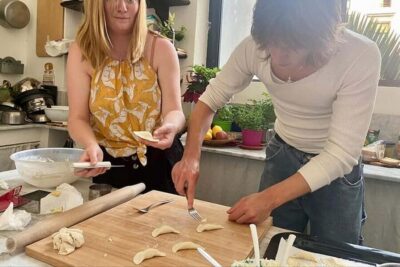
Pistachio Ravioli, Pasta Home Cooking Class w/ Wine
Read our review →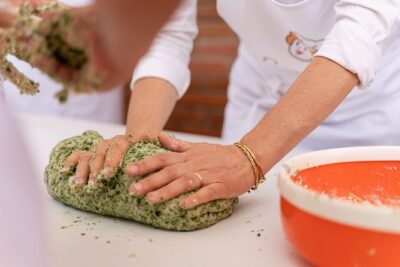
Cesarine: Small group Pasta and Tiramisu class in Varenna
Read our review →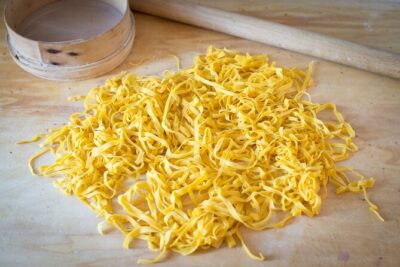
Cesarine: Small group Pasta and Tiramisu with Mamma in Lucca
Read our review →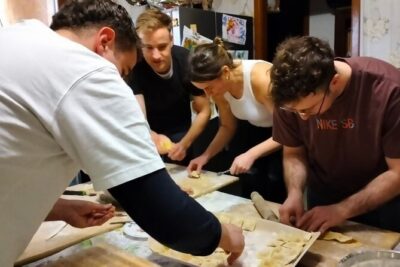
Authentic Bologna Home Cooking Class: Tagliatelle & Tortellini
Read our review →
Alghero Home Cooking Pasta Class at a Farmhouse with Wine
Read our review →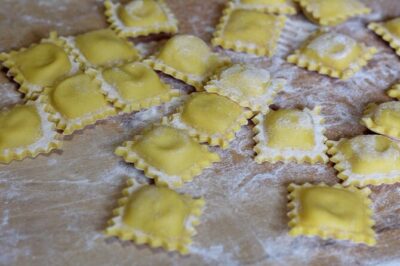
Ravioli & Tagliatelle Cooking Class at a Local’s Home in Positano
Read our review →Lists this class appears in