
Review · ITALY
Lasagna Masterclass in Aosta: Cook & Taste Authentic Lasagna
The best part of this Aosta experience is that you do not simply sit down to eat lasagna. You make the whole dish in a local home kitchen, from fresh pasta to ragù and béchamel, then sit down with a glass of regional wine to taste the result. Adriana, the host praised for her clear English and warm manner, also shares local food traditions along the way.
I like the small six-person limit, which gives the class a personal feel instead of a crowded cooking demonstration. I also like the relaxed rhythm: an aperitivo gives you time to talk while the lasagna bakes, and the generous portion may leave you with leftovers. The main consideration is the price, $102.33 per person, which is a fair splurge for a home meal and instruction, but more than a simple restaurant lunch.
Key points at a glance
- Cook the entire dish from scratch: Make fresh pasta, ragù, béchamel, and the finished lasagna.
- Meet Adriana in her home kitchen: Her English and clear explanations make the class easier to follow.
- Enjoy a built-in aperitivo: Use the baking time to learn about Aosta’s food traditions and chat over a pre-meal drink and bites.
- Eat what you prepare: The class ends with homemade lasagna and a glass of regional wine.
- Keep the setting small: A maximum of six people allows more direct help at the counter.
- Plan for a short, focused outing: The class lasts about two hours and begins and ends at Villaggio Ramoise.
Why this is a useful taste of Aosta
Aosta is a good place for a cooking class because food here is tied closely to home life and local produce. This activity gives you a chance to see that side of the region rather than spending another meal in a dining room where the kitchen remains out of sight.
Lasagna is also a smart dish for a hands-on lesson. It has several parts, and each one affects the final result. The pasta needs the right texture. The ragù provides depth. The béchamel keeps the layers creamy. You learn how those pieces work together, not just how to follow a single recipe.
That matters if you want to repeat the meal at home. A cooking class is most useful when it teaches judgment, such as how the sauces should feel and how the layers should balance. The description of this class specifically points to that balance of flavors, so you should expect more than a quick assembly job.
The class is hosted through Cesarine, a network of Italian home cooks. That format is different from a professional culinary school. You are entering a personal kitchen, meeting a local host, and sharing a meal in a more domestic setting. For many people, that is the real reason to book.
More Ravioli and Gnocchi Classes in Italy:
- 3 in 1 Cooking Class near Navona: Fettuccine, Ravioli & Tiramisu
★ 5.0 · 7,376 reviews - Rome: 3-in-1 Fettuccine, Ravioli, and Tiramisu Cooking Class
★ 4.9 · 2,704 reviews - Rome: Fettuccine Pasta Cooking Class in Rome’s City Center
★ 4.8 · 2,414 reviews
Arriving at Villaggio Ramoise
The meeting point is Villaggio Ramoise, 11020 Quart, in the Aosta area. The activity begins and ends at the same meeting point, so you do not need to arrange a second pickup location after the meal.
The exact meeting instructions are supplied when you book, and confirmation is provided at the time of booking. Since the meeting point is in a village setting rather than a clearly named central Aosta landmark, read those instructions carefully before setting out. The activity is listed as being near public transportation, which may help, but no detailed transfer plan is provided.
I would allow enough time to find the address without rushing. A home-based class is less forgiving of a late arrival than a large restaurant with several seating times. Keep your booking details available on your phone, since the ticket is mobile.
The class is capped at six people. That limit is important. You should have a better chance to see each stage, ask Adriana for help, and take part rather than standing behind a group. It also keeps the meal closer to a shared visit than a standard tour.
Making fresh pasta by hand
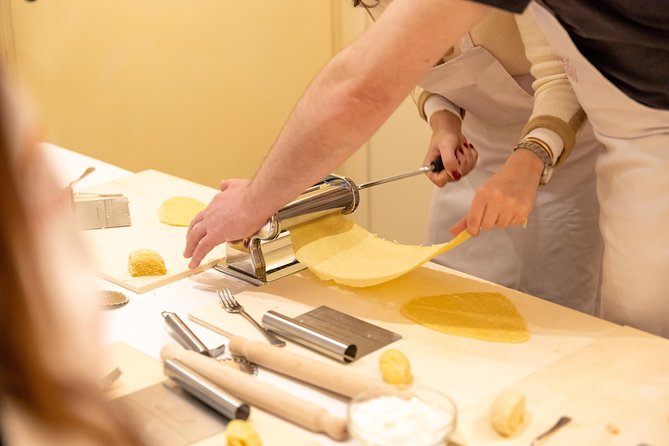
The first major task is fresh pasta. You will work with the basic dough used for the lasagna sheets and learn how the pasta becomes part of the finished dish.
The class is not presented as a demonstration where you watch from a distance. It is hands-on, so expect to take part in the preparation. Adriana’s role is to guide you through the steps and explain the recipe as you work.
This is where the small group helps most. Fresh pasta can seem simple on paper, but the texture is easier to understand when someone can show you what to look for. You can ask questions as you go instead of trying to remember a long explanation delivered to a large room.
The details of the exact ingredients and equipment are not provided, so I would not arrive expecting a specialist pasta laboratory. Think of this as a practical home lesson in a traditional dish. The useful takeaway is the method and feel of the dough, along with the sense of how pasta fits into a complete family-style meal.
Building a proper ragù
Next comes the ragù, the savory sauce that gives the lasagna its main body. You will prepare it as part of the full recipe rather than using a prepared sauce.
The value here is context. Ragù is not simply a red layer spread between sheets. It needs to work with the pasta and béchamel, and the class focuses on finding that balance. You get to see how one component supports the others.
The supplied details do not give a precise cooking time or ingredient list for the ragù. That means you should avoid expecting a printed, tightly timed restaurant-style lesson. The strength of the format is personal instruction, with the host explaining the recipe and local food customs as you cook.
Adriana is described as highly capable in English and clear in her explanations. That is useful if you do not speak Italian. You can follow the process, ask about local ingredients, and understand the reasons behind the steps instead of guessing from gestures.
More Chef-Led Pasta Classes in Italy:
- Rome Cooking Class: Make Pasta, Dine & Drink Wine With Local Chef
★ 5.0 · 1,263 reviews - 2-in-1 Pasta and Tiramisu Cooking Masterclass in Rome
★ 5.0 · 832 reviews - Pasta Fettuccine, Ravioli and Tiramisu MasterClass
★ 5.0 · 391 reviews - Pasta and Pizza Master Class with Pick Up in Sorrento
★ 5.0 · 380 reviews
Whisking the béchamel
Béchamel is the creamy sauce that softens the pasta and links the layers together. Making it yourself gives the class another useful lesson: lasagna is built from contrast, with pasta, meat sauce, and cream working as one dish.
This is also a stage where instruction can save you trouble at home. The sauce must be smooth enough to spread, but substantial enough to hold its place between the layers. The activity promises insight into the balance of flavors, and béchamel is central to that balance.
You will not be cooking a separate starter or a long list of side dishes. That is a strength if you want a focused lesson, but it also means the class centers almost entirely on lasagna. Anyone hoping for a broad survey of Aosta cooking may find the subject narrow.
For fans of the dish, though, the focus makes sense. You spend your limited two hours learning one classic recipe from several angles rather than rushing through a collection of unrelated dishes.
Layering the lasagna together
Once the pasta, ragù, and béchamel are ready, you assemble the lasagna. This is the moment when the individual lessons come together.
Layering looks easy, yet the proportions affect every serving. Too much sauce can make the dish heavy. Too little can leave the pasta dry. The class gives you a chance to see how the host handles that balance and to ask questions before the pan goes into the oven.
The activity is well suited to couples, families, and small groups who like to work with their hands. It also gives you a clear sense of progress. You start with separate ingredients and finish with a dish that you will actually eat.
One practical point: the class is advertised as lasting about two hours. That time includes cooking, the aperitivo, and the meal, so it is a compact introduction rather than a slow professional training course. If you want lengthy technical practice with pasta shapes, sauces, and several courses, this is not that kind of class.
An aperitivo while the pan bakes
While the lasagna cooks, you will enjoy an aperitivo and hear about Aosta’s culinary traditions. This pause gives the class a social center.
I like this part because it keeps the baking time from feeling like dead time. You can talk with Adriana, learn more about local food and produce, and settle into the home setting before the main dish arrives. It also makes the afternoon or evening feel like a meal with instruction, not simply a cooking appointment.
The aperitivo is not described in detail, so the exact drinks and small bites are not specified. What is clear is that it is part of the experience while your lasagna bakes. You should see it as a light pre-meal pause, not a separate tasting menu.
For some people, this relaxed interval will be the highlight. Adriana’s hospitality was praised along with her cooking and explanations, and the home setting gives you more room for conversation than a busy restaurant table. For others, the appeal will be the food lesson itself, with the aperitivo serving as a pleasant extra.
Eating homemade lasagna with regional wine
After the lasagna comes out, you sit down to taste the dish you helped prepare. A glass of regional wine is included with the meal.
That final plate gives the class a clear payoff. You are not only learning a recipe in theory. You can taste how the pasta, ragù, and béchamel work together and compare the finished dish with what you might make at home.
The portion may be generous. Adriana has arranged for leftovers to be taken home, and one account specifically noted that the meal made enough to share with family afterward. Leftovers are not guaranteed as a formal feature, but the detail is useful: do not assume the class ends with one small tasting portion.
The regional wine adds a local touch, though the specific wine is not named. If you do not drink alcohol, the available alternative is not stated, so you should ask before booking if that matters to you.
This closing meal is also why the price needs to be judged as more than the cost of lunch. You are paying for food, instruction, a host’s time, a home setting, and a small-group activity. At $102.33, it is not a bargain meal, but it can make sense for a special occasion, a honeymoon, or anyone who values personal contact over a cheaper restaurant stop.
What the two-hour format means for you
Two hours is short enough to fit neatly into an Aosta sightseeing day. You can schedule it without giving up an entire afternoon, yet there is enough time for several cooking stages and a sit-down meal.
The tradeoff is pace. You will not have hours to practice each technique repeatedly. The class needs to move from fresh pasta to sauces, assembly, baking, and tasting within the allotted time.
That makes this best for someone who wants an enjoyable introduction and a recipe to take home, not a professional qualification. You should come ready to participate and listen. The more attention you give to the process, the more value you will get from the short format.
The maximum group size of six helps offset the limited duration. With fewer people, explanations can stay focused and hands-on work is more likely. The class should feel more personal than a large cooking event, even though the exact amount of individual instruction can vary.
Who should book this Aosta class
I would recommend it most strongly to:
- Couples looking for a relaxed food activity, especially for a special trip or honeymoon.
- Families who want to cook together and may appreciate taking leftovers home.
- Visitors who prefer meeting a local person in a home rather than dining only in restaurants.
- Pasta lovers who want to learn the parts of a classic lasagna from scratch.
- English-speaking participants who value clear explanations from a host comfortable in English.
It may be less suitable if you want a broad menu, a formal cooking-school setting, or a quick meal with no participation. The focus is one dish, and the setting is personal rather than polished or institutional.
You should also consider the meeting point. Because the class takes place at Villaggio Ramoise and returns there, it may require more planning than an activity that starts beside a central square. The listing notes nearby public transportation, but does not provide detailed directions or travel times.
Booking, timing, and cancellation
The current price is $102.33 per person. The activity is often reserved about five days ahead, which suggests you should not wait until the last minute if your Aosta schedule is fixed. A maximum of six people also means popular dates can fill quickly.
You receive confirmation at booking, and the mobile ticket makes the reservation easy to keep on your phone. The experience lasts about two hours, with no separate end point because you finish where you began.
Free cancellation is available if you cancel at least 24 hours before the local start time. Cancellations within 24 hours are not refunded, and changes made inside that window are not accepted. That policy is fairly generous for advance planning, but set a reminder if your itinerary may change.
Should you book the lasagna masterclass?
Book this class if you want a personal meal and a practical recipe, not just another restaurant reservation. Adriana’s warm hospitality, strong English, clear explanations, and willingness to send leftovers home all add value to the simple idea of making lasagna.
The price is the main question. At $102.33, you should be comfortable paying for the setting and the interaction as much as the food itself. If that sounds worthwhile, the six-person limit, regional wine, aperitivo, and full hands-on recipe make this a strong choice for a special day in Aosta.
Skip it if you need a central meeting point, want several dishes, or prefer to watch rather than cook. For everyone else, this is a focused and friendly way to turn a familiar comfort food into a local memory.
FAQ
Where does the lasagna class take place?
The class begins at Villaggio Ramoise, 11020 Quart AO, Italy. It also ends back at the same meeting point.
How long does the experience last?
The cooking class and meal last approximately two hours.
How much does the class cost?
The listed price is $102.33 per person.
How many people can join the class?
The activity accepts a maximum of six participants.
Is the ticket available on a phone?
Yes. The experience includes a mobile ticket.
What will I make during the class?
You will make fresh pasta, ragù, béchamel, and the completed lasagna from scratch. You will then eat the homemade dish with a glass of regional wine.
Can I cancel for a refund?
Yes. You can receive a full refund if you cancel at least 24 hours before the local start time. Cancellations or changes made within 24 hours are not refunded or accepted.
Fresh off the board around Italy
- Vicenza: Pasta & Tiramisu Cooking Class at a Local’s Home★ 5.0 · 5 reviews
- Verona: Pasta & Tiramisu Cooking Class at a Local’s Home★ 5.0 · 16 reviews
- Volterra: Fresh Pasta Cooking Class at a Tuscan Farmhouse★ 5.0 · 33 reviews
- Verona: Tortellini Cooking Class and Lunch with Mamma Ivana★ 5.0 · 20 reviews
- Verona: My Granny’s secrets making gnocchi★ 5.0 · 7 reviews
- Verona: Prosecco and Pasta Making Class at a Local’s Home★ 5.0 · 10 reviews
- Venice: Pasta Carbonara Cooking Class with Wine★ 5.0 · 3 reviews
- Venice: Share Your Pasta Love in a Local’s Home★ 4.8 · 20 reviews
Ravioli and Gnocchi Classes, class by class.
3 in 1 Cooking Class near Navona: Fettuccine, Ravioli & Tiramisu
Read our review →
3-in-1 Fettuccine, Ravioli, and Tiramisu Cooking Class
Read our review →
Fettuccine Pasta Cooking Class in Rome’s City Center
Read our review →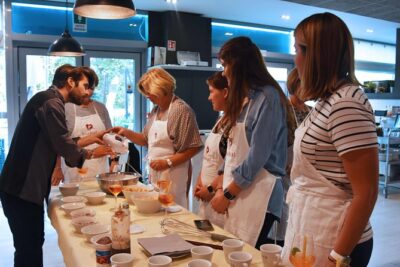
Become a Masterchef in Rome: Pasta, Ravioli and Tiramisù Class
Read our review →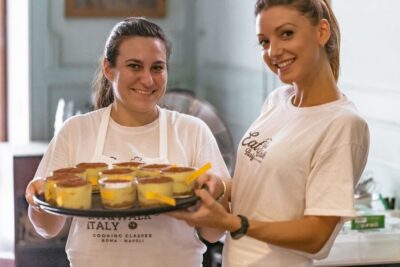
Fettuccine & Tiramisù: Cooking Class with Wine & Limoncello
Read our review →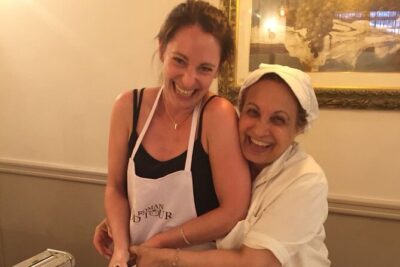
Rome Pasta and Tiramisu Class: Ravioli, Fettuccine & Fine Wine 5*
Read our review →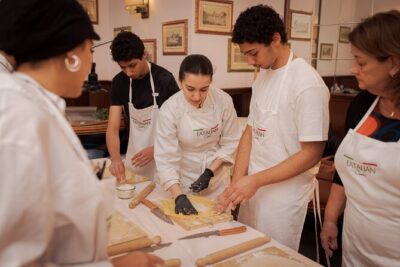
Pasta Cooking Class in Rome – Fettuccine Class in Piazza Navona
Read our review →
Lists this class appears in