
Review · ITALY
Sciacca: Traditional Pasta Class With Wine Included
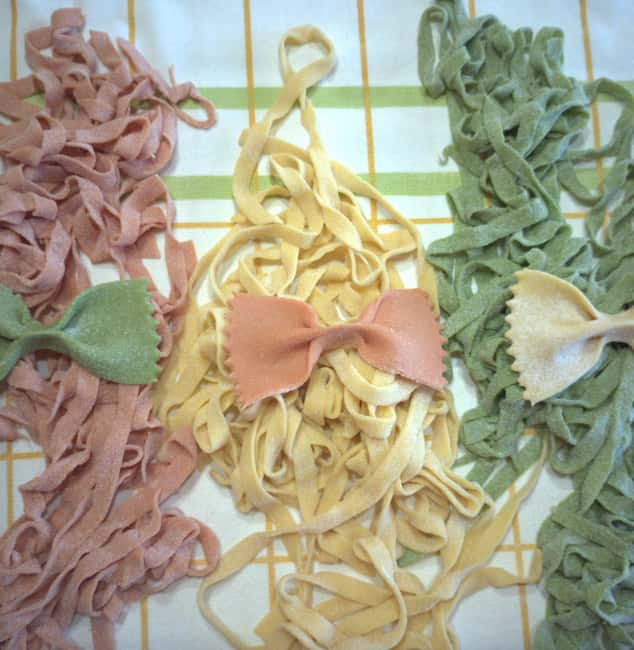
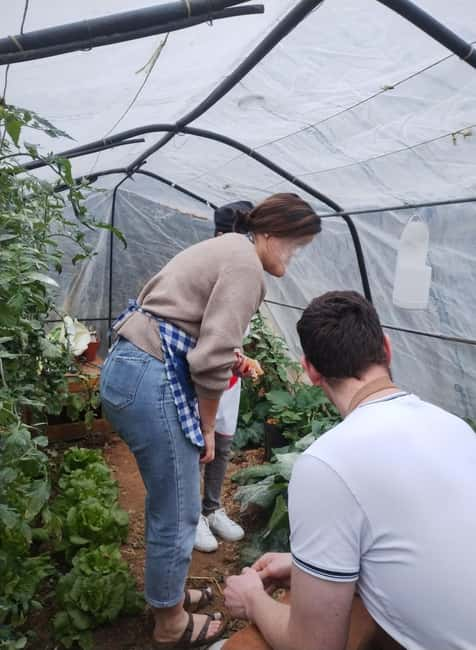
The most memorable part of this Sciacca cooking class is the setting: you work in Accursia’s home kitchen, surrounded by a Sicilian garden, rather than in a formal cooking school. With wine in hand, you learn to make fresh pasta from scratch and shape at least five types with your own hands.
I like the small six-person limit, which gives you room to ask questions and work at a relaxed pace. I also like the practical focus: the lesson uses fresh ingredients, simple tools, and techniques you can repeat at home. The main consideration is that the experience is not suitable for wheelchair users or people with mobility impairments.
Key points to know before booking
- Five pasta shapes by hand: You may prepare at least five varieties, sometimes using three different doughs.
- A real home setting: Accursia and her son host you in their air-conditioned kitchen beside the garden.
- Food and wine included: Taste wine, water, homemade bread, preserves, and seasonal produce during the class.
- You eat what you make: The fresh pasta is cooked for you, usually with a tomato sauce, and leftovers may be available to take away.
- Small and personal: Only six participants can join, with instruction in English or Italian.
- Good value at $53: Two hours of teaching, food, wine, photos, and a full meal make this more than a simple demonstration.
Starting at Accursia’s home in Sciacca
The meeting point is the garden-facing gate at Strada Regia Raganella No. 99. Free parking is available, which is useful if you are exploring the area by car. The setting matters here. You are not being shown a quick recipe in a commercial studio. You are welcomed into a Sicilian home, where the garden and kitchen form part of the experience.
Accursia hosts with her son, and the warm mother-and-son team is central to the class. Their approach is informal and hands-on. You sit in a spacious, air-conditioned kitchen, receive a glass of wine, and begin with an introduction to local food traditions and the place of pasta in Saccense cooking.
The air conditioning is a practical plus, especially during Sicily’s warmer months. Pasta dough takes work, and a cool room makes kneading and shaping more pleasant. The garden provides a calm backdrop, but most of the actual cooking takes place indoors.
The class lasts about two hours. That is long enough to make several shapes and sit down to eat, but not so long that the activity takes over your whole day in Sciacca.
More Pasta Classes with Wine in Italy:
- Florence: Pasta Cooking Class with Unlimited Wine
★ 4.9 · 10,285 reviews - Florence: Pasta & Tiramisu Cooking Class with Unlimited Wine
★ 4.9 · 6,708 reviews - Florence: Pasta Cooking Class with Unlimited Wine
★ 5.0 · 6,413 reviews
Learning the dough before touching the shapes
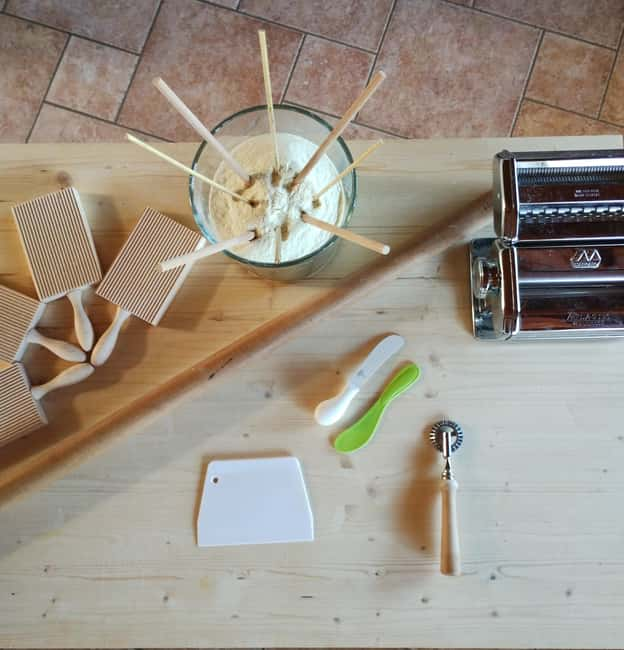
The lesson begins with the foundation: making pasta dough. Accursia explains the ingredients, the different types of flour, and the texture you are aiming for. You do not need advanced cooking skills. The method relies heavily on your hands, so you learn by feeling whether the dough is too dry, too wet, or ready to work.
That tactile part is one of the best reasons to choose this class. A recipe can tell you how much flour to use, but dough behaves differently depending on the ingredients and conditions. By handling it yourself, you gain a better sense of the small adjustments needed to get the right consistency.
The class uses fresh, wholesome products rather than a long list of specialty equipment. The tools are provided, but your hands do much of the work. That makes the lesson easy to repeat at home. You are not dependent on an expensive pasta machine or a piece of equipment you may never use again.
You also learn about the ingredients as you work. The class includes general pasta-making tips and information about different flours. For a beginner, this is more useful than simply watching someone produce perfect pasta at high speed.
The language of instruction is English and Italian. You do not need strong Italian to take part, since the work is shown directly and the activity is physical. Still, an ability to follow basic instructions in one of those languages will make the session easier.
Shaping five kinds of fresh pasta
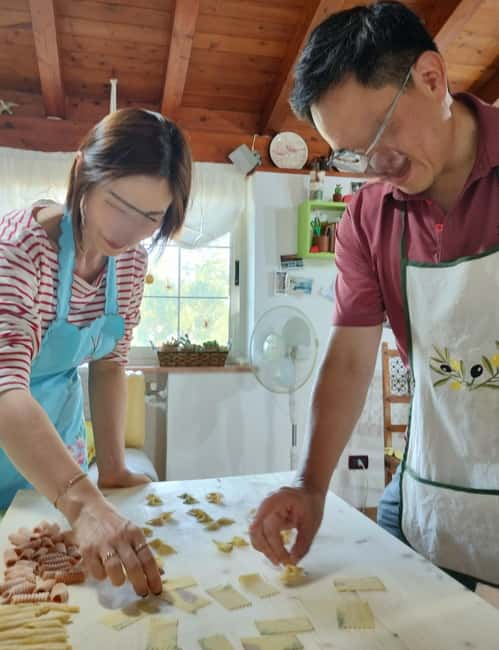
Once the dough is ready, the focus shifts to shaping. You create several pasta forms with your own hands, usually at least five different types. One especially detailed session included five pasta varieties made from three types of dough, giving participants a wider look at how small changes in dough affect the final result.
This is not simply a demonstration where you watch Accursia work. You take part in each stage. The shapes may vary from one class to another, but the clear aim is to show you how pasta can be formed by hand in different ways.
The pace is likely to suit beginners. You can copy the technique, ask for help, and fix mistakes as you go. Pasta is forgiving in that respect. A crooked piece is still useful, and a shape that looks less polished will taste just as good once it is cooked.
The number of shapes is a real strength, but it also means the class has a steady rhythm. If you prefer a slow, highly detailed lesson focused on one pasta style, this may feel busy. If you want variety and a practical introduction to several forms, the format works well.
For families, the activity can be especially rewarding. An 11-year-old participant took part successfully, and the hands-on work gives children something clear to do rather than asking them to sit quietly through a cooking demonstration. The official restrictions still matter: babies under one year are not suitable, and the activity is not designed for wheelchair users or people with mobility impairments.
Tasting Sicilian produce while you work
The pasta is only part of the food experience. The table may include traditional preserves and produce connected with the home and garden. Specific foods served during a class have included olives, artichokes, melon, oranges, homemade bread, and wine.
This makes the experience feel more like a meal with a cooking lesson attached, rather than a technical workshop. You get pauses between stages to taste local ingredients and talk about how they are used. The food also gives you a broader sense of Sicilian home cooking, where pasta is often served alongside simple produce, bread, preserves, and wine.
Wine and water are included in the price. The wine adds to the social side of the evening, though you should keep your own drinking preferences in mind. If you do not drink alcohol, the class still has plenty of food and instruction, but the description does not specify a separate alternative drink beyond water.
Food allergies and intolerances must be reported in advance. Dietary restrictions should also be shared before the class. This is particularly important in a home kitchen, where the planned ingredients may shape the meal and pasta-making process.
More pasta classes around Italy:
- 3 in 1 Cooking Class near Navona: Fettuccine, Ravioli & Tiramisu
★ 5.0 · 7,376 reviews - Florence Pizza or Pasta Class with Gelato Making at a Tuscan Farm
★ 5.0 · 6,801 reviews - Rome: Pasta & Tiramisu Class with Fine Wine by the Vatican
★ 4.9 · 4,852 reviews - Rome: Pasta Making Class with Wine, Limoncello, and Dessert
★ 4.9 · 3,177 reviews
Eating the pasta you made
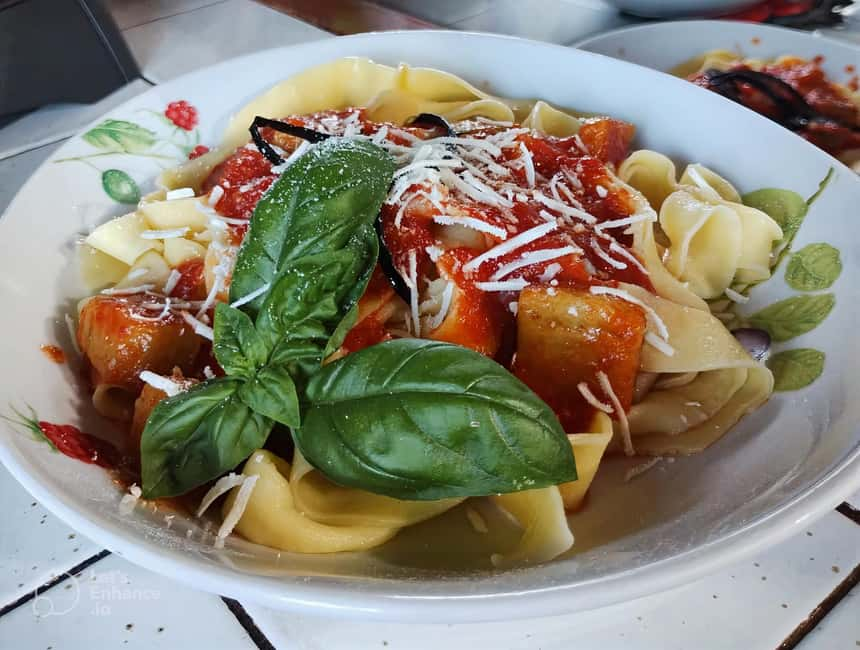
After the shaping is finished, Accursia cooks the fresh pasta for you to taste. A tomato sauce has been served with the homemade pasta, providing a simple finish that lets the texture of the noodles do the work.
This final meal is more than a reward. It lets you see the result of the techniques you just practiced. Fresh pasta cooks differently from dried pasta, and eating it right away helps connect the dough, shape, cooking time, and sauce.
The meal may also include the remaining homemade food on the table. You are not just sampling a single plate of pasta and leaving. The combination of wine, bread, preserves, fruit, and pasta gives the two-hour class a satisfying finish.
In some sessions, participants have been able to take leftover pasta with them. This is a useful bonus, though you should not treat it as guaranteed for every booking. If you are driving onward, it may be a pleasant edible souvenir of Sciacca.
Why the small group matters
The class accepts up to six participants. That number is large enough for a social atmosphere but small enough for direct help. Pasta shaping can be fiddly, especially when you are learning several forms in one sitting. A small group means Accursia and her son can see what you are doing and offer corrections.
The format also suits couples, friends, and families. You can work side by side without feeling lost in a crowd. A smaller group makes it easier to ask about flour, dough texture, sauces, or Sicilian ingredients as questions come up.
Families should note one detail carefully. The experience is not suitable for babies under one year, but older children can take part. A toddler was welcomed during one session, and the hosts helped keep the child occupied so the accompanying adult could enjoy the class. That is encouraging for families, but it does not replace the stated age and accessibility restrictions.
Companions of participants with disabilities may attend, but they cannot use the benefits of the experience themselves. In practical terms, that means a companion should not assume they will receive the same food, wine, instruction, or included elements unless arranged separately.
What $53 buys you
At $53 per person, this is priced above a quick pasta demonstration but offers much more. You receive two hours of instruction, use of all pasta-making tools, wine and water, several food tastings, the pasta you make, and free photos.
The value is strongest if you want active participation. You are paying for repeated practice, not just a plate of food. The chance to make five pasta shapes, and possibly work with three different doughs, gives you several skills to bring home.
The home setting also adds something that a standard cooking school may not provide. You see how food is presented in a family environment, and the garden, homemade bread, preserves, and seasonal produce help connect the lesson to daily Sicilian life.
The price may feel less worthwhile if you are looking only for a full restaurant meal or a formal culinary qualification. This is a friendly introduction, not a professional training course. Its value lies in personal instruction, food, and a taste of home hospitality.
At the time of booking, you can reserve and pay later, which helps if your schedule in Sicily is still changing. Free cancellation is available up to 24 hours before the activity for a full refund.
Photos and practical details
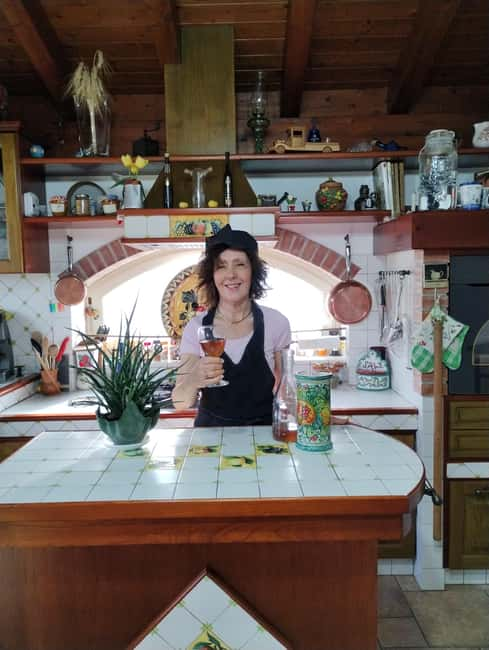
Free photos are included, so you do not have to stop constantly to document the dough and pasta shapes yourself. This is useful during a hands-on class, when floury fingers make phones awkward.
Wear clothes you do not mind cooking in. The provided information does not specify an apron or clothing policy, so it is sensible to choose something comfortable and practical. The kitchen is air-conditioned, which helps with comfort, but the work remains physical. Kneading, rolling, and shaping take more effort than simply sitting at a table.
The meeting point is given as the gate facing the garden at Strada Regia Raganella No. 99. Check the starting time when booking because the class has several possible start times depending on availability.
The class is offered in English and Italian. No advanced language ability is required, but you should be willing to follow demonstrations and participate actively. This is not a passive tasting. You will be expected to handle dough and form pasta.
Who should book this class
I would choose this experience if you want to learn a skill while eating a genuine home-style meal. It is a good match for couples, small groups of friends, and families with children old enough to take part.
It also suits visitors who have already seen Sicily’s major sights and want an activity tied to everyday food. You leave with more than a meal. You have practiced dough-making, learned several shapes, tasted local products, and gained techniques you can repeat in your own kitchen.
You may want to skip it if you dislike group activities, cannot stand for or work around a kitchen, or need step-free access. The experience is specifically not suitable for people with mobility impairments or wheelchair users.
Food allergies and dietary restrictions need advance notice. If you have strict requirements, contact the provider before booking rather than assuming the standard menu can be changed.
Should you book the Sciacca pasta class?
Book it if you want a personal, practical Sicilian food experience rather than a polished cooking show. The strongest reasons are the small group, the chance to make several pasta shapes, the welcoming mother-and-son hosting team, and the generous spread of homemade food and wine.
At $53, the class offers solid value for two hours, especially because it includes instruction, a meal, photos, and the tools you need. Go with realistic expectations: it is a home lesson, not a restaurant tasting menu or professional culinary course. For most visitors who enjoy food and want to do more than watch, that informality is exactly the point.
FAQ
Where does the pasta class take place?
The class takes place at a private home in Sciacca, Sicily. The meeting point is the gate facing the garden at Strada Regia Raganella No. 99.
How long does the experience last?
The class lasts two hours.
How much does the pasta class cost?
The listed price is $53 per person.
How many people can join the class?
The class is limited to six participants.
Which languages are spoken?
Instruction is available in English and Italian.
Is wine included?
Yes. Wine and water are included, along with pasta-making tools and a variety of traditional food preserves.
Do I eat the pasta I make?
Yes. Accursia cooks the fresh pasta you prepare so you can taste it during the class.
Is the activity accessible for wheelchair users?
No. The experience is not suitable for wheelchair users or people with mobility impairments. Babies under one year are also not suitable for the activity.
Fresh off the board around Italy
- Vicenza: Pasta & Tiramisu Cooking Class at a Local’s Home★ 5.0 · 5 reviews
- Verona: Tortellini Cooking Class and Lunch with Mamma Ivana★ 5.0 · 20 reviews
- Verona: Pasta & Tiramisu Cooking Class at a Local’s Home★ 5.0 · 16 reviews
- Volterra: Fresh Pasta Cooking Class at a Tuscan Farmhouse★ 5.0 · 33 reviews
- Verona: My Granny’s secrets making gnocchi★ 5.0 · 7 reviews
- Verona: Prosecco and Pasta Making Class at a Local’s Home★ 5.0 · 10 reviews
- Venice: Pasta Carbonara Cooking Class with Wine★ 5.0 · 3 reviews
- Venice: Share Your Pasta Love in a Local’s Home★ 4.8 · 20 reviews
Pasta Classes with Wine, class by class.

Pasta & Tiramisu Class with Fine Wine by the Vatican
Read our review →
Pasta Making Class with Wine, Limoncello, and Dessert
Read our review →
Rome Cooking Class: Make Pasta and 3 Spritz Cocktails
Read our review →
Learn to Make Pasta & Tiramisu with Wine and Limoncello Included
Read our review →
Cooking Class Pasta & Tiramisu Making Unlimited Wine
Read our review →
Fettuccine & Tiramisù: Cooking Class with Wine & Limoncello
Read our review →
Pasta Cooking Class Near the Colosseum with 3 Spritz Cocktails
Read our review →Lists this class appears in