
Review · ROME
Rome: pasta and tiramisu cooking class in the city center
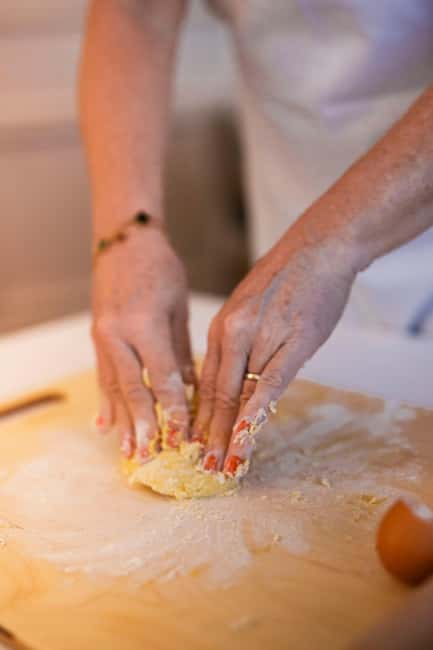
Making fresh pasta by hand is the heart of this two-hour Rome cooking class, held in an elegant salon near Via Veneto. You will work with simple ingredients, shape fettuccine, tagliatelle, and tagliolini, then prepare tiramisu before sitting down to eat what you made.
I like the location, which puts you close to the old Dolce Vita center without sending you across town, and I like the personal teaching style of Francesco and Oliviero. The main thing to consider is the short format: you will learn several dishes, but this is an active introduction rather than a long chef-training session.
Key points to know
- Fresh pasta from scratch: Work the dough and shape fettuccine, tagliatelle, and tagliolini using traditional methods.
- A full meal is included: Eat the pasta and tiramisu you prepare, with a glass of prosecco to welcome you and wine, water, and soft drinks at the table.
- Near Via Veneto: The class takes place in an elegant central Rome salon tied to the atmosphere of La Dolce Vita.
- Chef-led instruction: Francesco and Oliviero guide the class, with training linked to the Chinappi restaurant, a Roman haute cuisine name with more than 15 years in business.
- French help is available: The teaching languages are English, Italian, Russian, and French.
- Good practical value: At $70 per person, you get instruction, food, drinks, and a certificate in a compact two-hour visit.
Why this class works for a Rome afternoon
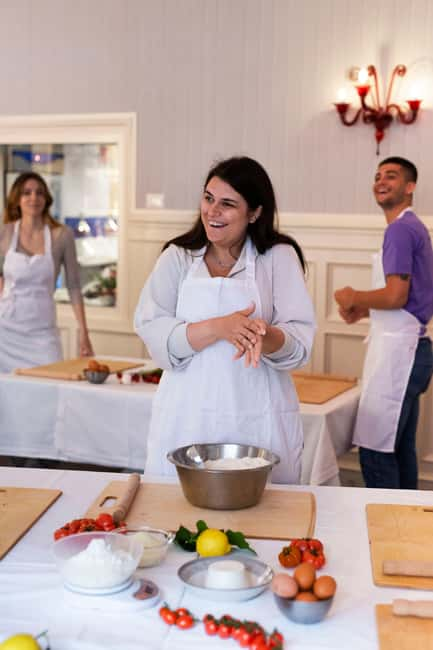
Many Rome cooking classes ask you to spend half a day outside the center. This one keeps things simple. Cantiere Gastronomico is near Via Veneto, in a polished, welcoming space that feels more like an elegant Roman salon than a rough-and-ready workshop.
That setting matters if you are fitting the class between sightseeing plans. You can visit the Spanish Steps, Villa Borghese, or the Trevi Fountain area before or after, though the exact distance and route will depend on your starting point. The class itself is indoors and wheelchair accessible, so it can be a useful choice when you want a food activity without adding complicated transport.
The cooking school is young, but its teaching is backed by a collaboration with Chinappi. That connection gives the lesson a professional kitchen link without turning the event into a stiff demonstration. You are expected to work with the dough, make the shapes, prepare dessert, and eat the results.
The atmosphere is meant to be social. You will receive a welcome prosecco, learn alongside the cooking team, and share the finished meal at the end. The strongest part of the format is that the food is not simply placed in front of you. You make it first.
More Tiramisu Classes in Rome
- 3 in 1 Cooking Class near Navona: Fettuccine, Ravioli & Tiramisu
★ 5.0 · 7,376 reviews - Rome: Pasta & Tiramisu Class with Fine Wine by the Vatican
★ 4.9 · 4,852 reviews - Rome: 3-in-1 Fettuccine, Ravioli, and Tiramisu Cooking Class
★ 4.9 · 2,704 reviews
Starting with flour, eggs, and the basics
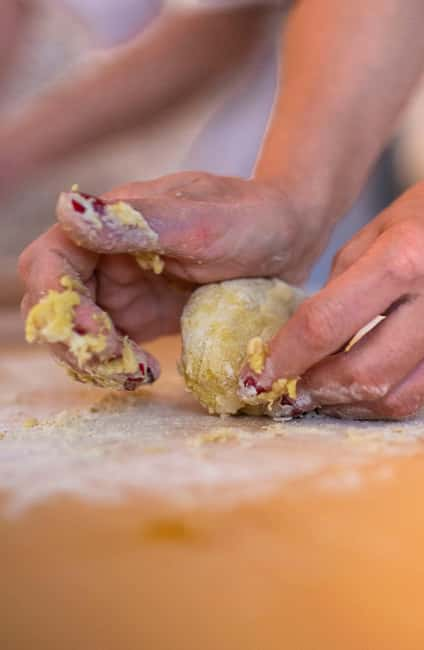
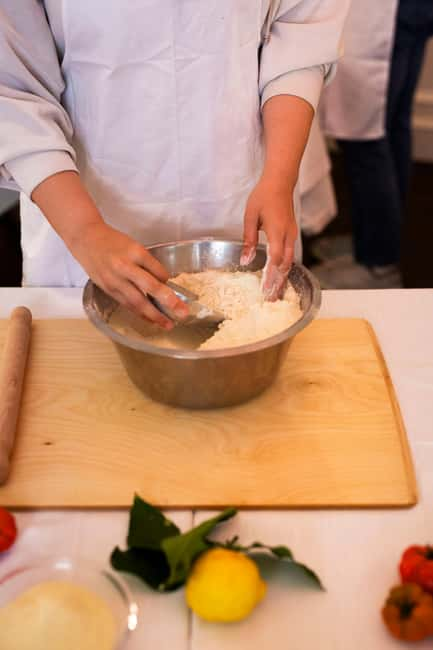
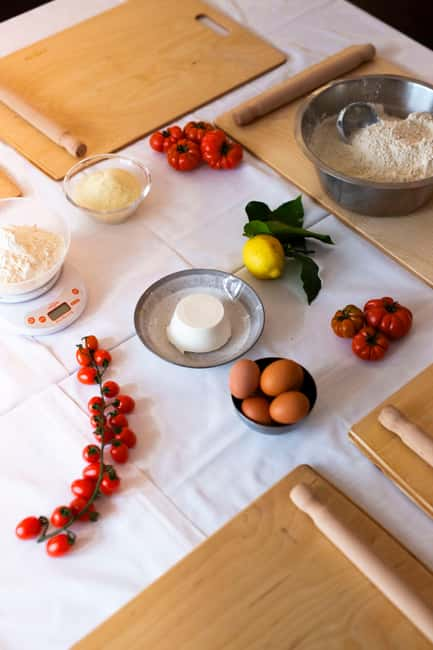
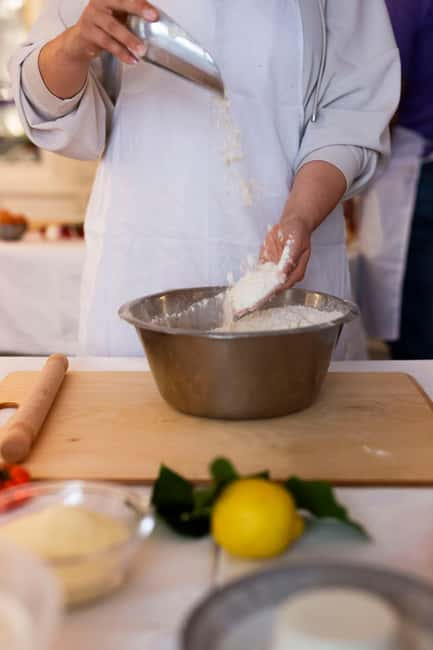
The pasta lesson begins with basic ingredients and traditional preparation. The important skill is not a complicated sauce or a rare Roman product. It is learning how dough changes as you combine, knead, and work it.
Your instructor guides you through each stage. This step-by-step approach is useful for beginners, especially if you have never made pasta at home. The French-speaking support noted in the teaching team can also help French-speaking participants follow the instructions more comfortably.
The class focuses on the feel of the dough and the process of turning it into different forms. That gives you more than one recipe to remember. You get a small working vocabulary of pasta shapes and a method that you can repeat in your own kitchen.
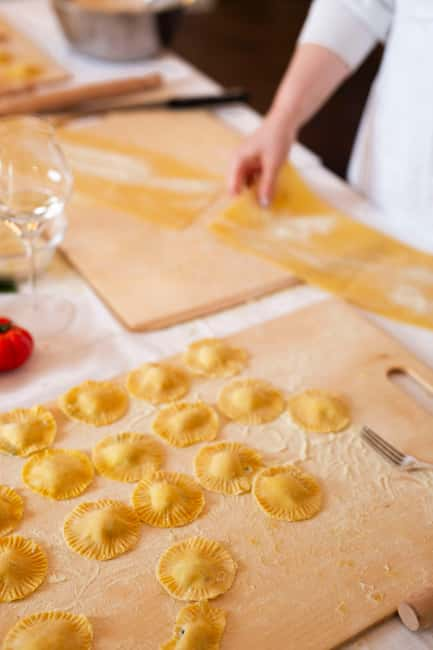
Do not expect every possible pasta style in two hours. The activity covers fettuccine, tagliatelle, and tagliolini, with ravioli available on request. That wording is important: ravioli should be treated as an optional possibility, not a guaranteed part of every class.
The lesson is practical rather than abstract. You will hear cooking tips, small secrets, and bits of food culture while your hands are busy. This is a good arrangement for people who learn by doing. It also means you should be ready to take part instead of sitting back with a camera.
Comparing fettuccine, tagliatelle, and tagliolini
The pasta shapes are close relatives, but making several of them helps you see how small changes affect the final dish. Fettuccine and tagliatelle are broad ribbons, while tagliolini is finer. The process gives you a basic feel for how width changes the character of fresh pasta.
That variety is one of the better reasons to choose this class instead of a lesson built around a single dish. You leave with several shapes to try at home, and the method is easier to remember because you have handled the dough yourself.
The supplied class information does not specify the exact sauces or final pasta recipes. That is worth keeping in mind if you are booking because you want a particular Roman dish. The emphasis is on making the pasta itself, followed by a shared meal, rather than on promising a fixed menu of named sauces.
The instructors have time to explain each stage. Several French-speaking participants singled out the clear guidance, patience, and useful advice from the chef. One especially practical benefit is that the recipes are described as easy to reproduce at home. You will not need a professional kitchen to keep using what you learned.
Tiramisu gives the class a sweet finish
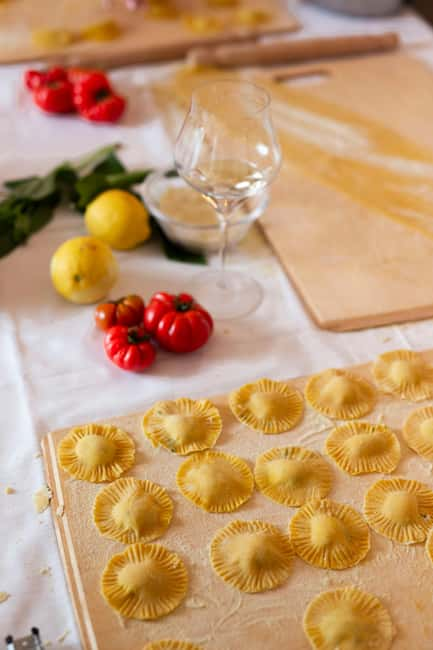
After the pasta, you move to tiramisu. You prepare it yourself using a classic recipe, with a personal touch added by the cooking team.
This is a smart pairing for a short class. Pasta gives you a hands-on dough lesson, while tiramisu adds a dessert that many people already know and want to recreate. It also keeps the class from feeling like a pasta-only workshop.
The exact customization is not specified, so do not book expecting a particular flavor variation. The useful point is that the dessert is made during the class rather than presented as a finished extra. You get to see how the classic preparation comes together and then taste your own portion at the meal.
If you are cooking with children or someone who does not enjoy long technical lessons, the tiramisu portion may help keep the pace varied. The activity still involves food preparation throughout, but the change from dough to dessert breaks up the work.
Same flour, a different shape to roll:
- Rome: Pasta Making Class with Wine, Limoncello, and Dessert
★ 4.9 · 3,177 reviews - Rome Cooking Class: Make Pasta and 3 Spritz Cocktails
★ 5.0 · 2,937 reviews - Rome: Fettuccine Pasta Cooking Class in Rome’s City Center
★ 4.8 · 2,414 reviews - Learn to Make Pasta & Tiramisu with Wine and Limoncello Included
★ 5.0 · 2,345 reviews
Sitting down to eat what you made
The final meal is a major part of the value. You do not simply receive a participation certificate and walk away hungry. The pasta and tiramisu prepared during the class are served for tasting, with water and soft drinks included.
A welcome prosecco starts the experience, and a good glass of wine accompanies the meal. The supplied details do not state the exact wine selection or quantity, so I would treat the wine as a pleasant part of the package rather than a tasting program.
Eating at the end changes the mood. The lesson becomes a shared meal, with room for conversation and a chance to compare your pasta work with the rest of the group. The team describes the school as a place where people learn, grow, and share stories. In practical terms, that means the social side is built into the format, not added as an afterthought.
Food quality will depend partly on how the class comes together and what is prepared that day. Still, the meal is useful because it lets you connect the technique with the finished result. You can see why the dough needs to be handled correctly, and you can judge how the tiramisu works as a complete dessert.
The people teaching the lesson
Francesco and Oliviero are the names to remember. The recent feedback about their teaching repeatedly points to a warm welcome, clear explanations, and time spent on each stage. That is more useful than a generic promise of an expert chef, especially for a cooking class aimed at mixed experience levels.
The team has links to Chinappi, a Roman haute cuisine restaurant that has operated for more than 15 years. This does not mean the class is held inside that restaurant or that you are signing up for a formal fine-dining course. It means the cooking school draws on a professional restaurant connection while keeping the activity relaxed and hands-on.
French speakers receive an extra advantage because French language support is available. English, Italian, and Russian are also offered. Since the activity includes technique and timing, having a language you understand well can make a real difference.
Some material may be shown in its original language. If you need every instruction in one specific language, confirm that your preferred instructor or session is available when you check starting times.
What the $70 price includes
At $70 per person, this is not the cheapest way to eat pasta in Rome. It is also not just a restaurant meal. You are paying for instruction, ingredients, drinks, a welcome prosecco, the food you prepare, and a paper or digital certificate of participation.
The strongest value comes from the combination of active cooking and a full meal. A basic restaurant dinner gives you food but no practical skill. A short demonstration may teach you something but leave you looking for dinner afterward. This class combines both.
The price makes the most sense if you want a central activity that fills two hours and gives you something to take home in your head. The recipes are intended to be manageable in a home kitchen, so the lesson can continue after Rome.
The value is less clear if you mainly want a quiet meal or a long, detailed culinary course. You will be involved, working with dough and dessert. People who dislike flour on their hands or prefer to watch a chef may find the format less comfortable.
A photo shoot is available on request, and transfer service is also available on request, but neither is included in the $70 price. Ask about those extras before booking if they matter to you.
Who should book this experience
I would point this class toward first-time pasta makers, couples, families, and solo visitors who enjoy meeting people through food. It also suits anyone who wants a useful activity close to central Rome rather than a distant farm or suburban kitchen.
You do not need to be an accomplished cook. The class begins with basic ingredients and works through the process with guidance. The repeated praise for simple steps and patient explanations makes it especially suitable for beginners.
It can also work well for French-speaking participants who want language support. The team includes English, Italian, Russian, and French instruction, and French-speaking participants have found the communication helpful.
This is less suitable for someone seeking a specialized Roman menu, a long professional lesson, or a private dining event. The focus is fresh pasta and classic tiramisu. If your main goal is to learn one very specific sauce or a large range of regional dishes, check the session details before committing.
The two-hour length is both a strength and a limit. It fits neatly into a sightseeing day, but it leaves little room for wandering discussion or repeated practice. You will learn several techniques at a brisk pace.
Practical details before you reserve
Check the available starting times because the class schedule can vary. The location is in central Rome near Via Veneto, and the space is wheelchair accessible.
Cancellation is flexible up to 24 hours before the activity for a full refund. You can also reserve now and pay later, which helps if your Rome schedule is still changing.
The class includes water and soft drinks, but the information does not specify dietary adaptations. If you have allergies or strict dietary needs, ask before booking rather than assuming the traditional pasta and tiramisu recipes can be changed.
You receive a paper or digital certificate of participation. It is a small extra, but it can be a nice reminder of the lesson or a simple souvenir for children.
Should you book Cantiere Gastronomico?
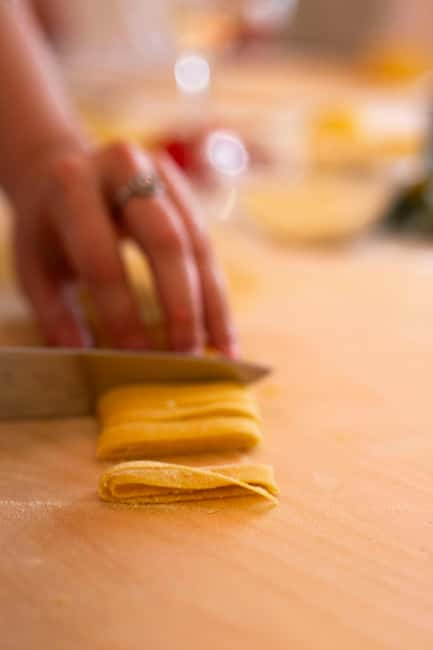
Book it if you want to make your own pasta in central Rome, eat the finished food, and learn recipes that are realistic to repeat at home. The combination of location, professional restaurant connection, patient instruction, drinks, and a full meal makes $70 a fair price for the right kind of visitor.
Choose another activity if you want a long culinary workshop, a guaranteed ravioli lesson, or a specific Roman sauce menu. For most beginners, though, this is a lively and practical way to add food culture to a Rome itinerary without spending an entire day away from the historic center.
FAQ
Where does the cooking class take place?
The class takes place at Cantiere Gastronomico in an elegant central Rome location near Via Veneto, an area associated with the historic Dolce Vita.
How long is the pasta and tiramisu class?
The activity lasts two hours.
What kinds of pasta will I make?
The hands-on lesson covers fresh fettuccine, tagliatelle, and tagliolini. Ravioli may be available on request.
Is tiramisu included?
Yes. You make tiramisu using a traditional recipe during the class.
Is a meal included after the cooking lesson?
Yes. You sit down to taste the dishes prepared during the class, including the fresh pasta and tiramisu.
Are drinks included?
A welcome prosecco, water, and soft drinks are included. A glass of wine accompanies the meal.
Which languages are available?
Instruction is available in English, Italian, Russian, and French. Some content may be shown in its original language.
Is the activity wheelchair accessible?
Yes, the activity is listed as wheelchair accessible.
Can I cancel the booking?
You can cancel up to 24 hours in advance for a full refund. Reserve-now, pay-later booking is also available.
Fresh off the board around Rome
- Spritz and Pasta! Spritz, Fettuccine & Tiramisù★ 5.0 · 2 reviews
- Trastevere Food Tour with Pasta-Making Class★ 5.0 · 5 reviews
- Rome: Pasta and tiramisu class with wine pairing at Come Na Vorta★ 5.0 · 30 reviews
- Top Class in Fettuccine, Ravioli, and Tiramisu★ 5.0 · 7 reviews
- Traditional Pasta Cooking Class with Tiramisu Small Group★ 5.0 · 7 reviews
- The Pasta Factory Class★ 4.5 · 21 reviews
- The Original Fettuccine Alfredo Experiences in Roma★ 4.5 · 38 reviews
- Italian Pasta & Dessert Class in Historic Center (3-Course Meal)★ 5.0 · 2 reviews
Tiramisu Classes, class by class.
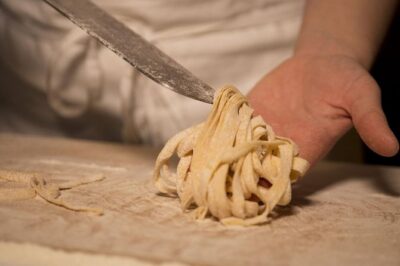
3 in 1 Cooking Class near Navona: Fettuccine, Ravioli & Tiramisu
Read our review →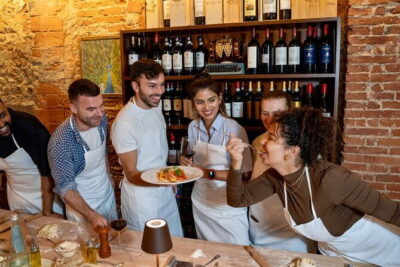
Pasta & Tiramisu Cooking Class with Unlimited Wine
Read our review →
Pasta & Tiramisu Class with Fine Wine by the Vatican
Read our review →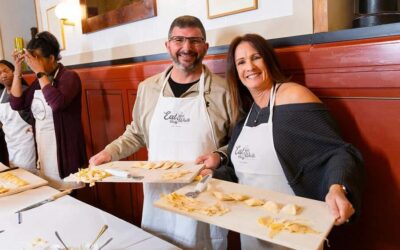
3-in-1 Fettuccine, Ravioli, and Tiramisu Cooking Class
Read our review →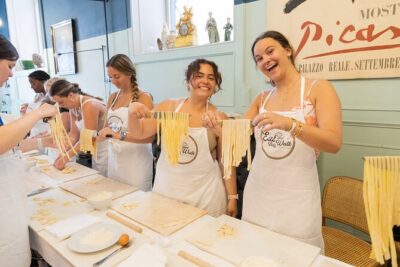
Learn to Make Pasta & Tiramisu with Wine and Limoncello Included
Read our review →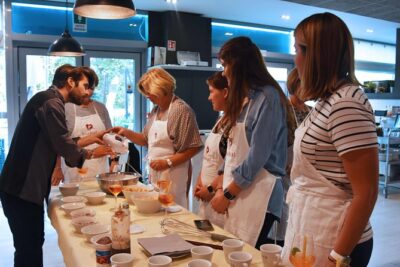
Become a Masterchef in Rome: Pasta, Ravioli and Tiramisù Class
Read our review →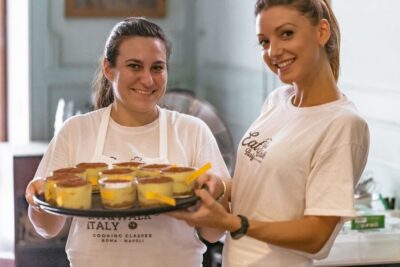
Fettuccine & Tiramisù: Cooking Class with Wine & Limoncello
Read our review →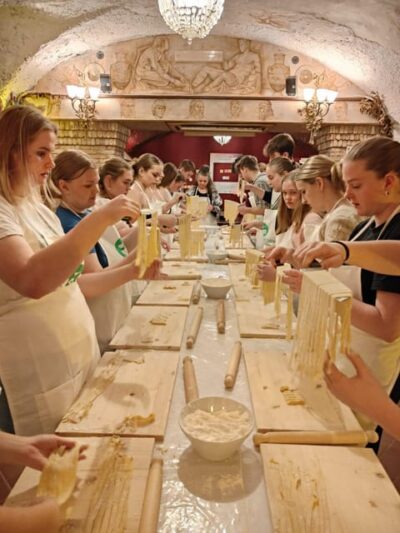
Pasta & Tiramisu Cooking Class near the Spanish Steps
Read our review →Lists this class appears in