
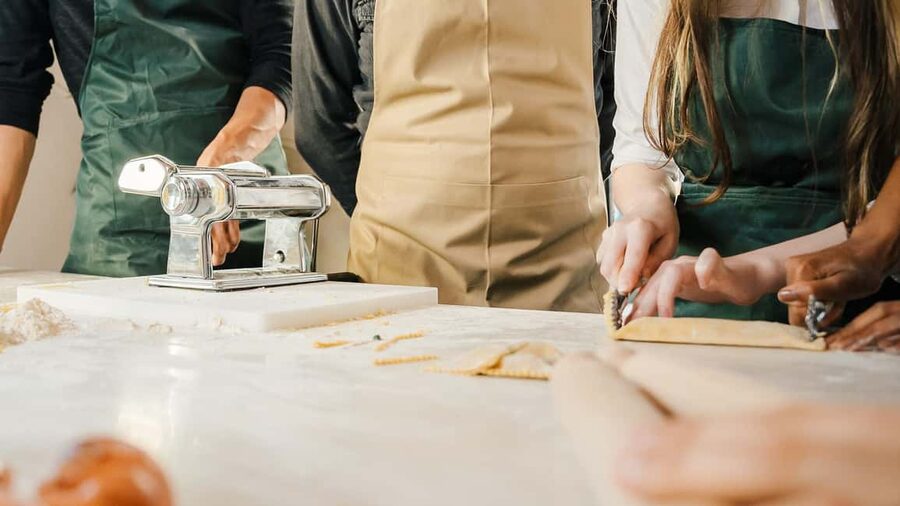
Review · ROME
Rome: Pasta and Tiramisu Cooking Class with Prosecco
The best part of this Rome experience is that you do not simply eat Italian food, you make the meal yourself. You begin with prosecco and tiramisu, then work with flour and fresh pasta before sitting down to eat what you created.
I like the warm, social setup and the practical recipes you can repeat at home. I also like that the class includes dinner, local wine, ingredients, equipment, and an apron, so the $34 price covers much more than a quick demonstration. The main catch is dietary: this is not suitable for vegans or people with gluten intolerance, and dairy is part of the meal.
Key points
- Three hours of hands-on cooking: You make both tiramisu and fresh fettuccine rather than watching from the sidelines.
- Roman pasta classics: Learn the basics behind carbonara and cacio e pepe, two of Rome’s signature sauces.
- A complete meal included: Your handmade pasta is served with local wine, followed by your own tiramisu.
- A friendly teaching team: Shryis and Sherry are named by recent participants, while Ree has helped with Rome sightseeing tips.
- Good value at $34: Prosecco, dinner, wine, dessert, ingredients, equipment, and an apron are included.
- Important food limits: The class contains gluten and dairy and cannot accommodate vegan or gluten-free diets.
Making Tiramisu First, Before the Pasta

This class opens with a chilled glass of prosecco and a warm welcome. It is a smart beginning. You can settle in, meet the people around you, and get comfortable before flour starts flying.
The first cooking task is tiramisu. You whisk, layer, and assemble the dessert, then set it aside to chill while you work on the pasta. That order matters. By the end of the evening, the tiramisu has had time to rest and is ready to serve after dinner.
I like this arrangement because it gives you two different kinds of Italian cooking. Tiramisu teaches careful layering and balance. Pasta demands more touch and timing. You are not rushing through one recipe, and the dessert becomes part of the meal rather than an afterthought.
The class is intended to be easy to follow, with the chef explaining each stage. Shryis and Sherry are among the staff members named by recent participants, and their friendly help has been part of the experience. The teaching style is practical, with tips you can use when you try the recipes again at home.
You should know that the recipe contains dairy and gluten. If you have dietary restrictions, tell the provider ahead of time, but vegans and people with gluten intolerance should not book this particular activity.
More Pasta Classes with Wine in Rome
- Rome: Pasta & Tiramisu Class with Fine Wine by the Vatican
★ 4.9 · 4,852 reviews - Rome: Pasta Making Class with Wine, Limoncello, and Dessert
★ 4.9 · 3,177 reviews - Rome Cooking Class: Make Pasta and 3 Spritz Cocktails
★ 5.0 · 2,937 reviews
Rolling Fettuccine by Hand
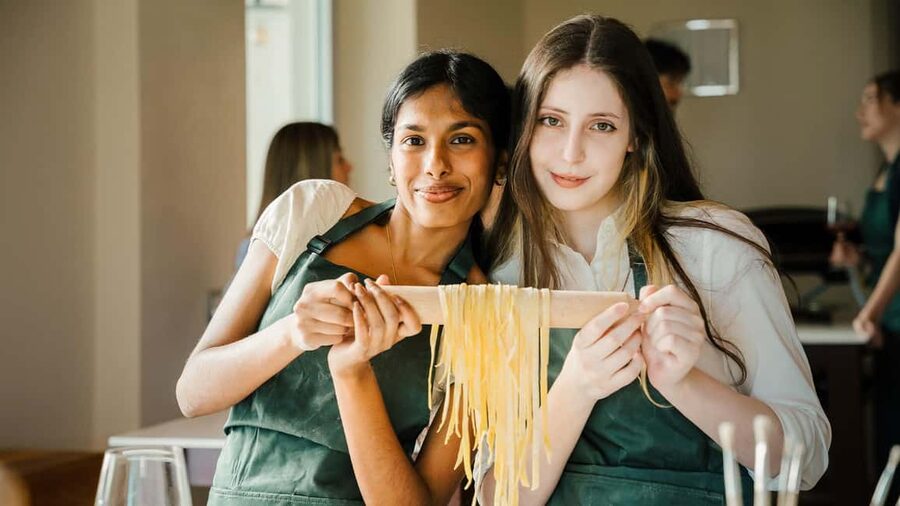
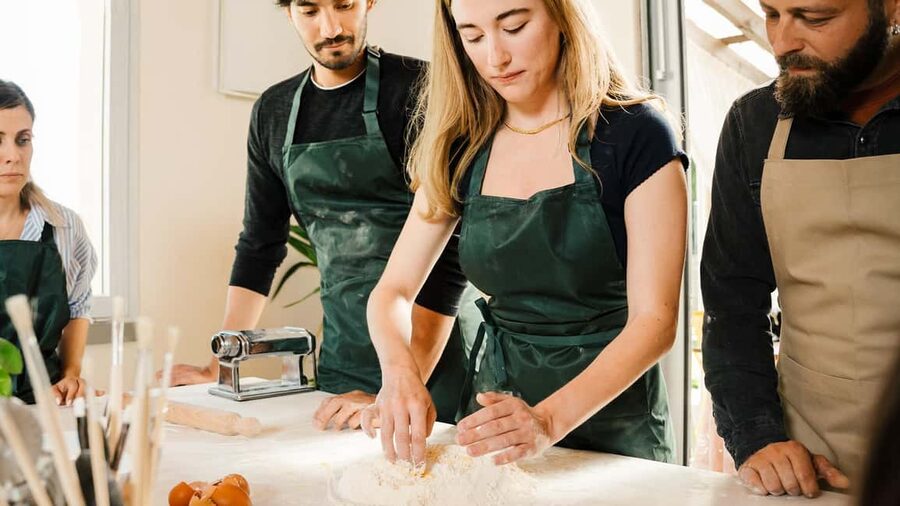
Once the tiramisu is chilling, the class turns to pasta. You work with flour and learn how to make fresh fettuccine in the traditional way, by hand. This is the part most likely to leave you with flour on your clothes, which is why comfortable clothing and shoes are the right choice.
An apron is supplied, along with the ingredients and equipment. That makes packing easy, and it also keeps the activity focused on the cooking rather than on what you forgot to bring.
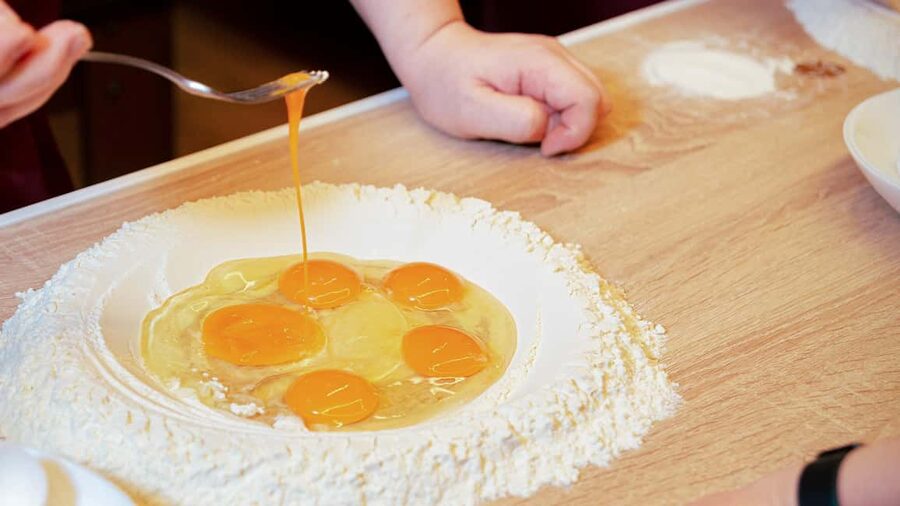
Handmade pasta has a different feel from dried pasta. You learn how the dough comes together and how it changes as you work it. The chef guides you through the process, so you do not need previous cooking experience. The point is not to produce restaurant-perfect noodles on your first try. The point is to understand the method well enough to repeat it.
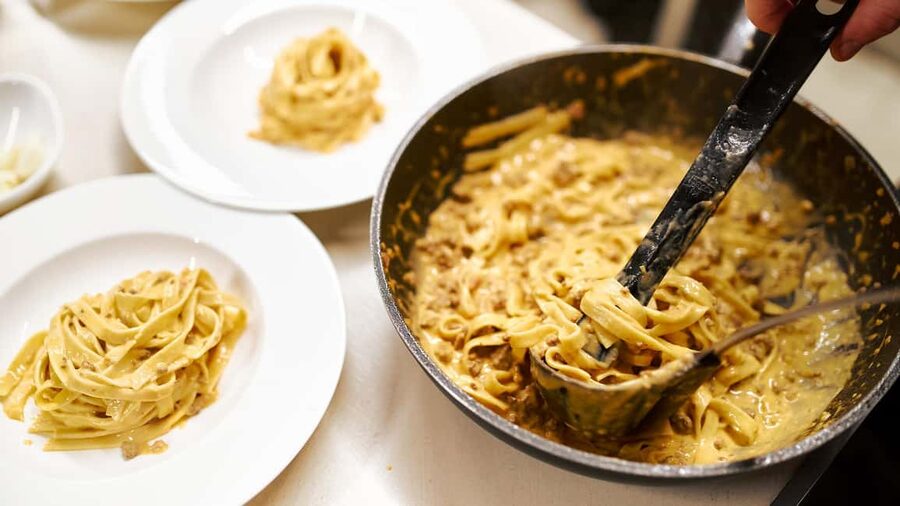
The class also covers two Roman sauces: creamy carbonara and peppery cacio e pepe. These dishes look simple on a menu, but their small details matter. Carbonara depends on a smooth, creamy finish, while cacio e pepe relies on cheese, pepper, and the right handling of the pasta. Learning these techniques gives the class more value than a basic pasta-making session.
The exact sauce you prepare may depend on the option booked or the class arrangement, so check the available choice when you reserve. Either way, you are learning about dishes closely tied to Rome rather than making a generic pasta recipe.
Sitting Down to Eat What You Made
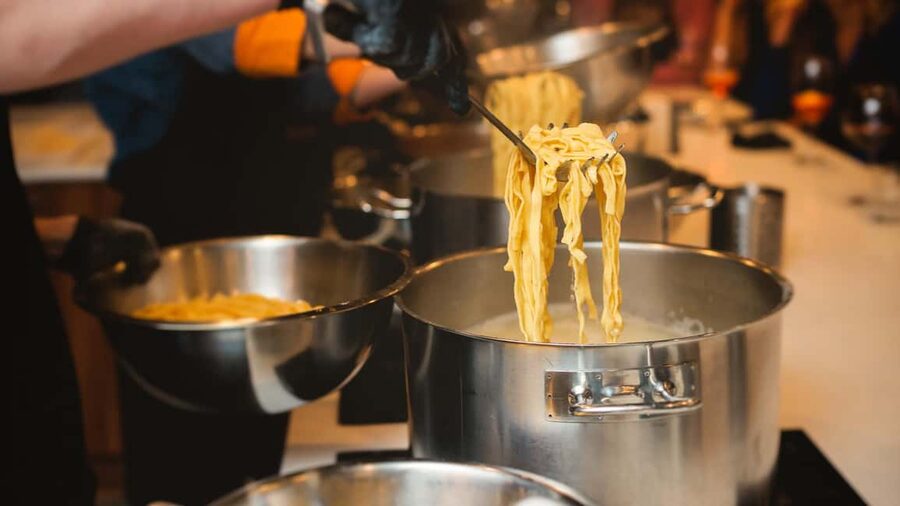
After the hands-on work, you sit down for dinner. Your fresh pasta is served with local wine, and the meal becomes a shared social occasion. This is a welcome change from a cooking class that ends with a few bites at a worktable.
I like the full arc of the evening: drink, dessert preparation, pasta making, dinner, then dessert. You get time to talk, eat, and compare your cooking with the people beside you. The atmosphere is meant to be warm and welcoming, and the strongest praise has focused on the friendly staff, clear instructions, and delicious food.
The meal also gives you a useful sense of what fresh pasta is like when it goes straight from the work surface to the plate. You can taste the result of the technique while the process is still fresh in your mind.
Then comes the tiramisu you made earlier. Since it has been chilling during the pasta session, it serves as a proper finish rather than a rushed sample. If you want to recreate the dessert at home, pay close attention to the chef’s tips. Sofi, one recent participant, especially valued the advice for making tiramisu again at home.
What the Staff Adds to the Evening
The chef leads the cooking, but the wider team helps shape the experience. Shryis is praised for being kind and helpful, while Sherry is described as a pleasant guide who explained the steps and offered home-cooking tips. The names appear differently in the available feedback, so staffing may vary by date, but you can expect a multilingual team.
Instruction is available in English, Spanish, Italian, Portuguese, French, and German. That broad language choice is useful in a hands-on class. Pasta dough and sauce technique are easier to understand when you can ask questions in a language you are comfortable using.
The staff may also add a little Rome advice beyond the kitchen. Ree has helped participants with tips for seeing good views around the city. That is not the central purpose of the class, but it can be a nice extra if you want local suggestions during your visit.
The strongest feature here is not a theatrical chef demonstration. It is the sense of being guided through the work without being left alone with a recipe. You can ask for help, watch the technique, and then try it yourself.
More Tiramisu Classes in Rome
- 3 in 1 Cooking Class near Navona: Fettuccine, Ravioli & Tiramisu
★ 5.0 · 7,376 reviews - Rome: 3-in-1 Fettuccine, Ravioli, and Tiramisu Cooking Class
★ 4.9 · 2,704 reviews - Learn to Make Pasta & Tiramisu with Wine and Limoncello Included
★ 5.0 · 2,345 reviews - Become a Masterchef in Rome: Pasta, Ravioli and Tiramisù Class
★ 5.0 · 2,156 reviews
Is $34 Good Value for Three Hours?
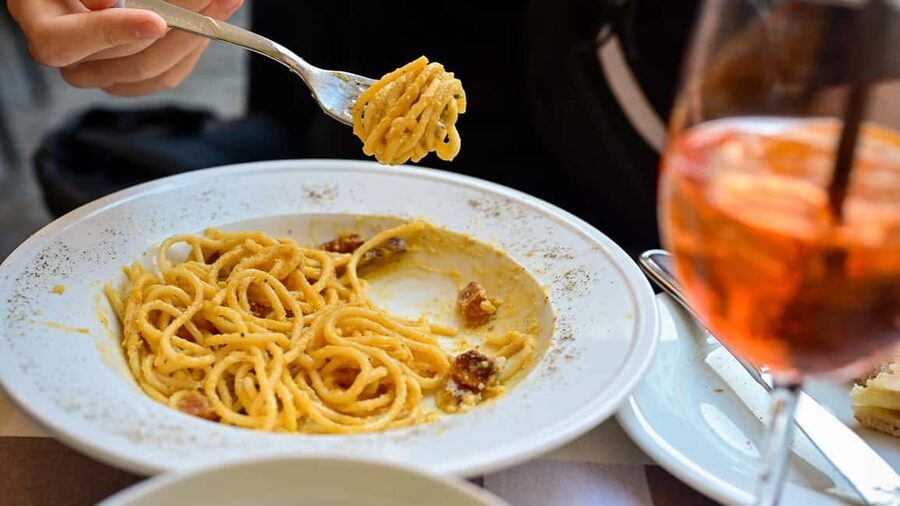
At $34 per person, this is a strong value for a three-hour activity in Rome. The fee includes a prosecco welcome drink, the tiramisu session, the pasta session, dinner, local wine, the final tiramisu, ingredients, equipment, and an apron.
That is a lot of coverage for the price. You are not paying separately for the meal after class, and you are not expected to bring special equipment. The experience also fills an evening, which can help if you want a planned activity rather than another restaurant meal.
The value depends on what you want. If you are looking for a quiet dinner with no participation, this is not the right fit. You will be standing, mixing, shaping, and following instructions. If you enjoy learning by doing, the included meal and drinks make the price particularly appealing.
A small group is available, which may offer a more personal class. Group size can affect how much individual help you receive, so check the option you select. The meeting point may also vary depending on the booking choice, and transport or pickup is not included. Plan your route carefully and arrive on time.
The Practical Details That Matter
The class lasts three hours, with starting times based on availability. Since late arrivals cannot join and cannot receive a refund, leave enough time to reach the meeting point. This is especially important because the meeting location may differ between options.
Wear comfortable shoes and casual clothes. You will be working with flour and food, but aprons are provided. You do not need to bring ingredients or cooking equipment.
The activity is wheelchair accessible. If you need a specific arrangement, confirm the details for your selected option before booking, since the meeting point and setup may vary.
Cancellation is flexible up to 24 hours before the activity, when you can receive a full refund. You can also reserve now and pay later, which helps if your Rome schedule is still changing.
The class is available in six languages: English, Spanish, Italian, Portuguese, French, and German. That makes it suitable for mixed-language groups, though you should select the language that best fits your party when possible.
Who Will Enjoy This Rome Cooking Class?
I would recommend this class to you if you want more than a restaurant meal and like the idea of meeting people over food. It suits couples, friends, families, and solo visitors who enjoy a social activity with a clear beginning and end.
It is also a good pick if you want a Rome experience that travels home with you. The techniques for fresh fettuccine, carbonara, cacio e pepe, and tiramisu are useful long after your holiday. You may forget the exact view from a restaurant table, but you are more likely to remember how your first handmade pasta came together.
Food-focused visitors will get the most from it, but you do not need to be an experienced cook. The class is designed around step-by-step instruction. You should be willing to participate, ask questions, and accept that homemade pasta may look less tidy than the version served in a Roman trattoria.
This is less suitable for anyone with strict dietary needs. Gluten and dairy are part of the experience, and vegan or gluten-free participants cannot be accommodated. If you simply dislike cooking, choose a food tour or restaurant meal instead.
How This Fits Into a Rome Itinerary
The class lasts three hours, so it works well as an evening plan. It gives you a set activity without requiring transport between several stops, though you must make your own way to the meeting point.
I would avoid scheduling another important reservation immediately afterward. Late arrivals are not accepted, and the meal may be a relaxed social finish rather than something you rush through. Give yourself enough time to enjoy the pasta, wine, and tiramisu.
It is also a useful choice for a second or third day in Rome, after you have seen major sights and want to slow down. Cooking offers a different way to connect with the city. Instead of only looking at Roman food on a menu, you learn how two familiar dishes are made.
The class can also suit a rainy day, provided you can reach the meeting point safely. Since the main activity takes place indoors, the weather should not affect the cooking itself, though no transport is included.
My Final Take: Book It If You Want to Cook

I would book this experience if you want a friendly, hands-on evening built around two classic Italian foods. The strongest reasons are the complete three-hour format, the generous inclusions for $34, and the chance to learn recipes you can make again at home.
Book it knowing that the food contains gluten and dairy, the class requires punctuality, and the meeting point may vary. If those limits work for you, this is a practical and social way to spend an evening in Rome. You leave with dinner in you, tiramisu on the table, and a better feel for how fresh pasta is made.
FAQ
How long does the Rome cooking class last?
The class lasts three hours. Starting times depend on availability.
What food will I make?
You will make tiramisu and fresh fettuccine. The class also covers Roman sauces such as carbonara and cacio e pepe.
Are drinks included?
Yes. The experience includes a prosecco welcome drink and local wine served with the handmade pasta.
Is dinner included?
Yes. You will eat the handmade pasta you prepare, followed by the tiramisu made during the class.
Are ingredients and equipment provided?
Yes. Ingredients, cooking equipment, and aprons are provided.
Can vegans or people with gluten intolerance join?
No. The class contains gluten and dairy and is not suitable for vegans or people with gluten intolerance.
What should I wear and bring?
Wear comfortable shoes and comfortable casual clothing. Aprons are provided, and you do not need to bring cooking equipment or ingredients.
Is the class wheelchair accessible?
Yes, the activity is listed as wheelchair accessible. The meeting point may vary by booking option, so confirm the details when reserving.
Fresh off the board around Rome
- Spritz and Pasta! Spritz, Fettuccine & Tiramisù★ 5.0 · 2 reviews
- Trastevere Food Tour with Pasta-Making Class★ 5.0 · 5 reviews
- Rome: Pasta and tiramisu class with wine pairing at Come Na Vorta★ 5.0 · 30 reviews
- Traditional Pasta Cooking Class with Tiramisu Small Group★ 5.0 · 7 reviews
- Top Class in Fettuccine, Ravioli, and Tiramisu★ 5.0 · 7 reviews
- The Pasta Factory Class★ 4.5 · 21 reviews
- The Original Fettuccine Alfredo Experiences in Roma★ 4.5 · 38 reviews
- Italian Pasta & Dessert Class in Historic Center (3-Course Meal)★ 5.0 · 2 reviews
Tiramisu Classes, class by class.
3 in 1 Cooking Class near Navona: Fettuccine, Ravioli & Tiramisu
Read our review →
Pasta & Tiramisu Cooking Class with Unlimited Wine
Read our review →
Pasta & Tiramisu Class with Fine Wine by the Vatican
Read our review →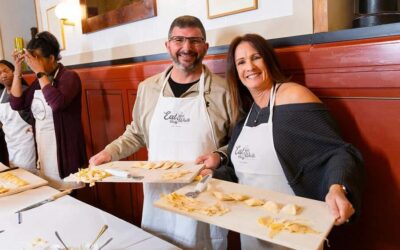
3-in-1 Fettuccine, Ravioli, and Tiramisu Cooking Class
Read our review →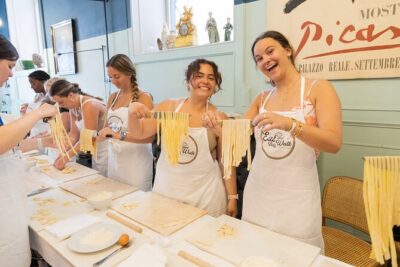
Learn to Make Pasta & Tiramisu with Wine and Limoncello Included
Read our review →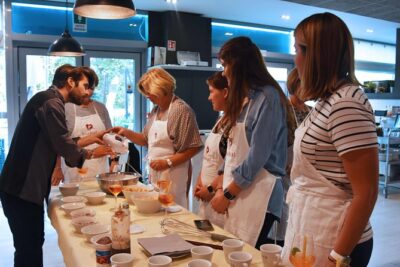
Become a Masterchef in Rome: Pasta, Ravioli and Tiramisù Class
Read our review →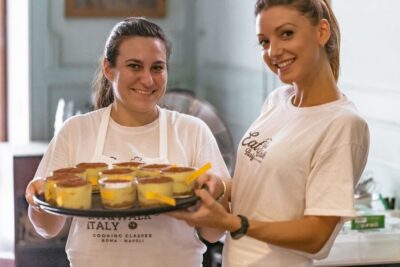
Fettuccine & Tiramisù: Cooking Class with Wine & Limoncello
Read our review →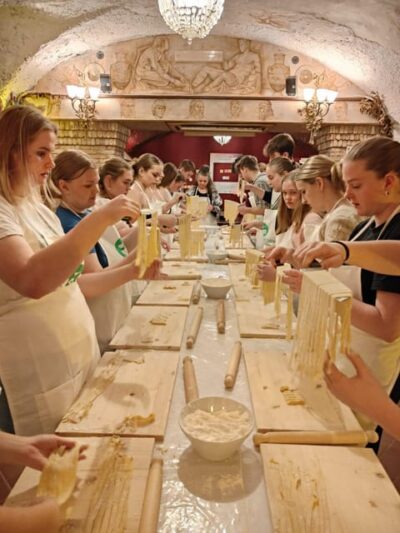
Pasta & Tiramisu Cooking Class near the Spanish Steps
Read our review →Lists this class appears in