
Review · ROME
Rome: Five Shapes of Pasta Cooking Class in Ancient Tavern
The best part of this Rome cooking class is that you do not simply watch someone make pasta. You work through five classic shapes, rolling the dough with a wooden pin and learning the small tricks that make fresh pasta hold together. The class takes place in the old Cucina osteria, where the marble sign above the entrance still hints at its past.
I like the generous meal and the friendly teaching style led by chefs such as Emanuele and Angelo. I also like that the class covers real hand skills, from thin dough sheets to ravioli and agnolotti del plin, rather than one quick demonstration. The main drawback is that three hours of standing, rolling, cutting, and shaping may not suit people with mobility problems.
Key points at a glance
- Five pasta shapes in one class: Make ravioli, agnolotti del plin, tortellini, cappelletti, and fettuccine from scratch.
- A genuine old osteria setting: Meet at the former Cucina tavern, founded in the late 1800s and marked by its original marble sign.
- A full meal is included: Enjoy prosecco and Italian cheese, two pasta dishes with different sauces, wine, and express tiramisu.
- Small-group instruction: The class is limited to 10 participants, giving the chefs room to offer hands-on help.
- A practical souvenir: You receive a complimentary Pastificio Faini professional chef hat with the company logo.
- Good value at $67.19: The price covers the class, food, drinks, dessert, and all required ingredients, with no extra fee during the session.
From old Cucina osteria to working kitchen
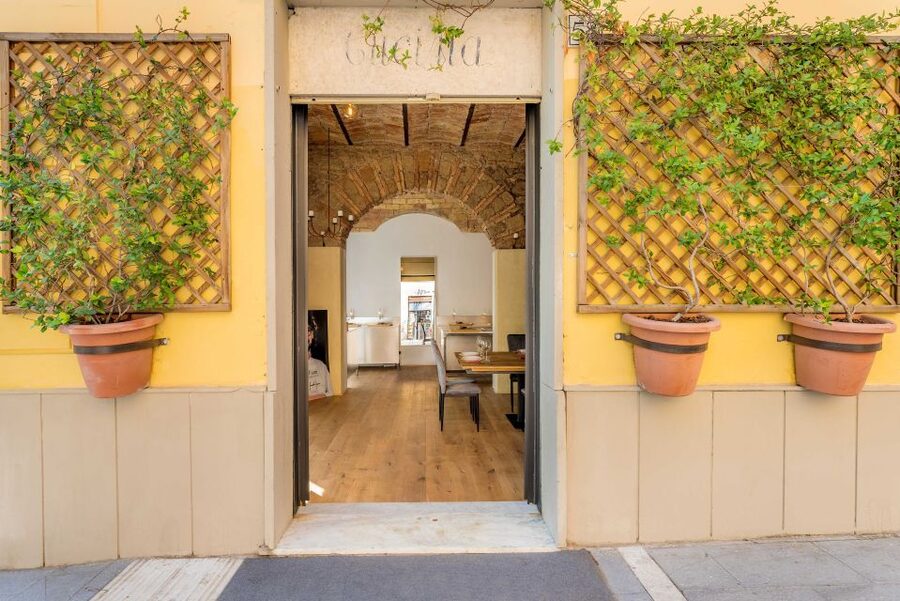
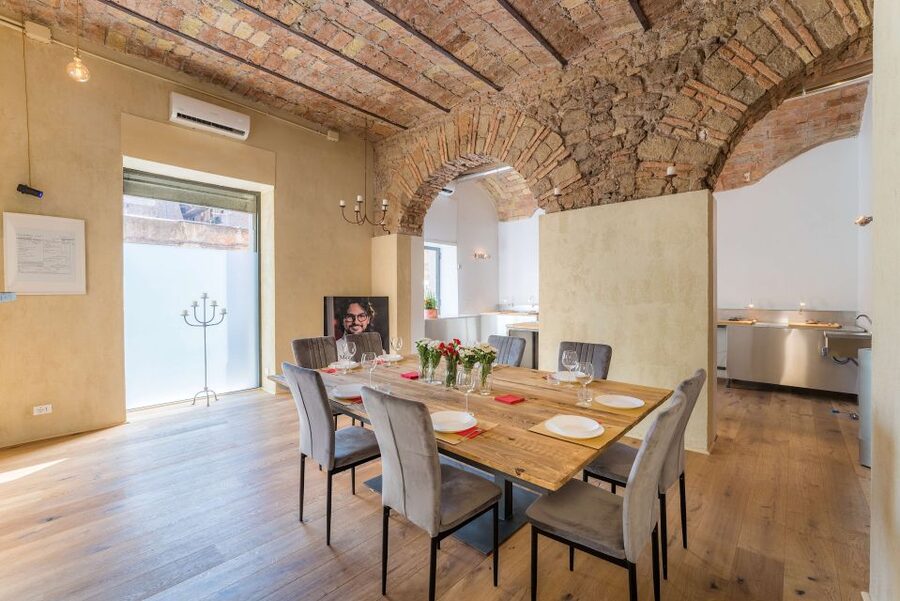
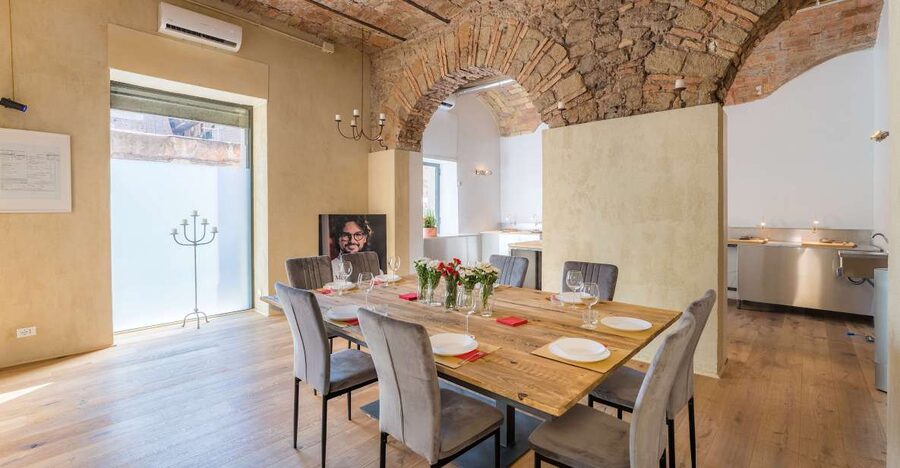
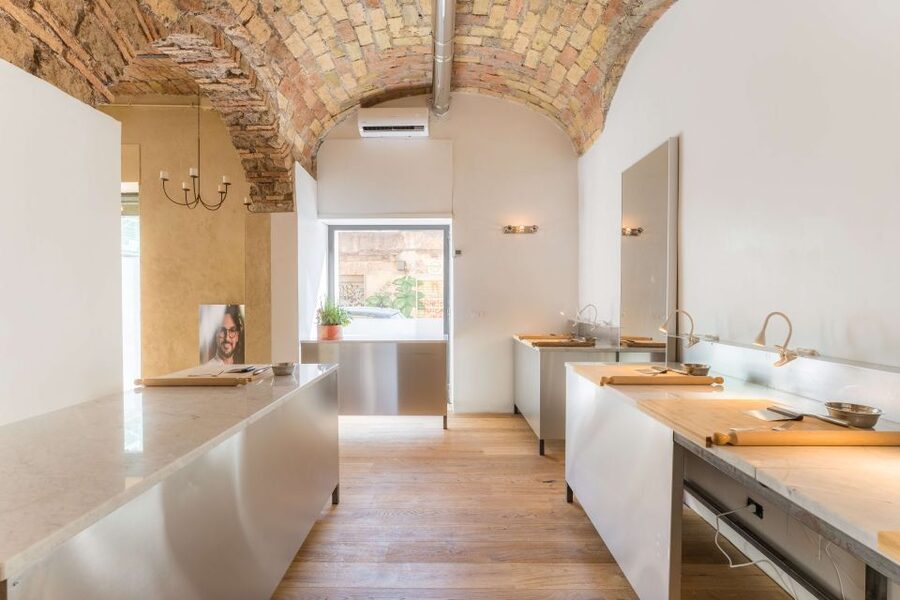
You meet at an old Roman osteria called Cucina. Look for the original marble osteria sign above the entrance. The late-1800s setting gives the class more character than a plain modern studio, but the space has been converted into a cooking school, so you get a working kitchen rather than a museum piece.
That mix of old and new is part of the appeal. You sit down to a proper meal in a room with atmosphere, then move into the hands-on work of a pasta lesson. The setting feels tied to Roman food culture without pretending that every dish is an ancient local recipe.
The activity lasts three hours and ends back at the same meeting point. You need to arrange your own way there, since transportation is not part of the experience. Check the available start times when booking, since the class can be scheduled at different times of day.
The class is taught in English and Italian. Emanuele and Angelo have different names attached to the sessions, so the exact teaching team may vary, but the format remains focused on direct instruction, humor, and plenty of participation.
More pasta classes around Rome:
- 3 in 1 Cooking Class near Navona: Fettuccine, Ravioli & Tiramisu
★ 5.0 · 7,376 reviews - Rome: Pasta & Tiramisu Class with Fine Wine by the Vatican
★ 4.9 · 4,852 reviews - Rome: Pasta Making Class with Wine, Limoncello, and Dessert
★ 4.9 · 3,177 reviews
The first taste: prosecco and Italian cheese
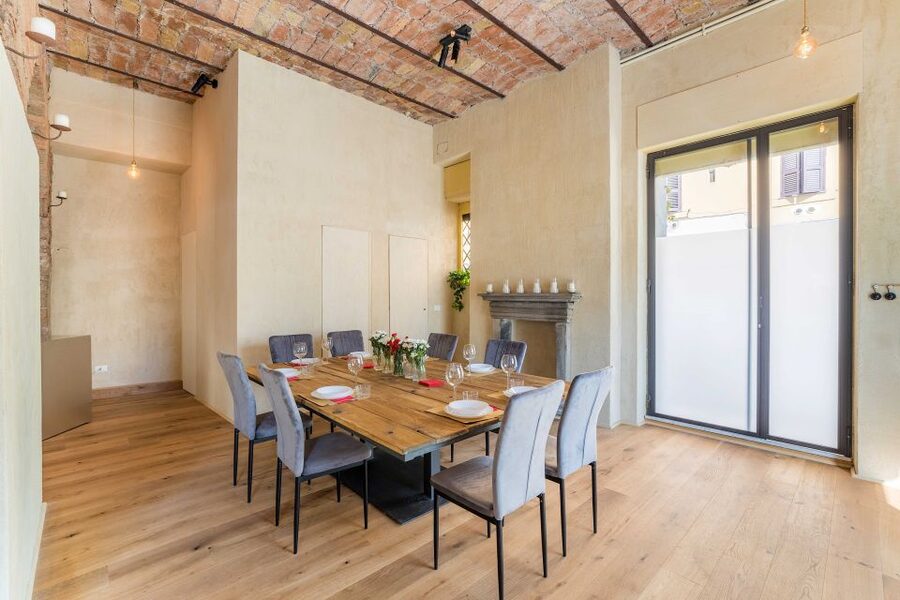
The class begins with an appetizer of local cheese and fresh prosecco. This is not just a small snack before the real event. It gives you time to settle in, meet the other people at the table, and get comfortable before flour takes over the work surfaces.
A shared food activity works best when the group feels relaxed. The small-group limit of 10 helps here. You are not one face in a large crowd, and the chefs can move around the table to check your dough, cutting technique, and pasta shapes.
The cheese and prosecco also set the tone for the evening. This is a social meal as much as a cooking lesson. You can expect conversation, music, jokes, and a fair amount of laughter while the pasta takes shape.
If you have an allergy or dietary concern, tell the team before you begin. One participant with a garlic allergy received altered ingredients and a separate sauce, which suggests that the chefs can make some practical adjustments. Still, the supplied information does not promise that every dietary need can be met, so ask before booking if your restrictions are serious.
Rolling dough the old-fashioned way
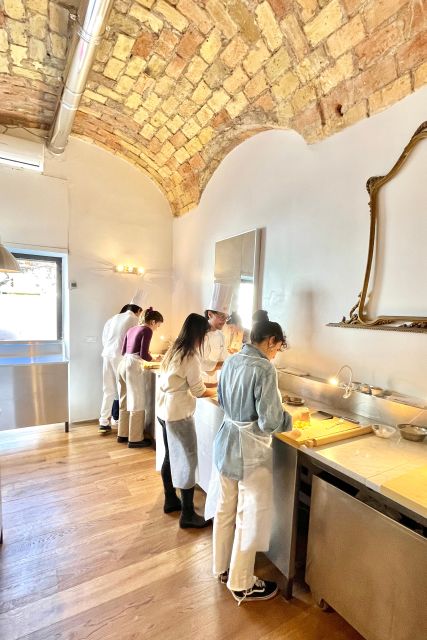
The central skill is making a thin sheet of pasta with a wooden rolling pin. You are shown how to work the dough, flatten it, and bring it to the right thickness without relying on a pasta machine.
This matters because the rolling technique affects everything that follows. Pasta that is too thick can feel heavy, while dough that is too thin can tear when you fill it. The chefs explain safe food-cutting procedures as well, which is useful if you want to repeat the lesson at home.
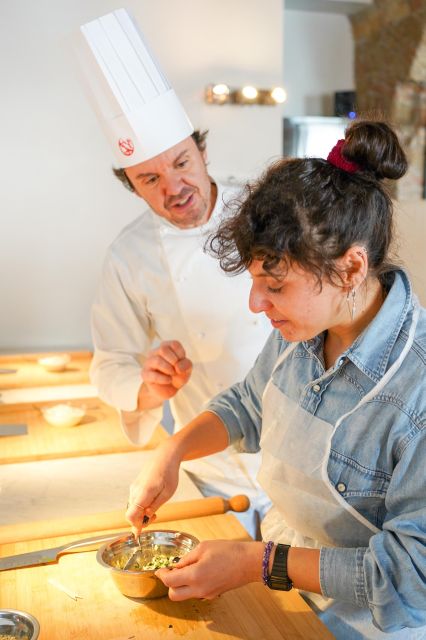
The work is beginner-friendly, but it is still hands-on. You will get flour on your hands and need to pay attention to pressure, shape, and timing. The chefs demonstrate each stage and step in when your dough needs help. The instruction is practical rather than technical for its own sake.
Music and a playful teaching style keep the process from feeling like a strict culinary exam. Emanuele is especially good at making people feel at ease, and the staff take time to learn names and check on individual progress. That personal attention is one of the strongest reasons to choose a small class instead of a large demonstration.
Five shapes, five different little problems
The class covers five well-known Italian fresh pasta shapes. You are not simply cutting one dough into five versions. Each shape requires a different bit of control.
Ravioli teaches you how to place filling, seal the dough, and remove air before cutting. This is where careful fingers matter. Too much filling makes the parcel difficult to close, while trapped air can cause problems during cooking.
Agnolotti del plin brings a more distinctive style. The name refers to the little pinch used to shape the pasta. It is a good lesson in making neat, compact pieces, and it gives you a more unusual skill than standard filled pasta.
Tortellini requires another approach to folding and shaping. You learn how to turn a small piece of filled dough into the familiar ring form. It looks simple once a chef does it quickly, but your first few pieces may need patience.
Cappelletti has its own folded shape and gives you another chance to work on sealing and presentation. Making several varieties helps you see how a small change in folding can create a completely different pasta.
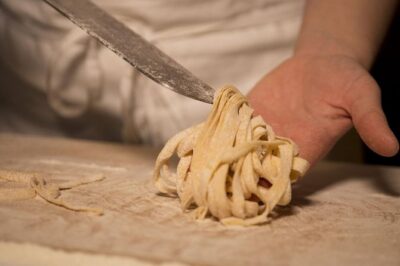
Fettuccine is the straightforward contrast to the filled shapes. You cut long ribbons from the rolled sheet and learn how width and thickness affect the finished dish.
Five shapes in three hours is a lot, but the class is designed as an introduction, not an advanced pasta apprenticeship. You may not leave with perfect restaurant-standard pieces every time. You will leave with a useful sense of how the dough behaves and enough basic technique to practice at home.
Same flour, a different shape to roll:
- Rome Cooking Class: Make Pasta and 3 Spritz Cocktails
★ 5.0 · 2,937 reviews - Rome: 3-in-1 Fettuccine, Ravioli, and Tiramisu Cooking Class
★ 4.9 · 2,704 reviews - Rome: Fettuccine Pasta Cooking Class in Rome’s City Center
★ 4.8 · 2,414 reviews - Learn to Make Pasta & Tiramisu with Wine and Limoncello Included
★ 5.0 · 2,345 reviews
Two sauces and the payoff at the table
After the shaping work, the chefs prepare two different Italian sauces and explain how they work with the pasta. The exact sauces are not specified in the available details, so do not book this expecting a particular Roman recipe.
The important point is that you taste two styles of handmade pasta rather than one. Different pasta shapes hold sauce in different ways. A filled shape needs a sauce that supports the filling, while fettuccine gives a broader surface for sauce to cling to.
The two pasta courses are part of the included meal. You eat the pasta you helped make, which gives the cooking a clear purpose. This is not a lesson where you prepare food and then watch someone else serve a separate dinner.
Wine is also included with the meal. The combination of handmade pasta, an old tavern setting, and a shared table makes the experience feel closer to a casual Italian dinner than a formal cooking school session.
The food is a real strength, but keep your expectations sensible. The value comes from the class and the meal together. If you are seeking a long, chef-led tasting menu or highly specialized regional recipes, this is not that sort of evening.
Express tiramisu closes the meal
Dessert is an express tiramisu preparation. You take part in making it rather than receiving only a finished sweet at the end.
The quick format fits the class well. By this point, you have spent time kneading, rolling, filling, and cutting pasta, then sat down for the main meal. A short dessert activity gives the evening a final cooking moment without turning it into another full lesson.
The class includes the dessert and its preparation, so you are not paying extra for a final course. The meal is substantial for the price, especially since prosecco, cheese, pasta, wine, and tiramisu are all part of the package.
What $67.19 really buys you
At $67.19 per person, this is a strong value if you want both food and instruction. The fee includes the appetizer, prosecco, Italian cheese, two handmade pasta dishes, wine, dessert, and the cooking lesson itself.
There are also no extra charges requested during the class. You do not need to budget separately for the meal or the chef hat. That makes the price easier to judge than a cheaper-looking class that adds drink or food costs later.
The class is also more useful than a meal alone. You spend three hours learning a skill you can repeat at home, and you receive the Pastificio Faini chef hat as a small souvenir. The hat is not a major reason to book, but children and first-time cooks may enjoy taking home something connected to the activity.
The value is less clear if you dislike group activities or already have advanced pasta-making skills. You may find the pace basic in places, since the lesson must work for beginners with different levels of confidence. For most people looking for a social Roman food experience, however, the combination is well judged.
Who will enjoy this class most
I would recommend it to couples, families with older children, solo visitors who like meeting people, and anyone who wants a break from sightseeing. Several children and teenagers have taken part successfully, and the upbeat teaching style helps keep the energy high.
It also suits a special occasion. One couple booked the class for an anniversary, and the shared meal, wine, music, and old tavern setting give the evening a celebratory feel without making it overly formal. It can work well on a honeymoon too, especially if you want an activity that leaves you with something to talk about and repeat at home.
The class is a good pick for people who want clear instruction. The chefs demonstrate, correct mistakes kindly, and help with rolling and shaping. If you prefer to learn by doing instead of watching, this format should fit you.
I would be more cautious if you have limited mobility. The activity is not considered suitable for people with mobility impairments, and the work requires active participation at the kitchen table. Pets are not allowed.
A few practical things to know before booking
Wear clothes you do not mind cooking in. The supplied information does not list a dress code, but flour, sauce, and food preparation are part of the evening.
Plan to arrive at the old Cucina osteria meeting point, not at a separate restaurant for dinner. The marble sign above the entrance is the useful landmark. The class finishes where it begins.
The group limit is listed as 10 participants. That size matters because the chefs can circulate and help with small details such as sealing ravioli or adjusting the thickness of the dough.
The class is available in English and Italian. If you need detailed explanations in English, check the selected time and language at booking. The instructors are described as English and Italian speakers.
You can cancel up to 24 hours in advance for a full refund, and the reserve-now, pay-later option keeps your plans flexible. Those terms are useful in Rome, where weather, train delays, and a packed sightseeing schedule can change your day.
Should you book this pasta class?
Book it if you want a lively, hands-on food activity that gives you a full meal as well as practical kitchen skills. The five pasta shapes make it more useful than a one-recipe workshop, and the old osteria, prosecco, wine, and tiramisu make it feel like an evening out rather than a lesson alone.
I would especially choose it for a couple, family, or small group that wants to laugh and cook together. The strongest part is the teaching personality of Emanuele, Angelo, and the supporting team, along with the chance to eat exactly what you made.
Skip it if you want a quiet fine-dining experience, a private class, or a highly focused lesson on one regional pasta. Also think twice if standing and hand-rolling dough will be difficult. For everyone else, $67.19 buys three useful, tasty hours in a memorable Roman setting, with no surprise food charges at the end.
FAQ
How long does the cooking class last?
The class lasts three hours. Check availability for the starting times offered on your selected date.
Where does the activity begin and end?
You meet at the old Cucina osteria, which still has its original marble osteria sign above the entrance. The activity ends back at the same meeting point.
Which pasta shapes will I make?
You will make ravioli, agnolotti del plin, tortellini, cappelletti, and fettuccine.
Is the pasta made from scratch?
Yes. You make the fresh pasta dough from scratch and roll the thin sheets by hand with a wooden pin.
What food and drinks are included?
The class includes an appetizer of Italian cheese with prosecco, two pasta dishes with different sauces, wine, and dessert with express tiramisu preparation.
Is the chef hat included?
Yes. Each participant receives a complimentary Professional Chef Hat with the Pastificio Faini logo.
What languages are available?
The instructors teach in English and Italian.
Can I cancel the booking?
You can cancel up to 24 hours in advance for a full refund. A reserve-now, pay-later option is also available.
Fresh off the board around Rome
- Spritz and Pasta! Spritz, Fettuccine & Tiramisù★ 5.0 · 2 reviews
- Trastevere Food Tour with Pasta-Making Class★ 5.0 · 5 reviews
- Rome: Pasta and tiramisu class with wine pairing at Come Na Vorta★ 5.0 · 30 reviews
- Top Class in Fettuccine, Ravioli, and Tiramisu★ 5.0 · 7 reviews
- Traditional Pasta Cooking Class with Tiramisu Small Group★ 5.0 · 7 reviews
- The Pasta Factory Class★ 4.5 · 21 reviews
- The Original Fettuccine Alfredo Experiences in Roma★ 4.5 · 38 reviews
- Italian Pasta & Dessert Class in Historic Center (3-Course Meal)★ 5.0 · 2 reviews
Rome Pasta Classes, class by class.
3 in 1 Cooking Class near Navona: Fettuccine, Ravioli & Tiramisu
Read our review →
Pasta & Tiramisu Class with Fine Wine by the Vatican
Read our review →
Pasta Making Class with Wine, Limoncello, and Dessert
Read our review →
Rome Cooking Class: Make Pasta and 3 Spritz Cocktails
Read our review →
3-in-1 Fettuccine, Ravioli, and Tiramisu Cooking Class
Read our review →
Fettuccine Pasta Cooking Class in Rome’s City Center
Read our review →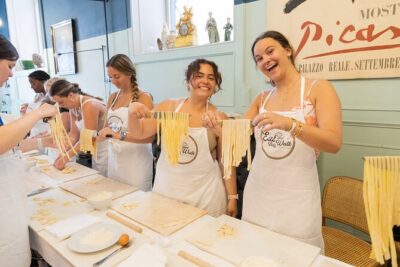
Learn to Make Pasta & Tiramisu with Wine and Limoncello Included
Read our review →
Become a Masterchef in Rome: Pasta, Ravioli and Tiramisù Class
Read our review →Lists this class appears in