
Review · ROME
Rome: Homemade Pasta and Tiramisu Cooking Class
The best part of this Rome class is that you do not just watch someone cook. You mix, knead, roll, and cut your own pasta, then make tiramisu and eat the results at Osteria San Giorgio. I like the practical focus and the chance to learn how Roman pasta shapes differ. I also like that instructors such as Kristian, Luca, and Elisabetta bring in food history and useful advice for cooking at home.
The main catch is the menu. Vegans and people avoiding gluten or lactose should skip this class, and the English-language format may not suit everyone. It is also a restaurant-based class, so the atmosphere may feel less private than a dedicated cooking school.
Key points to know before booking
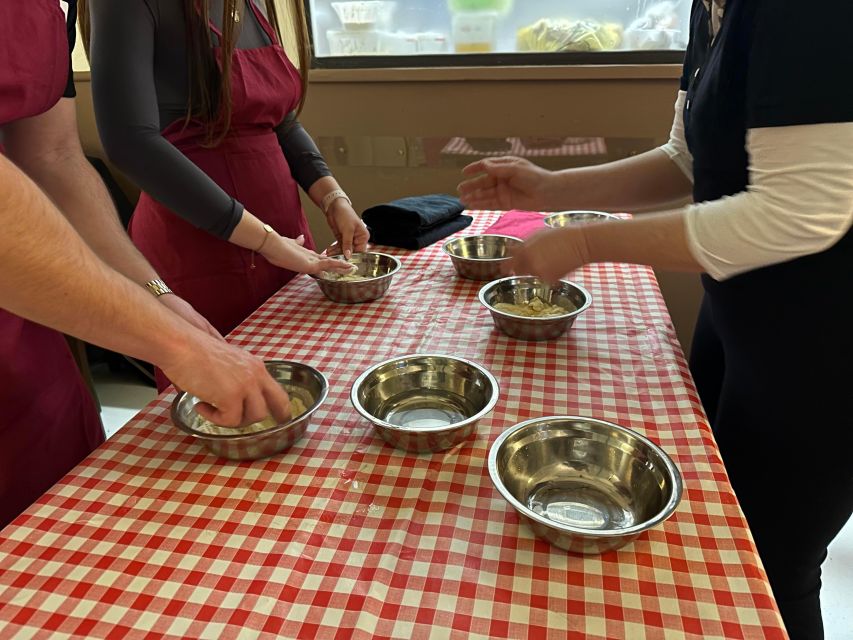
- You make the meal yourself: Mix flour and water, knead dough, roll it thin, and hand-cut your pasta.
- Three Roman pasta shapes are covered: Learn the differences between pappardelle, tagliatelle, and tonnarelli.
- Tiramisu is part of the main event: You prepare the espresso-dipped dessert rather than simply receiving it at the end.
- The class ends at the table: Eat your pasta and tiramisu with water and a glass of wine.
- The instructors get strong praise: Kristian, Christian Simeoni, Luca, and Elisabetta are noted for clear explanations, patience, and friendly conversation.
- The format suits couples and families: One class included two children, while another became a private lesson when only two people booked.
Making Roman pasta at Osteria San Giorgio
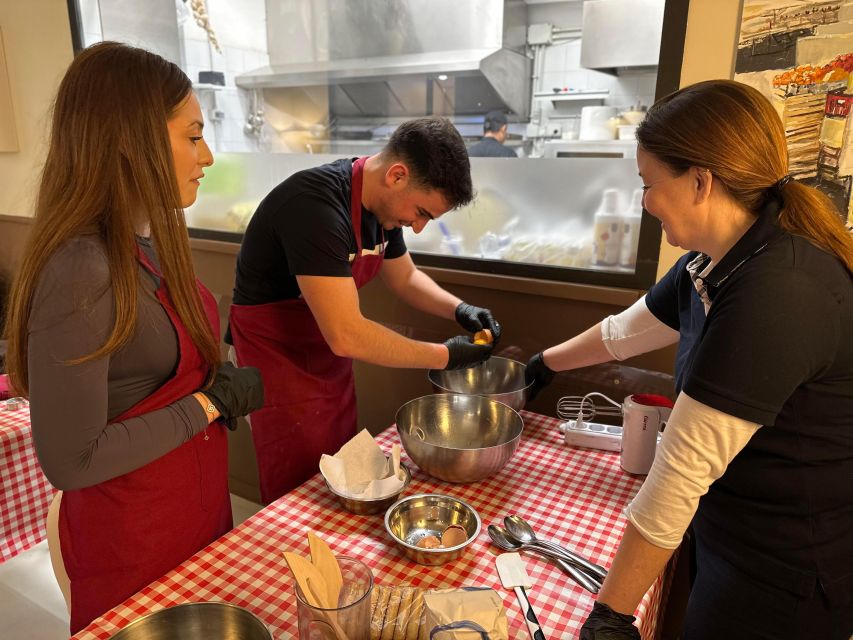
This 2.5-hour class takes place at Osteria San Giorgio, a traditional restaurant in Rome. That setting matters. You are not only learning a recipe in a classroom, you are working in a place where the finished food can be served and enjoyed at the end.
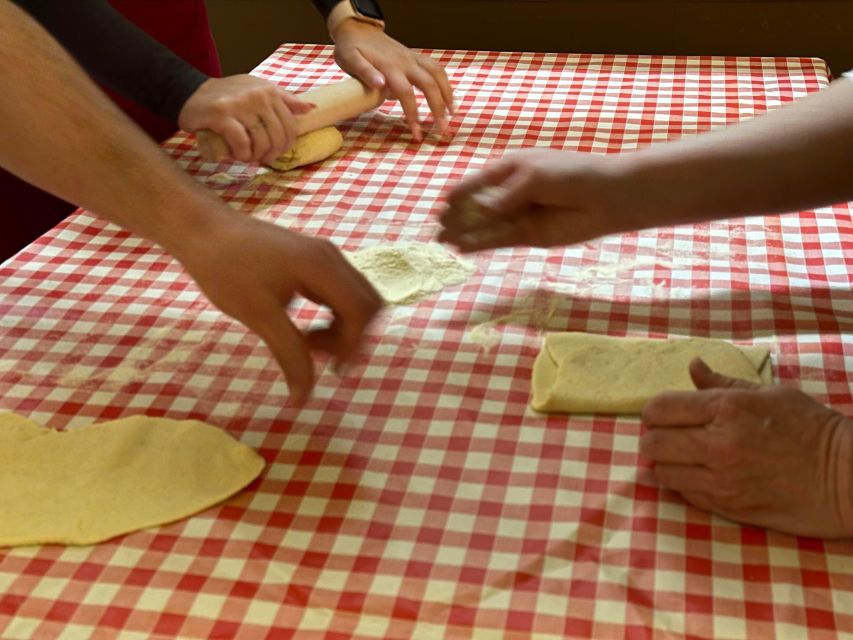
The class begins with the basics of fresh pasta. You work with flour and water, then knead the dough by hand. It is simple work, but it takes some attention. You learn how the dough should feel, when it needs more handling, and how to prepare it for rolling.
I like this hands-on approach because pasta videos can make the process look easier than it feels. In person, an instructor can correct your technique and show you what to watch for. The class is aimed at giving you skills you can repeat at home, not just a pleasant food demonstration.
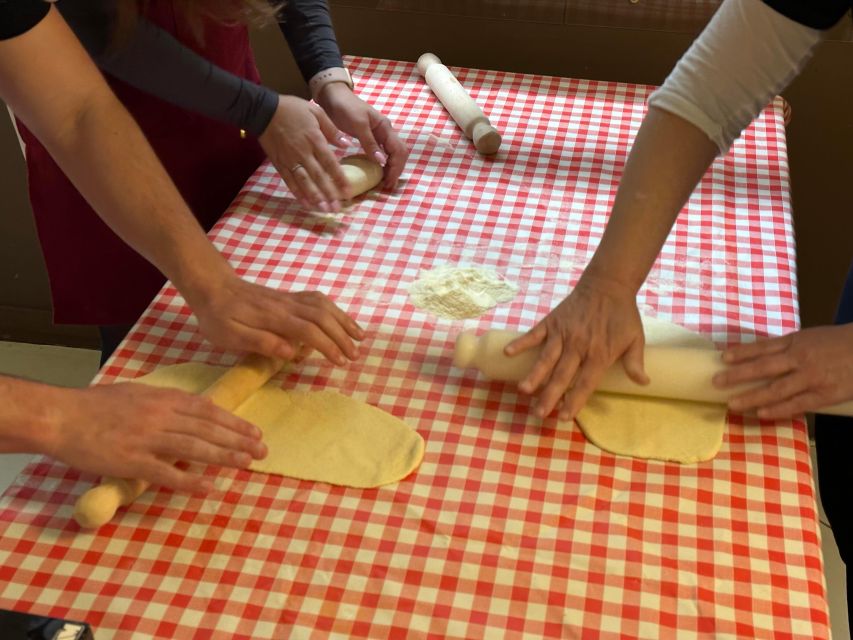
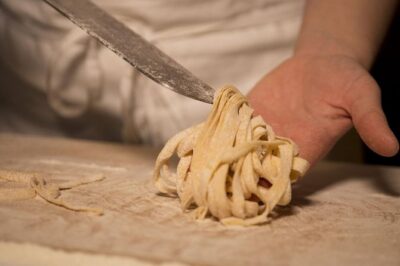
You then roll out the dough and cut it by hand. The lesson covers pappardelle, tagliatelle, and tonnarelli. These are not just three names to memorize. Their different widths and shapes affect how they feel on the plate and how they hold sauce.
Pappardelle are broad ribbons. Tagliatelle are narrower. Tonnarelli are thicker, square-edged strands associated with Roman cooking. Learning these differences gives you a better feel for why Italian pasta is made in so many forms, rather than treating every long noodle as the same thing.
The instructor also explains how to choose good ingredients. The supplied details do not specify particular brands or shops, so you should not expect a fixed shopping list. You can expect general guidance about sourcing quality ingredients and making choices that support a more authentic result.
That advice may be more useful than a complicated recipe. Once you return home, you may have trouble finding every ingredient used in Rome, but you can still apply the basic lessons about freshness, quality, and proportion.
More Fresh Pasta Workshops in Rome
- Rome: Pasta Making Class with Wine, Limoncello, and Dessert
★ 4.9 · 3,177 reviews - Enjoy Spritz and Pasta Making in Piazza Navona
★ 5.0 · 1,681 reviews - Pasta Making & Wine Tasting with Dinner in Frascati from Rome
★ 5.0 · 1,326 reviews
From flour and water to a proper meal
The cooking process is active without being overly demanding. You do not need to arrive with professional kitchen skills. One couple described the class as their first time making something this complex, yet they found the pasta manageable and enjoyable.
That is important if you are booking with a partner or family member who rarely cooks. The class gives each person a job, and the shared work makes it easier to stay involved. One family attended with two children, who enjoyed the detailed explanations and practical activity.
The pace should leave room for questions. The instructors are described as friendly, patient, and willing to discuss more than the recipe itself. Kristian, also identified in one experience as Christian Simeoni, talked about Italian culture, food history, Rome, wine, and everyday life. Elisabetta and Luca are also praised for clear and thorough teaching.
You should still keep your expectations realistic. A 2.5-hour class cannot cover every Roman pasta style or turn you into a professional cook. You will learn a focused set of techniques, especially fresh dough, hand-cut pasta, and tiramisu. That makes the experience more useful than a long lecture, but less suited to someone seeking an advanced culinary course.
Making tiramisu from scratch
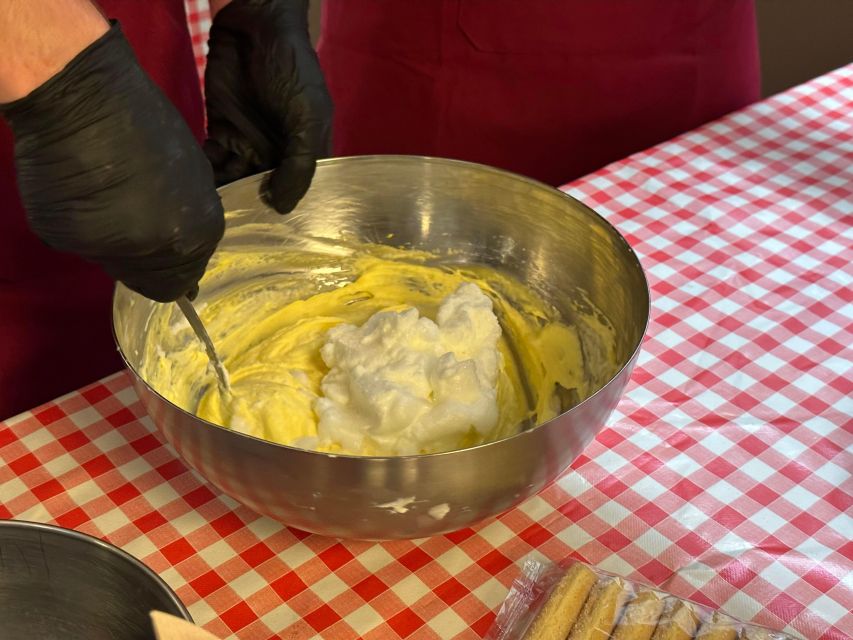
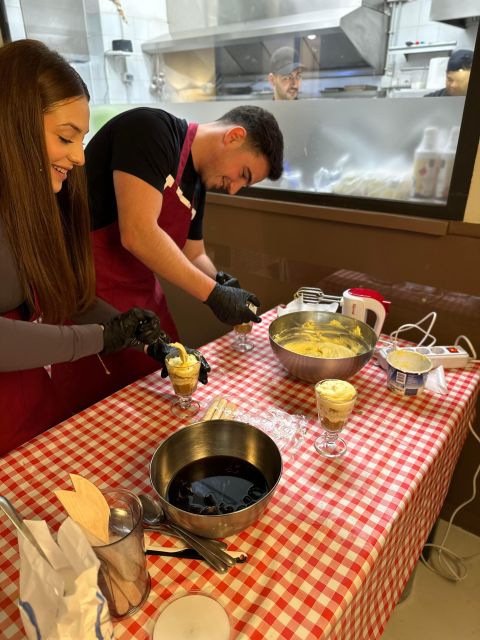
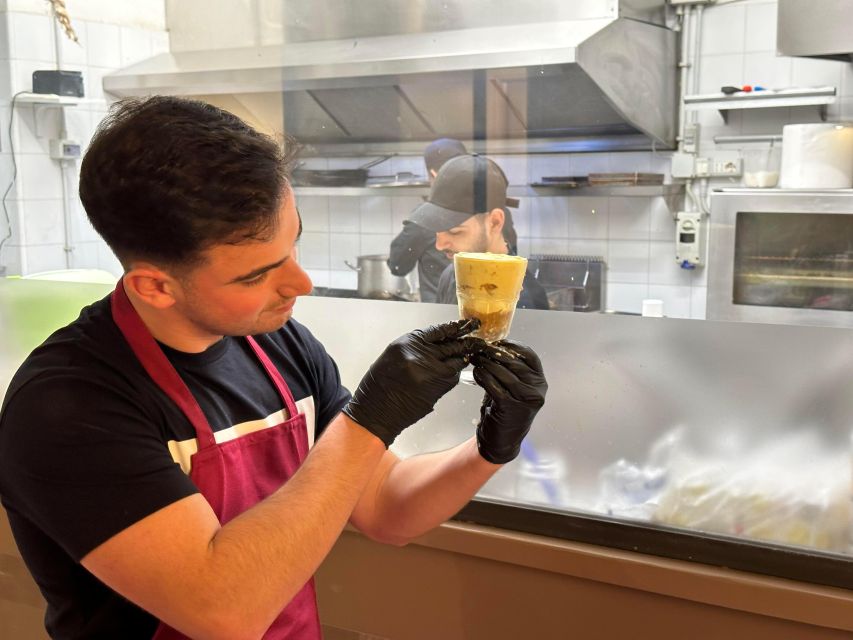
The second major task is tiramisu. You prepare the classic Italian dessert with espresso-dipped layers and a creamy filling. The exact recipe details are not provided, so I would not book this expecting a printed formula with every measurement unless the instructor supplies one during the class.
What you will get is a demonstration of the method and a chance to prepare the dessert yourself. That is valuable because tiramisu often looks simple, yet small choices affect the texture. You learn the order of the components and the basic tricks behind a smooth, creamy result.
The dessert also gives the class a nice change of pace. Pasta requires kneading, rolling, and cutting. Tiramisu is more about assembling ingredients and getting the balance right. Making both dishes keeps the session varied.
Several instructors also share extra recipes and cooking tips. If you ask questions, the class can become a broader conversation about Italian food rather than a narrow lesson in two dishes. That informal side is one reason this experience may appeal to curious cooks who want ideas they can use after the holiday.
Sitting down to eat what you made
At the end, you sit down at the restaurant and eat your homemade pasta and tiramisu. Water is included, along with one glass of wine. This finish is more satisfying than leaving with a container of uncooked dough or a recipe card alone.
You get to see how the pasta works as a finished dish, not just as a piece of dough on the counter. You can also compare the dessert you made with the version you may have eaten elsewhere in Rome.
The meal is part of the value of the $65 price. You are paying for instruction, ingredients, utensils, the meal, water, wine, and the use of the restaurant setting. If you were only looking for a cheap lunch, this would not be the right comparison. If you want a meal plus a useful activity, the price is reasonable for Rome.
The wine is limited to one glass, so this is not a wine tasting. Think of it as a simple pairing with your food. If you do not drink alcohol, the included glass may not add much value, but the class remains centered on the cooking rather than the drink.
More Tiramisu Classes in Rome
- 3 in 1 Cooking Class near Navona: Fettuccine, Ravioli & Tiramisu
★ 5.0 · 7,376 reviews - Rome: Pasta & Tiramisu Class with Fine Wine by the Vatican
★ 4.9 · 4,852 reviews - Rome: 3-in-1 Fettuccine, Ravioli, and Tiramisu Cooking Class
★ 4.9 · 2,704 reviews - Learn to Make Pasta & Tiramisu with Wine and Limoncello Included
★ 5.0 · 2,345 reviews
The instructors shape the experience
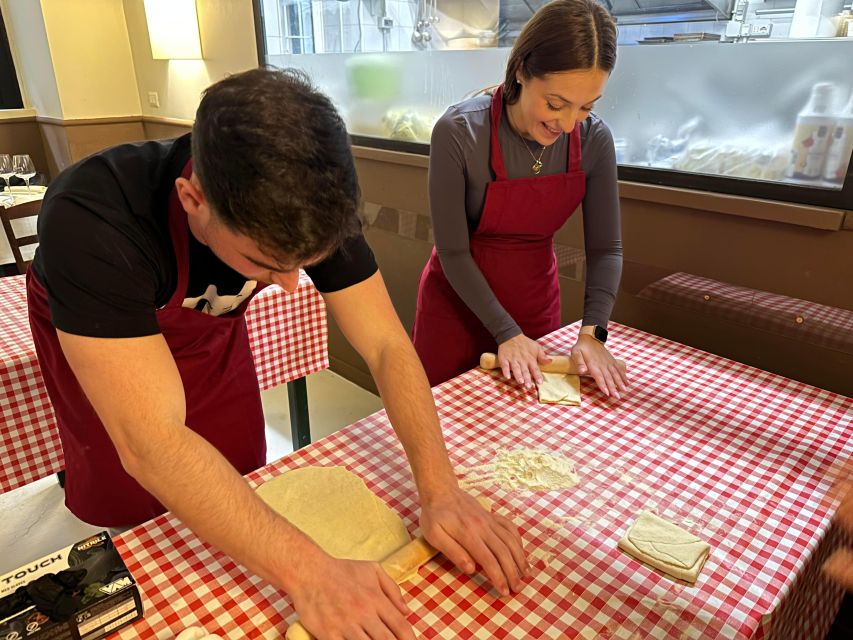
The strongest feature of this class is the teaching. Kristian is repeatedly described as relaxed, friendly, and easy to talk with. He also offers local suggestions and cooking advice, which can make the class useful beyond the kitchen.
Luca is praised for his food knowledge and clear teaching. Elisabetta is described as patient, detailed, and attentive to everyone in the class. Christian Simeoni is also singled out for his understanding of Italian culture and food history.
The instructor may vary, so you should not assume you will meet a specific person unless your booking confirms it. Still, the range of names and similar comments suggest that the experience depends on a team rather than on one single host.
A small class may feel especially personal. In one case, only two people had booked, turning the lesson into a private session without that being the original plan. You should not count on having a private class, but a quiet date can create that possibility.
The restaurant staff also take part in the setting. They help with the meal and support the class. One person felt slightly uncomfortable because staff watched the cooking closely, especially during a small class with two young women. That is worth noting. In a working restaurant, attention from the kitchen can feel different from the relaxed atmosphere of a private studio.
Who will enjoy this Rome cooking class
I would recommend this class to couples, families, first-time cooks, and anyone who wants a useful food activity between sightseeing stops. It is especially good for people who enjoy learning by doing.
You will get the most from it if you are willing to handle dough, ask questions, and take part in the full process. It is not designed for someone who wants to sit back while a chef performs. You will be expected to work.
Families should note that one parent attended with two children and found the instructor thorough and engaging. The activity can give children a break from museums and churches, though the adults will need to judge whether their children can manage a 2.5-hour food lesson.
The class also works well for couples. One partner may already cook while the other is a beginner, and the task-based format lets both people contribute. It is less intimidating than trying to prepare fresh pasta alone in an unfamiliar kitchen.
Who should choose a different activity
The dietary limits are firm. This class is not suitable for vegans, people with gluten intolerance, or people with lactose intolerance. Pasta and tiramisu are central to the experience, so this is not a situation where you can simply skip one small ingredient.
You should also think about the language. The instructor teaches in English, and the listed language is English. That is useful for English-speaking visitors, but it may not be the best choice if you need instruction in another language.
The class takes place in a traditional restaurant, not an isolated cooking studio. Most people will like the connection to a working restaurant, but you may prefer a more private and controlled environment if you are nervous in kitchens or dislike being observed.
Finally, the class covers a focused set of dishes. If you want pizza, gelato, regional sauces, market shopping, or a long food tour, this is not that experience. You are getting pasta, tiramisu, cultural context, and a shared meal.
Timing, meeting point, and booking value
You meet at Osteria San Giorgio in Rome. Starting times vary, so check availability before choosing the day. The activity lasts 2.5 hours, which makes it easy to fit into a sightseeing plan, though you should avoid placing it immediately before another appointment.
The duration is long enough to make and eat the food without turning the class into an all-day commitment. I would allow a little extra time around it in case the meal or conversation runs longer than expected.
The price is $65 per person. For Rome, that is a fair amount for a cooking class that includes all ingredients, utensils, instruction, water, a glass of wine, and the meal you prepare. The value is strongest if you care about taking home a skill. If you only want dinner, you can find simpler restaurant options for less money.
The booking terms are friendly to uncertain plans. You can reserve now and pay later, and cancellation is free up to 24 hours before the activity for a full refund. Wheelchair access is available, which makes the class workable for many visitors, though the supplied information does not describe the exact kitchen layout or any special arrangements.
Should you book the Osteria San Giorgio class?
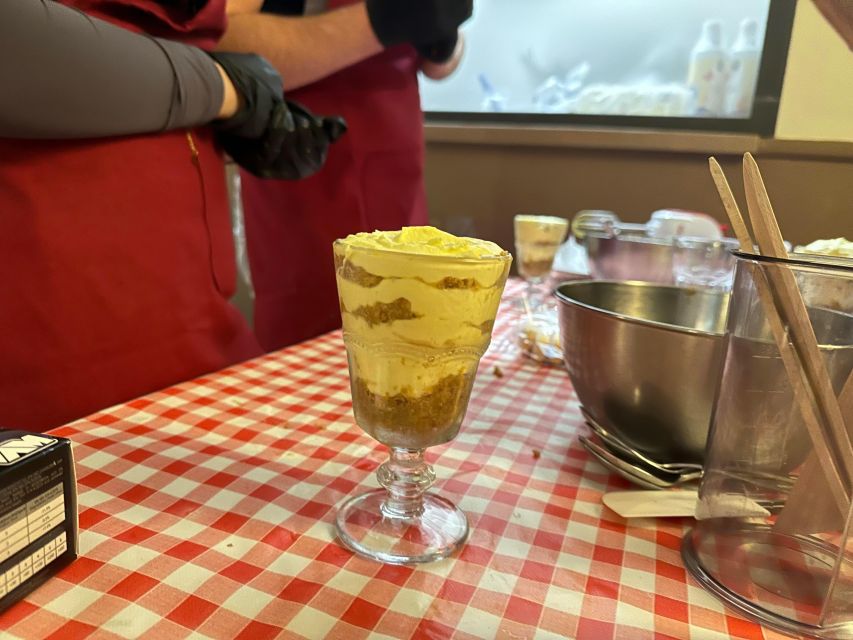
Book it if you want a practical, social food lesson with a finished meal at the end. The pasta work is the main attraction, while tiramisu adds a sweet and approachable second course. The instructors, especially Kristian, Luca, and Elisabetta, bring a personal touch through clear explanations, Rome suggestions, and cooking advice.
Skip it if you need a vegan, gluten-free, or lactose-free menu, or if you want a highly private professional kitchen. Also skip it if you prefer watching rather than cooking.
For most visitors who like Italian food and want more than another restaurant meal, this is a good use of 2.5 hours. You leave with a full stomach, a glass of wine, and a better chance of making fresh pasta and tiramisu again at home.
FAQ
Where does the cooking class take place?
The class takes place at Osteria San Giorgio in Rome, in the Lazio region of Italy.
How long does the experience last?
The cooking class lasts 2.5 hours. Starting times vary, so check availability when booking.
What food will I make?
You will make fresh pasta and tiramisu. The pasta lesson covers pappardelle, tagliatelle, and tonnarelli.
Is the class taught in English?
Yes. The listed instructor language is English.
Are ingredients and cooking equipment included?
Yes. The class includes all ingredients and utensils, as well as water and one glass of wine.
Is the class suitable for dietary restrictions?
No. It is not suitable for vegans, people with gluten intolerance, or people with lactose intolerance.
Can I cancel the booking?
Yes. You can cancel up to 24 hours in advance for a full refund. You can also reserve now and pay later.
Fresh off the board around Rome
- Spritz and Pasta! Spritz, Fettuccine & Tiramisù★ 5.0 · 2 reviews
- Trastevere Food Tour with Pasta-Making Class★ 5.0 · 5 reviews
- Rome: Pasta and tiramisu class with wine pairing at Come Na Vorta★ 5.0 · 30 reviews
- Top Class in Fettuccine, Ravioli, and Tiramisu★ 5.0 · 7 reviews
- Traditional Pasta Cooking Class with Tiramisu Small Group★ 5.0 · 7 reviews
- The Pasta Factory Class★ 4.5 · 21 reviews
- The Original Fettuccine Alfredo Experiences in Roma★ 4.5 · 38 reviews
- Private 4 Roman Pastas Tasting Tour in Rome★ 5.0 · 6 reviews
Tiramisu Classes, class by class.
3 in 1 Cooking Class near Navona: Fettuccine, Ravioli & Tiramisu
Read our review →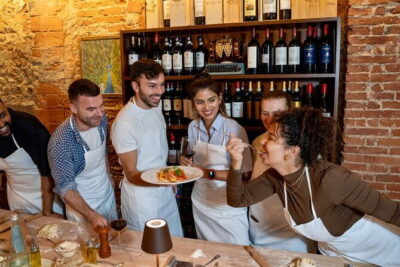
Pasta & Tiramisu Cooking Class with Unlimited Wine
Read our review →
Pasta & Tiramisu Class with Fine Wine by the Vatican
Read our review →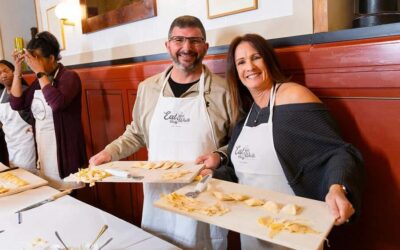
3-in-1 Fettuccine, Ravioli, and Tiramisu Cooking Class
Read our review →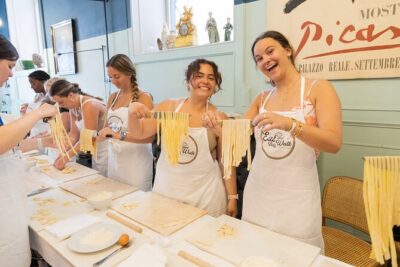
Learn to Make Pasta & Tiramisu with Wine and Limoncello Included
Read our review →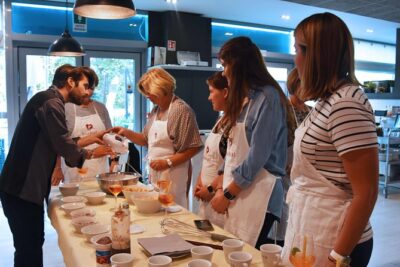
Become a Masterchef in Rome: Pasta, Ravioli and Tiramisù Class
Read our review →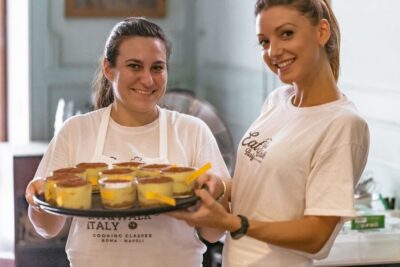
Fettuccine & Tiramisù: Cooking Class with Wine & Limoncello
Read our review →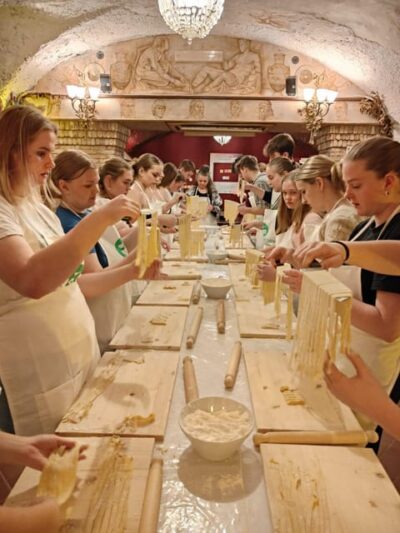
Pasta & Tiramisu Cooking Class near the Spanish Steps
Read our review →Lists this class appears in