

Review · ROME
Rome Cooking Class: Handmade Tonnarelli Pasta & Tiramisu
Rome’s best cooking lesson here is also a practical one: you make tonnarelli, the thick, square-cut Roman pasta used for cacio e pepe, then prepare tiramisu from scratch. The work is hands-on, not a cooking demonstration where you sit and watch.
I like the friendly osteria setting and the chance to eat what you make with a glass of wine. I also like that the instructors, including Kristian, Luca, Elisabetha, Christian, Jamila, and Francesca on different sessions, keep the mood relaxed for complete beginners. The main consideration is dietary: this is not suitable for vegans or anyone with gluten or lactose intolerance, and the pasta is cooked and seasoned by staff in the kitchen rather than by participants.
Key points to know before booking

- Make real Roman pasta: You mix, knead, roll, and cut tonnarelli by hand rather than simply learning a sauce recipe.
- Cacio e pepe is the focus: Your pasta is paired with the classic Roman combination of cheese and black pepper, with the final cooking and seasoning handled in the kitchen.
- Tiramisu is part of the meal: You prepare the coffee-soaked dessert as well as the main course.
- A social two-and-a-half hours: The class takes place in Osteria San Giorgio, where you eat together and share a glass of wine.
- Strong beginner appeal: Instructors such as Jamila and Elisabetha have been praised for patience, humor, and clear guidance.
- Plan around dietary needs: Vegan, gluten-free, and lactose-free versions are not offered, and the experience is not suitable for visually impaired participants.
Making tonnarelli in an authentic Roman setting
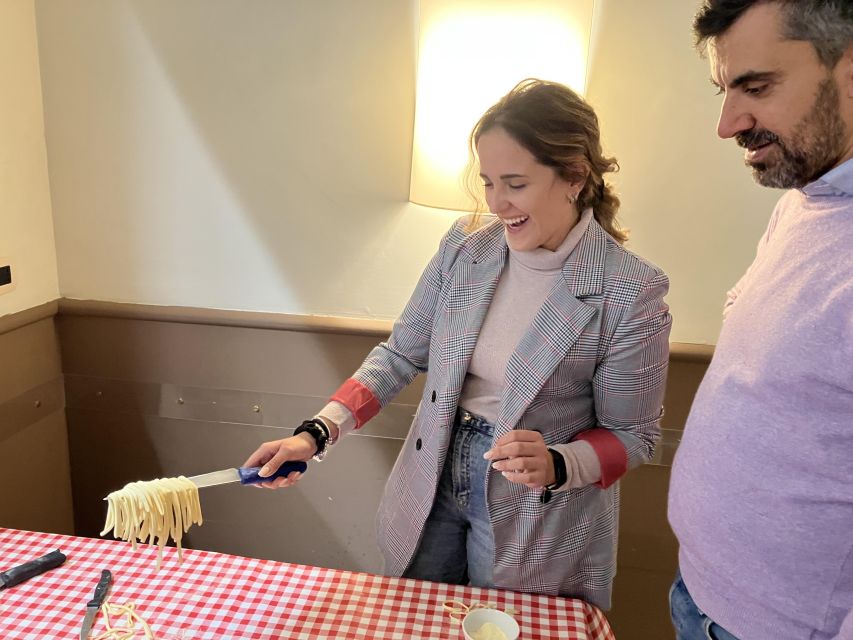
The class begins at Osteria San Giorgio, where you meet in front of the restaurant. This is a useful arrangement in Rome, where a clear meeting point can save you from wandering around a busy street looking for a cooking studio.
Once inside, you get to work on the pasta. Tonnarelli is not ordinary spaghetti. It is a thicker, hand-cut Roman pasta with a square shape and a satisfying bite. It is closely linked with cacio e pepe, one of Rome’s simplest and most famous dishes. The ingredient list is short, so the method matters. Small mistakes in dough texture, rolling, or cutting become easy to notice.
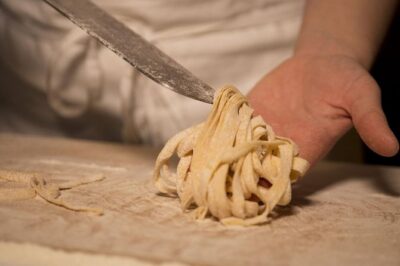
You mix the fresh ingredients, knead the dough, roll it out, and cut it into strands. That sequence gives you useful kitchen skills rather than just a pleasant afternoon activity. You learn what the dough should feel like, how thin to roll it, and how to create the shape that makes tonnarelli different from standard dried spaghetti.
This is the part I would value most if you want to repeat the meal at home. A recipe card can tell you how much flour to use, but it cannot fully explain when dough has reached the right consistency. A patient instructor can. The class is designed for beginners, so you do not need previous pasta-making experience.
The instructors have different personalities, but the pattern is clear. Kristian has been described as funny, kind, and patient. Jamila helped complete beginners feel comfortable, while Elisabetha combined pasta instruction with stories about Rome and Italian food. Luca added cooking tips and personal stories. The exact instructor depends on your session, but the class is conducted in English.
More Tiramisu Classes in Rome
- 3 in 1 Cooking Class near Navona: Fettuccine, Ravioli & Tiramisu
★ 5.0 · 7,376 reviews - Rome: Pasta & Tiramisu Class with Fine Wine by the Vatican
★ 4.9 · 4,852 reviews - Rome: 3-in-1 Fettuccine, Ravioli, and Tiramisu Cooking Class
★ 4.9 · 2,704 reviews
Why cacio e pepe works so well in a cooking class
Cacio e pepe looks almost too simple. It uses pasta, cheese, black pepper, and the starchy pasta water that helps bring everything together. That simplicity makes it a good lesson because you can see how technique affects the final dish.
The kitchen team prepares the sauce and handles cooking and seasoning. For safety reasons, you do not enter the actual kitchen. You make the fresh pasta, but you are not operating the commercial cooking area. This is worth understanding before you book, especially if you are looking for a class where every stage happens directly at your workstation.
Still, the division of work makes sense. Fresh pasta needs careful cooking, and cacio e pepe can turn clumpy if the heat and cheese are handled badly. You get the useful part of making pasta without turning the class into a stressful restaurant service.
You then eat the tonnarelli with a simple sauce prepared for you. The dish connects your hands-on work with a classic Roman meal. It also gives you a chance to taste the difference between fresh handmade pasta and the ordinary pasta you may cook at home.
The experience is not built around fancy ingredients or elaborate plating. That is a plus. Roman cooking is often about getting a few basic ingredients right, and this class keeps that idea in view.
Preparing tiramisu from scratch
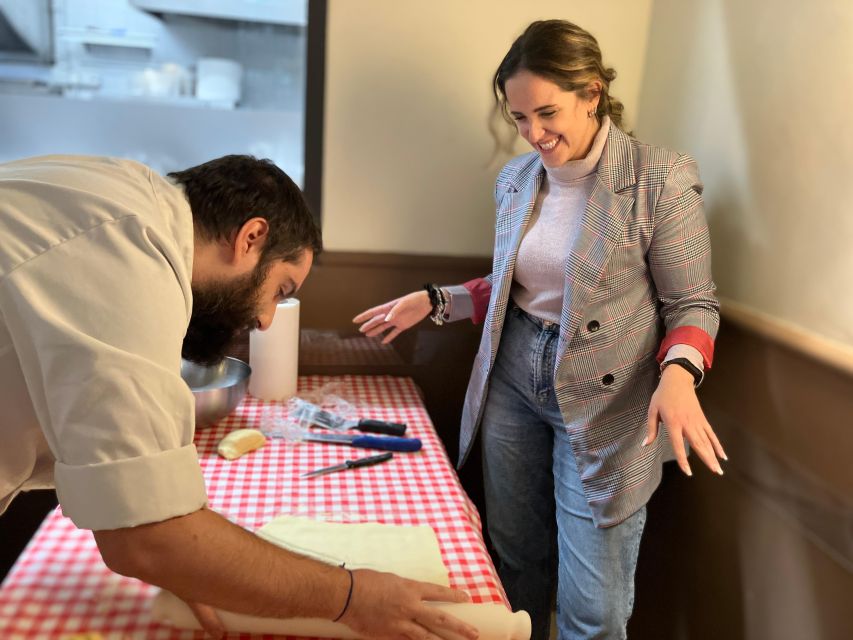
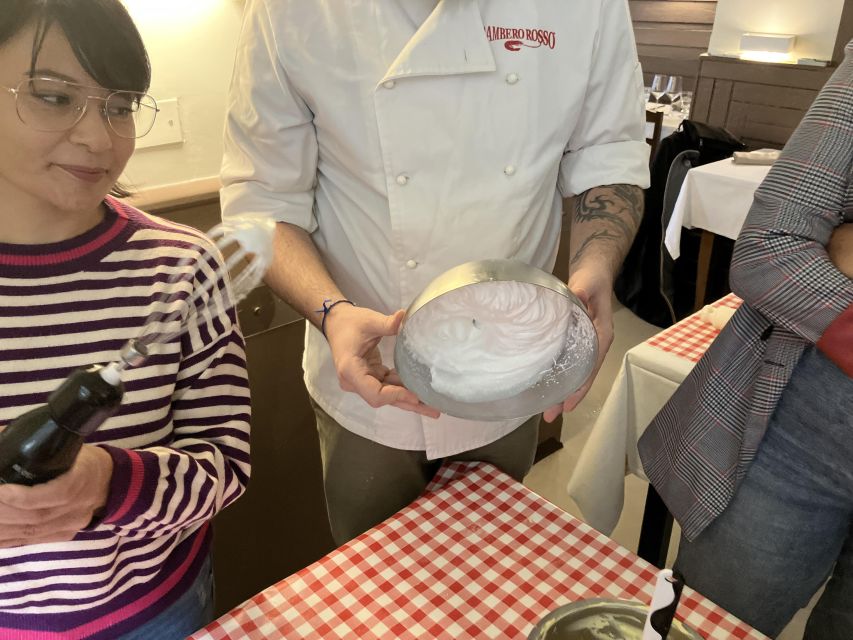
The second recipe is tiramisu, the familiar Italian dessert made with coffee-soaked layers and a creamy mixture. The process is hands-on, with mixing, whipping, and combining the ingredients yourself.
Tiramisu gives the class a nice change of pace. Pasta requires strength and attention to texture, while dessert calls for careful mixing and assembly. You finish with two dishes that use very different techniques, which makes the lesson feel more complete than a class focused only on pasta.
The dessert is also easy to remember at home. You can recreate it without buying specialist equipment, and the instructors provide the recipes and techniques you learn during the session. That take-home value matters at $64. You are not paying only for a meal in Rome. You are paying for instruction you can use after your trip.
There is one important catch. Tiramisu typically contains dairy, and this class does not provide lactose-free alternatives. If you have a serious food intolerance, ask before booking, but the supplied information clearly lists lactose intolerance among the conditions for which the class is not suitable.
Eating your work at Osteria San Giorgio
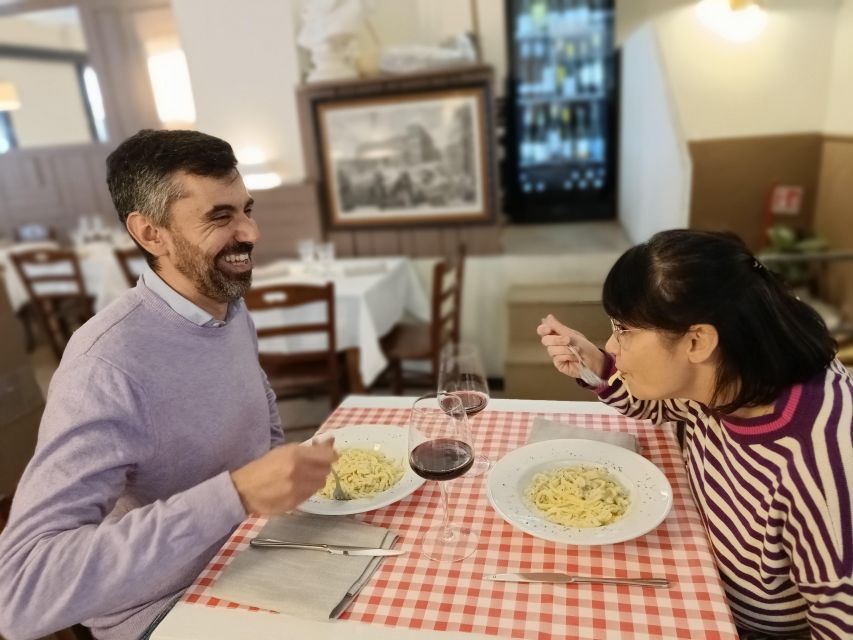
After the practical work, you sit down to eat. The meal includes your handmade pasta, served with the sauce prepared by the kitchen, and your tiramisu. A glass of wine is included, which fits the osteria setting and gives the meal a relaxed finish.
This shared meal is one of the strongest parts of the experience. You are not rushing out as soon as the cooking ends. You have time to taste the results and chat with the instructor and other people at the table. Several sessions have felt especially social, including classes where participants stayed on afterward to talk.
The setting also works well for solo visitors. One person who joined alone found the group arrangement comfortable, with couples and friends around the table but no pressure to arrive as part of a group. You can book with friends, as a couple, or on your own and still have a natural chance to meet people.
The meal is not a substitute for a full Roman food tour. You will not be sampling many restaurants or walking through markets. Instead, you spend the time in one osteria and finish with a meal tied directly to the work you did. I prefer this focused approach if you want a slower afternoon and a skill you can take home.
Same flour, a different shape to roll:
- Rome: Pasta Making Class with Wine, Limoncello, and Dessert
★ 4.9 · 3,177 reviews - Rome Cooking Class: Make Pasta and 3 Spritz Cocktails
★ 5.0 · 2,937 reviews - Rome: Fettuccine Pasta Cooking Class in Rome’s City Center
★ 4.8 · 2,414 reviews - Learn to Make Pasta & Tiramisu with Wine and Limoncello Included
★ 5.0 · 2,345 reviews
Choosing the best time for your Rome schedule
The class lasts 2.5 hours, and starting times vary, so check the available slot when you book. A morning session can be especially useful. One 10:30 a.m. class finished in time for lunch, which made the activity fit naturally into the day rather than becoming a late afternoon meal.
A morning booking also leaves the rest of the day open for sightseeing. You could pair it with nearby Rome plans, though the exact location details beyond the Osteria San Giorgio meeting point are not provided, so allow time to find the restaurant without making a tight connection.
You may also prefer the class early in your stay. The instructors have offered suggestions about places to eat and things to try in Rome, and those tips are more useful when you still have several days left. This is not a formal city orientation, but conversation with the instructor can add practical food advice to your itinerary.
Do not book it immediately before a major timed attraction unless you have generous buffer time. Cooking involves several stages, and the meal is intended to be enjoyed rather than swallowed in a hurry.
Is $64 a fair price?
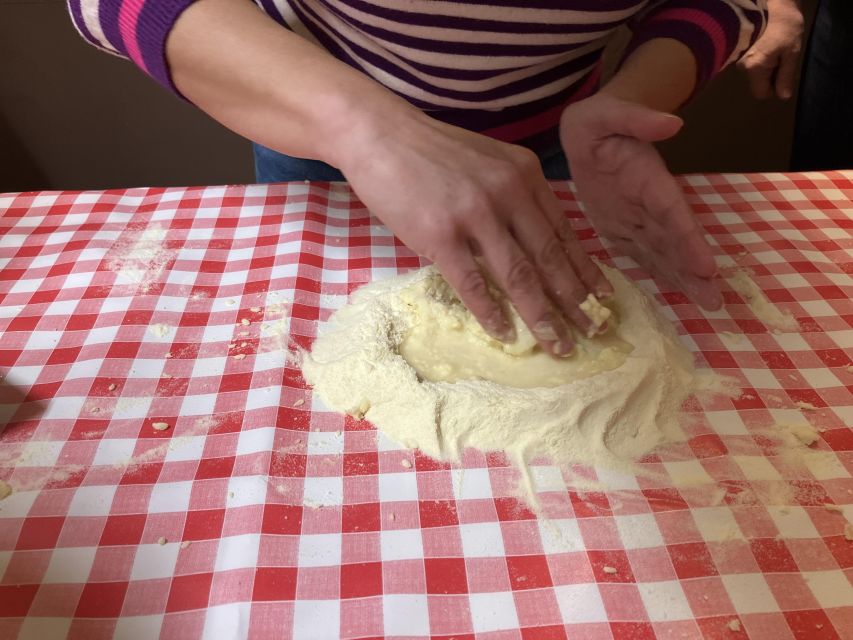
At $64 per person, the price is reasonable for a 2.5-hour class that includes an instructor, ingredients, equipment, the meal, and a glass of wine. The value improves if you care about learning fresh pasta and tiramisu rather than simply sitting down to eat them.
You also get recipes and techniques to use at home. That makes the activity more useful than a standard restaurant meal, especially if you have been wanting to learn pasta but have not known where to begin.
The price is less attractive if you mainly want to watch a chef cook or sample several Roman dishes. You will make two recipes, not a broad range of food, and the kitchen team completes the final boiling and seasoning of the pasta. You should book it for the instruction and social meal, not because it offers the largest possible tasting menu.
The high rating, 5 out of 5 from 119 ratings, matches the main strengths of the activity: friendly teachers, good food, and a relaxed atmosphere. The most repeated praise goes to the instructors’ humor and patience. That matters more here than polished presentation because a cooking class succeeds or fails on how comfortable the teacher makes you feel.
Who will enjoy this class most
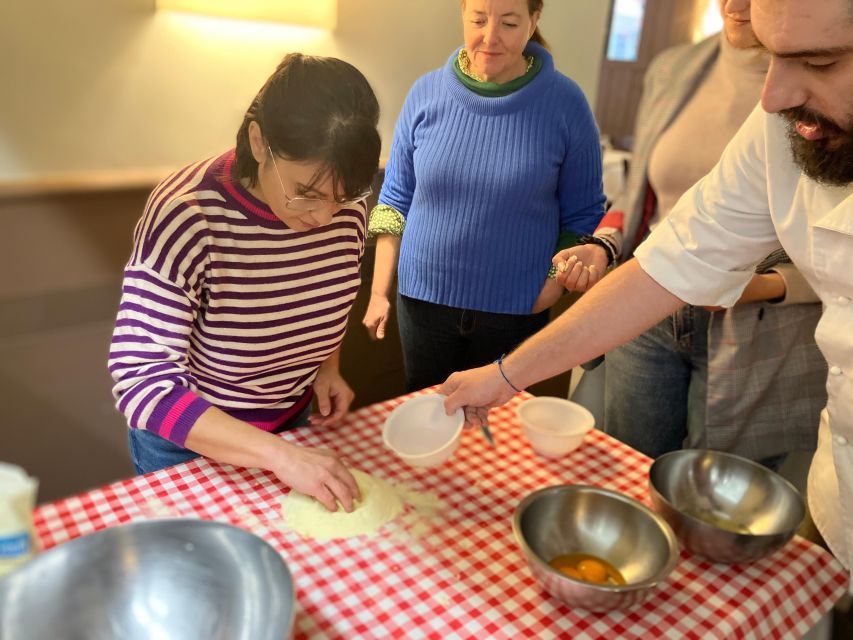
I would recommend it to first-time pasta makers, couples, small groups of friends, and solo visitors who enjoy meeting people over food. You do not need to arrive with kitchen confidence. The class is built around basic steps, and instructors have worked well with people who had never kneaded fresh pasta.
It also suits anyone who wants a break from museums and ancient ruins. Rome can become a parade of churches, forums, and crowded viewpoints. A seated, social cooking session gives your feet a rest while still connecting you with local food.
Families may enjoy the activity, but the supplied information does not specify a minimum age. Check the booking details if children are part of your group.
I would not choose it for a strict vegan, anyone who cannot eat gluten or dairy, or someone with a major visual impairment. It is wheelchair accessible, but accessibility needs can vary, so ask the provider about your specific requirements before paying.
What to bring and what to expect

Wear something comfortable and suitable for working with flour and food. The necessary ingredients and equipment are supplied, so you do not need to bring cooking tools.
Arrive at the front of Osteria San Giorgio and confirm that you are at the right meeting point. The instructor language is English. Different sessions have featured Kristian, Christian, Elisabetha, Luca, Francesca, Jamila, and others, so do not assume a particular teacher unless your booking confirms the name.
Expect flour, dough, mixing, rolling, cutting, coffee, cream, and a fair amount of conversation. You will eat afterward, so there is no need to plan a separate lunch if you choose a morning class.
The tone is convivial rather than formal. That is good for most people, though anyone seeking a quiet, highly technical culinary school lesson may find the social atmosphere more relaxed than expected.
Should you book the Rome pasta and tiramisu class?
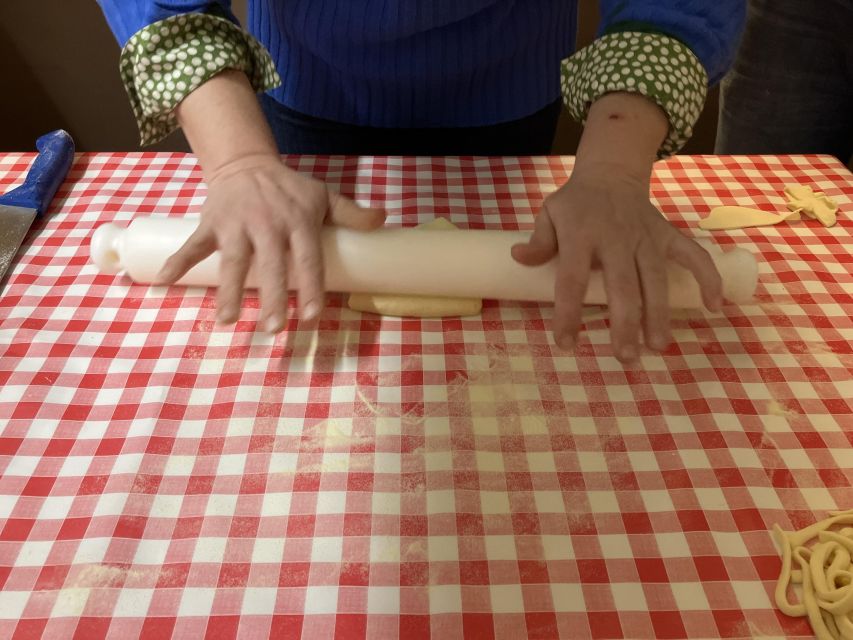
Book it if you want a useful Roman food lesson, not just another meal. The combination of handmade tonnarelli, cacio e pepe, tiramisu, wine, and a friendly English-speaking instructor gives you a well-rounded two-and-a-half-hour experience.
I especially recommend it early in your Rome stay, when food tips from the instructor can still shape your plans. Choose a morning slot if you want to eat at lunchtime and keep your afternoon free.
Skip it if you need vegan, gluten-free, or lactose-free food, or if you expect to cook every step inside the professional kitchen. For everyone else, $64 buys a warm, practical introduction to Roman cooking, with recipes you can try again after your suitcase is unpacked.
FAQ
Where does the cooking class meet?
You meet in front of Osteria San Giorgio in Rome.
How long does the experience last?
The cooking class lasts 2.5 hours.
What language is the class conducted in?
The instructor teaches in English.
What will I make?
You make handmade tonnarelli pasta and tiramisu from scratch.
What sauce accompanies the pasta?
The pasta is served with a simple sauce prepared by the kitchen. The class focuses on making the tonnarelli, while staff cook and season it.
Is a meal included?
Yes. You eat the pasta and tiramisu made during the class.
Is wine included?
Yes. A glass of wine is included with the meal.
Are ingredients and equipment provided?
Yes. All necessary ingredients and cooking equipment are included.
Is the class suitable for dietary restrictions?
No. Vegan, gluten-free, and lactose-free options are not provided. The activity is not suitable for vegans or people with gluten or lactose intolerance.
Is the experience wheelchair accessible?
Yes, the activity is listed as wheelchair accessible. It is not suitable for visually impaired participants.
Can I cancel the booking?
You can cancel up to 24 hours in advance for a full refund.
Can I reserve now and pay later?
Yes. The booking option allows you to reserve your place and pay later.
Fresh off the board around Rome
- Trastevere Food Tour with Pasta-Making Class★ 5.0 · 5 reviews
- Rome: Pasta and tiramisu class with wine pairing at Come Na Vorta★ 5.0 · 30 reviews
- Spritz and Pasta! Spritz, Fettuccine & Tiramisù★ 5.0 · 2 reviews
- Top Class in Fettuccine, Ravioli, and Tiramisu★ 5.0 · 7 reviews
- Traditional Pasta Cooking Class with Tiramisu Small Group★ 5.0 · 7 reviews
- The Pasta Factory Class★ 4.5 · 21 reviews
- The Original Fettuccine Alfredo Experiences in Roma★ 4.5 · 38 reviews
- Italian Pasta & Dessert Class in Historic Center (3-Course Meal)★ 5.0 · 2 reviews
Tiramisu Classes, class by class.
3 in 1 Cooking Class near Navona: Fettuccine, Ravioli & Tiramisu
Read our review →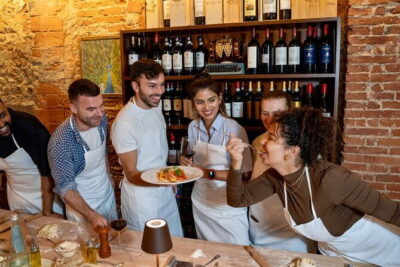
Pasta & Tiramisu Cooking Class with Unlimited Wine
Read our review →
Pasta & Tiramisu Class with Fine Wine by the Vatican
Read our review →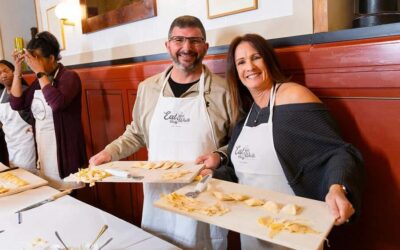
3-in-1 Fettuccine, Ravioli, and Tiramisu Cooking Class
Read our review →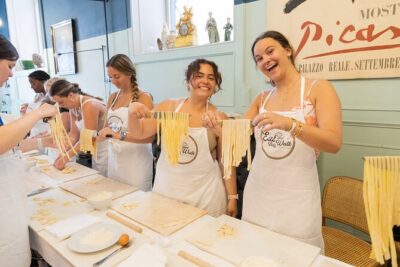
Learn to Make Pasta & Tiramisu with Wine and Limoncello Included
Read our review →
Become a Masterchef in Rome: Pasta, Ravioli and Tiramisù Class
Read our review →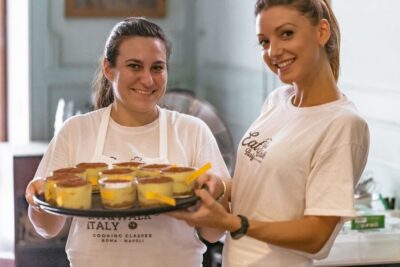
Fettuccine & Tiramisù: Cooking Class with Wine & Limoncello
Read our review →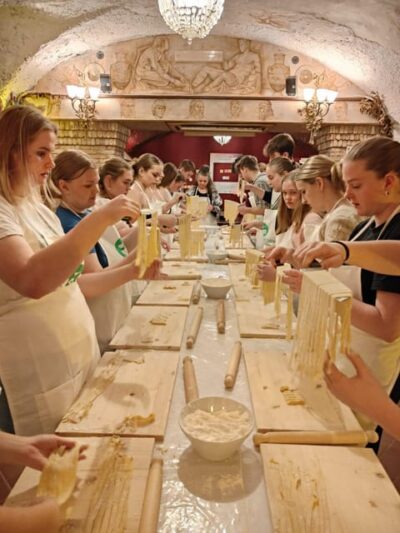
Pasta & Tiramisu Cooking Class near the Spanish Steps
Read our review →Lists this class appears in