
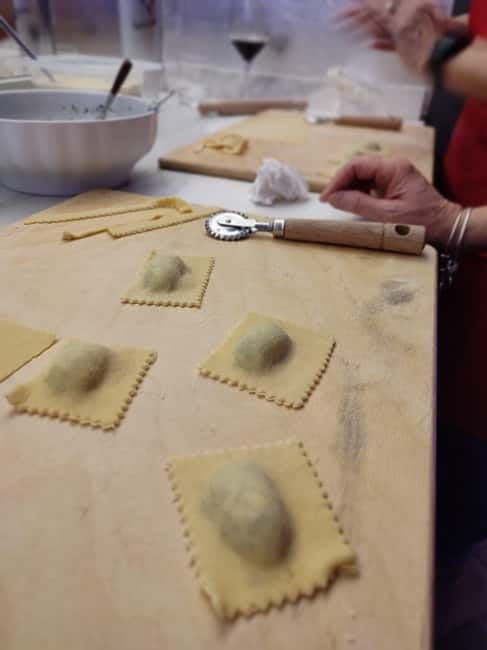
Review · ROME
Roman Pasta making class
Making three kinds of pasta by hand is the heart of this Roman class. You knead, roll, fill, and shape dough, then sit down to eat it with two classic Lazio sauces: cacio e pepe and amatriciana.
I like the small maximum of 10 people, which gives the lesson a more personal feel, and I like that the $117 price includes lunch, drinks, dessert, equipment, recipes, and a keepsake. The main consideration is time: at 2.5 hours, this is a focused cooking session, not a long food tour or a visit to several Roman sights.
Key points
- Three handmade pastas: Make ravioli, gnocchi, and cavatelli from scratch.
- Two Roman sauces: Prepare cacio e pepe with Pecorino Romano and pepper, plus amatriciana with guanciale, tomatoes, and Pecorino.
- Small-group format: The class is limited to 10 participants.
- Meal and wine included: Eat your pasta with selected red and white Italian wines, followed by dessert.
- Useful take-home extras: Downloadable recipes, all cooking equipment, and a complimentary brand keepsake are provided.
- Friendly instruction: The class is taught in English or Italian, with Monica Sênior specifically praised for her warm manner and professional approach.
Three pasta shapes in one Roman kitchen
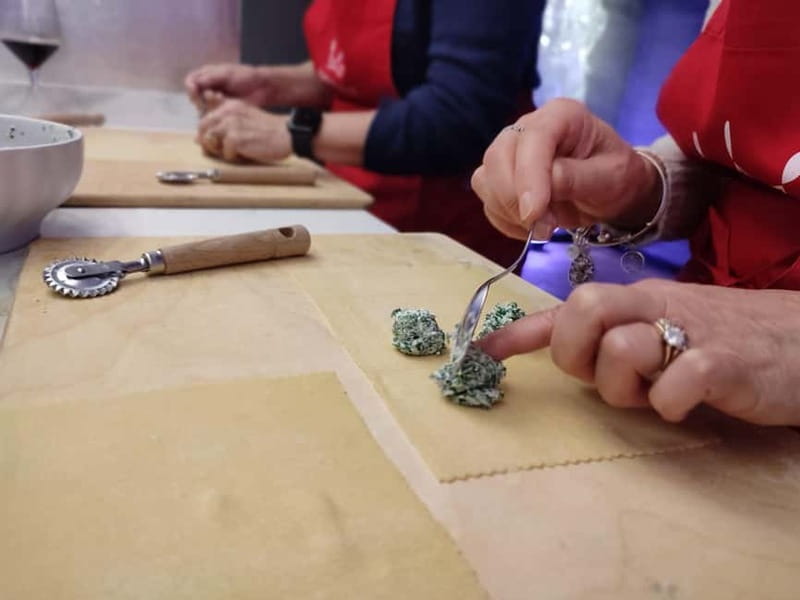
Many cooking classes ask you to make one pasta shape and then move quickly to the meal. This class gives you three: ravioli, gnocchi, and cavatelli. That makes the 2.5-hour schedule feel full, but it also gives you a useful look at three different kinds of Italian dough work.
Ravioli teaches the basics of filled pasta. You work with sheets of dough, add filling, seal the edges, and shape individual pieces. The details matter here. Too much filling can split the pasta, while too much flour can make it dry. A good chef can show you how to judge the dough by touch rather than by following a rigid clock.
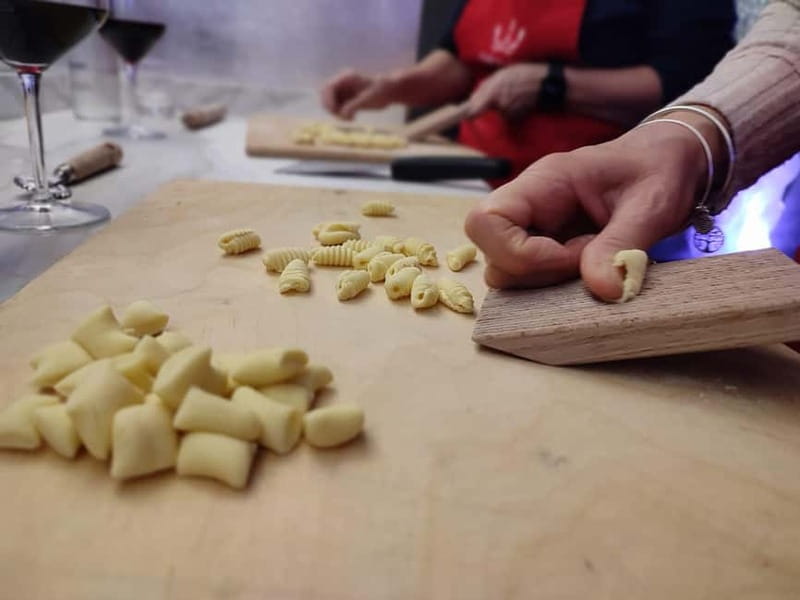
Gnocchi brings a different lesson. These soft dumplings are not rolled into thin sheets. You shape them by hand, aiming for a light texture. The class description calls them pillowy, which is a helpful clue about the goal: tender dumplings rather than dense, chewy lumps.
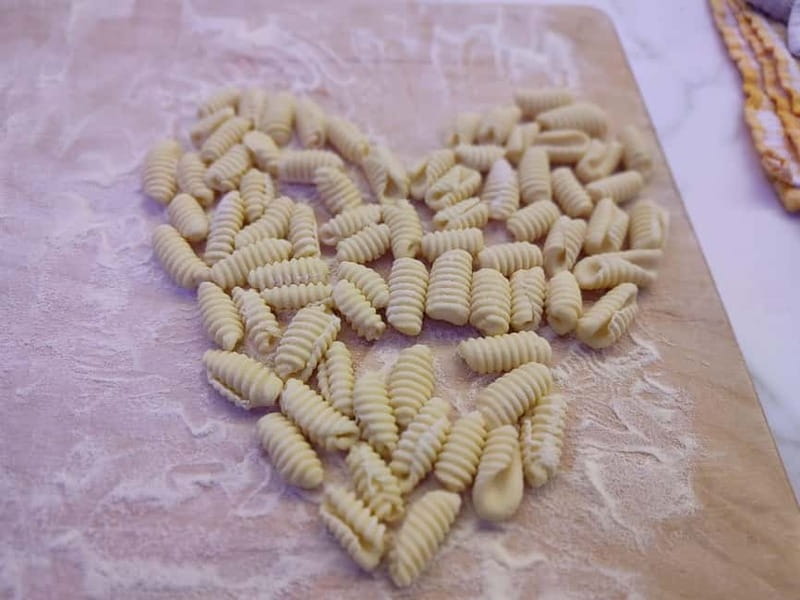
Cavatelli is the most hands-on shape of the three. You hand-roll and form small pieces, learning how a simple shape can hold sauce. It is the sort of pasta you can recreate at home without specialized equipment, especially since the necessary tools are supplied during class and the recipes are available afterward.
I like this mix because each pasta asks you to use your hands in a different way. You are not simply watching a chef demonstrate a recipe. You are kneading, shaping, and correcting your work as you go.
More Fresh Pasta Workshops in Rome
- Rome: Pasta Making Class with Wine, Limoncello, and Dessert
★ 4.9 · 3,177 reviews - Enjoy Spritz and Pasta Making in Piazza Navona
★ 5.0 · 1,681 reviews - Pasta Making & Wine Tasting with Dinner in Frascati from Rome
★ 5.0 · 1,326 reviews
Roman sauces that explain the meal
The sauces give the class its Roman character. Cacio e pepe uses Pecorino Romano and freshly cracked black pepper. The ingredient list is short, but the technique is not. The cheese needs to blend into a smooth sauce rather than clump in the pan.
This is where instruction has real value. A recipe may tell you what to add, but an experienced chef can show you the texture to look for. You learn why a simple sauce can be difficult and why restraint matters in Roman cooking.
Amatriciana takes a bolder route. It combines guanciale, tomatoes, and Pecorino cheese. Guanciale is cured pork jowl, a classic Lazio ingredient with a strong savory flavor. The tomato gives the sauce brightness, while Pecorino adds salt and depth.
These two sauces make a good pair. Cacio e pepe is spare and creamy, while amatriciana is tomato-based and more robust. You get a taste of how Roman cooking can rely on a few strong ingredients instead of a long list of extras.
The class does not present pasta as a generic Italian dish. It ties the food to Lazio, the region around Rome. That regional focus is one of the better reasons to choose this lesson over a standard cooking class with a broad Italian menu.
What the 2.5-hour schedule feels like
The experience lasts 2.5 hours, so you should expect a compact session with little wasted time. The class begins with the chef introducing the process and the pasta work. From there, you move through the dough preparation and shaping of the three pastas.
You will likely spend the most active time working with flour and dough. This is not a class where you sit at a demonstration table for most of the lesson. The point is to make the food yourself, so be ready to use your hands and stay involved.
The sauce work follows the pasta preparation, with guidance on cacio e pepe and amatriciana. Since both sauces are part of the meal, you get to connect the preparation with the final dish rather than making a recipe that someone else serves to you.
The final part is the shared meal. You eat the pasta you made, pair it with selected Italian wines, and finish with dessert. That makes the experience feel like a complete lunch rather than a cooking lesson that ends when the stove is turned off.
A 2.5-hour class is a good fit if you want a food activity that fits around sightseeing. It is long enough to feel substantial, but short enough to leave room for other plans in Rome. If you prefer slow meals with long pauses between courses, the schedule may feel brisk.
A small Roman setting with a social feel
The class takes place in a cozy, exclusive space in Rome. The wording points to a setting designed for a small group rather than a large commercial kitchen, and the limit of 10 participants supports that idea.
A small class matters for practical reasons. You have a better chance of seeing the chef’s technique, asking questions, and getting help when a ravioli edge will not seal or a gnocchi piece looks too heavy. You also share the meal with a manageable group, which can make the lunch feel more relaxed.
The class is suitable for curious food lovers, families, and groups of friends. No previous cooking experience is required. That is important because handmade pasta can look intimidating at first, especially when several shapes are covered in one session.
You should still expect a little mess. Flour on your hands is part of the activity, not a problem to avoid. Wear something comfortable and practical, though no special clothing or equipment is listed as necessary. All equipment for the lesson is supplied.
The English and Italian language options make the class accessible to a broad range of visitors. If you need clear instruction in English, confirm the available language when booking. The chefs are described as guiding each step and adding food history and local anecdotes, so the lesson is about more than following measurements.
Same flour, a different shape to roll:
- 3 in 1 Cooking Class near Navona: Fettuccine, Ravioli & Tiramisu
★ 5.0 · 7,376 reviews - Rome: Pasta & Tiramisu Class with Fine Wine by the Vatican
★ 4.9 · 4,852 reviews - Rome Cooking Class: Make Pasta and 3 Spritz Cocktails
★ 5.0 · 2,937 reviews - Rome: 3-in-1 Fettuccine, Ravioli, and Tiramisu Cooking Class
★ 4.9 · 2,704 reviews
What you eat and drink for $117
At $117 per person, this is not the cheapest way to eat pasta in Rome. You can find a plate of pasta for far less. The value comes from combining a meal with instruction, hands-on preparation, wine, dessert, recipes, and a small keepsake.
The included meal covers the pasta you make, along with drinks and dessert. Selected red and white Italian wines are served with the food. Extra drinks cost more, so keep that in mind if you want to continue drinking beyond what is included.
I think the price is reasonable for someone who wants an activity as well as lunch. You are paying for the chef’s time, kitchen use, ingredients, instruction, and the social setting. The downloadable recipes add value because they give you a chance to repeat the dishes at home instead of leaving the lesson with only a pleasant memory.
The keepsake is a minor extra, but it is a nice touch. It will not determine the quality of the class, yet it gives you something physical to take away along with the recipes.
The value is weaker if you mainly want a quick meal. In that case, a restaurant would be cheaper and require less time. Choose this class because you want to take part in preparing the food.
How the wine and meal round out the lesson
Wine is part of the experience, not an afterthought. You receive both red and white Italian wine with the meal, giving you a chance to see how different styles work with the sauces and pasta.
The white wine makes sense alongside a cheese-focused sauce such as cacio e pepe, while the red pairing suits the tomato and guanciale flavors of amatriciana. The class information does not name the bottles or regions, so do not book this expecting a formal wine tasting. Think of the wine as a pleasant part of the lunch.
Dessert is included as well. No dessert is specified, so you should not expect a particular Roman sweet. Still, its inclusion means the meal has a proper ending rather than stopping after the pasta.
This is one of the class’s strongest practical features. You spend the first part working, then sit down to enjoy the results with drinks and dessert. The shift from kitchen activity to lunch gives the session a clear rhythm.
Dietary needs and food restrictions
Vegetarian options and other dietary accommodations are available, but you must provide your restrictions in advance. Do not wait until you arrive. The request is specifically important because the sauces and pasta fillings may contain ingredients that need to be adjusted.
The class includes guanciale in the traditional amatriciana recipe, so anyone avoiding pork should ask about alternatives before booking. The supplied information confirms that accommodations can be considered, but it does not list every possible substitution or allergy protocol.
If you have a serious allergy, state it clearly when making the reservation and confirm that the kitchen can manage it. The more specific you are, the easier it is for the chef to prepare a suitable version without disrupting the lesson.
The chef and the teaching style
The chef is the key to this experience. The lesson is designed around direct guidance, with explanations of technique, local food traditions, and small cooking tips along the way.
Monica Sênior is specifically praised for being friendly and professional. If she is leading your session, you can expect a warm presence based on that feedback. Since chef assignments can vary, it is best not to assume she will lead every class.
The instruction is intended for beginners. You do not need to know how to make pasta before arriving, and the equipment is provided. That makes this a good choice if you want an active Roman food experience without committing to a serious culinary course.
The teaching style should also suit families and friend groups. Just remember that the activity involves food preparation, so very young children may need close help from an adult. The supplied details do not give a minimum age, so confirm that point if it matters for your booking.
Booking details that matter
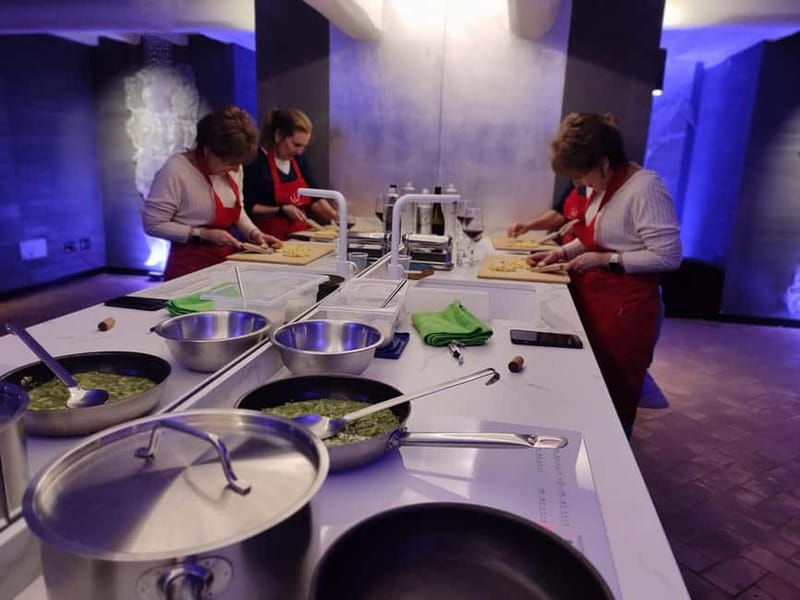
The class costs $117 per person and lasts 2.5 hours. Starting times vary, so you need to check availability for your date rather than planning around an assumed hour.
The maximum group size is 10 participants. That is small enough to support hands-on instruction without promising a private class. If you want a completely private experience, the available information does not state that private bookings are offered.
You can reserve now and pay later, which helps if your Rome schedule is still changing. Free cancellation is available up to 24 hours before the activity for a full refund. After that point, the supplied details do not explain the refund terms, so keep the deadline in mind.
The class is offered in English and Italian. Make sure you select or confirm the language that suits you when you book. Food restrictions should also be reported in advance.
Who should book this pasta class
I would choose this for someone who wants to do something active with a meal at the end. It suits first-time pasta makers, food-focused visitors, families, and friends who enjoy learning together.
It is especially useful for a short Roman stay because the class fits into half a day and offers a clear connection to Lazio cooking. You learn three pasta shapes and two local sauces rather than preparing one broad, generic Italian dish.
I would be more cautious if you dislike group activities, cannot eat the listed ingredients, or want a formal culinary qualification. The class is social and practical, not a professional training course.
The small group, included wine and dessert, and recipes to take home make the $117 price easier to justify. The main question is simple: do you want to buy lunch, or do you want to make lunch and then eat it? If you choose the second option, this class is a strong fit.
FAQ
Where does the pasta-making class take place?
The class takes place in Rome, in the Lazio region of Italy, at a cozy and exclusive Roman setting.
How long does the experience last?
The pasta-making experience lasts 2.5 hours.
How much does the class cost?
The listed price is $117 per person.
What types of pasta will I make?
You will make ravioli, gnocchi, and cavatelli from scratch.
Which sauces are included in the lesson?
You will learn to prepare cacio e pepe with Pecorino Romano and black pepper, plus amatriciana with guanciale, tomatoes, and Pecorino cheese.
Is food included after the lesson?
Yes. Lunch, drinks, and dessert are included.
Is wine included?
Yes. The meal includes selected red and white Italian wines. Extra drinks are not included.
What languages are offered?
The class is offered in English and Italian.
How many people can join the class?
The group is limited to 10 participants.
Can I request dietary accommodations?
Yes. Vegetarian options and dietary accommodations are available, but you must provide your food restrictions in advance.
Fresh off the board around Rome
- Spritz and Pasta! Spritz, Fettuccine & Tiramisù★ 5.0 · 2 reviews
- Trastevere Food Tour with Pasta-Making Class★ 5.0 · 5 reviews
- Rome: Pasta and tiramisu class with wine pairing at Come Na Vorta★ 5.0 · 30 reviews
- Top Class in Fettuccine, Ravioli, and Tiramisu★ 5.0 · 7 reviews
- Traditional Pasta Cooking Class with Tiramisu Small Group★ 5.0 · 7 reviews
- The Original Fettuccine Alfredo Experiences in Roma★ 4.5 · 38 reviews
- The Pasta Factory Class★ 4.5 · 21 reviews
- Italian Pasta & Dessert Class in Historic Center (3-Course Meal)★ 5.0 · 2 reviews
Fresh Pasta Workshops, class by class.
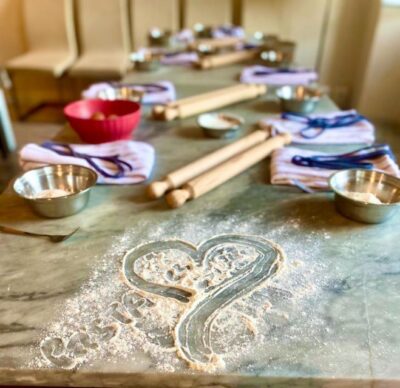
Pasta Making Class with Wine, Limoncello, and Dessert
Read our review →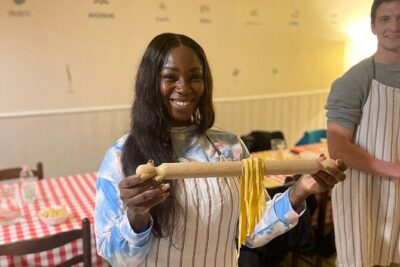

Enjoy Spritz and Pasta Making in Piazza Navona
Read our review →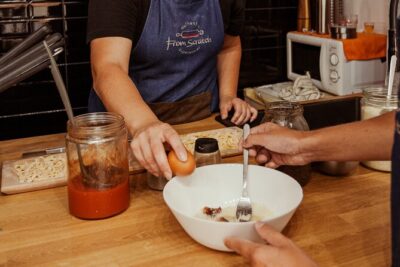
Pasta Making & Wine Tasting with Dinner in Frascati from Rome
Read our review →
The Secrets to Learn Fresh Pasta and Tiramisù in a Glam Home
Read our review →
Handmade Pasta & Dessert Class with Unlimited Wine
Read our review →Lists this class appears in