
Review · PALERMO
Palermo: Pasta & Tiramisu Cooking Class at a Local’s Home
The best part of this Palermo class is that you do not just watch someone cook. You work the dough, shape two kinds of fresh pasta, and make tiramisu in a local home. The lesson is led by a Cesarine home cook, with hosts such as Alice, Francesco, Rosa, Pina, and Gianpiero appearing among the available instructors.
I like the relaxed start with an Italian aperitivo, prosecco, and nibbles, and I like that the meal is built around your own work rather than a staged demonstration. The main consideration is price: at $152.93 per person, this costs more than a simple restaurant dinner, so its value depends on how much you want the cooking lesson, personal setting, and social time.
Key points at a glance
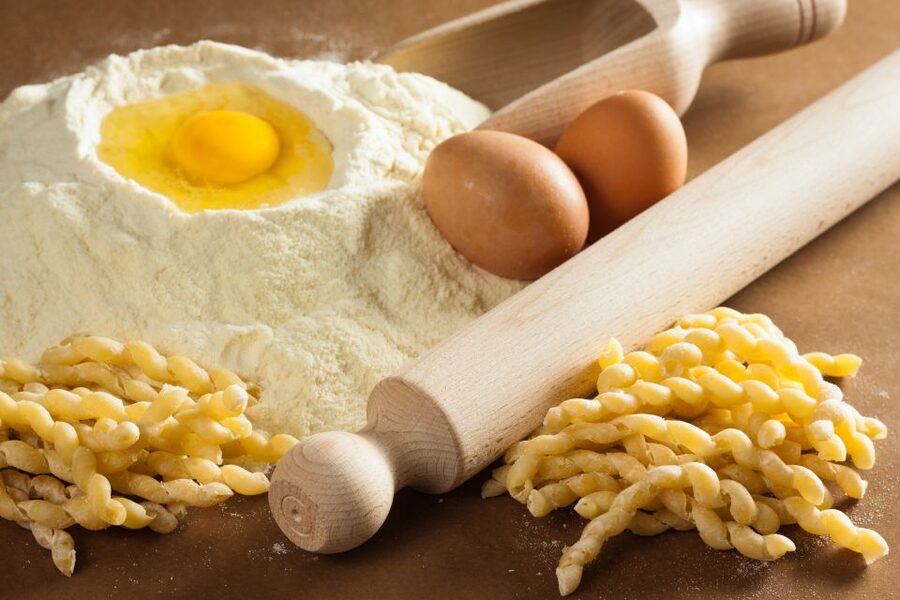
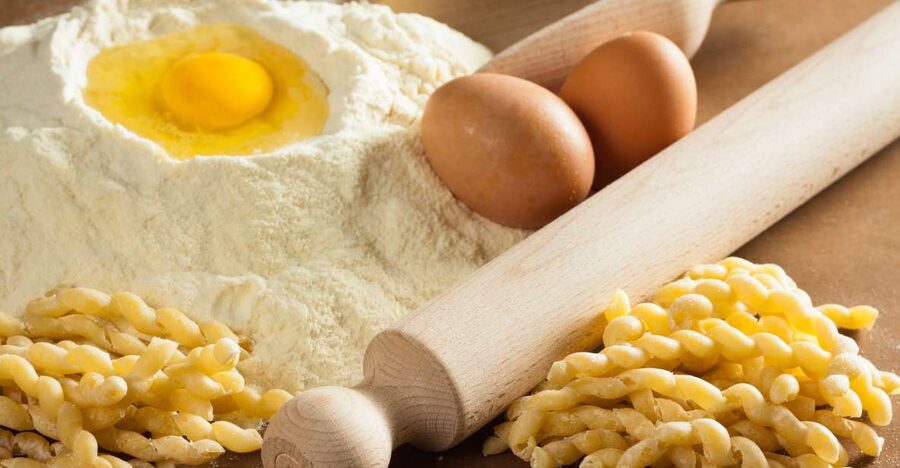
- Roll sfoglia by hand: Learn the basic skill behind fresh pasta dough, using the traditional rolling method rather than simply opening a packet.
- Make two pasta types: The recipes vary by host, but the class includes two iconic pasta preparations and a tasting of both.
- Finish with tiramisu: Prepare Italy’s famous coffee and mascarpone dessert while the pasta dough rests.
- Begin with aperitivo: Prosecco and small bites give the three-hour class an easy, sociable start.
- Eat in a local home: The address is private and sent after booking, giving you a more personal setting than a standard cooking studio.
- Plan for a full meal: Water, wine, coffee, the pasta dishes, and tiramisu are included.
What the three-hour Palermo class is really like
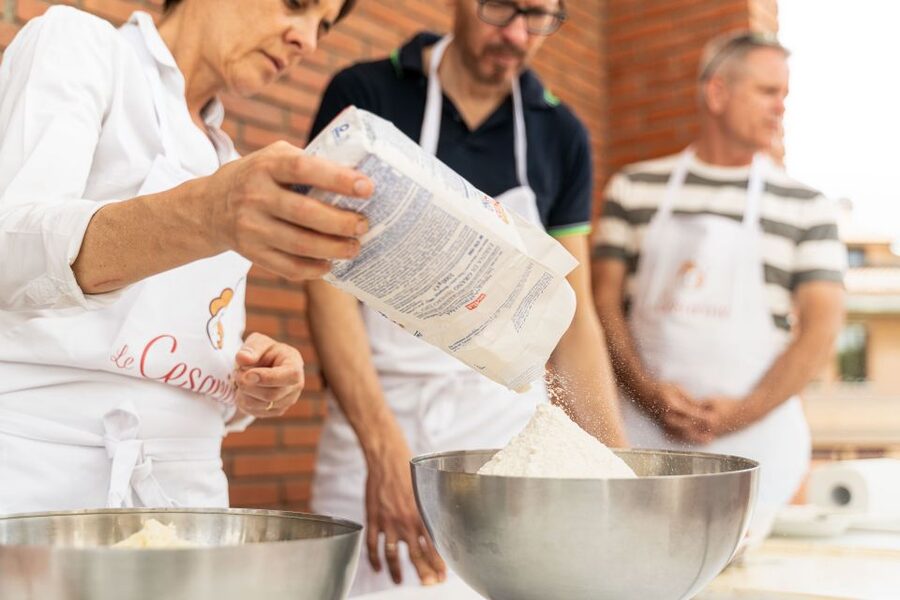
This is a practical cooking lesson with dinner attached. You arrive at a private home in Palermo, meet your Cesarine host, and settle in over prosecco and small bites. The exact home and instructor are assigned after booking, so the character of the evening can vary.
That variation is part of the appeal. Alice and Francesco have hosted couples, families, and teenagers in their home. Rosa has cooked with her husband Massimo and a helper named Sally. Gianpiero has led a lively pasta evening. Pina is another named host praised for bringing strong personal feeling to her class.
You are not promised one particular instructor unless your booking confirms it. Still, the format is consistent: a local home cook, Italian food from family recipes, hands-on preparation, and a meal shared at the end.
The class is offered in Italian and English. That matters when you are trying to understand dough texture, folding methods, or the timing of each dish. Cooking gives you plenty to do with your hands, so the language does not need to carry the whole experience.
More Tiramisu Classes in Italy:
- 3 in 1 Cooking Class near Navona: Fettuccine, Ravioli & Tiramisu
★ 5.0 · 7,376 reviews - Florence: Pasta & Tiramisu Cooking Class with Unlimited Wine
★ 4.9 · 6,708 reviews - Rome: Pasta & Tiramisu Class with Fine Wine by the Vatican
★ 4.9 · 4,852 reviews
Starting with prosecco and Palermo hospitality
The aperitivo is more than a free drink before class. It sets the tone. You begin with prosecco and nibbles, which gives everyone a chance to settle in before flour covers the work surface.
This opening is especially useful if you arrive as a solo participant or a small group. The class is designed around sharing a passion for Italian food, and the aperitivo gives you a natural way to talk with the host and the other people at the table.
The exact nibbles can vary by home. One host has served homemade jams and limoncello alongside other small bites. Those extras are not listed as a fixed part of every session, so treat them as a pleasant possibility rather than a guarantee.
The social side is a major part of the value. You may be cooking with a family, a couple, or a mixed group from different countries. The setting encourages conversation about food, culture, and daily life without turning the evening into a formal lecture.
Rolling sfoglia by hand
The heart of the class is sfoglia, the Italian term for a sheet of fresh pasta dough. Your host demonstrates how to roll it by hand, then guides you as you work.
This is the sort of skill that looks simple until you try it. The dough needs the right thickness, and rolling it evenly takes patience. A good host will show you how to handle it, then give you time to repeat the movement yourself.
That hands-on approach is why this class offers more than a meal. You leave with a technique you can use at home, even if your first sheet is not perfectly uniform. The point is to understand the feel of the dough and the stages of the process.
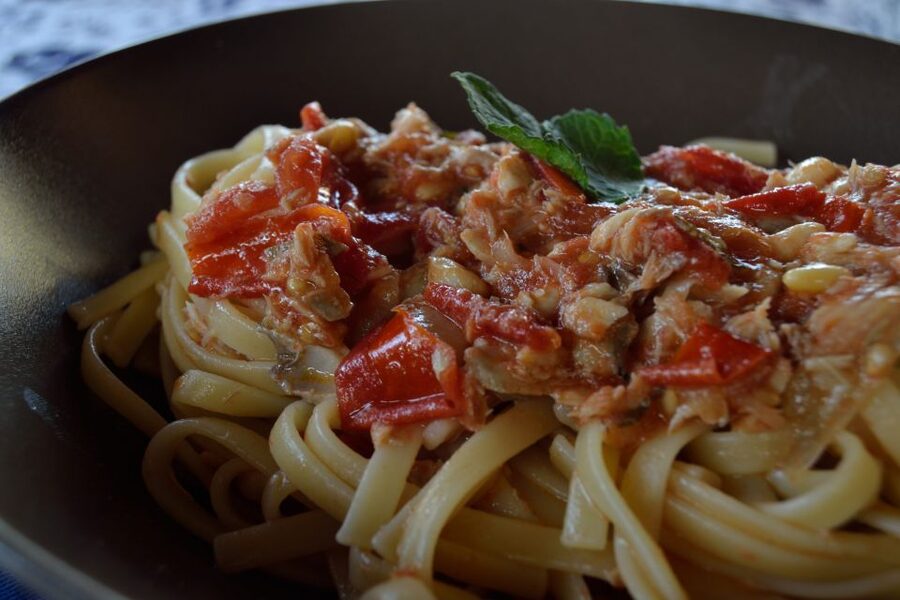
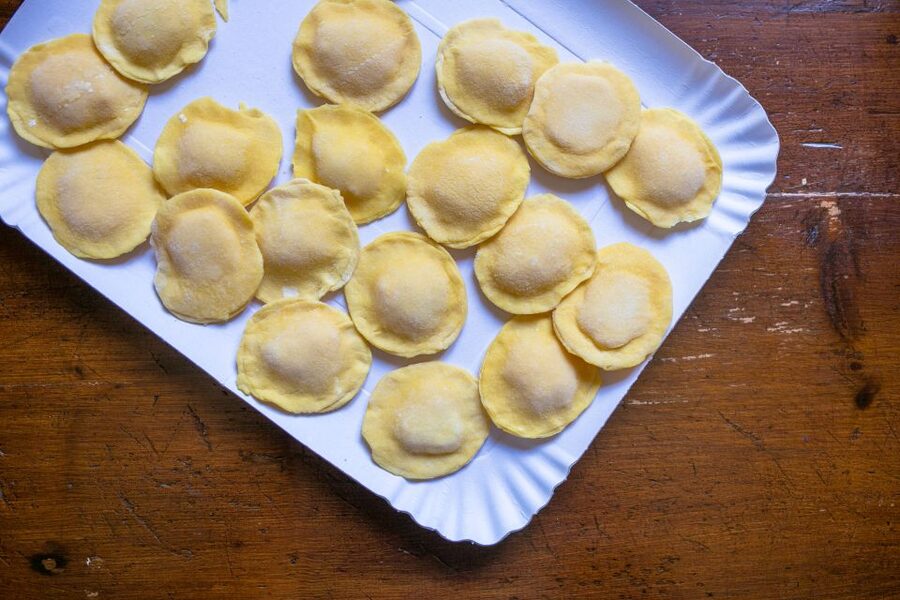
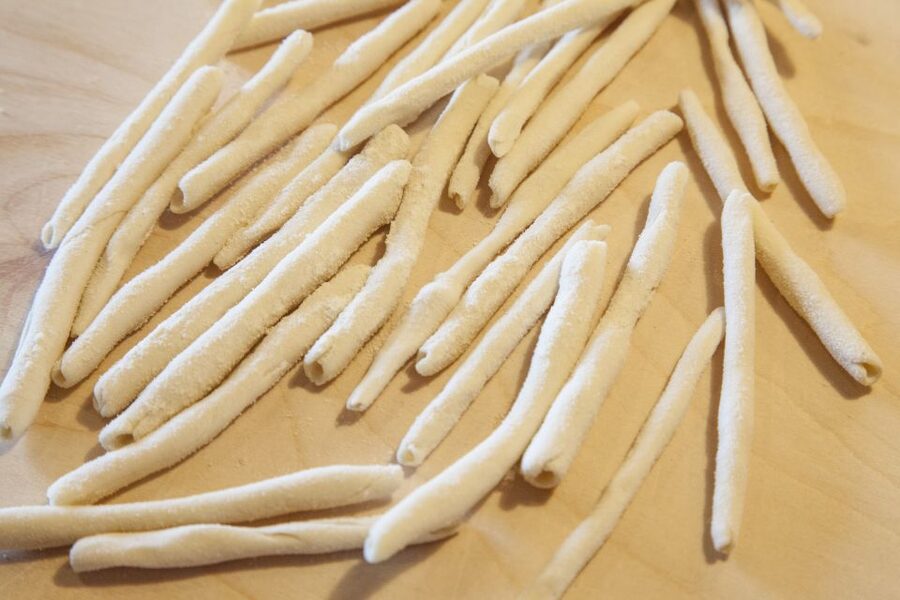
The class then moves on to two pasta types. The exact shapes and fillings can differ with the host and the day’s family recipes. Some sessions have included pasta and ravioli, while another included gnocchi. You should not book expecting a specific shape unless it is confirmed in advance.
That flexibility is useful for a home-based lesson. You are learning how an Italian cook actually prepares food, not following a rigid restaurant training program. The trade-off is that the recipe selection is less predictable than in a fixed studio class.
Making two pasta dishes from scratch
After the dough is rolled, you prepare two different pasta recipes. This gives you a wider lesson than a class focused on one shape.
You learn how dough is cut, filled, folded, or shaped, depending on the recipes selected by your host. The work stays active, which helps the three hours pass quickly. Several classes have included plenty of direct help, with hosts demonstrating each stage and then correcting technique as needed.
I would pay close attention to the small details here. Notice how the host judges dough consistency, how much filling is used, and how the pasta is sealed. Those practical choices often matter more than a long list of ingredients.
The meal is not rushed. Once the pasta is ready, you taste both recipes at the table. Wine, water, and coffee are included, so the food portion feels like a proper shared meal rather than a quick sample.
You should also expect the finished dishes to be simple rather than lavish. The class focuses on fresh pasta and traditional preparation. One person specifically felt that the price was high for dishes using relatively inexpensive ingredients. That is a fair point, especially if you are comparing this with a restaurant meal.
The counterpoint is that you are paying for instruction, ingredients, a private-home setting, drinks, and several hours of personal attention. If you only want to eat pasta, a trattoria is better value. If you want to learn and take the recipes home, the calculation changes.
More pasta classes around Italy:
- Florence: Pasta Cooking Class with Unlimited Wine
★ 4.9 · 10,285 reviews - Florence Pizza or Pasta Class with Gelato Making at a Tuscan Farm
★ 5.0 · 6,801 reviews - Florence: Pasta Cooking Class with Unlimited Wine
★ 5.0 · 6,413 reviews - Rome: Pasta Making Class with Wine, Limoncello, and Dessert
★ 4.9 · 3,177 reviews
Preparing tiramisu while the dough rests
Tiramisu gives the class a welcome change of pace. While the pasta dough rests, you prepare the dessert.
The timing makes sense: pasta dough needs a pause, and tiramisu can be assembled while you wait. You learn the basic process, then finish the meal with the dessert you made yourself.
As with the pasta, the class includes a tasting of the finished tiramisu. This can be particularly useful if you want to repeat the recipe at home, since you can see the texture and sweetness of the final dish rather than relying only on written instructions.
Tiramisu is also a less technical task than rolling sfoglia, so it gives you a breather before the final meal. The combination works well for families and mixed-age groups. Two teenagers who attended a session enjoyed learning both pasta and dessert, and families have found the hosts patient and kind.
Eating together at a Palermo home
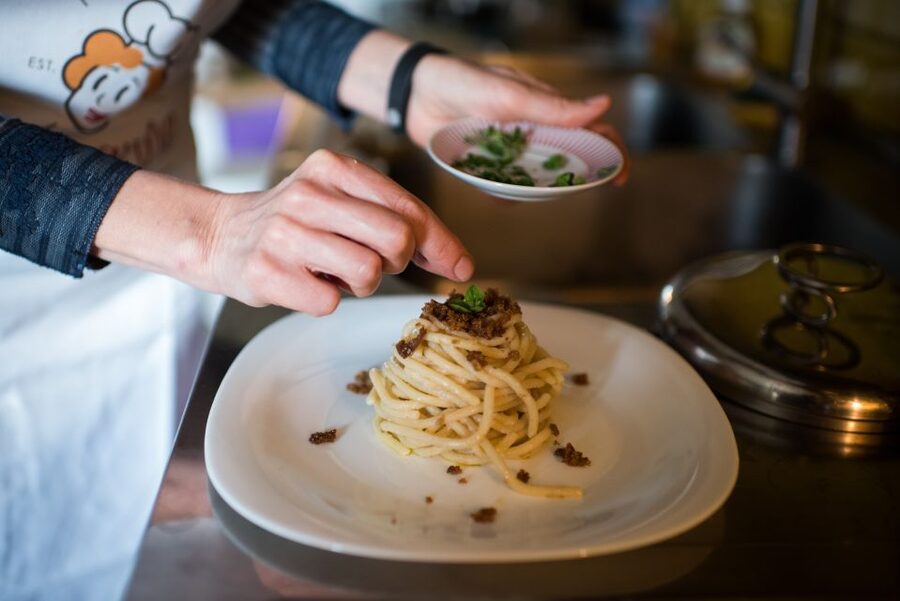
The meal at the end is where the different parts come together. You sit down with the pasta and tiramisu, along with wine, water, and coffee.
This is not a restaurant with a quick turnover. You have already met the cook, handled the ingredients, and watched the food take shape. That makes the final plate feel personal, even though the recipes themselves may be familiar.
The home setting also opens the door to conversation about Sicilian food and family traditions. Hosts have explained the origins of the dishes, compared food customs, and shared stories about local life. You may learn as much during the meal as during the formal instruction.
The social atmosphere can be intimate. Some bookings have been private for just two people, while others have included a wider group. Solo participants can find the setting friendly, but you should be comfortable sharing a table and speaking with people you have just met.
This is not the best choice if you want to keep to yourself or leave exactly at a fixed restaurant-style pace. It is a better fit if you enjoy a long meal and the informal give-and-take of a home kitchen.
What makes Cesarine different
Cesarine is a network of home cooks operating in more than 500 Italian cities. In Palermo, it connects you with a local who opens a private home for culinary experiences.
The important distinction is the setting. You are not entering a large commercial kitchen designed for dozens of people. You are visiting an individual host whose food comes from family cookbooks and personal traditions.
That can lead to memorable details. Alice and Francesco have welcomed people into their home with homemade products and generous conversation. Rosa has accommodated food preferences. Other hosts have been praised for careful preparation, patience, and clear explanations.
At the same time, a network of many home cooks means no two classes will feel identical. One host may focus more on technique, another on family stories, and another on the meal and hospitality. The activity description promises the core elements, but not a single fixed personality or menu.
When booking, send your food allergies and intolerances, the Palermo neighborhood where you are staying, and how you plan to reach the host’s home. Cesarine uses that information to match you with a suitable cook and then sends the telephone number and full address.
Price, timing, and practical value
The listed price is $152.93 per person for three hours. That is a premium price for a cooking activity in Palermo, and you should assess it as a class plus a meal, not as dinner alone.
The price includes:
- Prosecco and aperitivo snacks
- Water, wine, and coffee
- Ingredients and instruction
- Two pasta preparations
- Tiramisu preparation
- Tasting of all the food
- Local taxes
The strongest value comes if you want to learn a repeatable skill. The recipes and techniques can follow you home, and several hosts provide recipes for later use. You are also paying for the private setting and the time spent with a local cook.
It is less compelling if your main goal is inexpensive Sicilian food. Palermo has cheaper places to eat, and the ingredients in the dishes may not be costly. The premium makes sense only if the social setting and instruction matter to you.
The class lasts three hours, but starting times vary. Check availability for the date you want. The activity ends back at the host’s home, so allow time afterward to return to your hotel or continue your evening.
The full address is withheld until booking because the experience takes place in a private home. That is normal for this format, but it means you cannot judge the exact location beforehand. Send your accommodation neighborhood and transport plan early so the operator can match you properly and give you clear arrival details.
The host speaks Italian and English. Wheelchair users should note that the activity is not suitable for wheelchair access. Cancellation is free up to 24 hours before the start, and you can reserve now and pay later.
Who should book this Palermo cooking class
I would recommend this experience to anyone who wants food to be the center of a Palermo day. It works especially well for couples, families, small groups, and solo participants who enjoy meeting people over a meal.
It is also a good pick for families with teenagers. The work is active, the food is familiar enough to appeal to younger cooks, and the host can guide each person through the process.
You should book it if you want to learn fresh pasta by hand, not just watch a chef. You should also book it if you value a personal home setting and want to hear about Italian food from someone who cooks it as part of daily life.
Think twice if you need a fully fixed menu, a guaranteed named instructor, or a highly polished professional kitchen. The host, recipes, and home will vary. That is part of the charm, but it also means the experience is less standardized.
The current score is 4.9 out of 5 from 74 ratings, with particularly strong praise for patience, warmth, food quality, and the personal nature of the class. Those qualities matter here because the host can make or break a home-based activity.
Should you book it?
Book this class if you want to spend three hours doing something rather than simply looking at Palermo. You will roll pasta, prepare two dishes, make tiramisu, and sit down to eat with the person who taught you.
The price is high for the ingredients alone, but fairer when you count the instruction, drinks, aperitivo, private home, and time at the table. For a memorable food-centered activity, it offers more personal contact than a standard restaurant meal.
I would skip it only if you want a low-cost dinner or need certainty about the exact menu and location before paying. For everyone else, this is a strong choice for a relaxed Palermo evening, particularly if you like learning through food and do not mind leaving the city map behind for a few hours.
FAQ
How long does the Palermo pasta and tiramisu class last?
The activity lasts three hours. Starting times vary, so check availability for the date you want.
What food will I learn to make?
You will learn to roll sfoglia by hand, prepare two different pasta types, and make tiramisu. The exact pasta shapes and recipes can vary by host.
Is food and drink included?
Yes. The experience includes prosecco and aperitivo snacks, water, wine, coffee, the two pasta dishes, and tiramisu.
Will the class take place in a restaurant or studio?
It takes place in a local cook’s private home. The full address is provided after booking for privacy reasons.
What information should I provide when booking?
Provide any food allergies or intolerances, the Palermo neighborhood where you are staying, and how you plan to travel to the host’s home. The operator then sends the host’s details, telephone number, and full address.
Is the activity available in English, and can I cancel?
The class is offered in Italian and English. You can cancel up to 24 hours before the activity for a full refund, and the reserve-now, pay-later option is available.
Fresh off the board around Italy
- Vicenza: Pasta & Tiramisu Cooking Class at a Local’s Home★ 5.0 · 5 reviews
- Verona: Pasta & Tiramisu Cooking Class at a Local’s Home★ 5.0 · 16 reviews
- Volterra: Fresh Pasta Cooking Class at a Tuscan Farmhouse★ 5.0 · 33 reviews
- Verona: Tortellini Cooking Class and Lunch with Mamma Ivana★ 5.0 · 20 reviews
- Verona: Prosecco and Pasta Making Class at a Local’s Home★ 5.0 · 10 reviews
- Verona: My Granny’s secrets making gnocchi★ 5.0 · 7 reviews
- Venice: Pasta Carbonara Cooking Class with Wine★ 5.0 · 3 reviews
- Venice: Share Your Pasta Love in a Local’s Home★ 4.8 · 20 reviews
Tiramisu Classes, class by class.
3 in 1 Cooking Class near Navona: Fettuccine, Ravioli & Tiramisu
Read our review →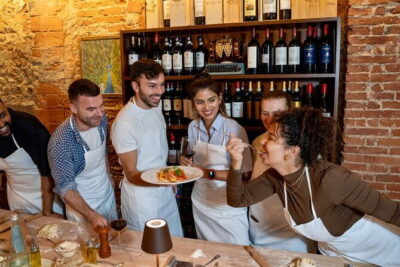
Pasta & Tiramisu Cooking Class with Unlimited Wine
Read our review →
Pasta & Tiramisu Class with Fine Wine by the Vatican
Read our review →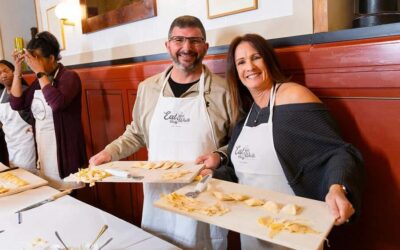
3-in-1 Fettuccine, Ravioli, and Tiramisu Cooking Class
Read our review →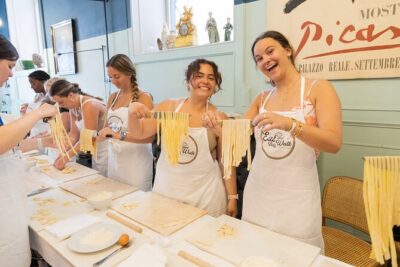
Learn to Make Pasta & Tiramisu with Wine and Limoncello Included
Read our review →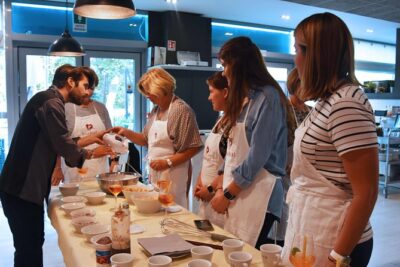
Become a Masterchef in Rome: Pasta, Ravioli and Tiramisù Class
Read our review →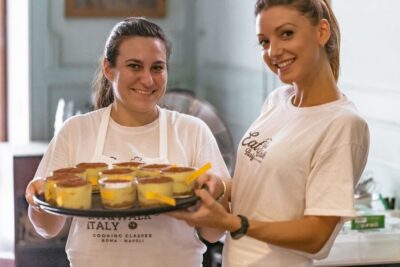
Fettuccine & Tiramisù: Cooking Class with Wine & Limoncello
Read our review →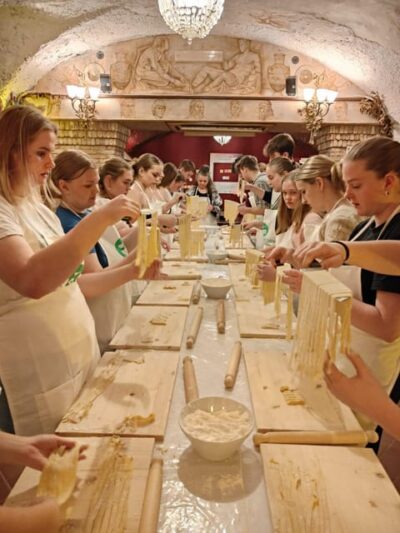
Pasta & Tiramisu Cooking Class near the Spanish Steps
Read our review →Lists this class appears in