
Review · ITALY
Oristano: pasta workshop with lunch
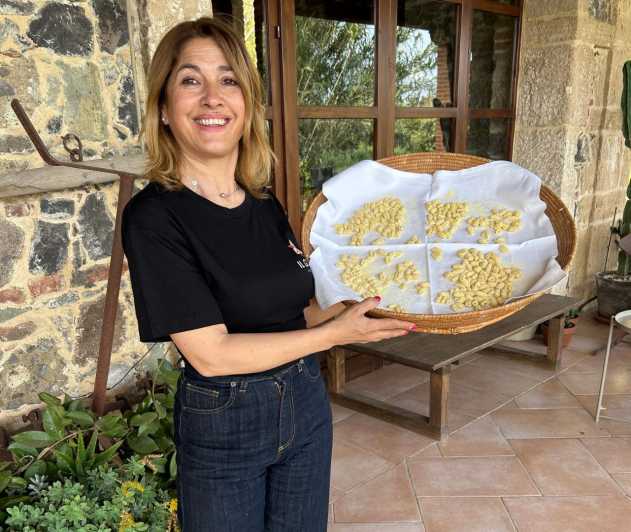
Sardinian pasta is wonderfully simple: semolina, water, and salt. At this 1857 family farm in Massama, Antonella shows you how that spare dough becomes malloreddus and fregula, then serves your work with traditional sauces and local wine. You get a real kitchen lesson, not just a demonstration.
I like the small group of up to 10, which gives you room to ask questions and work at your own pace. I also like the complete meal: two Sardinian pasta dishes, bread, water, coffee, and a glass of wine are included.
The main consideration is the price, $131.98 per person for 2.5 hours. That is a serious outlay for a short activity, and the workshop is for adults only, but the hands-on instruction and full lunch make it more than a simple cooking class.
Key Points to Know Before You Book
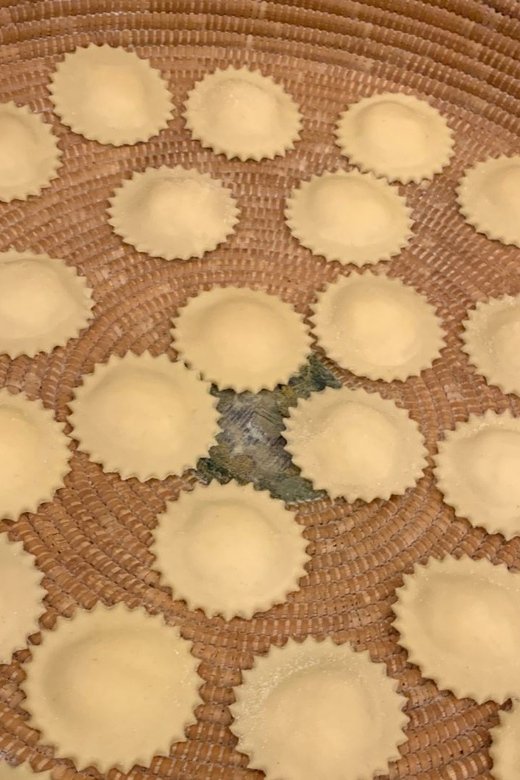
- Make two traditional pastas: Learn the techniques behind malloreddus and fregula, with ravioli also part of the pasta-making focus.
- Meet Antonella and Francesco: The family guides explain old recipes clearly and patiently in Italian or English.
- Eat what you prepare: Lunch includes malloreddus, fregula, wine, water, bread, and coffee.
- Work in a historic farm: The Massama property was founded in 1857 and has been cared for by five generations.
- Expect a small, adult group: The activity accepts up to 10 participants and is not suitable for children under 18.
- Plan dietary needs early: Allergies, intolerances, vegetarian requests, and vegan alternatives require notice at least two days ahead.
Making Pasta in Massama, Outside Oristano
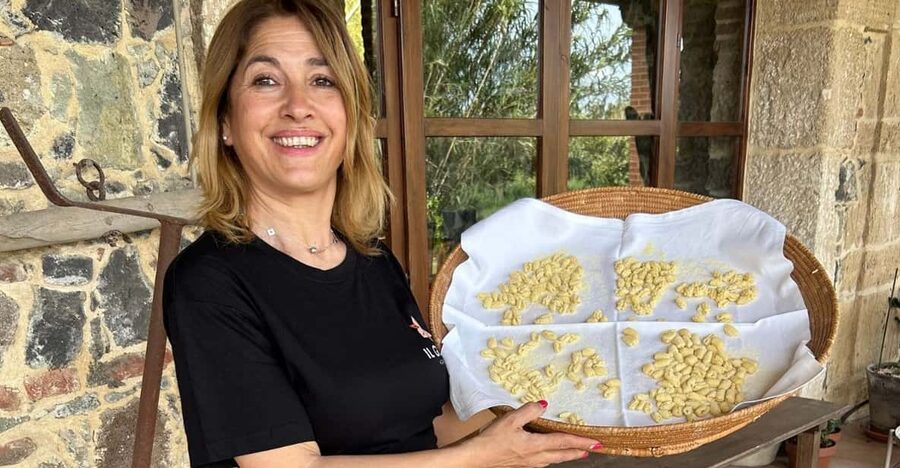
This workshop takes place in Massama, a hamlet of Oristano in western Sardinia. You meet at a farm marked by a blue sign at the road entrance, then return to that same point when the activity ends.
The setting matters here. This is not a cooking school in a modern city building. The farm was founded in 1857, and the late 19th-century structure still has exposed stonework. Green meadows and organic orchards surround the property, giving the lesson a strong connection to the food on your plate.
Five generations have cultivated and processed ingredients here. That does not mean you will take a full farm tour, so keep your expectations focused on the pasta workshop and meal. Still, the old building and family setting add a sense of place that a standard cooking studio cannot easily copy.
The workshop lasts 2.5 hours. That is enough time for instruction, hands-on work, and lunch without turning the activity into an all-day commitment. Check the available start times when booking, since the exact schedule is not fixed in the information provided.
More Pasta Classes with Lunch in Italy:
- Sorrento: Pasta and Tiramisu Cooking Class with Lunch and Wine
★ 4.5 · 165 reviews - Chianti: Homemade Pasta Making Class and Lunch
★ 5.0 · 58 reviews - Truffle Hunting in Chianti, pasta class and lunch
★ 5.0 · 39 reviews
Learning the Three Pasta Traditions
Antonella introduces the basic Sardinian pasta styles and explains how families have made them with semolina, water, and salt. The ingredient list is short, but the techniques are not automatic. You will need to pay attention to texture, pressure, and shape.
The central focus is malloreddus, a small ridged pasta often associated with Sardinia. The ridges are useful because they hold sauce, but creating them by hand takes more control than simply rolling and cutting dough. One useful lesson from the workshop is that homemade pasta depends as much on touch as on a written recipe.
You also prepare fregula, a Sardinian pasta made of small rounded grains. It has a different look and feel from malloreddus, so making both in one session lets you compare two local styles rather than learning only one shape.
Ravioli is also part of the workshop’s pasta-making description, although the meal specifically includes malloreddus and fregula. If ravioli is especially important to you, ask Antonella what role it will have in the session when you arrive or when you contact the guide about dietary needs.
The guides explain old family recipes and show which sauces work best with each pasta. That pairing lesson is valuable because it moves beyond making attractive shapes. You learn why one sauce suits a ridged pasta and why another may work better with a different form.
Antonella leads the class in Italian and English. Her brother Francesco and other helpers may also assist. The practical advantage is clear: you are not left to copy a gesture from across a crowded room. The small group allows the instructors to correct your technique and explain the steps again if needed.
What the 2.5-Hour Schedule Feels Like
The workshop begins with an introduction to Sardinian pasta and the family methods used at the farm. You then move into the hands-on portion, working with the dough and forming the pasta shapes.
Expect the pace to be active but manageable. The available information does not give a minute-by-minute schedule, so the exact balance between instruction and preparation can vary. You should plan to spend much of the first part standing or working at a table, and wear comfortable clothes.
After the pasta is prepared and cooked, you sit down for the meal. Lunch includes two typical Sardinian dishes, malloreddus and fregula, along with a glass of wine, water, bread, and coffee. The food you make is not just taken away for later. You get to taste the results as part of the experience.
That finish gives the workshop a satisfying shape. You learn, practice, and then eat. The wine also makes the meal feel more like a Sardinian lunch than a classroom exercise, though extra food and drinks are not included.
The session is best understood as a guided introduction rather than professional chef training. You will learn family methods you can repeat at home, but the purpose is enjoyment and cultural connection, not certification or advanced culinary technique.
Why the Family Farm Adds Value
The farm has been recognized as a historic enterprise by Unioncamere. Its buildings have exposed stonework restored according to local planning standards, and its orchards are cultivated organically.
Those details give the lesson a useful context. Sardinian cooking is tied to local grain, family kitchens, and practical recipes that make the most of a few ingredients. Preparing pasta in a place that has been producing and processing food for generations helps connect the technique to daily life on the island.
You should not expect a large museum display or a formal history presentation. The appeal is quieter. The old structure, the family connection, and the traditional recipes create a setting where the food feels rooted in the area.
This is also a good choice if you want an activity away from the busiest coastal sights. Oristano and western Sardinia offer plenty of outdoor and archaeological interests, but a pasta class gives you a more personal way to spend part of the day. You leave with skills as well as a meal.
More pasta classes around Italy:
- Florence: Pasta Cooking Class with Unlimited Wine
★ 4.9 · 10,285 reviews - 3 in 1 Cooking Class near Navona: Fettuccine, Ravioli & Tiramisu
★ 5.0 · 7,376 reviews - Florence Pizza or Pasta Class with Gelato Making at a Tuscan Farm
★ 5.0 · 6,801 reviews - Florence: Pasta & Tiramisu Cooking Class with Unlimited Wine
★ 4.9 · 6,708 reviews
The Meal: Malloreddus, Fregula, and Wine
The included lunch is one of the strongest reasons to consider the price. You receive two prepared Sardinian pasta dishes, not merely a small tasting portion at the end of class.
Malloreddus and fregula have different shapes and textures, so eating them side by side helps reinforce the lesson. You can pay attention to how each pasta carries its sauce and how the shapes change the experience of the dish.
A glass of wine is included, as are water, bread, and coffee. These are modest additions, but they turn the meal into a complete stop rather than an activity that leaves you searching for lunch afterward.
Extra food and drinks cost more. If you want a broader tasting or more than the included wine, budget accordingly. The information does not specify the wine variety, portion sizes, or particular sauces, so do not book expecting a fixed menu beyond the two named pasta dishes.
The food is especially appealing for someone who values simple regional cooking. You are not paying for elaborate restaurant presentation. You are paying to learn how the pasta is made, then enjoy it in the same family setting where the recipes have been carried forward.
Is $131.98 a Fair Price?
At $131.98 per person, this is not a bargain cooking class. The session is only 2.5 hours, and the meal is based on two pasta dishes rather than a long multi-course menu.
The value improves if you want several things in one booking: a hands-on lesson, a small group, an English-speaking guide, a historic farm setting, and lunch with wine. You also avoid the effort of arranging a separate meal after the class.
The price is harder to justify if your main goal is simply to eat Sardinian pasta. Oristano restaurants may offer a less expensive meal, though they will not give you the family instruction or the chance to make the pasta yourself.
I would see this as a special-occasion activity rather than a routine lunch stop. It suits someone who enjoys learning through food and is willing to pay for personal instruction. If your itinerary is tight or your budget is limited, the short duration alone may not make the cost worthwhile.
The small group helps defend the price. With no more than 10 people, the workshop should feel more personal than a large class. The available feedback also points to patient explanations and clear instruction from Antonella, Francesco, and the helpers, which is important when the pasta shapes take practice.
Who Will Enjoy This Workshop Most?
This activity is a good match for adults who like cooking, regional food, and family traditions. You do not need to be an experienced cook. In fact, the hands-on format is most useful if you want someone to show you the technique and let you try it yourself.
It also suits couples, friends, and solo visitors who enjoy small-group activities. A group of 10 or fewer gives you a chance to work with the guides without the class feeling anonymous.
The workshop is not suitable for children under 18. Families traveling with younger children will need to choose another food activity or arrange separate plans for that part of the day.
You should also be comfortable with the basic structure of a shared cooking lesson: listen, work with the dough, follow demonstrations, and eat the finished dishes. If you prefer a quiet restaurant meal with no participation, this is not the right fit.
Vegetarian and vegan alternatives can be requested. Allergies and intolerances may also be accommodated, but you must contact the guide using the number on your reservation voucher at least two days in advance. Do not wait until the day of the workshop, since an alternative meal needs to be arranged ahead of time.
Practical Details That Matter
The experience is wheelchair accessible, which makes it a useful choice for many visitors with mobility needs. You should still confirm any personal requirements with the provider before booking, since the provided information does not describe the exact route from the road to the work area or dining space.
Bring comfortable clothes. Pasta making is a practical activity, and you will be working with dough rather than sitting through a talk.
Pets are not allowed. Keep that in mind if you are traveling with a dog and need to plan your day around the workshop.
Italian and English are available. The small group is limited to 10 people, and the activity ends back at the meeting point. A blue sign marks the farmhouse from the road, so look for that rather than assuming the property will be obvious from a main town address.
You can cancel up to 24 hours before the activity for a full refund. The reserve-now, pay-later option also gives you some flexibility while you finalize your Sardinia plans.
How This Fits Into an Oristano Itinerary
Because the class lasts 2.5 hours, it can fit neatly into a day based around Oristano. The workshop is in Massama, not in the center of town, so allow enough time to reach the farmhouse and find the blue entrance sign.
The information provided does not include transport arrangements, pickup service, or driving directions. You should check the meeting details carefully after booking and plan your own way to the farm.
A food workshop works best when you are not rushing to the next appointment. Give yourself breathing room before and after the scheduled time, especially if you are combining it with other stops in western Sardinia.
The meal also means you do not need to book lunch at the same time. That makes the activity practical in a full sightseeing day, provided the start time matches your plans.
Should You Book the Massama Pasta Workshop?
Book it if you want to do more than sample Sardinian food. The strongest parts are the hands-on preparation of malloreddus and fregula, the patient family instruction from Antonella and Francesco, and the chance to eat a full meal in a farm founded in 1857.
Think twice if $131.98 feels high for a 2.5-hour activity, if you are under 18, or if you want a broad menu of dishes and drinks beyond the included lunch. The experience is focused, not lavish.
For an adult who enjoys cooking and wants a personal connection to western Sardinia, I think the workshop offers a meaningful use of part of your day. You learn techniques you can repeat at home, eat what you make, and spend time in a family-run setting that gives the meal a clear sense of place.
FAQ
Where does the pasta workshop take place?
It takes place in Massama, a hamlet of Oristano in western Sardinia, at a historic farm founded in 1857.
How long does the activity last?
The workshop and lunch last 2.5 hours. Starting times vary, so check availability when booking.
Which pasta will I make?
You will prepare malloreddus and fregula, and the experience also includes instruction about Sardinian pasta traditions and ravioli.
What does lunch include?
Lunch includes two Sardinian pasta dishes, malloreddus and fregula, plus a glass of wine, water, bread, and coffee.
Are vegetarian or vegan alternatives available?
Yes. Vegetarian and vegan alternatives can be arranged with advance notice.
How do I report an allergy or food intolerance?
Contact the guide at the number on your reservation voucher at least two days before the experience to request a suitable alternative.
Is the activity available in English?
Yes. The live guide service is available in Italian and English.
Can children join the workshop?
No. The activity is not suitable for children under 18.
Fresh off the board around Italy
- Vicenza: Pasta & Tiramisu Cooking Class at a Local’s Home★ 5.0 · 5 reviews
- Verona: Pasta & Tiramisu Cooking Class at a Local’s Home★ 5.0 · 16 reviews
- Volterra: Fresh Pasta Cooking Class at a Tuscan Farmhouse★ 5.0 · 33 reviews
- Verona: Tortellini Cooking Class and Lunch with Mamma Ivana★ 5.0 · 20 reviews
- Verona: My Granny’s secrets making gnocchi★ 5.0 · 7 reviews
- Verona: Prosecco and Pasta Making Class at a Local’s Home★ 5.0 · 10 reviews
- Venice: Share Your Pasta Love in a Local’s Home★ 4.8 · 20 reviews
- Verona: Pasta Cooking Class with Wine Tasting★ 5.0 · 4 reviews
Pasta Classes with Lunch, class by class.
Pasta and Tiramisu Cooking Class with Lunch and Wine
Read our review →
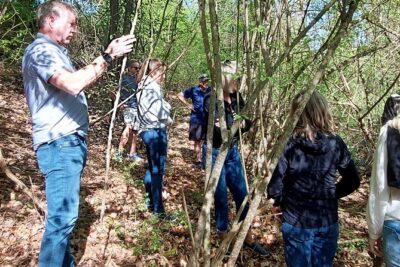
Truffle Hunting in Chianti, pasta class and lunch
Read our review →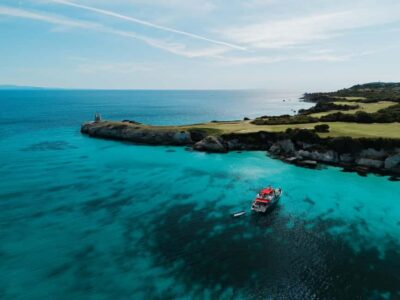
Lunch of lobster pasta in a cove in the Lavezzi Islands
Read our review →
Homemade Pasta Class and Lunch in the Heart of Chianti
Read our review →
Tortellini Cooking Class and Lunch with Mamma Ivana
Read our review →
Chianti -Fresh Pasta Making Class and Sauces with Lunch or Dinner
Read our review →Lists this class appears in