
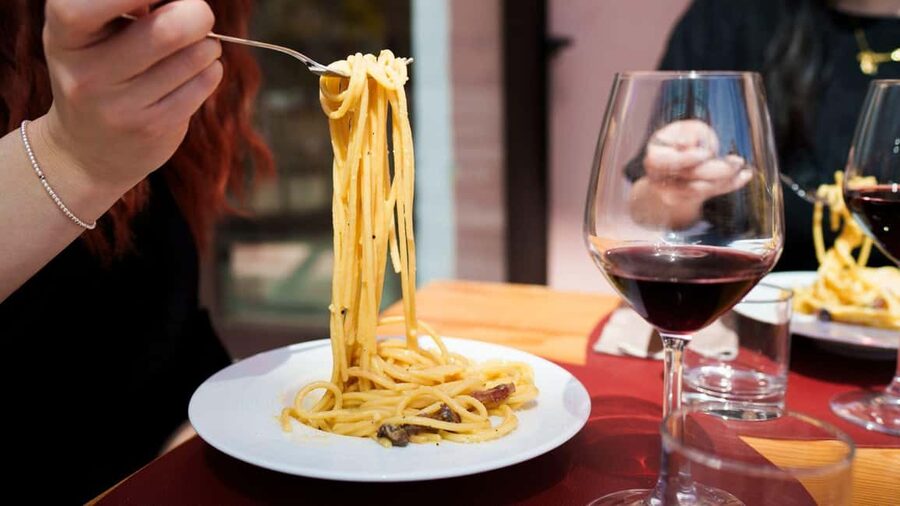
Review · ITALY
Olbia: cooking class on real pasta carbonara
The real lesson here is not how to boil pasta. It is how to make proper carbonara without cream, using guanciale, egg, cheese, and a well-timed mantecatura. In 90 minutes, a chef guides you through the dish, explains the food traditions behind it, and lets you eat the result at the same table.
I like the six-person limit, which should make it easier to follow each step and ask questions. I also like that the class ends with lunch, rather than leaving you with a few bites and a recipe card. The main caution is value: at $77 per person, this is a short class, and one participant found it too simple and was disappointed not to make the pasta itself.
Key points to know before booking
- Carbonara is the star: You focus on the famous Roman dish, from selecting guanciale to mixing the sauce correctly.
- A small group of six: The limited size gives you a better chance to take part rather than simply watch.
- Lunch is included: You eat the carbonara you prepare, with selected wine described as part of the meal.
- Central Olbia meeting point: Find Rosinita restaurant at number 6 on Piazza Mercato, beneath the square’s large glass roof.
- Francesco may lead your class: One highly positive account specifically praised his clear explanations and helpful manner.
- Not a pasta-making workshop: The supplied details focus on preparing carbonara, and one participant specifically noted that they did not make the pasta itself.
What this Olbia carbonara class really teaches
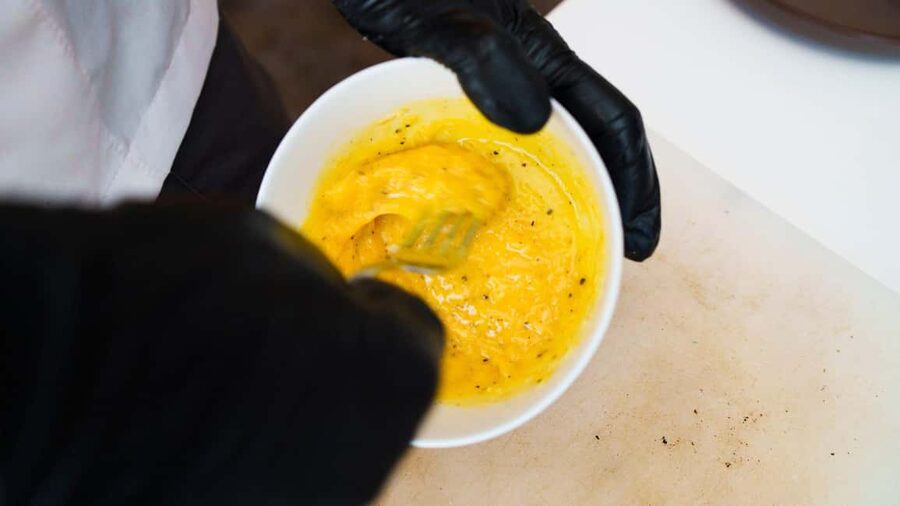
Carbonara looks simple on paper. Pasta, cured pork, egg, cheese, and pepper. Yet the dish can go wrong quickly. Too much heat scrambles the egg. Too little mixing leaves the sauce thin. Cream changes the character of the dish entirely.
This class focuses on those small but important decisions. The chef explains how to choose the guanciale and how to handle the final mantecatura, the mixing stage that turns the ingredients into a smooth sauce. You are not just handed a plate and told that it is traditional. You take part in the preparation and then eat the finished dish.
That makes the activity a good fit for someone who wants a practical food lesson during a short stay in Olbia. You can take the basic method home and try it in your own kitchen. The class also gives you a more useful understanding of Italian cooking than a generic restaurant meal, since you learn why each ingredient matters.
Still, keep your expectations in check. This is a carbonara class, not a full lesson in making fresh pasta from flour and eggs. The available details do not promise pasta dough preparation, and one participant specifically found the activity too simple because they did not make the pasta themselves. If rolling and cutting pasta is your main goal, this may not be the right choice.
More Ravioli and Gnocchi Classes in Italy:
- 3 in 1 Cooking Class near Navona: Fettuccine, Ravioli & Tiramisu
★ 5.0 · 7,376 reviews - Rome: 3-in-1 Fettuccine, Ravioli, and Tiramisu Cooking Class
★ 4.9 · 2,704 reviews - Rome: Fettuccine Pasta Cooking Class in Rome’s City Center
★ 4.8 · 2,414 reviews
Meeting the chef under Olbia’s glass-roofed market square
You meet at Rosinita restaurant, number 6 on Piazza Mercato. The square is easy to identify by its imposing glass roof, while the restaurant has a pink-painted façade. Those details matter in a town where a meeting point can otherwise be easy to miss.
Give yourself enough time to find the square and spot the pink front before the class begins. The meeting point is in central Olbia, so this is a convenient activity to place between sightseeing, shopping, or a meal elsewhere in town. No separate transport or pickup is included in the information provided, so you should plan to arrive on your own.
The setting also helps the class feel connected to daily life in Olbia. You are not being taken out to a remote cooking school or a staged country kitchen. You meet at a restaurant in the heart of town, then sit down for the food you have helped prepare.
The chef leads the group in Italian, English, or Spanish. That language choice is useful for an international audience, though you should select the language that lets you follow cooking instructions most easily. Carbonara depends on timing, so understanding the explanation is more important than simply watching the motions.
The first lesson: guanciale, eggs, cheese, and tradition
The class begins with an introduction to the chef and the activity. From there, the focus turns to the ingredients and the method behind real carbonara.
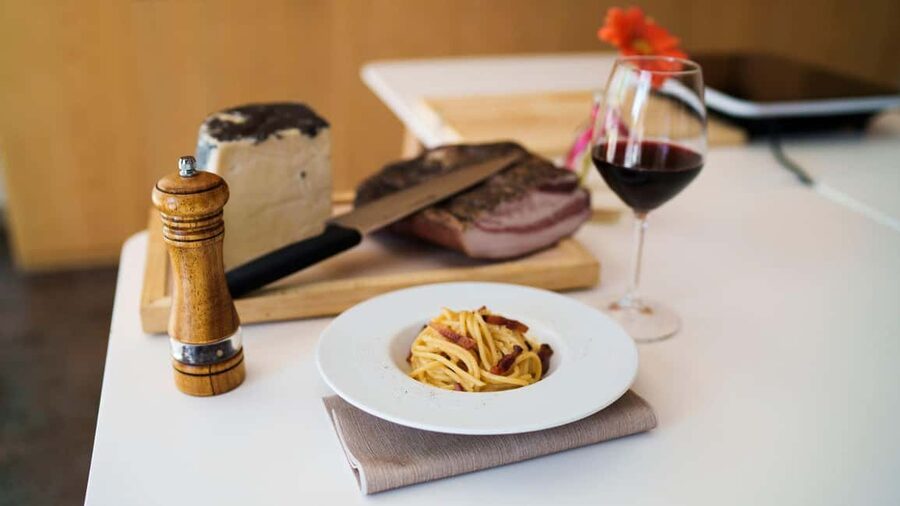
Guanciale is especially important. This cured pork cheek brings a deep, savory flavor and a particular kind of fat to the pan. The chef explains how to choose it and how it contributes to the sauce. That is useful because many home cooks reach for bacon or pancetta without realizing that the result will taste different.
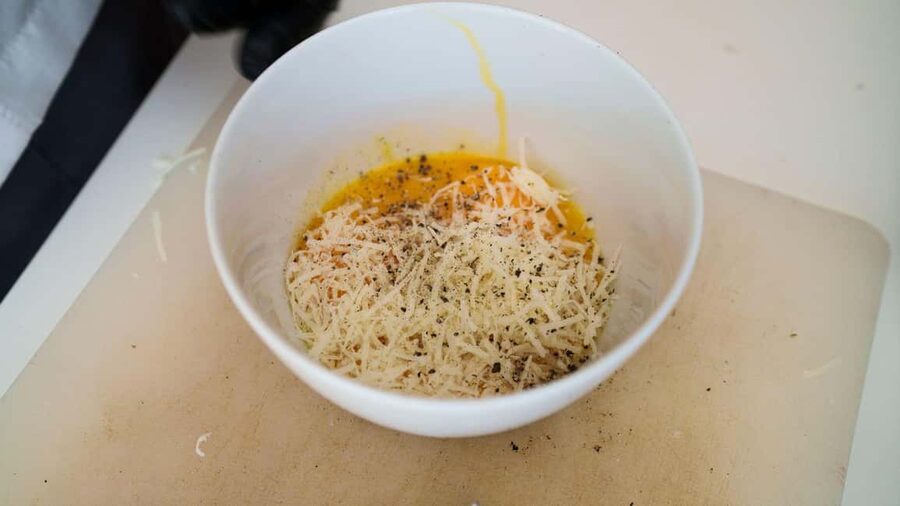
Eggs and cheese require equal care. The sauce must become creamy through the combination of egg, cheese, rendered pork fat, and pasta water. The description does not specify which cheese is used, so you should not assume a particular variety. The valuable point is the technique: the sauce gets its texture from careful mixing, not from cream.
This is where the class earns its keep. A recipe can tell you what to add, but it cannot always show you when the pan is too hot or how the sauce should look as it comes together. With a chef present, you get an explanation of those visual and practical clues.
You also hear stories and bits of food trivia along the way. That gives the class some cultural context without turning it into a lecture. The aim is to understand carbonara as an Italian tradition, not just as a popular dish found on menus around the world.
Taking part instead of simply watching
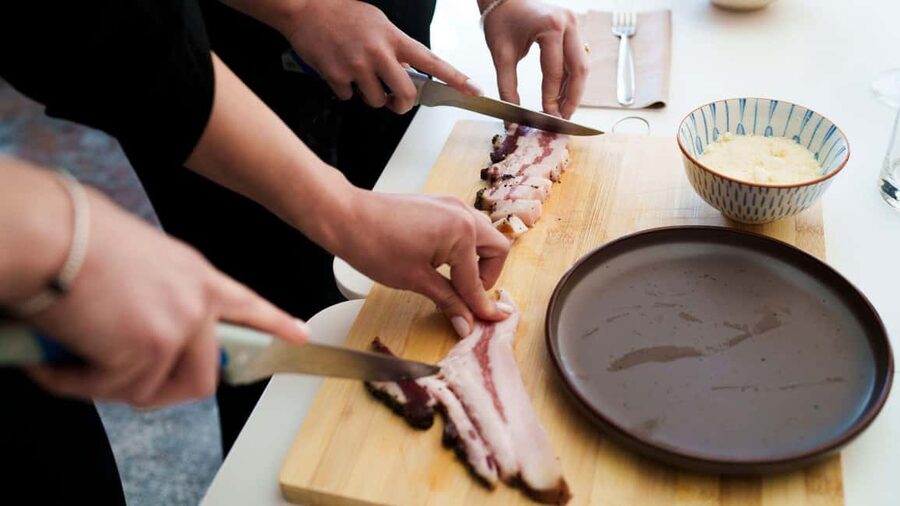
The experience promises active participation. You cook with your own hands, rather than sitting through a demonstration and receiving a prepared plate at the end.
That distinction matters in a group capped at six people. A smaller class usually gives you a better chance to handle ingredients, follow the chef closely, and ask about the parts that confuse you. It also keeps the meal more personal and social.
The precise division of tasks is not given, so the level of hands-on work may vary. You should expect to help prepare the carbonara, but do not book this assuming you will make fresh pasta dough. The program specifically centers on pasta carbonara preparation, and the one negative account focused on the fact that the pasta itself was not made by participants.
For many people, that will not be a serious problem. The hardest part of carbonara is often the sauce, not the pasta shape. If you already know how to cook dried pasta and want help with the egg-and-cheese mixture, this class targets the right skill.
If you want a longer workshop with several dishes, handmade pasta, sauces, and dessert, 90 minutes will feel limited. The short length is convenient, but it also sets a clear boundary around what can be covered.
More pasta classes around Italy:
- Florence: Pasta Cooking Class with Unlimited Wine
★ 4.9 · 10,285 reviews - Florence Pizza or Pasta Class with Gelato Making at a Tuscan Farm
★ 5.0 · 6,801 reviews - Florence: Pasta & Tiramisu Cooking Class with Unlimited Wine
★ 4.9 · 6,708 reviews - Florence: Pasta Cooking Class with Unlimited Wine
★ 5.0 · 6,413 reviews
The final mantecatura is the key moment
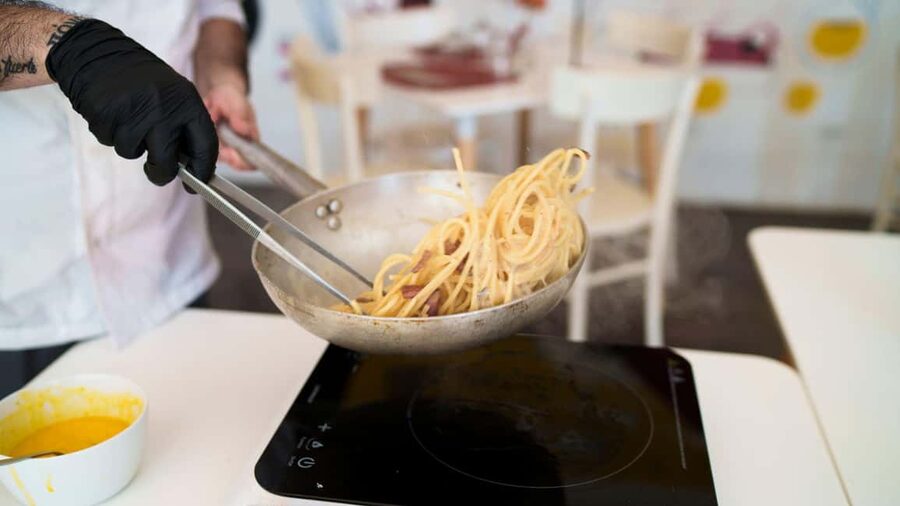
The most useful technical point in the class is the final mantecatura. This is when the cooked pasta, egg and cheese mixture, guanciale, and pasta water come together.
The timing matters. The pasta needs to be hot enough to help the sauce thicken, but the egg must not be exposed to direct high heat for too long. The chef explains how to mix everything into a smooth coating instead of a scrambled mess.
For you, this is the step most likely to change the way you cook carbonara at home. It is easy to follow a list of ingredients and still miss the texture. Watching the chef work through the final stage gives you a practical reference point.
The class also helps you understand why restraint matters. Traditional carbonara does not need cream, garlic, onions, or a long list of extras. Its appeal comes from handling a few good ingredients properly. The chef’s attention to guanciale and mantecatura keeps the focus on that principle.
Eating the carbonara you prepared
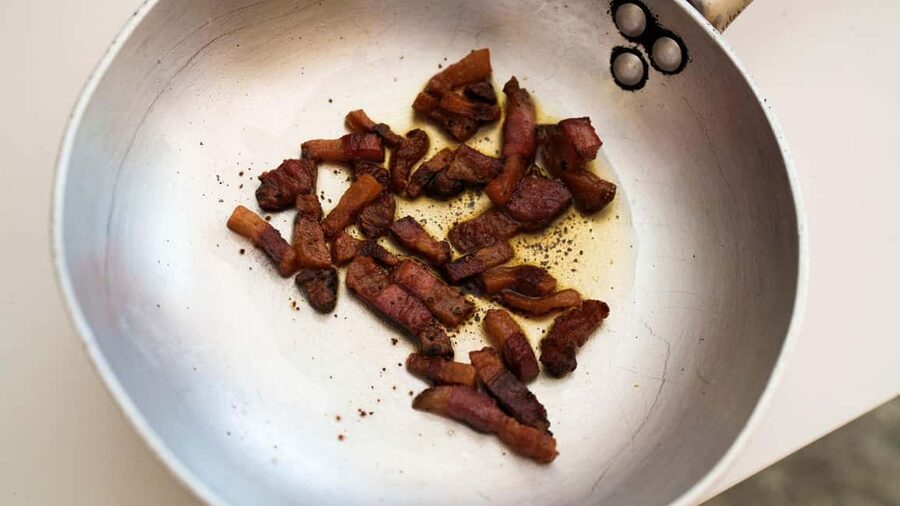
Once the cooking is complete, you sit down to taste the dish. Lunch is included, so the activity ends with a proper meal rather than a quick sample.
The social side is part of the appeal. You share a table with a small group, compare the finished plates, and enjoy the food while the lesson is still fresh. The description also includes selected wine with the meal, adding to the relaxed restaurant setting. If you do not drink wine, confirm the arrangements directly before booking, since the supplied details do not explain alternatives.
This final meal is valuable for another reason: you get immediate feedback. You can see whether the sauce is smooth, how the guanciale tastes, and how the balance of cheese and seasoning comes together. That makes the lesson easier to remember than a demonstration where you never taste the finished result.
The meal should not be confused with a long food tour or a multi-course lunch. The central dish is the carbonara you prepare. If your priority is a broad sampling of Sardinian specialties, this class is too narrow. If you want to learn one famous Italian recipe and eat it afterward, the format makes sense.
Is $77 fair for 90 minutes?
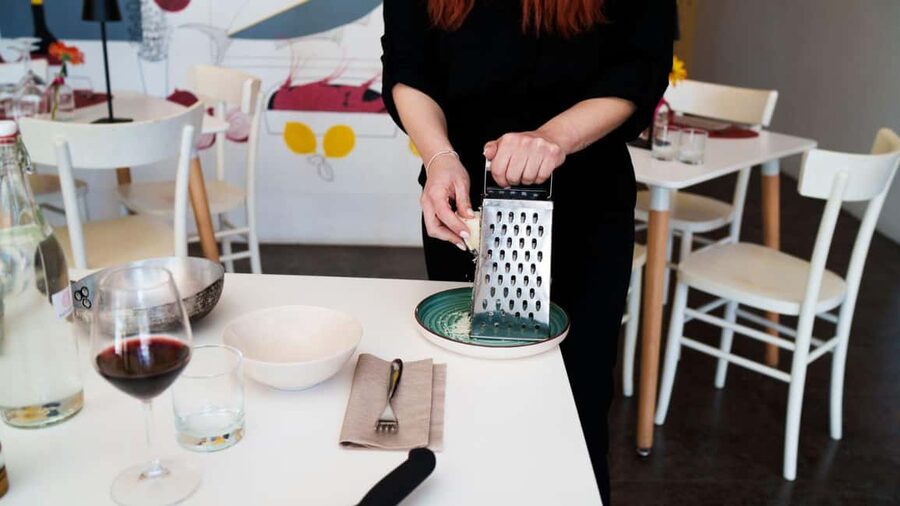
At $77 per person, this is not the cheapest way to eat carbonara in Olbia. You are paying for the chef’s instruction, the ingredients, the hands-on activity, and lunch, not just for a plate of pasta.
The price makes more sense if you value the cooking lesson. A meal alone may cost less, but it will not teach you how to choose guanciale or manage the sauce. The small group also matters. With no more than six participants, the chef has fewer people to manage than in a large demonstration class.
Still, 90 minutes is a short session. One participant rated the experience highly but felt it was too expensive, while another expected more because the pasta itself was not made during the class. Those are fair concerns. You should book for the instruction and shared meal, not for a full morning of pasta craft.
I would call the value reasonable for someone who enjoys food education and wants a social activity in central Olbia. I would call it less convincing for someone who mainly wants a generous lunch or a traditional fresh-pasta workshop.
Who will enjoy this class most?
I would recommend it to a few specific kinds of people:
- First-time visitors to Italy: You get a direct introduction to a well-known dish and the techniques behind it.
- Home cooks: The lesson gives you a method you can try again after returning home.
- Couples and small groups: The six-person limit suits people who want a shared activity without a crowd.
- Families with older children: Children of all ages may attend, but active participation begins at age eight, making the class more suitable for children old enough to handle cooking tasks.
- Food-focused visitors in Olbia: The central meeting point makes it easy to fit into a day in town.
I would be cautious if you have food allergies. The activity is specifically marked as unsuitable for people with food allergies, so this is not the place to rely on last-minute ingredient substitutions.
I would also choose another activity if your main aim is making pasta by hand. This class concentrates on carbonara and its sauce. That can be exactly what you want, but it is worth knowing before you pay.
Practical details that affect your decision
The activity lasts 1.5 hours, so it fits neatly into a morning or afternoon. Starting times vary, and you need to check availability for the date you want.
The class is offered in Italian, English, and Spanish. A live chef leads the session rather than an audio guide or self-directed recipe lesson. Francesco is specifically praised for being helpful and explaining each stage clearly, though you should not assume he will lead every scheduled session.
Children are allowed, with active participation available from age eight. Pets are not allowed. The small-group format is limited to six participants, which is one of the strongest practical features of the activity.
You can cancel up to 24 hours in advance for a full refund. A reserve-now, pay-later option is also available, which helps if your Olbia schedule is still changing. These policies make the booking less risky, but the food-allergy restriction and the limited focus on carbonara still deserve attention before you commit.
Should you book the Olbia carbonara class?
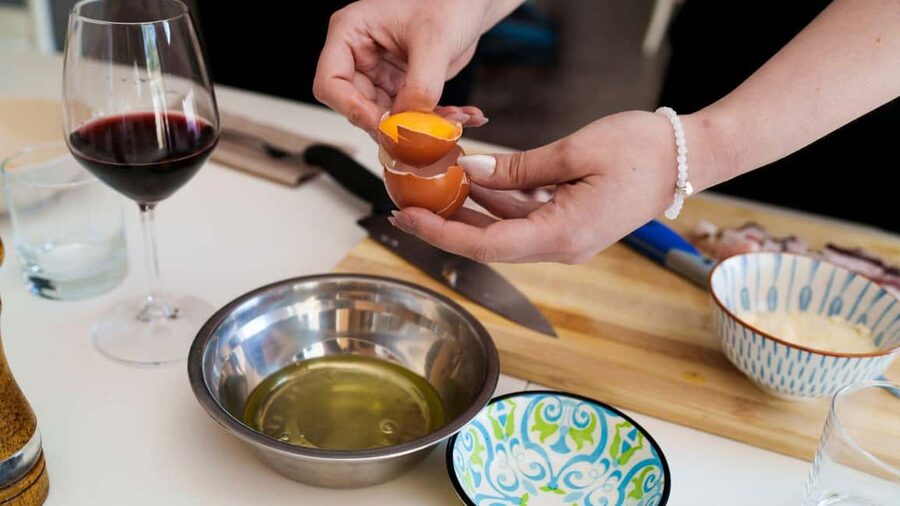
Book it if you want a short, hands-on lesson focused on one classic dish, followed by lunch in a central Olbia restaurant. The strongest reasons are the small group, the chef’s attention to guanciale and mantecatura, and the chance to eat what you prepare. The clear explanations associated with Francesco are another encouraging sign.
Skip it if you want to make fresh pasta from scratch, learn several recipes, or get a long multi-course cooking experience. At $77, the class needs to match your expectations.
For the right person, this is a pleasant way to spend 90 minutes in Sardinia: you learn a useful technique, share a meal, and leave with a better chance of making carbonara properly at home.
FAQ
Where does the cooking class meet?
Meet at Rosinita restaurant at number 6 on Piazza Mercato in Olbia. The square is marked by its large glass roof, and the restaurant has a pink-painted façade.
How long does the experience last?
The class lasts 1.5 hours.
What is included in the booking?
The booking includes the pasta carbonara cooking class, the chef, and lunch.
Is wine included?
The experience description says the prepared dish is enjoyed with selected wine. The included-items list specifically names lunch, so confirm the exact wine arrangements if this detail matters to you.
What languages are available?
The live guide is available in Italian, English, and Spanish.
How many people are in the group?
The group is limited to six participants.
Can children take part?
Children of all ages are allowed to attend, but active participation is available from age eight.
Can I cancel for a refund?
You can cancel up to 24 hours before the activity for a full refund. A reserve-now, pay-later option is also available.
Fresh off the board around Italy
- Vicenza: Pasta & Tiramisu Cooking Class at a Local’s Home★ 5.0 · 5 reviews
- Verona: Pasta & Tiramisu Cooking Class at a Local’s Home★ 5.0 · 16 reviews
- Volterra: Fresh Pasta Cooking Class at a Tuscan Farmhouse★ 5.0 · 33 reviews
- Verona: Tortellini Cooking Class and Lunch with Mamma Ivana★ 5.0 · 20 reviews
- Verona: My Granny’s secrets making gnocchi★ 5.0 · 7 reviews
- Verona: Prosecco and Pasta Making Class at a Local’s Home★ 5.0 · 10 reviews
- Venice: Share Your Pasta Love in a Local’s Home★ 4.8 · 20 reviews
- Verona: Pasta Cooking Class with Wine Tasting★ 5.0 · 4 reviews
Ravioli and Gnocchi Classes, class by class.
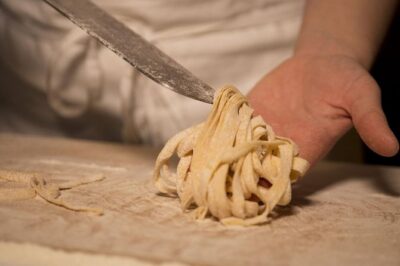
3 in 1 Cooking Class near Navona: Fettuccine, Ravioli & Tiramisu
Read our review →
3-in-1 Fettuccine, Ravioli, and Tiramisu Cooking Class
Read our review →
Fettuccine Pasta Cooking Class in Rome’s City Center
Read our review →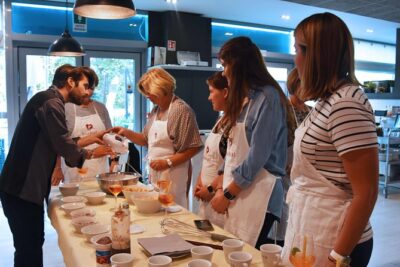
Become a Masterchef in Rome: Pasta, Ravioli and Tiramisù Class
Read our review →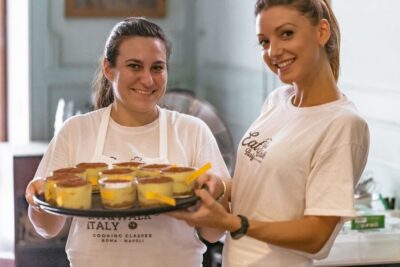
Fettuccine & Tiramisù: Cooking Class with Wine & Limoncello
Read our review →
Rome Pasta and Tiramisu Class: Ravioli, Fettuccine & Fine Wine 5*
Read our review →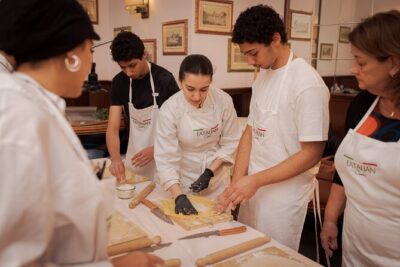
Pasta Cooking Class in Rome – Fettuccine Class in Piazza Navona
Read our review →
Lists this class appears in