
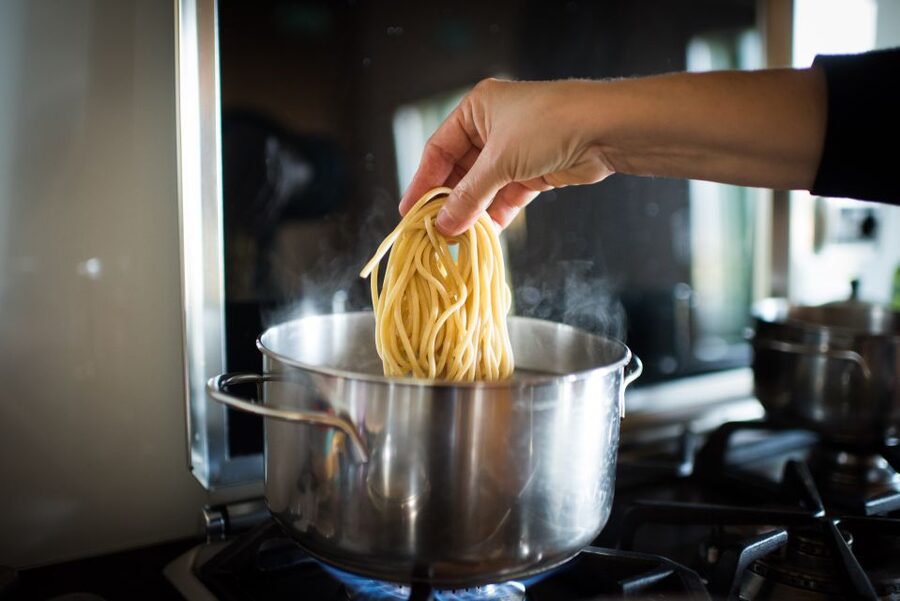
Review · LUCCA
Lucca: Fresh Pasta-Making Class at a Local’s Home
Fresh pasta is best learned with your hands, not from a recipe card. In this Lucca class, you work in a local home with an Italian cook, prepare three pasta dishes, then sit down to eat what you made. Hosts can include Silvia, Sylvia, or Genevra, and the small group keeps the lesson personal.
I like the home setting, which gives the class a more personal feel than a restaurant kitchen. I also like the chance to learn from family recipes and take practical skills home. The one drawback is that the exact dishes are not promised in advance. One class covered two pasta dishes and an appetizer, so contact the provider with food questions before booking.
Key points
- Three hours of hands-on cooking: You prepare pasta rather than simply watching a demonstration.
- A local home in Lucca: Your host’s address is sent after booking, and the activity begins and ends there.
- Hosts with different specialties: Silvia, Sylvia, and Genevra are among the named cooks associated with the experience.
- A meal from your own work: The class includes three local pasta dishes and drinks, including wine.
- Small groups of up to eight: This is a better fit for conversation and questions than a large cooking school.
- Flexible scheduling: Classes usually begin at 10:00 am or 5:00 pm, with some flexibility for your plans.
What the Lucca pasta class is really like
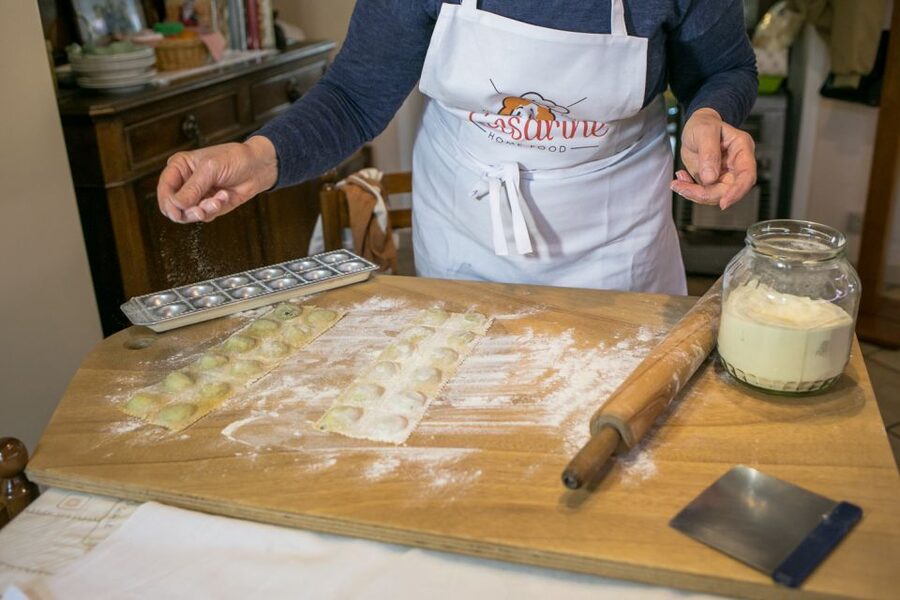
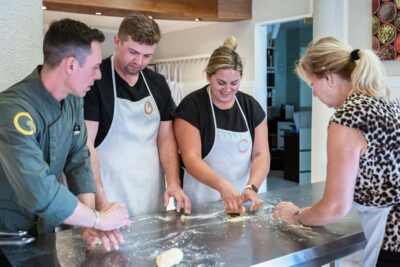
This is a cooking lesson built around a shared meal. You arrive at a private home in the Lucca area, meet your Italian host, and take your place at a prepared workstation. The ingredients and utensils are supplied, so you do not need to bring kitchen equipment or shop for supplies.
The format is simple and appealing: learn the method, help prepare the food, and eat the results. You are not just watching a cook make pasta while you stand back with a camera. The point is to put your hands to the work and learn techniques you can repeat at home.
The full experience lasts about three hours. That gives you enough time for instruction, preparation, cooking, and the meal without turning the class into an all-day commitment. It also leaves room for conversation, which is an important part of meeting a local family in their own home.
More Fresh Pasta Workshops in Italy:
- Rome: Pasta Making Class with Wine, Limoncello, and Dessert
★ 4.9 · 3,177 reviews - Pastamania – Florence Pasta Making Class
★ 5.0 · 3,050 reviews - Enjoy Spritz and Pasta Making in Piazza Navona
★ 5.0 · 1,681 reviews
Arriving at a local home in Lucca
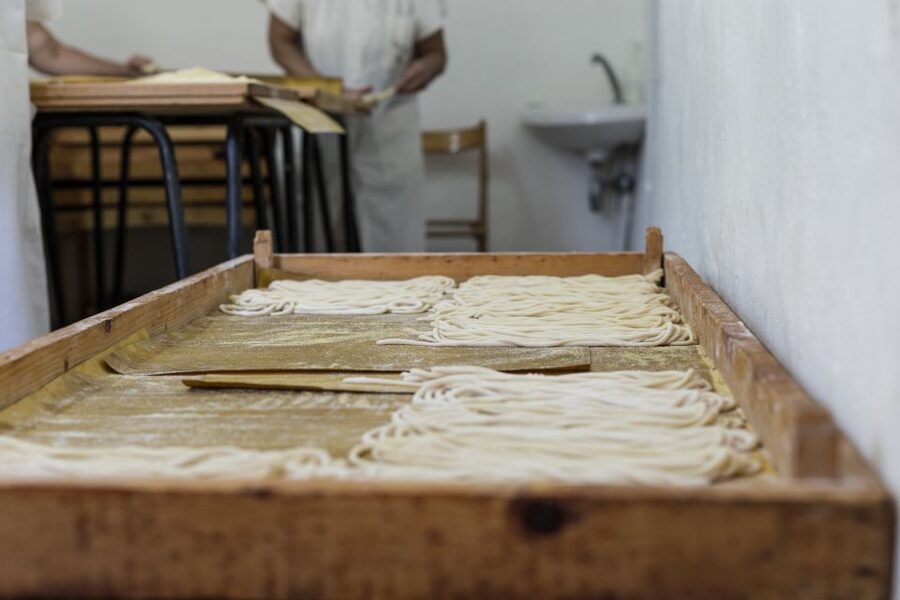
The meeting point is not a shopfront or a fixed cooking school. It is your host’s home, and the address is sent after booking. That makes the experience feel more personal, but it also means you should read the arrival details carefully and allow time to find the address.
The class ends at the same meeting point. No transport is included, and no separate return transfer is described, so plan to make your own way to and from the home. Since the exact location varies by host, check the address before committing to a tight schedule afterward.
The home setting is one of the strongest reasons to choose this class. You get a glimpse of the way a local cook organizes a meal, rather than working in a polished training kitchen designed mainly for tourists. The tradeoff is that each host’s kitchen, menu, and teaching style may differ.
Your workstation and the first pasta lesson
Once you settle in, your host provides the ingredients and utensils needed for the class. The available information does not give a fixed step-by-step recipe, so you should expect the menu to depend on the host and the day.
The basic lesson centers on making fresh pasta and preparing local recipes from a family cookbook. You will likely spend time learning how the ingredients come together, handling the dough, and shaping or preparing the pasta for cooking. Exact techniques are not listed, so do not book this expecting a particular pasta shape or sauce.
That flexibility can be a benefit. You are learning from a real family cooking tradition rather than following a rigid demonstration that is identical every day. It can also be a consideration if you want to master one named regional recipe. Ask about the menu at booking if a certain dish matters to you.
The small group limit of eight helps here. You have a reasonable chance to see the cook’s movements, ask questions, and get advice while working. It is still a group class, not a private lesson, but the size should feel more manageable than a large commercial session.
Three pasta dishes and what you eat
The experience is designed around three local pasta dishes. You help prepare the food, then eat it as part of the class. Drinks are included, and the meal comes with a complimentary glass of local wine.
This meal is the payoff, but it is also part of the lesson. You can taste the finished food while the preparation is still fresh in your mind. That makes it easier to connect the cooking method with the final result, especially if you want to repeat the recipes later.
The menu is not fully specified. One session included two pasta dishes and an appetizer, while the general description refers to three pasta dishes. Treat the stated three-dish format as the intended structure, but ask for clarification if you need a precise menu for dietary, religious, or personal reasons.
Food requirements should be shared when you book. The provider specifically asks you to give this information in advance. Do not wait until you arrive, since the host needs notice to consider the ingredients and plan the meal.
More pasta classes around Italy:
- Florence: Pasta Cooking Class with Unlimited Wine
★ 4.9 · 10,285 reviews - 3 in 1 Cooking Class near Navona: Fettuccine, Ravioli & Tiramisu
★ 5.0 · 7,376 reviews - Florence Pizza or Pasta Class with Gelato Making at a Tuscan Farm
★ 5.0 · 6,801 reviews - Florence: Pasta & Tiramisu Cooking Class with Unlimited Wine
★ 4.9 · 6,708 reviews
Meeting Silvia, Sylvia, or Genevra
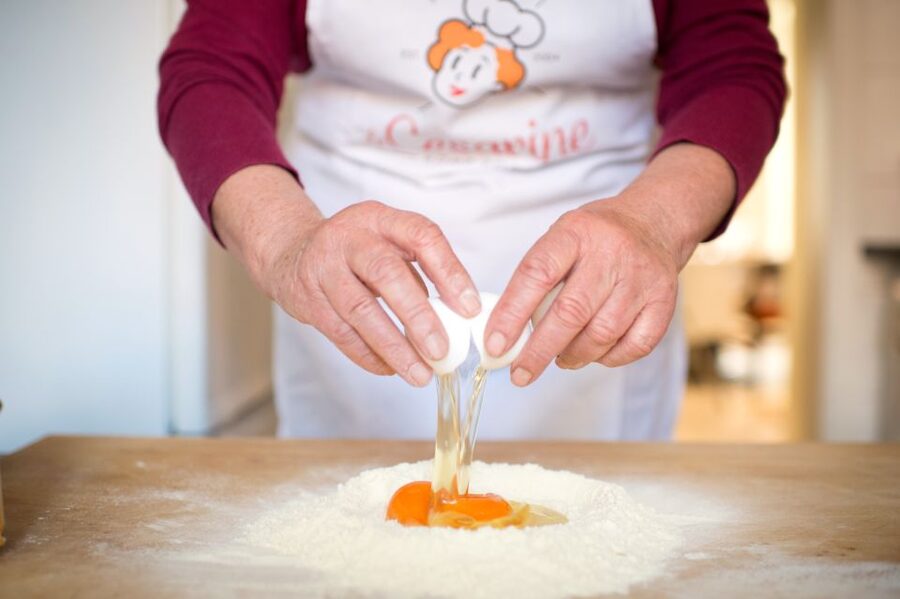
The host is central to the quality of this activity. Named cooks connected with the experience include Silvia, Sylvia, and Genevra. The tone may vary from one home to another, but the idea is the same: an Italian cook guides you through local food in a personal setting.
Silvia has been described as a warm host who taught a group to prepare two pasta dishes and an appetizer. Her food was well received, but the menu did not match the level of detail some people expected from the booking information. That is useful advice: enjoy the local variation, but ask questions if a specific menu is important to you.
Genevra brings a friendly, personable teaching style and a strong knowledge of the products used in the meal. That matters because a pasta class is more than flour and sauce. The ingredients, family habits, and small kitchen choices are what give the meal its local character.
Sylvia has also received direct praise for her teaching. Since host assignments can vary, you should not assume you will meet one particular cook unless the booking information confirms it. Still, the named hosts give you a better sense of the personal nature of the activity.
Why a small group matters
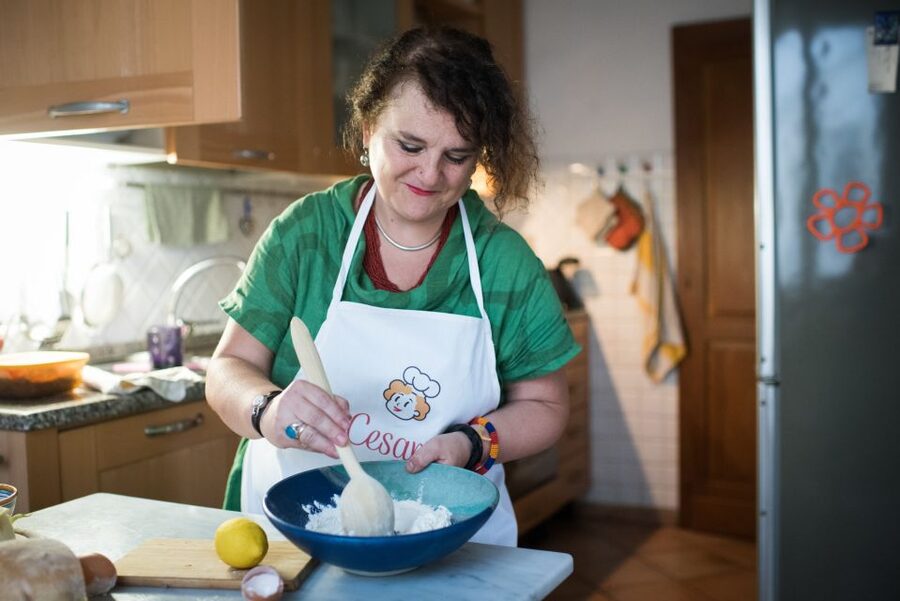
Eight people is the maximum group size. That is small enough for a shared table and conversation, while still allowing the class to operate as a social activity.
I like this size for a hands-on lesson. You can watch the demonstration without being lost at the back, and you have more room to ask about ingredients or methods. The class is also suitable for people who enjoy meeting others over food rather than taking a private cooking appointment.
There is one practical limit. A group of eight does not guarantee that every person gets the same amount of individual attention. If you want a private lesson focused on a particular technique, check if a private option is available before booking. That option is not stated here, so do not assume it is offered.
Choosing the morning or evening start
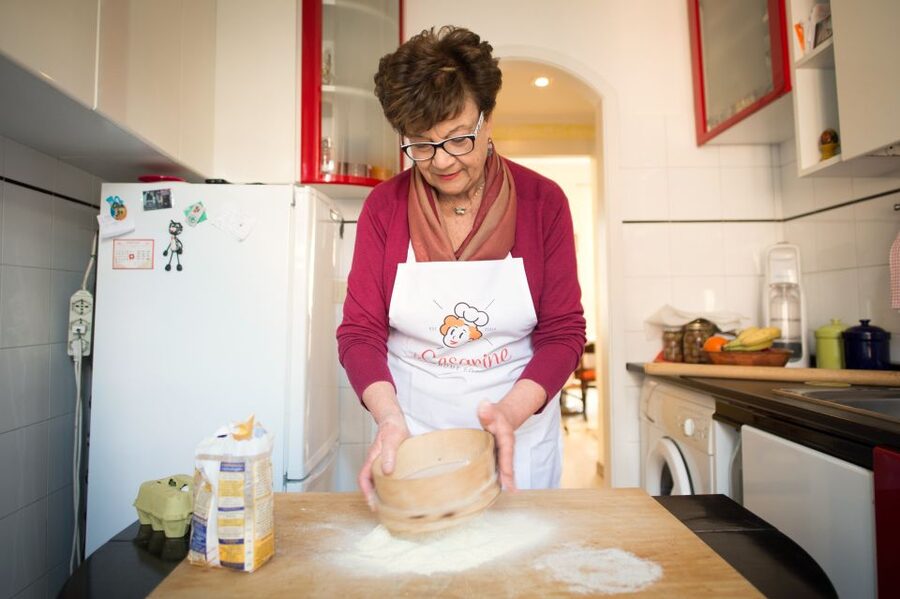
The class usually begins at 10:00 am or 5:00 pm. The morning time works well if you want to make the cooking activity part of your day before sightseeing or other plans. The evening start turns the lesson into dinner, with the food you prepare serving as the main event.
The timing is described as flexible depending on your travel needs. That is helpful if you are fitting the class around a day in Lucca, but confirm the final start time before you plan transport or reservations afterward.
Because the activity lasts three hours, an evening class can run well into the night. That is not a problem if you are treating it as dinner, but you should avoid booking another fixed activity immediately after it.
Price and the value of the meal
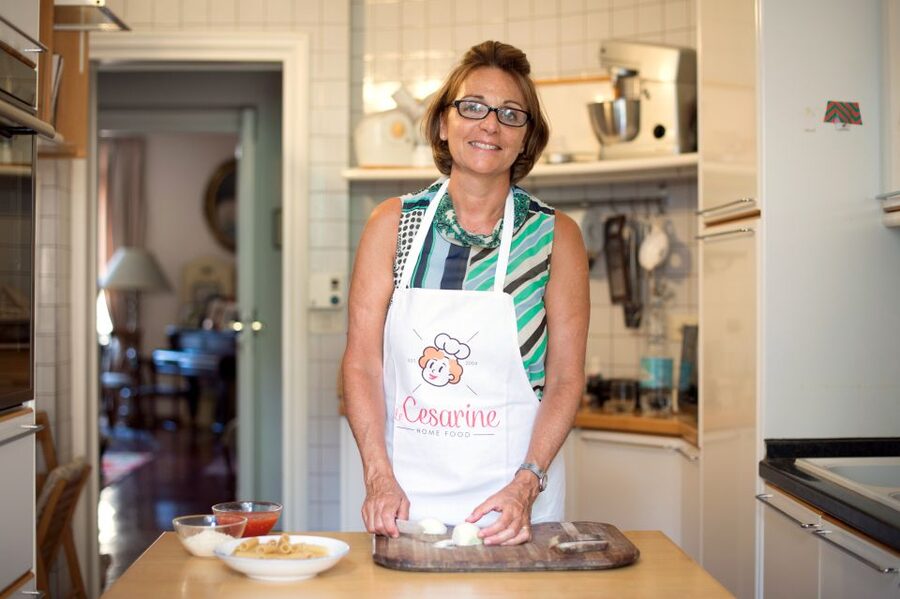
The listed price is $202.78 per person. That is a serious price for a three-hour class, so the value depends on what you want from the experience.
You are paying for more than a plate of pasta. The price includes the cooking class, ingredients and utensils for the workstation, three local pasta dishes, and drinks. You also receive instruction in a private home and a meal made during the class. For someone who values personal teaching and food culture, those elements can justify the cost.
If your main goal is simply to eat inexpensive pasta, this is not the right purchase. Lucca has cheaper ways to enjoy a meal. This class makes more sense if you want a social activity, practical cooking skills, and a local connection in one three-hour appointment.
The strongest value comes when you use what you learn afterward. Pay attention to how the host handles the dough, seasons the food, and explains the family recipes. Take notes if allowed, and ask questions while the ingredients are in front of you. The skills can stay useful long after the meal is over.
Who should book this experience
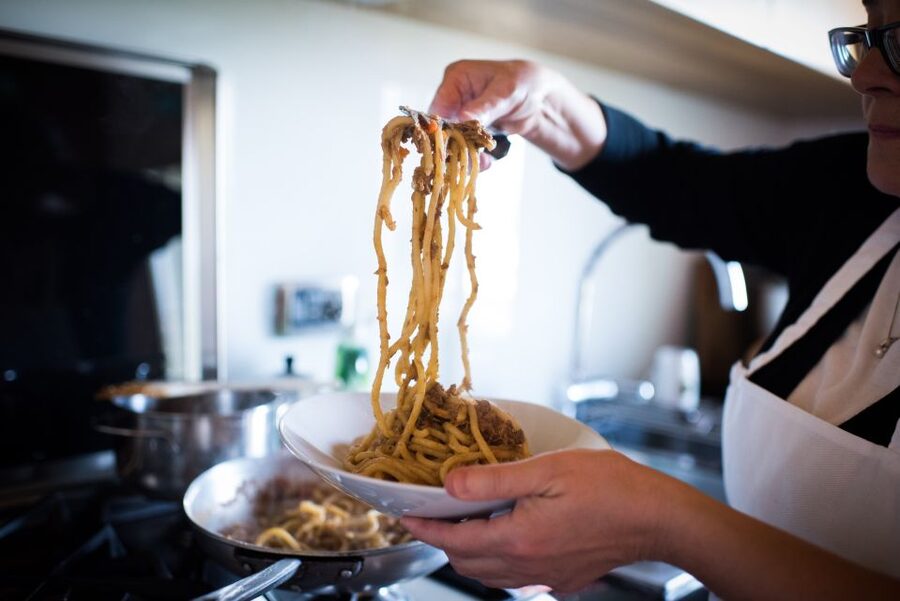
This class suits couples, families, and small groups of friends who enjoy food and want an activity with participation. It also works well for solo visitors who like meeting people in a relaxed setting.
You do not need to be an experienced cook. The class is designed to teach fresh pasta, and the workstation is prepared for you. A willingness to work with your hands is more important than advanced kitchen ability.
Food-focused visitors will get the most from the family cookbook and the chance to eat the finished dishes. It is also a good choice if you want a break from museums and churches without leaving Lucca’s local setting.
You should think twice if you need a guaranteed menu, a particular pasta shape, or a completely private lesson. The dishes can vary, and the exact host may not be known until the booking details are confirmed. Share dietary needs at the time of booking, not later.
Booking details worth knowing
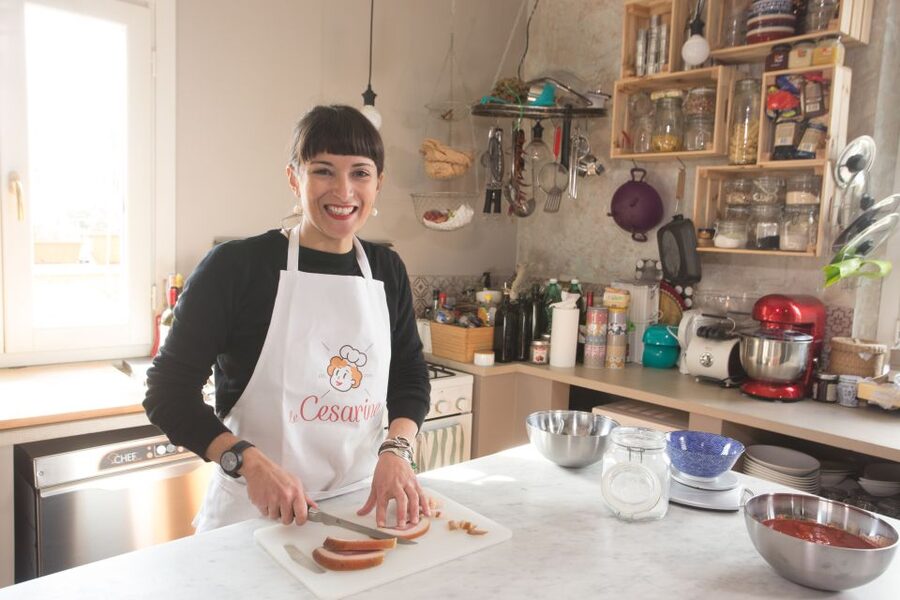
The host’s address is provided after booking. Since this is a home-based activity, save the address and confirm how to reach it before the class date.
Italian and English are the listed languages. The small group is limited to eight participants. The activity begins and ends at the host’s home, and there is no separate transport service included in the information provided.
You can reserve now and pay later, which helps if your Lucca plans are still changing. You can also cancel up to 24 hours before the activity for a full refund. Those terms make the booking less risky, but check the final conditions at checkout.
Should you book the Lucca pasta class?
Book it if you want to cook, not just eat. The home setting, hands-on work, three-course pasta meal, and chance to meet a local cook make this a more personal choice than a standard restaurant dinner.
The main caution is menu uncertainty. The experience is promoted around three pasta dishes, but an individual class may include two pasta dishes and an appetizer, and the exact recipes can vary. If that flexibility sounds enjoyable, the class offers a warm and useful taste of Italian home cooking. If you need a fixed menu or want the lowest-cost meal, choose something else.
FAQ
Where does the pasta-making class begin?
The class begins at your host’s home. The exact address is shared after booking.
Where does the activity end?
The activity ends back at the host’s home, which is also the meeting point.
How long does the class last?
The cooking class lasts three hours.
What time does the class usually begin?
The class usually begins at 10:00 am or 5:00 pm. The timing may be flexible depending on your travel needs.
How many people can join the class?
The group is limited to eight participants.
What languages does the instructor speak?
The class is offered in Italian and English.
Is food and drink included?
Yes. The experience includes the cooking class, three local pasta dishes, and drinks, including a complimentary glass of wine. You should provide any dietary requirements when booking.
Fresh off the board around Italy
- Vicenza: Pasta & Tiramisu Cooking Class at a Local’s Home★ 5.0 · 5 reviews
- Verona: Pasta & Tiramisu Cooking Class at a Local’s Home★ 5.0 · 16 reviews
- Volterra: Fresh Pasta Cooking Class at a Tuscan Farmhouse★ 5.0 · 33 reviews
- Verona: Tortellini Cooking Class and Lunch with Mamma Ivana★ 5.0 · 20 reviews
- Verona: My Granny’s secrets making gnocchi★ 5.0 · 7 reviews
- Verona: Prosecco and Pasta Making Class at a Local’s Home★ 5.0 · 10 reviews
- Verona: Pasta Cooking Class with Wine Tasting★ 5.0 · 4 reviews
- Venice: Pasta Carbonara Cooking Class with Wine★ 5.0 · 3 reviews
Fresh Pasta Workshops, class by class.
Pasta Making Class with Wine, Limoncello, and Dessert
Read our review →

Enjoy Spritz and Pasta Making in Piazza Navona
Read our review →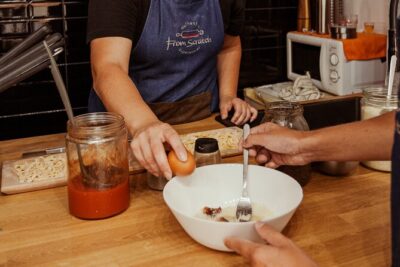
Pasta Making & Wine Tasting with Dinner in Frascati from Rome
Read our review →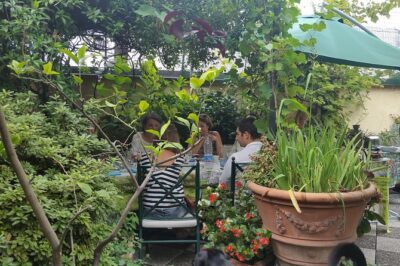
The Secrets to Learn Fresh Pasta and Tiramisù in a Glam Home
Read our review →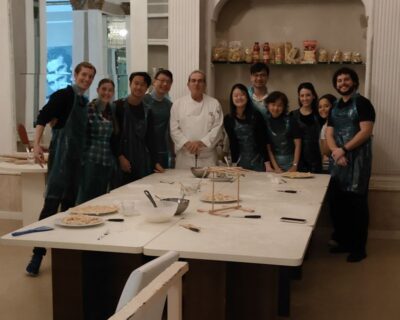
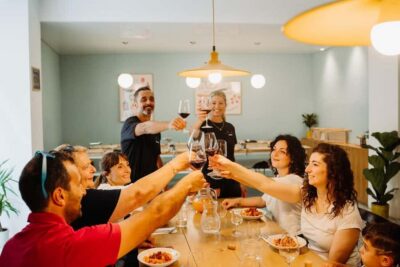
Handmade Pasta & Dessert Class with Unlimited Wine
Read our review →Lists this class appears in