
Review · FLORENCE
Florence: Pasta & Tiramisu Class with Unlimited Wine
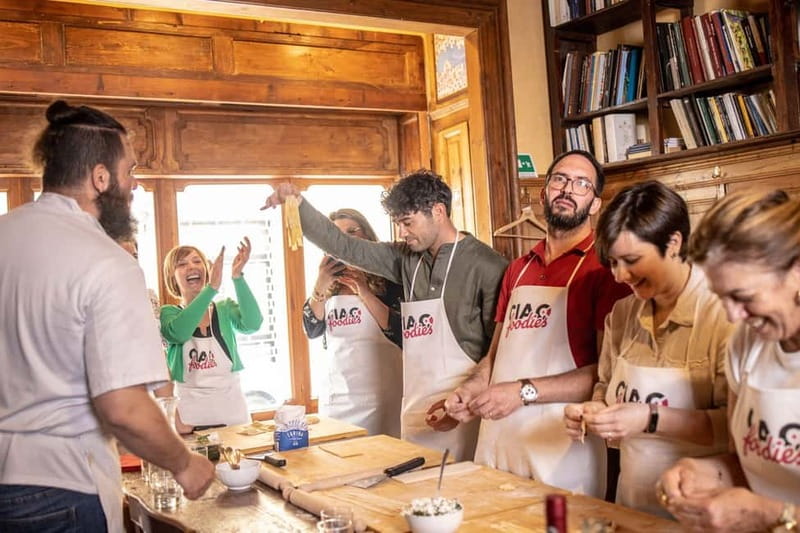
The best part of this Florence cooking class is that you do not simply watch a chef prepare pasta. You make the dough, roll it by hand, shape tagliatelle and ravioli, then sit down to eat the meal with unlimited house wine. The class feels social and practical, with plenty of room for jokes, questions, and small cooking tips.
I like the 9 a.m. market option, which takes you into Sant’Ambrogio Market with the chef to see where local cooks buy produce, cheese, meat, and salami. I also like the patient teaching style reported from chefs including Allan, Giulia, David, Gui, and Alain. The main consideration is that the market visit is not included in afternoon sessions, Sundays, or bank holidays, and the class is not suitable for children under six or people with celiac disease.
Key points to know before booking
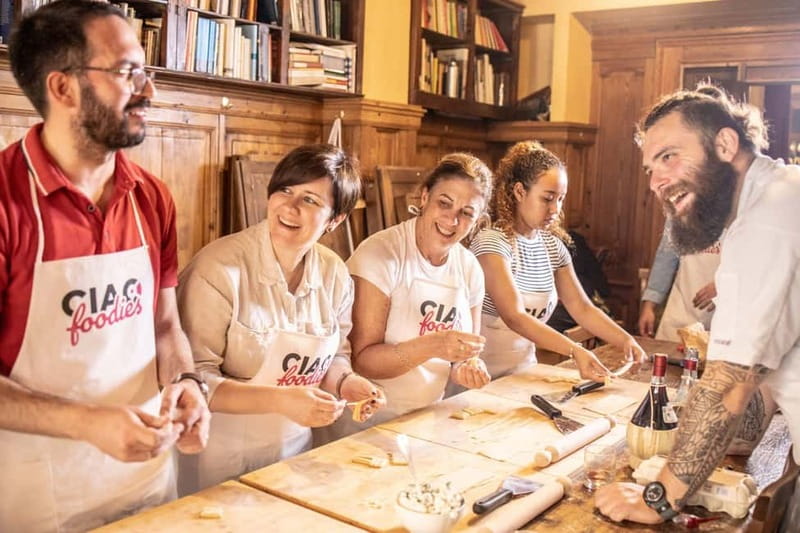
- Three Italian classics: Make tagliatelle, ricotta-filled ravioli, and tiramisu from basic ingredients.
- Choose the morning for the market: The 9 a.m. session includes Sant’Ambrogio Market, except on Sundays and bank holidays.
- A real hands-on lesson: You knead and shape pasta by hand rather than simply watching a demonstration.
- Unlimited house wine: Wine, water, ingredients, equipment, and an apron are included.
- A social meal at the end: Sit together at a large table and eat the food your group prepared.
- Good value for food lovers: At $81, the price covers a 3.5 to 4.5 hour class, a full meal, tastings, drinks, and a certificate.
Why this class works so well in Florence
Florence gives you plenty of chances to admire paintings, churches, and grand palaces. A cooking class gives your hands something to do. You leave with a better sense of how Italian food is made, not just another photograph of it.
This experience takes place at Ciaofoodies Hub at La Cucineria on Via della Mattonaia 19r, an easy walk from Florence’s central sights. You meet there in a small group and work with an English-speaking local chef. The setting is a real Tuscan trattoria rather than a formal schoolroom, which helps keep the class relaxed.
At $81 per person, this is not the cheapest meal in Florence. But it covers a long lesson, all ingredients, cooking equipment, an apron, food tastings, unlimited house wine, water, and the meal itself. Add the market visit in the morning, and the cost compares well with paying for a good restaurant meal plus a separate food activity.
I would not book this only for a polished culinary performance. The fun comes from getting flour on your hands, trying to judge dough by touch, and learning how to shape pasta without relying on a machine. If you want a quiet meal with no group interaction, choose a restaurant instead.
More Pasta Classes with Wine in Florence
- Florence: Pasta Cooking Class with Unlimited Wine
★ 4.9 · 10,285 reviews - Florence: Pasta & Tiramisu Cooking Class with Unlimited Wine
★ 4.9 · 6,708 reviews - Florence: Pasta Cooking Class with Unlimited Wine
★ 5.0 · 6,413 reviews
Start at Sant’Ambrogio Market with the 9 a.m. group
The morning session begins with a walk to Sant’Ambrogio Market alongside the chef. This is one of the most useful parts of the experience because the market is where the ingredients become more than items on a recipe sheet.
You browse stalls selling fruit, vegetables, meat, salami, and cheese. The chef helps select what the group needs and explains the products along the way. You might taste local cheese or other Tuscan products before returning to the kitchen.
The market also gives you a closer look at everyday Florence. This is a grocery market used by local residents, not a sightseeing stop built only for visitors. You can see how food shopping fits into ordinary city life, and the chef can point out ingredients you may later notice on restaurant menus.
Several practical details matter here. The market visit is included only with the 9 a.m. shift. It lasts as part of the 3.5 hour morning experience and does not operate on Sundays or bank holidays because the market is closed. If Sant’Ambrogio is important to you, check the exact date and start time before paying.
Afternoon classes skip the market and begin with the cooking lesson. That may suit you better if you prefer a slower morning, have already visited Sant’Ambrogio, or want to fit the class around museum visits.
Sauce first, then fresh pasta dough
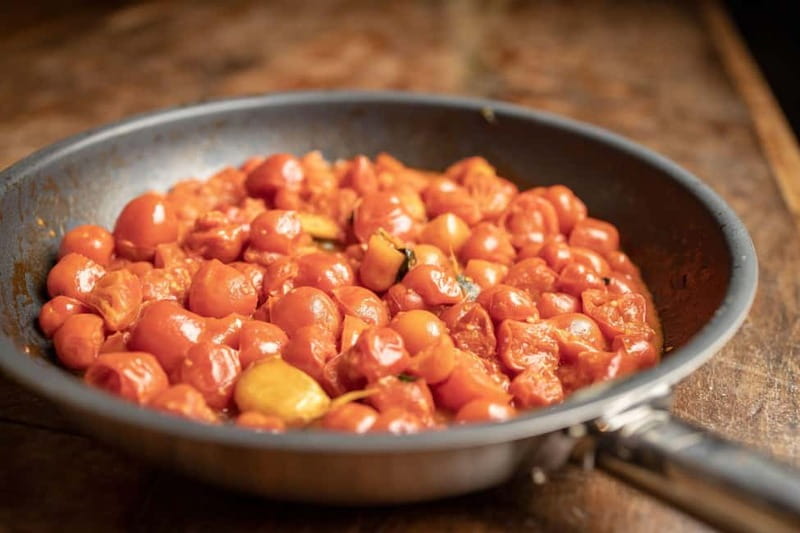
Back at the kitchen, the chef begins with the sauces because they need the most time. The class prepares a meat-based Bolognese sauce and a classic tomato sauce to pair with the fresh pasta.
This order teaches a useful kitchen habit. Good cooking is often about timing, not fancy equipment. Starting the sauce first lets it cook while you work on the dough, and it helps you understand why fresh pasta is prepared in a certain sequence.
The chef demonstrates how to handle ingredients carefully, including keeping meat separate from other ingredients. That point is especially useful if you have dietary concerns or cook for people with different preferences. You should tell the provider about allergies or intolerances before the class. The kitchen will try to accommodate them, but the class is not recommended for people with celiac disease.
The sauces are partly a demonstration, since a group kitchen has limited space. You may not personally prepare every stage of each sauce. One participant specifically wished there had been more room to make the sauces independently, but still found the instruction worthwhile. That is a fair expectation to set: this is a shared class, not a private chef lesson where every person controls every pan.
Kneading pasta by hand
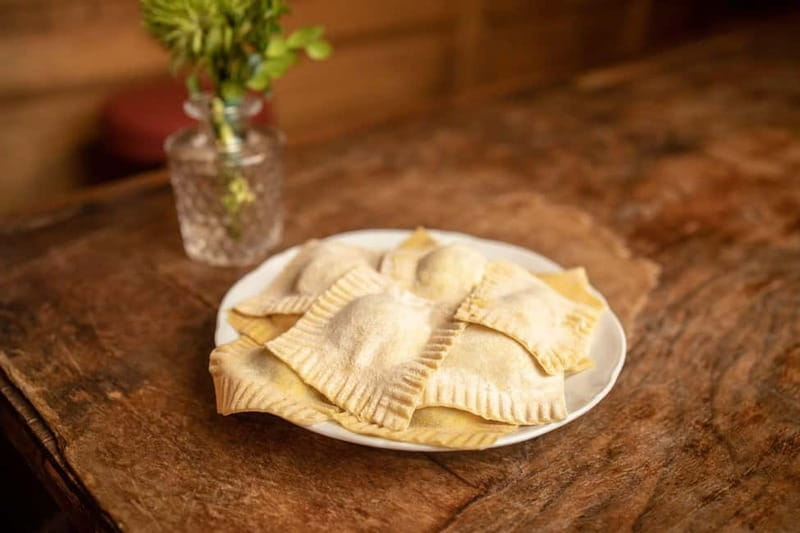
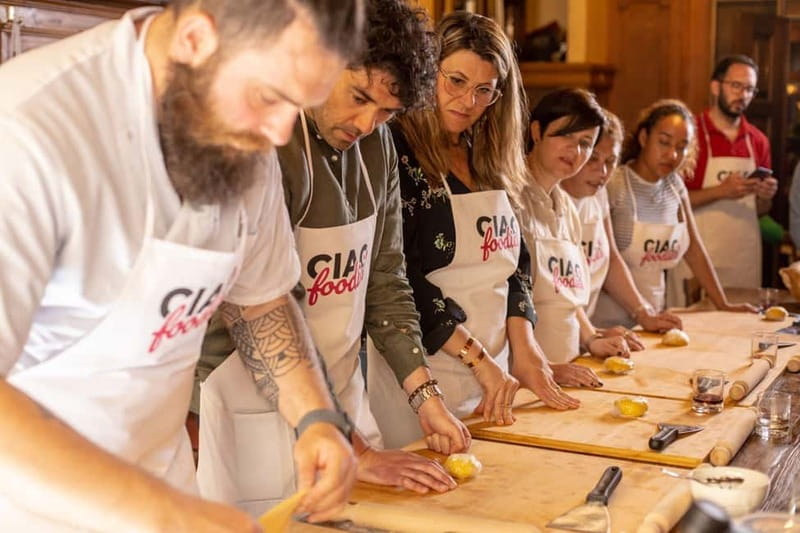
Once the sauces are underway, you make the dough with the simplest possible ingredients: flour and eggs. The chef explains how the dough should feel and when it has reached the right consistency.
This is where the class becomes genuinely useful at home. A recipe can tell you how much flour to add, but the texture changes with egg size, flour, and humidity. Learning to judge the dough with your hands gives you something a written recipe cannot.
After kneading, the dough rests. The pause is not wasted time. It allows the dough to relax before shaping, and it gives you time to prepare tiramisu and listen to the chef explain Italian food traditions.
You do not need to arrive as a skilled cook. The instructors are used to helping beginners, and the class is also suitable for people who already enjoy cooking. Chefs such as Giulia, David, Allan, Gui, Alain, and Andrea are repeatedly singled out for being funny, patient, clear, and willing to help at the table.
Comfortable shoes are a good idea. You will spend much of the session standing, moving between tasks, and working at the counter.
More Tiramisu Classes in Florence
- Florence: Cooking Class Pasta & Tiramisu Making Unlimited Wine
★ 5.0 · 2,234 reviews - Pasta and Tiramisu Cooking Class with optional Local Market Tour
★ 5.0 · 515 reviews - Florence: Premium Pasta Cooking Class with Tiramisu & Wine
★ 4.9 · 456 reviews - Florence: Flambé Cheese Wheel Truffle Pasta Class & Tiramisù
★ 5.0 · 190 reviews
Tiramisu gives you a welcome change of pace
The dessert section comes while the pasta dough rests. You prepare tiramisu from scratch, including the mascarpone cream, then place it in the refrigerator to cool.
This is a smart break in the class. Pasta requires strength and attention, while tiramisu lets you slow down and focus on texture. The chef explains how to make the mascarpone mixture smooth and how to build the dessert step by step.
The tiramisu is prepared in individual portions or small servings, depending on the group’s setup. It becomes part of the final meal, so you are not merely making a sample to taste before moving on.
If you are cooking with family or friends, this part works well for mixed ages. The official rule excludes children under six, while older children and teenagers have taken part with their families. Keep in mind that the activity includes knives, hot pans, and standing at a working kitchen, so an adult should judge whether a child is ready.
Shape tagliatelle and ricotta ravioli
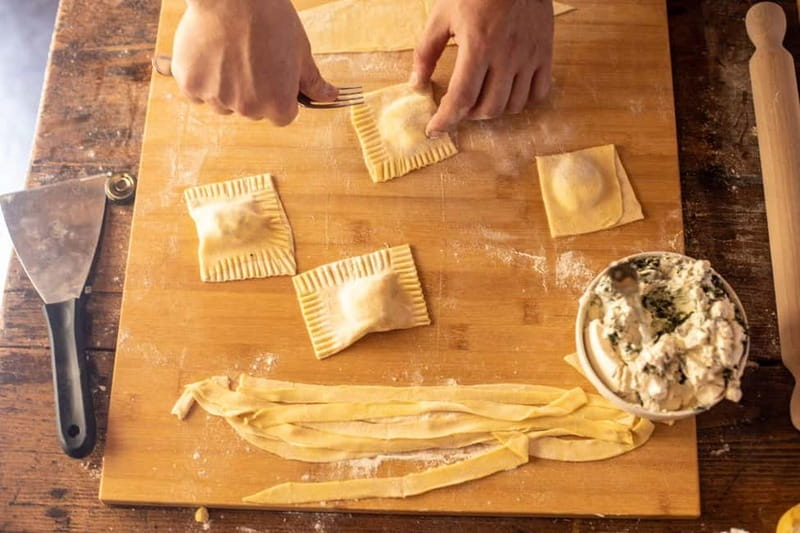
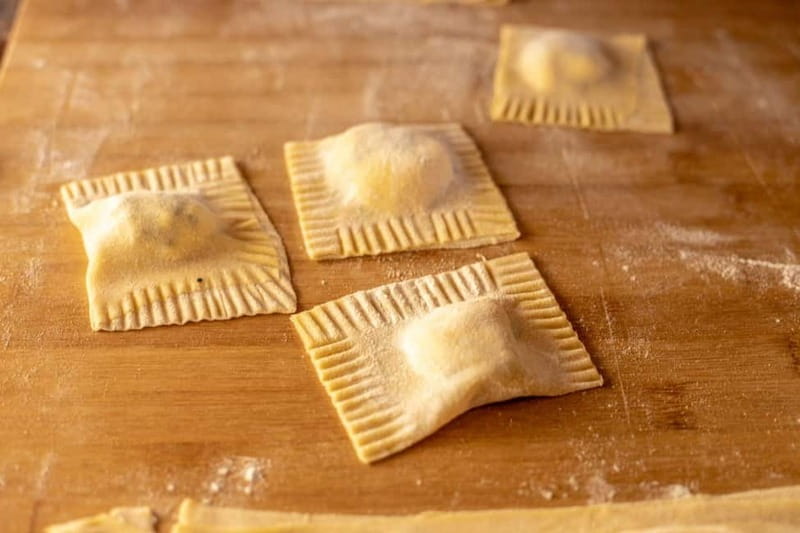
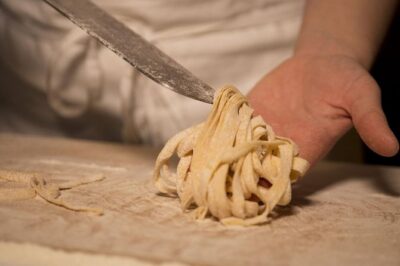
After the dough has rested, the chef shows you how to shape two pasta styles. Tagliatelle is long, wide pasta similar to a thick noodle. Ravioli is filled pasta, made here with ricotta cheese.
You roll and cut the dough by hand, then fill and seal the ravioli. The process is more satisfying than it sounds because small details matter. You learn how thin the dough should be, how much filling to use, and how to press out air before closing each piece.
One useful point from the class is that you do not need a pasta machine. The lesson focuses on traditional hand methods, so you can repeat it at home with ordinary kitchen tools. You receive the recipes after the session, giving you a way to recreate the meal rather than leaving with only a certificate.
Do not expect every ravioli to look identical. That is part of the charm. Your first pieces may be uneven, but the chef helps correct technique as you work. The end result is cooked and served with the sauces prepared earlier.
Lunch, wine, and the payoff at the big table
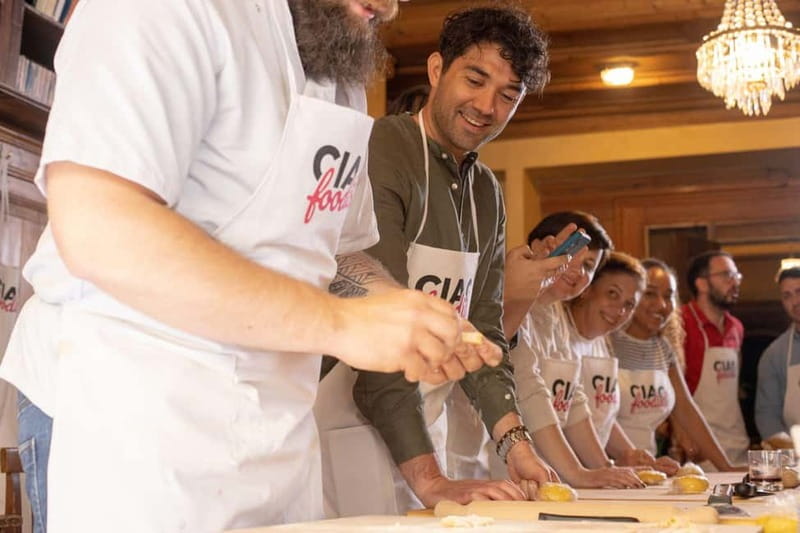
When the pasta is ready, everyone sits down to eat. The meal includes your tagliatelle with Bolognese, ravioli with tomato sauce, tiramisu, and house wine. Water is also included.
The shared table is a major part of the experience. You begin with a group of strangers and end up discussing food, Florence, and cooking techniques while eating the same meal. The chefs are also a source of local suggestions, including places to eat and things to see in Florence and Rome.
Unlimited wine is part of the price, and the house wine flows throughout the cooking and meal. That helps create a festive mood, but you can pace yourself. The class lasts several hours, and the focus is still on cooking.
The food tends to be the reward for the work rather than a separate restaurant-quality performance. You have made it together, so even a slightly imperfect ravioli feels like a success. Remember the Italian habit of fare la scarpetta, using bread to enjoy the last of the sauce.
The chefs make the difference
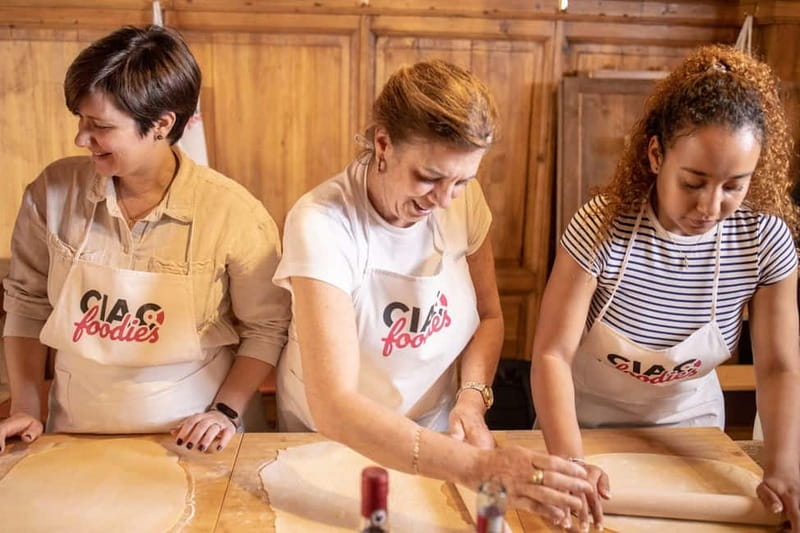
The format is consistent, but your exact chef shapes the mood. The experience is delivered in English by local instructors, with chefs including Allan, Giulia, David, Gui, Alain, Andrea, and others appearing on different dates.
The strongest pattern is teaching that stays light and personal. Allan and Alain are described as funny and relaxed, while Giulia is praised for patience and care with dietary needs. David is noted for clear instruction and practical advice, and Gui is repeatedly associated with energy and humor.
That matters because a cooking class can become awkward if the instructor rushes or spends too much time talking at the front. Here, the best moments come from direct help while you are mixing, rolling, cutting, and filling.
The small-group format also helps. The exact number can vary, but the class is designed to keep the group close enough for the chef to move around and lend a hand. One morning group became a private session simply because no one else had booked that time, though you should not count on that happening.
Who should book this experience?
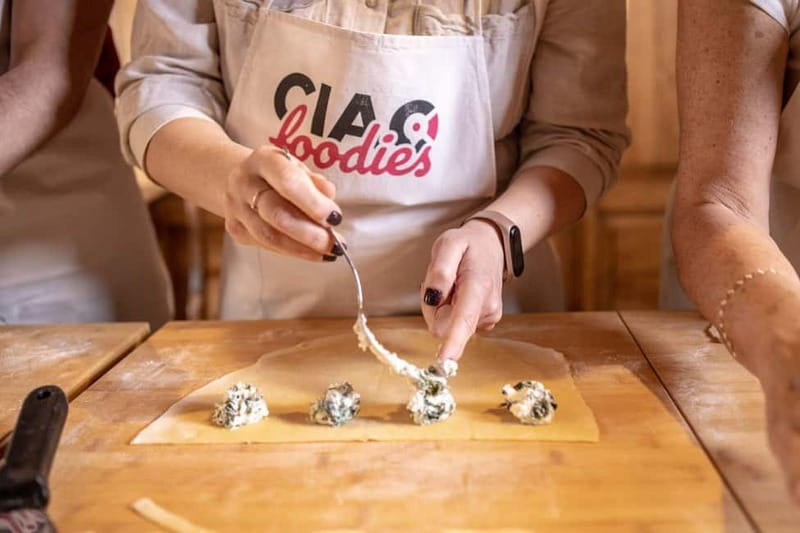
I would choose this class if you want a break from museums and walking tours, or if you like bringing a practical skill home from a trip. It works especially well for couples, families with older children, and friends who enjoy eating together.
It is also a good choice for a solo visitor who wants an easy social activity. The shared meal gives you natural conversation without requiring you to arrive with a group.
You may want to skip it if you dislike group activities, cannot eat the menu, or need a fully gluten-free kitchen. Allergies and intolerances should be reported in advance, but the experience is specifically not recommended for people with celiac disease.
The morning option is best for food-market fans. The afternoon option is better if you want a simpler schedule or if your Florence plans make an early start difficult.
Practical details that affect your choice
The class lasts about 3.5 to 4.5 hours, depending on the chosen shift and market arrangement. The meeting point is Ciaofoodies Hub at La Cucineria, Via della Mattonaia 19r, Firenze.
The activity is conducted in English. Ingredients, utensils, apron, wine, water, tastings, and a graduation certificate are included. The menu may change slightly with the season and ingredient availability, so the exact preparation can vary.
You can cancel up to 24 hours before the activity for a full refund, and a reserve-now, pay-later option is available. Those policies are useful in Florence, where weather, train plans, and museum reservations can shift your day.
Should you book the pasta and tiramisu class?
Yes, if you want an active food experience rather than another meal eaten at a table. The combination of Sant’Ambrogio Market, hand-shaped pasta, tiramisu, local instruction, and a long shared lunch gives you plenty for the $81 price.
Choose the 9 a.m. session when the market matters to you. Choose an afternoon class when you care more about schedule flexibility. Either way, expect flour, laughter, wine, and a meal that tastes better because you made it yourself.
FAQ
Where does the cooking class meet?
The meeting point is Ciaofoodies Hub at La Cucineria, Via della Mattonaia 19r, Firenze.
How long does the experience last?
The activity lasts approximately 3.5 to 4.5 hours. The 9 a.m. market visit is part of a 3.5 hour morning arrangement.
Is the Sant’Ambrogio Market visit included with every booking?
No. It is included only with the 9 a.m. shift. The market visit is not available on Sundays or bank holidays because the market is closed, and afternoon shifts do not include it.
What pasta will I make?
You will prepare fresh tagliatelle and ravioli filled with ricotta cheese. The pasta is made from scratch and shaped by hand.
What else is included besides pasta?
You will prepare tiramisu, make sauces including Bolognese and tomato sauce, taste local products, and eat the finished meal. Wine and water are included.
Is wine included in the price?
Yes. Unlimited house wine is included, along with water.
Is the class suitable for children?
Children under six are not permitted. Older children have taken part, but the class includes cooking equipment, hot pans, and food preparation.
Can people with food allergies or intolerances attend?
You should inform the provider about allergies or intolerances in advance, and the kitchen will try to accommodate them. The activity is not recommended for people with celiac disease.
Fresh off the board around Florence
- Hands on Deluxe Traditional 4-course dinner with fresh pasta★ 5.0 · 15 reviews
- The Art of Pasta and Wine Tasting with Local Sommelier★ 5.0 · 16 reviews
- Vegan Cooking Class in Florence: Pasta Making & Wine!★ 5.0 · 2 reviews
- Gluten free pasta and dessert class 6 guests max★ 5.0 · 2 reviews
- Tuscan Pasta Masterclass Small-Group Cooking Experience★ 5.0 · 17 reviews
- Cooking class and home made pasta in Florence with LA VIVANDIERA!★ 5.0 · 5 reviews
- MaMa Florence: The Art of Corzetti – Hands-On Pasta Class★ 5.0 · 15 reviews
- Share Your Pasta Love in a Local’s Home in Florence★ 4.5 · 16 reviews
Tiramisu Classes, class by class.
3 in 1 Cooking Class near Navona: Fettuccine, Ravioli & Tiramisu
Read our review →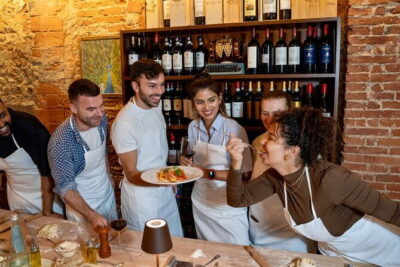
Pasta & Tiramisu Cooking Class with Unlimited Wine
Read our review →
Pasta & Tiramisu Class with Fine Wine by the Vatican
Read our review →
3-in-1 Fettuccine, Ravioli, and Tiramisu Cooking Class
Read our review →
Learn to Make Pasta & Tiramisu with Wine and Limoncello Included
Read our review →
Become a Masterchef in Rome: Pasta, Ravioli and Tiramisù Class
Read our review →
Fettuccine & Tiramisù: Cooking Class with Wine & Limoncello
Read our review →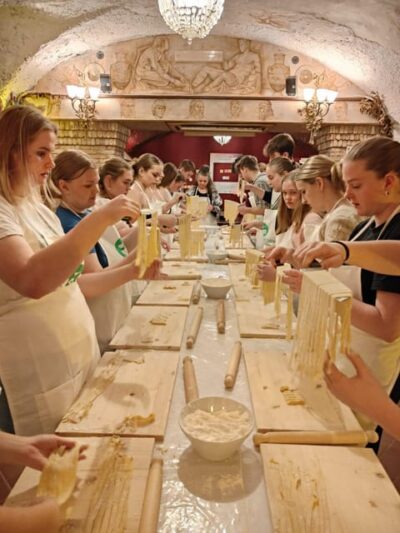
Pasta & Tiramisu Cooking Class near the Spanish Steps
Read our review →Lists this class appears in