
Review · SARDINIA
Cagliari Cooking Class: Sardinian Ravioli, Wine & Local Flavors
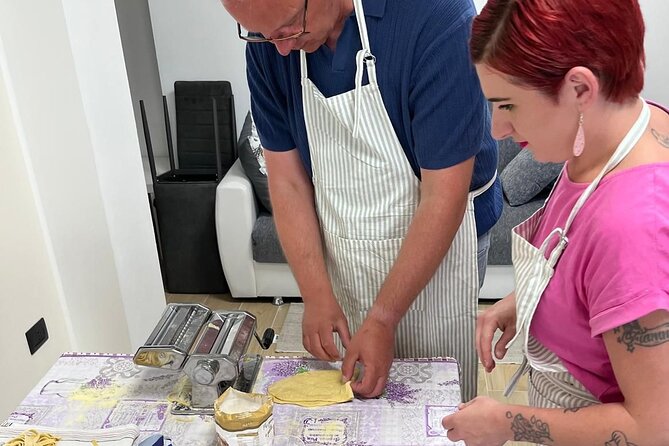
The best part of this Cagliari cooking class is that you do not simply watch pasta being made. You work with the dough, shape culurgiones, prepare fresh tagliatelle, and then eat the results at a shared Sardinian meal. Chef Giulia teaches in a real home kitchen, not a staged restaurant classroom.
I like the small maximum of six people, which leaves room for one-on-one help. I also like the full food arc: local cheeses, cured meats, honey, wine, two fresh pastas, dessert, and a little homemade Mirto. The main thing to consider is the meeting point in Sestu, outside central Cagliari, so check your route before booking.
Key points to know before booking
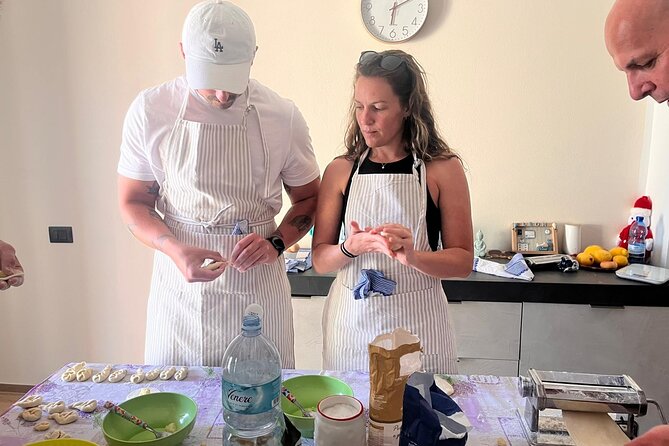
- Two pasta shapes in one class: Learn both delicate tagliatelle and Sardinia’s distinctive potato-and-mint culurgiones.
- A real meal follows the lesson: Your handmade pasta is served with traditional sauces after an antipasto course.
- Giulia teaches step by step: The format suits beginners, with personal guidance rather than a hands-off demonstration.
- Small-group setting: The class accepts no more than six people, a useful limit for a practical cooking lesson.
- Sardinian flavors go beyond pasta: Expect local cheeses, cured meats, honey, regional wine, dessert, and homemade Mirto.
- Good take-home value: Digital recipes let you try the dishes again after your trip.
What makes culurgiones worth learning
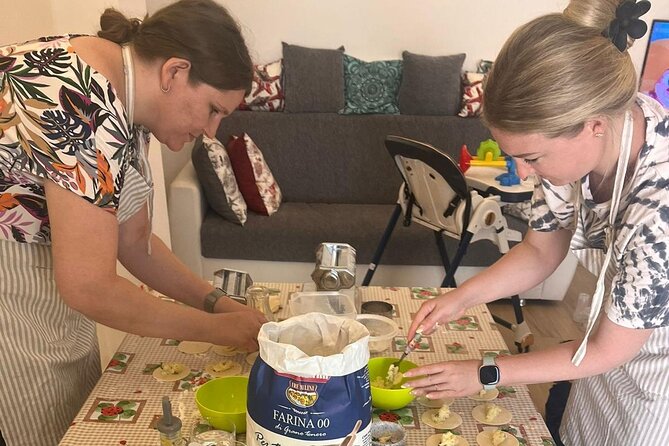
Sardinia has many pasta traditions, but culurgiones are the star here. These ravioli are made with fresh dough and a classic filling of potato and mint. Their shape is more distinctive than ordinary ravioli, and forming them by hand gives the class a real Sardinian focus.
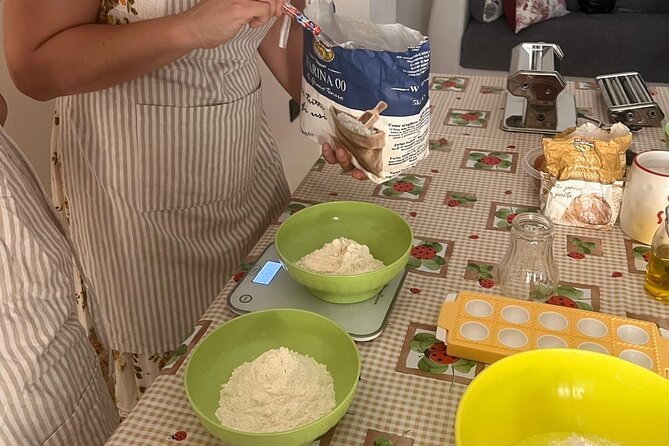
You will first learn the method step by step, then make your own dough and work with the filling. That matters because pasta classes can sometimes become demonstrations where you watch an expert do all the hard work. Here, the point is to practice.
Culurgiones also give you a taste of regional cooking in a wider sense. The filling is simple, but the finished pasta depends on texture, sealing, and careful shaping. You may not produce a perfect first batch, and that is part of the fun. Fresh pasta is forgiving, and Giulia’s patient teaching helps keep the process relaxed.
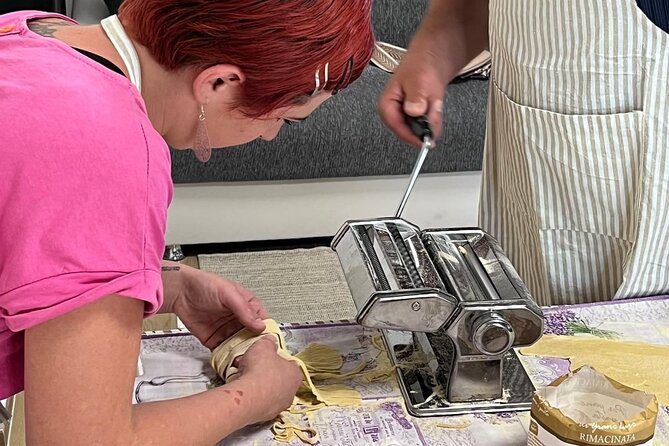
The class also includes tagliatelle, so you get a useful contrast. Culurgiones require shaping and sealing, while tagliatelle gives you practice with rolling and cutting fresh dough. In three hours, you learn two different ways Sardinians turn basic ingredients into a meal.
More Ravioli and Gnocchi Classes in Italy:
- 3 in 1 Cooking Class near Navona: Fettuccine, Ravioli & Tiramisu
★ 5.0 · 7,376 reviews - Rome: 3-in-1 Fettuccine, Ravioli, and Tiramisu Cooking Class
★ 4.9 · 2,704 reviews - Rome: Fettuccine Pasta Cooking Class in Rome’s City Center
★ 4.8 · 2,414 reviews
Starting in a Sardinian home kitchen
The class meets at Via G. Matteotti 34 in Sestu, postal code 09028, in the Cagliari area. The experience begins and ends at this same meeting point, rather than taking you through several city stops.
The setting is a real home kitchen in a quiet street. That can feel more personal than a busy cooking school, and the small group helps the lesson retain a relaxed, social mood. Easy parking has been noted as a useful feature, while the location is also near public transportation.
Still, you should treat Sestu as a practical detail, not a footnote. If you are staying in central Cagliari and do not have a car, allow time to reach the address and confirm the best public transport option. The supplied information does not specify a transfer service, so you should plan your own way there.
The class is offered in English. Confirmation arrives at booking, and the activity lasts about three hours. Since it is booked an average of 21 days ahead, reserve early if your Sardinia schedule is fixed, especially during a busy travel period.
Giulia’s teaching style and the group size
Giulia’s role is central to the experience. She demonstrates each stage, explains the process, and then gives you time to make the pasta yourself. The strongest pattern in the feedback is her patience, warmth, and skill as both chef and teacher.
That combination is valuable. A talented cook is not automatically a good instructor, but this format depends on clear demonstrations and calm correction. You can expect help with the dough, the two pasta styles, and the details of shaping culurgiones.
The maximum group size is six. That is small enough for personal attention and large enough to create a social meal at the end. It also means this is not the right pick if you prefer a private class for only your own party. The information provided does not promise private booking.
No previous cooking experience is required. You only need curiosity and an appetite, which makes the class suitable for first-time pasta makers, couples, families, and small groups of friends. Children’s age rules are not provided, so ask before booking if that affects your plans.
The antipasto course: a proper start to the meal
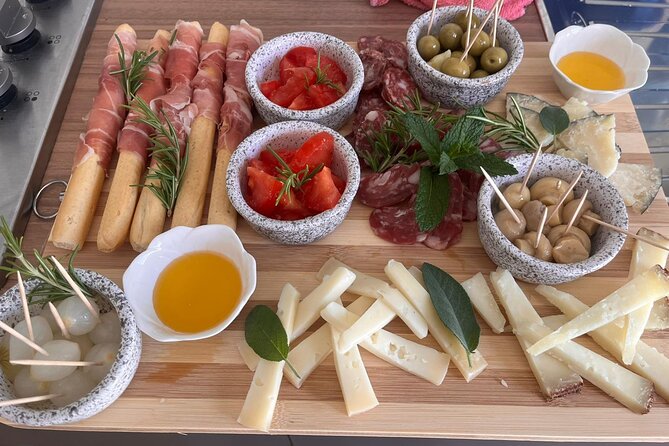
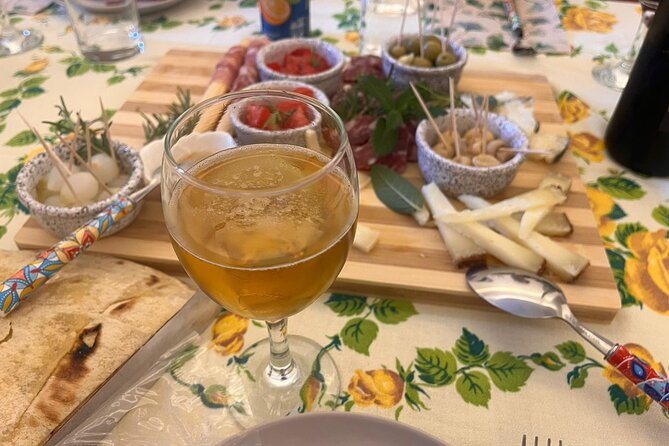
Once the pasta work is finished, the experience shifts from lesson to lunch or dinner. The first course is a Sardinian antipasto platter with regional cheeses, cured meats, and local honey.
This is more than a waiting snack while the pasta cooks. It gives you a quick introduction to the island’s pantry, where salty cured meats and cheese meet the sweetness of honey. It also gives you time to sit down, talk, and enjoy the meal at an easy pace.
Regional wine is included during the meal, along with water. Wine helps make the experience feel like a shared Sardinian table rather than a cooking demonstration followed by a rushed bite. If you do not drink alcohol, the supplied details do not specify an alternative, so mention your needs in advance.
The class can accommodate food allergies if you let the host know. Do this before the experience, not when the antipasti are already on the table. Specific substitutions are not listed, so the safest approach is to ask what can be adjusted.
More Pasta Classes with Wine in Italy:
- Florence: Pasta Cooking Class with Unlimited Wine
★ 4.9 · 10,285 reviews - Florence: Pasta & Tiramisu Cooking Class with Unlimited Wine
★ 4.9 · 6,708 reviews - Florence: Pasta Cooking Class with Unlimited Wine
★ 5.0 · 6,413 reviews - Rome: Pasta & Tiramisu Class with Fine Wine by the Vatican
★ 4.9 · 4,852 reviews
Eating the pasta you made yourself
The main course includes both fresh tagliatelle and the culurgiones you prepared. They are served with traditional sauces, allowing you to taste the finished dishes as part of a complete Sardinian meal.
This is where the class earns much of its value. You are not just taking home a recipe or watching a chef shape pasta. You see the dough change under your hands, then eat the result while the method is still fresh in your mind.
The meal is described as a three-course lunch or dinner, with the pasta course listed as two preparations. Some descriptions also refer to several beautifully prepared dishes, so expect a generous meal rather than a single tasting plate. Exact sauces are not specified, which means the menu may depend on what is being prepared that day.
The food is designed to be satisfying. Several people left feeling very full, and that is worth noting if you have plans for a large dinner afterward. Schedule this as your main meal for the time of day rather than treating it as a light activity with a small snack.
Dessert and homemade Mirto
Dessert finishes the meal with a traditional Sardinian sweet. The exact dessert is not named, so do not book expecting one particular recipe. The point is a complete regional meal, ending with something made in the local style.
Then comes homemade Mirto, Sardinia’s famous myrtle liqueur. It is usually served as a small after-meal drink, and here it acts as a final local touch rather than the focus of the class.
If you enjoy trying regional drinks, Mirto adds something you would not get from a standard pasta lesson. If you avoid alcohol, note that both wine and Mirto are part of the advertised meal, so tell the host about your preference ahead of time.
Is $94.82 a fair price?
At $94.82 per person, this class is not the cheapest way to eat pasta in Sardinia. It is also more than a short demonstration because the price covers instruction, ingredients, a full meal, wine, dessert, Mirto, and digital recipes.
I see the value in the combination. You receive roughly three hours of hands-on teaching, learn two pasta types, and eat what you make alongside a full selection of local foods. The group limit of six improves the odds that you will receive useful help rather than simply stand behind other people.
The recipes add value after the trip. A cooking experience is easy to forget if it ends with a meal and no way to repeat it. Digital recipes give you a practical souvenir, especially if you want to recreate culurgiones for friends at home.
The price makes the most sense if you view this as both a meal and a cultural activity. If you only want a plate of pasta, a restaurant will cost less. If you want to understand how the pasta is made and share a meal in a home setting, the package is more convincing.
Who will enjoy this class most
I would recommend it to food-focused visitors who want something more active than a restaurant meal. It suits anyone curious about Sardinian cooking, especially if culurgiones are new to you.
Beginners should feel comfortable here. The teaching is step by step, and personal guidance is part of the format. You do not need to arrive with pasta-making skills.
It also works well for couples or friends who enjoy eating together after doing something practical. The small group keeps the atmosphere more personal, but you should be happy sharing the lesson and meal with other people.
This may not suit you if your schedule is tight around central Cagliari and you do not want to travel to Sestu. It may also be less appealing if you dislike group dining, alcohol, or a substantial meal in the middle of your day. The class is offered only in English, so it is not designed for visitors seeking instruction in another language.
Practical details that matter on the day
Plan around three hours, and leave enough time to reach Via G. Matteotti 34. The activity ends back at the meeting point, so there is no separate restaurant or city-center finish to arrange around.
The class is offered in English and accepts service animals. It is near public transportation, and parking has been described as easy, but exact directions and transport instructions are not provided in the supplied details. Check the route before the day of the class.
Tell the host about food allergies in advance. The meal includes cheese, cured meats, honey, pasta, wine, dessert, and Mirto, so the menu contains several ingredients and drinks worth discussing if you have dietary limits.
Free cancellation is available up to 24 hours before the start time. If you cancel or make changes less than 24 hours ahead, you will not receive a refund, and changes are not accepted inside that window. The cut-off follows local time.
My verdict: book it for the food and the personal setting
Book this class if you want to learn two real Sardinian pasta traditions, eat a full home-cooked meal, and spend time with a patient local chef. The strongest reasons are the small group, Giulia’s hands-on teaching, and the chance to make culurgiones rather than simply watch them being prepared.
I would hesitate only if Sestu is awkward for your itinerary, if you need a private class, or if the included wine and Mirto do not suit you. For most food lovers with three hours to spare, the combination of practical skills, generous meal, and recipes to take home makes this a worthwhile Cagliari-area experience.
FAQ
Where does the cooking class meet?
It meets at Via G. Matteotti 34, 09028 Sestu CA, Italy. The experience ends back at the same meeting point.
How long does the experience last?
The class lasts approximately three hours.
What pasta will I learn to make?
You will learn to prepare culurgiones, Sardinian ravioli filled with potato and mint, and fresh tagliatelle.
Is previous cooking experience required?
No. The class is designed for beginners and includes step-by-step instruction with personal guidance.
What food and drinks are included?
The meal includes Sardinian antipasti with cheeses, cured meats, and honey, the fresh pasta and culurgiones you prepare, a traditional dessert, regional wine, water, and homemade Mirto liqueur.
How many people can join the class?
The maximum group size is six people.
Can I cancel for a full refund?
Yes, if you cancel at least 24 hours before the experience start time. Cancellations or changes made less than 24 hours ahead are not accepted for a refund.
Fresh off the board around Italy
- Vicenza: Pasta & Tiramisu Cooking Class at a Local’s Home★ 5.0 · 5 reviews
- Verona: Pasta & Tiramisu Cooking Class at a Local’s Home★ 5.0 · 16 reviews
- Volterra: Fresh Pasta Cooking Class at a Tuscan Farmhouse★ 5.0 · 33 reviews
- Verona: Tortellini Cooking Class and Lunch with Mamma Ivana★ 5.0 · 20 reviews
- Verona: My Granny’s secrets making gnocchi★ 5.0 · 7 reviews
- Verona: Prosecco and Pasta Making Class at a Local’s Home★ 5.0 · 10 reviews
- Venice: Pasta Carbonara Cooking Class with Wine★ 5.0 · 3 reviews
- Venice: Share Your Pasta Love in a Local’s Home★ 4.8 · 20 reviews
Ravioli and Gnocchi Classes, class by class.
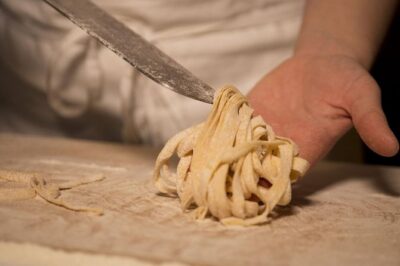
3 in 1 Cooking Class near Navona: Fettuccine, Ravioli & Tiramisu
Read our review →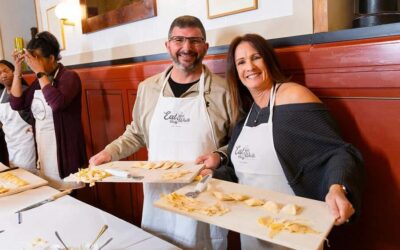
3-in-1 Fettuccine, Ravioli, and Tiramisu Cooking Class
Read our review →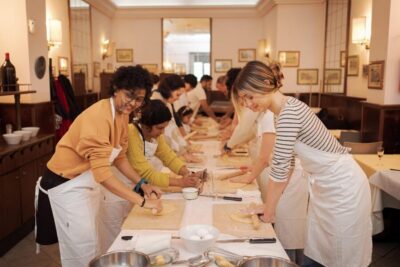
Fettuccine Pasta Cooking Class in Rome’s City Center
Read our review →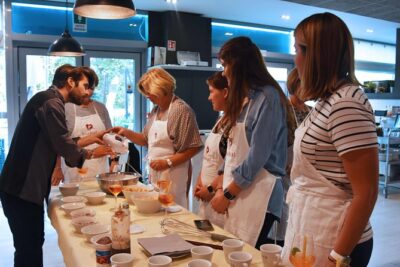
Become a Masterchef in Rome: Pasta, Ravioli and Tiramisù Class
Read our review →
Fettuccine & Tiramisù: Cooking Class with Wine & Limoncello
Read our review →
Rome Pasta and Tiramisu Class: Ravioli, Fettuccine & Fine Wine 5*
Read our review →
Pasta Cooking Class in Rome – Fettuccine Class in Piazza Navona
Read our review →
Lists this class appears in