
Review · ROME
From Rome: Pasta Fresca Cooking Class in a Farmhouse with a Local
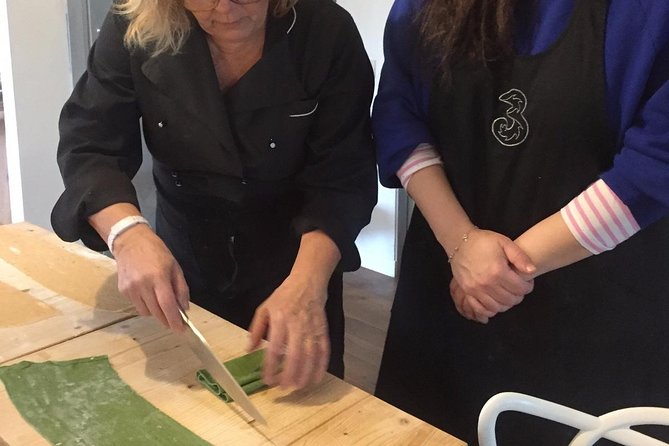
The best part of this outing is that it takes you out of Rome and into Claudia and Bruno’s farmhouse kitchen in Zagarolo, where lunch is built from scratch. You may gather herbs and vegetables from the garden, make pasta by hand, and sit down to eat with the family afterward. I like the personal teaching and the chance to see how a Roman Sunday lunch works at home. I also like the small group limit of eight, which keeps the class from feeling like a factory line.
The main consideration is the travel and coordination. You need to reach Zagarolo, usually by train from Rome, and the experience depends heavily on clear arrangements for pickup at the station. One booking reportedly suffered a no-show and poor communication, so confirm the meeting details before setting out.
Key points to know before booking
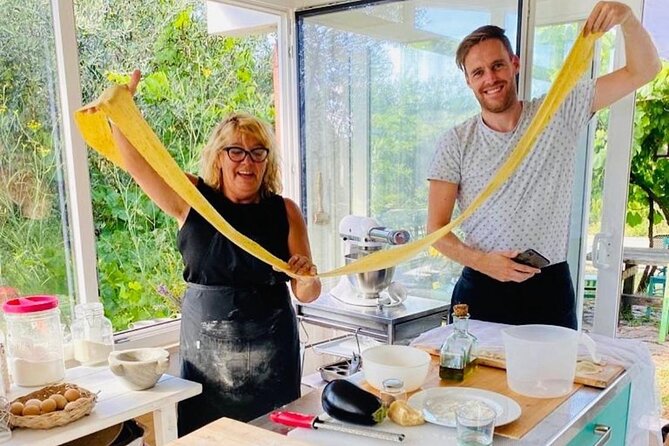
- Claudia leads a hands-on class: You make fresh pasta, sauces, starters, a main course, and dessert rather than simply watching a demonstration.
- Zagarolo offers a real countryside break: The train ride from Rome is about 30 minutes, followed by a transfer to the farmhouse.
- Seasonal menus change: Summer may bring sorbets and ice cream, while winter can mean sfogliatelle and stuffed pasta.
- Bruno adds music and local warmth: He may play the keyboard, sing, show you the property, and serve homemade wine.
- The meal is part of the lesson: You sit down afterward for a full Roman-style lunch, often with family members joining you.
- The price reflects more than cooking: At $119.48 per person, you are paying for instruction, food, wine, a countryside setting, and a small-group visit.
Leaving Rome for Zagarolo and the Roman countryside
Rome is full of cooking classes, but many take place in central apartments or polished teaching kitchens. This one begins with a short trip to Zagarolo, a town outside the city where olive trees, vineyards, gardens, and family homes replace traffic and tour groups.
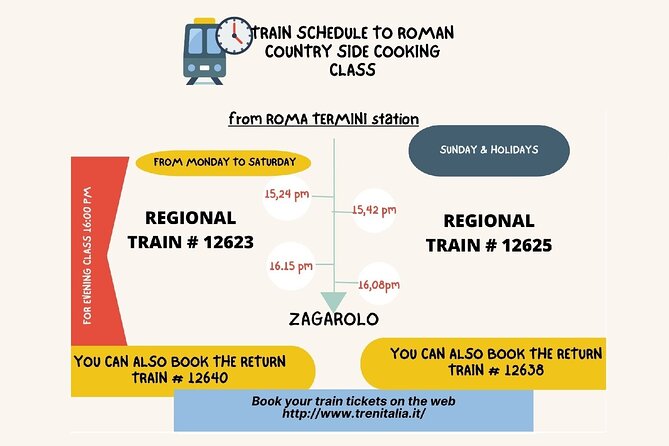
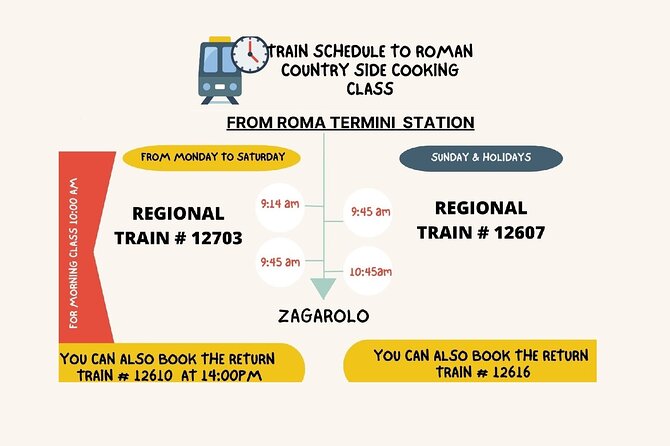
The train ride from Roma Termini has been described as simple and pleasant, taking roughly 30 minutes. You arrange to meet the hosts at Zagarolo station. Bruno has picked up participants there and driven them to the house, sometimes adding a quick look at the medieval town along the way.
That transfer matters. It turns the class into a half-day outing rather than another activity squeezed between the Pantheon and the Trevi Fountain. You get a change of pace, though you also need to allow time for the train and pickup. This is not a class you can casually reach on foot from your hotel.
Make sure you have the meeting instructions before the morning of your class. The advertised starting point is in Zagarolo, and the experience ends back there. Since one failed booking involved no pickup and unanswered messages, I would confirm the train plan, station meeting point, and contact details in advance.
More Fresh Pasta Workshops in Rome
- Rome: Pasta Making Class with Wine, Limoncello, and Dessert
★ 4.9 · 3,177 reviews - Enjoy Spritz and Pasta Making in Piazza Navona
★ 5.0 · 1,681 reviews - Pasta Making & Wine Tasting with Dinner in Frascati from Rome
★ 5.0 · 1,326 reviews
Arriving at Claudia and Bruno’s farmhouse
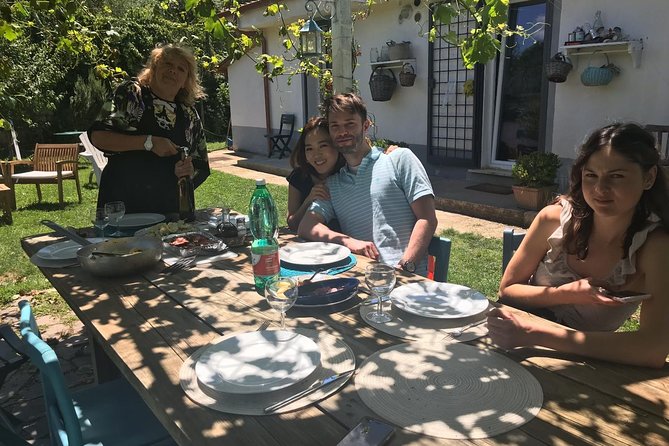
The farmhouse is the heart of the visit. Claudia’s kitchen is described as large enough for practical work, while the property includes a garden, olive trees, fruit trees, and a small vineyard. Depending on the season, you may collect rosemary, other herbs, vegetables, cherries, mulberries, olives, or zucchini blossoms.
This garden time gives the food a clear sense of place. You are not just told that ingredients are local. You may walk outside and pick some of them yourself before carrying them into the kitchen. That small step makes the meal feel connected to the property.
The welcome can include coffee and biscuits before the cooking begins. Bruno may show you where wine is made, and the household dog has greeted some arrivals. These details are not guaranteed as a fixed schedule, but they help explain the tone of the visit: this is a family home that opens its doors, not a staged restaurant kitchen.
You should be comfortable with a relaxed, social setting. Claudia may be joined by Bruno, Angela, Jules, or other family and friends, depending on the day. The class is capped at eight people, so it remains personal, but it is not necessarily a private lesson for only you and your companion.
Cooking a Roman Sunday lunch with Claudia
Claudia’s approach is practical. She explains a technique, demonstrates it, and then lets you work. The menu changes with the season and with the ingredients available, so you should not expect one rigid list of dishes every time.
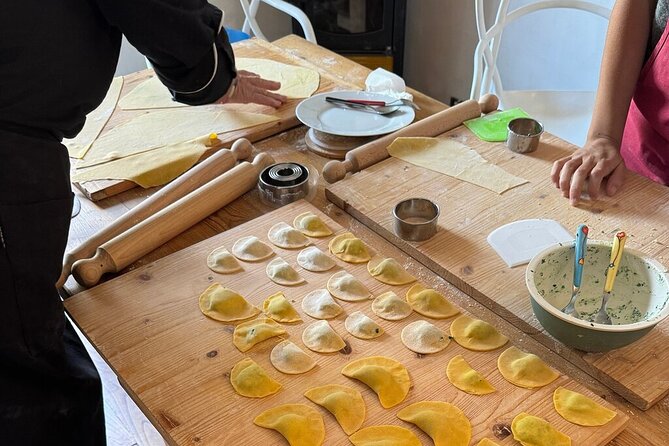
The class can include vegetable fritters, savory strudel, croutons with vegetables and cheese, or other small starters. Fresh pasta is the main event. You may prepare fettuccine, ravioli, lasagne, cannelloni, or stuffed pasta, using flour from a local mill and eggs supplied by a farmer.
Past menus and cooking sessions have included spinach pasta carbonara, fettuccine with Amatriciana sauce, pumpkin ravioli, spinach and ricotta ravioli, and Swiss chard ravioli. You may also learn to shape more than one type of pasta in the same session. That is useful if you want skills you can repeat at home, rather than one impressive dish that is hard to reproduce.
The second course can be rolls or saltimbocca. One menu included beef wrapped with prosciutto, cheese, and herbs. For vegetarians, a special dish is prepared, and dietary changes have been accommodated, including a gluten-free preference. You should share dietary needs before arrival so Claudia has time to adjust the plan.
Vegetables may be grilled or fried, including eggplant, artichokes, zucchini blossoms, and sage leaves. These dishes add variety to the meal and show how much Italian home cooking depends on good produce and simple preparation. You are not only making pasta, then waiting for it to boil.
Dessert also changes. Depending on the season, you might make a tart, parfait, sorbet, ice cream, tiramisu, or another sweet. Fresh cherries and mulberries have been used for sorbetto, while other sessions included tiramisu or rum baba. The menu is part of the charm, but it also means you should book for the process rather than for one exact dish.
Why the small group size improves the lesson
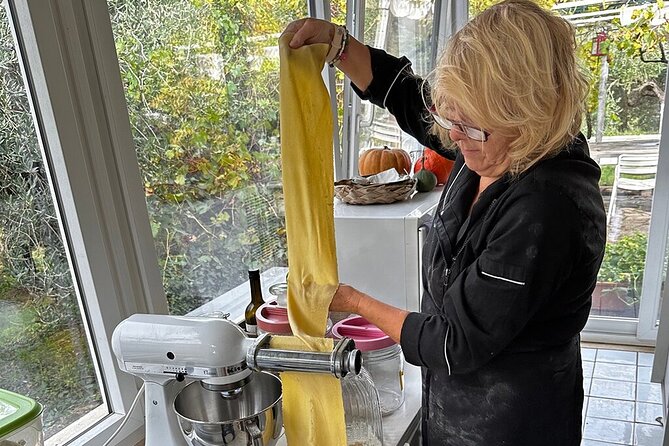
A maximum of eight people is a useful limit for a cooking class. You have a better chance to handle the dough, shape ravioli, ask questions, and get help when something goes wrong. Claudia can also adjust the pace and menu more easily than a large commercial school.
I especially like that the class is built around participation. You are not standing at the back while a chef prepares everything. You roll, fill, fold, season, fry, bake, and assemble. The recipes are explained along the way, including the small decisions that make pasta work at home.
The private-instructor wording needs a little context. The class has a personal feel, but the experience can include several people, up to eight. If you want a fully private booking, verify that point before paying. If you are happy to share the kitchen with a small group, the format should feel much more individual than a large city class.
Same flour, a different shape to roll:
- 3 in 1 Cooking Class near Navona: Fettuccine, Ravioli & Tiramisu
★ 5.0 · 7,376 reviews - Rome: Pasta & Tiramisu Class with Fine Wine by the Vatican
★ 4.9 · 4,852 reviews - Rome Cooking Class: Make Pasta and 3 Spritz Cocktails
★ 5.0 · 2,937 reviews - Rome: 3-in-1 Fettuccine, Ravioli, and Tiramisu Cooking Class
★ 4.9 · 2,704 reviews
Sitting down for the meal, wine, and music
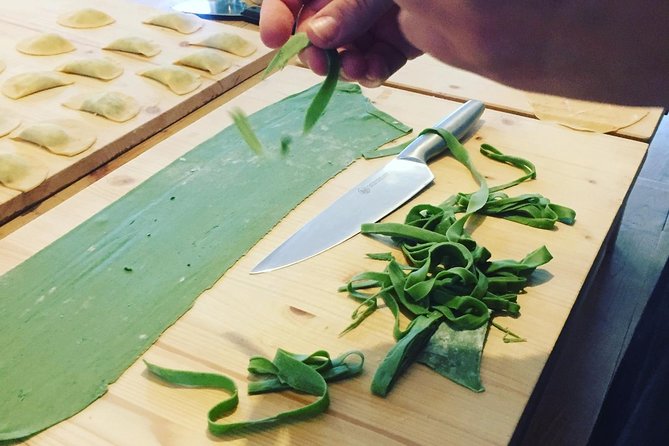
The cooking ends at the table. You eat the dishes you helped prepare, often with homemade wine and olive oil from the property. Lunch may take place in the farmhouse living room or outside, looking toward the olive grove and vineyard.
This shared meal is one of the strongest reasons to choose the experience. You get to taste the food while it is fresh, but you also see how the separate parts fit together as an Italian family lunch. The point is not just to leave with a recipe. It is to understand the rhythm of preparing several dishes, serving them together, and taking time to eat.
Bruno is often part of the atmosphere. He may play the keyboard, sing Italian or American songs, pour wine, and keep conversation moving. On some occasions, his music has continued during the cooking and lunch. That will appeal to you if you enjoy a lively family welcome. It may feel less suitable if you want a quiet, tightly timed professional workshop.
The meal can also include family members or friends. That makes the visit feel generous and informal, but the social element is worth noting. You are entering someone’s home and sharing their table, so this is a better fit for people who enjoy conversation than for anyone seeking a strictly independent cooking lesson.
What the $119.48 price really covers
At $119.48 per person, the cost is higher than a basic pasta demonstration in Rome, but the comparison is not quite fair. The price includes about three and a half hours, hands-on instruction, multiple courses, the meal, homemade wine, and the trip into the countryside.
You are also paying for a small group and a setting that a central-city class cannot easily copy. Picking herbs in the garden, touring olive trees and a vineyard, and eating in the hosts’ home add value if those details matter to you.
The price is less compelling if you only want to learn one pasta shape quickly. You may spend part of the morning on transport and social time rather than cooking. For a first visit to Rome packed with major sights, that time commitment deserves thought.
I would consider it good value for couples, food-focused visitors, honeymooners, and anyone who wants a slower day outside the city. It is also useful for people who plan to cook at home afterward. The instruction covers several techniques, and the recipes are practical enough to repeat.
Timing, transport, and the one important caution
The listed duration is approximately three hours and thirty minutes. In practice, you should treat it as a half-day plan because reaching Zagarolo and returning to Rome add travel time. Do not schedule a major timed attraction immediately afterward.
The train from Rome has been described as easy, with the journey from Roma Termini taking about 30 minutes. Bruno has collected participants from Zagarolo station and returned them in time for the train. Still, pickup is the part that needs the clearest confirmation.
The strong overall rating, 4.9 from 62 reviews and a 98 percent recommendation rate, indicates that the experience usually works very well. The repeated praise centers on Claudia’s cooking, the warmth of Claudia and Bruno, fresh ingredients, music, homemade wine, and the peaceful farmhouse setting.
There is one serious warning: a booking ended in a no-show, with unanswered messages and no one at the station. That appears to be an exception among otherwise very positive feedback, but it is not a detail to ignore. Contact the provider before departure, keep your booking confirmation handy, and make sure you know exactly where to wait.
Free cancellation is available up to 24 hours before the start time. Changes or cancellations inside that window are not accepted for a refund, and the cutoff follows local time.
Who will enjoy this Zagarolo cooking class most
I would choose this for you if food is one of the main reasons you came to Italy. It is also a strong pick if you have already seen Rome’s central sights and want a day with more personal contact and less pavement.
Couples and honeymooners should find the farmhouse setting appealing. Families and friends can also enjoy the shared work, especially if everyone likes to cook or eat. The eight-person limit keeps the class manageable, while the garden and music give non-cooks something to enjoy between tasks.
Vegetarians can request a special dish, and gluten-free adjustments have been made before. Share those needs early. The menu is seasonal, so flexibility helps.
I would think twice if you need a guaranteed menu, a formal professional kitchen, or a tightly controlled schedule. The experience changes with the season and the household. Its strength is the personal setting, and that also means it will not feel as polished or predictable as a large cooking school.
Should you book it?
Book it if you want a real countryside visit built around food, not merely a pasta lesson. Claudia’s instruction, Bruno’s music, the garden, homemade wine, and the long shared meal create a day with more character than a standard city class.
Before booking, confirm the station pickup and your dietary requests. Leave enough time for the train and return journey, and accept that the menu may change. If you can handle that flexibility, this is a memorable choice for a Rome itinerary, especially when you want one day that feels connected to an Italian home rather than another stop on a city checklist.
FAQ
Where does the cooking class take place?
The class takes place at a farmhouse in Zagarolo, in the Metropolitan City of Rome Capital, Italy. The activity starts and ends at the meeting point in Zagarolo.
How long does the experience last?
The cooking class lasts approximately three hours and thirty minutes. You should also allow extra time for the journey between Rome and Zagarolo.
How do I reach Zagarolo from Rome?
The experience is commonly reached by train from Roma Termini to Zagarolo. The train ride is about 30 minutes, and pickup at Zagarolo station has been provided by Bruno.
Who teaches the class?
Claudia leads the cooking instruction. Bruno often helps with transportation, the property visit, homemade wine, music, and singing. Angela, Jules, or other family and friends may also be present.
What food will I prepare?
The menu changes by season. Possible dishes include fresh fettuccine, ravioli, lasagne, stuffed pasta, vegetable starters, saltimbocca or rolls, and desserts such as tiramisu, sorbet, parfait, or tart.
Can dietary needs be accommodated?
Vegetarian dishes are available, and gluten-free adjustments have been made for previous participants. Contact the provider with your needs before the class so the menu can be planned.
What is the cancellation policy?
You can cancel for a full refund up to 24 hours before the experience starts. Cancellations or changes made less than 24 hours before the start time are not accepted for a refund.
More Farm Cooking Classes in Rome
- Florence Pizza or Pasta Class with Gelato Making at a Tuscan Farm
★ 5.0 · 6,801 reviews - Florence: Pizza or Pasta Class with Gelato at a Tuscan Farm
★ 4.9 · 1,181 reviews - Alghero Home Cooking Pasta Class at a Farmhouse with Wine
★ 5.0 · 130 reviews - Volterra: Fresh Pasta Cooking Class at a Tuscan Farmhouse
★ 5.0 · 33 reviews
Fresh off the board around Rome
- Spritz and Pasta! Spritz, Fettuccine & Tiramisù★ 5.0 · 2 reviews
- Trastevere Food Tour with Pasta-Making Class★ 5.0 · 5 reviews
- Rome: Pasta and tiramisu class with wine pairing at Come Na Vorta★ 5.0 · 30 reviews
- Top Class in Fettuccine, Ravioli, and Tiramisu★ 5.0 · 7 reviews
- Traditional Pasta Cooking Class with Tiramisu Small Group★ 5.0 · 7 reviews
- The Pasta Factory Class★ 4.5 · 21 reviews
- The Original Fettuccine Alfredo Experiences in Roma★ 4.5 · 38 reviews
- Italian Pasta & Dessert Class in Historic Center (3-Course Meal)★ 5.0 · 2 reviews
Fresh Pasta Workshops, class by class.
Pasta Making Class with Wine, Limoncello, and Dessert
Read our review →

Enjoy Spritz and Pasta Making in Piazza Navona
Read our review →
Pasta Making & Wine Tasting with Dinner in Frascati from Rome
Read our review →
The Secrets to Learn Fresh Pasta and Tiramisù in a Glam Home
Read our review →
Handmade Pasta & Dessert Class with Unlimited Wine
Read our review →Lists this class appears in