
Review · ROME
3 in 1 Cooking Class near Navona: Fettuccine, Ravioli & Tiramisu
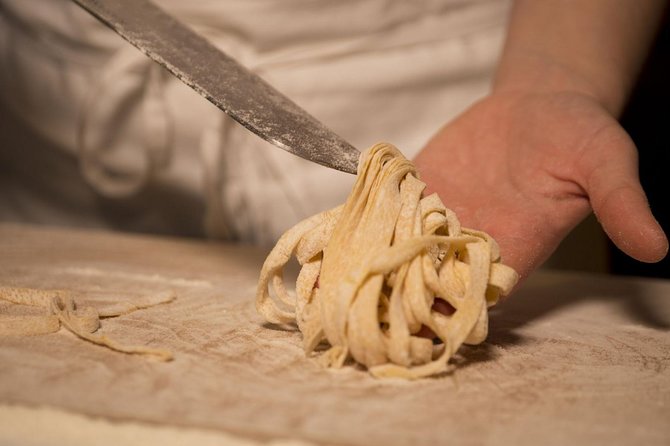
Fresh pasta is the main event here, but the clever part is the three-course rhythm: you begin with tiramisu, move on to fettuccine and ravioli, then sit down to eat what you made. I like the hands-on format and the friendly teaching style reported from chefs such as Mimi, Lori, Carlotta, Leo, Maria, and Paris. You are not left to watch a demonstration from across the room.
I also like the useful finish: wine, water, coffee or limoncello, and recipes you can recreate at home. The main thing to know is that the sauces are not made during class. You choose among Cacio e Pepe, tomato and basil, or Amatriciana, but the instruction focuses on pasta, ravioli filling, and tiramisu.
Key points to know before booking
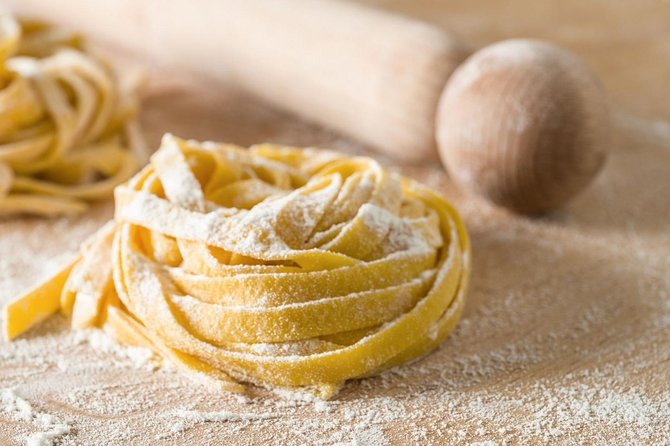
- Three Italian staples in about three hours: Make tiramisu, fettuccine, and ricotta ravioli in one class.
- Several start times: You can choose a schedule that fits around sightseeing near Piazza Navona.
- English-language instruction: The class is designed for beginners and experienced home cooks alike.
- A social meal follows the lesson: Your handmade pasta is cooked and served with wine or a soft drink.
- Family-friendly teaching: Children and first-time pasta makers have been included successfully, with chefs helping at the table.
- A small but important limitation: Sauces are selected, not prepared by participants.
Making three Italian classics near Piazza Navona
At $83.44 per person, this is not a bargain meal in Rome. It is a cooking lesson, a shared dinner, and a bit of entertainment in one package. I think the price makes sense if you want more than another restaurant table and would like to leave Rome with skills you can use.
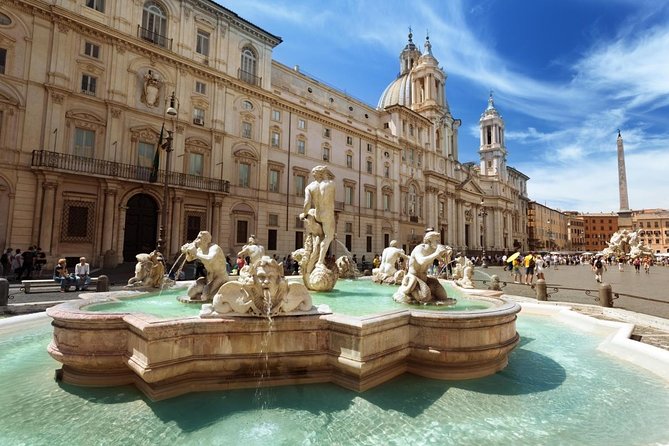
The location on Via Giuseppe Zanardelli, near Piazza Navona, is practical for a day in central Rome. You make your own way to the cooking facilities, and the activity finishes at the same place. Since the class runs roughly three hours, it can work as an afternoon break from monuments or as an evening plan.
The group can reach 18 people. That is not an intimate private lesson, but it is still small enough for a chef to circulate and help. The most useful detail from the class format is that you work at your own table rather than simply watching someone else prepare pasta. That difference matters. Dough feels very different in your hands than it looks in a video.
The chefs vary by session. Names associated with the class include Mimi, Lori, Carlotta, Leo, Maria, Paris, Mattia, Tom, Furio, and others. The teaching style described across the experience is consistent: clear instructions, patience, humor, and plenty of encouragement for people making pasta for the first time.
More Ravioli and Gnocchi Classes in Rome
- Rome: 3-in-1 Fettuccine, Ravioli, and Tiramisu Cooking Class
★ 4.9 · 2,704 reviews - Rome: Fettuccine Pasta Cooking Class in Rome’s City Center
★ 4.8 · 2,414 reviews - Become a Masterchef in Rome: Pasta, Ravioli and Tiramisù Class
★ 5.0 · 2,156 reviews
Tiramisu comes first, and that is smart
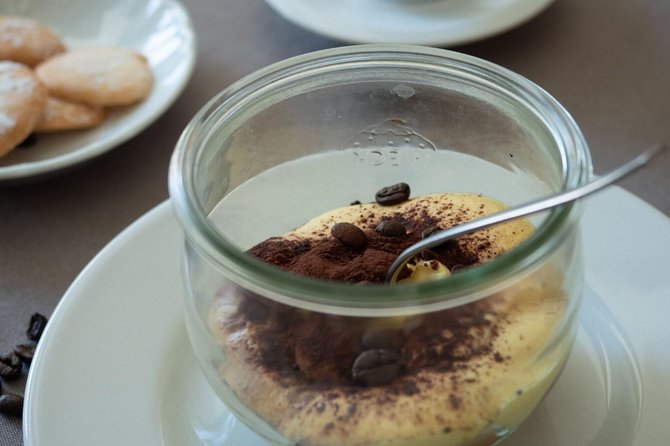
The class begins with tiramisu. This may seem backward if you are expecting to start with dough, but it is a sensible way to organize the lesson. The dessert needs time to rest, and making it first gives you something to look forward to while you work through the pasta.
You prepare an individual tiramisu using the traditional recipe. The class also allows some flexibility. One participant received an alternative to coffee because of a coffee allergy or preference, so it is worth raising dietary concerns when you arrive. The provided information does not promise a full range of substitutions, so do not assume every request can be accommodated.
Tiramisu is also the easiest part of the class for a complete beginner. You can follow the steps without the pressure of rolling a perfect sheet of dough. It gives you an early success, then leaves the dessert to chill while you make the main courses.
I like this part because it turns a familiar restaurant dessert into something practical. You learn the order of the layers and the basic method, not just how to spoon a portion from a dish. At the end, you eat the tiramisu you made yourself, along with coffee or a shot of limoncello.
Fettuccine teaches you what fresh dough can do
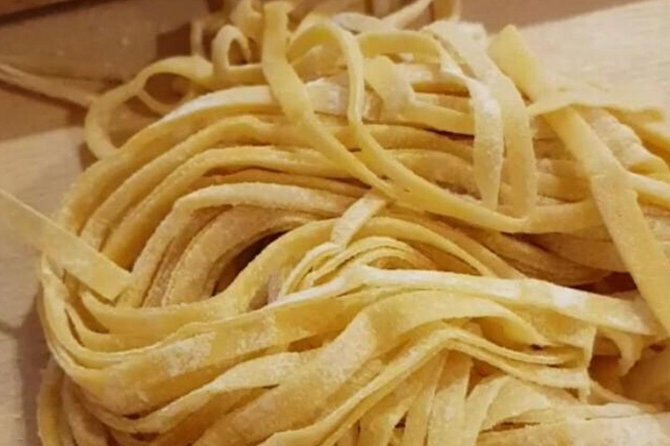
Next comes fresh fettuccine. The class is designed to make pasta approachable, so you should not need prior cooking experience. The chef gives instructions at the table, then helps as you mix, work, and shape the dough.
This is where patience matters. Pasta dough can feel stiff at first, and the finished noodles may not look identical from one person to the next. That is part of the fun, and the chefs are there to keep beginners moving instead of letting a small mistake spoil the afternoon.
The fettuccine is served with your choice of three Roman-style sauces:
- Cacio e Pepe
- Tomato and basil
- Amatriciana
You do not make these sauces yourself. The kitchen prepares the selected sauce, cooks the pasta, and serves the finished dish. This arrangement keeps the class manageable and lets you concentrate on the pasta, but it also means the experience is not a complete lesson in Roman sauce making.
That distinction is easy to miss when you see the class described as a cooking experience. If your main goal is to learn how to make Cacio e Pepe or Amatriciana from scratch, this is not the right class. If your main goal is fresh pasta, it works well.
A useful touch is that your individual pasta can be served back to you after cooking. You are not simply contributing dough to one large communal dish. That makes the meal feel more connected to the work you did, especially if your group includes children or people with different tastes.
Ravioli adds the most satisfying challenge
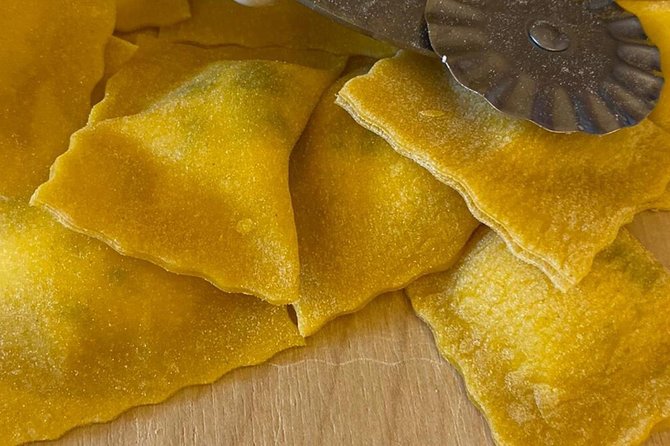
Ravioli is the part I would pay closest attention to when comparing this class with a basic pasta lesson. You learn to make the pasta sheets, prepare the filling, and seal the ravioli. The filling uses ricotta and Parmigiano, with seasonal ingredients guiding the preparation.
The traditional serving is simple: butter and sage. That is a good match for handmade ravioli because it does not bury the pasta under a heavy sauce. You can taste the filling and the texture of the dough.
Ravioli takes a little more care than fettuccine. You need to portion the filling, avoid trapping too much air, and seal the edges properly. A patient instructor makes a real difference here. Chefs such as Lori, Carlotta, Leo, and Mimi are repeatedly described as attentive and willing to help people who fall behind.
The class keeps this approachable rather than turning it into a technical culinary course. You will learn a useful home method, but you should not expect professional-chef training or a long explanation of regional pasta traditions. The value is in doing the task yourself, then eating the result a short time later.
For many people, ravioli becomes the highlight because it feels like a proper project. Fettuccine is satisfying, but ravioli gives you more to remember when you return home.
More Tiramisu Classes in Rome
- Rome: Pasta & Tiramisu Class with Fine Wine by the Vatican
★ 4.9 · 4,852 reviews - Learn to Make Pasta & Tiramisu with Wine and Limoncello Included
★ 5.0 · 2,345 reviews - Fettuccine & Tiramisù: Cooking Class with Wine & Limoncello
★ 4.9 · 2,103 reviews - Rome: Pasta & Tiramisu Cooking Class near the Spanish Steps
★ 4.8 · 1,395 reviews
The meal is part of the lesson
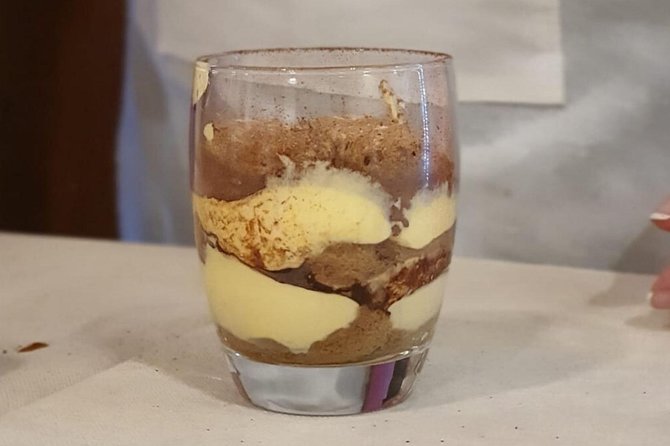
After the preparation, the kitchen cooks your pasta and serves it. You sit down with wine or a soft drink, water, and the food you helped prepare. The meal includes the fettuccine, ravioli, and tiramisu.
The included drink is a glass of wine or a soft drink, with water provided. After dessert, you can choose hot coffee or limoncello. Extra food and drinks cost more, so keep that in mind if you arrive very hungry or want several glasses of wine.
One honest point is portion size. The meal is intended to be a satisfying tasting and dinner experience, but at least one account found the portions a little small. I would not book this expecting a large Roman feast. You are paying for instruction and an organized meal, not only for the amount of food on the plate.
The setting may include a covered outdoor eating area. That can be pleasant in good weather and was useful in rainy conditions, keeping the meal warm and dry. Since the exact seating arrangement can vary, treat this as a possible feature rather than a guaranteed attraction.
The social element is part of the appeal. You eat with the people from your class, which makes this a good choice for solo visitors who want an easy shared evening, couples looking for an activity beyond sightseeing, and families who enjoy doing something together.
Why the teaching style matters
A cooking class succeeds or fails on the instructor. Here, the strongest pattern is not a particular chef but the teaching approach. Mimi is described as bubbly and clear. Lori is praised for patience, humor, and steady help. Carlotta brings energy and hands-on direction. Leo is appreciated for detailed explanations and a relaxed manner. Maria is noted for circulating through a large group and helping anyone who is struggling.
That matters more than fancy equipment. A beginner needs someone who notices when the dough is too dry, explains the next step without making a fuss, and keeps the whole table moving at a comfortable pace.
The class also works for non-cooks. One family included a 20-year-old who did not cook and still enjoyed the activity. Children around 11 have also taken part successfully. You should expect children to need some adult help, particularly during ravioli assembly, but the format is not limited to serious food enthusiasts.
The class is offered in English. That removes one practical worry for many international visitors, though Italian food terms will naturally appear along the way.
Is $83.44 good value?
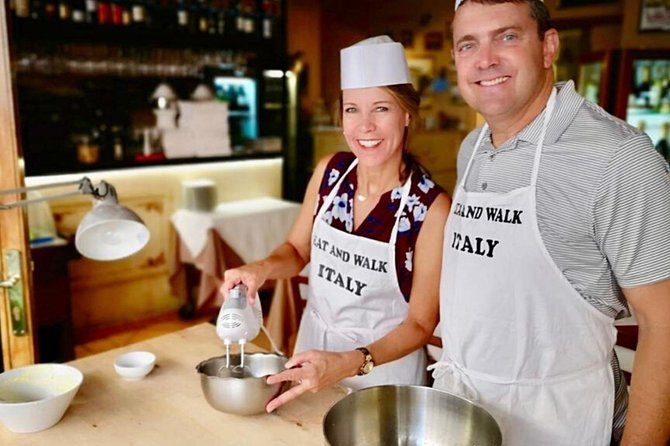
I see three parts to the price: instruction, food and drinks, and the location in central Rome. A three-hour class near Piazza Navona costs more than buying a bowl of pasta, but it also gives you an activity during the meal and recipes to take home.
The recipe follow-up is especially useful. Participants have received instructions for the tiramisu, pasta, and three sauces. That gives the class a life beyond your Roman holiday. If you make the dishes again for friends or family, the cost spreads across more than one meal.
The value is weaker if you only want dinner. In that case, Rome has plenty of restaurants where you can eat for less or order more food. The value is stronger if you want a scheduled activity, a social setting, and enough guidance to repeat the dishes.
The class is also a sensible choice on a rainy day or after two days of walking among the Forum, Colosseum, and Vatican. You get a few hours sitting down without giving up the feeling that you are doing something distinctly Italian.
Timing, booking, and cancellation details
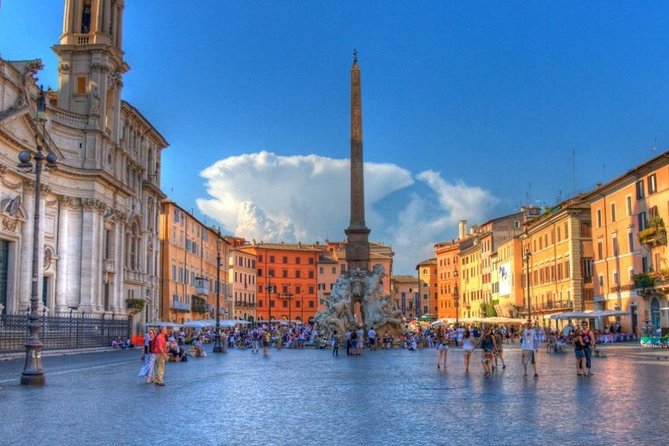
You can choose from several start times throughout the day. That flexibility helps you fit the class around major sights, but leave enough time to reach Via Giuseppe Zanardelli, 14 without rushing. The meeting point is near public transportation, and the activity returns there at the end.
This class is popular, with advance bookings averaging about 40 days. If you are visiting during a busy period, I would reserve early rather than count on a convenient last-minute time. One family did book only two days ahead, but that should be treated as luck, not a plan.
Confirmation arrives when you book, and the mobile ticket is convenient for sightseeing days. Free cancellation is available up to 24 hours before the start time. Inside that window, the payment is not refunded, and changes are not accepted.
Who should book this class?
I would recommend it to first-time pasta makers, families with older children, couples, friends, and solo visitors who enjoy meeting people over food. It is also a good early-trip activity because the techniques can influence what you notice on later restaurant menus.
You will get the most from it if you like participating rather than watching. The class is practical and social, not a quiet private lesson. With up to 18 people, the room may feel lively, and the pace must work for a range of abilities.
I would be cautious if you have serious dietary restrictions, need a very large meal, or specifically want to master sauces. The listed dishes contain dairy, the tiramisu traditionally includes coffee, and the information only confirms a limited alternative. Ask ahead if your diet is important to the booking decision.
Should you book the fettuccine, ravioli, and tiramisu class?
Book it if you want a friendly, hands-on break from Roman monuments and a meal that comes with a story. The strongest features are the three-course structure, patient English instruction, family-friendly approach, and recipes that remain useful after you fly home.
Skip it if you want a private chef lesson, advanced technique, or a full course on Roman sauces. For most visitors who want to make fresh pasta, eat what they prepare, and spend three relaxed hours near Piazza Navona, this is a solid use of time and money.
FAQ
Where does the cooking class begin?
The class begins at Via Giuseppe Zanardelli, 14, 00186 Rome, Italy. The activity also ends back at the meeting point.
How long does the experience last?
The class lasts approximately three hours.
What food will I make?
You will make tiramisu, fresh fettuccine, and ravioli. The ravioli filling uses ricotta and Parmigiano, and the traditional serving is butter and sage.
Can I choose the fettuccine sauce?
Yes. You can choose Cacio e Pepe, tomato and basil, or Amatriciana. The sauces are not made by participants during the class.
What drinks are included?
The experience includes water and a glass of wine or a soft drink. You can also choose hot coffee or a shot of limoncello after the meal.
Can I cancel for a refund?
You can cancel at least 24 hours before the start time for a full refund. Cancellations or changes made less than 24 hours before the experience are not accepted and are not refunded.
Fresh off the board around Rome
- Spritz and Pasta! Spritz, Fettuccine & Tiramisù★ 5.0 · 2 reviews
- Trastevere Food Tour with Pasta-Making Class★ 5.0 · 5 reviews
- Rome: Pasta and tiramisu class with wine pairing at Come Na Vorta★ 5.0 · 30 reviews
- Top Class in Fettuccine, Ravioli, and Tiramisu★ 5.0 · 7 reviews
- Traditional Pasta Cooking Class with Tiramisu Small Group★ 5.0 · 7 reviews
- The Pasta Factory Class★ 4.5 · 21 reviews
- The Original Fettuccine Alfredo Experiences in Roma★ 4.5 · 38 reviews
- Italian Pasta & Dessert Class in Historic Center (3-Course Meal)★ 5.0 · 2 reviews
Tiramisu Classes, class by class.
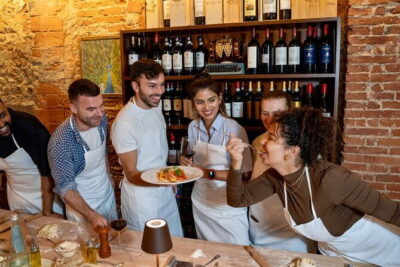
Pasta & Tiramisu Cooking Class with Unlimited Wine
Read our review →
Pasta & Tiramisu Class with Fine Wine by the Vatican
Read our review →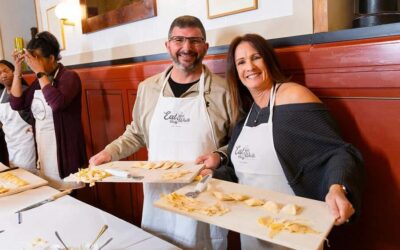
3-in-1 Fettuccine, Ravioli, and Tiramisu Cooking Class
Read our review →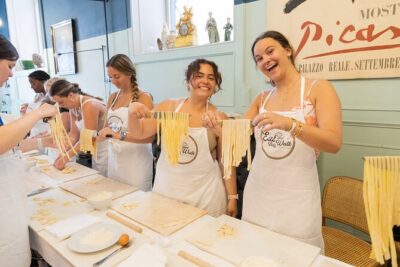
Learn to Make Pasta & Tiramisu with Wine and Limoncello Included
Read our review →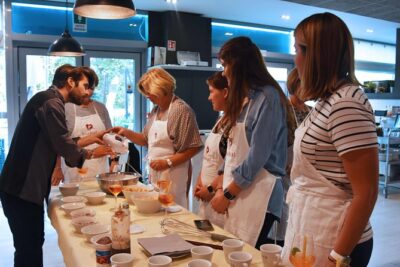
Become a Masterchef in Rome: Pasta, Ravioli and Tiramisù Class
Read our review →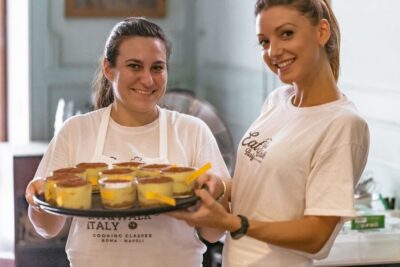
Fettuccine & Tiramisù: Cooking Class with Wine & Limoncello
Read our review →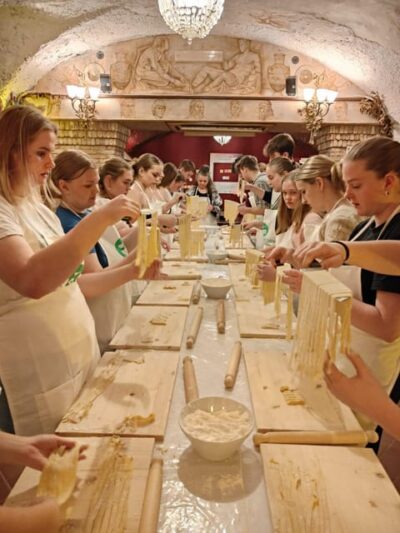
Pasta & Tiramisu Cooking Class near the Spanish Steps
Read our review →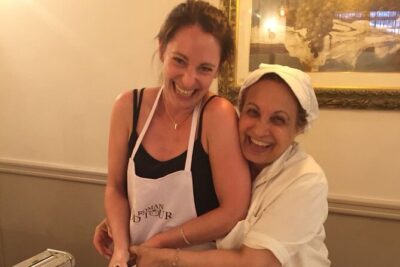
Rome Pasta and Tiramisu Class: Ravioli, Fettuccine & Fine Wine 5*
Read our review →Lists this class appears in