
Review · VERONA
Verona: Hands-on Fresh Pasta and Tiramisù Cooking Class
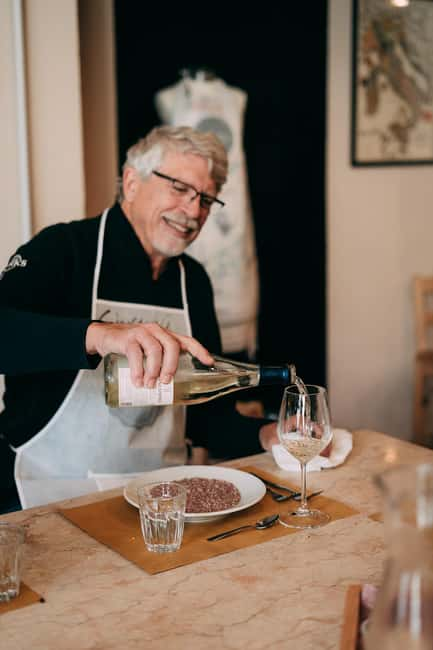
Fresh pasta, creamy risotto, and tiramisù are the heart of this hands-on Verona cooking class. Over 3.5 hours, you work with a chef in a professional kitchen, then sit down to eat the meal you helped create with Valpolicella wine.
I like two things right away: the class focuses on simple techniques you can repeat at home, and the small group keeps the lesson personal. Chefs including Christina, Laura, Krista, and Silvia are praised for their patience, humor, and clear instruction. The main consideration is that children under 14 cannot join, and the kitchen is not suitable for wheelchair users.
Key points to know before booking
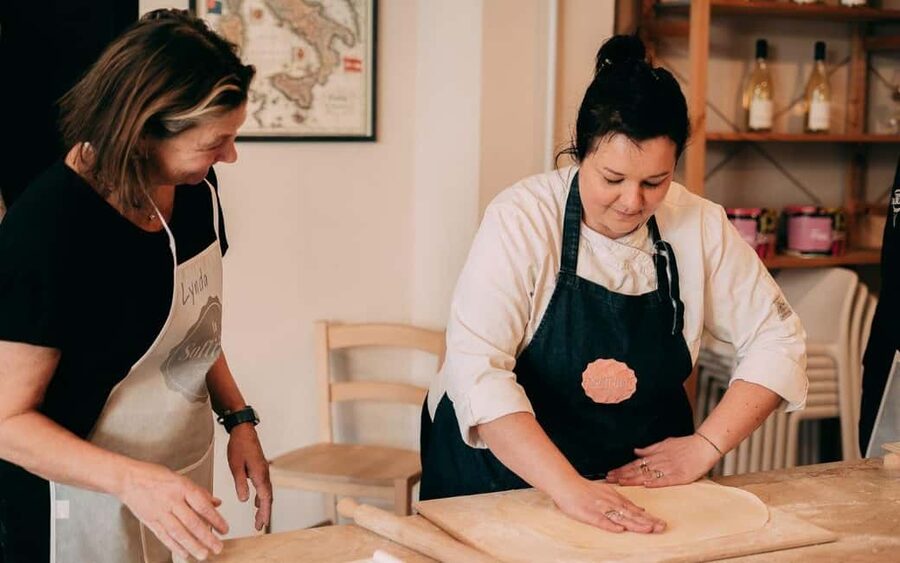
- Three Italian staples in one class: Prepare fresh pasta, risotto made with local rice, and tiramisù.
- A small, social group: No more than 10 people, with plenty of time to ask questions and take part.
- A real meal is included: Eat the dishes you make, with wine and, in some class sessions, a bruschetta starter.
- Useful instruction, not just a demonstration: Learn pasta-making methods, risotto tips, and dessert techniques you can repeat at home.
- Recipes go home with you: You receive a recipe book or digital access through a QR code.
- Dietary needs can be discussed: Vegetarian, gluten-free, and lactose-free requests are accommodated when shared in advance.
Why a Verona cooking class is worth three and a half hours
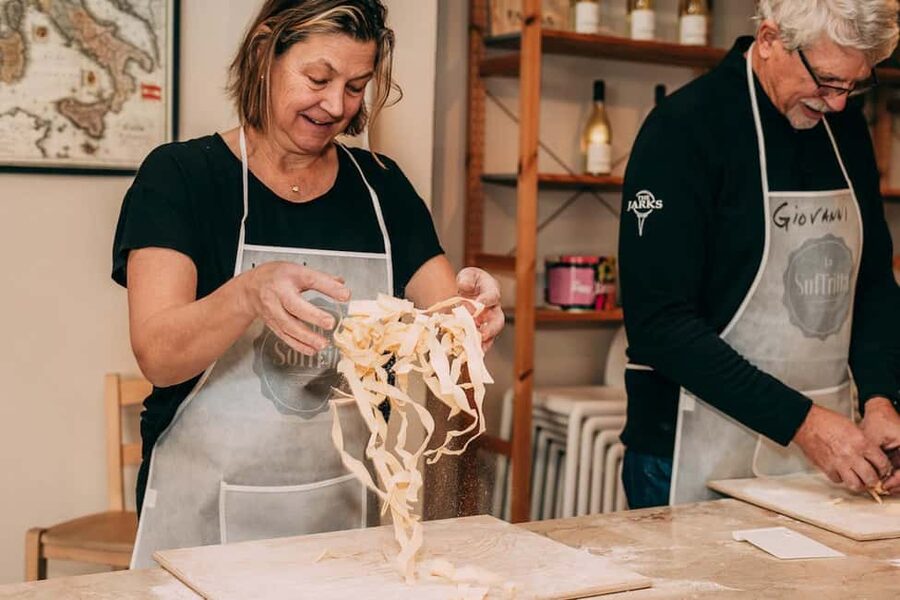
Verona is full of famous sights, but food gives you a different way to understand the Veneto. Instead of simply ordering pasta in a restaurant, you learn how a few basic ingredients become a complete meal.
That is the real value here. The class is not built around complicated restaurant tricks. It teaches the Italian habit of using fresh, good-quality ingredients and letting them do most of the work. You learn how to handle dough, build flavor in risotto, and assemble tiramisù without needing a long list of specialist equipment.
I especially like the practical focus. The chefs explain what to look for as you cook, not just which steps to copy. That matters because pasta dough can feel too dry, risotto can turn heavy, and tiramisù can lose its light texture if you rush. Small corrections make a big difference, and this is where an instructor earns the class fee.
The experience costs $107.62 per person. That is not cheap for lunch, but you are paying for a 3.5-hour lesson, ingredients, an apron, professional instruction, a full meal, wine, and recipes. Compared with a simple restaurant meal, the class offers much more time and participation. If you only want to eat Italian food, choose a trattoria. If you want to learn how to make it, the price is easier to justify.
More Tiramisu Classes in Verona:
- Verona: Pasta and Tiramisu Cooking Class With Free Flowing Wine
★ 5.0 · 575 reviews - Verona: Italian Cooking Class with Pasta, Risotto and Tiramisù
★ 5.0 · 268 reviews - Verona Arena: The ORIGINAL Fresh Pasta and Tiramisu Cooking Class with wine
★ 4.9 · 128 reviews
Meeting the chef in Verona’s historic center
You meet in front of the theater, where the guide holds a yellow sign marked tour. The activity finishes back at the same meeting point, so you do not need to arrange transportation between the class and a separate restaurant.
Hotel pickup and drop-off are not included. Plan your route to the theater before class, especially if you are carrying shopping bags or arriving from another part of Verona. Starting times vary, so check the available schedule before you book.
The instruction is in English. The group limit is 10 people, which is a useful balance. You get the social energy of cooking beside other people, but the class should not feel like a large demonstration where you can barely see the work surface.
The chefs named in class feedback include Christina, Laura, Krista, and Silvia. The teaching style appears to be warm and involved. Christina is especially praised for sharing regional cooking details and for keeping the session lively, while Laura is noted for passing on family methods learned from her grandmother. The exact chef may vary by date.
Fresh pasta: the most satisfying part of the lesson
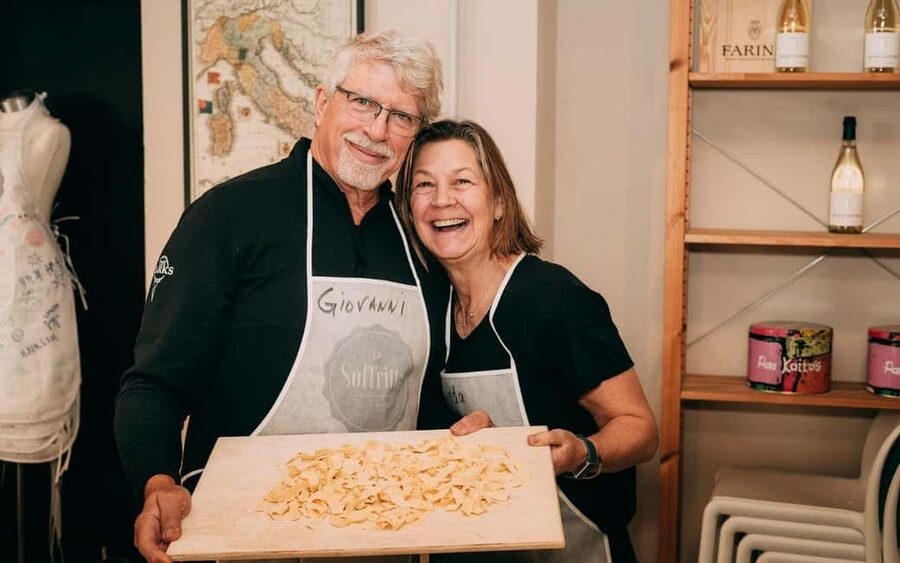
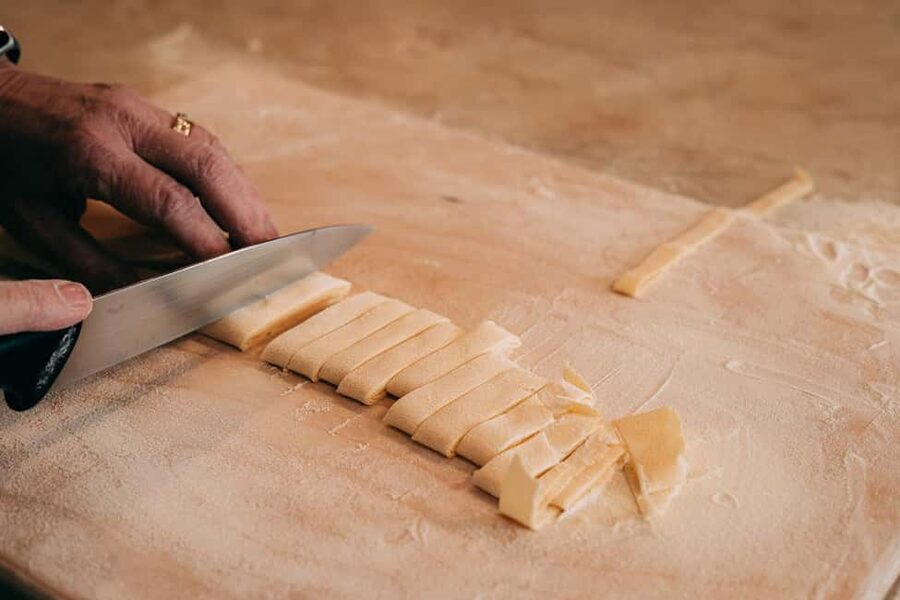
The pasta portion is likely to be the most physical part of the class. You work the dough by hand and learn how flour, eggs, moisture, and pressure affect the final texture.
This is useful instruction for home cooks because pasta dough often looks easier than it is. The chef can show you when to keep kneading, when to stop, and how to avoid producing dough that is too stiff. You also learn how to shape or prepare the pasta for the meal.
The class is designed for participation. You are not sitting behind a counter watching the chef do everything. You help prepare the food, ask questions, and see how the dough changes under your hands.
The practical advantage is that you can take the method home without buying a large collection of tools. The emphasis is on simple Italian cooking, not on equipment-heavy techniques. You should still expect a little flour on your hands and some shared kitchen work. That is part of the fun, but people who prefer a polished, passive food tour may find this more work than expected.
The pasta is served as part of the meal later in the class. That timing gives you a reason to pay attention to the cooking process. You are not making a sample that disappears after one bite. You help prepare a dish that becomes part of lunch.
Risotto with local Veneto rice
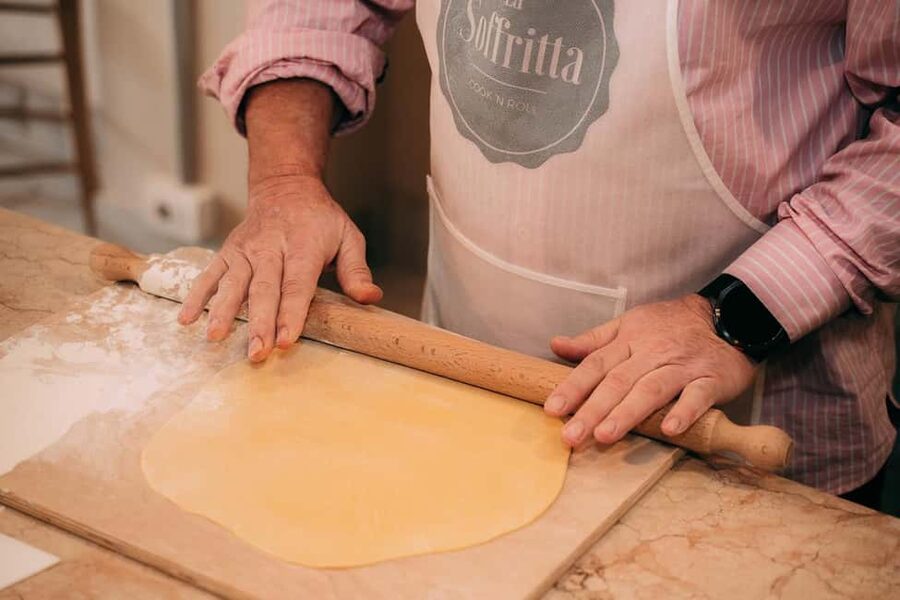
Risotto brings a local touch to the menu. The class uses rice from the area, and the chef explains the method behind the creamy texture.
Risotto is a good teaching dish because the technique matters as much as the ingredients. You learn how to build flavor gradually and how to judge texture as the rice cooks. The goal is not simply to stir a pot. You need to understand when the rice is ready and how the finished dish should feel.
Several class sessions include vegetable risotto. One especially useful benefit is that the chef can correct common mistakes, such as cooking the rice too quickly or serving it when it has become dry. These are hard points to learn from a printed recipe alone.
I like the way risotto broadens the lesson beyond pasta. You leave with a better sense of Veneto cooking, not just a generic Italian menu. A number of participants have found the risotto surprisingly memorable, including people who did not usually enjoy it before taking the class.
The cooking pace also helps the group work together. You prepare, pause, taste, and continue. That creates natural time for conversation with people from different countries. The social side is not forced, but shared food tends to do the work for you.
More Fresh Pasta Workshops in Verona:
- Verona: Authentic Pasta Making Class with a Local Family
★ 5.0 · 64 reviews - Prosecco and Pasta Making Class at Local’s Home in Verona
★ 5.0 · 30 reviews - Verona: Prosecco and Pasta Making Class at a Local’s Home
★ 5.0 · 10 reviews - Discover the old market and make fresh pasta
★ 4.0 · 4 reviews
Tiramisù gives the class a sweet finish
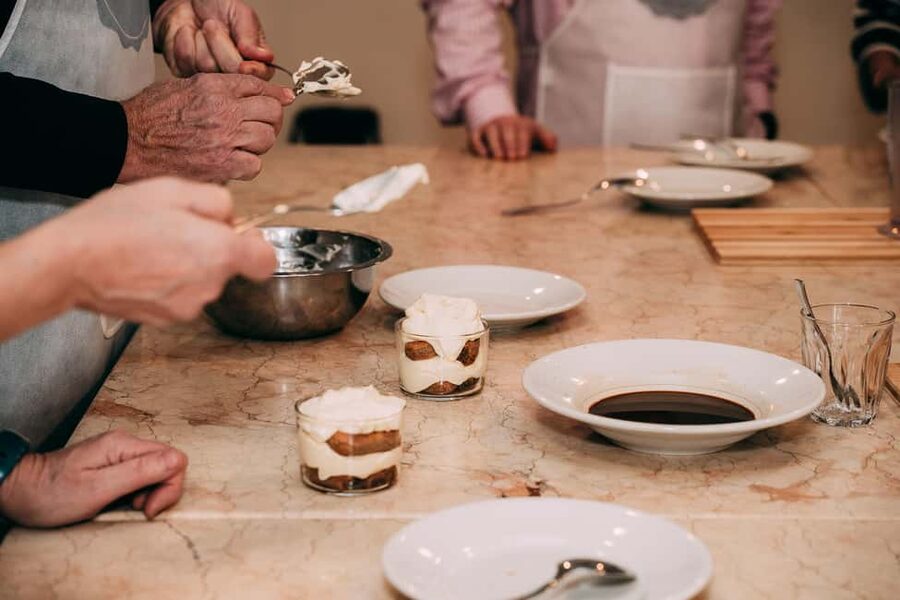
Tiramisù is the dessert portion, and it is a smart choice for a class because it is familiar, practical, and easy to recreate at home once you understand the method.
The chef guides you through the preparation and assembly. You learn how to handle the layers and create the right balance of coffee, cream, and biscuits. The dish needs time and care more than fancy pastry skills, so it suits people with different levels of cooking experience.
The dessert is prepared during the class and served as part of the meal. Many participants have singled it out as a favorite, with some calling it the best tiramisù they had eaten. That does not mean you should expect a secret family recipe or a restaurant pastry kitchen. It does mean the class gives proper attention to one of Italy’s most loved desserts.
If you want to recreate it, the recipes are provided at the end. Some sessions provide a printed recipe book, while class feedback also describes a QR code for digital recipes. Confirm the exact format on your date, but you should have a way to take the instructions home.
Lunch, Valpolicella wine, and the payoff
The best part of a cooking class is the meal at the end. Here, you sit down and eat the pasta, risotto, and tiramisù you helped prepare.
Wine is included, with Valpolicella served alongside the meal. Some class sessions provide two glasses per person. A small bruschetta starter has also been part of the meal format. Since the precise menu can vary, think of these details as a guide rather than a promise of every item at every sitting.
Valpolicella is a fitting local choice. It gives you a taste of Veneto beyond the kitchen and turns the meal into a more complete regional experience. The class is not only about mastering recipes. It is also about understanding how cooking, wine, and conversation fit together in Italy.
The meal is a useful test of your work. You can taste the pasta texture, compare the risotto consistency, and see how the tiramisù comes together. It is also a relaxed finish after a busy session at the counter.
The wine is included, but this is not a wine tasting. If wine is not part of your diet, or if you prefer not to drink, the cooking lesson still provides the main value. Ask the provider about alternatives if needed.
What the teaching style is like
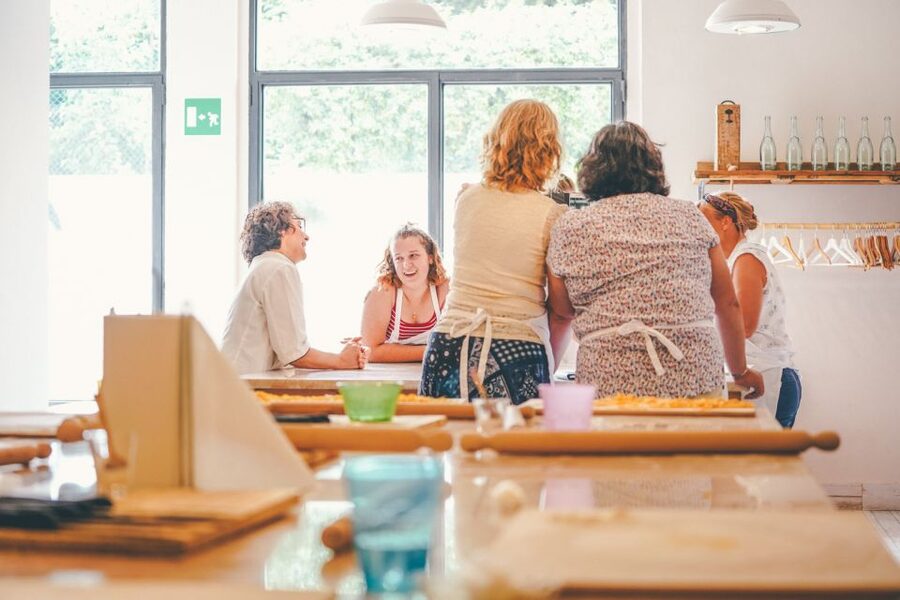
The strongest feature of the experience is the instructors. The class depends heavily on the chef, and the available feedback points to teachers who are friendly, funny, patient, and willing to explain each stage.
Christina is praised for her passion, clear English, regional cooking tips, and ability to keep everyone involved. Laura is described as patient and generous with family traditions. Krista and Silvia are noted for being friendly, informative, and encouraging.
Names can change from one session to another, but the pattern is clear: expect active guidance rather than a silent cooking demonstration. The chefs answer questions, watch your technique, and help you recover if something goes wrong.
That makes the class suitable for beginners. You do not need to arrive with pasta-making experience. It also works for confident home cooks who want to pick up small Italian habits, such as how to judge dough or finish risotto.
The class has a social side, too. You work alongside couples, families, and small groups, then share the meal together. A 15-year-old participant was given extra help during one session, but the age rule still matters: children under 14 cannot join, and minors must be with an adult.
Dietary needs and access considerations
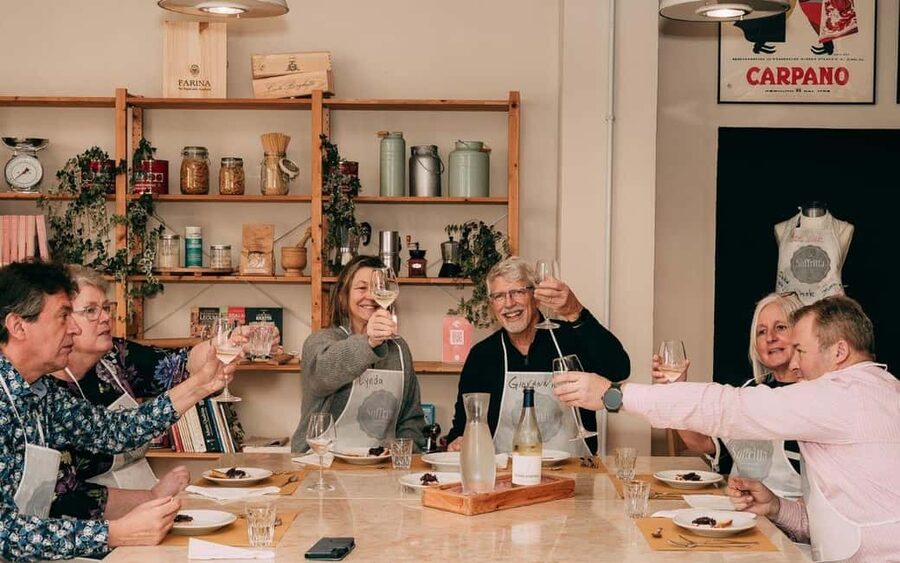
Vegetarian, gluten-free, and lactose-free dietary restrictions can be accommodated, but you must tell the operator about allergies or intolerances in advance. This is especially important in a flour-based class, where avoiding cross-contamination requires preparation.
A celiac diner received careful attention to cross-contamination during one class. That is encouraging, but you should still contact the provider before booking and explain the seriousness of your needs. Do not wait until you arrive at the kitchen.
The activity is not suitable for wheelchair users, and some areas may be difficult for people with reduced mobility or other disabilities. If you have access concerns, contact the provider before reserving. The class runs in rain or shine because it takes place indoors, though getting to the meeting point is still your responsibility.
Pets are not allowed, and unaccompanied minors cannot attend.
Who should book this experience
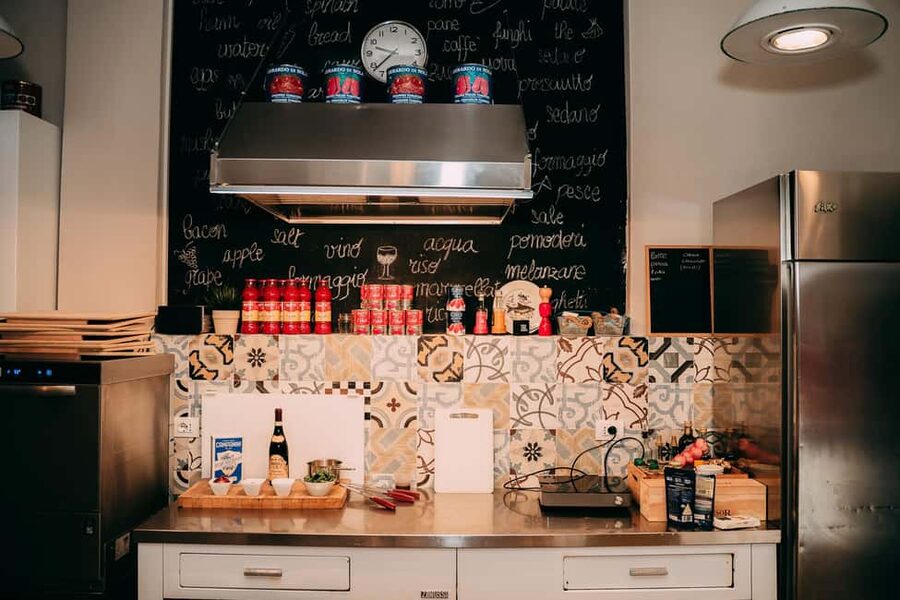
I would choose this class if you want a meal with real participation and a useful skill to take home. It suits couples, families with teenagers, solo visitors who enjoy meeting people, and small groups looking for something beyond Verona’s usual sightseeing route.
It is especially good for you if:
- You enjoy learning by doing.
- You want to cook several Italian dishes in one session.
- You value local ingredients and family-style instruction.
- You want recipes you can try at home.
- You are happy sharing a kitchen and meal with a small group.
I would think twice if you dislike group activities, have very limited mobility, or want a quiet restaurant lunch with no preparation. Three and a half hours is a substantial block of your day, and the class involves standing, handling food, and following instructions.
The age limit also rules out families with younger children. For families with older teenagers, however, the format can work well because everyone has a clear task and the finished meal feels like a shared achievement.
Booking details that matter
The class requires at least two participants to operate. You can reserve now and pay later, which helps if your Verona plans are still shifting. Free cancellation is available up to 24 hours before the activity for a full refund.
Check the available starting time before booking. A morning or early afternoon session may fit well between sightseeing plans, but the meal itself takes time, so avoid scheduling a major attraction immediately afterward.
Bring an appetite, arrive at the theater meeting point with enough time to find the yellow sign, and tell the operator about dietary restrictions before the class date. Wear something comfortable for kitchen work, though an apron is provided.
Should you book the Verona pasta and tiramisù class?
Yes, if you want an active food experience rather than another meal at a table. The combination of fresh pasta, Veneto-style risotto, tiramisù, wine, and patient English-speaking instruction gives you a full afternoon of cooking and eating for $107.62.
The main reason to book is the teaching. Christina, Laura, Krista, Silvia, and the other chefs turn basic dishes into practical lessons, with tips you can use long after you leave Verona. The recipes and small-group setting add lasting value.
Skip it if you need step-free access, are traveling with children under 14, or prefer a short and inexpensive tasting. For everyone else, this is a strong choice for an edible, social afternoon that leaves you with more than a full stomach.
FAQ
How long does the Verona cooking class last?
The activity lasts 3.5 hours. Check the available dates and starting times when booking.
What dishes will I prepare?
The class teaches fresh pasta, risotto made with local rice, and tiramisù. Vegetable risotto and a bruschetta starter have also been included in class sessions.
Is lunch included?
Yes. You eat the meal prepared during the class, and wine is included. Valpolicella is served with the meal.
Is the class taught in English?
Yes. The instructor teaches in English.
Can dietary restrictions be accommodated?
Vegetarian, gluten-free, and lactose-free restrictions can be catered for. Tell the activity provider about any allergy or intolerance in advance.
Can children attend?
Children under 14 cannot join. Minors who meet the age requirement must be accompanied by an adult.
Fresh off the board around Verona
- Verona: Pasta & Tiramisu Cooking Class at a Local’s Home★ 5.0 · 16 reviews
- Verona: Tortellini Cooking Class and Lunch with Mamma Ivana★ 5.0 · 20 reviews
- Verona: My Granny’s secrets making gnocchi★ 5.0 · 7 reviews
- Verona: Prosecco and Pasta Making Class at a Local’s Home★ 5.0 · 10 reviews
- Verona: Pasta Cooking Class with Wine Tasting★ 5.0 · 4 reviews
- Bardolino: Garda Lake Pasta Cooking Class at the Agritourism★ 5.0 · 32 reviews
- Vegan Pasta in Verona in a family home Kitchen★ 5.0 · 2 reviews
- Prosecco and Pasta Making Class at Local’s Home in Verona★ 5.0 · 30 reviews
Tiramisu Classes, class by class.
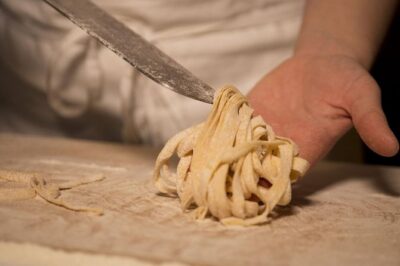
3 in 1 Cooking Class near Navona: Fettuccine, Ravioli & Tiramisu
Read our review →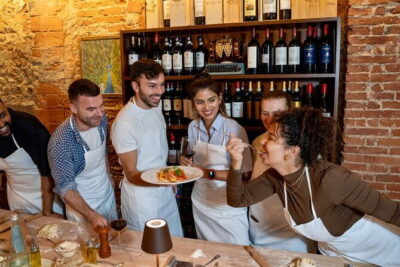
Pasta & Tiramisu Cooking Class with Unlimited Wine
Read our review →
Pasta & Tiramisu Class with Fine Wine by the Vatican
Read our review →
3-in-1 Fettuccine, Ravioli, and Tiramisu Cooking Class
Read our review →
Learn to Make Pasta & Tiramisu with Wine and Limoncello Included
Read our review →
Become a Masterchef in Rome: Pasta, Ravioli and Tiramisù Class
Read our review →
Fettuccine & Tiramisù: Cooking Class with Wine & Limoncello
Read our review →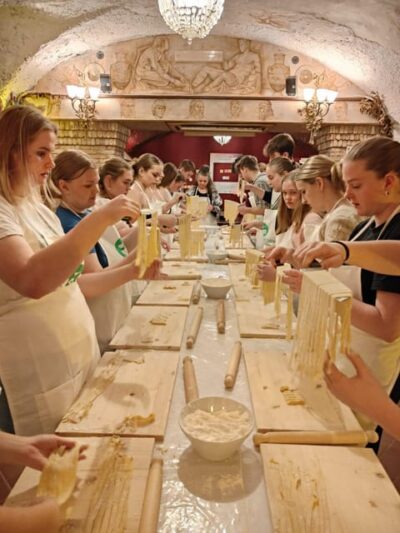
Pasta & Tiramisu Cooking Class near the Spanish Steps
Read our review →Lists this class appears in