
Review · VENICE
Pastamania in Venice with Wine Tasting and Gelato
Fresh pasta is the heart of this three-hour Venice experience. You roll dough, shape ravioli and tortelli, cut fettuccine with a pasta guitar, then sit down to eat what you made. The setting may be a charming cooking school or a historic palazzo, and the small group keeps the class personal.
I like the practical recipes, especially the butter and sage sauce and tomato Pommarola, because you can make them without a kitchen full of special gear. I also like the relaxed table time, with Tuscan wine from Dalle Nostre Mani and gelato after the pasta.
The main thing to keep in mind is that the wine portion may be more modest than the name suggests. The class includes wine, but some sessions offer only one red wine, and the gelato segment may involve watching the method and adding a topping rather than creating a flavor from scratch.
Key points to know before booking
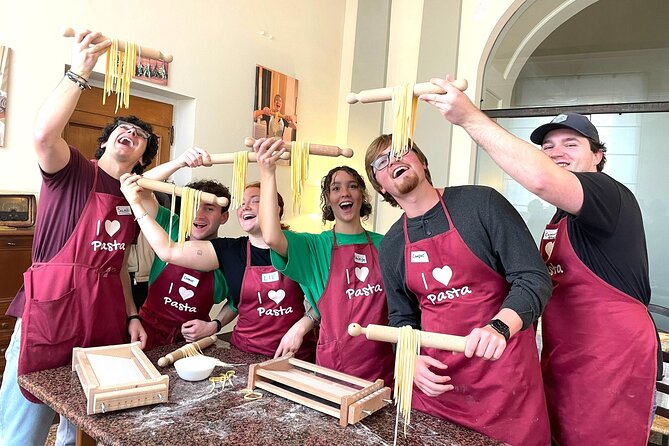
- Two kinds of handmade pasta: You work with ravioli or tortelli, plus fettuccine, using rolling pins and pasta guitars.
- A small group of up to 10: The format allows the chef to give individual help at the table.
- Several well-praised instructors: Bea, Giulia, Ottavia, Martina, Alex, Jeanne, and others have led sessions.
- Lunch or dinner included: Morning bookings include lunch, while afternoon bookings include dinner.
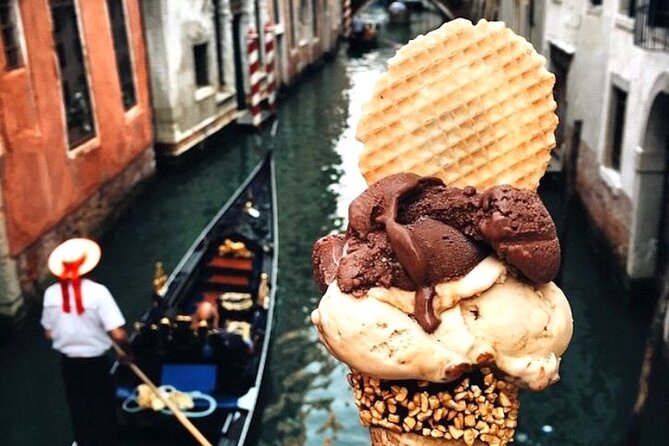
- Tuscan wine and gelato finish: Wine accompanies the meal, followed by a lesson and tasting of artisanal gelato.
- Central meeting point: The class begins and ends at Campo San Maurizio, near public transportation.
What the three-hour Venice cooking class feels like
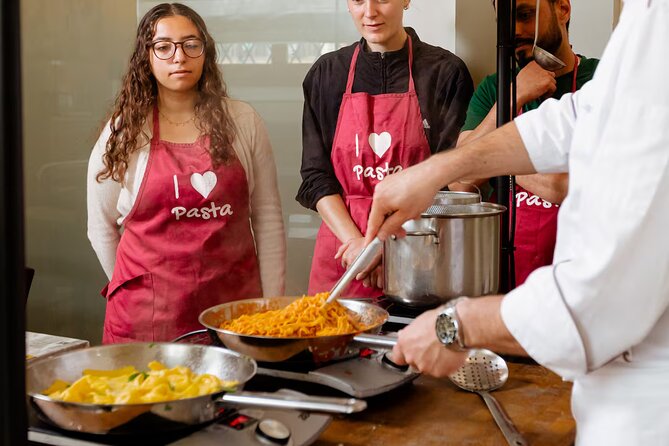
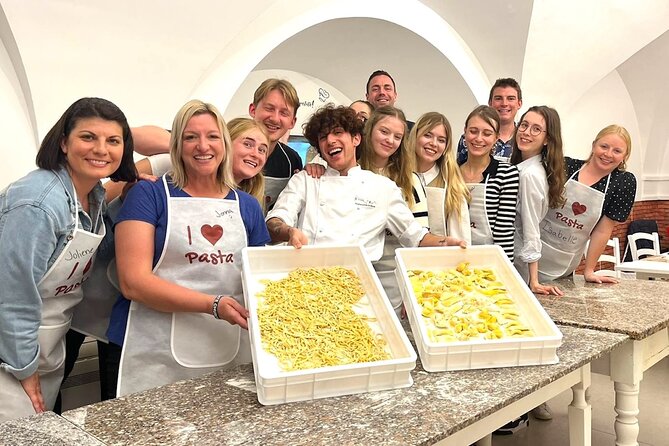
This is not a demonstration where you sit back and watch a chef do all the work. You put on an apron, handle the dough, shape the filling, and help prepare the meal. That matters because fresh pasta can look complicated until you try it with a few simple tools and clear guidance.
The class is designed for beginners. You do not need prior cooking experience, and the instructors explain each stage before you start. The most repeated strength of the experience is patient teaching. Bea is described as organized and easy to follow, while Ottavia has helped participants one at a time and explained both the chemistry of the dough and the cooking traditions behind it.
Several instructors are named across the sessions, including Alex, Giulia, Martina, Jeanne, and Lapo. Your teacher will depend on the date, but the pattern is clear: expect an involved host who talks you through the work rather than rushing everyone through a fixed routine.
The group limit of 10 is useful here. Pasta dough can turn sticky, dry, or uneven in a hurry, especially for a first attempt. A smaller table gives the chef a fair chance to correct your technique, show you how thin to roll the dough, and help with filling or sealing ravioli.
More Gelato Making Classes in Venice:
- Venice: Jewish Ghetto & Cannaregio Area Food Tour: Pasta Wine Gelato and More!
★ 4.5 · 274 reviews - Venice: Pasta Class with Wine and Gelato
★ 4.9 · 225 reviews - Florence Pizza or Pasta Class with Gelato Making at a Tuscan Farm
★ 5.0 · 6,801 reviews
Rolling dough and shaping ravioli
The class begins with basic ingredients, mainly flour and eggs, and shows you how they change into pasta dough. This is a good lesson for home cooks because it focuses on touch. You learn to notice how the dough feels rather than relying only on a timer or exact measurement.
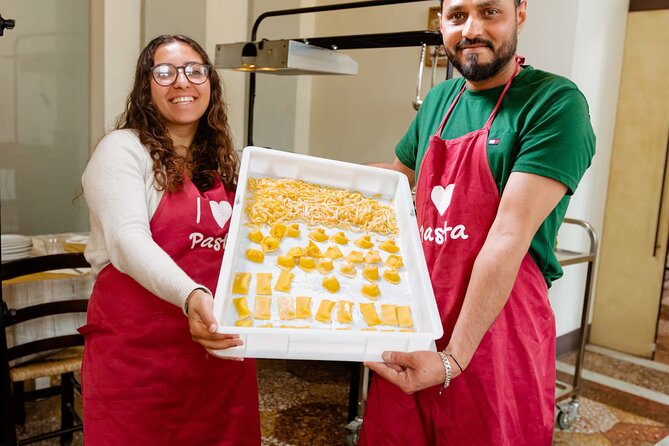
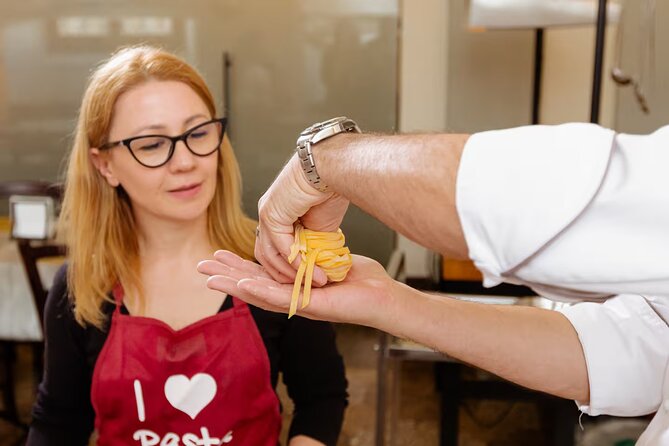
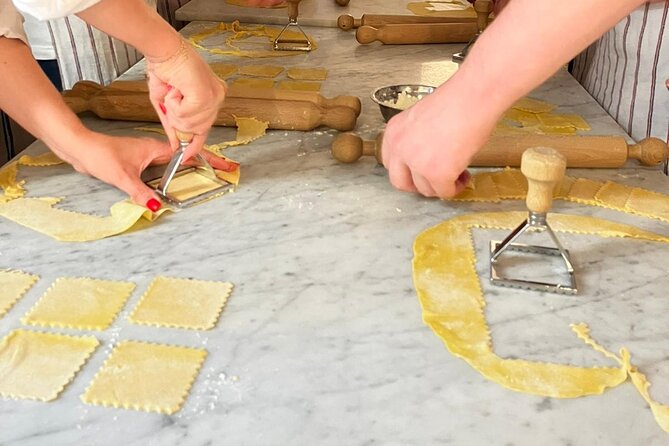
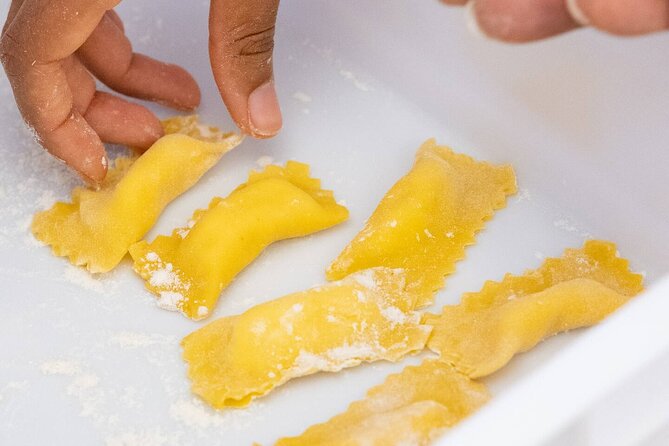
You then work on more than one pasta shape. Ravioli or tortelli are made with a parmigiano and ricotta filling, with versions that may include nutmeg or truffle oil. Fettuccine gives you a different task, since the dough must be rolled and cut into long ribbons.
The tools are deliberately simple. Rolling pins and pasta guitars keep the activity tied to old-fashioned home methods instead of turning it into a lesson in expensive machinery. That makes the recipes easier to repeat in your own kitchen.
The filling stage is also where the class becomes social. You work beside other people, compare shapes, and get help when the edges refuse to seal. The finished pasta does not need to look perfect. The point is to understand the process well enough to try it again at home.
One practical tip: pay close attention when the instructor explains how much filling to use. Too much makes sealing difficult, while too little leaves you with a rather empty bite. The teachers have been praised for offering small corrections without making beginners feel self-conscious.
Tomato sauce, butter and sage, and the meal you make
The pasta is served with handmade sauces, including traditional Italian tomato Pommarola and butter with sage. These are useful choices for a teaching class because they show two different ways to support fresh pasta.
The tomato sauce is direct and familiar. It lets the fettuccine carry the meal while adding acidity and sweetness. The butter and sage sauce is simpler but more delicate, and it suits stuffed pasta because it does not hide the ricotta, parmigiano, nutmeg, or truffle oil filling.
The sample meal includes ravioli with parmigiano and ricotta in butter and sage sauce, tortelli with a similar cheese filling, and fettuccine with tomato sauce. Exact portions and preparation can vary, but the meal is built around the pasta you help make.
I like this part of the format because you are not cooking a separate dish and then being served something unrelated. Your work becomes lunch or dinner. That gives the lesson a clear payoff and makes the shared table feel earned.
Morning sessions include lunch. Afternoon sessions include dinner. Check the time carefully when booking, since the meal included depends on the session you select.
Tuscan wine, with realistic expectations
Wine is served with the meal, and the experience includes Tuscan wine called Dalle Nostre Mani, produced at the host’s farm. That adds a pleasant regional touch to a Venice class, even though it is not Venetian wine.
The wine is meant to accompany the food rather than turn the event into a formal tasting course. In some sessions, the wine service has been one red wine. If you prefer white wine, or if you are booking mainly for a broad tasting, this is worth considering before you pay.
The description of the experience emphasizes wine tasting, but the actual format may be closer to a meal with wine than a structured tasting of several labels. Some past descriptions have also mentioned cicchetti and limoncello, yet those extras may not be offered in every session. I would book this for the pasta and shared meal first, with the wine as an added pleasure.
Soft drinks, water, and soda are included. Alcoholic drinks are part of the package, but you should tell the host about any dietary or drink preferences as early as possible. The supplied information does not promise alternative wines or special menus, so do not assume they are available.
More Pasta Classes with Wine in Venice:
- Venice: Pasta and Tiramisu Cooking Class with Wine
★ 4.9 · 1,010 reviews - Pasta and Tiramisu Cooking Class with Wine in Venice
★ 5.0 · 945 reviews - Venice Cooking Class in Mestre – Pasta & Tiramisu, wine and more
★ 4.0 · 14 reviews - Venice Cooking Class in Mestre Pasta and Tiramisu Wine
★ 5.0 · 9 reviews
Gelato after the pasta
The final part focuses on artisanal gelato. The host explains how traditional gelato is made, how quality ingredients affect the result, and how homemade gelato differs from commercial ice cream.
This is a short educational finish rather than a second full cooking course. You watch the process, learn the basic method, and taste the fresh result. In at least some sessions, creating your own flavor may mean choosing a syrup or topping for plain gelato instead of making a completely new flavor.
That distinction matters if gelato is your main reason for booking. It is a pleasant dessert lesson and a chance to understand the texture and ingredients, but the pasta-making portion is the real center of the experience.
The gelato also keeps the final hour light. After rolling dough, sealing filled pasta, and eating a full meal, you finish with something sweet rather than another demanding task. Some classes have even served gelato with wine, which gives the ending a playful Venetian feel.
The setting and meeting point in central Venice
You meet at Campo San Maurizio, 30124 Venezia, and return there when the class ends. The location is in central Venice and near public transportation, so it fits neatly into a day of sightseeing.
The setting has been described as a charming school and, in some sessions, a real palazzo. That can make the experience feel more connected to Venice than a generic cooking studio outside the center. Still, the exact room and building may depend on the scheduled class, so I would not book solely for the promise of a palace interior.
Allow enough time to reach Campo San Maurizio. Venice addresses can be easy to misread, and walking routes often take longer than the map suggests because of canals, bridges, and narrow lanes. Private transportation and hotel pickup are not included.
The activity ends back at the meeting point, which is useful if you plan to continue exploring afterward. You can also arrange your evening around the class without needing a separate ride back to your hotel.
How the instructors shape the experience
The strongest part of this class is the teaching. Names that appear across the sessions include Bea, Alex, Ottavia, Giulia, Martina, Jeanne, Lapo, and Gulianna. Each has been praised for a slightly different quality.
Bea is particularly associated with clear explanations, steady organization, and a friendly manner. Ottavia has been noted for individual help and for explaining the science behind pasta dough. Giulia has offered practical advice for making and cooking pasta at home, along with guidance on wine pairings and presentation.
Martina brings local food knowledge and a clear command of English. Alex has been praised for patience, warmth, and helping families connect around the table. These details matter because a cooking class depends heavily on the person leading it. A good chef can make a tricky step feel manageable, while a rushed teacher can turn it into a frustrating chore.
The instructors also add stories about Venice, Italian cooking, and their own lives. That conversation gives the class more character than a recipe sheet alone. It is one reason the experience works well for families and couples who want a shared activity rather than another guided walk.
Is $107.41 a fair price?
At $107.41 per person, this is not a budget meal. It is also more than the cost of buying a plate of pasta in Venice. You are paying for roughly three hours of instruction, ingredients, a hands-on activity, lunch or dinner, wine, soft drinks, and gelato.
The value improves if you care about learning a skill you can repeat at home. You make two pasta styles, learn two sauces, eat the finished meal, and leave with a better sense of how fresh dough should feel. The class also saves you the trouble of arranging a separate meal and cooking activity.
The price is harder to justify if you mainly want a formal wine tasting or a long gelato workshop. Wine may be limited to one red, and the gelato activity is educational but brief. In that case, the package may not match your priorities.
For a family, the shared format can be especially worthwhile. Children and teenagers can take part, and the tasks are simple enough to divide among several people. For solo visitors, the small group provides a natural way to meet others, though the value depends on how much you enjoy communal dining.
Who should book this experience?
I would recommend it to first-time pasta makers, families with older children, couples who want a slower afternoon or evening, and food-focused visitors who like to learn by doing. The class is also a good break from Venice sightseeing, since it gives you several hours indoors with a clear beginning, middle, and end.
It suits people who want recipes that can be repeated without specialist equipment. The rolling pin, pasta guitar, flour, eggs, cheese, butter, sage, and tomatoes all point toward a home kitchen rather than a professional setup.
You should think twice if you dislike group activities, need a fully private class, or want a detailed wine program. The maximum group size is 10, so it is small but not private. Also, the activity is not accessible to people with limited mobility, including those using crutches.
The minimum number of participants must be reached for the class to run. If it is canceled for that reason, you can be offered another date or a full refund. You can cancel for a full refund up to 24 hours before the start time, but changes or cancellations inside that window are not accepted.
Should you book Pastamania in Venice?
Book it if you want to make fresh pasta, eat a proper meal, and spend time with a chef who can help you reproduce the recipes at home. The hands-on work, small group, patient instructors, and relaxed meal are the real strengths.
Go in with sensible expectations about the extras. Think of the wine as a pleasant pairing rather than a large tasting, and the gelato as a short lesson and dessert rather than a full flavor-development workshop.
For many visitors, that balance is just right. Venice already supplies the grand sights. This class gives you flour on your hands, sauce on your plate, wine in your glass, and a recipe you can try again after you return home.
FAQ
How long does the Pastamania experience last?
The activity lasts approximately three hours.
Where does the class begin?
It begins at Campo San Maurizio, 30124 Venezia VE, Italy.
Where does the activity end?
The class ends back at the meeting point.
What pasta will I make?
You will make ravioli or tortelli and fettuccine. The sample fillings include parmigiano, ricotta, nutmeg, and truffle oil, with butter and sage or tomato sauce.
Is lunch or dinner included?
Yes. Lunch is included with the morning session, and dinner is included with the afternoon session.
Is wine included?
Yes. Tuscan wine from Dalle Nostre Mani is included, along with water and soft drinks. The amount and selection of wine can vary, and some sessions may offer only one red wine.
Is the class suitable for beginners?
Yes. The experience is designed for beginners, and the instructors provide hands-on guidance with the dough, pasta shapes, sauces, and gelato.
Can I cancel for a full refund?
You can cancel at least 24 hours before the local start time for a full refund. Cancellations or changes made less than 24 hours before the experience are not accepted.
Fresh off the board around Venice
- Venice: Share Your Pasta Love in a Local’s Home★ 4.8 · 20 reviews
- Cesarine: Private Pasta and Tiramisu Class in a Local Venice Home★ 5.0 · 37 reviews
- Venice Cooking Class in Mestre – Pasta & Tiramisu, wine and more★ 4.0 · 14 reviews
- Make Ravioli & Tiramisù in Central Venice Kitchen (3-Course Meal)★ 5.0 · 4 reviews
- Share Your Pasta Love in a Local’s Home in Venice★ 4.5 · 17 reviews
- Venice Cooking Class in Mestre Pasta and Tiramisu Wine★ 5.0 · 9 reviews
- Make Pasta Carbonara from Scratch in a Jazz Club in Venice★ 3.5 · 15 reviews
- Venice: Pasta and Tiramisu Cooking Class★ 5.0 · 3 reviews
Gelato Making Classes, class by class.
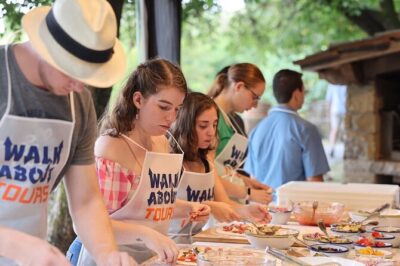
Florence Pizza or Pasta Class with Gelato Making at a Tuscan Farm
Read our review →
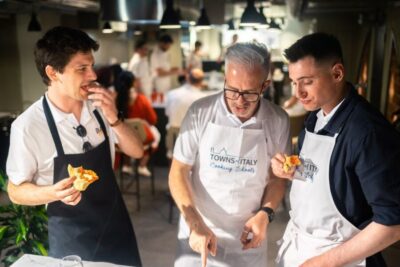
Pizza or Pasta and Gelato-Making Class with Wine
Read our review →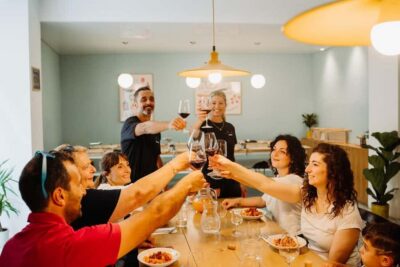
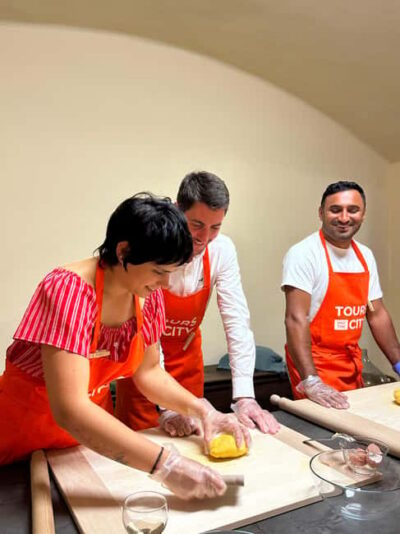
Pasta Cooking Class, Ragu, Spritz, Wine & Gelato
Read our review →
Super Fun Pasta & Gelato Class by Vatican with Wine + Oil Tasting
Read our review →
Milan Culinary Experience: Pasta & Gelato or Tiramisù Class
Read our review →
Pasta, Ravioli, and Gelato Class in a Glamorous Home
Read our review →Lists this class appears in