
Review · NAPLES
Naples: Pasta and Gelato Cooking Class
Making pasta by hand is the heart of this Naples experience. You work the dough, shape ravioli, prepare sauces, and finish with homemade gelato under the guidance of a local chef. Chef Antonio is known for keeping the mood easy and involving everyone, even first-time cooks.
I like the genuine hands-on format and the chance to eat the meal you have made. I also like the social setup: a local appetizer, one alcoholic or non-alcoholic drink, and a shared meal give the three hours a friendly, communal rhythm. The main consideration is that the gelato portion may not always run if the class is changed to a pasta-only session because of low enrollment.
Key points at a glance
- Three hours of real participation: You mix, knead, shape, cook, and eat rather than simply watching a demonstration.
- Two fresh pasta dishes: Prepare tagliatelle with an Alfredo-style sauce and ravioli with San Marzano tomatoes, basil, and Parmigiano.
- Gelato from scratch: Learn the basic ingredients, texture, and flavor balance behind Italian gelato.
- Chef Antonio’s friendly approach: The class is designed to keep the whole group involved, with plenty of room for conversation and shared work.
- Food and drink included: Enjoy a local appetizer, one alcoholic or non-alcoholic beverage, and the pasta you prepared.
- A useful practical warning: The class is not suitable for people with food allergies or lactose intolerance, and children under 18 need an adult with them.
Why a Naples cooking class belongs on your schedule
Naples is famous for food that is direct, generous, and tied to everyday life. This class gives you a way to understand that food through your hands. Instead of only eating pasta in a restaurant, you learn how the dough feels, how filling changes the character of ravioli, and how a simple sauce depends on good ingredients.
I like cooking classes that leave you with something useful after the holiday. You will not become a professional pasta maker in three hours, but you can leave with better instincts for dough, sauce, and texture. The chef explains why resting matters, how elasticity develops, and how fresh ingredients affect the result.
The $65 price also covers more than instruction. You receive kitchen tools, an apron, a chef’s hat, all ingredients, a local appetizer, a drink, the meal, a gelato-making session, and a small chef diploma. That makes the cost reasonable for a three-hour activity, especially if you treat it as both lunch or dinner and a cultural experience.
The setting is described as being in the heart of Naples. Exact meeting details and group size are not provided, so check the current booking information before you go. The class is available in English, Italian, French, and Spanish, which helps if you want explanations about technique rather than just a quick demonstration.
More Gelato Making Classes in Naples:
- Florence Pizza or Pasta Class with Gelato Making at a Tuscan Farm
★ 5.0 · 6,801 reviews - Florence: Pizza or Pasta Class with Gelato at a Tuscan Farm
★ 4.9 · 1,181 reviews - Florence: Premium Pasta and Gelato Cooking Class
★ 4.9 · 877 reviews
Starting with dough, texture, and patience
The pasta session begins with dough made from scratch. You work by hand and learn the basic signs of properly developed dough: texture, elasticity, and the need for resting time. These details may sound small, but they are what separate soft, workable pasta from dough that tears or fights back.
I like this stage because it gives you a better sense of Italian cooking than a polished restaurant plate can. Fresh pasta is not magic. It is a short list of ingredients handled with care, plus enough patience to let the dough become manageable.
The class is built for beginners, so you do not need previous cooking experience. The chef guides you through each step and is expected to keep everyone involved. That matters in a group setting, where confident cooks can otherwise take over while quieter participants watch from the side.
Wear comfortable clothing that can get dirty. Flour, sauce, and enthusiastic rolling can make a neat outfit less neat. An apron and chef’s hat are supplied, along with the kitchen tools, so you do not need to pack cooking equipment.
Tagliatelle with a creamy Alfredo-style sauce
Once the dough is ready, you prepare tagliatelle, a ribbon-shaped pasta that gives you a good introduction to cutting and handling fresh noodles. The pasta is served with a creamy Alfredo-style sauce, a dish that depends on balance rather than a long list of ingredients.
This is a useful pairing for a class because the sauce lets you focus on texture. Fresh noodles need to be cooked carefully, and a creamy sauce can quickly become too heavy if the proportions are off. The chef explains the technique and helps you see how the pasta and sauce should work together.
The activity description uses both fettuccine and tagliatelle for this pasta preparation. These are close relatives, both broad ribbon pastas, so do not expect two entirely different noodle-making systems. The important part is the hands-on work and learning how fresh pasta behaves.
A local appetizer is served in the middle of the experience. It breaks up the cooking and gives you a chance to taste something before the main meal. One alcoholic or non-alcoholic drink is included, so you can choose the option that suits you.
Shaping ravioli and building a simple tomato sauce
The second pasta dish is ravioli, made by hand and filled before cooking. This is likely to be the more playful part of the pasta work. You need to place the filling carefully, press out air, and seal the edges without tearing the dough.
I like ravioli in a cooking class because small errors are easy to understand. Too much filling makes sealing difficult. Too little leaves a thin, less satisfying pocket. The shape does not need to be perfect to taste good, and the class gives you a chance to learn through doing rather than worrying about restaurant-level presentation.
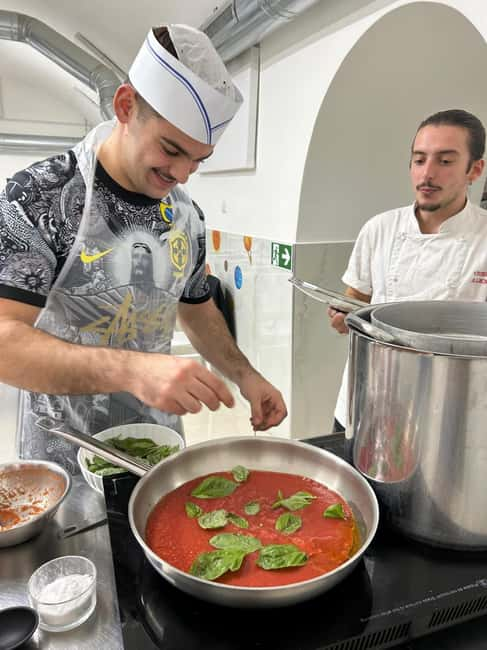
The ravioli is paired with a sauce made from San Marzano tomatoes, fresh basil, and Parmigiano cheese. The ingredients are familiar, but the combination shows why Italian cooking often depends on quality and restraint. The sauce is not trying to bury the pasta. It gives the ravioli a bright, savory finish.
The chef also discusses Italian food culture, regional traditions, family cooking, and seasonality. Those comments add useful context to the practical work. You begin to see why recipes are often passed down as habits and methods rather than strict measurements.
More pasta classes around Naples:
- Naples: Pasta Making Class with Starter and Drink
★ 4.9 · 1,060 reviews - Naples Pasta Class: Fettuccine & Ravioli with Grandma’s Recipe
★ 5.0 · 506 reviews - Naples: Pasta Cooking Class with Tiramisù and a Drink
★ 4.6 · 415 reviews - Napolitan Secrets: Pasta & Tiramisù Class for Food Lovers
★ 4.9 · 189 reviews
A short lesson in homemade gelato
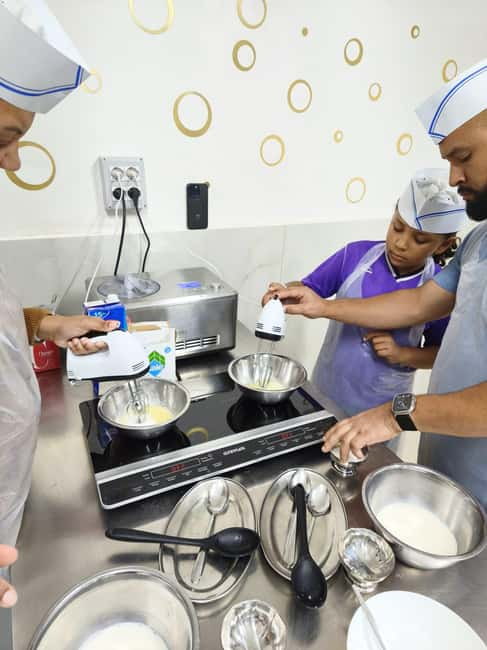
After the savory cooking, you move to gelato. The class covers ingredient selection, texture, and flavor balance, along with the difference between fresh gelato and industrial ice cream.
This part gives the session a pleasant change of pace. Pasta requires kneading, shaping, and attention to detail. Gelato brings you back to the basics of sweetness, freshness, and texture. Adults can learn from it, while children often appreciate having a dessert project built into the class.
The available information does not specify the gelato flavor or the exact preparation method. You should therefore expect an introduction to the process rather than a full pastry-school lesson. The gelato segment is best viewed as a practical overview that rounds out the meal.
There is one important qualification. A class held with too few participants may be changed to a pasta-only format. One booking was moved this way and still provided a fun cooking experience, but anyone choosing this activity mainly for gelato should confirm the current format before committing.
Sitting down to eat what you made
The meal is not an afterthought. Once the cooking is finished, you sit down and eat the pasta prepared during the class. That shared meal is where the activity shifts from instruction to conversation.
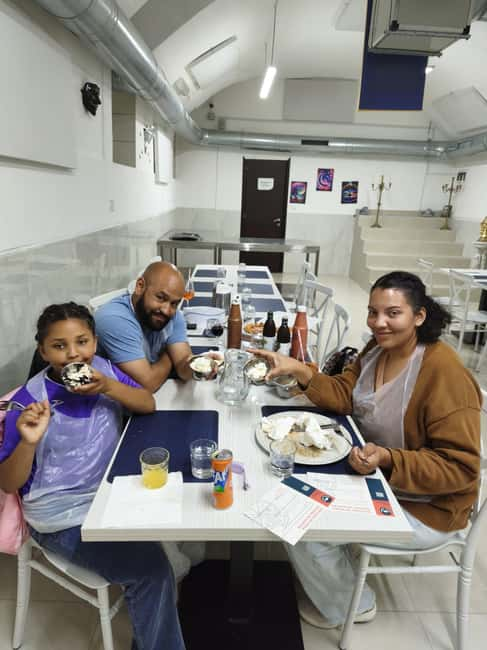
The social side has been a strong part of the experience, especially with Chef Antonio. He is described as making the class feel easy, lively, and inclusive. People cook together, help each other, taste the food, and share laughs across language and national boundaries.
I like this format for solo visitors. You have a natural reason to talk to the people around you, and the meal gives the group a clear finish. Couples and families can also enjoy it, though adults should remember that children under 18 must be accompanied by an adult.
The included drink adds to the value. You can choose an alcoholic or non-alcoholic option, making the meal suitable for people who do not drink. The class also includes a chef diploma as a souvenir, a small but fun reminder of the afternoon or evening.
What the reviews tell you about the teaching style
The strongest pattern is simple: people enjoyed being involved. The class was repeatedly described as friendly, relaxed, and easy to join, with Chef Antonio keeping the mood light while still explaining the cooking.
That combination matters. Some cooking classes become technical lectures, while others turn into rushed group entertainment. This one appears to aim for a middle ground. You get instruction on dough, sauces, and gelato, but you also get a social meal and room for jokes.
The pasta received the most consistent praise. The food was made fully from scratch, and the finished dishes turned out well. The gelato was seen as a welcome addition, especially because it gave the class a different kind of cooking task.
The experience was also described as well organized and not rushed. That is useful for beginners. You need time to handle pasta dough, fix an imperfect ravioli, and ask questions without feeling that the group is holding up a professional kitchen.
At the same time, the review record is small, with eight ratings. The overall score is 4.9, but you should treat that as a helpful signal rather than a guarantee that every class will run in exactly the same way. The possible switch to pasta only is the clearest practical caveat.
Who will get the most from this class
This is a good choice if you want more than a restaurant meal but do not want a serious culinary course. You will get the most from it if you enjoy learning by touching ingredients, making small mistakes, and eating the results.
It suits:
- Couples seeking a shared activity beyond sightseeing
- Solo visitors who want an easy social setting
- Families with children, provided an adult accompanies each minor as required
- Beginners who have never made fresh pasta
- Small groups looking for a relaxed food activity
- People who want a Naples experience built around local cooking rather than a formal museum visit
The class is less suitable if you have food allergies or lactose intolerance. The pasta dishes include dairy elements, including a creamy sauce and Parmigiano, and the gelato also makes lactose a concern. The activity specifically excludes people with food allergies and lactose intolerance, so do not assume substitutions are available.
It is also not for anyone bringing a pet. Comfortable clothing is the only stated preparation, but choose something you will not mind marking with flour or food.
Is $65 a fair price?
At $65 per person, the value depends on what you want from the outing. If you only want a cheap plate of pasta, a restaurant meal will cost less. If you want instruction, ingredients, kitchen equipment, a drink, an appetizer, dessert preparation, and the meal itself, the price is much easier to justify.
You are paying for three hours of structured activity, not just food. The practical skill is part of the value, and so is the social setting. You also avoid the risk of spending an expensive restaurant evening wondering how the dish was made. Here, you take part in the process.
The price is strongest for solo visitors and couples who would otherwise book separate activities. Families should calculate the full cost for each participant, since the rate is per person. If the gelato portion is essential to your decision, confirm that the class is running in its full pasta-and-gelato format.
Free cancellation up to 24 hours before the activity and a reserve-now, pay-later option make the booking less rigid. Starting times vary, so check availability and fit the three-hour class around your Naples plans.
Should you book the Naples pasta and gelato class?
I would book this class if you want a friendly, hands-on food experience and you are happy to eat a meal built around pasta and dairy. The best reasons are the full participation, Chef Antonio’s engaging teaching style, and the chance to sit down with the group after making tagliatelle, ravioli, and gelato.
I would think twice if you have allergies, cannot tolerate lactose, or mainly want a dedicated gelato lesson. Also confirm the class format if your booking depends on the gelato portion taking place.
For most beginners, couples, families, and solo visitors, this is a sensible way to spend three hours in Naples. You leave with a full meal, a few practical kitchen skills, and a better feel for how Italian food moves from simple ingredients to the table.
FAQ
How long does the Naples pasta and gelato class last?
The class lasts three hours. Check the available starting times when booking.
How much does the experience cost?
The listed price is $65 per person.
What pasta will I make?
You will prepare two types of fresh pasta: tagliatelle and ravioli. The tagliatelle is served with an Alfredo-style sauce, while the ravioli is paired with San Marzano tomatoes, basil, and Parmigiano.
Is gelato included?
Yes. The experience includes a gelato-making session with the ingredients and instruments provided. In some cases, the class may be changed to pasta only if there are not enough participants.
Is food and drink included?
Yes. The class includes a local appetizer, one alcoholic or non-alcoholic drink, and lunch or dinner featuring the pasta you prepared.
Do I need cooking experience?
No. The class is designed for all skill levels, and the chef guides you through the preparation.
Which languages are available?
Instruction is available in Italian, French, Spanish, and English.
Can children attend?
Yes, the activity is suitable for children, but anyone under 18 must be accompanied by an adult.
What should I bring, and are there any restrictions?
Wear comfortable clothing that can get dirty. Kitchen tools, an apron, and a chef’s hat are provided. Pets are not allowed, and the activity is not suitable for people with food allergies or lactose intolerance.
Fresh off the board around Naples
- Naples Hands-on Cooking Class: Gnocchi, Ravioli, Tiramisu & Wine★ 4.5 · 18 reviews
- Pasta Fresca Gnocchi and Ravioli a Napoli★ 5.0 · 2 reviews
- Private Pasta & Tiramisu Class at a Cesarina’s home with tasting in Ercolano★ 5.0 · 2 reviews
- Discovering Gragnano PGI pasta and the Valle dei Mulini★ 5.0 · 3 reviews
- Private Fettuccine Alfredo and Ravioli Class Grandma recipe★ 4.0 · 2 reviews
- Homemade Pasta And Seafood Cooking Class with Dinner★ 5.0 · 5 reviews
- Private Italian Pasta Masterpieces Class: Ravioli, Tortellini and Fettuccine★ 5.0 · 8 reviews
- Neapolitan pasta homemade Cooking Lesson★ 4.5 · 4 reviews
Gelato Making Classes, class by class.
Florence Pizza or Pasta Class with Gelato Making at a Tuscan Farm
Read our review →
Pizza or Pasta and Gelato-Making Class with Wine
Read our review →
Pasta Cooking Class, Ragu, Spritz, Wine & Gelato
Read our review →
Super Fun Pasta & Gelato Class by Vatican with Wine + Oil Tasting
Read our review →
Milan Culinary Experience: Pasta & Gelato or Tiramisù Class
Read our review →
Pasta, Ravioli, and Gelato Class in a Glamorous Home
Read our review →Lists this class appears in