
Review · FLORENCE
Cooking Class with Carbonara, Pesto Making, Lasagna, Cannoli
The best part of this Florence cooking class happens before the burners are switched on. On eligible morning departures, you walk through Sant’Ambrogio Market with a chef, choosing produce and other ingredients before turning them into a full Italian meal. It gives the cooking a useful sense of place instead of making you feel as if you have simply entered a classroom.
I like the small group limit of eight, which leaves room for questions and hands-on instruction. I also like the generous menu: carbonara, ragù lasagne, pesto gnocchi, and Sicilian cannoli, followed by wine and the food you helped make. The main catch is timing: afternoon classes, Sunday classes, and bank holiday departures do not include the market visit, so the experience is shorter and less connected to Florence’s food shopping traditions.
Key points at a glance
- Sant’Ambrogio Market comes first on eligible morning departures: Shop for ingredients with the chef and learn how to judge fresh local products.
- Four substantial recipes fill the class: You prepare carbonara, ragù lasagne, gnocchi with pesto, and Sicilian cannoli.
- The group is limited to eight people: That makes it easier to take part instead of standing behind someone else.
- Your meal includes wine: The class ends at the table with the dishes you made and Tuscan wine.
- You leave with practical takeaways: A digital recipe booklet and graduation diploma help extend the experience beyond Florence.
- Plan around dietary limits: Vegetarian options are available, but the class is not suitable for people with gluten intolerance or celiac disease.
Starting at Sant’Ambrogio Market in Florence
If you choose a morning departure, meet at Ciaoflorence Tours & Travel, also identified as the Ciaofoodies Hub at La Cucineria, on Via della Mattonaia 19r. From there, your chef leads you to Sant’Ambrogio Market, one of Florence’s best-known local food markets.
The market visit is not just a quick photo stop. You look at seasonal produce, cheeses, cured meats, and other Italian foods while your chef explains how to choose good ingredients. That matters because Italian cooking often depends less on complicated seasoning and more on buying the right raw materials.
You might discuss the look and feel of produce, compare local products, or learn which ingredients suit the dishes ahead. The exact shopping list can change with the season and what is available, so this part should feel tied to the day rather than fixed like a stage show.
I consider the market visit the most valuable extra in the morning version. It gives you a little contact with ordinary Florentine food life, and it helps explain why the recipes work. You are not only told to use fresh ingredients. You see how a chef selects them.
There are two important limits. The market visit is offered only with morning departures, and it is not included on Sundays or bank holidays. If shopping with the chef is high on your list, check the departure details carefully before booking.
More Ravioli and Gnocchi Classes in Florence
- Francy’s Pasta & Gnocchi on Top of Florence Hills
★ 5.0 · 457 reviews - Florence: Lasagna and Spaghetti-Making Class
★ 4.9 · 245 reviews - 3- Cooking Making Spaghetti & Lasagna
★ 5.0 · 39 reviews
Moving into the cooking kitchen
After the market, you head to the cooking space for the main class. The total experience lasts about four to five hours, though afternoon, Sunday, and bank holiday options last about four hours because they skip the market.
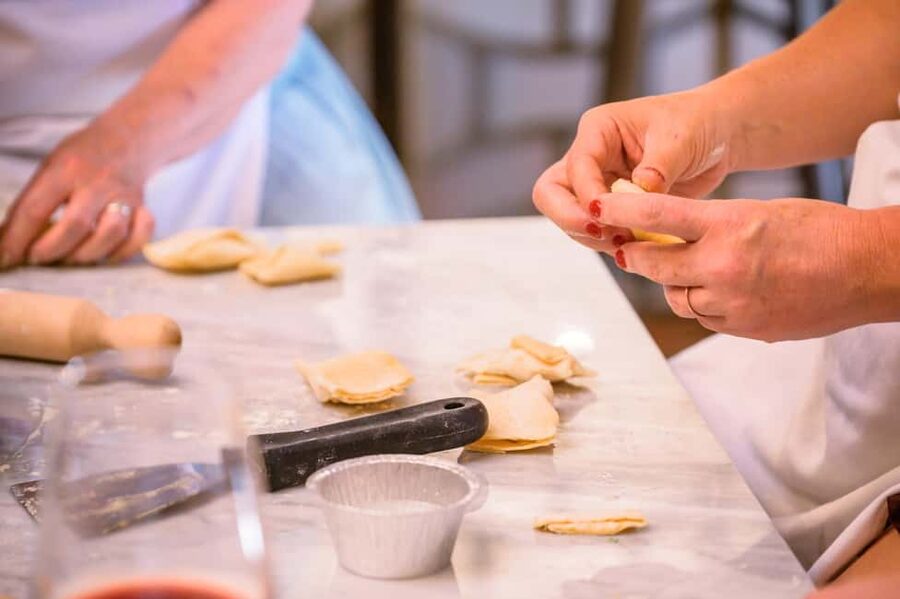
A small group changes the feel of a cooking lesson. With no more than eight participants, you should have a reasonable chance to knead, stir, shape, and assemble the food yourself. This is not presented as a demonstration where you watch a chef do all the work.
The teaching team includes chefs such as Giulia and Alan, with Nicco and Ghi also connected with the classes. Giulia is described as warm and engaging, while Alan is praised for his teaching and his ability to share useful kitchen tricks. The exact chef may depend on the date, but the format is built around direct instruction and participation.
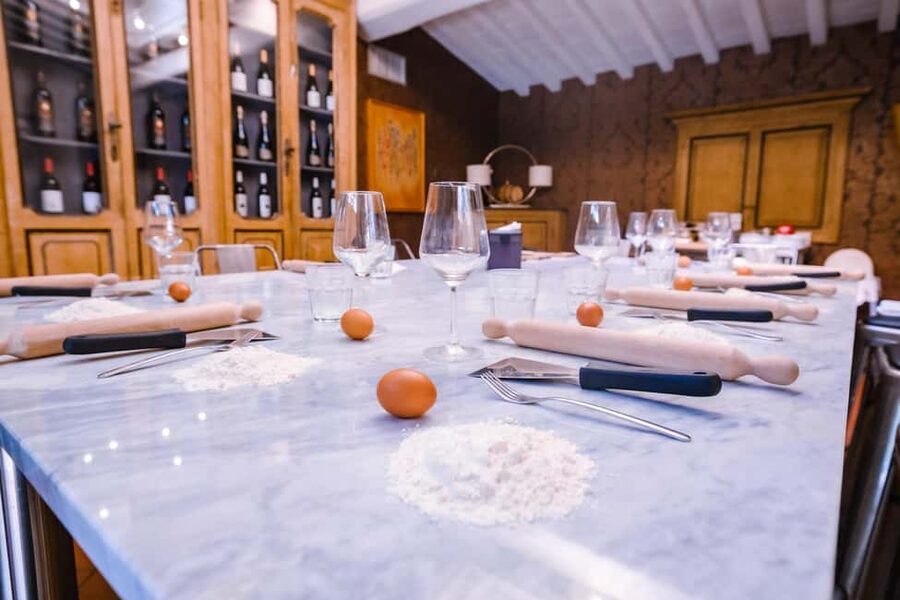
You receive an apron and use the cooking utensils provided. Wear comfortable shoes, since the class lasts several hours and includes standing and moving around the kitchen. You do not need to bring cooking equipment.
Making fettuccine alla carbonara
Carbonara is the first Roman classic on the menu. Here, it is prepared with eggs and bacon, and you work through the steps needed to produce a smooth sauce rather than scrambled eggs.
This is a useful dish to learn because the ingredient list is short, leaving little room to hide mistakes. Timing, heat, and the way you combine the ingredients all matter. Your chef can show you the small adjustments that make the difference between a creamy result and a disappointing one.
You also prepare the fettuccine as part of the class. Working with pasta dough gives you a better feel for Italian cooking than simply boiling dried noodles. You learn how the dough behaves, how to shape it, and how to bring it together with the sauce.
Carbonara comes from Rome, not Tuscany, but that is part of the appeal here. The menu moves across Italy rather than pretending every dish is local to Florence. You get a compact lesson in several regional traditions during one meal.
Assembling lasagne al ragù
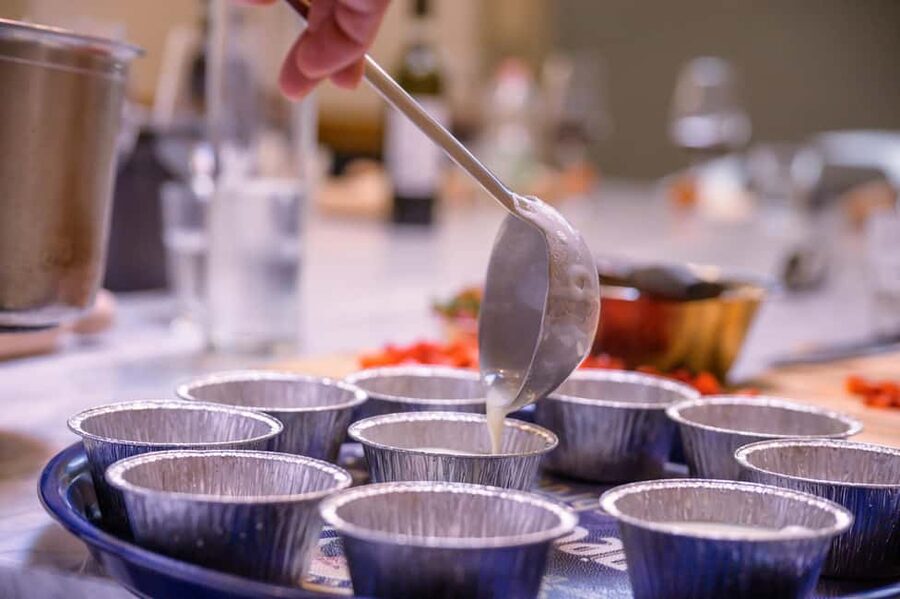
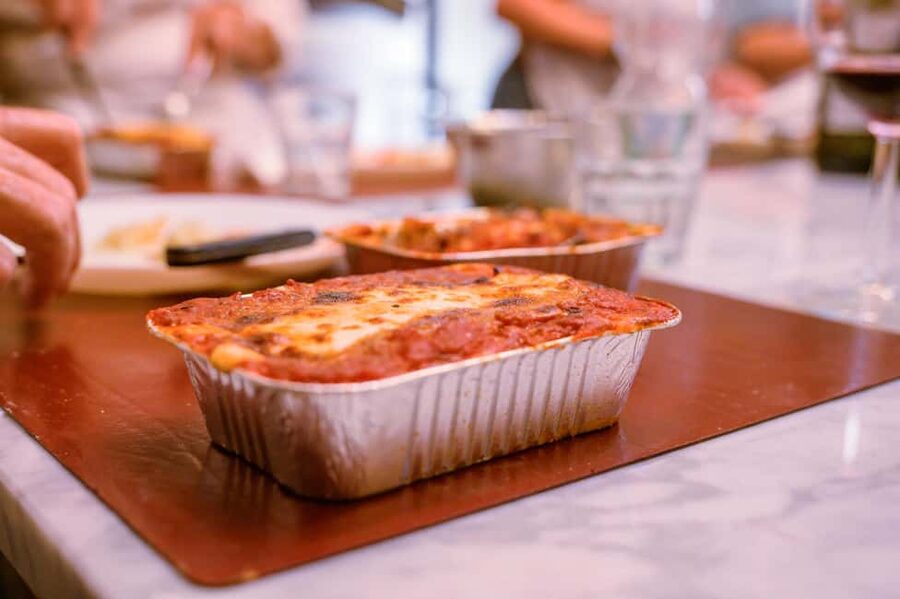
Lasagne al ragù brings a different set of skills. You prepare layers with meat sauce and béchamel, then assemble the dish so that the pasta, ragù, and creamy sauce work together.
This is the course that makes the meal feel especially substantial. Lasagne takes more than a quick pan of pasta, and learning how the layers are balanced gives you something practical to repeat at home. Your chef also shares traditional methods and cooking stories as you work.
The class menu may change slightly with the season or ingredient availability. That is worth keeping in mind if you book with a rigid expectation of every detail. The core menu is clearly built around the four named dishes, but the kitchen may make small adjustments.
By the time you reach the table, lasagne also helps explain the value of the class. You are not paying only for a snack and a recipe card. You are taking part in several stages of a meal that would require much more time and planning to prepare alone.
More Pesto Making Classes in Florence:
- VIP Cooking Class with Carbonara, Pesto Making, Lasagna & Cannoli
★ 5.0 · 10 reviews - Homemade Pasta and Pesto Class with a Local Chef in Genoa
★ 5.0 · 305 reviews - Genova: Homemade Pasta & Pesto Local Chef Class with Wine
★ 5.0 · 217 reviews - Pasta, Pesto and Tiramisu class Riomaggiore, Cinque Terre
★ 5.0 · 57 reviews
Mixing pesto and shaping gnocchi
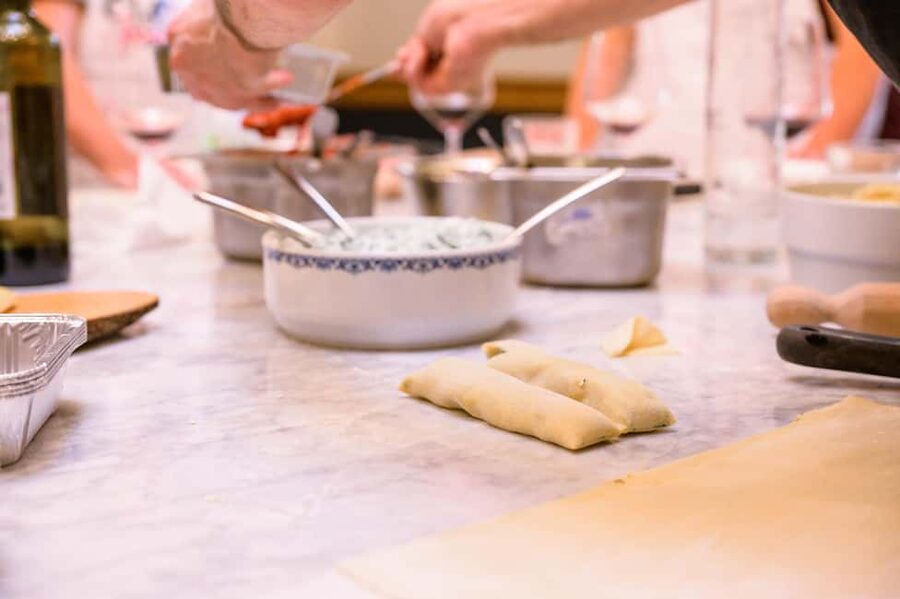
The third savory dish combines gnocchi with homemade pesto. The pesto follows the Ligurian tradition, using basil, garlic, and pine nuts.
Making pesto from scratch is a good lesson in texture and balance. You can see how the basil, garlic, and pine nuts come together, rather than treating pesto as something that begins in a jar. The gnocchi adds another hands-on task, since you help shape the soft potato dumplings before cooking them.
This course also gives the menu a lighter counterpoint to the ragù lasagne and carbonara. It is still filling, but the basil-based sauce brings a fresh note to the meal. The sequence works well for a class because you are learning several basic Italian techniques instead of repeating one kind of pasta preparation.
The chef’s practical tips may be the most useful part for home cooks. One participant specifically valued kitchen shortcuts and methods that could be used after returning home. That is the right test for a cooking class: can you remember what you learned when the holiday is over and your own kitchen is waiting?
Filling Sicilian cannoli
Dessert takes you beyond central and northern Italy with Sicilian cannoli. You fill the shells with ricotta, pistachio, chocolate, and other available toppings.
This is a playful finish because you can adjust the filling to your taste. It also gives the class a dessert-making task rather than ending with a prepared sweet placed on the table.
Cannoli can be delicate, so following the chef’s method matters. The class allows you to see how the creamy ricotta filling is handled and how the pistachio and chocolate elements are used. It is a small but memorable piece of Sicilian food culture inside a Florence cooking lesson.
The menu is large for one class. Carbonara, lasagne, gnocchi, pesto, and cannoli add up to a serious amount of food, especially once wine is included. Come hungry, but do not be surprised if you cannot finish everything. Leftovers may be possible, depending on the group and the kitchen’s arrangements.
Sitting down for the meal and wine
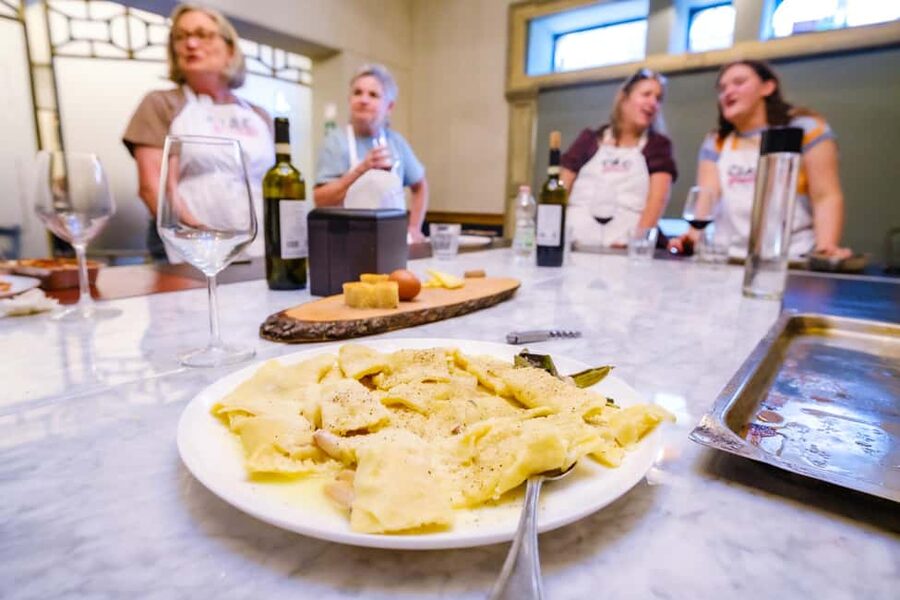
Once the cooking ends, you sit down and eat the food prepared during the class. Lunch or dinner depends on the departure you select, and the meal includes Tuscan wine.
Unlimited wine is included, which adds value for adults who want a relaxed meal with the group. Still, you should pace yourself. The class is long, the menu is generous, and the main pleasure is tasting what you made rather than treating the wine as the central attraction.
The table is also where the social side of the experience comes together. The small group setting makes it easier to compare results, ask last-minute questions, and talk about the recipes. Some participants have had the class almost privately when only two people booked an evening session, while other dates may have a fuller group of eight.
That variation can work in your favor. A nearly private class offers more direct time with the chef, while a full small group brings more shared energy. The format allows for both without becoming a large cooking workshop.
What the $81 price includes
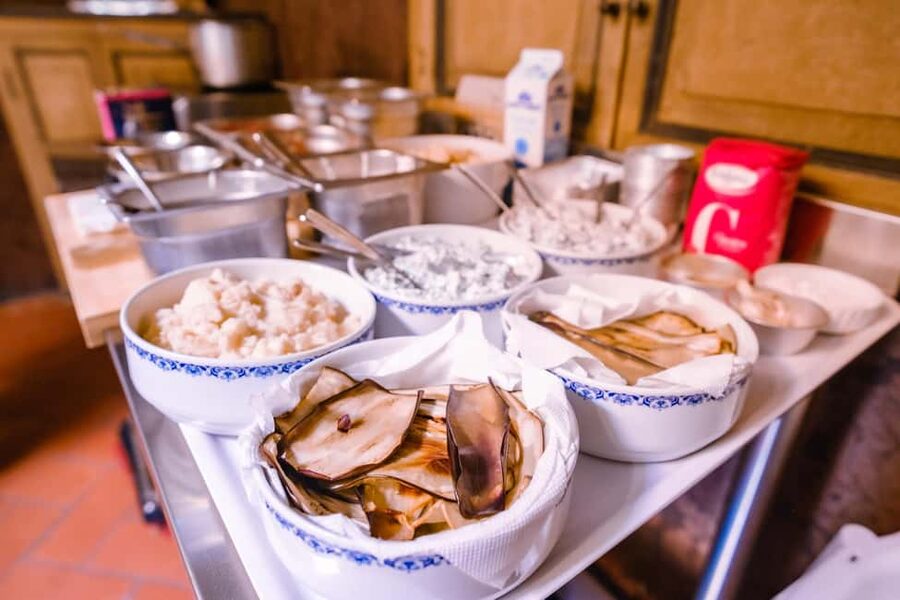
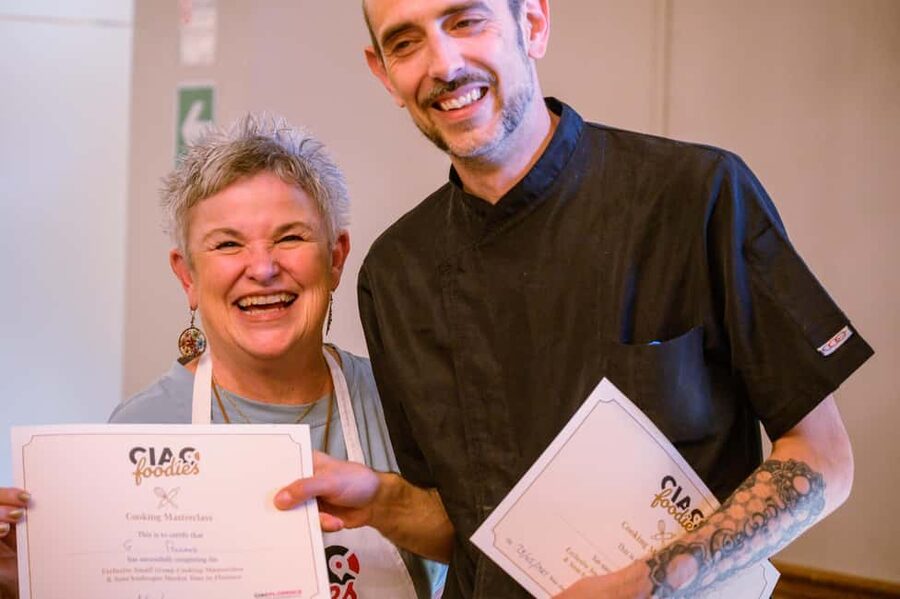
At $81 per person, this is not the cheapest way to eat in Florence. It is also not simply a restaurant meal. The price includes the ingredients, chef instruction, market visit on eligible morning departures, apron, utensils, the cooking lesson, the meal, wine, and a digital recipe booklet.
The value improves if you count the experience as both lunch or dinner and a half-day activity. You get several dishes, instruction from a local chef, and a meal that would take substantial effort to recreate on your own. The included wine and ingredients remove the small extra costs that can make cooking activities less appealing.
The market visit strengthens the morning option. It adds a local food-shopping experience and makes the price easier to justify for anyone interested in how Italian meals begin. If you choose an afternoon or Sunday departure, you lose that part, but the cooking and meal remain.
The class also gives you something to take home beyond a full stomach. The recipe booklet lets you try the dishes again, and the graduation diploma is a pleasant souvenir. I would not book the experience for the diploma alone, but it adds a lighthearted ending.
Who will get the most from this class
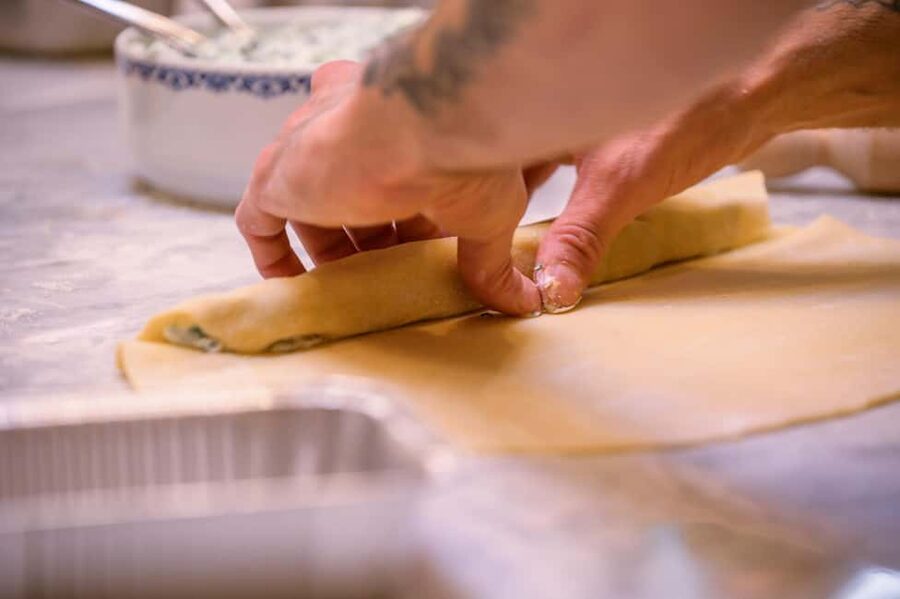
This is a strong choice for adults who want to do more than look at Florence’s food from a restaurant table. You do not need to be an experienced cook. The program is designed around chef guidance, basic techniques, and shared tasks.
It suits couples especially well, as several bookings have resulted in very small evening groups. It also works for solo participants and food-minded friends who enjoy meeting people around a table.
Choose the morning version if the market matters to you. The extra visit connects the dishes to local shopping and gives you more of a half-day food experience. Choose the afternoon version if you mainly want the cooking and meal, or if your Florence schedule makes a morning start difficult.
This is not a good fit for children under six. It is also not suitable for people with gluten intolerance or celiac disease, even though vegetarian options are available. Tell the provider about allergies or food intolerances in advance, but do not assume every restriction can be handled safely.
Practical details before you book
The meeting point is Ciaoflorence Tours & Travel at La Cucineria, Via della Mattonaia 19r in Florence. Check the exact starting time when you choose your date, since departures vary.
Comfortable shoes are the one item specifically recommended. You will spend several hours cooking, and the market visit adds walking for morning participants.
The menu can shift slightly based on season and ingredient availability. That is normal for a class built around fresh products, but it is worth knowing if you are booking for one particular dish.
Free cancellation is available up to 24 hours before the experience for a full refund. You can also reserve now and pay later, which helps if your Florence plans are still moving around.
Should you book this Florence cooking class?
Book it if you want a hands-on food experience with a full meal, not just a short pasta demonstration. The combination of Sant’Ambrogio Market, four recipes, a small group, wine, and take-home recipes gives you a lot for a $81 half-day activity.
I would choose a morning departure on a weekday if possible. That gives you the market visit and the full four to five-hour format. If your schedule only allows an afternoon, Sunday, or bank holiday class, you still receive the main cooking lesson, but you should understand that the market portion is not included.
Skip it if you need a gluten-free class, dislike long group meals, or want a strictly Tuscan menu. Carbonara is Roman, pesto gnocchi follows Ligurian tradition, and cannoli comes from Sicily. For anyone eager to cook, eat, and carry a few Italian techniques home, this is a practical and generous way to spend part of a Florence day.
FAQ
Where does the cooking class meet?
The meeting point is Ciaoflorence Tours & Travel at La Cucineria, Via della Mattonaia 19r, Firenze.
How long does the experience last?
The class lasts four to five hours. Afternoon departures, Sunday departures, and bank holiday departures last about four hours because they do not include the market visit.
Is the Sant’Ambrogio Market visit included with every departure?
No. The market visit is included with morning departures except on Sundays and bank holidays. Afternoon options, Sunday options, and bank holiday options do not include it.
What dishes will I prepare?
You prepare fettuccine alla carbonara, lasagne al ragù with meat sauce and béchamel, gnocchi with homemade pesto, and Sicilian cannoli filled with ricotta, pistachio, chocolate, and other toppings.
Are vegetarian options available?
Yes, vegetarian options are available. You should inform the provider in advance about allergies or food intolerances.
Is the class suitable for people with gluten intolerance or young children?
The experience is not recommended for people with celiac disease or gluten intolerance. It is also not suitable for children under six years old.
Fresh off the board around Florence
- Hands on Deluxe Traditional 4-course dinner with fresh pasta★ 5.0 · 15 reviews
- The Art of Pasta and Wine Tasting with Local Sommelier★ 5.0 · 16 reviews
- Vegan Cooking Class in Florence: Pasta Making & Wine!★ 5.0 · 2 reviews
- Gluten free pasta and dessert class 6 guests max★ 5.0 · 2 reviews
- Tuscan Pasta Masterclass Small-Group Cooking Experience★ 5.0 · 17 reviews
- MaMa Florence: The Art of Corzetti – Hands-On Pasta Class★ 5.0 · 15 reviews
- Cooking class and home made pasta in Florence with LA VIVANDIERA!★ 5.0 · 5 reviews
- Hands-On Pasta Making Class in Central Florence with Patrizia★ 5.0 · 5 reviews
Ravioli and Gnocchi Classes, class by class.
3 in 1 Cooking Class near Navona: Fettuccine, Ravioli & Tiramisu
Read our review →
3-in-1 Fettuccine, Ravioli, and Tiramisu Cooking Class
Read our review →
Fettuccine Pasta Cooking Class in Rome’s City Center
Read our review →
Become a Masterchef in Rome: Pasta, Ravioli and Tiramisù Class
Read our review →
Fettuccine & Tiramisù: Cooking Class with Wine & Limoncello
Read our review →
Rome Pasta and Tiramisu Class: Ravioli, Fettuccine & Fine Wine 5*
Read our review →
Pasta Cooking Class in Rome – Fettuccine Class in Piazza Navona
Read our review →
Lists this class appears in