
Review · AREZZO
Arezzo: Private Pasta-Making Class at a Local’s Home
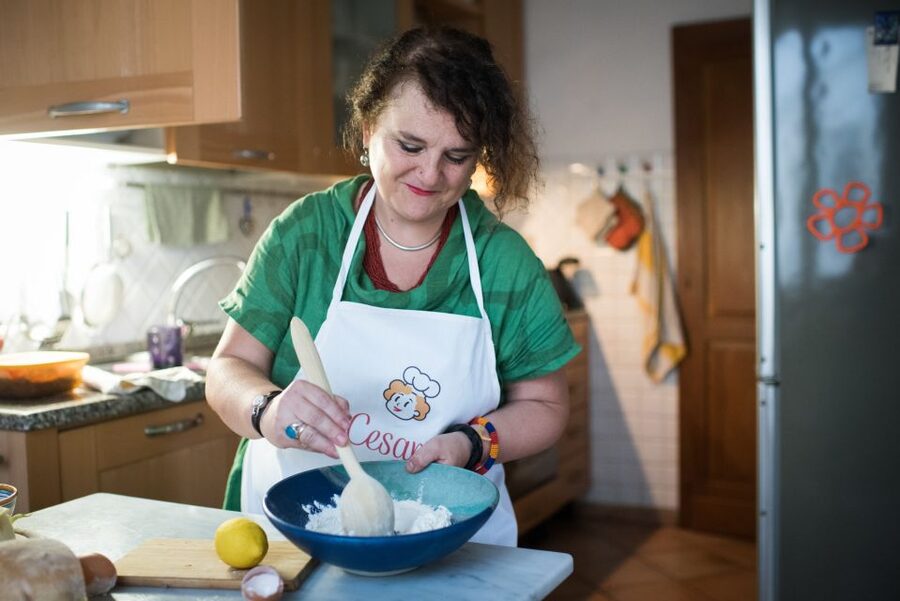
The best part of this Arezzo cooking class is not just learning to shape pasta. It is sitting in a real family home, working from family recipes, then eating the meal at the same table. You get a close look at everyday Tuscan food rather than a polished restaurant demonstration.
I like the private-group format, since the host can give attention to your pasta technique and dietary needs. I also like the full meal that can grow beyond the pasta itself: one recent class included antipasti, dessert, and local wine alongside handmade ravioli and tagliatelle.
The main consideration is language. The host may speak mostly Italian, though a daughter and niece translated into very good English during one class. That can add charm, but you should be comfortable with some gestures, basic cooking words, and a less scripted exchange.
Key points to know
- Three regional pasta recipes: Learn the host’s family methods, with ravioli and tagliatelle among the dishes prepared in one recent class.
- A real family home: The address stays private until booking, giving the class a personal setting rather than a public cooking school.
- Your own workstation: Each participant receives utensils and ingredients, so you do more than watch.
- A meal at the table: Eat what you make with local red and white wines, and possibly antipasti and dessert.
- Flexible timing: Classes usually begin at 10:00 AM or 5:00 PM, with other times possible if arranged ahead.
- Private and adaptable: Vegetarian, vegan, and gluten-free requests can be handled when requested in advance.
Why a home kitchen gives this class its character
Arezzo has plenty of grand churches, stone lanes, and art to fill a day. This class gives you a different view of Tuscany: flour on the work surface, family recipes, and the relaxed rhythm of making food together.
The host is a certified home cook known as a Cesarina, part of a network that connects visitors with local home kitchens. You are not simply shown a finished plate. You work through the process with ingredients, utensils, and a dedicated place at the table.
That distinction matters. In a standard demonstration, you can admire the technique and then forget it by dinner. Here, you put your hands into the dough and repeat the motions yourself. You see how the pasta feels, how thin it should become, and how much filling belongs inside a ravioli. The class is designed to be social, but it is also practical.
The setting is private, and the exact address arrives after booking. The listed coordinates point to the Arezzo area, but you should wait for the host’s confirmed directions rather than planning your route from the coordinates alone. Since this is held in a family home, the format feels more personal than a central culinary school, though it also means the setting and transport details are less standardized.
More Fresh Pasta Workshops in Italy:
- Rome: Pasta Making Class with Wine, Limoncello, and Dessert
★ 4.9 · 3,177 reviews - Pastamania – Florence Pasta Making Class
★ 5.0 · 3,050 reviews - Enjoy Spritz and Pasta Making in Piazza Navona
★ 5.0 · 1,681 reviews
Three pasta recipes, not just a quick demonstration
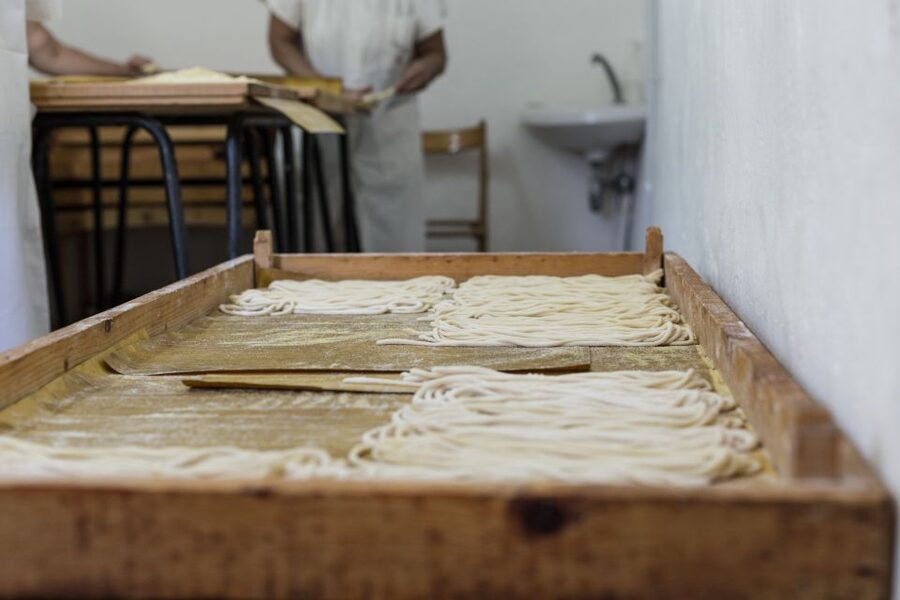
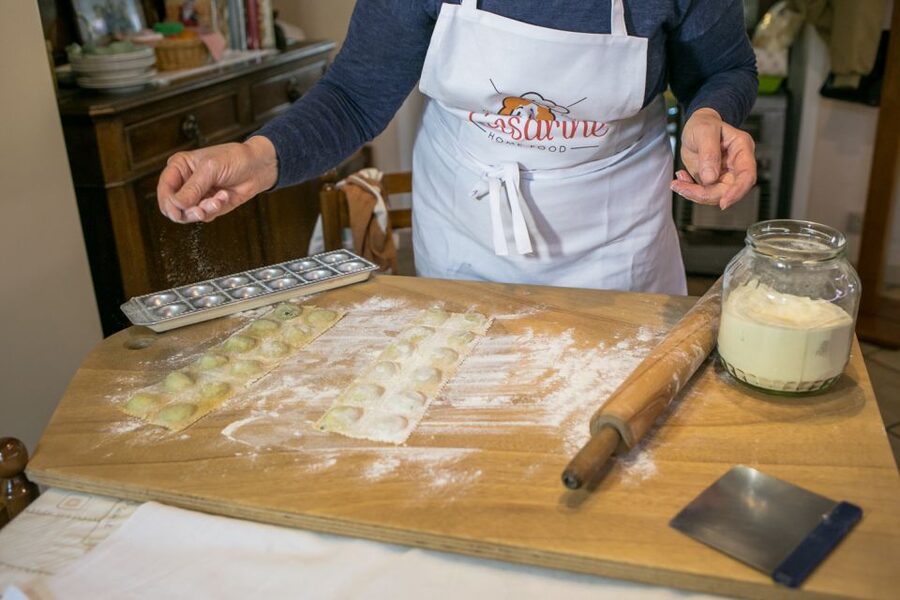
The lesson covers three traditional regional pasta recipes. The exact recipes can depend on the host, but the class description focuses on local specialties from family cookbooks. A recent session included ravioli and tagliatelle, two useful examples of the range you can expect.
Ravioli gives you the careful work. You learn to place filling, seal the edges, and avoid trapped air or loose seams. It is the sort of task that looks easy until you try it. The reward comes when the pieces hold together in the pot and reach the plate without opening.
Tagliatelle offers a different kind of practice. You roll the dough thin, then cut it into long ribbons. The strands need enough body to hold sauce but should not become heavy. A home cook can show you the small adjustments that written instructions often skip, such as how the dough should feel before rolling or how much flour is useful without drying it out.
The third recipe gives the session more scope than a single-pasta workshop. You are not rushing through one shape just to take a photograph. You get a look at several familiar forms of Italian pasta and the family habits behind them.
You should not expect a formal culinary certificate or a professional kitchen setup. The value is in learning household methods and making a meal with the person who knows them best. If you want technical training aimed at restaurant work, this is probably too informal. If you want to bring a few Tuscan ideas home, it is a better match.
What happens at your individual workstation
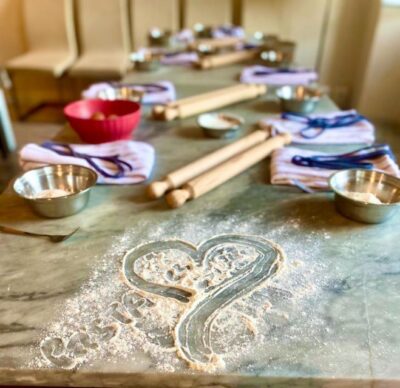
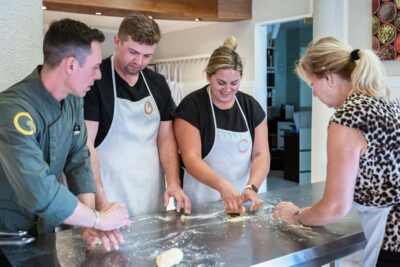
The class runs for about three hours, which is long enough for cooking and eating without turning the day into a full-day commitment. Each participant has a workstation with the required utensils and ingredients.
That setup is important for couples, families, and small private groups. You do not have to stand behind one person while everyone else watches. You can work at your own pace, ask for help, and compare your pasta with the host’s examples.
Expect an active session rather than a passive one. You will handle the ingredients, test your technique, and make corrections as you go. Pasta making can be messy, especially at the beginning, so the class suits people who enjoy doing things with their hands.
The host also shares tricks of the trade from family cooking. These may be small details rather than dramatic secrets, but small details often decide if fresh pasta turns out well. Pay attention to texture, flour use, shaping, and timing. Those are the lessons most likely to help when you try the recipes in your own kitchen.
A private format also helps with questions. If you are unsure how thin to roll the dough or how firmly to close the ravioli, you can ask at once. In a larger class, those moments can pass before an instructor reaches your station.
The meal makes the class feel complete
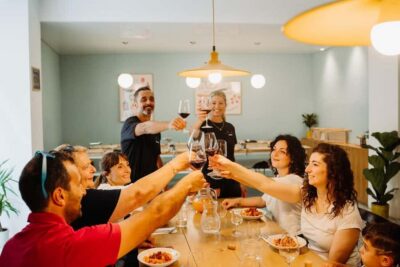
After the preparation, you sit down and taste the food you made. This is not a token sample at the end of a workshop. The plan includes eating the pasta with a selection of local red and white wines.
One class also included antipasti and dessert, creating a full Italian menu rather than a plate of pasta alone. These extras are not guaranteed in the basic description, so I would treat them as a welcome possibility rather than a promise. Still, the format clearly aims to turn the lesson into a shared meal.
That final table time is where the class shifts from instruction to conversation. You have a natural subject to discuss: the food in front of you. It is easier to ask about ingredients, family traditions, and local cooking when everyone is eating the result together.
Wine is included as part of the tasting, with both red and white local selections mentioned. If you do not drink alcohol, or if you have dietary concerns, raise the matter when booking. The supplied details specifically allow dietary requests, including vegetarian, vegan, and gluten-free needs, when arranged ahead.
Keep in mind that a home meal may not follow the exact pace of a restaurant. The food is prepared during your visit, and the atmosphere is part of the point. Give yourself room after the class instead of scheduling a demanding appointment immediately afterward.
More Private Pasta Classes in Italy:
- Rome: Pasta Making Class with Tiramisu & Wine PRIVATE OPTION
★ 4.8 · 404 reviews - From Taormina: Private/Guided Godfather with appetizer and Pasta
★ 5.0 · 233 reviews - Cesarine: Private Pasta Class & Meal at Local’s Home in Bologna
★ 5.0 · 111 reviews - Cesarine: Private Pasta Class at Local’s Home in Messina
★ 5.0 · 53 reviews
Language, conversation, and the Italian family setting
The class is offered in Italian and English. The host may not speak fluent English throughout the visit. In one recent class, the host’s daughter and niece translated very well, allowing the group to learn about food, ingredients, and local traditions.
That detail gives you a useful picture of the tone. You may not receive a perfectly polished speech in English, but you can still have a genuine exchange. Cooking is visual and physical, so gestures, demonstrations, and repeated words carry you a long way.
If you want every detail delivered in smooth English by one professional guide, ask about language support before confirming. If you enjoy a little give and take, the family involvement can make the meeting feel more natural.
I recommend learning a few simple Italian food terms before you arrive. Words for flour, water, egg, pasta, roll, cut, fill, and cook will help. You do not need to speak Italian, but showing interest in the language makes the class easier and more fun.
The strongest feature here is the human contact. You are not placed in a large room with a rotating group. You are welcomed into a household and spend several hours making food with the people who know the recipes.
Timing and planning your Arezzo day
The usual start times are 10:00 AM and 5:00 PM. The morning option works well if you want the afternoon free for Arezzo sightseeing. The late-day option functions more like a cooking lesson followed by dinner.
The schedule can be flexible if you contact the supplier in advance. Do not assume a custom time is automatic. Ask before booking, especially if you are arranging trains, museum visits, or a day trip around the class.
The exact home address is sent after booking for privacy reasons. This protects the host, but it means you should not make tight transport plans until you receive the confirmed meeting instructions. Check how you will reach the home and allow time to find the correct door.
The three-hour length is a good middle ground. It is long enough to learn several recipes and eat together, but short enough to fit into an Arezzo visit. Families should consider the practical side: children who enjoy cooking can take part, but the class involves patience, handwork, and a meal paced by the host.
Value: what you are really paying for
No price is provided here, so I cannot give a fair cost comparison. The useful question is what the fee covers. You are paying for private instruction, ingredients, equipment, a meal, local wine, and time in a family home.
That can be good value if you care about personal contact and active cooking. A restaurant meal gives you food with no effort. This class gives you food plus a skill, a setting, and a story to take home. The value is less clear if you only want a quick plate of pasta or a formal lesson with advanced technique.
The private-group structure also matters. A shared class may cost less, but a private booking gives you more control over the pace and dietary requests. For a couple or family marking a special holiday, the extra privacy may be worth it.
Ask about what is included in the meal if that affects your decision. The core details promise handmade pasta and local red and white wine. Antipasti and dessert appeared in one full menu, but you should confirm whether those additions apply to your chosen session.
Free cancellation up to 24 hours before the activity and reserve-now, pay-later booking make the commitment easier. Still, read the final booking terms and confirm dietary needs before the deadline.
Who will enjoy this most
I would choose this class for people who want to meet local residents and learn by doing. It suits couples, families, and private groups who would rather share a kitchen than sit in a large demonstration room.
It is also a good fit if you enjoy food as part of cultural travel. The recipes are not presented alone. They come with family methods, conversation, wine, and a place at the table.
You may want another type of tour if your main goal is professional culinary training, a guaranteed English-only lesson, or a fixed menu with every course listed in advance. You should also think twice if you dislike uncertain meeting details or prefer a cooking school in a clearly marked central location.
For most people, the informal nature is a strength. You get a closer look at how food is taught and shared in an Italian home. Just arrive ready to participate, not merely watch.
Should you book this Arezzo pasta class?
Book it if you want a personal meal with a cooking lesson attached. The combination of three regional pasta recipes, individual workstations, a private family home, and wine at the table gives the three hours real substance.
The strongest reasons to choose it are the warm family setting, the chance to make ravioli and tagliatelle yourself, and the possibility of enjoying a fuller meal with antipasti and dessert. The language may be mixed, and the exact home address comes later, so plan with some flexibility.
For a taste of everyday Tuscan cooking rather than a staged food show, this is a smart choice in Arezzo.
FAQ
How long does the pasta-making class last?
The class lasts three hours, including the cooking lesson and time to taste what you prepare.
Where does the class take place?
It takes place in a local family’s home in the Arezzo area. The full address is provided after booking for privacy reasons.
What time does the class usually start?
The usual start times are 10:00 AM and 5:00 PM. The time may be flexible if you contact the supplier in advance.
How many pasta recipes will I learn?
The class covers three authentic regional pasta recipes. Ravioli and tagliatelle were prepared in one recent session, but the exact recipes can depend on the host.
Is the class private?
Yes. The activity is arranged as a private group experience.
What languages are available?
The activity is offered in Italian and English. In one class, family members helped translate into English when the main hosts spoke mostly Italian.
Can dietary requirements be accommodated?
Yes. Vegetarian, vegan, gluten-free, and other dietary requirements can be handled when requested in advance.
What are the cancellation and payment options?
You can cancel up to 24 hours before the activity for a full refund. You can also reserve your place and pay later.
Fresh off the board around Italy
- Vicenza: Pasta & Tiramisu Cooking Class at a Local’s Home★ 5.0 · 5 reviews
- Verona: Pasta & Tiramisu Cooking Class at a Local’s Home★ 5.0 · 16 reviews
- Volterra: Fresh Pasta Cooking Class at a Tuscan Farmhouse★ 5.0 · 33 reviews
- Verona: Tortellini Cooking Class and Lunch with Mamma Ivana★ 5.0 · 20 reviews
- Verona: My Granny’s secrets making gnocchi★ 5.0 · 7 reviews
- Verona: Prosecco and Pasta Making Class at a Local’s Home★ 5.0 · 10 reviews
- Venice: Pasta Carbonara Cooking Class with Wine★ 5.0 · 3 reviews
- Venice: Share Your Pasta Love in a Local’s Home★ 4.8 · 20 reviews
Fresh Pasta Workshops, class by class.
Pasta Making Class with Wine, Limoncello, and Dessert
Read our review →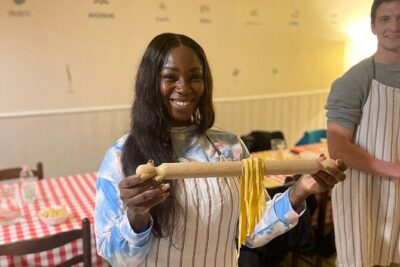

Enjoy Spritz and Pasta Making in Piazza Navona
Read our review →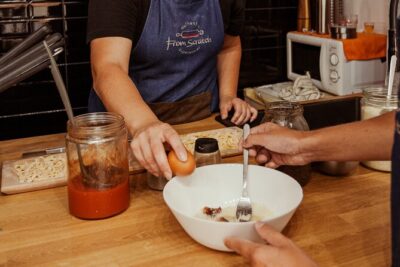
Pasta Making & Wine Tasting with Dinner in Frascati from Rome
Read our review →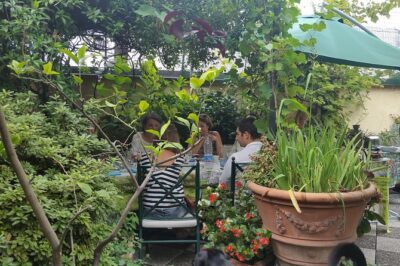
The Secrets to Learn Fresh Pasta and Tiramisù in a Glam Home
Read our review →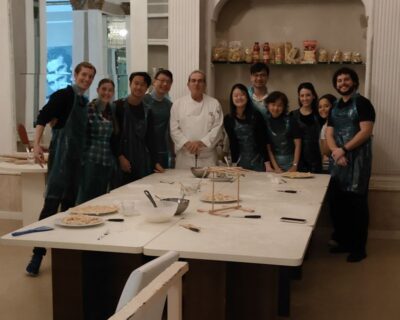
Handmade Pasta & Dessert Class with Unlimited Wine
Read our review →Lists this class appears in