
Review · BOLOGNA
Bologna: Tagliatelle Pasta and Bolognese Sauce Class
Bologna’s most famous dish is not a complicated restaurant creation. It starts with flour, eggs, a rolling pin, and enough patience to cut pasta into proper tagliatelle. This class puts you at the table with a local home cook, where you make the dish from scratch and then eat what you prepared.
I like two things right away: the class stays small, with no more than 10 people, and the meal includes a regional wine such as Sangiovese or Pignoletto. You also get an aperitivo while the ragù cooks. The main consideration is time: two hours gives you a useful introduction, but not a long chef-training course or a full survey of Bolognese cuisine.
Key points to know before booking
- Fresh pasta is the heart of the class: You make tagliatelle by hand rather than simply watching a demonstration.
- The meal is part of the lesson: After cooking, you sit down to eat your tagliatelle al ragù with regional wine.
- Hosts bring a personal touch: Cesarine cooks such as Laura, Maurizio, and Veronica lead sessions, depending on the booking.
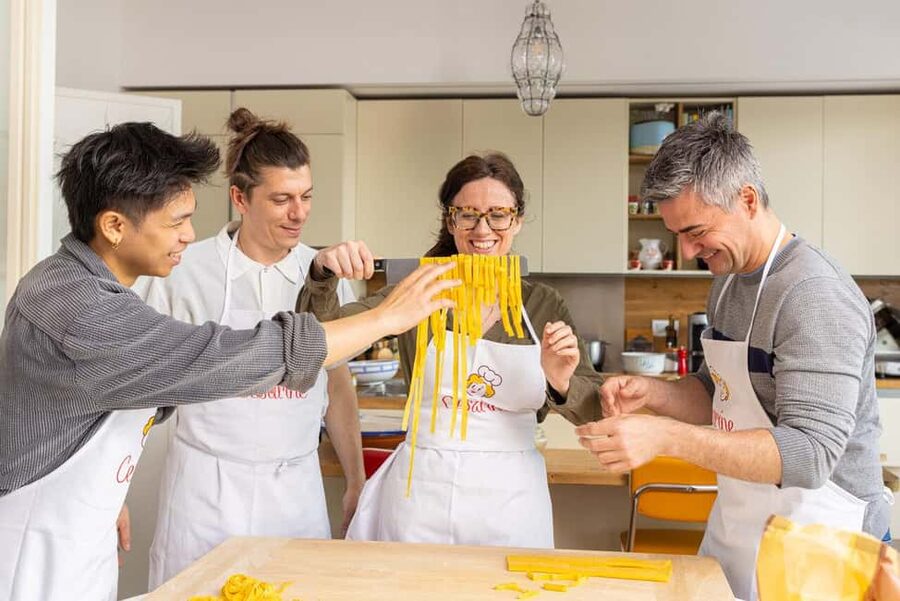
- Small groups make hands-on work easier: The class is limited to 10 participants.
- Aperitivo fills the cooking time: You can talk with your host and learn about Bologna’s food customs while the sauce simmers.
- The price is $100 per person: That covers instruction, the cooked meal, an aperitivo, and a glass of wine.
Why tagliatelle matters in Bologna
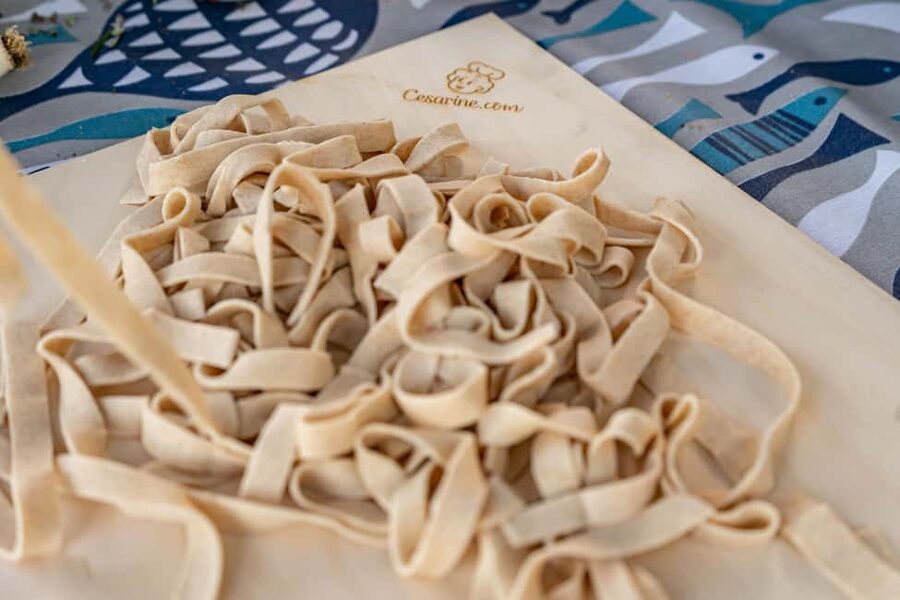
Order Bolognese sauce in many parts of the world and it arrives with spaghetti. In Bologna, the traditional match is tagliatelle, a flat ribbon of fresh egg pasta that holds the meat sauce well.
That difference makes this class more than a generic pasta lesson. You are learning the local pairing, not just a popular Italian recipe. The meal also gives context to Bologna’s food culture, where handmade pasta and long-cooked sauces are central to the table.
You will work with basic ingredients and traditional methods. The appeal is not novelty. It is learning why a simple dish takes care, and why fresh pasta feels different from dried pasta from a packet.
More Ravioli and Gnocchi Classes in Bologna
- Bologna: Pasta Tagliatelle al Ragu Cooking Class with Wine
★ 4.7 · 225 reviews - Authentic Bologna Home Cooking Class: Tagliatelle & Tortellini
★ 4.5 · 136 reviews - Bologna: Traditional Bolognese Pasta Making with Meal
★ 4.8 · 97 reviews
Starting with handmade tagliatelle
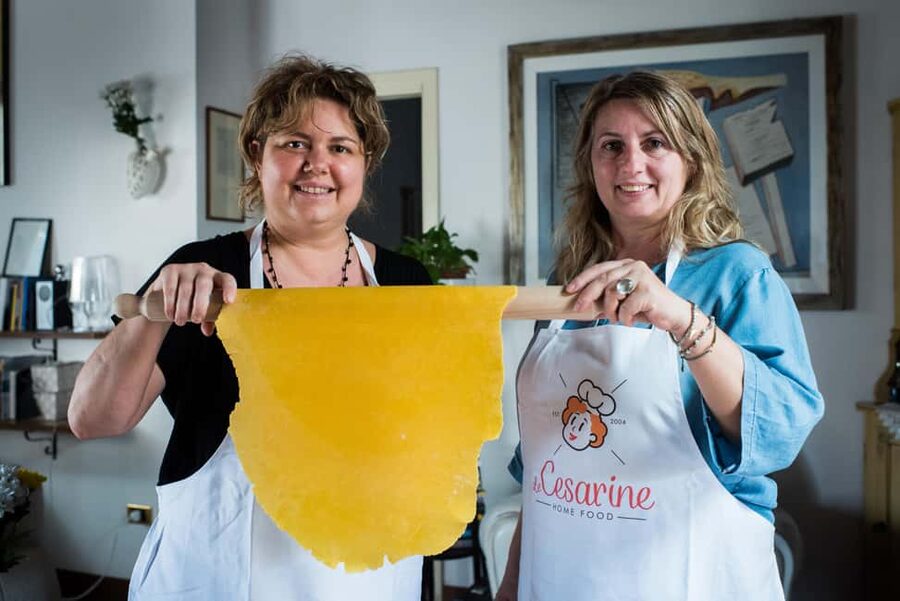
The class begins with the pasta. You make the dough from scratch, then work it until it reaches the proper texture. The host guides you through the process and explains the small details that affect the final result.
This is the most active part of the class. You are not sitting at a counter while someone else cooks. You handle the dough, shape it, and learn how tagliatelle gets its familiar width.
For many people, rolling and cutting fresh pasta is the main reason to book. It gives you a skill you can try at home, though your kitchen may not produce exactly the same result on the first attempt. Fresh pasta rewards practice, and the short class can teach you the method without requiring a full day in the kitchen.
I would pay attention to texture rather than speed. The goal is a pasta dough that cooks properly and feels tender, not a race to finish first. Your host can answer questions as you work, which is especially helpful if you have never made pasta before.
Preparing the slow-cooked ragù
Once the pasta work is underway, you prepare ragù alla Bolognese. The sauce is the second half of the lesson, and its flavor comes from slow cooking rather than a quick splash of tomato sauce.
The host follows a traditional recipe passed down through generations. You learn how the sauce develops its full taste as it simmers, then serve it with the tagliatelle you made earlier.
This part of the class is useful because it shows the difference between a dish labeled Bolognese and the version associated with Bologna itself. The sauce is treated as a careful preparation, not as something tossed together at the last minute.
You should also expect a little waiting while the ragù cooks. That is not wasted time. The class uses it for conversation, food stories, and a small aperitivo. Still, if you want constant action from beginning to end, the slower pace may feel modest. If you like understanding how a dish comes together, it works well.
Aperitivo, conversation, and local food customs
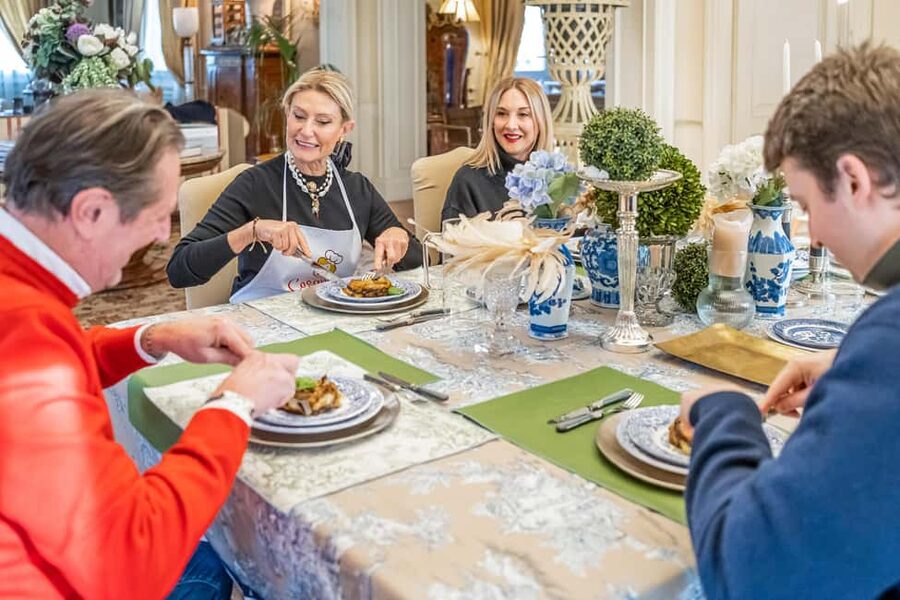
While the sauce simmers, your host serves a regional aperitivo. The exact food is not specified, so you should think of it as a small pre-meal tasting rather than a separate dinner.
This pause gives the class a social rhythm. You have time to ask about ingredients, cooking habits, and Bologna’s food traditions. Instruction is available in English or Italian, and the small group size should make it easier to take part in the conversation.
The host is a key part of the experience. Cesarine is a network of Italian home cooks, so the setting is meant to feel personal rather than like a large commercial cooking school. The hosts are not all the same, and that is part of the character of the class.
Past sessions have included Laura, Maurizio, and Veronica. Laura was praised for answering questions and creating an easy exchange between different cultures. Maurizio was described as warm and welcoming, while Veronica received strong praise for keeping the entire process hands-on. Your host will depend on the date and booking, but the personal format is consistent.
Same flour, a different shape to roll:
- Bologna Food & Market Tour with 6 Tastings, Pasta, Wines & More
★ 5.0 · 1,328 reviews - Bologna: Pasta Cooking Class, Ragu, Spritz, Wine & Gelato
★ 4.9 · 775 reviews - Bologna Local Pasta Cooking Class, Ragu, Spritz, Wine & Gelato
★ 5.0 · 527 reviews - Pastamama, Home Cooking Classes at Grace’s Home
★ 5.0 · 521 reviews
Sitting down to your tagliatelle al ragù
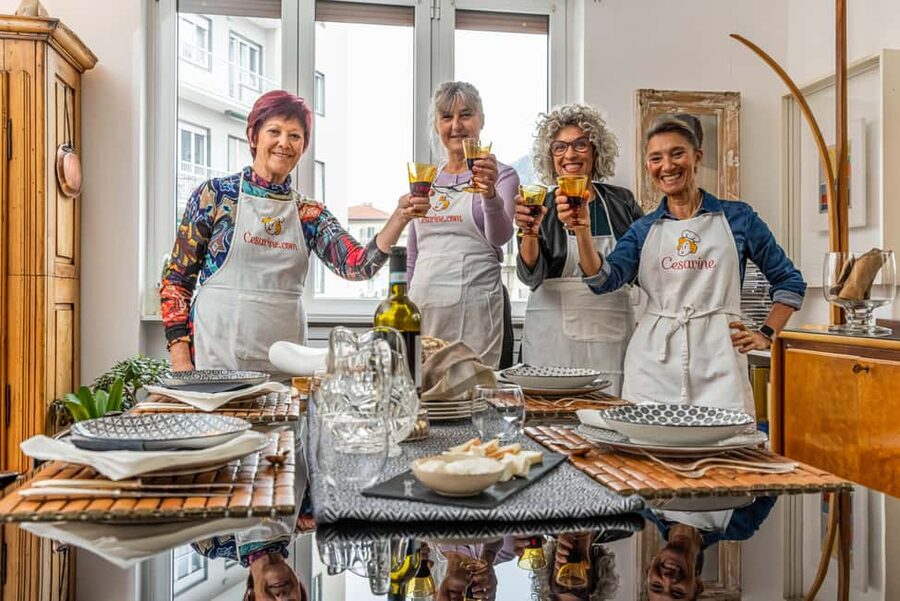
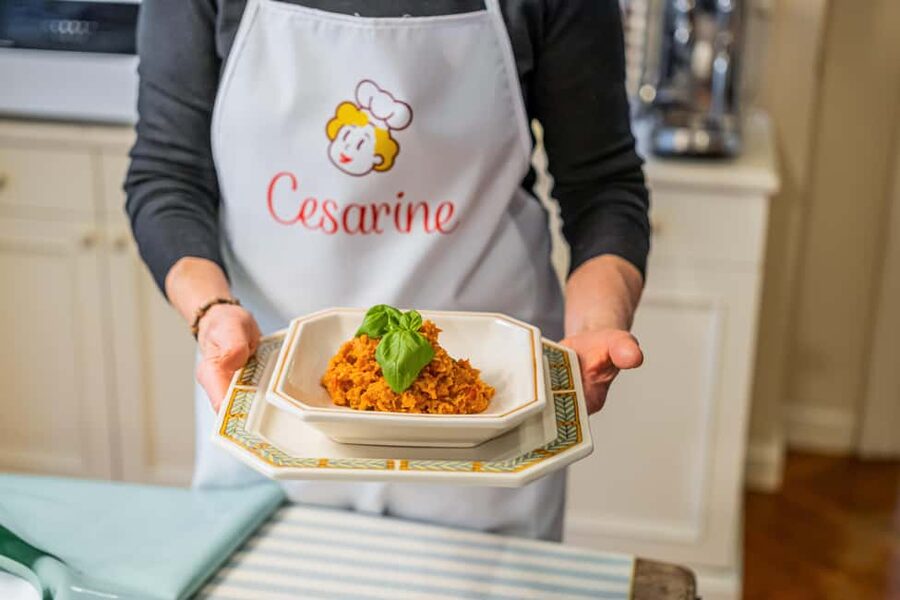
The final stage is the reward for the work. You eat the tagliatelle al ragù you prepared, paired with a glass of regional wine.
The wine may be Sangiovese or Pignoletto. Sangiovese is a familiar red from the region, while Pignoletto offers a lighter regional option. The included glass makes the meal feel more complete, though you should not book this expecting a large wine tasting or a full drinks package.
The meal is likely to be most satisfying if you enjoy food as a shared activity. You have made the pasta, watched the sauce come together, and then sit down with the people from the class. It is a simple format, but it connects the cooking lesson to the meal in a way a standard restaurant visit cannot.
Additional touches may appear depending on the host. One session included dessert and coffee at the end, both warmly praised. These are not listed as guaranteed inclusions, so treat them as a possible host-specific extra rather than part of the promised package.
What the $100 price includes
At $100 per person, this is not the cheapest meal you can buy in Bologna. You can find pasta at a restaurant for less, and a casual lunch does not require a two-hour commitment.
The value comes from combining instruction and dinner. Your fee includes the hands-on tagliatelle and ragù class, the food you make, a regional aperitivo, a glass of wine, and conversation about local cooking traditions. You are paying for an activity as well as a meal.
The small group also matters. With a limit of 10 participants, you have a better chance to work directly with the dough and ask questions than you would in a large demonstration. The format should suit you if you value personal attention and want to leave with a method you can repeat.
The price is less compelling if you only want to eat Bolognese food. A restaurant gives you more menu choice and may offer several courses. This class makes sense when the cooking itself is part of what you want from your time in Bologna.
A realistic look at the two-hour schedule
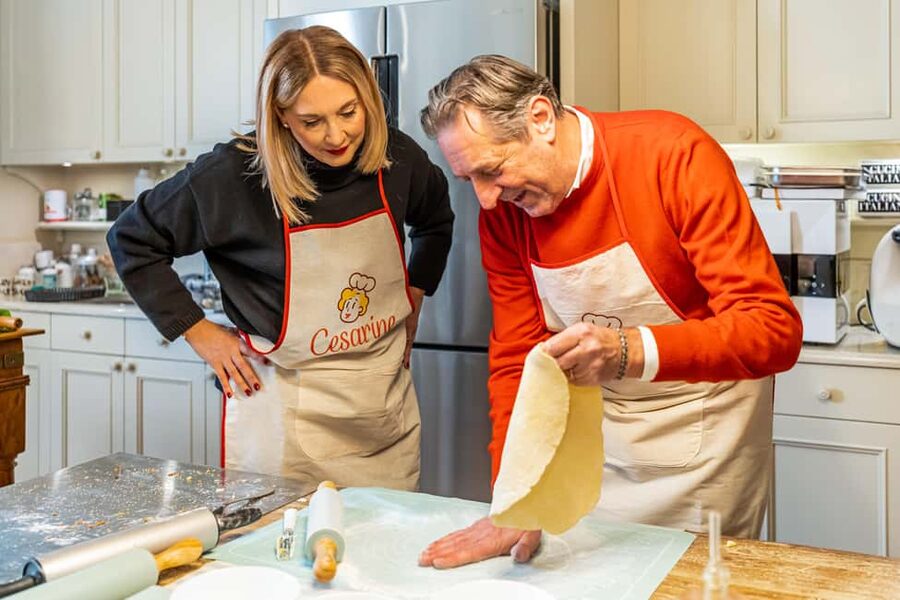
Two hours is enough for a focused introduction, but the schedule will be active and fairly tight. You will make the pasta, prepare the ragù, enjoy an aperitivo during the simmering time, and eat the finished dish.
Do not expect a long lesson on every type of pasta from Emilia-Romagna. The class concentrates on one famous dish. That focus is a strength if you want to learn tagliatelle properly, but a limitation if you are hoping to make tortellini, lasagna, or several sauces in one sitting.
The experience ends with the meal, so it works well as a lunch or early evening plan. Starting times vary, and you need to check the available slot when booking. Since the class takes place in a local home setting, allow enough time to reach the meeting point without rushing, though the exact location is not provided here.
Who will enjoy this class most
I would recommend this for you if you enjoy food, like meeting local people, or want an activity that feels tied to Bologna rather than simply located there. It is also a good choice for couples, families, and small groups who want to cook together.
Beginners should feel comfortable. The class is designed around hands-on instruction, and the hosts answer questions as you work. You do not need to arrive with pasta-making skills.
It can also suit experienced home cooks who want to compare methods. Just keep your expectations in check. This is a short local cooking class, not professional culinary training.
The class may be less suitable if you have strict dietary needs, although the supplied information does not state how dietary requests are handled. Ask before booking rather than assuming substitutions are available. The same caution applies to allergies.
Language, group size, and flexibility
Instruction is offered in English and Italian. That makes the class accessible to English-speaking visitors, while the Italian setting remains part of the atmosphere.
The group cap of 10 is a practical advantage. Cooking beside a few other people can make the meal social without turning it into a crowded workshop. The class is still a shared activity, though, so you should not expect a private lesson unless that is separately arranged.
You can cancel up to 24 hours before the start for a full refund, and the reserve-now, pay-later option lets you hold a place without paying immediately. Those terms are useful when your Bologna plans are still shifting. Check the booking details for the exact start time and meeting information.
What the strongest praise tells you
The most consistent praise centers on the welcome, the quality of the instruction, and the meal itself. That combination matters. A pasta class can fail if the teacher talks too much, if participants do little, or if the final dish feels like an afterthought.
Here, the hands-on format is the main strength. You are involved from dough to dinner. Veronica was specifically praised for making the entire process active, while Laura’s careful answers helped turn the cooking into a conversation rather than a simple demonstration.
The social side is also important. Laura’s session included an exchange about different cultures during the preparation and dinner. That is the kind of small detail that gives a home-based cooking class its value.
The food earns its place, too. The final tagliatelle al ragù was repeatedly described as delicious, and one evening included excellent wine, dessert, and coffee. The perfect rating across six recorded ratings is encouraging, but a small sample is still a small sample. Your experience will depend partly on the host and the group on your date.
A few limits to keep in mind
The class focuses on one dish. If your main interest is learning many Italian recipes, you may want a longer cooking program instead.
The meal is also fixed around tagliatelle al ragù. You should not expect a broad menu or a choice of main course. That focus is exactly what makes the class clear and manageable, but it will not suit someone who dislikes the dish or wants extensive variety.
The regional wine is limited to one glass. It adds a local touch, but this is not a wine-centered event. Likewise, dessert and coffee have appeared in at least one session but are not listed among the standard inclusions.
Finally, two hours passes quickly. You will get a practical look at fresh pasta and ragù, but you may leave wishing you had more time to talk or repeat the technique. That is a fair trade for a compact activity that fits into a busy Bologna itinerary.
Should you book the Bologna pasta class?
Book it if you want to make the dish, not just eat it. The class offers a direct way to learn Bologna’s signature pasta, meet a local home cook, and share a meal with regional wine.
At $100, the value depends on your priorities. For dinner alone, it is expensive. For a small-group cooking lesson with food, wine, an aperitivo, and local conversation, the price is reasonable.
I would choose this class for a first visit to Bologna, especially if you have already seen the major sights and want an evening centered on everyday food culture. Skip it if you prefer independent restaurant hopping, need a flexible menu, or want advanced culinary training.
FAQ
How long does the Bologna pasta class last?
The class lasts two hours.
What will I cook?
You will make fresh tagliatelle from scratch and prepare traditional ragù alla Bolognese, then eat the finished tagliatelle al ragù.
Is wine included?
Yes. The experience includes one glass of regional wine, such as Sangiovese or Pignoletto.
What languages are available?
The class is offered in English and Italian.
How many people can join the class?
The group is limited to 10 participants.
Can I cancel for a refund?
Yes. You can cancel up to 24 hours in advance for a full refund.
Fresh off the board around Bologna
- 3 hour Lasagna Bolognese cooking class★ 5.0 · 6 reviews
- Cesarine: Small group Tortellini Class at Local’s Home in Bologna★ 5.0 · 18 reviews
- Tortelloni and Tagliatelle Cooking Class in Bologna + Wine★ 3.0 · 2 reviews
- Colorful Pasta Workshop in Bologna with meal★ 5.0 · 2 reviews
- Cesarine: Pasta & Tiramisu Class at a Local’s Home in Bologna★ 5.0 · 29 reviews
- Pasta Making Class: Tagliatelle & Bolognese Sauce★ 5.0 · 15 reviews
- Pasta and Tiramisu Masterclass with organic wines★ 3.5 · 3 reviews
- Home Cooking: Pasta Making with Natural Colors in a Tiny Group★ 5.0 · 6 reviews
Ravioli and Gnocchi Classes, class by class.
3 in 1 Cooking Class near Navona: Fettuccine, Ravioli & Tiramisu
Read our review →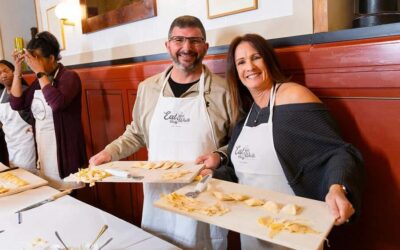
3-in-1 Fettuccine, Ravioli, and Tiramisu Cooking Class
Read our review →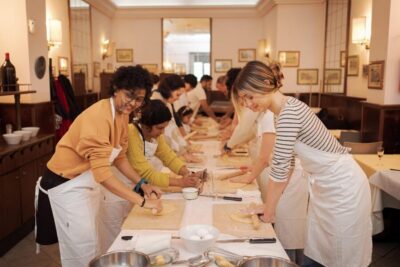
Fettuccine Pasta Cooking Class in Rome’s City Center
Read our review →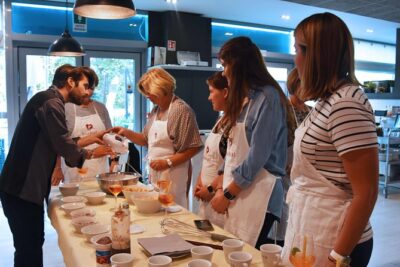
Become a Masterchef in Rome: Pasta, Ravioli and Tiramisù Class
Read our review →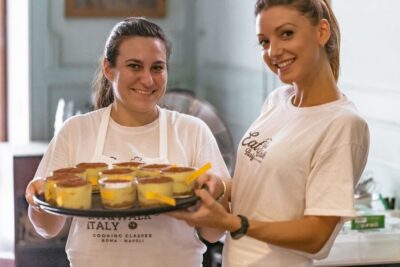
Fettuccine & Tiramisù: Cooking Class with Wine & Limoncello
Read our review →
Rome Pasta and Tiramisu Class: Ravioli, Fettuccine & Fine Wine 5*
Read our review →
Pasta Cooking Class in Rome – Fettuccine Class in Piazza Navona
Read our review →
Lists this class appears in