
Review · ITALY
Make Tagliatelle & Tiramisù at a Historic Villa (3-Course Meal)
The best part of this cooking class is the setting: a historic villa that once served as a hunting lodge, where you learn Bolognese cooking through three dishes you can make again at home. The class takes place in Castel San Pietro Terme, not in central Bologna, so the location matters when you plan your day.
I like the hands-on pasta lesson, especially because you make fresh egg tagliatelle rather than simply watching a demonstration. I also like the warm, personal feel created by the chef, who shares family recipes, local food traditions, and the story of the villa.
The main drawback is the price, $295.07 per person. That is a serious spend for a three-hour meal, and the class may not suit you if you want a quick market visit or a low-cost cooking activity. It is also a BYOB experience, so wine or beer is not included.
Key points to know before booking
- A former hunting lodge provides the setting: You cook and eat in a historic villa near Castel San Pietro Terme.
- The class covers three classic dishes: Crescentine with mortadella and Parmigiano-Reggiano, tagliatelle al ragù, and tiramisù.
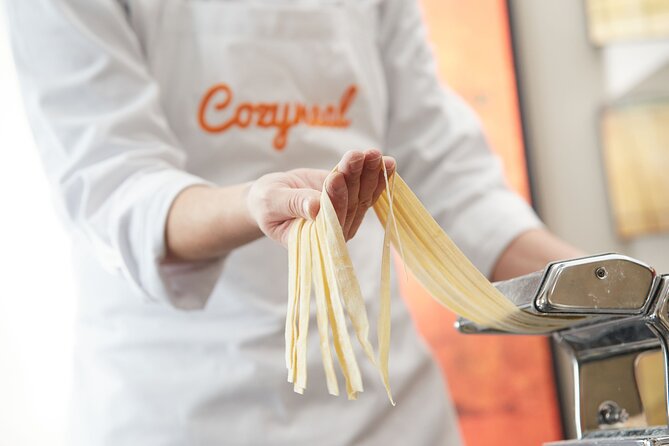
- Fresh pasta is the main event: You learn to prepare egg pasta ribbons and serve them with a slow-cooked meat sauce.
- The chef shares family recipes: You leave with more than a meal, including a recipe you can keep and use at home.
- The group is limited to 12 people: That keeps the class smaller than many large cooking demonstrations.
- Bring your own wine or beer: The class does not include drinks, but you may bring them to enjoy with lunch.
Why the villa setting changes the meal
A cooking lesson in a rented studio can be useful, but this one takes place at a villa that was once a hunting lodge. That gives the class a sense of place before you even touch the flour.
The villa is described as charming, with views and a farm setting that add to the meal. I would not book this simply for the building, since the available details do not promise a full architectural tour or a formal history talk. Still, the setting gives the class a stronger connection to Emilia-Romagna than a generic city kitchen would.
You should also note the address carefully: Via Giuseppe Tanari, 2013, 40024 Castel San Pietro Terme BO, Italy. The experience begins and ends there at 11:00 a.m. If you are staying in Bologna, check your transport plans before booking. The information provided does not include a transfer service, so you should arrange your own way to the villa.
The three-hour length works well for a late morning and lunch. You have enough time to prepare several dishes without turning the day into an all-day culinary course. At the same time, the schedule leaves little room for a long side trip or a full afternoon excursion immediately afterward.
More Tiramisu Classes in Italy:
- 3 in 1 Cooking Class near Navona: Fettuccine, Ravioli & Tiramisu
★ 5.0 · 7,376 reviews - Florence: Pasta & Tiramisu Cooking Class with Unlimited Wine
★ 4.9 · 6,708 reviews - Rome: Pasta & Tiramisu Class with Fine Wine by the Vatican
★ 4.9 · 4,852 reviews
Crescentine, mortadella, and Parmigiano begin the meal
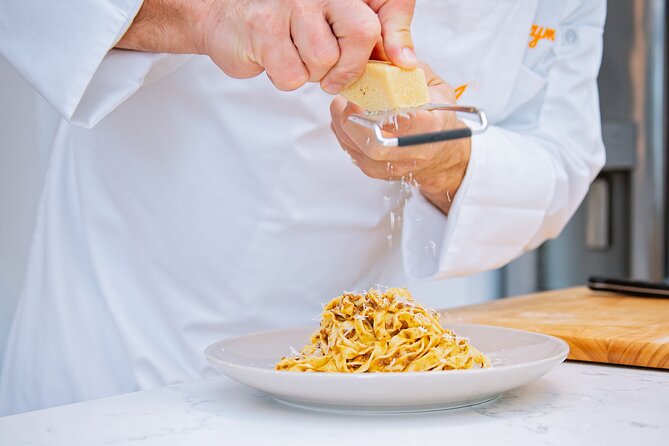
The first course is crescentine, a warm fried dough with a soft, pillowy center. It comes with slices of mortadella and generous shavings of Parmigiano-Reggiano.
This is a smart opening dish because it introduces three familiar Emilia-Romagna flavors in a simple way. Crescentine is not a complicated plate, but it teaches an important Italian food lesson: good ingredients and proper handling often matter more than a long list of steps.
The mortadella brings a smooth, savory flavor, while Parmigiano-Reggiano adds salt and a firm bite. The fried dough gives the course its comfort-food quality. You will likely find this part less demanding than the pasta, but it sets the tone for a meal based on local staples rather than restaurant tricks.
The menu does not state that you will prepare every part of the crescentine course from scratch, so you should not assume that the opening lesson is as detailed as the tagliatelle session. Its value is in learning how the components are served together and understanding how a small first course fits into a traditional meal.
Making tagliatelle al ragù by hand
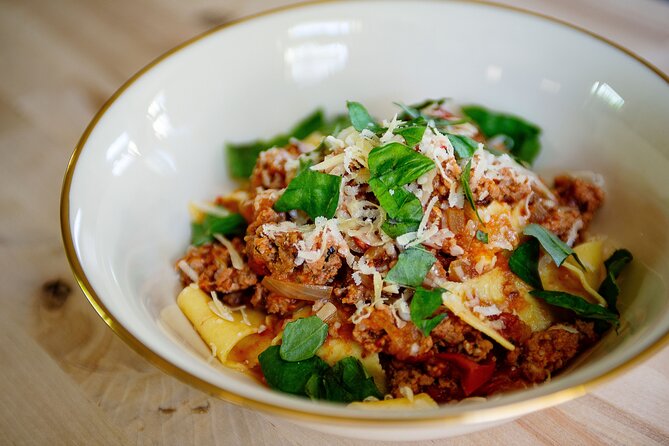
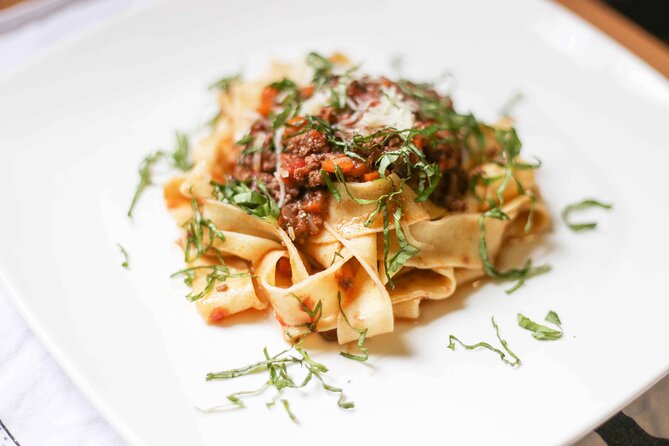
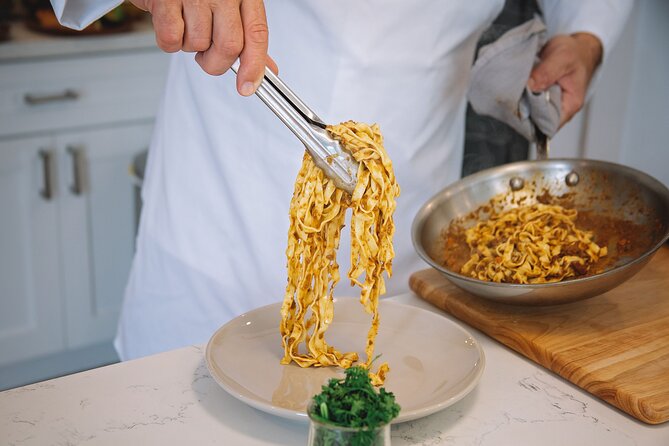
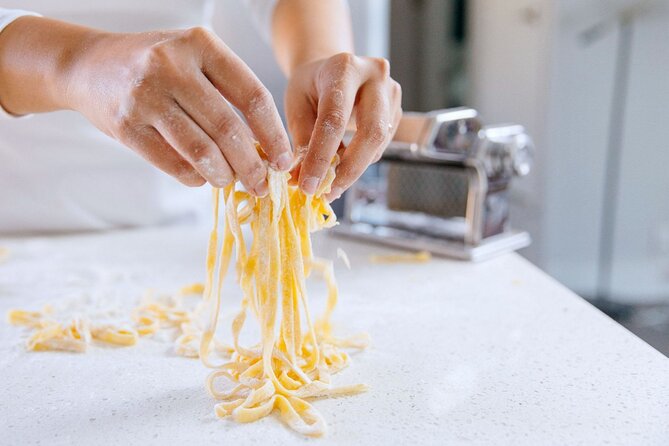
The main course is tagliatelle al ragù, one of Bologna’s most famous combinations. You make fresh egg pasta ribbons and serve them with a meat ragù cooked with pancetta, carrots, and white wine.
This is the part I would prioritize. Fresh pasta gives you a skill that transfers well to your own kitchen, and the recipe is practical enough to repeat. You are not learning a showy dish that requires specialist equipment or rare ingredients. You are learning a core pasta shape and a familiar sauce.
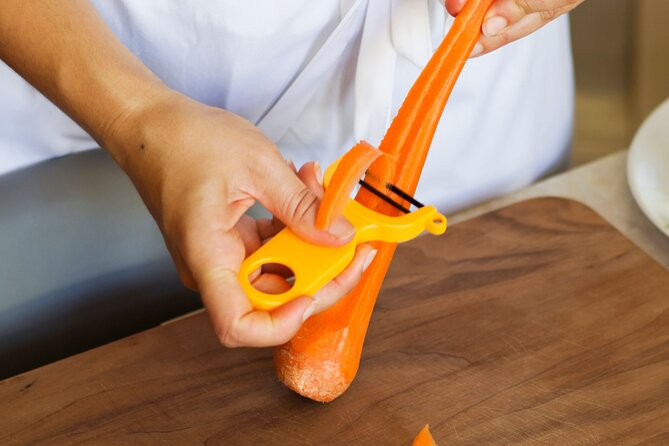
The ragù also shows how local cooking builds flavor slowly. Pancetta brings salt and fat. Carrots add sweetness. White wine adds lift to the sauce. The result is meant to be measured and balanced, not hot or heavily spiced.
The class is particularly useful if you have made dried pasta before but have not worked with fresh egg dough. You can expect to handle the dough, shape it into ribbons, and pair it with the sauce. The exact tools and step-by-step method are not specified, so I would treat the class as a chance to learn the chef’s family approach rather than expect a standardized school lesson.
One useful detail is the recipe keepsake. The chef provides a recipe that you can take home, which makes the class more valuable after the meal is over. Take notes if you have a particular interest in pasta texture, sauce timing, or ingredient substitutions. The supplied information does not promise printed recipe cards for every course, so ask the chef what is included during the session.
Tiramisù closes the cooking lesson
Dessert is classic tiramisù, made with espresso-soaked savoiardi, whipped mascarpone, farm-fresh eggs, and cacao.
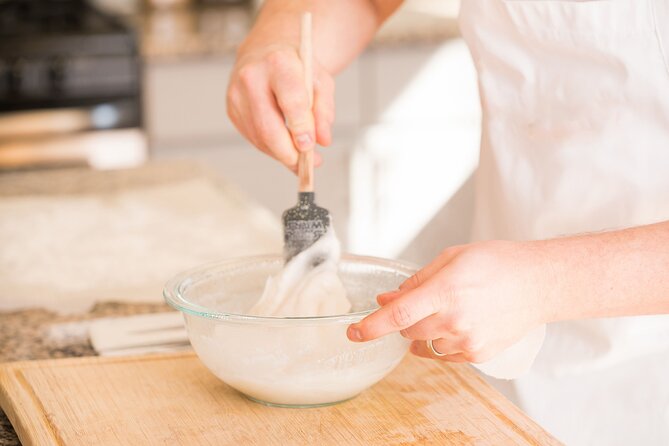
This is a good ending for a three-course class because the preparation contrasts with the pasta. Tagliatelle asks you to work with dough and shape. Tiramisù asks you to build layers and manage texture. The coffee-soaked biscuits need enough liquid to soften without becoming soggy, while the mascarpone mixture should remain light enough to balance the dessert.
The use of farm-fresh eggs is one of the more distinctive details of the menu. It connects the dessert to the rural setting and gives the chef a chance to explain how a familiar dish fits into local home cooking.
You should not expect a plated restaurant dessert with elaborate decoration. This is traditional tiramisù, dusted with cacao. That is part of its appeal. The focus is on the balance of coffee, mascarpone, biscuit, and cocoa rather than presentation tricks.
Because tiramisù often benefits from resting time, the timing of preparation may vary. The supplied schedule does not explain whether you make it at the beginning and eat it later, or assemble it closer to dessert. Either way, the dish gives you a useful recipe to recreate at home.
More Ravioli and Gnocchi Classes in Italy:
- Rome: 3-in-1 Fettuccine, Ravioli, and Tiramisu Cooking Class
★ 4.9 · 2,704 reviews - Rome: Fettuccine Pasta Cooking Class in Rome’s City Center
★ 4.8 · 2,414 reviews - Become a Masterchef in Rome: Pasta, Ravioli and Tiramisù Class
★ 5.0 · 2,156 reviews - Fettuccine & Tiramisù: Cooking Class with Wine & Limoncello
★ 4.9 · 2,103 reviews
The chef and the personal side of the class
The strongest praise for this experience centers on the chef’s kindness, passion, and welcoming manner. No chef’s name is provided, so I cannot give you a name to look for when you arrive. What you can expect is a class shaped by personal family recipes and stories about the region’s food traditions.
That personal approach matters. Emilia-Romagna cuisine is not just a list of famous dishes. It is built around techniques repeated at home: making egg pasta, cooking sauce patiently, using good cured meat, and serving food in a relaxed way. A chef who explains those habits can give you more useful context than a rushed demonstration.
The villa’s family background is another part of the experience. You should expect some conversation about the home, the recipes, and the region. The available details do not promise a formal lecture, so think of this as an informal exchange during the cooking rather than a museum visit.
The small maximum of 12 people helps here. Twelve is not a private lesson, but it is more manageable than a class with several dozen people. You should have a better chance to follow the pasta work closely and ask questions. The final feel will still depend on how the class is organized that day.
Wine, timing, and the three-course meal
The class starts at 11:00 a.m. and lasts about three hours. That points to a late lunch rather than an evening cooking session. You will prepare the food, eat the three courses, and finish back at the meeting point.
Wine and beer are not included, but you may bring your own. This is worth planning for because the food suits a relaxed drink, especially the mortadella and Parmigiano at the start and the ragù with pasta. Since the event is BYOB, bring only what you can manage with your transport plans.
The menu is fixed around three dishes, which is useful if you want a clear taste of Bolognese cooking. You are not choosing from a long menu, and the meal has a sensible order:
- Crescentine with mortadella and Parmigiano-Reggiano
- Fresh tagliatelle with meat ragù
- Tiramisù with espresso, mascarpone, savoiardi, and cacao
That structure also gives you a better idea of how an Italian meal moves from a small shared opening to pasta and then dessert. It is not a full survey of Emilia-Romagna cuisine, but it covers several important ingredients and techniques.
Price and what you receive for $295.07
At $295.07 per person, this class sits in the premium category. You are paying far more than the cost of buying the ingredients and cooking the same dishes at home. The value has to come from the setting, instruction, meal, personal contact with the chef, and the recipe you take away.
I would consider the price reasonable only if you care about the full experience, not just the food. The villa, the small group size, and the family cooking angle make it more than a basic pasta lesson. The meal is also substantial, with a starter, main course, and dessert.
Still, the cost may feel high if you are mainly interested in learning tagliatelle. In that case, look closely at the class format and decide how much you value the historic location and shared lunch. You are also paying for the atmosphere and the chance to connect the dishes to local life.
The two available accounts of the class give particular weight to the venue, the chef’s warm manner, the food, the views, and the recipe. That combination suggests the best value comes from the complete afternoon rather than from any single dish.
Dietary needs and practical planning
The class is designed to accommodate a range of dietary needs, but you need to tell the provider in advance. Do not wait until you arrive. The menu includes wheat, eggs, dairy, meat, mortadella, mascarpone, and Parmigiano-Reggiano, so early notice is especially important if you have allergies or follow a vegetarian diet.
Service animals are allowed. A mobile ticket is provided, and confirmation arrives at the time of booking. The class is offered in English.
Cancellation is free if you cancel at least 24 hours before the 11:00 a.m. start time. Cancellations or changes made later are not accepted for a refund. The class also requires a minimum number of bookings. If that minimum is not met and the activity is canceled, you are offered another date or experience, or a full refund.
Who will enjoy this villa cooking class?
I would recommend this class to you if you want food instruction tied to a real home and region. It suits couples, families, and small groups who would rather share a meal and make pasta than spend three hours watching a guide talk.
It is also a good fit for a repeat visitor to Italy. You may already know what ragù tastes like, but learning the dough and sauce method gives the dish new meaning. The recipe keepsake helps you bring a small piece of the meal home.
You may want to skip it if you are short on time, staying far from Castel San Pietro Terme, or looking for a cheap lunch. It is not designed as a quick stop. The price also makes it a poor match for anyone who does not care about cooking or the personal setting.
Should you book this experience?
Book it if you want a slow, personal meal in a historic villa, with fresh pasta at the center. The class offers three familiar dishes, but the real appeal is the combination of the chef’s family recipes, the villa, the small group limit, and the chance to sit down and eat what you made.
Think twice if the price is outside your budget or if you expect a detailed tour of the building. You should also plan your own transport to the meeting point and notify the provider about dietary needs before arrival. For food-focused visitors who value place and personal instruction, this is a strong choice near Bologna.
FAQ
Where does the cooking class take place?
The class takes place at Via Giuseppe Tanari, 2013, 40024 Castel San Pietro Terme BO, Italy, in Emilia-Romagna. The venue is a charming villa that was once a hunting lodge.
What time does the class begin?
The experience begins at 11:00 a.m.
How long does the cooking experience last?
The class lasts approximately three hours and ends back at the meeting point.
What dishes will I prepare and eat?
The three-course menu includes crescentine with mortadella and Parmigiano-Reggiano, tagliatelle al ragù, and tiramisù.
Is the class offered in English?
Yes. The cooking class is offered in English.
Are drinks included?
No. This is a BYOB event. You may bring wine or beer to enjoy during the class.
Can dietary needs be accommodated?
The class is designed to accommodate a variety of dietary needs. You must notify the provider in advance so the menu can be adjusted when possible.
How many people can join the class?
The activity has a maximum of 12 people.
More History Tours in Italy
- Italian Pasta & Dessert Class in Historic Center (3-Course Meal)
★ 5.0 · 2 reviews
Fresh off the board around Italy
- Vicenza: Pasta & Tiramisu Cooking Class at a Local’s Home★ 5.0 · 5 reviews
- Verona: Pasta & Tiramisu Cooking Class at a Local’s Home★ 5.0 · 16 reviews
- Volterra: Fresh Pasta Cooking Class at a Tuscan Farmhouse★ 5.0 · 33 reviews
- Verona: Tortellini Cooking Class and Lunch with Mamma Ivana★ 5.0 · 20 reviews
- Verona: My Granny’s secrets making gnocchi★ 5.0 · 7 reviews
- Verona: Prosecco and Pasta Making Class at a Local’s Home★ 5.0 · 10 reviews
- Venice: Pasta Carbonara Cooking Class with Wine★ 5.0 · 3 reviews
- Venice: Share Your Pasta Love in a Local’s Home★ 4.8 · 20 reviews
Tiramisu Classes, class by class.
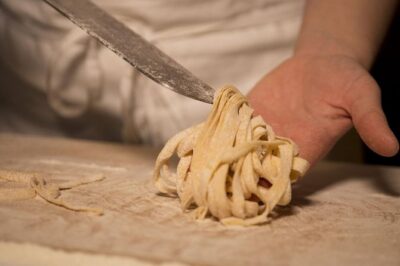
3 in 1 Cooking Class near Navona: Fettuccine, Ravioli & Tiramisu
Read our review →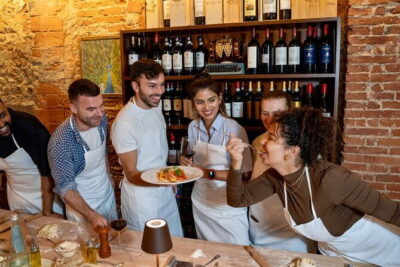
Pasta & Tiramisu Cooking Class with Unlimited Wine
Read our review →
Pasta & Tiramisu Class with Fine Wine by the Vatican
Read our review →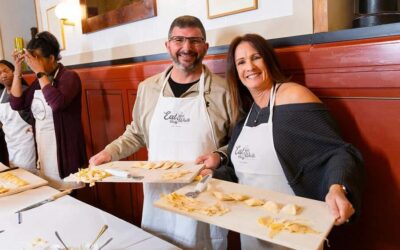
3-in-1 Fettuccine, Ravioli, and Tiramisu Cooking Class
Read our review →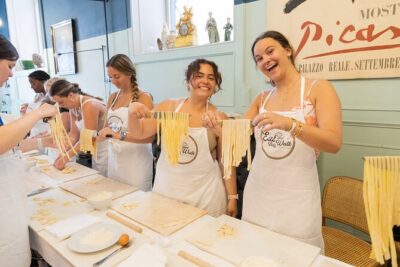
Learn to Make Pasta & Tiramisu with Wine and Limoncello Included
Read our review →
Become a Masterchef in Rome: Pasta, Ravioli and Tiramisù Class
Read our review →
Fettuccine & Tiramisù: Cooking Class with Wine & Limoncello
Read our review →
Pasta & Tiramisu Cooking Class near the Spanish Steps
Read our review →Lists this class appears in