
Review · USA
Artisan Italian Pasta Class in Chicago (Includes 3-Course Meal)
Making gnocchi from scratch is the heart of this Chicago evening class. You work with your hands, learn how dough should feel, then sit down to eat the bruschetta, pasta, and tiramisù you helped prepare. I like the maximum of eight people, which keeps the instruction personal, and the BYOB setup, which makes the class feel more like a relaxed dinner party than a formal cooking school.
I also like that the meal covers three very different Italian skills: fresh toppings and bread, potato-based pasta, and a no-bake dessert. The main caution is the firm cancellation policy: your $125 payment cannot be refunded or changed, so check your schedule carefully before booking.
Key points to know before booking
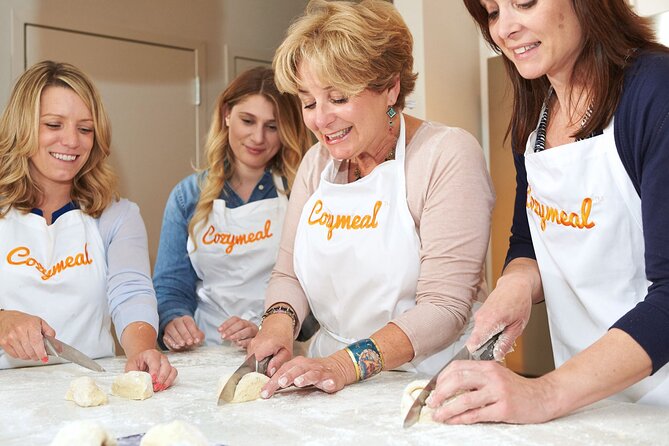
- A three-course dinner is part of the class: You prepare bruschetta, handmade gnocchi with tomato-basil sauce, and tiramisù.
- The group is limited to eight people: That allows for more direct help as you roll, shape, and cook.
- The class begins at 6:30 pm: Plan on about two and a half hours at 2316 S Leavitt Street.
- Chef Coco has earned warm praise: One class attendee specifically highlighted her patient teaching, friendly manner, and willingness to take photos.
- You can bring wine or beer: This is a BYOB experience, though drinks are not included in the price.
- Dietary needs may be accommodated: Tell the provider in advance so the chef can try to adjust the menu.
Why this Chicago pasta class feels different
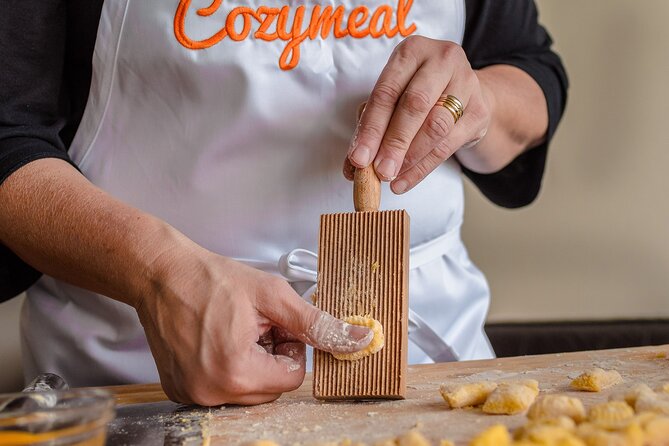
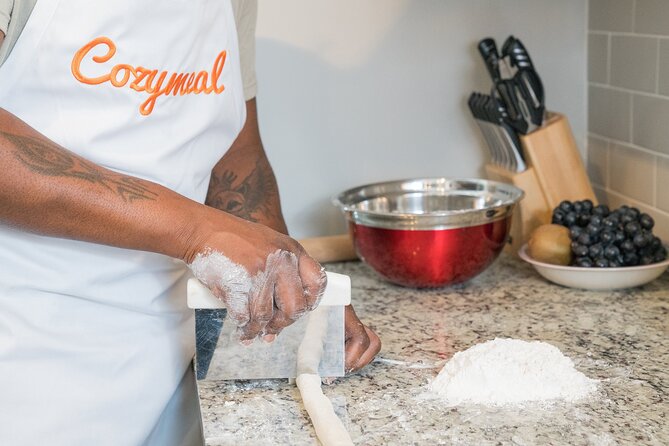
Many cooking classes give you a demonstration, a recipe, and a small taste at the end. This one is built around making a complete meal. You are not simply watching a chef roll pasta. You are working through the stages yourself, then eating the results as a proper three-course dinner.
That matters most with gnocchi. It is a simple-looking dish, but the texture depends on technique. Dough that is handled too much can become heavy. Dough that is not shaped properly will not cook evenly. A small class gives you a better chance to ask questions at the moment they matter, rather than trying to remember everything from across a crowded demonstration table.
The setting is also part of the appeal. The class takes place at a cozy venue in Chicago, with the meeting point listed as 2316 S Leavitt St, apartment 3. The atmosphere is informal and home-like, according to the available account of the experience. That can be a plus if you prefer a friendly evening with a chef rather than a polished restaurant-style lesson.
The trade-off is that an apartment setting may not feel as spacious or formal as a culinary school. If you want a highly structured professional kitchen, this may not be your ideal match. If you want a relaxed night where cooking and conversation share equal billing, the format makes good sense.
More pasta classes around the USA:
- Little Italy Food and Drink Walking Tour: Pizza, Pasta & Piazzas
★ 5.0 · 37 reviews - Handmade Fresh Pasta from Scratch in NYC
★ 5.0 · 13 reviews - Viator Exclusive: Pasta Cooking Class & Dinner -Greenwich Village
★ 5.0 · 10 reviews
Starting with bruschetta and simple Italian flavor
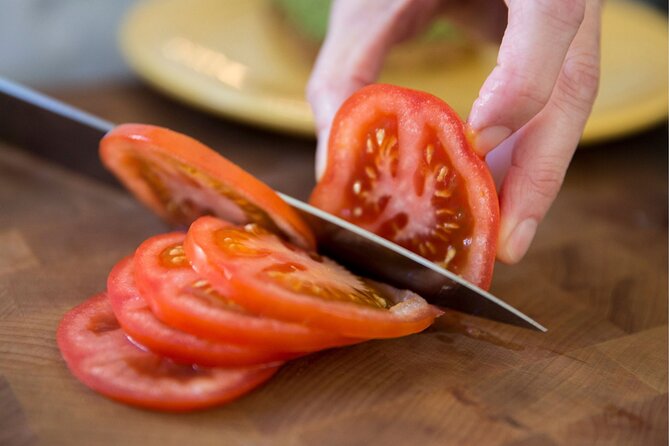
The first course is bruschetta, made with crisp artisan bread, ripe tomatoes, basil, and a little olive oil. It sounds easy, and that is exactly why it makes a useful opening lesson. Italian cooking often depends less on complicated recipes than on choosing a few good ingredients and treating them properly.
You will work with the topping and learn how the ingredients balance one another. The tomatoes bring juice and sweetness. Basil adds its familiar herbal note. Toasted bread gives the dish crunch and enough weight to hold the topping. Olive oil ties it together without turning the dish into a heavy starter.
I like this course because it gets you cooking at once. You are not waiting through a long demonstration before doing anything. You also get an early taste of the meal, which helps set expectations for the gnocchi and dessert still ahead.
Bruschetta is a good dish to take home as a lesson, too. It is easy to repeat for a dinner party, but small choices matter. The bread needs enough crispness to stand up to the tomato mixture. The tomatoes need to taste good on their own. The basil should add fragrance rather than disappear under too much oil.
Do not expect the starter to be the most technically demanding part of the evening. Its value is in showing how a few fresh components can make a satisfying first course. It is also a welcome pause before the class turns to dough.
Making gnocchi from scratch at the center of the evening
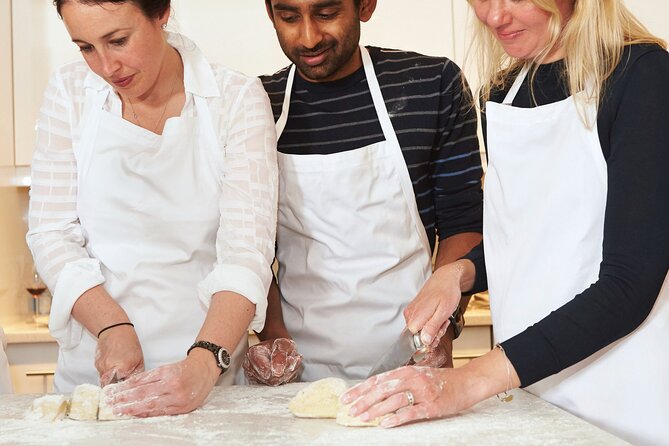
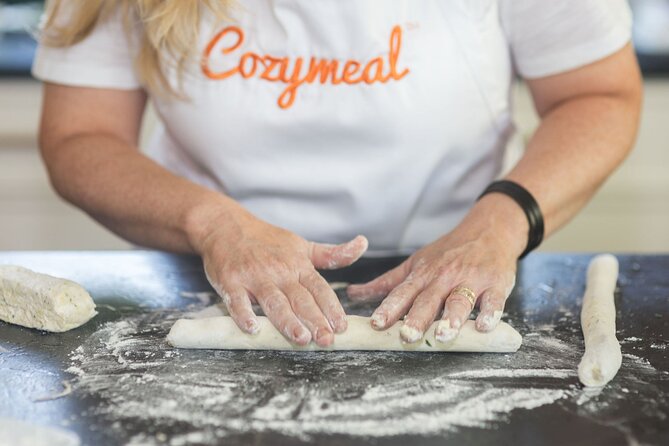
The main course is fresh gnocchi served with tomato-basil sauce. This is where the hands-on promise of the class becomes most important. You will take part in the process of preparing the pasta, rolling and shaping it, and learning how to pair it with sauce.
Gnocchi is not the same as rolled egg pasta. These soft pieces are generally made from potato and flour, and their texture is the key concern. The goal is tender pasta that holds together without becoming dense. Your chef can show you how to handle the mixture and shape the pieces so they cook properly.
The shaping stage is likely to be one of the most enjoyable parts of the night. It gives you a task that is simple enough to follow but still requires attention. You may find that your first pieces look different from your last ones. That is part of the fun, and handmade pasta does not need factory-perfect edges to taste good.
The tomato-basil sauce keeps the dish light and familiar. It lets the gnocchi remain the focus rather than covering it with a rich or complicated sauce. You also learn an important cooking idea here: pasta and sauce need to work together. A good sauce should support the pasta’s texture and flavor, not hide it.
I would pay close attention to the chef’s advice on dough texture and shaping. Those are the details most difficult to judge from a printed recipe. You can follow ingredient measurements at home, but knowing when the mixture feels ready is harder. A live class gives you a chance to see and touch the dough at the right stage.
This part of the class may be messy. That is not a flaw. Flour, dough, and sauce are part of the work. If you want an evening with no hands-on effort, choose a restaurant instead. If you want to leave with a practical pasta skill, this is the strongest reason to book.
Finishing with tiramisù and espresso-soaked layers
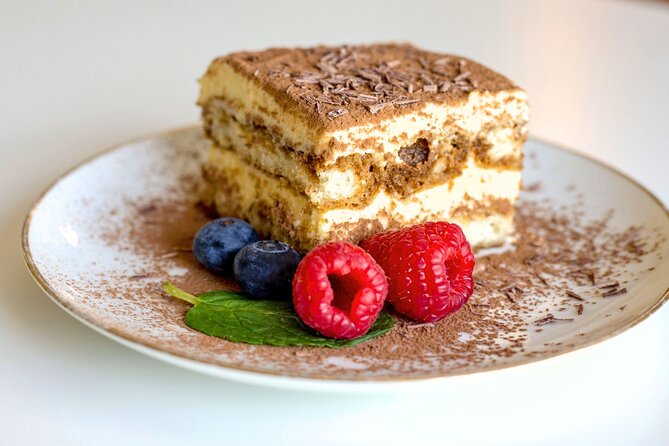
Dessert is traditional tiramisù made with mascarpone cream, espresso-soaked ladyfingers, and cocoa. It provides a change of pace after the pasta work. Instead of kneading and shaping, you assemble layers and focus on balance.
The ladyfingers bring a soft coffee flavor after being soaked in espresso. Mascarpone cream adds richness, while cocoa gives the top a mild bitterness. A good tiramisù depends on restraint. Too much coffee can make it wet and overpowering. Too much cream can make it feel heavy. The class gives you a chance to see how those parts fit together.
I like having dessert included rather than treating the evening as a pasta-only lesson. You finish with a complete Italian menu, and the dessert gives the meal a proper ending. It also means you are not required to find dinner afterward, which helps justify the evening price.
Tiramisù is another useful recipe to repeat at home. It does not require the same shaping skill as gnocchi, but the layering and chilling details still matter. The class may be especially appealing if you enjoy learning dishes that work well for a dinner with friends.
Same flour, a different shape to roll:
- Italian Gnocchi-Making Class in NYC (Includes 4-Course Meal)
★ 5.0 · 8 reviews - Best Italian Pasta Class in Los Angeles (Includes 3-Course Meal)
★ 5.0 · 6 reviews - Gourmet Pasta Class in Washington D.C. (Includes 3-Course Meal)
★ 5.0 · 5 reviews - Private Chicago-style deep dish pizza or pasta making class
★ 5.0 · 4 reviews
What the small group size means in practice
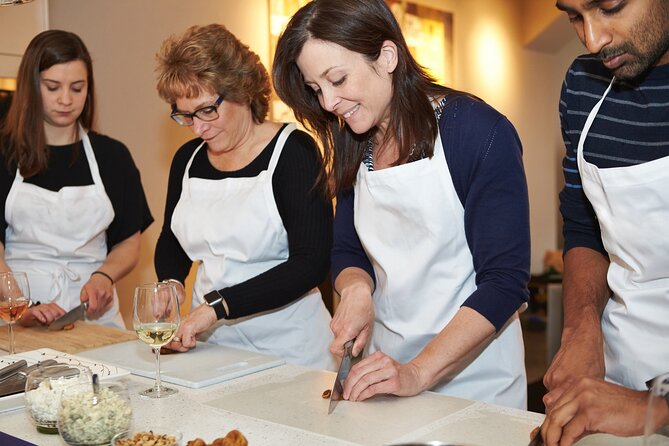
The maximum group size is eight people. That is small enough for the chef to move around the work area and give individual help. It also keeps the class from feeling like a lecture.
A group of eight has a social advantage. You can share the work without feeling lost in a crowd, and the BYOB format gives the evening a relaxed rhythm. You might bring wine or beer to enjoy during the class, then sit down to the food you have made.
The small size does not guarantee that every minute will be one-on-one instruction. Cooking requires waiting, preparation, and shared equipment. Still, eight is a sensible limit for a class where you need room to handle dough and shape pasta.
One personal detail is worth noting. The available account of the class gives Chef Coco special credit for being warm, patient, and willing to take photos. That is useful information for anyone who feels nervous about cooking in front of others. A patient teacher can make a big difference when your dough does not behave perfectly or your first gnocchi pieces look uneven.
Do not assume Chef Coco will lead every date unless that is confirmed when you book. The experience connects diners with local chefs, so ask who is teaching your selected session if the instructor matters to you.
The $125 price and what it covers
At $125 per person, this is not a cheap way to eat pasta. You could order a plate of gnocchi for less at many Chicago restaurants. The price makes more sense when you treat it as a cooking lesson, dinner, and social evening in one package.
You receive the full three-course menu: bruschetta, gnocchi with tomato-basil sauce, and tiramisù. You also receive instruction and the chance to practice techniques that are difficult to learn by reading alone. The intimate group size adds value because you are paying for access to the chef, not just a seat at a table.
The BYOB policy helps keep the cost from climbing further. Wine and beer are not included, but you are welcome to bring your own. That gives you control over the drink budget and lets you choose something suited to your taste.
The value depends on your priorities. I think the price is reasonable for someone who wants an activity as well as a meal. It is less appealing if you mainly want dinner and do not care about making the food yourself.
The average booking lead time is 34 days. That suggests you should not wait until the last night of a Chicago visit, especially if your schedule is fixed. It also gives you time to contact the provider about dietary needs before the class.
Timing, meeting point, and practical details
The class starts at 6:30 pm and lasts about two hours and 30 minutes. It begins and ends at 2316 S Leavitt St, apartment 3, Chicago, Illinois 60608. Build your evening around that address rather than assuming the activity will finish near a major restaurant district.
You receive confirmation when you book, and the class is offered in English. A mobile ticket is provided, so you can keep the booking details on your phone. Service animals are allowed.
The provider says the class can accommodate a variety of dietary needs when told in advance. I would contact them as early as possible and give clear information about allergies, restrictions, or foods you cannot eat. Do not wait until arrival and expect the menu to be changed on the spot.
The cancellation terms are strict. The experience is non-refundable and cannot be changed for any reason. If the minimum number is not reached and the class is canceled, you are offered another date or experience, or a full refund. That protection applies to a provider cancellation, not to a change in your own plans.
Who will enjoy this evening most
I would recommend this class to couples, friends, solo diners who enjoy meeting people, and anyone looking for a more active Chicago night. It is also a good choice for someone who wants to learn one practical pasta dish rather than collect a long list of recipes without practicing them.
The experience suits you especially well if:
- You like eating food you helped prepare.
- You enjoy Italian cooking and want to work with dough.
- You prefer a group of eight or fewer.
- You appreciate an informal, home-style atmosphere.
- You want to bring your own wine or beer.
- You have dietary needs you can explain in advance.
I would think twice if you dislike group activities, want a formal restaurant setting, or need a flexible booking. The non-refundable policy is the biggest practical concern. A two-and-a-half-hour cooking session also asks for more time and attention than a simple dinner reservation.
Families may need to check suitability directly before booking, since the provided information does not state a minimum age. The same applies to exact kitchen facilities and seating arrangements. Ask if those details matter to you.
Should you book the Chicago artisan pasta class?
Book it if you want a social night built around making and eating Italian food, not just another meal out. The strongest reasons are the small group, the complete three-course menu, the chance to make gnocchi from scratch, and the freedom to bring wine or beer.
The class is a particularly good fit for a Friday evening. Chef Coco’s patient instruction and willingness to take photos helped make one Friday session feel personal and relaxed. That does not promise the same chef or exact experience at every date, but it points to the warm, informal style this activity aims for.
Skip it if you need a refundable reservation or if your main goal is an inexpensive plate of pasta. At $125, you are paying for participation and instruction as much as for food. For the right person, that is fair value. For someone who would rather sit back and be served, it is not.
FAQ
How long is the pasta class?
The activity lasts approximately two hours and 30 minutes.
What time does the class begin?
The class starts at 6:30 pm.
Where does the experience start and end?
It starts at 2316 S Leavitt St, apartment 3, Chicago, Illinois 60608, and ends back at the same meeting point.
What food will I prepare?
The menu includes bruschetta with tomatoes and basil, fresh gnocchi with tomato-basil sauce, and tiramisù with mascarpone cream, espresso-soaked ladyfingers, and cocoa.
Can I bring alcohol?
Yes. The class is BYOB, and you may bring wine or beer. Drinks are not included in the price.
Can dietary needs be accommodated?
The class is designed to accommodate a variety of dietary needs. Contact the provider in advance so they can try to adjust the experience to suit your restrictions.
Fresh off the board around the USA
- Gourmet Pasta Class in Washington D.C. (Includes 3-Course Meal)★ 5.0 · 5 reviews
- Exquisite Italian Pasta in Tucson (Includes 5-Course Meal)★ 5.0 · 2 reviews
- Italian Pasta Making in San Francisco (Includes 4-Course Meal)★ 5.0 · 2 reviews
- Half Day Sardinian Pasta Classes with Dining and Latin Dance★ 3.0 · 2 reviews
- Seafood & Handmade Pasta Class in Central Philadelphia (4-Course)★ 5.0 · 3 reviews
- Best Italian Pasta Class in Los Angeles (Includes 3-Course Meal)★ 5.0 · 6 reviews
- Private Chicago-style deep dish pizza or pasta making class★ 5.0 · 4 reviews
- Italian Pasta Cooking Class in Denver (Includes 3-Course Meal)★ 5.0 · 3 reviews
USA Pasta Classes, class by class.
Viator Exclusive: Pasta Cooking Class & Dinner -Greenwich Village
Read our review →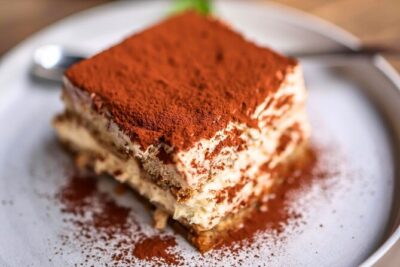
Italian Gnocchi-Making Class in NYC (Includes 4-Course Meal)
Read our review →
Best Italian Pasta Class in Los Angeles (Includes 3-Course Meal)
Read our review →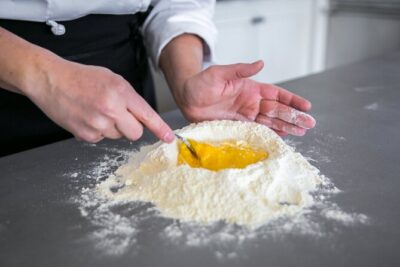
Gourmet Pasta Class in Washington D.C. (Includes 3-Course Meal)
Read our review →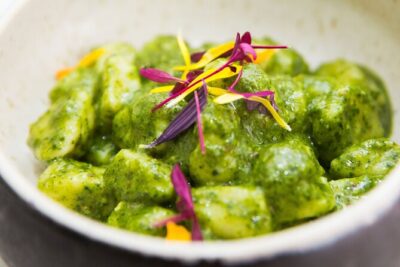
Luxury Gnocchi Making Class in Baltimore (Includes 3-Course Meal)
Read our review →
Private Chicago-style deep dish pizza or pasta making class
Read our review →
Italian Pasta Cooking Class in Denver (Includes 3-Course Meal)
Read our review →Lists this class appears in