
Review · ITALY
Olbia: Traditional Pasta-Making Guided Workshop
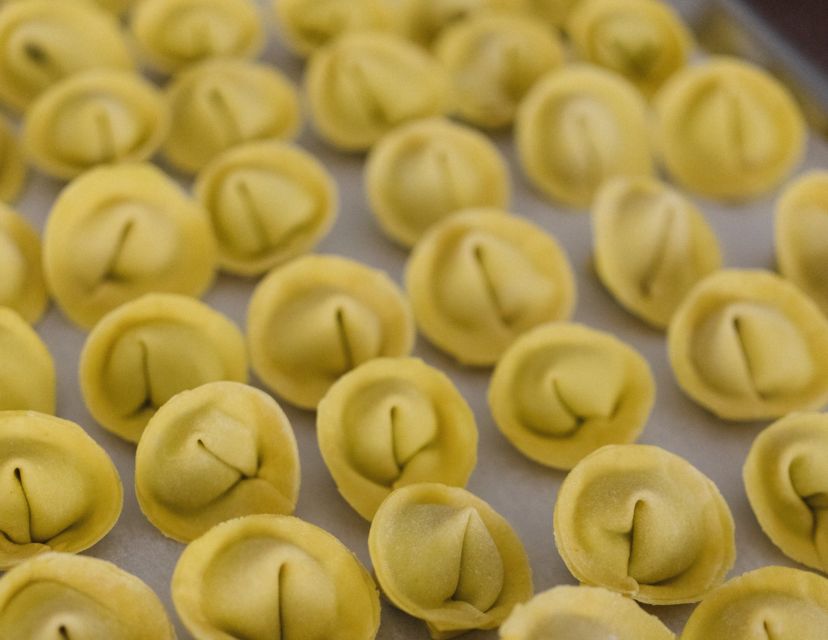
Sardinian pasta is far more than flour and water. At Rosinita in Olbia, you learn to shape malloreddus, fill culurgiones, and fold ravioli by hand, then sit down to eat what you made with wine and local sweets. The food carries a story, from Ogliastra’s potato-filled culurgiones to ricotta ravioli with a sweet-and-sour twist.
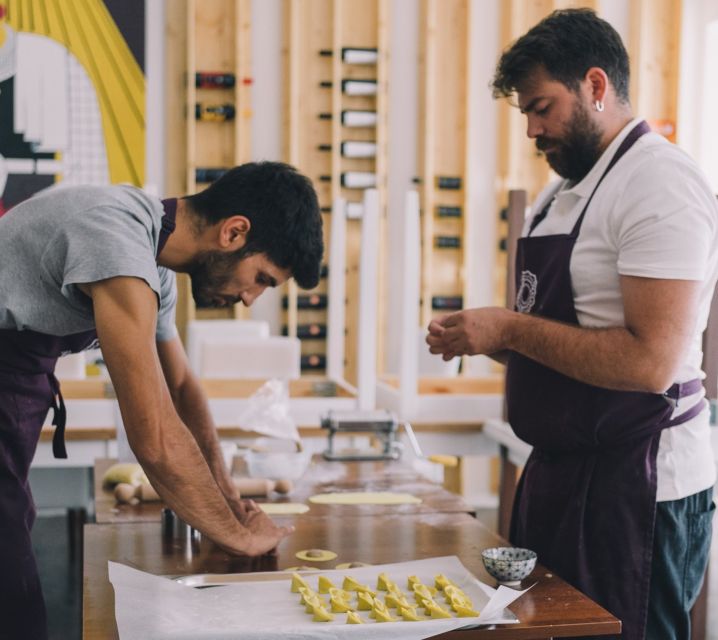
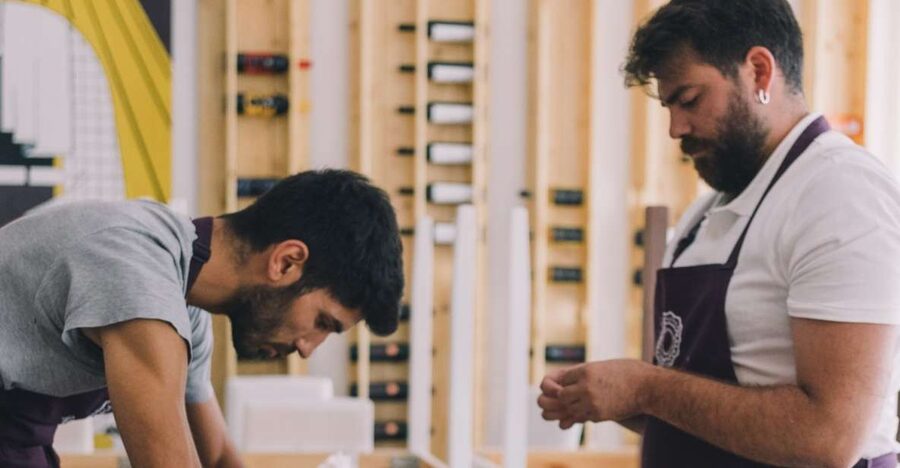
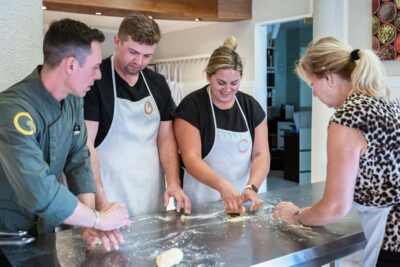
I like the hands-on pace and the generous meal that follows. You are not simply watching a cook work. You mix dough, prepare fillings, and form several pasta styles with help from an English or Italian-speaking guide. I also like the warm, practical teaching style reported from Isabella, who was patient and helped participants through the process.
The main consideration is time. The workshop lasts about two and a half hours, followed by roughly an hour of tasting, so this is a full four-hour commitment. If you want a quick cooking demonstration, this will feel long. If you want to learn enough to try the recipes at home, the length is part of the value.
Key points to know before booking
- Three Sardinian pasta traditions may share the table: You might work with malloreddus, culurgiones, and ravioli, with fillings changing by season.
- You make the pasta from scratch: The workshop puts your hands in the dough, filling, and shaping rather than keeping you on the sidelines.
- The meal includes more than pasta: Your tasting comes with water, wine, fruit, traditional sweets, digestives, and coffee.
- The recipes have a strong regional identity: Culurgiones come from Ogliastra, malloreddus are Sardinian gnocchetti, and ricotta ravioli can combine sweet and savory flavors.
- English and Italian instruction is available: Sessions are led by a live guide, and teaching materials are included.
- Dietary planning matters: Lactose-free and vegetarian alternatives are available, but you need to contact the listed phone number as soon as possible about intolerances.
Starting with Sardinia on the worktable
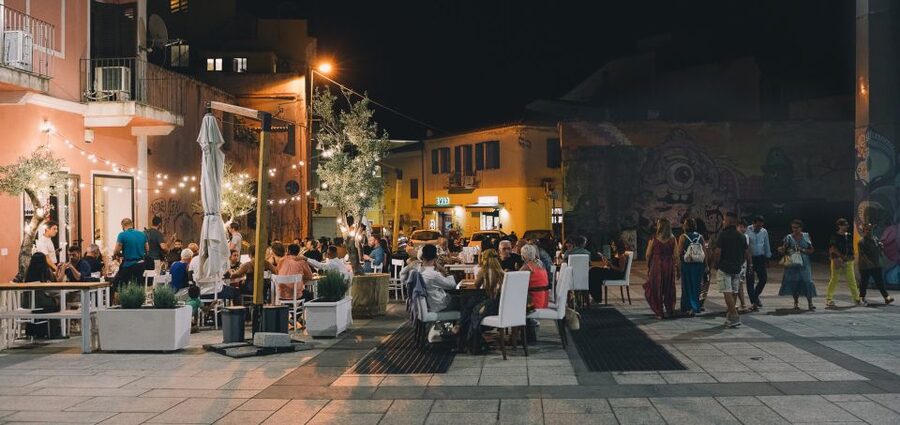
This is a good way to meet Sardinian food through your hands. The session takes place at Rosinita, an Olbia food experience venue, where a guide leads you through traditional homemade pasta techniques passed down through generations.
You will not be asked to simply copy a finished dish. The point is to see how dough behaves, how fillings are balanced, and how each shape is formed. That makes the workshop useful beyond the afternoon itself. You leave with methods you can attempt in your own kitchen, not only a pleasant meal you cannot reproduce.
The precise selection of pasta can depend on the session and the season. The program names malloreddus, culurgiones, and ravioli, with different fillings possible. That seasonal element is a plus for food lovers, though it means you should not book expecting one fixed menu or one guaranteed recipe set.
The atmosphere is meant to be social and relaxed. It suits families and friends particularly well because everyone can work at the same table, compare shapes, and enjoy the final meal together. You will probably make a few imperfect pieces. That is part of the fun, and it is also how the technique becomes memorable.
More Fresh Pasta Workshops in Italy:
- Rome: Pasta Making Class with Wine, Limoncello, and Dessert
★ 4.9 · 3,177 reviews - Pastamania – Florence Pasta Making Class
★ 5.0 · 3,050 reviews - Enjoy Spritz and Pasta Making in Piazza Navona
★ 5.0 · 1,681 reviews
Malloreddus, Sardinia’s small striped shells
Malloreddus are also called gnocchetti. They are small, thin, striped shells made with semolina flour and water, and their ridges help hold sauce.
The shape looks simple until you try to make several pieces that are similar. The workshop gives you a chance to learn the hand movement instead of buying dried pasta and taking the shortcut. Your guide can show you how much dough to use and how to create the familiar ridges.
Malloreddus can be served with several sauces and condiments. A classic pairing uses meat sauce and grated Sardinian pecorino, though the exact preparation at the meal may vary. The important lesson is the relationship between shape and sauce. Those grooves are not decoration. They help carry the seasoning.
I like this part of the class for beginners because it gives you a clear, manageable first task. The dough is basic, but the finished shape has a strong Sardinian identity. If you plan to recreate the dish at home, malloreddus may be the easiest of the three styles to practice first.
Culurgiones and the art of the sealed edge
Culurgiones are stuffed pasta from Ogliastra in central eastern Sardinia. They resemble ravioli, but their most recognizable feature is the carefully sealed, braided edge.
The usual filling combines potatoes, pecorino cheese, and mint. That is a very different flavor profile from a standard meat-filled pasta, and the mint gives the filling a fresh note. The combination also shows how Sardinian cooking can make a few local ingredients feel distinctive.
The shaping takes patience. You fill the pasta, seal it, and work along the edge so the filling stays inside. This is the sort of task where a calm teacher helps. Isabella, one of the guides associated with these sessions, was praised for patient and helpful instruction, a quality that matters when the first culurgiones look less tidy than the examples.
Culurgiones may be the most rewarding shape to learn, but also the one most likely to require extra guidance. You should expect to make mistakes while you find the right pressure and rhythm. That is not wasted time. It teaches you what the dough can handle and how much filling is too much.
Ravioli with a Sardinian sweet-and-savory twist
The ravioli portion introduces another filling and another set of folding skills. Here, Sardinian ricotta can be used in a sweet-and-sour combination, bringing together flavors that do not always appear in one pasta dish.
This is a useful reminder that regional cooking does not always fit the categories you expect. You may arrive thinking of ravioli as a firmly savory course, then find that ricotta, sweetness, and acidity can work together. It gives the meal more character and makes the recipe worth remembering.
The exact filling depends on the season and the workshop plan, so you should treat the listed styles as the likely range rather than a promise that every one will appear in equal detail. Still, the chance to handle more than one pasta form is a major strength. You learn that pasta-making is not one technique repeated three times. Dough, filling, and shaping all change the result.
More Guided Tours in Italy:
- From Taormina: Private/Guided Godfather with appetizer and Pasta
★ 5.0 · 233 reviews - People of Bari unusual guided tour with pasta making at Grandma house
★ 5.0 · 54 reviews - Olbia: Sardinian Pasta-Making Guided Workshop
★ 5.0 · 51 reviews - From Catania: Private/Guided Godfather with Appetizer and Pasta
★ 5.0 · 42 reviews
Two and a half hours of practical instruction
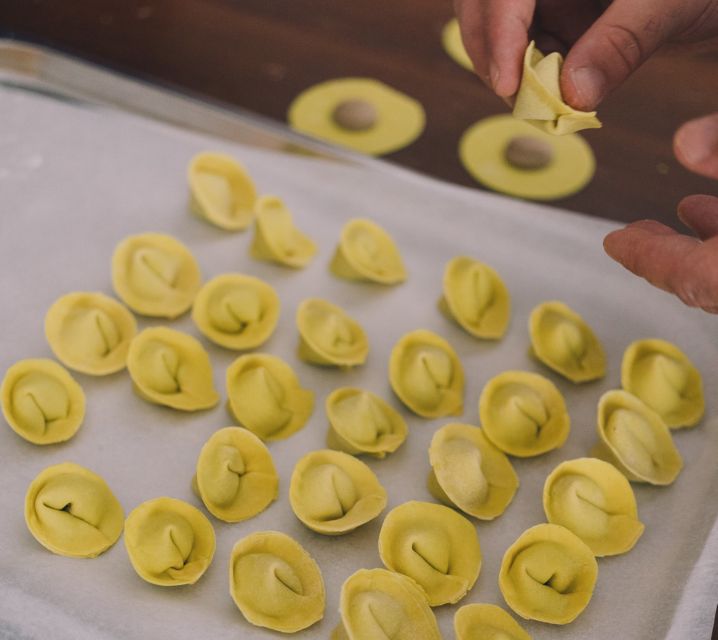
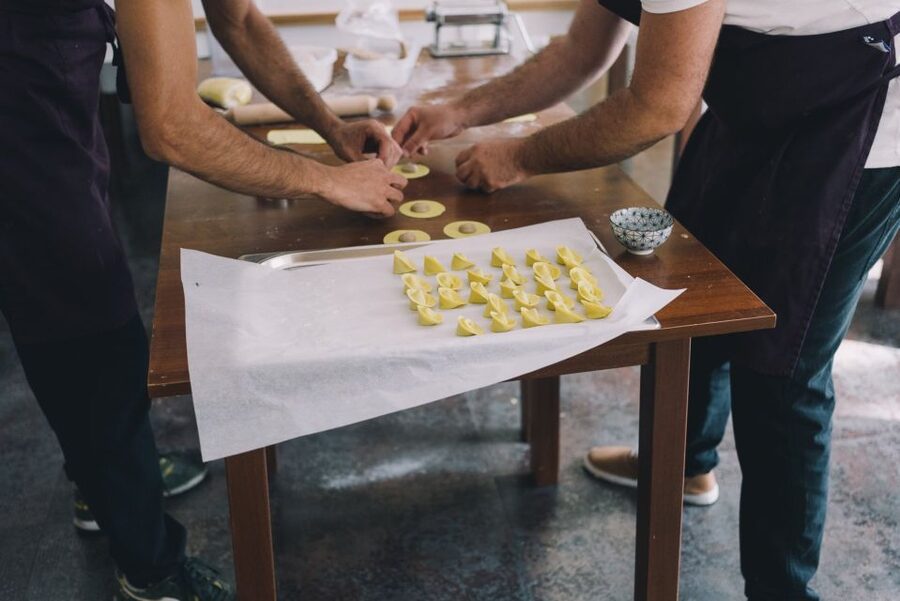
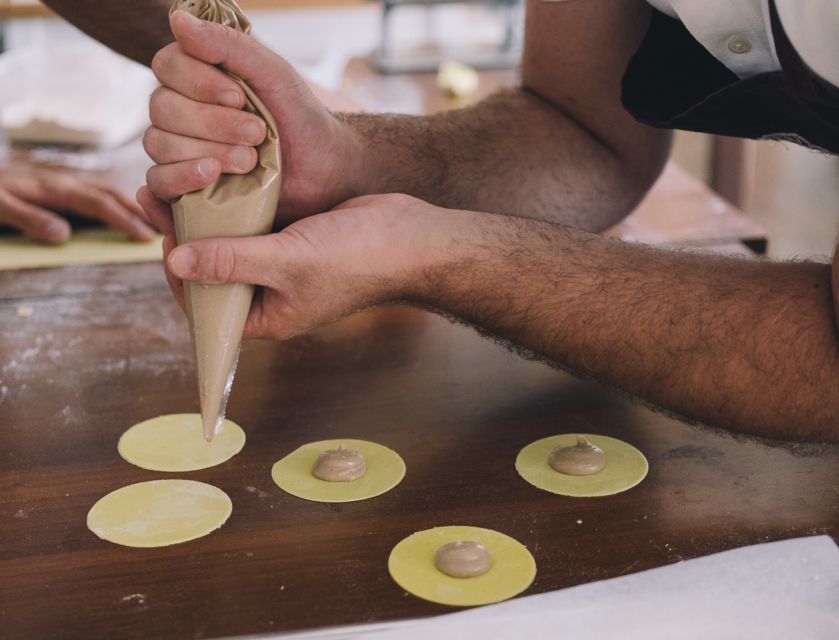
The hands-on laboratory lasts about two and a half hours. That is long enough to move beyond a quick demonstration and practice several stages of the work.
You can expect the guide to lead you through preparation, shaping, and the particular details of each pasta type offered that day. Teaching materials are included, which helps if you want to remember the measurements or process later. The workshop is conducted in Italian and English, so you can follow the explanations without needing to know Italian food terms in advance.
The pace should suit people who want to participate fully. You will be touching the dough, preparing filling, and forming pasta, so wear something comfortable and be ready to work at the table. The provided information does not specify an apron or clothing policy, so I would avoid wearing anything you would worry about around flour or food.
The workshop has earned a 4.5 rating from 73 reviews, with repeated praise for the fun, educational format. One particularly useful detail is that participants made three types of pasta and worked on both the dough and the filling. That tells you this is not only a shaping class. The preparation stages are part of the lesson.
The meal you earn at Rosinita
After the pasta work, you eat the products made during the workshop. The tasting lasts about an hour and includes traditional dishes presented with a modern touch, using fresh and local products.
The meal includes water and wine, along with fruit, typical Sardinian sweets, digestives, and coffee. That makes the price easier to assess. You are paying for a guided cooking session, but you are also receiving a substantial food experience afterward rather than a token bite of your finished pasta.
I like the structure because the tasting gives purpose to the workshop. You see the pasta cooked and served, then understand how the finished dish should taste. It also turns the class into a relaxed social meal instead of ending as soon as the last piece is shaped.
The menu is not described as a fixed sequence, so do not book this expecting a specific wine, dessert, or sauce. Seasonal ingredients and the pasta prepared that day can affect what reaches the table. That flexibility is sensible in Sardinia, but anyone with strict food preferences should ask ahead.
What the $114.42 price really covers
At $114.42 per person, this is not a cheap pasta lunch. It makes better financial sense if you value the instruction as much as the food.
Your fee covers a four-hour experience, a live guide, teaching materials, the hands-on workshop, and the tasting. The meal includes wine and several extras, not just the pasta. If you would otherwise pay for a cooking class and a separate dinner, the combined format can be good value.
The value also depends on how much you participate. Someone who prefers to watch may feel the price is high. You are paying for active instruction, so the experience works best when you are ready to mix, shape, ask questions, and try again after a misshapen piece.
The workshop can also be useful after your holiday. Malloreddus, culurgiones, and ravioli each give you a recipe family to practice at home. You may not reproduce every detail right away, but you will understand the basic actions better than you would from ordering the same dishes in a restaurant.
Who will enjoy this Olbia activity most
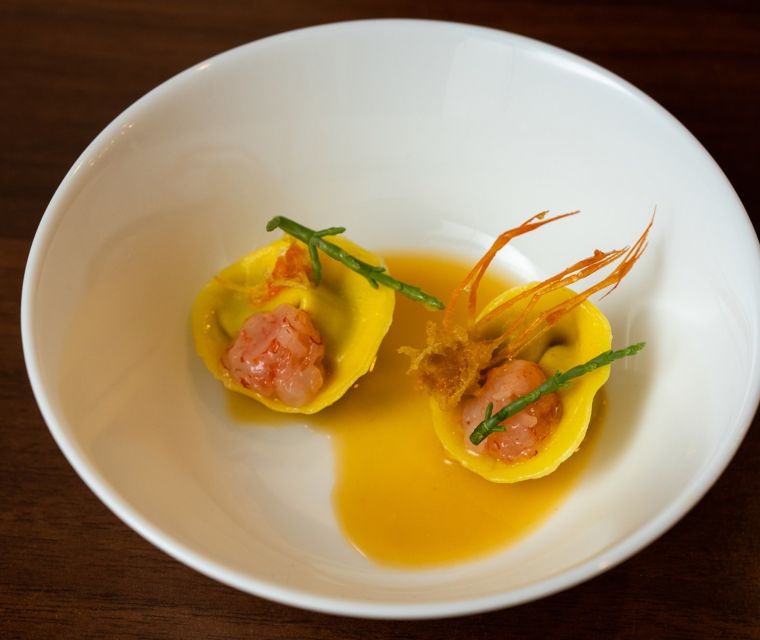
I would recommend this for families, couples, and groups of friends who want a shared activity with a meal at the end. It is especially well suited to people who like food but do not consider themselves expert cooks. The guide’s role is to teach, and the feedback about patient, helpful instruction is encouraging for beginners.
It also works for a rainy day or a pause between sightseeing plans. One participant described it as a fun way to break up several days of sightseeing, and that is exactly how I would place it in an Olbia schedule. Four hours is long enough to feel like a real outing, but it stays focused on one place and one subject.
Food-focused visitors will get the most from the regional details. You learn why malloreddus have ridges, where culurgiones come from, and how Sardinian ricotta ravioli can move between sweet and savory. Those details help you recognize the dishes later in your trip.
This may be less suitable if you have limited time in Olbia or want a quick activity near a specific attraction. The experience begins and ends at Rosinita, and no transport service is listed. You need to make your own way to the meeting point and allow the full four hours.
Dietary needs, access, and useful planning
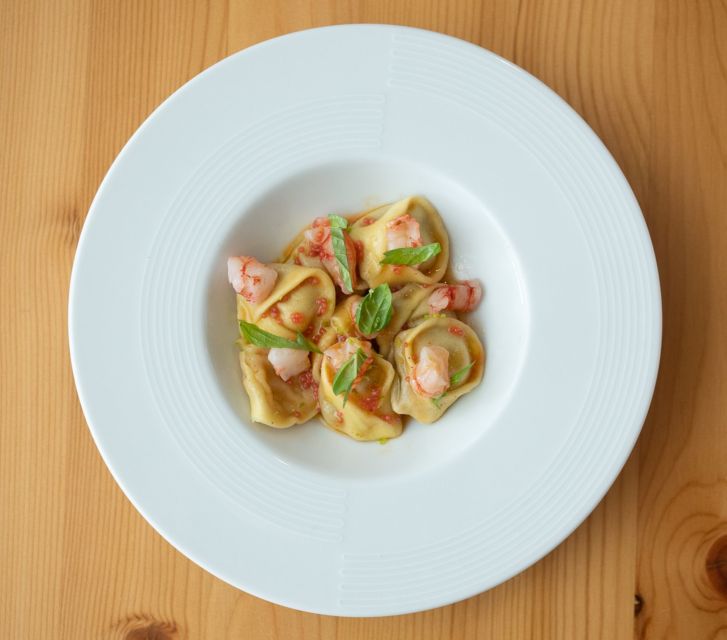
Lactose-free and vegetarian alternatives are available. For other intolerances, contact the telephone number on your booking voucher as soon as possible. Do not wait until you arrive, since the class involves dough, fillings, dairy products, and a shared meal.
The activity is wheelchair accessible. Pets are not allowed. The guide speaks Italian and English, and a live guide is included rather than a self-guided lesson.
You can cancel up to 24 hours before the activity for a full refund, and you can reserve now and pay later. Those terms help if your Olbia plans are still moving, but you should still check the available starting times before arranging the rest of your day.
Should you book the pasta workshop?
Book it if you want to do more than eat Sardinian food. The strongest reason to go is the combination of hands-on work, regional recipes, and a proper meal with wine, sweets, coffee, and digestives. The patient teaching style, including the session led by Isabella, is a helpful sign for first-time pasta makers.
Skip it if your schedule cannot spare four hours or if you want a fixed menu and a short demonstration. For everyone else, this is a practical, sociable way to understand Sardinia through food, with recipes you can take home and try again.
FAQ
Where does the pasta-making workshop take place?
The experience takes place at Rosinita, Experience Local Food, in Olbia. It begins and ends at the meeting point.
How long does the activity last?
The full activity lasts four hours. About two and a half hours are used for the handmade pasta workshop, followed by about one hour of tasting, with the remaining time forming part of the overall experience.
Which types of pasta can I learn to make?
The workshop may include malloreddus, culurgiones, and ravioli. The fillings and exact selection can vary according to the season.
Is the workshop available in English?
Yes. The live tour guide speaks Italian and English.
Are vegetarian or lactose-free options available?
Yes. Vegetarian and lactose-free alternatives are available. You should contact the phone number on your booking voucher as soon as possible about intolerances.
What food and drinks are included after the workshop?
You taste the pasta and other products prepared during the session. The tasting includes water, wine, fruit, traditional Sardinian sweets, digestives, and coffee.
Fresh off the board around Italy
- Vicenza: Pasta & Tiramisu Cooking Class at a Local’s Home★ 5.0 · 5 reviews
- Verona: Pasta & Tiramisu Cooking Class at a Local’s Home★ 5.0 · 16 reviews
- Volterra: Fresh Pasta Cooking Class at a Tuscan Farmhouse★ 5.0 · 33 reviews
- Verona: Tortellini Cooking Class and Lunch with Mamma Ivana★ 5.0 · 20 reviews
- Verona: My Granny’s secrets making gnocchi★ 5.0 · 7 reviews
- Verona: Prosecco and Pasta Making Class at a Local’s Home★ 5.0 · 10 reviews
- Venice: Pasta Carbonara Cooking Class with Wine★ 5.0 · 3 reviews
- Venice: Share Your Pasta Love in a Local’s Home★ 4.8 · 20 reviews
Fresh Pasta Workshops, class by class.
Pasta Making Class with Wine, Limoncello, and Dessert
Read our review →

Enjoy Spritz and Pasta Making in Piazza Navona
Read our review →
Pasta Making & Wine Tasting with Dinner in Frascati from Rome
Read our review →
The Secrets to Learn Fresh Pasta and Tiramisù in a Glam Home
Read our review →
Handmade Pasta & Dessert Class with Unlimited Wine
Read our review →Lists this class appears in