
Review · ITALY
Ostuni: Orecchiette in a masseria – pasta making and tasting
A ball of dough, a floured table, and a local cook named Maria are the main ingredients here. At Masseria Casina Vitale, you make Apulia’s famous orecchiette by hand, then eat it with traditional sauce in the same old farmhouse where rural life once centered.
I like the hands-on lesson, since you do more than watch a demonstration. I also like the courtyard setting, where ancient stone walls, local wine, cheese, focaccia, and pasta turn a cooking class into a relaxed country lunch. The main point to consider is timing: the activity is advertised as 2.5 hours, but the meal and conversation can stretch it to three or even five hours.
Key points at a glance
- Make real orecchiette by hand: You choose flour, knead dough, and shape the small curved pasta with your fingers.
- Cook in a historic masseria: The workshop takes place in the inner courtyard of Masseria Casina Vitale, a former center of farm work and food production.
- Meet warm local hosts: Maria is the pasta teacher mentioned most often by name, while Fabio, Francesco, and Graziella also help create the welcoming atmosphere.
- Expect more than pasta: The meal can include mozzarella, ricotta, focaccia, Italian ham, other regional products, dessert, wine, and water.
- Good for families and mixed groups: The activity suits couples, families, and groups of friends, with English and Italian instruction.
- Allow extra time: The formal duration is 2.5 hours, but lunch and conversation may extend the visit considerably.
Arriving at a real Apulian farmhouse
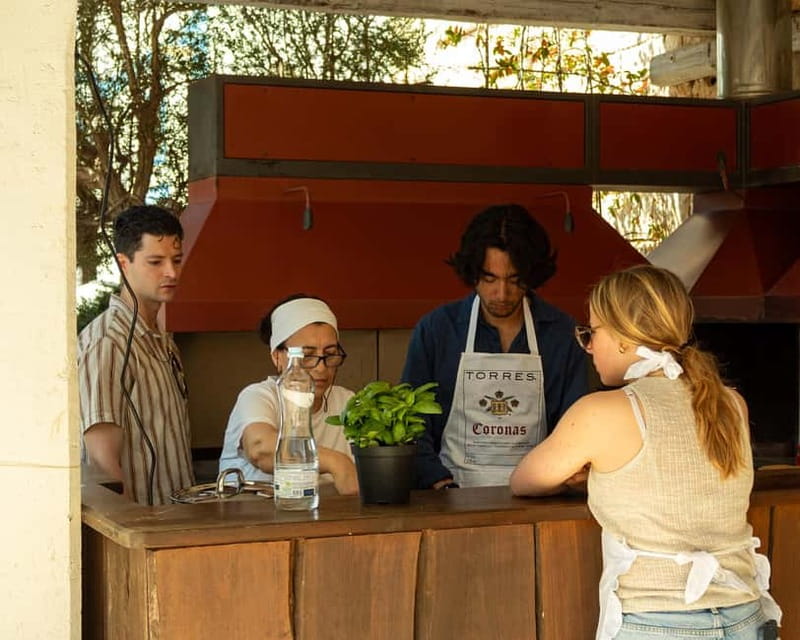
Your starting point is Masseria Casina Vitale, and you return there at the end. A masseria is not simply a country house. In Apulia, these farm complexes were working centers where people lived, stored crops, processed food, and managed the land.
That setting gives the class a sense of place that a modern cooking studio cannot match. You work in an inner courtyard surrounded by old stone walls, with the farmhouse providing the backdrop rather than a television screen or a row of polished demonstration counters.
The courtyard is also practical. It creates room for a communal table and lets the cooking feel social. If you are hoping for a quiet private lesson, this is not the right expectation. The activity is designed around shared work, shared food, and conversation with the other people at the table.
The group size can be small. One session had only seven people, which allowed plenty of instruction. Other sessions may have more participants, but the format remains personal and informal rather than a large, stage-managed show.
More Ravioli and Gnocchi Classes in Italy:
- 3 in 1 Cooking Class near Navona: Fettuccine, Ravioli & Tiramisu
★ 5.0 · 7,376 reviews - Rome: 3-in-1 Fettuccine, Ravioli, and Tiramisu Cooking Class
★ 4.9 · 2,704 reviews - Rome: Fettuccine Pasta Cooking Class in Rome’s City Center
★ 4.8 · 2,414 reviews
Learning to shape the little ears
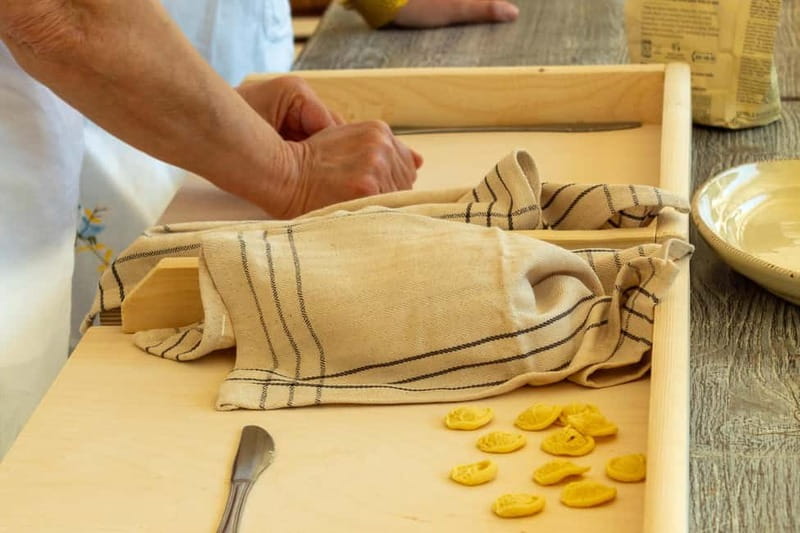
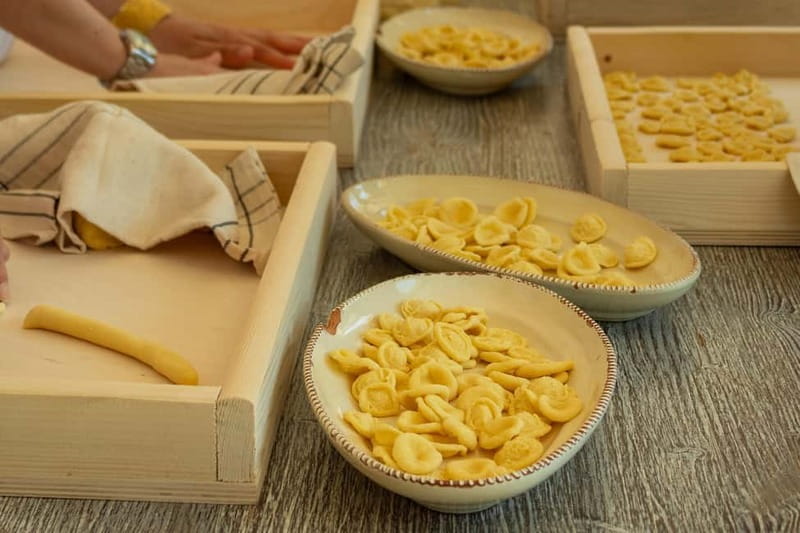
Orecchiette means little ears, a fitting name for the small round pieces with a shallow hollow center. The shape is useful as well as pretty. It holds sauce, which is why this pasta works so well with a simple tomato dressing and other Apulian preparations.
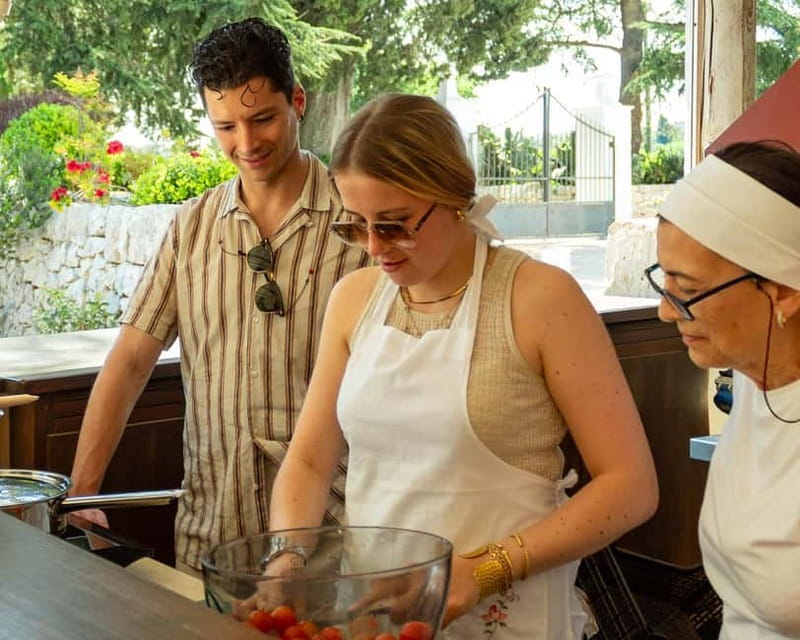
The lesson begins with the basics: choosing the flour, mixing and kneading the dough, then rolling and cutting it. Your instructor shows you how to use your fingers to draw each piece into its characteristic curved form.
Do not worry if your first batch looks uneven. That is part of the fun. The instructors demonstrate the hand movement, then give you time to try it yourself. Maria is especially associated with the class, and her teaching style is patient and easy to follow. Fabio is also praised for clear explanations and a relaxed manner.
This is a useful distinction. You are not merely watching a local expert make perfect pasta at high speed. You get guidance, then space to work through your own attempts. The result may be rustic rather than uniform, but that suits the dish and makes the final plate feel like yours.
The instruction is available in English and Italian. Even when language is not shared perfectly, the hand movements make the process clear. You should still tell the hosts in advance about any food intolerance, since the central ingredient is wheat flour and the tasting includes several local foods.
What comes with the cooking class
The organizers provide the cooking utensils and an apron, so you do not need to arrive with special equipment. You should wear comfortable clothing and shoes. Flour, dough, and outdoor stone surfaces are a poor match for formal clothes or delicate footwear.
You also receive a recipe book. That matters because the real value of a pasta lesson is not only the meal you eat there. The recipe gives you a chance to repeat the process at home, though your first attempt may require a little practice before the orecchiette look as neat as the instructor’s.
The class focuses on traditional methods rather than restaurant-style tricks. You learn the feel of the dough and the finger movement that creates the shape. For someone interested in Apulian food, that practical knowledge is more useful than a polished souvenir.
The hosts also include organic products in the tasting. The exact selection can vary, but the meal may feature regional cheese, mozzarella, fresh ricotta, focaccia, Italian ham, and other starters. These additions make the visit feel like a proper meal, not a small sample served after class.
The lunch after the flour settles
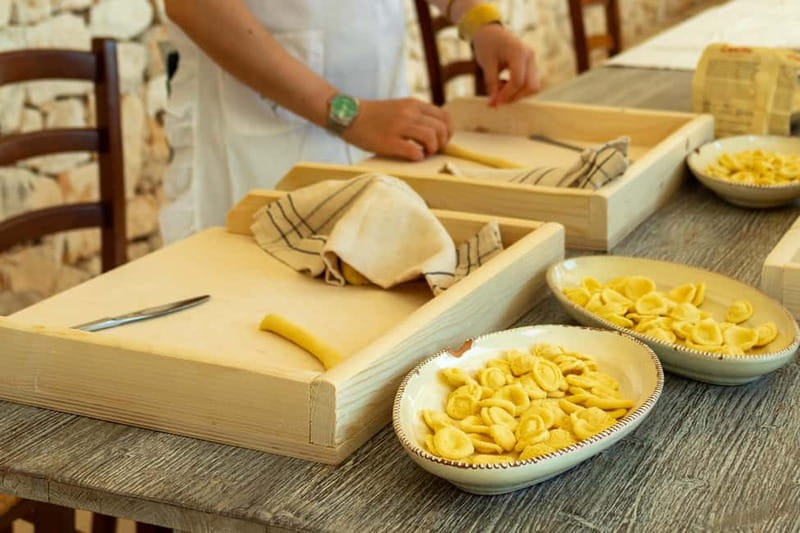
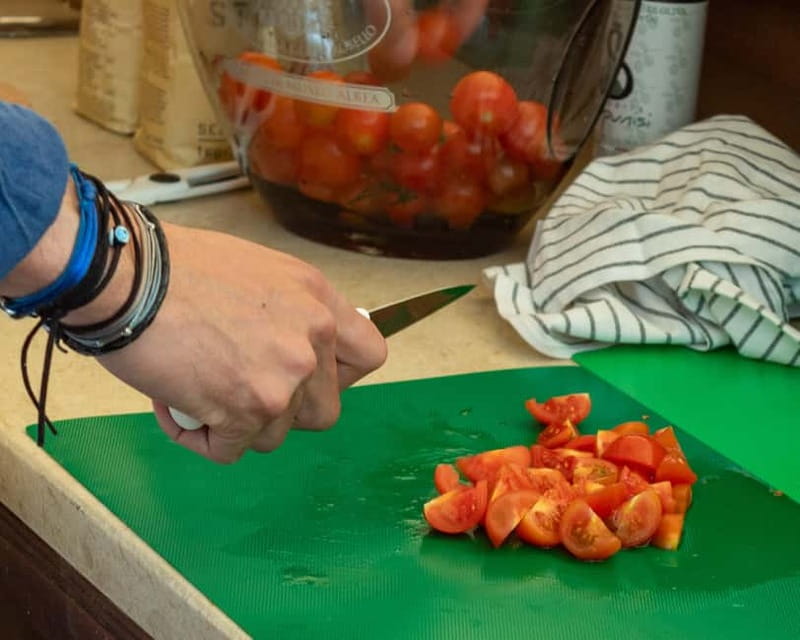
Once the pasta is shaped, it is cooked and served with a traditional sauce. The orecchiette you made becomes the centerpiece, but it is not the whole meal.
Expect a generous spread of local products before or alongside the pasta. Fresh ricotta and regional cheeses are especially memorable parts of the tasting, while focaccia and cured ham add a savory start. A small dessert may also appear at the end.
Wine is included, along with water. The wine is local Apulian wine, and it helps turn the meal into a long, easygoing table experience. You can enjoy the food without feeling rushed back to a bus or the next scheduled stop.
This is where the listed duration can become misleading. The formal class may fit within 2.5 hours, but lunch and conversation can continue well beyond that. One session lasted close to five hours, and another was described as taking three to four hours once the meal and discussion were included.
That is a drawback if you have a tight itinerary. It is a benefit if you want an unhurried afternoon. I would not schedule a museum visit, beach appointment, or important dinner immediately afterward. Allow extra time and treat the activity as a half-day plan.
More Fresh Pasta Workshops in Italy:
- Rome: Pasta Making Class with Wine, Limoncello, and Dessert
★ 4.9 · 3,177 reviews - Pastamania – Florence Pasta Making Class
★ 5.0 · 3,050 reviews - Enjoy Spritz and Pasta Making in Piazza Navona
★ 5.0 · 1,681 reviews - Pasta Making & Wine Tasting with Dinner in Frascati from Rome
★ 5.0 · 1,326 reviews
Why the masseria setting matters
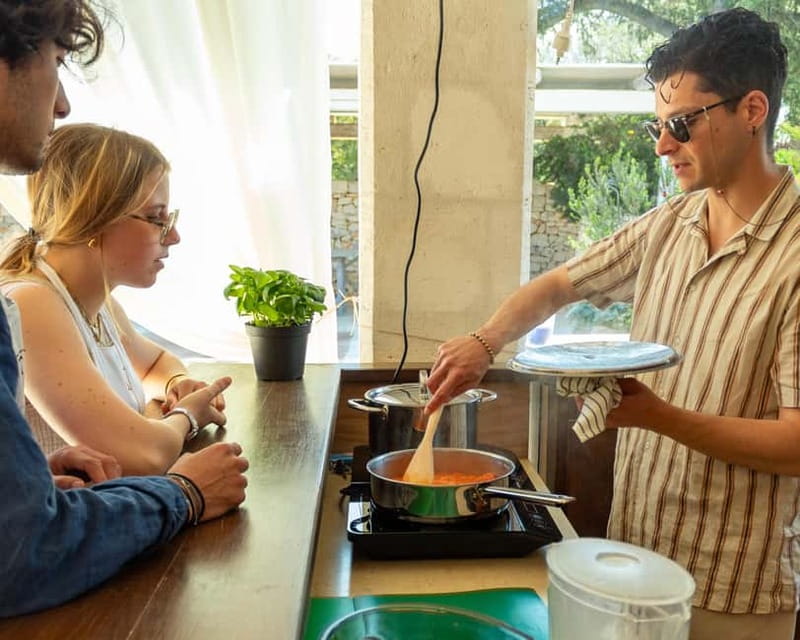
You can learn to make orecchiette in many places around Puglia. The reason to choose this activity is the combination of food and setting.
The masseria connects the pasta to the wider rural culture of the region. Flour, cheese, wine, olive oil, cured meat, and bread are not separate attractions here. They belong to the same food tradition, shaped by farm work and careful use of local ingredients.
The courtyard also changes the mood. The stone walls and shared table encourage conversation, and the experience becomes less like a formal lesson and more like being welcomed into a working food culture. That does not mean the class lacks structure. You still get a clear sequence from flour to dough to pasta to lunch.
I particularly like that the hosts allow you to work independently after showing the technique. A completely guided demonstration would be easier to watch, but less satisfying. Here, your imperfect orecchiette gives you a small connection to the method and to the people who have made this pasta for generations.
The people who make the visit work
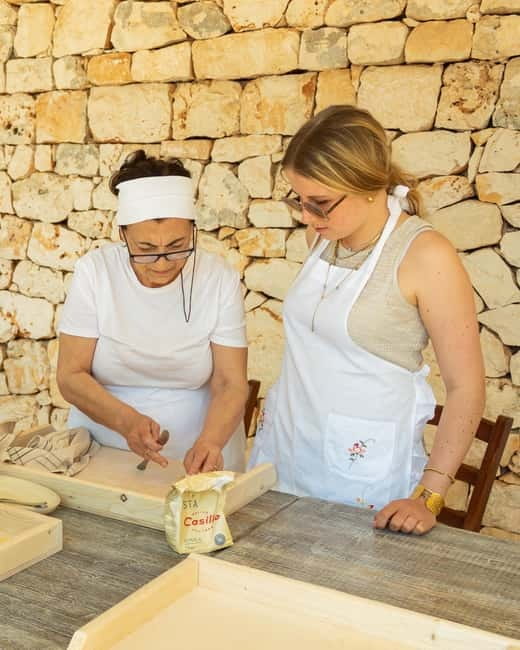
Maria is the clearest figure in the cooking portion. She is described as a friendly pasta teacher with skillful hands and a warm, family-style manner. If Maria leads your session, expect her to show the method carefully, then help you correct your shape and pressure.
Fabio is also part of the team and is praised for clear explanations, humor, and a calm approach. Francesco and Graziella help with the wider welcome and the local food side of the visit.
The names matter because this activity depends heavily on personal contact. The courtyard and ingredients provide the setting, but the hosts determine whether the lesson feels stiff or natural. Here, the format is built around direct help, jokes, shared wine, and time at the table.
Instruction is offered in English and Italian. The style is practical, using demonstrations as well as spoken directions. You should be comfortable with a relaxed lesson rather than a formal culinary school course.
Price and value at $71
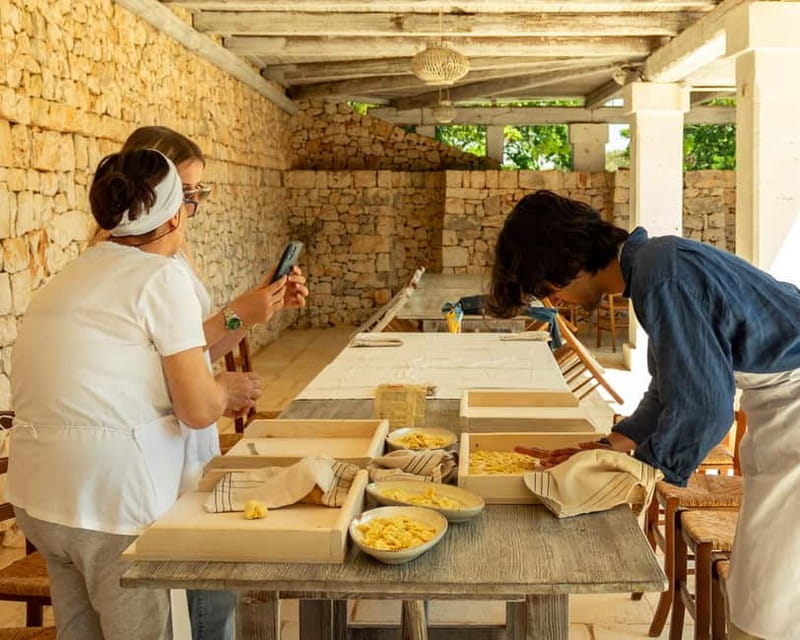
At $71 per person, this is not the cheapest way to eat pasta in Ostuni. It is also not simply a restaurant lunch. The price covers a 2.5-hour activity, utensils, an apron, the recipe book, the cooking lesson, organic products, wine, water, and a full tasting meal.
The value is strongest if you want an activity rather than only food. You are paying for access to the farmhouse, instruction from a local cook, the chance to make the pasta yourself, and a social meal with several regional products.
The price also makes more sense for families and groups. Two or three people can share the fun of learning together, and children old enough to follow instructions can take part. A family with children aged 10 and 13 found the activity easy to enjoy, and the balance between instruction and free practice helped everyone stay involved.
For a solo visitor, the value depends on your interest in communal activities. The shared table means you may meet people from different countries, and the small-group format can make that easy. If you prefer a private lesson or a quick demonstration, you may find the cost harder to justify.
The included wine and lunch are important. You are not paying $71 for a small pasta sample. The food component can include several starters, your orecchiette, dessert, and local drinks. Still, portions and the precise menu can vary, so book it for the full experience rather than expecting a fixed restaurant menu.
Who should book this experience
I would recommend it most strongly to people who want a taste of everyday Apulian culture, not just a checklist of sights. The class gives you a simple skill, a local meal, and a setting tied to the region’s farming past.
It works well for:
- Couples looking for a relaxed food activity
- Families with children who can take part in kneading and shaping
- Groups of friends who enjoy a long communal lunch
- First-time visitors who want an introduction to Apulian food
- People who like meeting local hosts and other participants
- Visitors staying around Ostuni with several free hours
The activity is wheelchair accessible, which is useful, though the supplied information does not describe the exact surfaces or facilities in the courtyard. If access details are important for you, confirm them before booking.
The class is not suitable for people with gluten intolerance, food allergies, animal allergies, or insect allergies. Pets are not allowed, although assistance dogs are permitted. The setting is outdoors in a historic courtyard, so comfortable clothing and shoes are the sensible choice.
Timing, language, and practical planning
The official duration is 2.5 hours, with starting times depending on availability. In practice, you should plan for longer because the lunch and conversation may continue after the formal lesson ends.
The meeting and return point is Masseria Casina Vitale. Transportation details are not included in the supplied information, so check how you will reach the masseria before you book. Do not assume that a hotel pickup or transfer is part of the price.
English and Italian are available. Some material may be shown in its original language, but the practical demonstrations make the central lesson accessible.
You can cancel up to 24 hours before the activity for a full refund. The reserve-now, pay-later option also gives you flexibility if your Puglia plans are still changing.
My verdict: book it for the full afternoon
Book this experience if you want to make pasta, eat well, and spend time with local hosts in an old Apulian farmhouse. The best parts are the personal instruction, the relaxed courtyard, the generous meal, and the sense that the pasta tradition is being shared rather than simply displayed.
Think twice if your schedule allows only a strict 2.5-hour window, or if gluten and food allergies make the menu unsuitable. For everyone else, the extra time is part of the value. Go ready to make imperfect pasta, drink local wine, and let lunch take its time.
FAQ
Where does the orecchiette class take place?
The activity takes place at Masseria Casina Vitale in the Ostuni area of Apulia. The workshop is held in the masseria’s historic inner courtyard, and you return to the same location at the end.
How long does the experience last?
The listed duration is 2.5 hours. The meal and conversation can extend the visit to three or four hours, and some sessions have lasted close to five hours.
What will I learn to make?
You will learn to make orecchiette, the traditional fresh pasta of Apulia. The process includes choosing flour, kneading dough, and shaping the pasta with your fingers.
Is lunch included?
Yes. You eat the orecchiette you make with a traditional sauce, along with a tasting of typical local products. The meal may include items such as mozzarella, ricotta, focaccia, Italian ham, and a small dessert.
Are wine and water included?
Yes. The experience includes Apulian wine and water. Organic products are also included in the tasting.
Which languages are available?
The live tour guide is available in English and Italian. Some content may be shown in its original language.
Is the activity suitable for children?
Yes. It is described as suitable for families, and children can take part in the hands-on pasta-making activity. Comfortable clothing and shoes are recommended.
Can I join if I have a gluten or food allergy?
The activity is not suitable for people with gluten intolerance or food allergies. You should tell the hosts about any intolerances in advance. Pets are not allowed, but assistance dogs are permitted.
Fresh off the board around Italy
- Vicenza: Pasta & Tiramisu Cooking Class at a Local’s Home★ 5.0 · 5 reviews
- Verona: Pasta & Tiramisu Cooking Class at a Local’s Home★ 5.0 · 16 reviews
- Volterra: Fresh Pasta Cooking Class at a Tuscan Farmhouse★ 5.0 · 33 reviews
- Verona: Tortellini Cooking Class and Lunch with Mamma Ivana★ 5.0 · 20 reviews
- Verona: My Granny’s secrets making gnocchi★ 5.0 · 7 reviews
- Verona: Prosecco and Pasta Making Class at a Local’s Home★ 5.0 · 10 reviews
- Venice: Pasta Carbonara Cooking Class with Wine★ 5.0 · 3 reviews
- Venice: Share Your Pasta Love in a Local’s Home★ 4.8 · 20 reviews
Ravioli and Gnocchi Classes, class by class.
3 in 1 Cooking Class near Navona: Fettuccine, Ravioli & Tiramisu
Read our review →
3-in-1 Fettuccine, Ravioli, and Tiramisu Cooking Class
Read our review →
Fettuccine Pasta Cooking Class in Rome’s City Center
Read our review →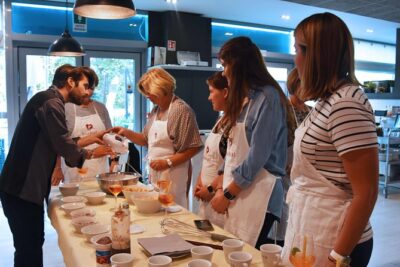
Become a Masterchef in Rome: Pasta, Ravioli and Tiramisù Class
Read our review →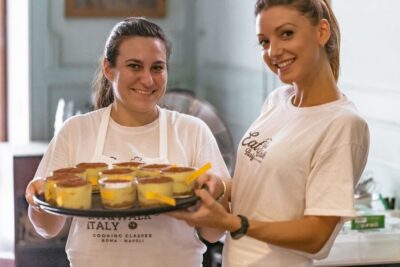
Fettuccine & Tiramisù: Cooking Class with Wine & Limoncello
Read our review →
Rome Pasta and Tiramisu Class: Ravioli, Fettuccine & Fine Wine 5*
Read our review →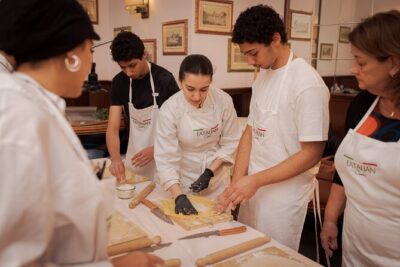
Pasta Cooking Class in Rome – Fettuccine Class in Piazza Navona
Read our review →
Lists this class appears in