
Review · NAPLES
Naples: Pasta Cooking Class with Tiramisù and a Drink
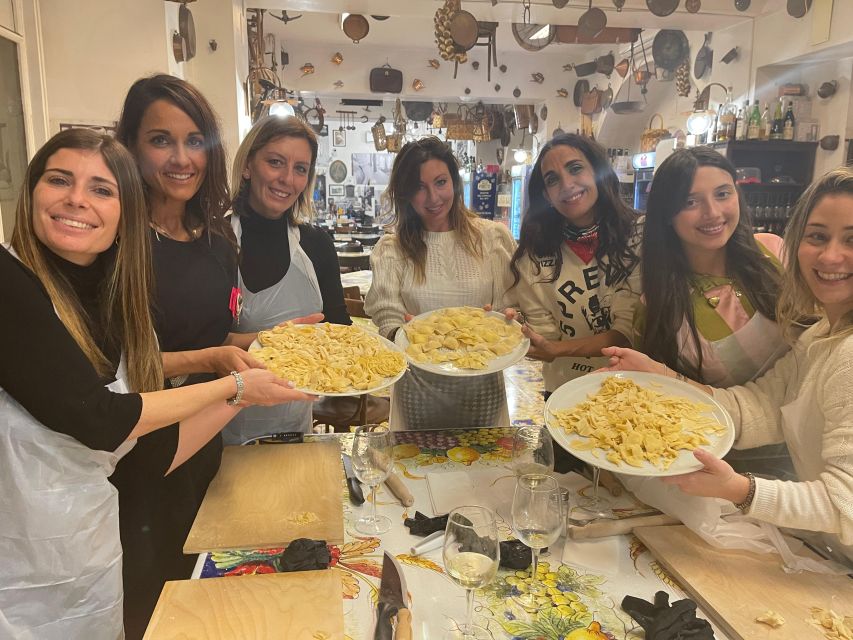
The best part of this Naples class is that you do not just watch a chef toss pasta around. You make the dough, shape three kinds of pasta, prepare tiramisù, and then sit down to eat the results in a restaurant opposite the San Carlo Theatre. Fresh pasta becomes your lunch or dinner, not just a demonstration.
I like the small-group feel and the useful location near Piazza Plebiscito, the Royal Palace, and the port. I also like the generous menu: bruschetta, three pasta preparations, tiramisù, one drink, water, and espresso are included in the two-hour session. The main consideration is that you will not necessarily cook every final step yourself, since the restaurant chef boils and sauces the pasta in the kitchen.
Key points
- Three pasta shapes in one class: Prepare tagliatelle, ricotta-filled ravioli, and maltagliati.
- Three Neapolitan-style sauces: Your pasta is served with Nerano sauce, Sorrentina sauce, and potato with provola.
- A practical central location: Meet at Via San Carlo 17, opposite the San Carlo Theatre and close to major sights.
- A complete meal included: Enjoy bruschetta, your pasta, tiramisù, one alcoholic or soft drink, water, and espresso.
- Friendly English instruction: Instructors such as Manuela, Alessia, Emanuela, and Matilde have led sessions.
- Good for beginners: Clear guidance and hands-on work make this suitable even if you rarely cook.
Making pasta beside the San Carlo Theatre
This experience takes place inside Restaurant San Carlo 17, a short walk from some of Naples’ most useful landmarks. You are opposite the grand Teatro di San Carlo, with the Royal Palace, Piazza Plebiscito, and Galleria Umberto I nearby.
That setting makes the class easy to fit into a sightseeing day. You can visit the palace or square before class, then walk straight to the restaurant. The port is about seven minutes away on foot, Municipio metro station is about five minutes away, and a taxi rank is roughly two minutes away.
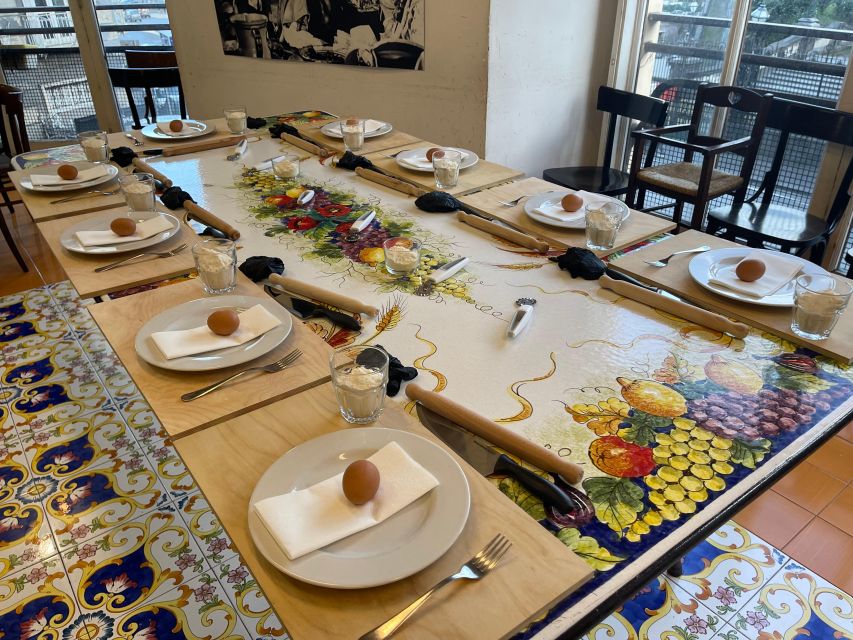
The restaurant setting gives the class a more polished feel than a simple cooking studio. Several sessions have used an upstairs room, with views toward the waterfront and a castle to the side. The room may also host a pizza class at the same time, so you can get a glimpse of another popular Neapolitan food lesson without taking part in it.
You should arrive at least five minutes early. The activity lasts two hours, and the available start times can change by date, so check the schedule before planning dinner or an evening show.
More Tiramisu Classes in Naples
- Napolitan Secrets: Pasta & Tiramisù Class for Food Lovers
★ 4.9 · 189 reviews - Hands-On Pasta Making and Traditional Tiramisu Workshop
★ 4.5 · 71 reviews - Pasta and Tiramisu Cooking Class with Local Chef in Naples
★ 5.0 · 58 reviews
A hands-on start with dough and tiramisù
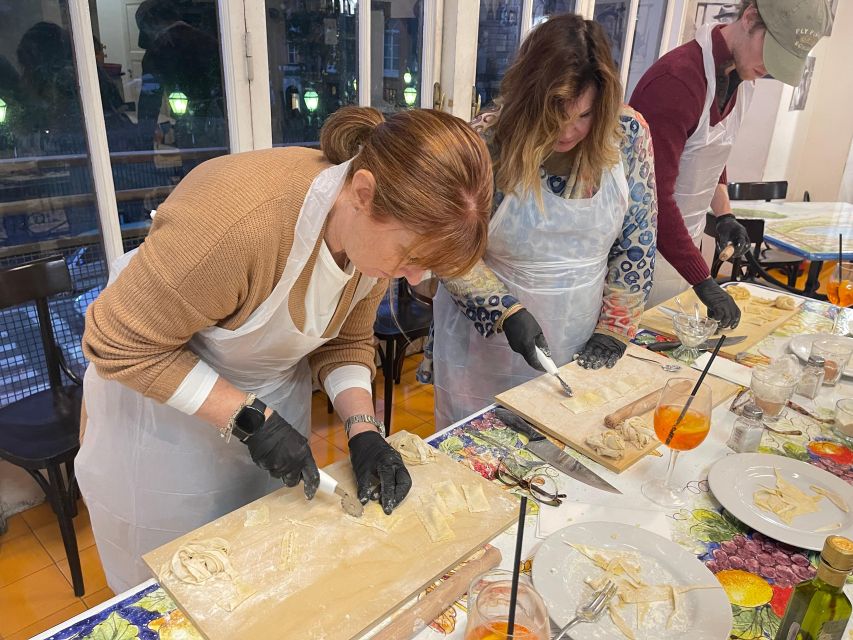
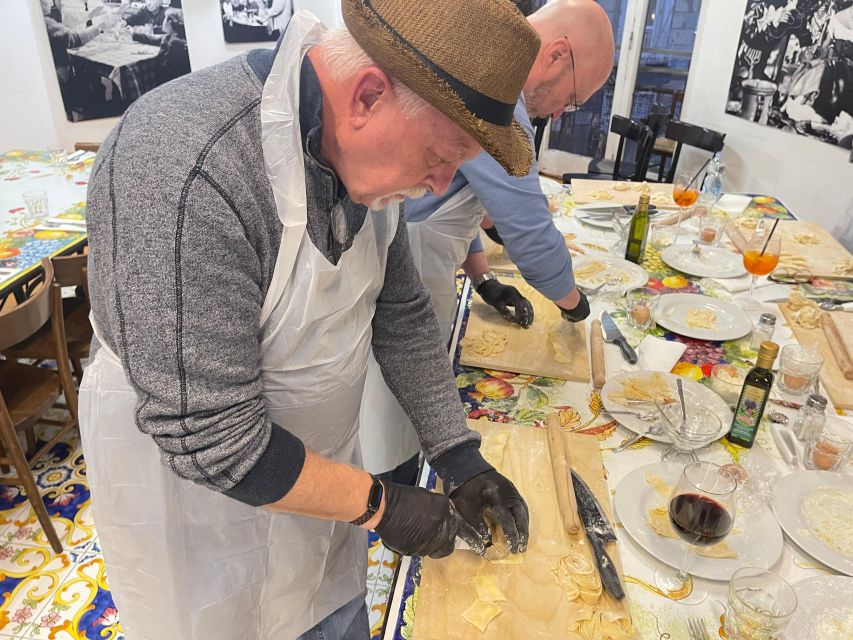
The class begins with a short explanation of the ingredients and methods, followed by practical work. You put on an apron and help knead the pasta dough. This is the useful part for home cooks: you feel the texture of the dough instead of simply hearing a recipe read aloud.
The instruction is in English. Teachers have included Manuela, Alessia, Emanuela, and Matilde, and the tone can vary slightly by session. The strongest sessions are likely to feel relaxed and personal, especially when the pasta group is small. Some classes have had only two people, while another had six participants including a couple. Larger family groups can also take part.
You then prepare the tiramisù. The dessert is made early enough to rest while you work on the pasta. The recipe uses the familiar combination of coffee and cream, but the class presents it as a simple Italian preparation rather than an overcomplicated dessert project.
This order makes good sense. Tiramisù needs time to set, so making it first means it is ready by the time the meal arrives. It also gives you an easy win at the start of the lesson before you move on to rolling and shaping dough.
Three pasta shapes, three different textures
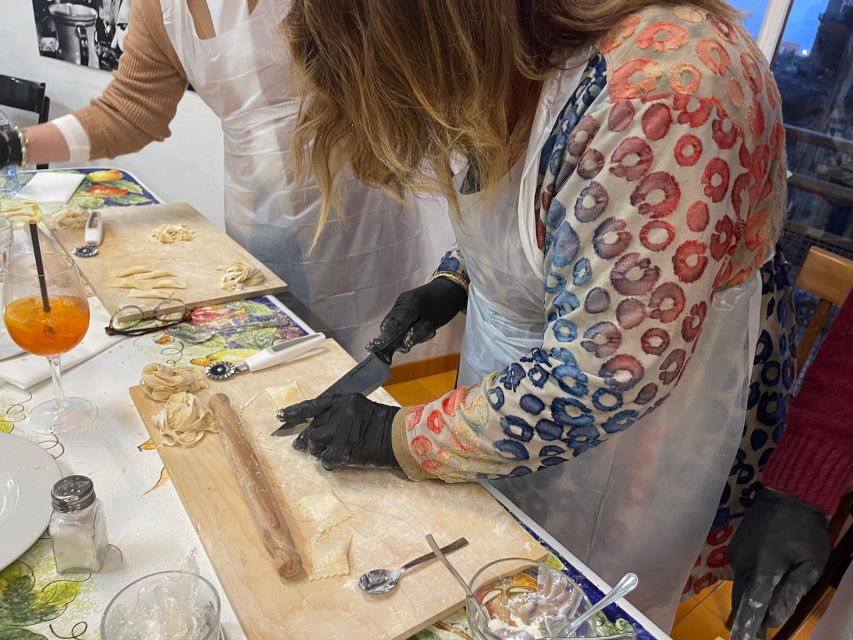
The pasta portion is the heart of the class. You work on tagliatelle, ravioli, and maltagliati, using fresh ingredients and basic hand tools. The dough is rolled out by hand rather than simply fed through a machine, which gives you a better sense of how pasta was made in home kitchens.
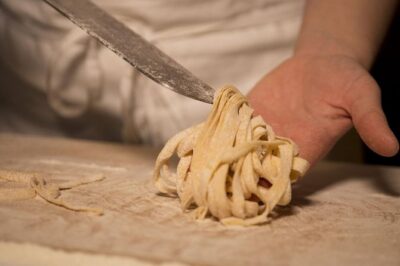
Tagliatelle is cut into long ribbons and served with Nerano sauce. Nerano is associated with zucchini and the Campania coast, and it offers a lighter, vegetable-based contrast to the other sauces.
The ravioli is filled with fresh ricotta cheese and served alla Sorrentina. Sorrentina sauce is a classic southern Italian combination, generally centered on tomato and cheese. Here, the filling and sauce give the ravioli a softer, fuller character.
Maltagliati means roughly badly cut or irregularly cut pasta. That is good news if your pieces are uneven. The shape is intentionally rustic, and this version is served with potatoes and provola, a mild smoked or semi-smoked cheese associated with southern Italy.
Making three forms in a single class adds variety, but it also means the lesson is more about learning a useful range of techniques than perfecting one recipe. If you want a slow, highly detailed session focused on one pasta shape, this may feel brisk. If you want a broad introduction to fresh pasta, the range is a strength.
The chef finishes the cooking
After you shape the pasta, the restaurant chef takes over the final cooking. The pasta is prepared in the kitchen and matched with the three sauces. This arrangement keeps the group moving and allows you to sit down to a properly cooked meal rather than trying to boil several kinds of pasta in a small classroom.
It also explains the one main limitation. You are involved in making the pasta, but you do not control every step from dough to plate. If your main goal is to practice cooking fresh pasta in boiling water, adjusting the timing, and making the sauces yourself, this class gives you less of that experience.
For most people, the trade-off is sensible. Fresh pasta can cook quickly, and three shapes with three sauces would be difficult to manage while also teaching a group. The chef’s work lets you focus on shaping and then enjoy a restaurant-style presentation.
The meal begins with bruschetta, followed by the tagliatelle, ravioli, and maltagliati. One bottle of water and one drink are included. You can choose an alcoholic drink or a soft drink, while extra drinks cost more.
Same flour, a different shape to roll:
- Naples: Pasta Making Class with Starter and Drink
★ 4.9 · 1,060 reviews - Naples Pasta Class: Fettuccine & Ravioli with Grandma’s Recipe
★ 5.0 · 506 reviews - Amazing Pizza and Pasta Class at Savio’s kitchen cooking school
★ 5.0 · 104 reviews - Learn To Make Fresh Pasta With Love in Naples
★ 5.0 · 77 reviews
Eating the meal you made
The meal is more than a small tasting. Several sessions have produced enough pasta for a generous serving, so arrive hungry. You are likely to eat more than one kind of pasta, along with the starter and dessert.
The bruschetta is a useful opening course while the kitchen finishes the pasta. Then you can compare the different shapes and sauces. The tagliatelle has a long, ribbon-like bite, the ravioli brings a ricotta center, and the maltagliati has the casual, irregular look of handmade pasta.
The tiramisù comes at the end, followed by espresso. Coffee is included, and the dessert gives you another recipe to repeat at home. The class is especially useful for anyone who has always wanted to make tiramisù but assumed it required difficult pastry skills. Here, the method is presented as approachable and based on fresh, familiar ingredients.
A glass of wine can make the meal feel festive, but the soft drink option is equally practical for children, non-drinkers, and anyone continuing to sightsee afterward.
What the instructors add
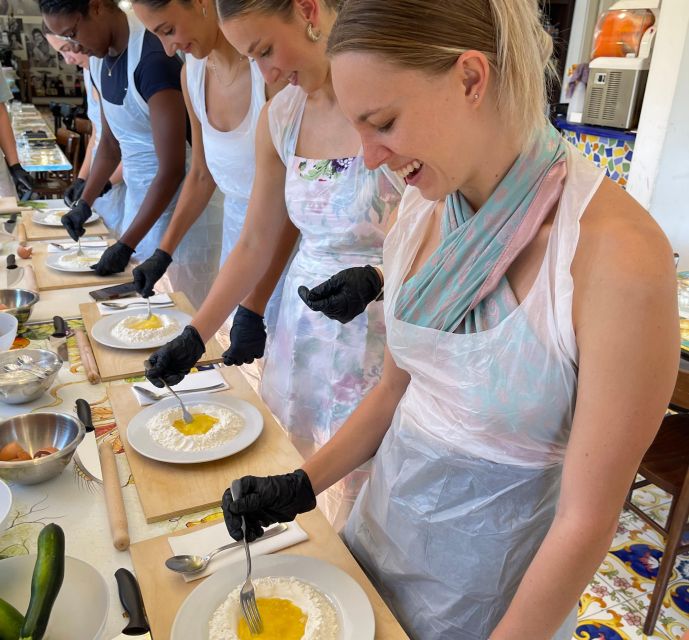
The ingredients matter, but the teacher can make or break a cooking class. The instructors named in the experience include Alessia, Manuela, Emanuela, and Matilde. Their roles go beyond measuring flour. They demonstrate the movements, correct technique, answer questions, and keep the room lively.
Alessia has led sessions with a patient, humorous approach, including classes where family stories about learning from a grandmother added a personal link to the food. Emanuela has also been praised for clear explanations and a playful manner. Matilde has discussed differences between Italian ingredients and those commonly found in North America, which can be useful if you plan to recreate the dishes at home.
The small groups are a real advantage. With only a few people at the table, you have a better chance of getting help when the dough sticks, a ravioli seal opens, or your pasta pieces come out uneven. Solo visitors can fit in comfortably, and families with teenagers have found the activity easy to enjoy together.
The exact group size is not fixed. One session may feel almost private, while another may include a larger family group. If personal attention is your top priority, choosing a less busy time may help, though the booking information does not promise a particular group size.
How much food and value you get for $71
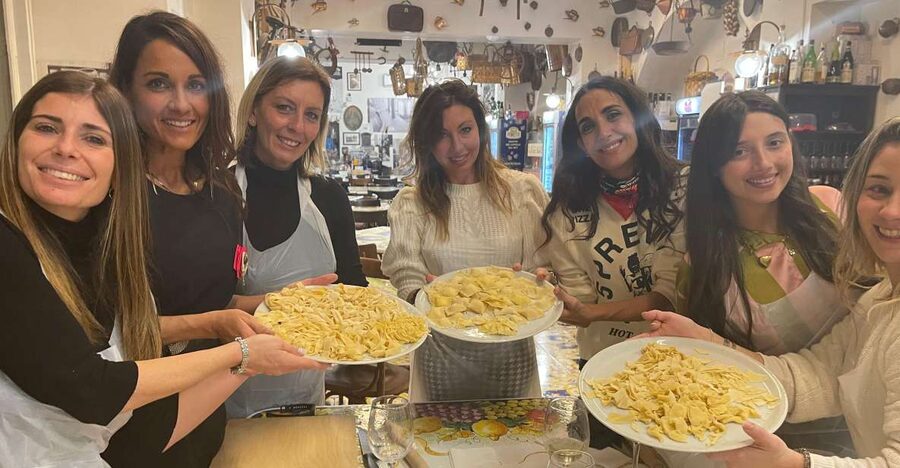
At $71 per person, this is not the cheapest way to eat pasta in Naples. You can find a simple restaurant meal for less. But the price includes instruction, ingredients, equipment, a chef, a full pasta meal, bruschetta, tiramisù, water, a drink, and espresso.
That makes the value stronger for anyone who wants both dinner and an activity. You are paying for about two hours of guided cooking, then receiving a substantial meal. You also leave with skills you can use at home, especially hand-rolling dough, shaping ravioli, cutting tagliatelle, and making tiramisù.
The value is less clear if you are mainly looking for a formal culinary course. The class moves through several preparations in a short time, and the kitchen handles the final cooking and sauces. It is best understood as a friendly food experience with useful instruction, not professional chef training.
It also works well as a rainy-day plan or as a break from churches, museums, and crowded streets. Since it is in central Naples, you do not lose much time getting there.
Practical limits to know before booking
The activity is not suitable for people with gluten intolerance. Pasta is the focus, and there is no indication that a gluten-free version is available. It is also not listed as suitable for wheelchair users or people with mobility impairments.
The restrictions also exclude children under three, with the supplied information separately noting children under two and babies under one. For planning purposes, do not book for toddlers or infants. Older children and teenagers can enjoy it, especially if they like working with their hands.
Bikes, bare feet, alcohol abuse, and drugs are not allowed. The class is indoors, so wear normal clothing and practical shoes. You may be standing or working at a table during the preparation, making the mobility note worth taking seriously.
Free cancellation is available up to 24 hours before the start, and you can reserve without paying immediately if that option is offered for your date. The language is English, and the activity is valid for one day based on the selected time.
Who should book this Naples cooking class?
I would choose this class if you want a social activity that also serves as a meal. It suits couples, friends, families with older children, solo visitors, and people who enjoy trying a local tradition without committing to a full-day culinary course.
It is especially good for first-time pasta makers. You do not need advanced cooking skills, and the instructor demonstrates each stage. You also get enough variety to learn several shapes in one sitting.
I would be more cautious if you want a quiet, highly technical workshop. The class can include a pizza group in the same restaurant, and the upbeat teaching style may feel more social than formal. You should also know that the chef, rather than you, handles the final cooking and sauces.
The location is another reason to book. A class opposite the San Carlo Theatre is easy to combine with the Royal Palace, Piazza Plebiscito, Galleria Umberto I, Municipio, or the port. Plan it near the middle or end of your sightseeing day, but leave room afterward if you want a slow evening walk along the waterfront.
Should you book it?
Book this experience if you want to make and eat real pasta in central Naples without spending an entire day in a kitchen. The combination of three pasta shapes, tiramisù, a drink, and a full meal gives it solid value at $71.
Skip it if you need wheelchair access, gluten-free food, or a strictly technical cooking course. For everyone else, especially beginners and families with teenagers, this is a practical and enjoyable way to take home more than a food memory. You get a few recipes and techniques, a generous meal, and a better understanding of why simple southern Italian cooking depends so much on fresh ingredients and careful handwork.
FAQ
Where does the pasta class take place?
The class takes place inside Restaurant San Carlo 17 at Via San Carlo 17 in Naples, opposite the San Carlo Theatre.
How long does the experience last?
The cooking class lasts two hours.
What kinds of pasta will I make?
You will prepare tagliatelle, ricotta-filled ravioli, and maltagliati.
What sauces are served with the pasta?
The chef serves the pasta with Nerano sauce, Sorrentina sauce, and a potato and provola sauce.
Is food and drink included?
Yes. The package includes bruschetta, the pasta you prepare, tiramisù, one bottle of water, one alcoholic or non-alcoholic drink, and espresso coffee. Extra drinks are not included.
Is the class taught in English?
Yes. The listed instruction language is English.
Is the class suitable for children?
It is not suitable for children under three, and the information also excludes children under two and babies under one. Older children and teenagers can take part.
Can I cancel the booking?
You can cancel up to 24 hours before the activity for a full refund. A reserve-now, pay-later option may also be available.
Fresh off the board around Naples
- Naples Hands-on Cooking Class: Gnocchi, Ravioli, Tiramisu & Wine★ 4.5 · 18 reviews
- Pasta Fresca Gnocchi and Ravioli a Napoli★ 5.0 · 2 reviews
- Private Pasta & Tiramisu Class at a Cesarina’s home with tasting in Ercolano★ 5.0 · 2 reviews
- Discovering Gragnano PGI pasta and the Valle dei Mulini★ 5.0 · 3 reviews
- Private Fettuccine Alfredo and Ravioli Class Grandma recipe★ 4.0 · 2 reviews
- Homemade Pasta And Seafood Cooking Class with Dinner★ 5.0 · 5 reviews
- Private Italian Pasta Masterpieces Class: Ravioli, Tortellini and Fettuccine★ 5.0 · 8 reviews
- Neapolitan pasta homemade Cooking Lesson★ 4.5 · 4 reviews
Tiramisu Classes, class by class.
3 in 1 Cooking Class near Navona: Fettuccine, Ravioli & Tiramisu
Read our review →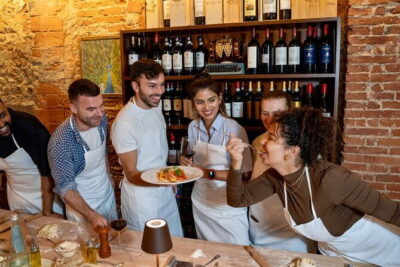
Pasta & Tiramisu Cooking Class with Unlimited Wine
Read our review →
Pasta & Tiramisu Class with Fine Wine by the Vatican
Read our review →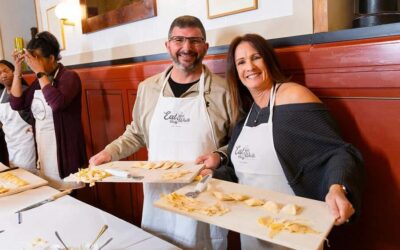
3-in-1 Fettuccine, Ravioli, and Tiramisu Cooking Class
Read our review →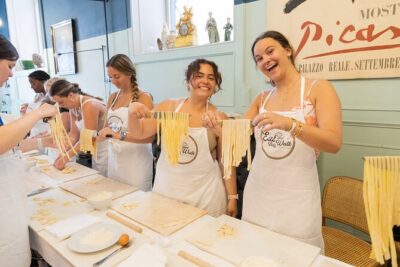
Learn to Make Pasta & Tiramisu with Wine and Limoncello Included
Read our review →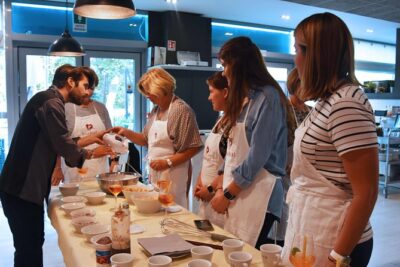
Become a Masterchef in Rome: Pasta, Ravioli and Tiramisù Class
Read our review →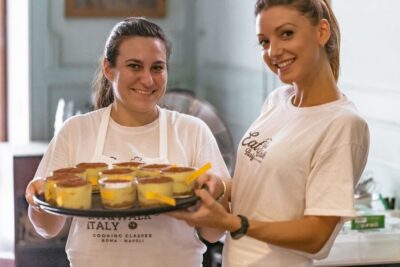
Fettuccine & Tiramisù: Cooking Class with Wine & Limoncello
Read our review →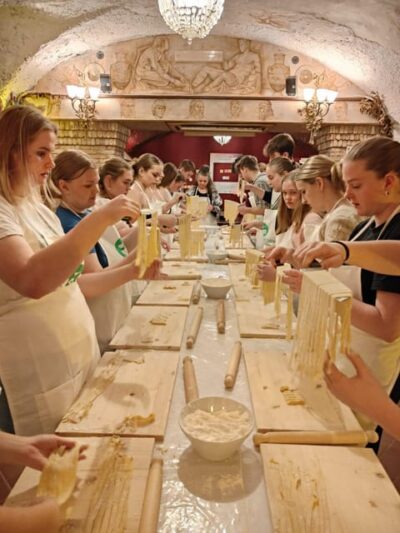
Pasta & Tiramisu Cooking Class near the Spanish Steps
Read our review →Lists this class appears in