
Review · PADUA
Cesarine: Small group Pasta and Tiramisu class in Padua
The best part of this Padua cooking class is that you do not simply watch someone prepare pasta. You work with the dough, shape it, and sit down to eat what you made in a local home. With hosts such as Catia, the class also brings family recipes, garden produce, wine, and stories about Padua to the table.
I like the hands-on focus, especially the chance to make two kinds of fresh pasta rather than one basic dish. I also like the home setting. It feels more personal than a large school kitchen, and the food comes with the warmth of a shared meal. The main thing to consider is the price, $162.40 per person, which is a serious sum for a three-hour class. You are paying for the food, instruction, and private-home setting, not just a pasta lesson.
Key points at a glance
- Make two fresh pasta types: Depending on the host, you may work with dishes such as bigoli, tortellini, or another local pasta style.
- Prepare tiramisu from scratch: You learn the host’s method, not just how to assemble a dessert from ready-made parts.
- Cook in a Padua home: The setting gives the class a family-table feel, with conversation and local customs woven into the meal.
- Get clear, practical instruction: You learn about flour, dough, pasta rolling, shaping, and traditional tools.
- Small group, maximum 12 people: The class is more intimate than a standard cooking demonstration, though the experience can feel different with a fuller group.
- Plan around a firm cancellation rule: You receive a full refund only when you cancel at least 24 hours before the start time.
What the three-hour Padua class is really like
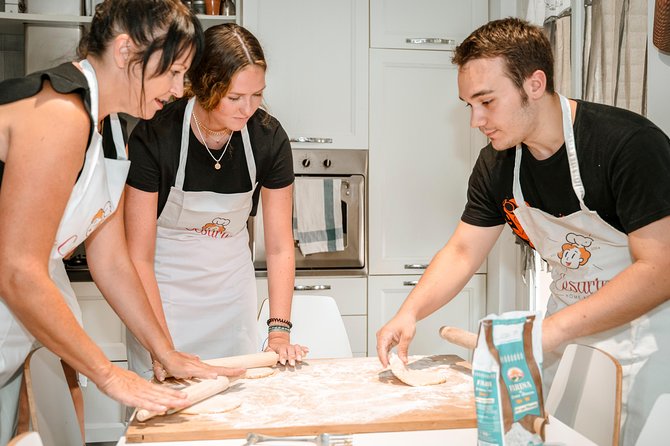
This is a shared cooking class held in a carefully selected local home in Padua. The experience begins and ends at the meeting point in Padua, with the exact home arranged as part of the booking. It is offered in English, and ingredients are provided, so you do not need to shop, measure supplies, or carry equipment across town.
I would expect the class to move in a relaxed pattern: welcome, preparation, cooking, and a meal at the end. The order can vary by host, but the food is the center of the visit. You are there to make tiramisu and two pasta types, then enjoy the results around the table.
That structure matters. A cooking class can feel rushed when every minute is spent at a workstation. Here, the meal and conversation are part of the experience. You get to see how a home cook handles the food, not just how a professional chef performs for an audience.
The maximum group size is 12. That is small enough for a personal feel, but it is not the same as a private lesson. If the class fills, you may share the kitchen and table with several other people. For most visitors, that adds energy and makes the meal more social. If you want quiet, one-to-one coaching, ask about the group size before booking.
More Tiramisu Classes in Italy:
- 3 in 1 Cooking Class near Navona: Fettuccine, Ravioli & Tiramisu
★ 5.0 · 7,376 reviews - Florence: Pasta & Tiramisu Cooking Class with Unlimited Wine
★ 4.9 · 6,708 reviews - Rome: Pasta & Tiramisu Class with Fine Wine by the Vatican
★ 4.9 · 4,852 reviews
Rolling pasta by hand, not just watching a demonstration
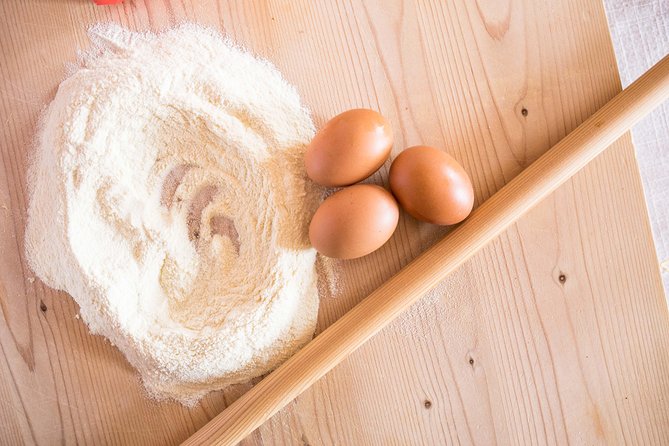
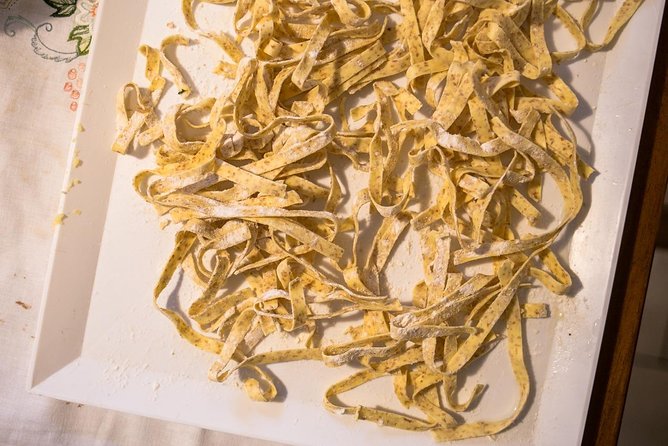
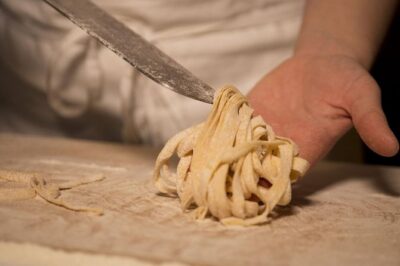
The pasta lesson is the heart of the class. You learn how dough is made, how different flours affect the texture, and how to roll fresh pasta properly. These are useful skills because they transfer to many pasta recipes once you return home.
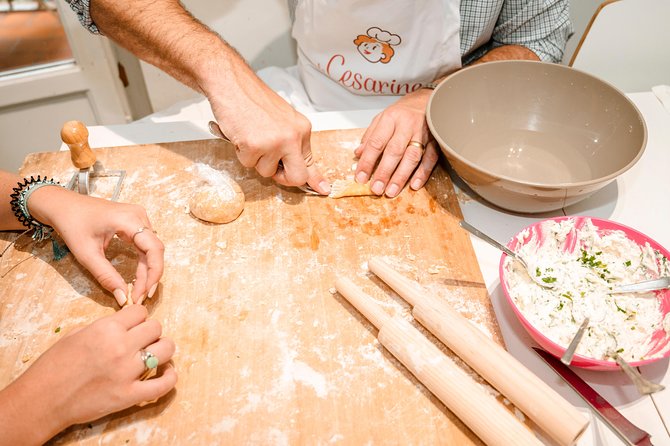
The process is practical. You handle the dough and learn how it should feel as you work it. Then you roll and shape it with step-by-step guidance. This gives you a better sense of fresh pasta than watching a chef move quickly through the same task.
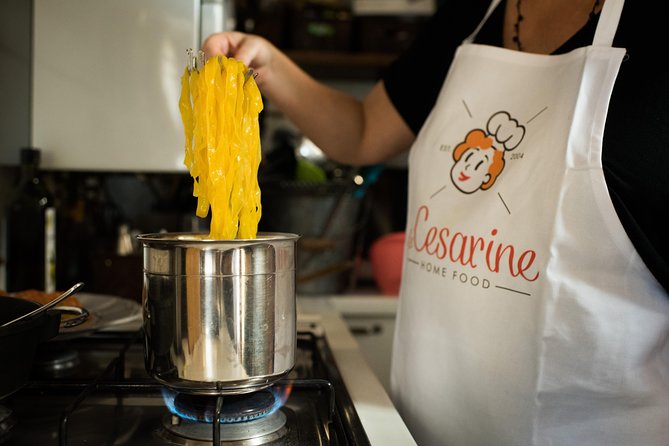
With Catia, the class has included two noticeably different pasta styles, bigoli and tortellini. Bigoli is a thick, rustic pasta associated with the Veneto region, while tortellini gives you practice with filled and shaped dough. Using an older family pasta press for the bigoli adds a nice personal touch and shows how kitchen tools can carry family memories.
The choice of pasta matters more than it might seem. A class that teaches only one flat noodle gives you a useful starting point, but two contrasting styles teach you more. You get to see how dough is handled for a thicker pasta and how it is rolled, filled, folded, or shaped for another preparation.
Do not expect factory-perfect pieces. The point is to learn the method and enjoy the work. Handmade pasta often has small variations, and that is part of its charm. You should come ready to use your hands, accept a few uneven shapes, and focus on the technique rather than making every piece look identical.
Tiramisu adds an easy win to the cooking session
Tiramisu is the other main lesson. Compared with pasta, it is less physically demanding, so it gives the class a change of pace. You learn the host’s recipe and the steps behind the dessert, including how the ingredients are combined and prepared for serving.
The dish is familiar to many people, but a home recipe can show you small choices that change the final result. The class focuses on the method rather than handing you a finished dessert. You leave with something practical that can be repeated at home.
Tiramisu also works well in a group setting. Pasta dough can require space and concentration, while assembling dessert gives everyone a shared task. It helps keep the session social and gives you another chance to ask questions.
One practical point: the class is about three hours, so the tiramisu may be prepared before the pasta meal and allowed time to rest. The exact timing depends on the host and the day’s menu. You should think of this as a cooking and dining experience, not a quick lesson followed by an immediate dessert course.
Catia’s home cooking brings Padua to the table
Catia is the host most closely associated with the strongest personal accounts of this experience. Her welcome is warm, and her teaching includes more than instructions. She explains the background of the dishes, talks about local food customs, and shares suggestions for spending time in Padua.
That local conversation is one of the better reasons to choose a home class. A formal cooking school can teach you technique, but a resident can also help you connect the food with the place. Catia has shared seasonal ingredients from her garden, along with family recipes and stories tied to her kitchen.
The food can include small pre-meal bites and wine, sometimes described as cicchetti. These touches make the session feel like an invitation into someone’s home rather than a class held in a commercial studio. You should not treat them as a guaranteed fixed menu, since the exact food can change with the host and season.
Another host, David, has also created a lively home setting for the class. That is worth noting because Cesarine is a network of home cooks, not a single chef running every session. Your experience depends in part on the host assigned to your date.
That variation is both a strength and a limitation. You may get a host whose personality and cooking style suit you perfectly. You also should not book expecting every session to be identical to Catia’s. The consistent elements are the home setting, English instruction, pasta, tiramisu, and shared meal.
More Home Cooking Classes in Italy:
- Pastamama, Home Cooking Classes at Grace’s Home
★ 5.0 · 521 reviews - Small Group Pasta and Tiramisu Class at Local’s Home in Venice
★ 4.5 · 236 reviews - Catania: Pistachio Ravioli, Pasta Home Cooking Class w/ Wine
★ 4.7 · 204 reviews - Cesarine: Small group Pasta and Tiramisu class in Varenna
★ 5.0 · 195 reviews
The meal is part of the lesson
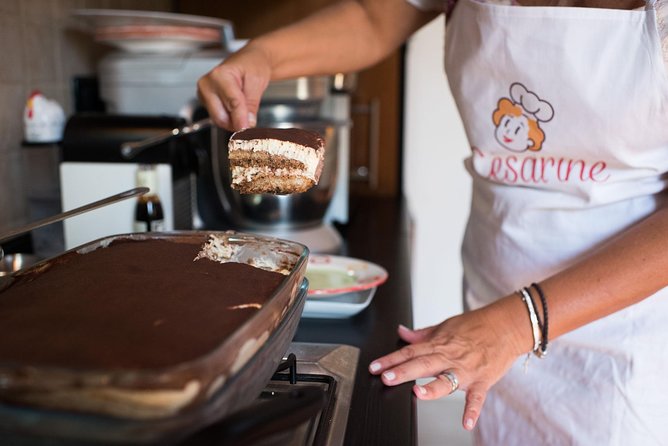
After the cooking, you eat what you prepared. This makes the class feel complete. You see the ingredients at the start, work through the preparation, and taste the finished dishes at the table.
I like this format because it gives each recipe a clear purpose. You are not shaping pasta into a box to take away. You learn how it cooks, how the texture turns out, and how the finished dish fits into an Italian meal.
The shared table also creates time for conversation. You may talk with the host about Padua, family cooking, regional food, or daily life. If you enjoy cultural exchange, this is likely to be more rewarding than a highly polished demonstration with no time to talk.
The meal can also make the three-hour duration feel reasonable. At $162.40 per person, you are paying for a substantial block of time, ingredients, instruction, and a meal in a private home. Still, this is not the best value if your only goal is to learn a basic pasta recipe at the lowest possible cost.
Is $162.40 a fair price?
The price is high compared with buying a pasta meal in Padua. You could eat well for much less, and you would not need to spend three hours cooking. The value comes from the combined experience: instruction, ingredients, a host’s home, local conversation, and the chance to eat your own work.
I would consider it fair for someone who sees food as a central part of a trip. It is especially worthwhile if you enjoy learning by doing and want an evening or afternoon that feels different from sightseeing. The class is less convincing for someone who wants a formal culinary qualification, advanced chef training, or a private session with a professional instructor.
The booking pattern also gives you a useful planning clue. This experience is booked an average of 26 days ahead, so I would not leave it until the last few days of a Padua visit. That is particularly important if you want a certain date or hope to join a small group.
The rating is 4.7 out of 5, with 92 percent of people recommending it. Those numbers suggest a strong overall experience, but they do not remove the need to think about the host and the format. The single serious complaint involved a missed class after a delayed flight and difficulty changing the booking. That is a reminder to avoid scheduling this too close to an uncertain arrival.
Timing, transport, and the cancellation rule
The experience lasts about three hours. It begins and ends at the Padua meeting point, and the location is near public transportation. Since the class takes place in a local home, you should check the meeting instructions carefully after booking rather than assuming the home is in the center of the city.
Confirmation is provided when you book, and the ticket is mobile. The activity is offered in English, which makes it a practical choice if you want instruction without relying on translation.
The cancellation rule is simple but strict. You can cancel for a full refund up to 24 hours before the local start time. Changes or cancellations made less than 24 hours before the experience are not accepted, and the amount paid is not refunded.
That rule matters if you are arriving in Padua by air or connecting from another city. Give yourself a buffer. A delayed flight, missed train, or change in your schedule may leave you with no way to reschedule. If the operator cancels because the minimum number of people is not reached, you are offered another date or experience, or a full refund.
Who should book this cooking class?
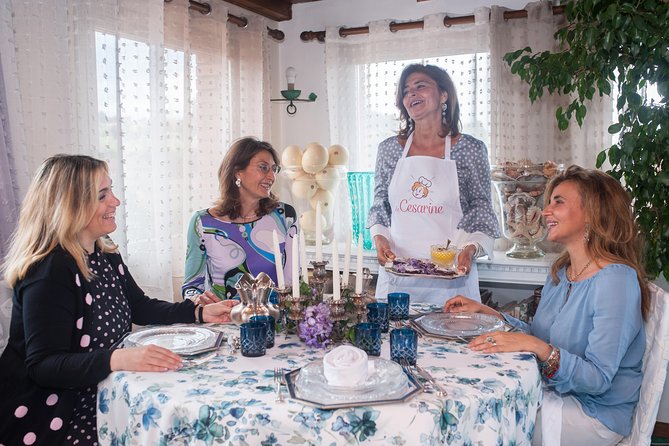
I would choose this class if you want to meet a local person, cook with your hands, and sit down to a relaxed meal. It suits couples, friends, solo visitors, and families who enjoy food more when they take part in preparing it.
It is also a good choice for people who want more than a standard restaurant meal in Padua. You learn useful pasta skills, hear about family traditions, and get a taste of the host’s daily cooking style. The class can be a pleasant break from churches, museums, and city walking.
You may want to skip it if you dislike group activities, have strict dietary needs that have not been confirmed, or prefer a short demonstration. The available information confirms pasta and tiramisu, but it does not provide a full list of substitutions or dietary options. Ask before booking if ingredients are a concern.
You should also keep your expectations realistic. This is a home cooking session, not a polished television-style production. The reward is personal contact and practical work. Small imperfections are part of the setting.
Should you book Cesarine in Padua?
Yes, if you want a warm, food-centered experience and the price fits your budget. The strongest reasons to book are the chance to make two pasta styles, the home setting, and the time spent eating and talking with a local host such as Catia.
I would book it early, allow plenty of time around your arrival, and treat the host as part of the choice. If you are happiest learning at a relaxed kitchen table rather than sitting in a formal classroom, this is a strong pick. If you only want inexpensive food or highly technical chef training, spend your money elsewhere.
FAQ
Where does the cooking class take place?
The class takes place in a carefully selected local home in Padua, in the Province of Padua, Italy. The activity starts and ends at the meeting point.
How long does the experience last?
The class lasts approximately three hours, including the cooking and shared meal.
What will I learn to cook?
You will learn to make tiramisu and two different types of pasta. Classes with Catia have included bigoli and tortellini.
Are ingredients provided?
Yes. Ingredients are provided as part of the experience.
Is the class offered in English?
Yes. The experience is offered in English.
How many people can join?
The maximum group size is 12 people. It is a shared class rather than a guaranteed private lesson.
Who teaches the class?
Cesarine classes are led by local home cooks. Hosts connected with this Padua experience include Catia and David, though the host can depend on the date.
Is public transportation available near the meeting point?
Yes. The activity is near public transportation.
Can I cancel for a full refund?
Yes, if you cancel at least 24 hours before the experience start time. Cancellations or changes made less than 24 hours before the start are not accepted and are not refunded.
More Small Group Pasta Classes in Italy
- Milan: Pasta and Tiramisu Small Group Cooking Class with Wine
★ 5.0 · 660 reviews - Florence Small-Group Pasta Class with Seasonal Ingredients
★ 5.0 · 532 reviews - Bologna: Pasta and Tiramisu Small Group Cooking Class with Wine
★ 5.0 · 409 reviews - Palermo: Pasta and Tiramisu Small Group Cooking Class with Wine
★ 5.0 · 348 reviews
Fresh off the board around Italy
- Vicenza: Pasta & Tiramisu Cooking Class at a Local’s Home★ 5.0 · 5 reviews
- Verona: Pasta & Tiramisu Cooking Class at a Local’s Home★ 5.0 · 16 reviews
- Volterra: Fresh Pasta Cooking Class at a Tuscan Farmhouse★ 5.0 · 33 reviews
- Verona: Tortellini Cooking Class and Lunch with Mamma Ivana★ 5.0 · 20 reviews
- Verona: My Granny’s secrets making gnocchi★ 5.0 · 7 reviews
- Verona: Prosecco and Pasta Making Class at a Local’s Home★ 5.0 · 10 reviews
- Venice: Pasta Carbonara Cooking Class with Wine★ 5.0 · 3 reviews
- Venice: Share Your Pasta Love in a Local’s Home★ 4.8 · 20 reviews
Tiramisu Classes, class by class.
3 in 1 Cooking Class near Navona: Fettuccine, Ravioli & Tiramisu
Read our review →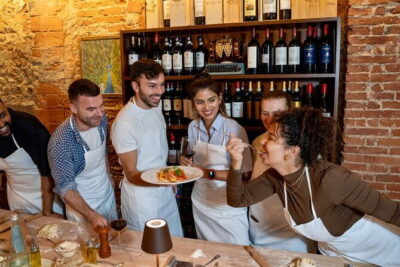
Pasta & Tiramisu Cooking Class with Unlimited Wine
Read our review →
Pasta & Tiramisu Class with Fine Wine by the Vatican
Read our review →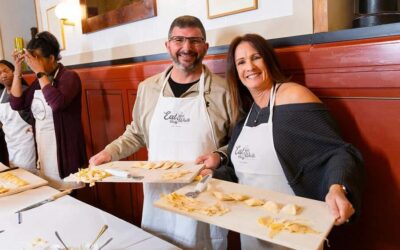
3-in-1 Fettuccine, Ravioli, and Tiramisu Cooking Class
Read our review →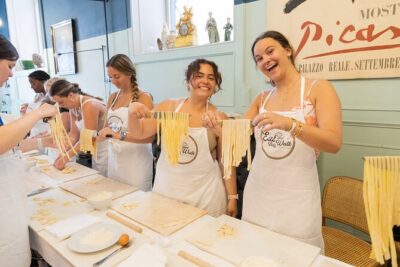
Learn to Make Pasta & Tiramisu with Wine and Limoncello Included
Read our review →
Become a Masterchef in Rome: Pasta, Ravioli and Tiramisù Class
Read our review →
Fettuccine & Tiramisù: Cooking Class with Wine & Limoncello
Read our review →
Pasta & Tiramisu Cooking Class near the Spanish Steps
Read our review →Lists this class appears in