
Review · NAPLES
Neapolitan pasta homemade Cooking Lesson
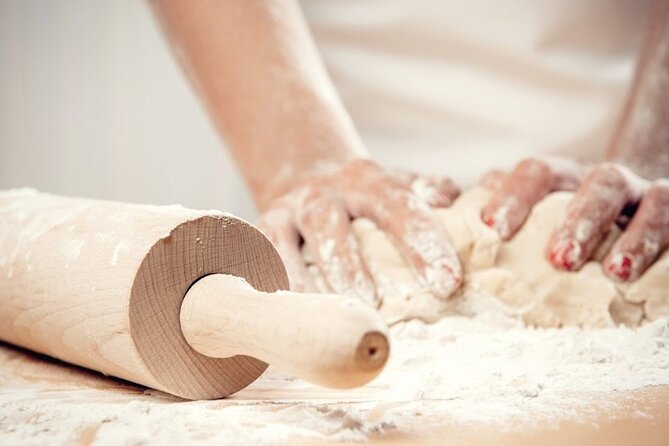
The best part of this Naples cooking class is its old-fashioned approach. You make egg pasta from a family recipe, roll it with a pin instead of a machine, and shape both ravioli and fettuccine by hand. Along the way, you taste Vesuvian tomatoes, homemade bread, and a local starter before eating the pasta you made.
I like two things here: the focus on methods passed down through generations, and the fact that your finished work becomes lunch with wine. Daniel has earned especially warm praise for making the process easy and fun. The main caution is value: at $90.76 for about two hours, experienced home cooks may find the lesson fairly basic.
Key points at a glance
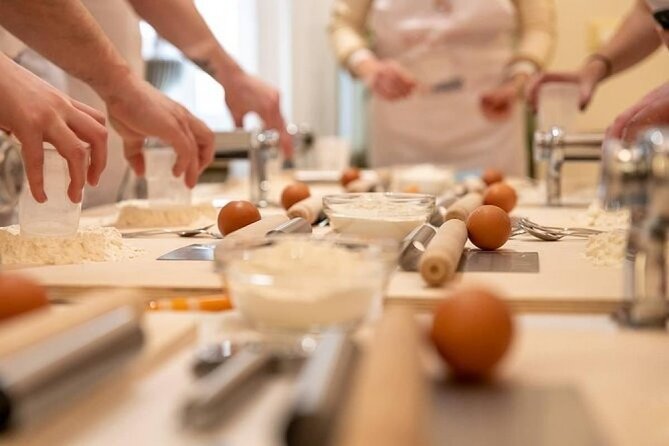
- Hand-rolled egg pasta: You work without machinery, using a rolling pin and traditional family methods.
- Several pasta shapes: You make ravioli and fettuccine, with demonstrations of tagliolini and pappardelle.
- Vesuvian ingredients: The break in the lesson includes organic tomatoes from Vesuvius and homemade bread.
- A meal is included: Your homemade pasta is cooked, served with two sauces, and paired with wine.
- Central Naples meeting point: The class begins and ends at Via delle Zite 30, near public transportation.
- Best for beginners: The class is practical and friendly, but advanced cooks may want more technical depth.
Making pasta the Neapolitan way
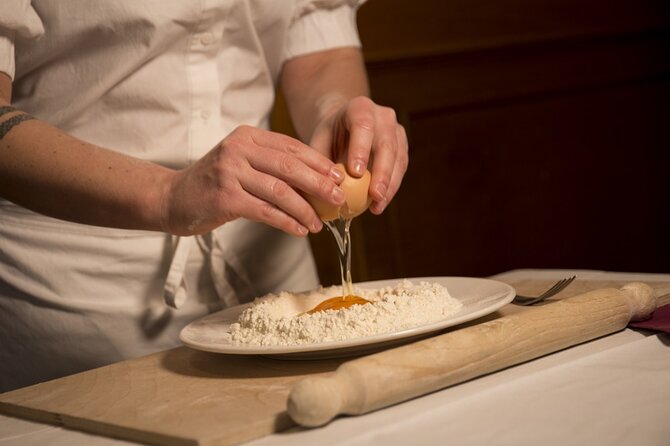
This is not a quick demonstration where you sit back and watch someone else work. The main appeal is the hands-on routine: mix the dough, let it rest, roll it out, cut it, fill it, cook it, and eat it.
The lesson centers on egg pasta made from a family recipe. Before you begin, the instructor explains the differences among pasta types and describes the ingredients in the dough. That opening matters because fresh pasta is not simply dried pasta with more effort. The dough, thickness, filling, and cooking time all affect the final bite.
You will work with a dough described as following an 1800s tradition. That does not mean you are signing up for a history lecture. It means the method is presented as an older household technique, with a rolling pin replacing modern pasta equipment.
I like that choice. A machine can produce smooth sheets quickly, but rolling by hand gives you a better sense of how the dough changes under pressure. You can see when it is too thick, too dry, or ready to cut. For a first-time pasta maker, that is often more useful than watching a perfect sheet come out of a motorized roller.
The tradeoff is time. Hand rolling takes longer and may feel less polished than a professional kitchen demonstration. That is part of the point, but it also means the class is aimed more at participation than at covering every technical detail of Italian pasta making.
More pasta classes around Naples:
- Naples: Pasta Making Class with Starter and Drink
★ 4.9 · 1,060 reviews - Naples Pasta Class: Fettuccine & Ravioli with Grandma’s Recipe
★ 5.0 · 506 reviews - Naples: Pasta Cooking Class with Tiramisù and a Drink
★ 4.6 · 415 reviews
The two-hour lesson, step by step
The experience lasts about two hours, so the pace should be active. The class begins with an explanation of pasta styles and the ingredients used for the egg dough. You then prepare the dough according to the family recipe.
While the dough rests, the instructor serves a local starter. You taste organic tomatoes from Vesuvius and homemade bread, with the lesson using this pause to show why ingredient quality matters. This is a useful touch because it connects the cooking technique with the food itself. Good pasta does not exist in isolation. The sauce, bread, tomatoes, and other simple ingredients all depend on quality.
After the rest, you roll the dough with a rolling pin. No machinery is used. The class presents these as older methods taught by grandmothers, and the practical benefit is clear: you learn a technique you can repeat at home without buying a pasta machine.
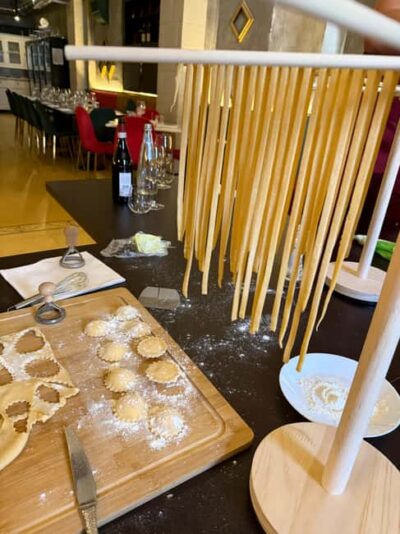
Next comes the cutting and shaping. You make fettuccine and ravioli, and you also see how tagliolini and pappardelle are prepared. These shapes are close relatives, but they differ in width and use. The lesson does not appear to promise a separate full batch of every shape, so think of tagliolini and pappardelle as part of the instruction rather than four equal-length cooking projects.
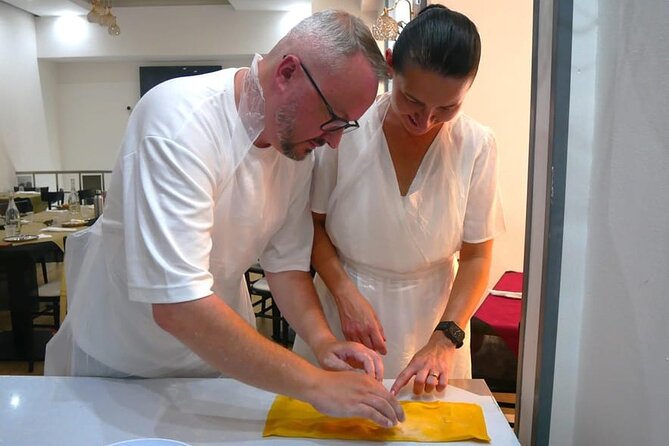
For the ravioli, you mix the filling ingredients and combine the filling with the pasta. The exact filling ingredients are not specified, so you should not book this expecting a particular meat, cheese, or vegetable recipe. What is clear is that you take part in the process rather than receiving pre-made ravioli.
Finally, the pasta goes into boiling water. After a few minutes, it is seasoned with two different sauces. This is where the class turns into lunch, with your fettuccine and ravioli served alongside wine. A soda or soft drink is also included, while additional drinks after the first one are not part of the package.
Why the Vesuvian tasting matters
The starter of Vesuvian tomatoes and homemade bread is more than a snack between tasks. It gives you a direct comparison point for the ingredients used in Neapolitan cooking.
The tomatoes are described as organic and from Vesuvius. The experience does not promise a farm visit or a detailed agricultural tour, but the tasting puts a local product on the table. You get to consider how a simple tomato can carry much of a dish when the ingredient is good.
The bread serves a similar purpose. It is familiar food, but homemade bread helps show the difference between everyday staples made with care and generic restaurant additions. I appreciate this kind of pause because it gives the class a local food angle beyond pasta alone.
There is also a practical lesson here for cooking at home. You may not be able to recreate every ingredient exactly, but you can carry over the larger idea: use fewer components, and pay attention to their quality.
Ravioli, fettuccine, and the value of working by hand
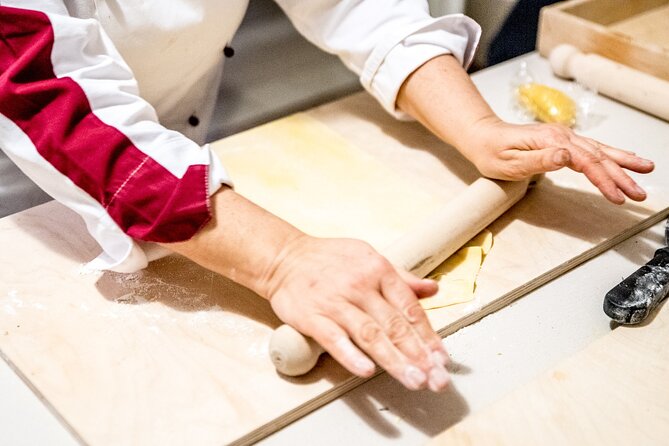
Fettuccine gives you the clearest feel for the dough. You roll the sheet, cut it into ribbons, and see how width affects cooking. Ravioli adds another task, since you must manage the filling and seal the pasta properly.
That combination gives the lesson a good balance. Fettuccine is direct and forgiving. Ravioli asks for more care because too much filling, trapped air, or a weak seal can cause trouble in the pot. Even if the instructor keeps the process simple, you come away with two different kinds of fresh pasta.
The extra shapes, tagliolini and pappardelle, broaden the picture. Tagliolini is a thinner cut, while pappardelle is wider. Seeing these side by side helps you understand that fresh pasta is not one single thing called homemade noodles. Shape changes texture, sauce coverage, and cooking time.
The lesson is not designed as an advanced culinary course. One disappointed participant considered it suitable mainly for people with very basic cooking experience and felt the price was high for the amount learned. That is a fair warning. If you already make pasta regularly or have taken several cooking classes, the instruction may not add much to your technique.
For a beginner, though, the simple structure can be a strength. You are less likely to get buried in flour ratios, regional exceptions, or professional kitchen jargon. The class gives you a manageable process that you can try again at home.
Same flour, a different shape to roll:
- Napolitan Secrets: Pasta & Tiramisù Class for Food Lovers
★ 4.9 · 189 reviews - Amazing Pizza and Pasta Class at Savio’s kitchen cooking school
★ 5.0 · 104 reviews - Learn To Make Fresh Pasta With Love in Naples
★ 5.0 · 77 reviews - Hands-On Pasta Making and Traditional Tiramisu Workshop
★ 4.5 · 71 reviews
Daniel’s teaching style and the group setting
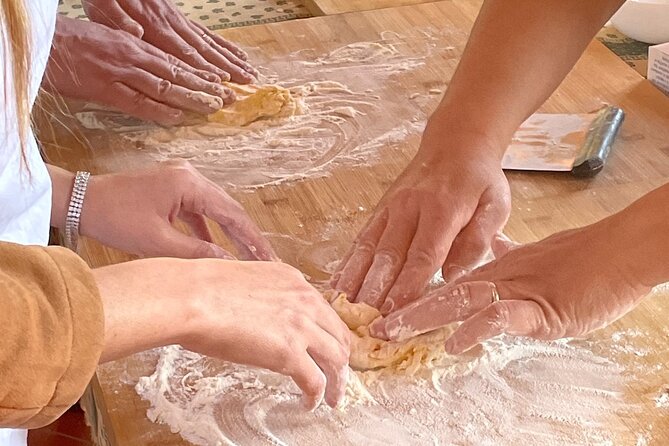
Daniel is the named host connected with the most specific praise, and the experience is described as fun, friendly, and easy to follow under his guidance. One strong reason to choose this class is the social side: you work with your group while making and eating the food.
The stated maximum is 35 people. That is a fairly large ceiling for a hands-on cooking lesson. The actual feel of the class will depend on how many people book your session, but you should not assume a private or intimate workshop. A larger group may be lively and good for meeting people, yet it can also mean less individual attention at the rolling and shaping stages.
The class is sold as an intensive two-hour experience. One account questioned the length, reporting about an hour and a half of cooking rather than three hours. The advertised duration is approximately two hours, not three, so plan your schedule around a two-hour class and allow a little extra time for the meal and normal transitions.
A separate positive account describes making three kinds of pasta and tiramisu from scratch. Tiramisu is not listed among the included dishes in the main description, which promises ravioli, fettuccine, and the demonstration of other pasta shapes. Treat tiramisu as something that may have been part of that particular session, not as a guaranteed feature.
What the $90.76 price really buys
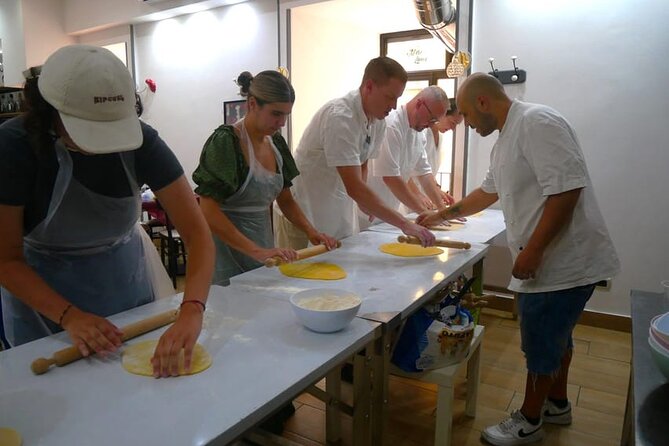
At $90.76 per person, this is not the cheapest way to eat pasta in Naples. You can find a restaurant meal for less, especially if your only goal is to taste fettuccine or ravioli.
The price makes more sense if you want three things at once: a practical activity, a meal, and a food memory you can repeat at home. You are paying for instruction, ingredients, your work space, the tasting course, the pasta you prepare, two sauces, wine, and a soda or soft drink.
The value is strongest for a first-time pasta maker. You get a clear sequence and a meal at the end, so the lesson does not leave you wondering what happened to the dough. It also gives you a traditional method that requires no machine.
The value is weaker for an experienced cook. If you already know how to mix, rest, roll, cut, and fill fresh pasta, the class may feel more like a pleasant social lunch than a serious skills course. You may prefer a longer workshop with more detail on flour types, hydration, fillings, sauces, and regional pasta traditions, but those features are not promised here.
The included wine also matters. One drink comes with the experience, while other drinks after the first are extra. If you want a full drinks evening, budget accordingly.
Meeting at Via delle Zite 30
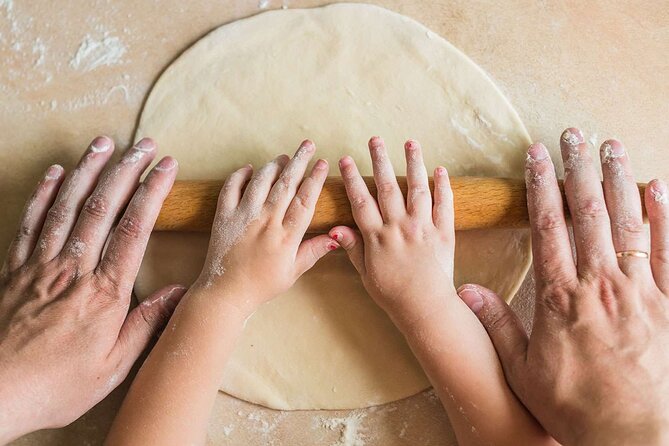
The meeting point is Via delle Zite 30, 80139 Naples, and the activity ends at the same location. It is near public transportation, which makes the class easier to fit into a day of sightseeing.
Because the location is both the start and finish, you do not need to arrange a second pickup point after lunch. That is useful if you are planning another activity later in the day. Still, keep the class’s approximate two-hour length in mind and avoid scheduling something immediately afterward if a small delay would cause trouble.
The mobile ticket is convenient. Confirmation is provided when you book, so you can keep the booking on your phone rather than carrying a printed voucher.
The class is not recommended for people who are gluten intolerant. That is not a minor footnote: flour and pasta are central to nearly every stage, and no gluten-free option is stated. If you have a serious dietary restriction, this is not the experience to gamble on.
Who will enjoy this class most
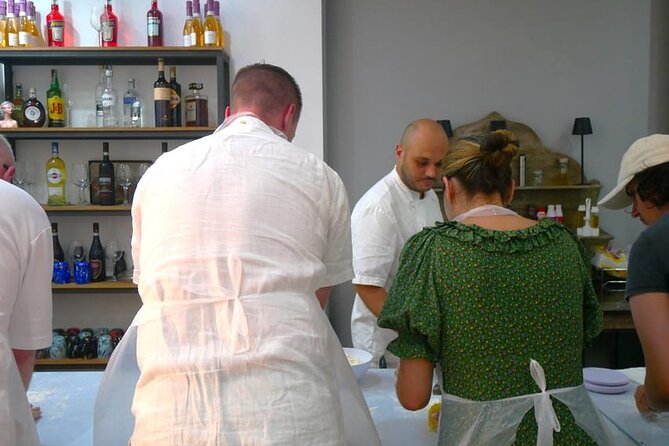
I would choose this for a beginner, a couple, a family group, or a solo visitor who likes meeting people through food. The work is simple enough to follow, but active enough that you are not just watching a chef perform.
It also suits anyone who wants a useful souvenir rather than another small object in a suitcase. A pasta rolling method, a filling technique, and the confidence to make noodles at home can last longer than a typical restaurant memory.
The class is less suited to an advanced home cook. The basic instruction may leave you wanting more detail, especially if you are already comfortable with fresh pasta. The group maximum of 35 also means you should not expect a tailored private lesson.
For anyone with gluten intolerance, the answer is straightforward: skip it. For everyone else, the main decision is not dietary. It is whether you want a relaxed, practical introduction or a demanding cooking course.
Cancellation and planning details
You can cancel up to 24 hours before the start time for a full refund. Changes made less than 24 hours before the start are not accepted, and cancellations inside that window are not refunded. The cut-off follows local Naples time.
The experience is booked, on average, 27 days in advance. That does not guarantee that every date sells out, but it suggests you should not leave it until the last day if the class is important to your schedule.
The stated maximum is 35 people, confirmation arrives at booking, and public transportation is nearby. Those details make the class fairly easy to add to a Naples itinerary, especially because it returns to the same meeting point.
Should you book the Neapolitan pasta lesson?
Book it if you want to make your own lunch, learn traditional hand-rolling, and enjoy a friendly introduction to ravioli and fettuccine. The Vesuvian tomato tasting, homemade bread, two sauces, and wine give the two-hour class more substance than a pasta demonstration alone.
Think twice if you already cook fresh pasta or expect a long, advanced course. At $90.76, the lesson needs to deliver value through participation and atmosphere, not through a large amount of technical theory. For a beginner, that is likely a fair exchange. For an experienced cook, it may be an enjoyable Naples food outing but not a major addition to your skills.
FAQ
Where does the cooking class begin?
It begins at Via delle Zite 30, 80139 Naples, Italy.
Where does the activity end?
The activity ends back at the meeting point on Via delle Zite.
How long does the pasta lesson last?
The experience lasts approximately two hours.
What kinds of pasta will I make?
You will make homemade ravioli and fettuccine. The instructor also shows you how to prepare tagliolini and pappardelle.
Will the class use a pasta machine?
No. The dough is rolled with a rolling pin using traditional methods.
Is lunch included?
Yes. Your homemade fettuccine and ravioli are cooked and served as lunch.
What drinks are included?
Wine and a soda or soft drink are included. Other drinks after the first one are not included.
Are tomatoes and bread part of the experience?
Yes. While the dough rests, you taste organic tomatoes from Vesuvius and homemade bread, along with a local starter.
Is the class suitable for someone with gluten intolerance?
No. The activity is not recommended for people who are gluten intolerant.
How many people can join the class?
The maximum group size is 35 people.
Can I cancel for a full refund?
Yes. You can cancel at least 24 hours before the start time for a full refund. Cancellations or changes made less than 24 hours before the start are not accepted for a refund.
Fresh off the board around Naples
- Naples Hands-on Cooking Class: Gnocchi, Ravioli, Tiramisu & Wine★ 4.5 · 18 reviews
- Pasta Fresca Gnocchi and Ravioli a Napoli★ 5.0 · 2 reviews
- Private Pasta & Tiramisu Class at a Cesarina’s home with tasting in Ercolano★ 5.0 · 2 reviews
- Discovering Gragnano PGI pasta and the Valle dei Mulini★ 5.0 · 3 reviews
- Private Fettuccine Alfredo and Ravioli Class Grandma recipe★ 4.0 · 2 reviews
- Homemade Pasta And Seafood Cooking Class with Dinner★ 5.0 · 5 reviews
- Private Italian Pasta Masterpieces Class: Ravioli, Tortellini and Fettuccine★ 5.0 · 8 reviews
- Naples: Pasta, Wine & Authentic Food Tour★ 4.8 · 5 reviews
Naples Pasta Classes, class by class.
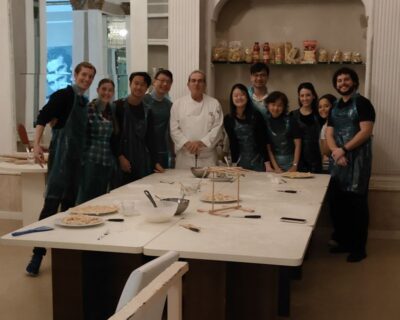
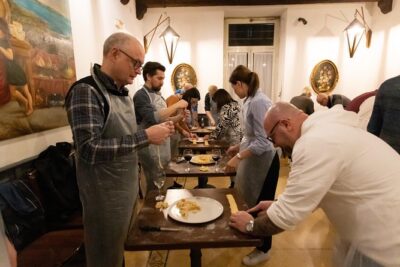
Naples Pasta Class: Fettuccine & Ravioli with Grandma’s Recipe
Read our review →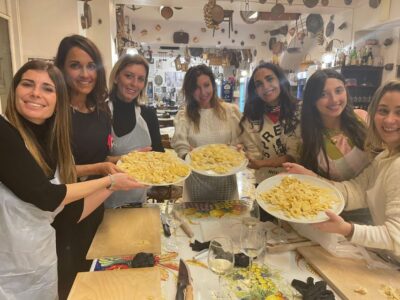
Napolitan Secrets: Pasta & Tiramisù Class for Food Lovers
Read our review →
Amazing Pizza and Pasta Class at Savio’s kitchen cooking school
Read our review →
Hands-On Pasta Making and Traditional Tiramisu Workshop
Read our review →
Fresh Pasta Cooking Class and Dinner with a Local
Read our review →Lists this class appears in