
Review · MILAN
The Secrets to Learn Fresh Pasta and Tiramisù in a Glam Home
Fresh pasta tastes better when you make it yourself, especially in an elegant Milanese home filled with paintings and antique furniture. This three-hour class takes you from flour and filling to a shared meal of tagliatelle, ravioli, tiramisù, wine, and garden-made limoncello.
I like the family recipes, including a ravioli filling connected to a Michelin-trained chef. I also like the range of instructors, from Grandma Bruna to Laura, Paolo, Federico, Lucas, and others, each bringing a slightly different style.
The main thing to consider is the communal format. You make your portion alongside other people, then the food is combined and shared. That creates a social evening, but it will not suit anyone seeking a private lesson or a fully separate dish.
Key points at a glance
- Fresh pasta from scratch: Prepare tagliatelle and ravioli by hand, then eat what you helped make.
- A home with Milanese character: The class takes place in an elegant palace apartment filled with art and antique furnishings.
- Family recipes with a chef’s touch: Learn traditional methods and a special ravioli filling linked to a Michelin-trained chef.
- Three courses in about three hours: The meal includes tomato tagliatelle, filled ravioli, and classic tiramisù.
- A sociable class: You cook with a group of up to 21 people, then sit down together with wine and limoncello.
- Easy Milan access: The meeting point is at Via Giuseppe Dezza 47, close to the blue metro line’s Coni Zugna, Via Foppa stop.
What this Milan pasta class is really like
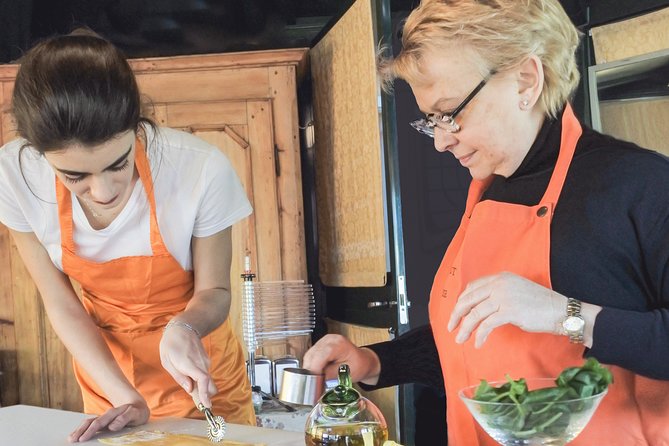
This is not a quick demonstration where you watch someone else cook. You work with the ingredients, shape the pasta, prepare the filling, and help make dessert. The point is to learn techniques you can repeat at home, not just to eat a meal in a nice setting.
The class lasts about three hours. It is held in English, and additional languages may be available on request, including French, German, Spanish, Ukrainian, Russian, Hebrew, and Persian. The teacher may be Grandma Bruna, one of her children or grandchildren, or another instructor such as Laura, Paolo, Federico, Lucas, Marco, Caterina, Francesco, Fred, or Katerina.
That changing instructor lineup matters. You should expect the same general menu and format, but the tone may vary. Laura is described as organized and engaging with larger groups. Federico brings humor and clear explanations. Paolo is a friendly choice for families, and Lucas is especially good at putting hesitant cooks at ease.
The organizer sends the teacher’s name by email 12 hours before the class. If you specifically want Grandma Bruna, that cannot be guaranteed at such short notice. I would treat the family connection as part of the experience, but not assume that one particular person will teach your session.
More Fresh Pasta Workshops in Milan
- Milan: Fresh Pasta & Tiramisù Class in a Glamorous Home
★ 4.9 · 478 reviews - The secrets to Learn Fresh Pasta & Gelato in a Glam Home
★ 5.0 · 150 reviews - Milan – Discover the Italian flavors: Fresh Pasta and Tiramisu
★ 5.0 · 46 reviews
Entering an elegant Milanese home
The address is Via Giuseppe Dezza 47 in central Milan. Use the intercom marked 47 when you arrive. The cooking space is in a residential building, so this is not a restaurant with a bright sign and a public front door.
That detail is worth taking seriously. The entrance may feel less obvious than a normal tour meeting point. Read the instructions before leaving, and allow a little time to find the correct door. The location is near public transportation, with the blue metro line just 20 meters from the Coni Zugna, Via Foppa stop.
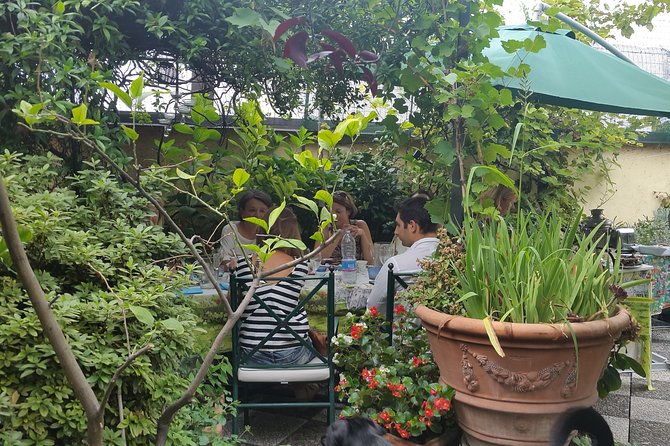
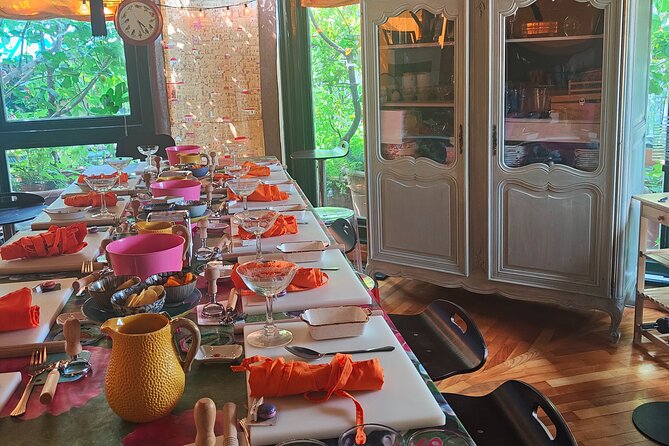
Inside, the setting is part of the appeal. The home is described as an elegant palace filled with paintings and antique furniture connected to the family’s Palladian palace. You are not simply walking into a commercial kitchen. You are entering a family space where cooking has been passed from grandparents to children and grandchildren.
That can make the evening feel personal, though it also means the setting is more intimate and informal than a purpose-built cooking school. If you prefer polished classroom stations and lots of personal work space, ask yourself if a home setting fits your style.
Making tagliatelle with traditional tomato sauce
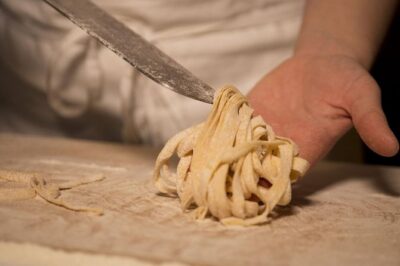
The first major dish is fresh tagliatelle with a traditional tomato sauce and grated Parmigiano Reggiano. The class focuses on the process of making the noodles, rather than treating fresh pasta as a decorative extra.
You will work through the basic stages under instruction, from handling the dough to shaping the noodles. This is where beginners get the most useful practice. Several instructors are praised for giving step-by-step directions, so you do not need advanced cooking skills to take part.
I especially like the practical value here. Fresh pasta can look intimidating, but the class breaks it into actions you can remember. At home, you will not need a special Milanese kitchen to repeat the lesson. You will need patience, a workable surface, and a willingness to make noodles that are not perfectly identical.
The tomato sauce keeps the dish familiar. It lets you taste the pasta itself, along with the sharp, salty finish of Parmigiano Reggiano. If you are hoping for a long list of elaborate dishes, this is not that sort of class. The menu is focused, traditional, and manageable within three hours.
Shaping ravioli with a Michelin-trained filling
Next comes ravioli, made with a special filling associated with a one-star Michelin chef. The recipe gives the class a more refined element without abandoning its family-cooking roots.
Ravioli requires a little more care than tagliatelle. You need to place the filling properly, seal the pasta, and avoid trapping too much air. The teacher’s guidance matters here, especially if this is your first attempt. The class is designed to keep you involved, so expect to shape the ravioli yourself rather than simply watch a demonstration.
The filling is described as a family recipe with a Michelin connection, but the available details do not specify every ingredient. That is useful to know before booking. You will learn the featured filling during the class, but you should not expect a published recipe in advance.
The finished ravioli is topped with grated Parmigiano Reggiano. As with the tagliatelle, the final dish is cooked and shared. You prepare your part with the group, then the pasta becomes a communal meal.
More Tiramisu Classes in Milan
- Milan: Pasta and Tiramisu Cooking Class with Wine
★ 4.8 · 1,106 reviews - Gnocchi, Pasta, Tiramisù and Wine Class
★ 5.0 · 691 reviews - Milan: Pasta and Tiramisu Small Group Cooking Class with Wine
★ 5.0 · 660 reviews - Milan Culinary Experience: Pasta & Gelato or Tiramisù Class
★ 5.0 · 337 reviews
Finishing with classic tiramisù
Tiramisù is the dessert, made from a traditional creamy recipe that has become one of the family’s signature dishes. For many people, this is as appealing as the pasta because tiramisù is easy to recognize but surprisingly easy to get wrong.
The lesson focuses on the classic style rather than a novelty version. You will prepare the dessert during the class, then eat it after the pasta course. One practical warning: the meal is substantial. If you are already full after the noodles and ravioli, save room for dessert because the tiramisù is meant to be part of the full experience.
The three dishes give the class a good rhythm. Tagliatelle teaches basic fresh pasta handling. Ravioli adds filling and shaping. Tiramisù shifts the work from dough to dessert and gives you another recipe to repeat at home.
The communal meal, wine, and limoncello

At the end, you sit down to eat the pasta and tiramisù you prepared. Wine is served with the meal, and homemade limoncello made from fresh lemons in the garden is also part of the experience.
The timing of the wine is important. It is served during the final tasting rather than throughout the cooking session. If you want a drink while you work, this class may not match your expectations. The organizers describe the delayed service as intentional, so you can concentrate on cooking and enjoy the wine with the finished food.
The limoncello adds a pleasant family touch. It is not just a standard after-dinner pour from a bottle. The lemons come from the garden, and the drink fits the home-based setting.
The shared meal is one of the strongest parts of the format. You cook with people from different places, then eat together at the end. This is a good choice if you like conversation and do not mind sharing the food preparation. It is less suitable if you want to keep your portion separate or avoid handling food made by other participants.
Food hygiene is another fair consideration. The organizers say the cooking is supervised and follows hygiene procedures, but the format remains hands-on and communal. You and the other people in the class handle the pasta before it is cooked. If that makes you uncomfortable, a private cooking lesson may be a better fit.
Group size and teaching style
The maximum group size is 21 people. That is not a tiny private workshop, but the class can still work well if the teacher keeps everyone involved.
The strongest teaching comments focus on organization, humor, and patience. Laura is described as managing a group of 13 with ease. Federico is noted for including everyone and helping strangers feel comfortable. Lucas is praised for encouraging even a reluctant 19-year-old to join in.
Those details tell you what kind of class this is. You do not need to arrive as a serious cook. Families, couples, solo participants, and first-time pasta makers can all take part. Teenagers may enjoy the hands-on work more than a standard museum visit, especially because the result is a meal they can eat immediately.
The group size can also affect your personal attention. With up to 21 people, you may not receive a long one-on-one lesson. The teacher gives instructions to the group, then moves around to help. If you want detailed correction of every fold and cut, choose a smaller private class. If you want a social evening with clear guidance, the larger format should suit you.
Price and overall value at $90.70
The listed price is $90.70 per person. That is more than the cost of an ordinary meal in Milan, but you are paying for several parts at once: about three hours of instruction, ingredients, three prepared dishes, wine, limoncello, and access to a private home setting.
The value depends on how much you care about learning. If you only want to eat pasta and tiramisù, a restaurant will usually be simpler. If you want to understand how fresh pasta dough feels, how ravioli is sealed, and how to prepare the dessert at home, the class gives you something that a restaurant cannot.
I find the price easier to justify for families and small groups who would otherwise spend an evening looking for a shared activity. It also works well near the end of a Milan stay because the recipes give you a final connection to Italian food that you can carry home.
The value is less clear if you expect a private chef, unlimited wine, or a polished luxury event. Wine is served at the end, the group may be large, and the food is prepared communally. Go in expecting a friendly cooking workshop, not a tasting menu.
The activity is often booked around 28 days ahead. That suggests you should plan it rather than wait until the last afternoon. You receive confirmation when booking, and free cancellation is available up to 24 hours before the start time. Cancellations within 24 hours are not refunded.
Who should book this class?
I would recommend it to first-time pasta makers, families with teenagers, couples who enjoy cooking, and anyone who wants a social evening with a meal built into the activity. The English instruction and possible additional languages make it accessible to a wide range of people.
It is also a good choice for someone who wants a local-feeling setting rather than a formal culinary studio. The family recipes, changing generations of teachers, antique furnishings, and garden limoncello give the class a personal identity.
I would hesitate if you dislike group activities, have strict food-sharing concerns, or want to choose the exact instructor. I would also think twice if you expect wine during the cooking portion or need a quiet, private lesson.
Should you book the Milan pasta and tiramisù class?
Book it if you want to spend three hours making food, meeting other people, and eating a traditional Italian meal in a family home. The combination of tagliatelle, ravioli, tiramisù, wine, and limoncello gives you a full evening rather than a short pasta demonstration.
The class earns its strong reputation through hands-on teaching, friendly instructors, and recipes you can repeat at home. Just arrive prepared for a residential entrance, a group of up to 21, shared food preparation, and wine served with the final meal. If those details sound enjoyable, this is a worthwhile Milan activity at $90.70.
FAQ
Where does the cooking class take place?
The class begins and ends at Via Giuseppe Dezza 47, 20144 Milan, Italy. Use the intercom marked 47 when you arrive.
How long does the experience last?
The cooking class lasts approximately three hours.
What dishes will I prepare?
You will prepare fresh tagliatelle with traditional tomato sauce, ravioli with a special Michelin-connected filling, and traditional tiramisù.
Is the class taught in English?
Yes. The lesson is held in English. Other languages may be available on request, including French, German, Spanish, Ukrainian, Russian, Hebrew, and Persian.
Who might teach the class?
The teacher may be Grandma Bruna, one of her children or grandchildren, or another instructor. Names associated with the classes include Laura, Paolo, Federico, Lucas, Marco, Caterina, Francesco, Fred, and Katerina.
Can I request Grandma Bruna?
You may request Grandma Bruna, but her availability cannot be guaranteed 12 hours before the class.
Is wine included?
Wine is served during the final meal with the food you prepared. It is not described as being served throughout the cooking session.
Is limoncello included?
Yes. You will sample homemade limoncello prepared with fresh lemons from the garden.
How many people can join the class?
The activity has a maximum of 21 participants.
Can I cancel for a full refund?
Yes, if you cancel at least 24 hours before the experience start time. Cancellations or changes made less than 24 hours before the start time are not refunded.
Fresh off the board around Milan
- Rockin kitchen : Fresh Pasta lesson with Music Aperitif Dinner★ 5.0 · 28 reviews
- Small group Pasta and Tiramisu class in Milan by Cesarine★ 5.0 · 25 reviews
- Milan: The Ultimate Pasta Mastery Workshop★ 4.0 · 21 reviews
- Share Your Pasta Love in a Local’s Home in Milan★ 5.0 · 3 reviews
- Pasta and Tiramisu Cooking Class at Come Na Vorta Navigli Milan★ 5.0 · 16 reviews
- PRIVATE Cooking Class in a Local Home – Pick Your Menu★ 5.0 · 18 reviews
- Easily Make Pasta, Bruschetta & Tiramisù★ 5.0 · 14 reviews
- Italian Cocktail + Art of Making Pasta Cooking Class In Unique Milan Location★ 5.0 · 16 reviews
Tiramisu Classes, class by class.
3 in 1 Cooking Class near Navona: Fettuccine, Ravioli & Tiramisu
Read our review →
Pasta & Tiramisu Cooking Class with Unlimited Wine
Read our review →
Pasta & Tiramisu Class with Fine Wine by the Vatican
Read our review →
3-in-1 Fettuccine, Ravioli, and Tiramisu Cooking Class
Read our review →
Learn to Make Pasta & Tiramisu with Wine and Limoncello Included
Read our review →
Become a Masterchef in Rome: Pasta, Ravioli and Tiramisù Class
Read our review →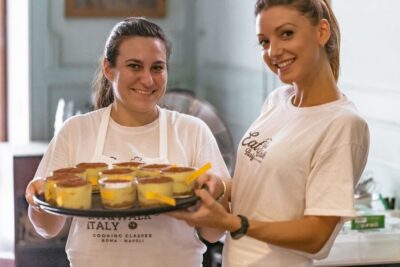
Fettuccine & Tiramisù: Cooking Class with Wine & Limoncello
Read our review →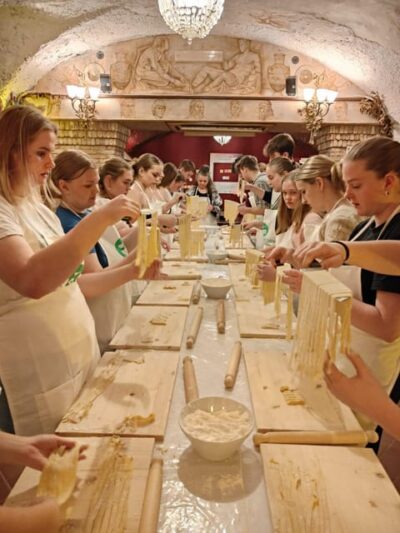
Pasta & Tiramisu Cooking Class near the Spanish Steps
Read our review →Lists this class appears in